Do Illinois Homeowners Need To Clean Up Acorns From A Neighbors Oak

Acorns tumbling from a neighbor’s oak can turn an Illinois yard into a crunchy minefield overnight, and that sudden mess often triggers questions faster than squirrels can stash their haul.
One homeowner sees a seasonal nuisance, while the other insists the acorns fall as naturally as autumn leaves.
The line between courtesy and responsibility starts to blur, and frustration sometimes rises right along with the growing pile.
Illinois law steps in with guidance that surprises many residents, setting clear expectations that keep minor annoyances from snowballing into full-blown disputes.
Before tensions sprout across property lines, a closer look at the rules brings clarity, calm, and a smoother path through a situation as old as oak trees themselves.
Property Owners Must Handle Natural Debris On Their Land

Illinois law generally considers acorns that fall onto your property as your responsibility to clean up, regardless of where the tree stands.
Even if your neighbor’s oak tree is dropping hundreds of acorns into your yard every fall, you typically cannot force them to come clean it up.
The legal principle here treats natural debris differently from man-made objects or intentional actions.
Courts across Illinois have consistently ruled that property owners must maintain their own land, including removing natural materials that accumulate there.
This applies to leaves, branches, seeds, and yes, acorns too.
Think of it like rain or snow—nobody can control where it falls, so everyone handles what lands on their property.
However, there are some exceptions to this general rule.
If your neighbor deliberately plants a tree right on the property line with the intention of causing you problems, that might be different.
But in most everyday situations with established oak trees, the cleanup duty falls on whoever owns the land where the acorns land, not where the tree grows.
Overhanging Branches Give You Trimming Rights
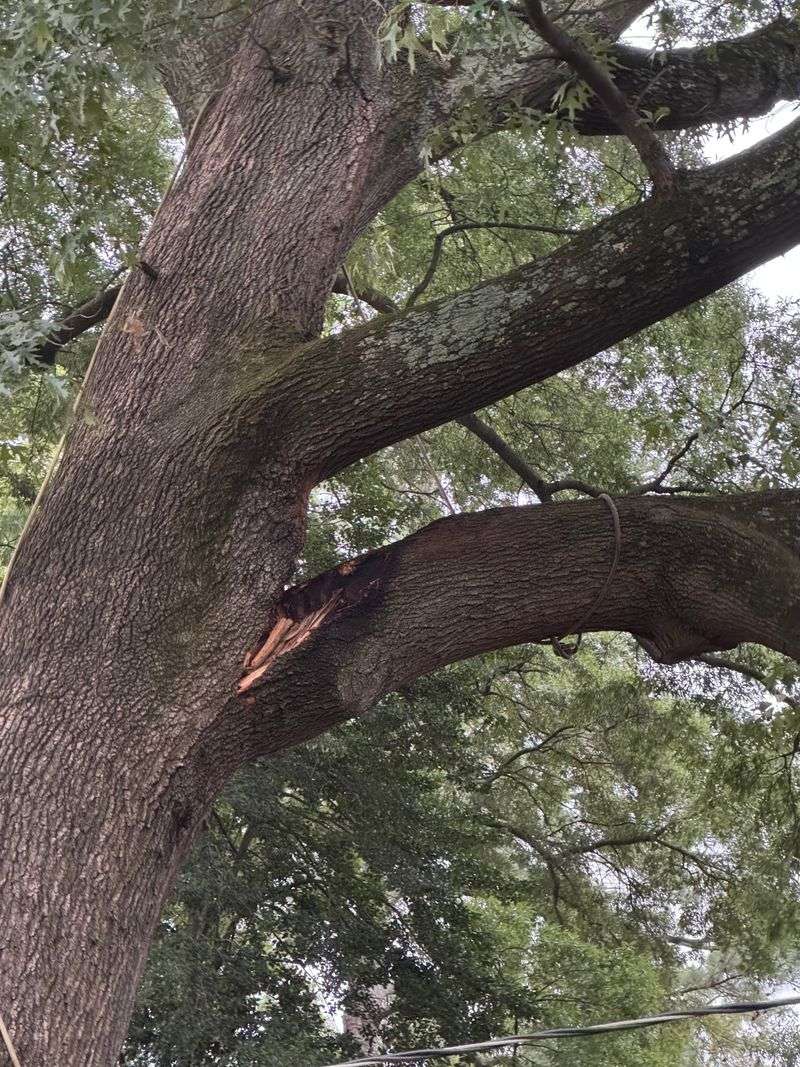
Illinois property law grants homeowners the right to trim branches that hang over their property line, even if the tree belongs to a neighbor.
This means you can reduce the number of acorns falling into your yard by carefully pruning those overhanging limbs.
You must, however, follow specific guidelines when exercising this right.
First, you can only trim up to the property line—not beyond it.
Second, you cannot harm the overall health of the tree or cause it significant damage.
If your trimming actions actually harm the tree, your neighbor could potentially sue you for damages.
Before grabbing your saw, consider talking with your neighbor about the situation.
Many disputes get resolved through friendly conversation rather than legal action.
Your neighbor might even agree to trim the branches themselves or split the cost of hiring a professional tree service.
Professional arborists understand how to trim branches properly without harming the tree’s health.
They also carry insurance in case something goes wrong during the trimming process.
Spending a bit of money upfront can prevent bigger problems and preserve good relationships with those living next door.
Nuisance Laws Rarely Apply to Falling Acorns
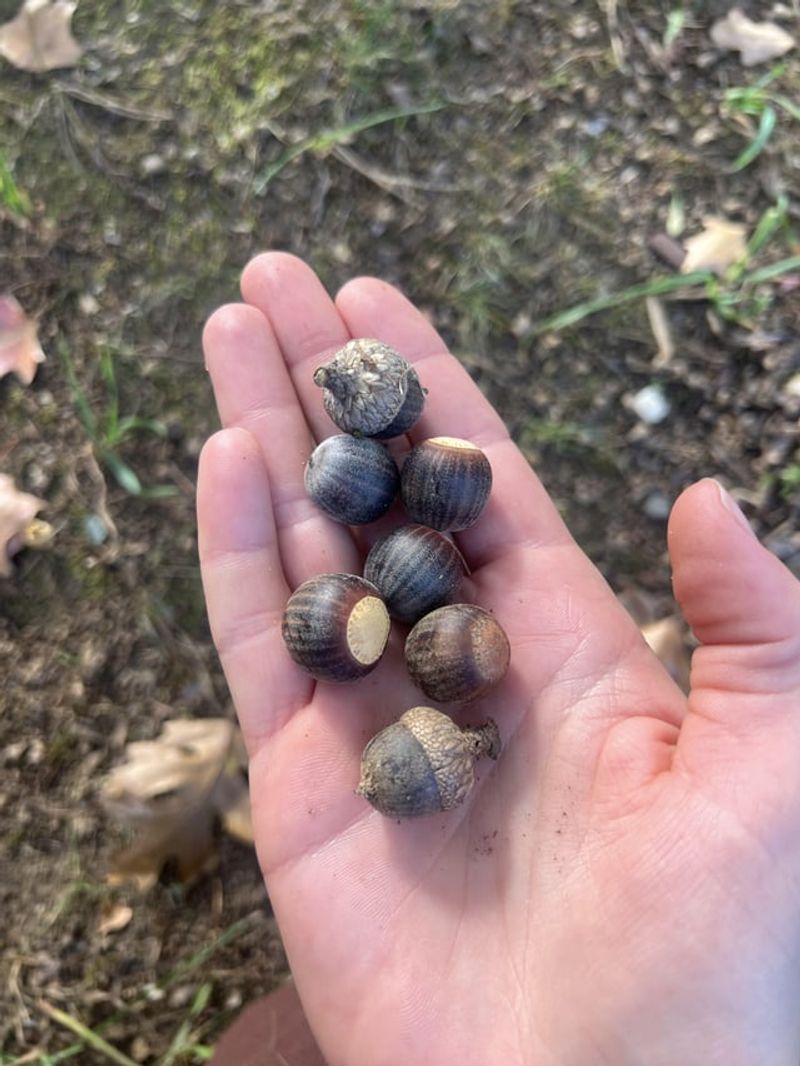
Many frustrated homeowners wonder if they can sue their neighbor for creating a nuisance with all those falling acorns.
Unfortunately, Illinois courts typically do not consider natural processes like acorns falling to be legal nuisances.
A nuisance generally requires intentional or negligent actions that substantially interfere with your property enjoyment.
Oak trees dropping acorns is simply what oak trees do naturally.
Your neighbor did not create this situation on purpose, and they are not acting negligently by having an oak tree on their property.
The law recognizes that people living near trees must accept certain inconveniences that come with nature.
Courts might view things differently if your neighbor planted the oak tree maliciously or positioned it specifically to bother you.
But established trees that were there before disputes arose rarely qualify as nuisances under Illinois law.
Judges understand that trees provide environmental benefits and enhance neighborhood character despite the maintenance they require.
Some extreme situations might warrant legal action, though.
If acorns accumulate so heavily that they create hazardous conditions or attract pests that invade your home, you might have stronger grounds for a claim.
Consulting with a local property attorney can help you understand whether your specific situation crosses into actionable nuisance territory.
Homeowner Associations May Have Special Rules
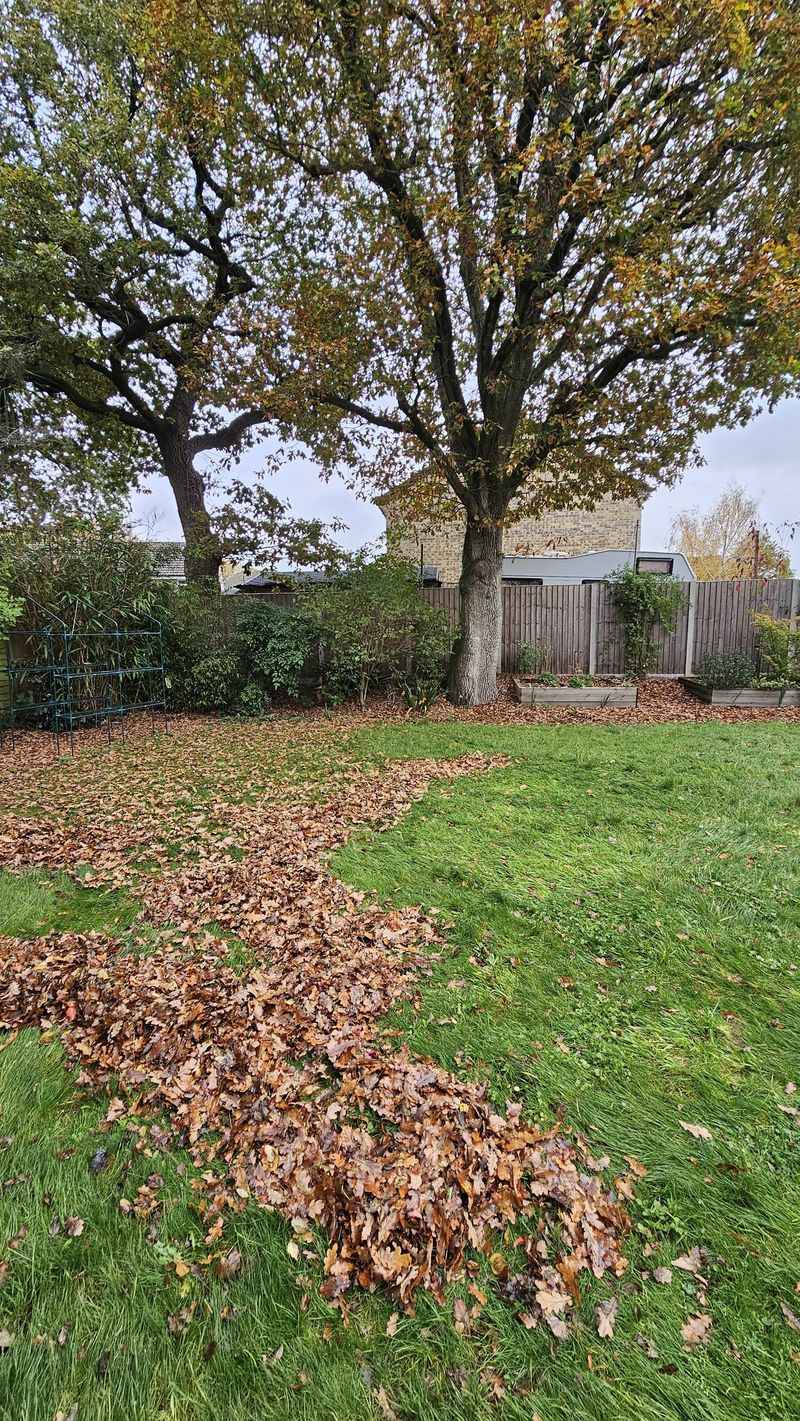
Living in a neighborhood with a homeowner association adds another layer of rules to consider.
Many HOAs in Illinois have specific regulations about tree maintenance, property upkeep, and how neighbors should handle disputes.
Your HOA covenant might address who is responsible for cleaning up natural debris from neighboring trees.
Some associations require property owners to maintain trees on their land in ways that minimize impact on neighbors.
Others might have rules about how quickly you must clean up debris that accumulates in your yard.
These private agreements can sometimes override general Illinois property law principles.
Check your HOA documents carefully before taking any action.
You might discover that your neighbor actually does have an obligation to manage their oak tree better.
Or you might find that you are required to keep your yard clear of acorns within a certain timeframe.
HOA boards often help mediate disputes between neighbors about tree-related issues.
Bringing your concern to the board might result in a solution that works for everyone.
The association might even arrange for professional cleanup services or tree management that benefits the entire community.
Always exhaust these internal options before considering legal action outside the HOA structure.
Acorns Can Create Legitimate Safety Hazards
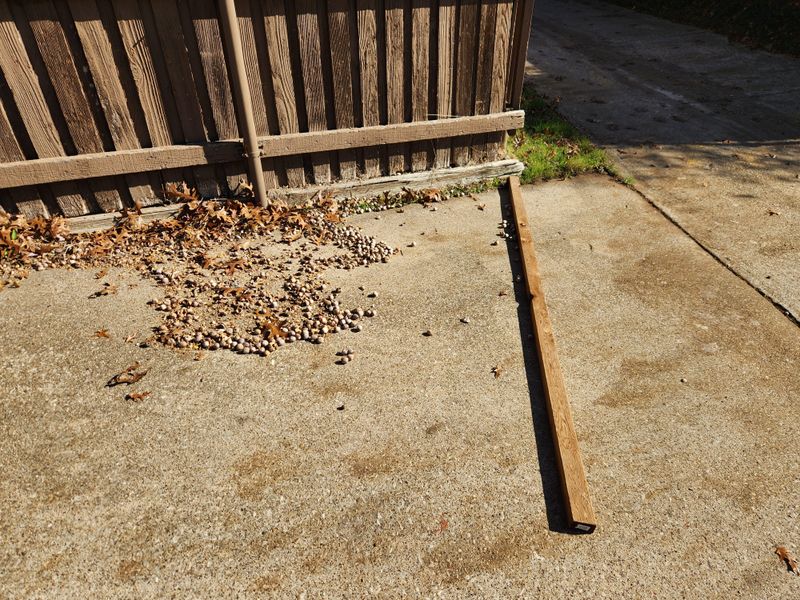
While you generally must clean up acorns yourself, documenting safety hazards they create strengthens your position if disputes arise.
Acorns scattered across driveways, walkways, and patios can become extremely slippery, especially when wet.
People have suffered serious injuries from slipping on acorns, and these situations sometimes lead to liability concerns.
If someone gets hurt on your property because of acorn accumulation, you might face a premises liability claim.
Illinois law requires property owners to maintain reasonably safe conditions for visitors and guests.
Failing to regularly clear acorns from walking surfaces could be seen as negligence if someone gets injured.
Documenting the volume of acorns falling and the frequency with which you must clean them helps if you eventually need to take legal action.
Take photos showing the accumulation, keep records of cleaning efforts, and note any near-accidents or actual injuries.
This evidence demonstrates that the situation goes beyond normal inconvenience.
In extreme cases where acorns create genuinely dangerous conditions, you might have grounds to request that your neighbor take action.
Courts are more sympathetic when natural debris crosses from annoyance into actual hazard territory.
A lawyer can review your documentation and advise whether you have a viable claim for relief based on safety concerns.
Municipal Codes Sometimes Address Tree Maintenance
Beyond state law and HOA rules, your local municipality might have ordinances that affect tree maintenance responsibilities.
Many Illinois cities and towns have adopted specific codes about trees, especially those near property lines or public spaces.
These local regulations can sometimes provide remedies that general property law does not.
Some municipalities require property owners to maintain trees in ways that do not create hazards or excessive maintenance burdens for neighbors.
Others have provisions for mediating tree disputes or even removing problematic trees in certain situations.
Your city might have an urban forester or public works department that handles tree-related complaints.
Check your municipal website or call city hall to learn about local tree ordinances.
You might discover that your neighbor is actually violating a local code by failing to maintain their oak tree properly.
Or you might find resources for getting help with the cleanup burden.
Some communities offer seasonal programs where they help residents manage fallen leaves and other natural debris.
These services sometimes extend to acorn cleanup as well.
Taking advantage of municipal resources can ease your burden without creating conflict with neighbors.
Local officials also understand regional tree issues better than general legal principles might address.
Communication Often Solves Problems Better Than Courts
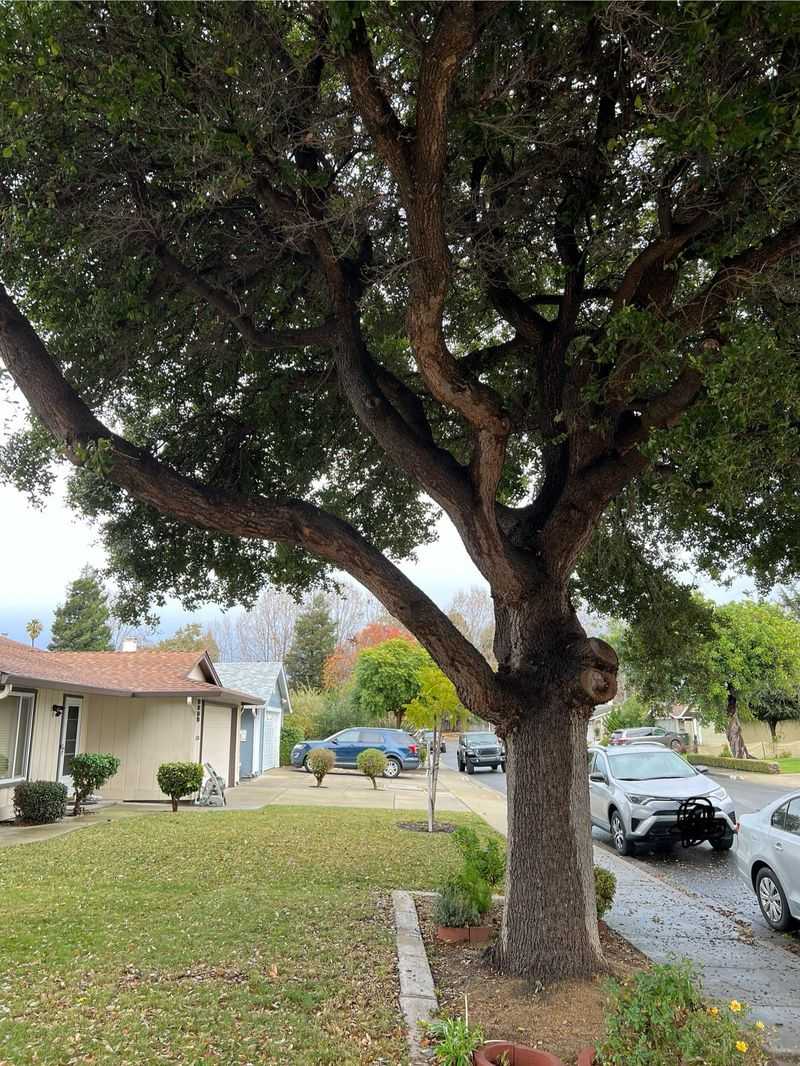
Before considering legal action or exercising your trimming rights, try having an honest conversation with your neighbor.
Most people are reasonable and willing to work together when approached respectfully.
Your neighbor might not even realize how many acorns are falling into your yard or the problems they are causing.
Approach the conversation calmly and avoid making accusations.
Explain the situation factually and ask if they would be willing to help find a solution.
Perhaps they would agree to trim some branches, or maybe you could share the cost of professional tree services.
Offering to help with the solution often makes neighbors more receptive.
You might suggest splitting the cost of an arborist who can thin the canopy to reduce acorn production.
Or you could offer to clean up the acorns if your neighbor bags them for disposal.
Remember that you will continue living next to this person long after the acorn season ends.
Preserving a positive relationship often matters more than winning a dispute.
Neighbors who work together typically find creative solutions that satisfy everyone involved.
If direct conversation feels uncomfortable, consider writing a friendly letter or email.
Written communication gives both parties time to think before responding and creates a record of your attempts to resolve things amicably.
Professional Tree Services Offer Long-Term Solutions
Hiring a certified arborist provides options beyond just cleaning up acorns after they fall.
Tree professionals can assess the oak tree and recommend strategies to reduce acorn production or redirect where they fall.
While you cannot force your neighbor to pay for these services, understanding the options helps you make informed decisions.
Arborists can prune oak trees in ways that maintain their health while reducing the density of acorn-producing branches.
Strategic trimming of overhanging limbs can significantly decrease the number of acorns landing in your yard.
Professional services also ensure the work gets done safely and without damaging the tree.
Some tree care companies offer growth regulators that can reduce flowering and acorn production in oak trees.
These treatments do not harm the tree but can provide relief for several seasons.
Discussing this option with your neighbor might lead to a shared solution where you both benefit from reduced acorn volume.
Getting multiple quotes from licensed, insured arborists helps you understand the costs involved.
You might find that the expense is reasonable enough to handle yourself, especially if it solves the problem for multiple years.
Professional services also provide documentation that you are addressing the situation responsibly if disputes continue.
Documenting Costs Helps If Legal Action Becomes Necessary
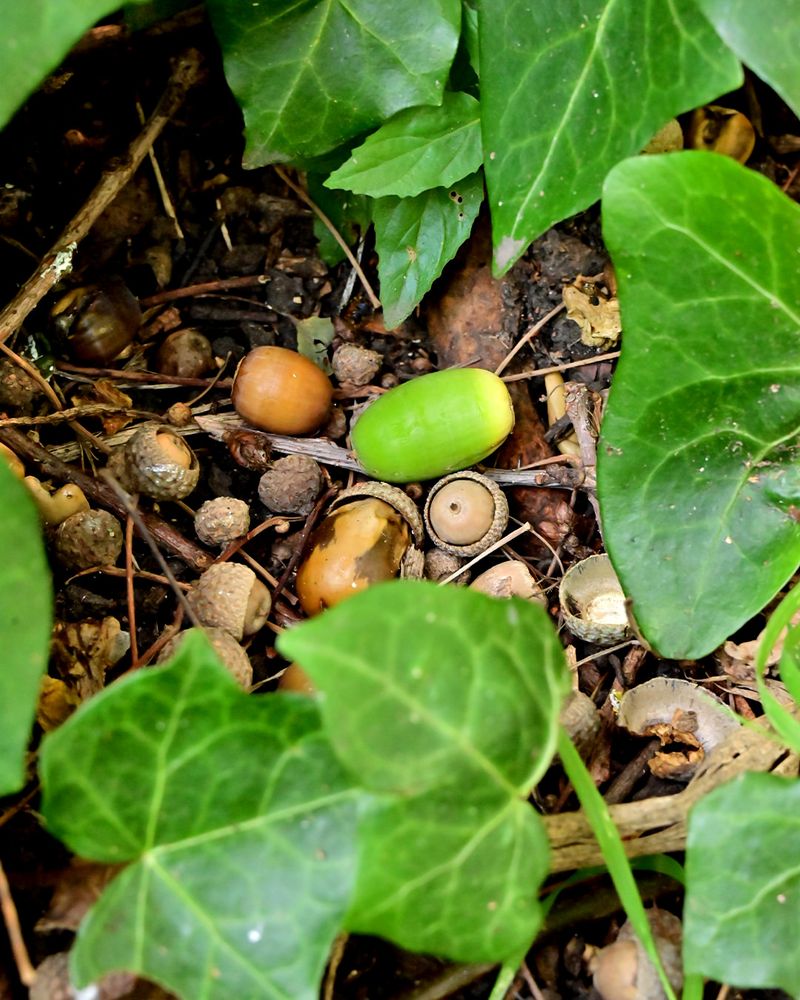
If you eventually decide to pursue legal remedies, having thorough documentation of your cleanup costs and efforts becomes crucial.
Keep detailed records of every expense related to managing the acorn situation.
This includes receipts for yard waste bags, equipment purchases, professional cleaning services, and your own time spent cleaning.
Take dated photographs regularly showing the accumulation of acorns in your yard.
These images provide visual evidence of the scope and frequency of the problem.
Photos taken over multiple seasons demonstrate that this is an ongoing issue rather than a one-time occurrence.
Log the time you spend cleaning up acorns, including dates and hours invested.
While courts do not always compensate for personal labor, this record shows the burden you are bearing.
It also helps establish that the situation goes beyond normal yard maintenance.
Save any correspondence with your neighbor about the acorn issue.
Emails, letters, and text messages showing your attempts to resolve things amicably demonstrate good faith on your part.
Courts look favorably on parties who tried to work things out before seeking legal intervention.
This documentation becomes especially important if the situation affects your property value or creates ongoing expenses.
Organized records make your case stronger and show that you are serious about the impact on your property.
Understanding When Legal Advice Makes Sense
Most acorn situations do not require hiring an attorney, but knowing when to seek legal advice can save you time and money.
If your neighbor refuses to communicate or the acorn problem causes significant property damage or safety issues, consulting a lawyer makes sense.
Property attorneys understand Illinois law and can evaluate whether you have viable legal options.
Schedule a consultation if you have tried communication, documented the problem, and still cannot find a resolution.
Many attorneys offer initial consultations at reduced rates or even free.
Bring all your documentation, including photos, receipts, correspondence, and notes about conversations with your neighbor.
An attorney can explain whether your situation might qualify as a nuisance, trespass, or other legal claim.
They can also review HOA documents and local ordinances to identify any regulations that might help your case.
Sometimes just having a lawyer send a formal letter prompts neighbors to take the situation more seriously.
Weigh the potential costs of legal action against the ongoing burden of the acorn problem.
Litigation can be expensive and time-consuming, and outcomes are never guaranteed.
Your attorney can give you realistic expectations about what you might achieve through legal channels.
Sometimes the best advice is to focus on practical solutions rather than pursuing formal legal remedies.