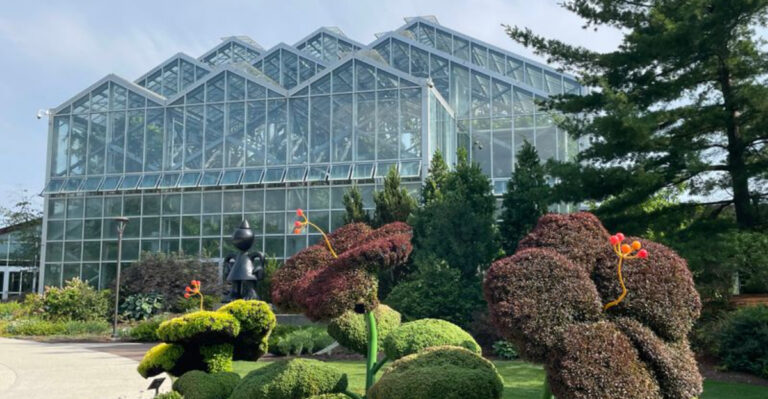
Do Not Bring These Plants Indoors If You Live In Michigan
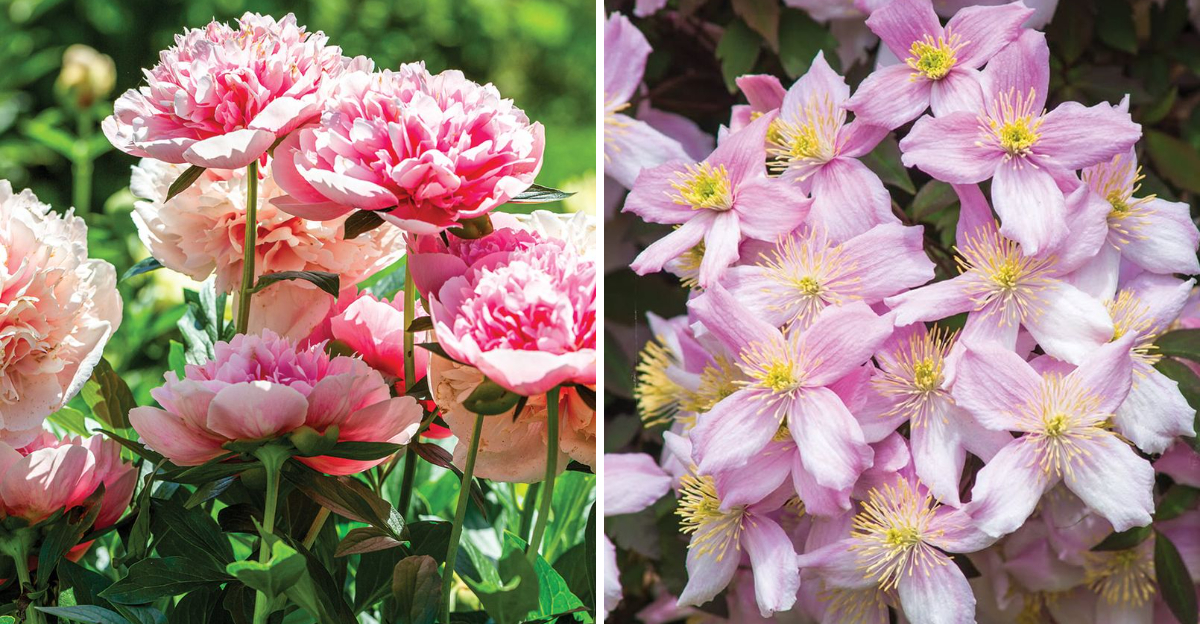
Step inside a Michigan home on a cold winter day and you will usually find a few plants trying to survive near sunny windows and warm vents. What many people do not realize is that some popular plants simply do not handle indoor Michigan conditions well.
Between dry heating air, low winter light, and sudden temperature changes, the wrong plant choice can turn into constant leaf drop, weak growth, and nonstop frustration.
It is not always about poor care. Some plants just belong outside or in very different climates. Knowing which ones struggle indoors can save you time, money, and a lot of guesswork.
A small change in what you bring inside can make your space feel calmer and easier to manage. If you want healthier houseplants and fewer winter disappointments, these are the ones you should think twice about first.
Hydrangeas (Hydrangea Macrophylla)
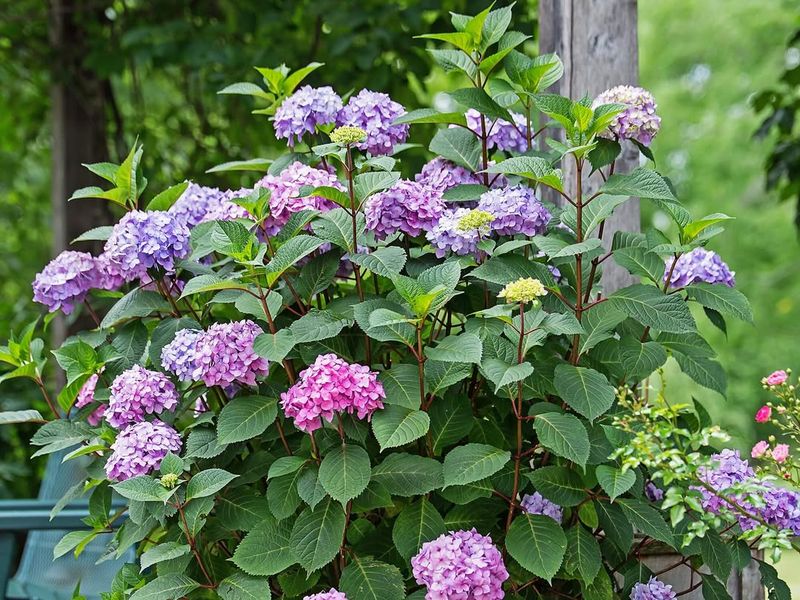
Those gorgeous blooms you love on your hydrangeas depend entirely on outdoor conditions.
These shrubs need the natural rhythm of Michigan’s seasons to produce flowers. Without proper temperature drops and light changes, they simply won’t bloom indoors.
Hydrangeas require a dormancy period during winter months to set their buds. The cold weather signals them to prepare for spring flowering. Indoor heating systems create an artificial environment that confuses the plant completely.
Your home’s stable temperature might seem comfortable, but it prevents bud formation. The plant needs those chilly nights and shorter days to trigger flowering. Without these cues, you’ll end up with leaves but no blooms.
Light levels indoors also fall short of what hydrangeas require for proper growth. Even your brightest window doesn’t match the intensity of outdoor sunlight. The plant becomes weak and struggles to photosynthesize effectively.
Humidity presents another challenge in Michigan homes during winter. Heating systems dry out indoor air significantly. Hydrangeas prefer moisture-rich environments, and dry air causes leaf edges to brown quickly.
Keep your hydrangeas outside where they belong year-round. Mulch around the base for winter protection instead. They’re hardy enough to handle Michigan’s cold when properly established outdoors.
Peonies (Paeonia Spp.)
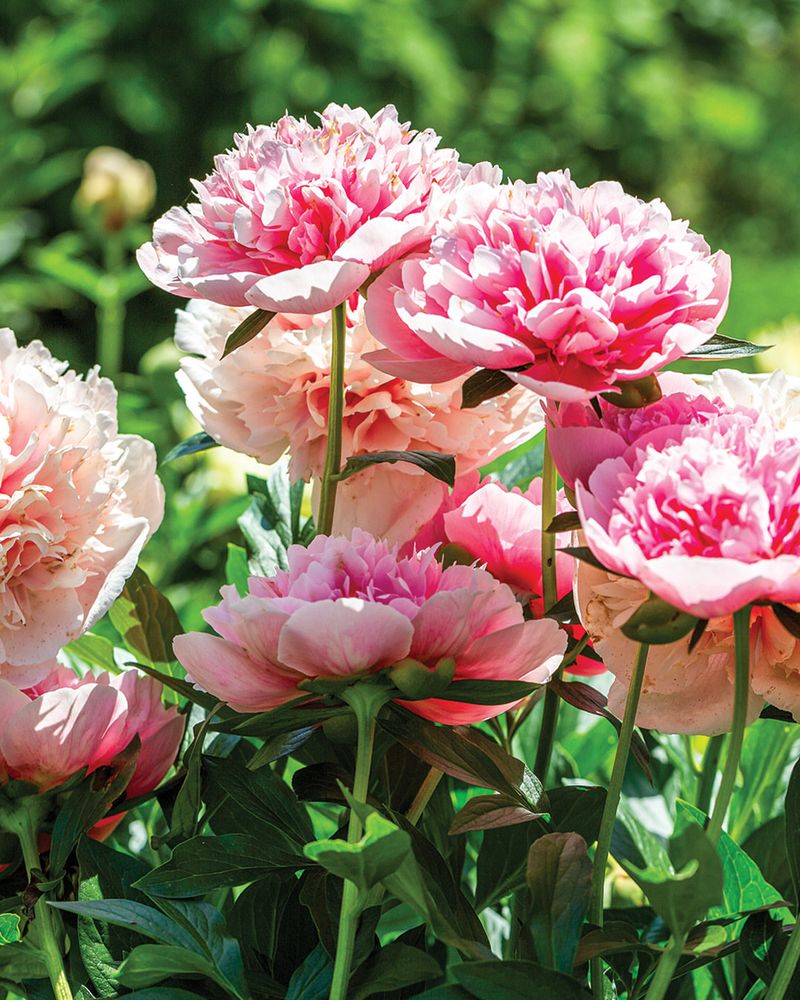
Peonies are legendary for their spectacular spring blooms, but they earn those flowers through winter hardship.
These perennials absolutely must experience cold dormancy to produce their famous blossoms. Skipping winter rest by bringing them inside destroys their flowering potential.
The biology of peonies revolves around seasonal temperature changes. Cold weather triggers hormonal changes that prepare flower buds for spring. Without freezing temperatures, the plant remains confused and stressed throughout the year.
Michigan’s climate actually provides ideal conditions for peony cultivation outdoors. These plants evolved to withstand harsh winters naturally. They’re far tougher than most gardeners realize and prefer staying outside.
Moving peonies indoors interrupts their growth cycle at a cellular level. The plant can’t complete its natural processes without proper dormancy. You’ll notice weak stems, yellowing leaves, and absolutely no flowers.
Indoor conditions also lack the soil microbes peonies depend on for nutrition. These beneficial organisms go dormant in winter alongside the plant. The relationship between plant and soil life requires outdoor conditions.
Root systems need cold stratification to remain healthy and vigorous. Warm indoor temperatures can actually damage the crown of the plant. Leave your peonies in the garden where they’ll thrive naturally.
Azaleas (Rhododendron Spp.)
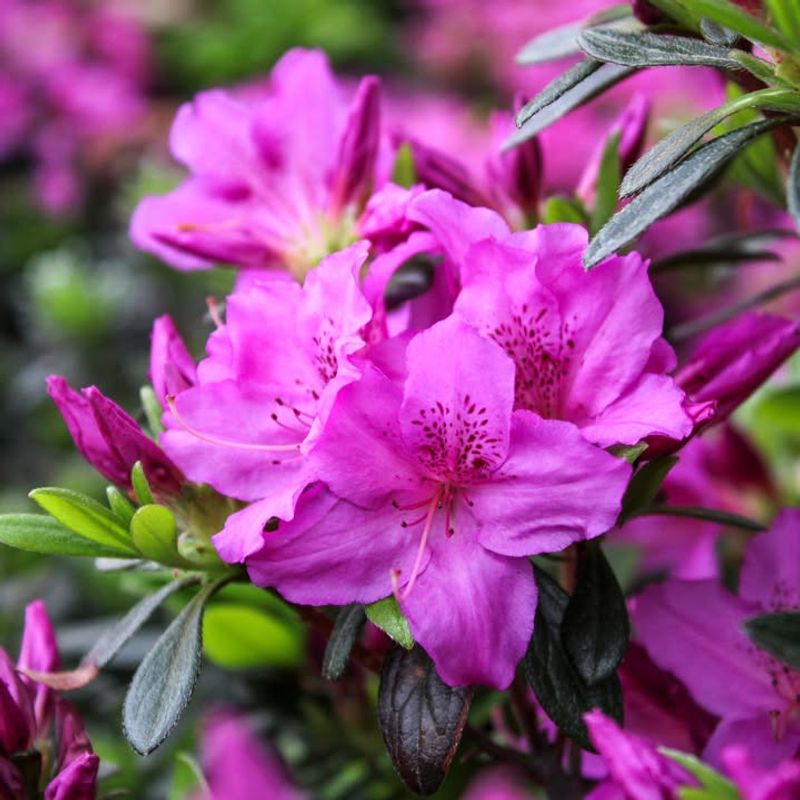
Azaleas bring stunning color to Michigan landscapes each spring, but they’re notoriously fussy about their environment.
These flowering shrubs demand specific conditions that indoor spaces simply cannot provide. Cool temperatures and high humidity top their list of non-negotiable requirements.
Michigan homes during winter become incredibly dry due to heating systems running constantly. Azaleas evolved in forest understories where moisture hangs in the air. Your living room’s humidity levels will cause leaves to drop rapidly.
The temperature fluctuations azaleas need for bud development happen naturally outdoors. They require cool nights to set flowers for the following season. Indoor heating maintains steady warmth that prevents proper bud formation completely.
Light requirements present another significant challenge for indoor azalea cultivation. These plants prefer bright but filtered sunlight, similar to woodland conditions. Windows provide either too much direct sun or insufficient light overall.
Soil acidity is crucial for azalea health, and this becomes harder to maintain indoors. Outdoor soil naturally maintains the acidic pH these plants require. Container growing indoors often leads to nutrient deficiencies and chlorosis.
Pest problems multiply when azaleas live indoors without natural predators. Spider mites and scale insects thrive in dry indoor air. Keep your azaleas outside where they’ll flourish in Michigan’s climate naturally.
Gardenias (Gardenia Jasminoides)
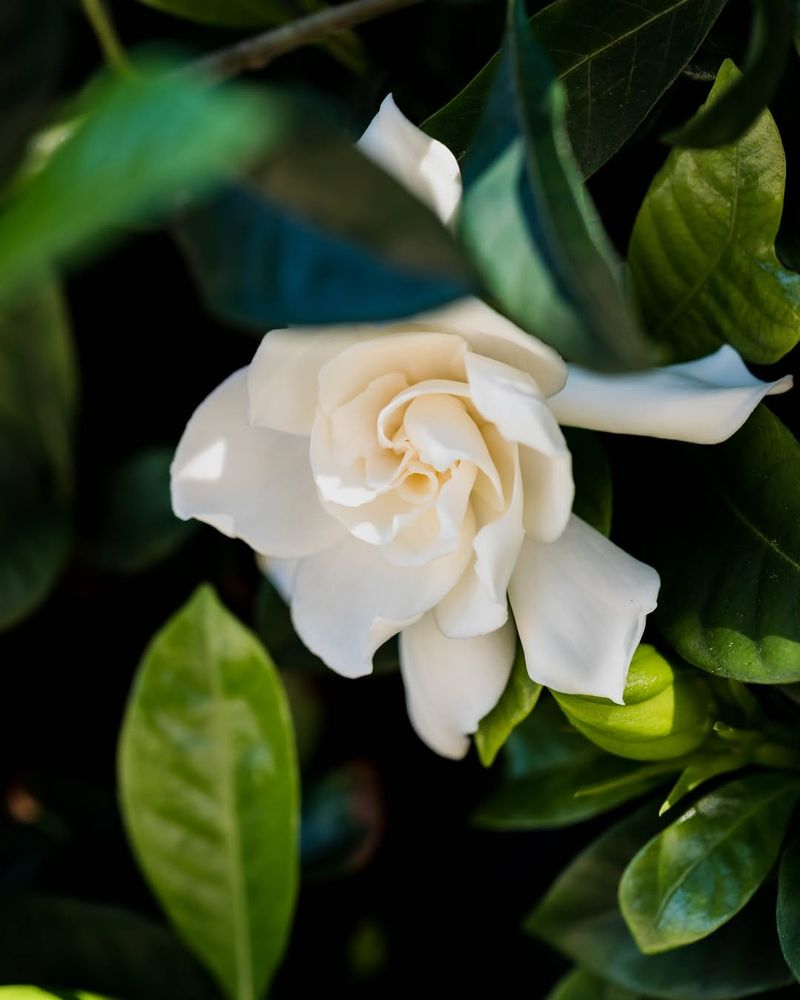
The intoxicating fragrance of gardenias makes them incredibly desirable houseplants, but success rates plummet indoors.
These temperamental beauties require a precise balance of conditions that Michigan homes rarely provide. Humidity, light, and temperature must all align perfectly for gardenias to thrive.
Bud drop becomes the most frustrating problem when growing gardenias indoors. The slightest environmental stress causes flower buds to fall before opening. Dry air, temperature fluctuations, and improper watering all trigger this disappointing response.
Gardenias evolved in subtropical regions with consistent moisture and warmth. Michigan’s indoor winter environment contrasts sharply with their native habitat. Heating systems create desert-like conditions that these plants absolutely cannot tolerate.
Light intensity indoors rarely matches what gardenias need for healthy growth. They require bright, indirect light for many hours daily. Even south-facing windows often provide insufficient illumination during Michigan’s short winter days.
Temperature requirements add another layer of difficulty for indoor gardenia cultivation. These plants prefer cool nights around sixty degrees but warm days. Most homes maintain steady temperatures that don’t satisfy this specific need.
Pest infestations become almost inevitable when gardenias struggle in suboptimal conditions. Whiteflies, mealybugs, and aphids attack stressed plants mercilessly. Consider gardenias outdoor container plants that you enjoy during warm months only.
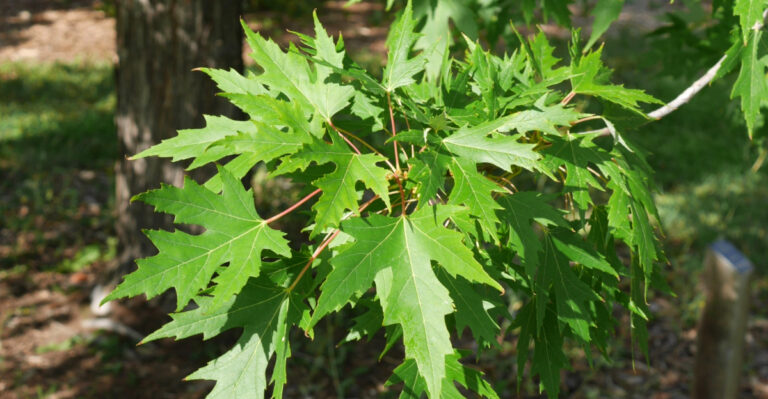
Japanese Maple (Acer Palmatum)
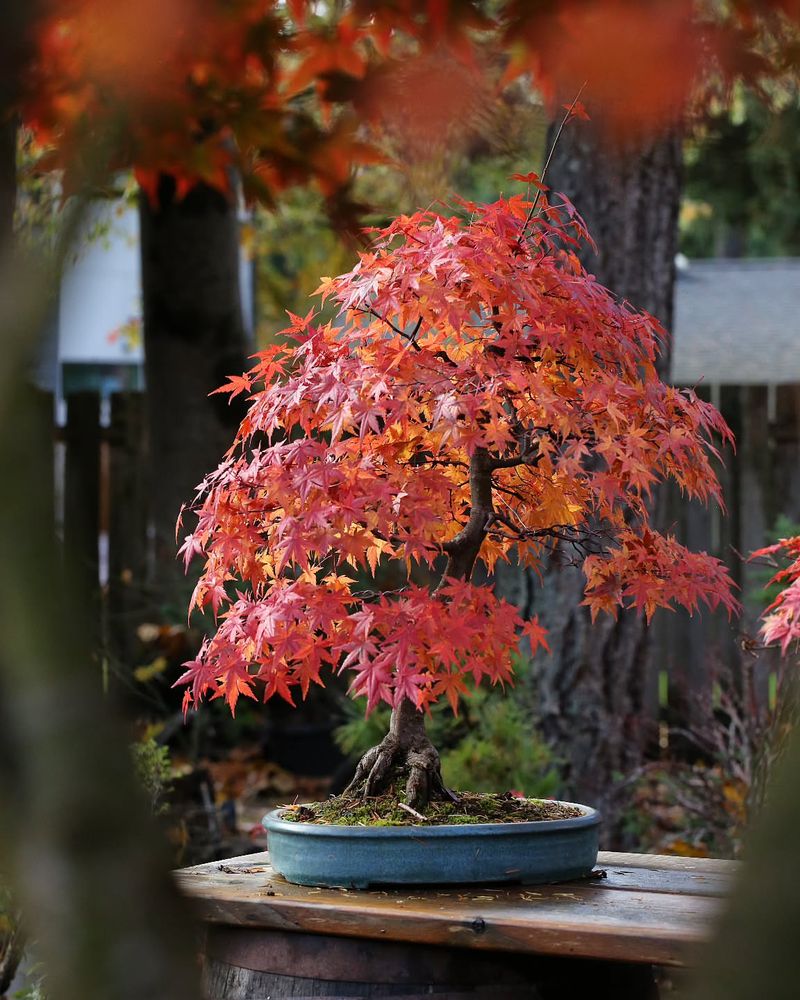
Japanese maples rank among the most elegant ornamental trees available to Michigan gardeners.
Their stunning foliage and graceful form make them landscape favorites. However, these trees absolutely require outdoor conditions and winter dormancy to survive long-term.
Dormancy isn’t optional for Japanese maples; it’s essential for their survival. Cold temperatures trigger metabolic changes that allow the tree to rest. Without this period, the tree exhausts its energy reserves and declines rapidly.
Root systems on Japanese maples develop specifically for outdoor growing conditions. They spread wide and need space that containers simply cannot provide. Confined roots lead to nutrient deficiencies and stunted growth over time.
The seasonal color changes that make Japanese maples so spectacular require outdoor temperature shifts. Indoor conditions prevent the chlorophyll breakdown that creates fall colors. You’ll miss the entire show that makes these trees special.
Light requirements for Japanese maples exceed what any indoor space can offer. These trees need full to partial sun for proper photosynthesis. Indoor lighting causes weak, leggy growth with poor leaf development.
Air circulation outdoors keeps fungal diseases at bay on Japanese maples. Indoor air stagnation encourages problems like powdery mildew and leaf spot. Michigan’s climate suits these trees perfectly when they remain outside year-round.
Camellias (Camellia Japonica & C. Sasanqua)
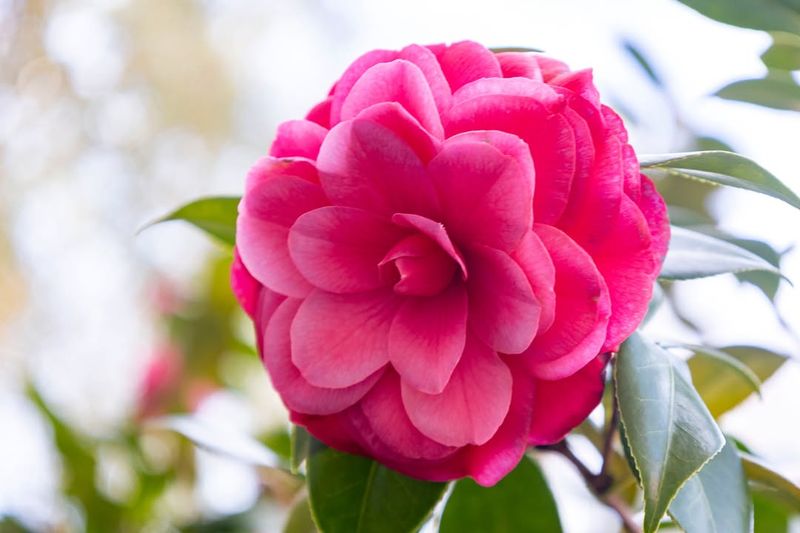
Camellias produce some of the most exquisite flowers in the plant kingdom. Their blooms resemble perfect roses and appear during late winter or early spring. Despite their beauty, these shrubs perform poorly when brought indoors in Michigan.
Cool temperatures are absolutely critical for camellia bud development and flowering. They need nights between forty and fifty degrees to set flowers properly. Most Michigan homes maintain temperatures far too warm for successful blooming.
Humidity requirements for camellias rival those of tropical plants. They evolved in moist forest environments with consistent moisture in the air. Indoor heating systems create conditions that cause bud drop and leaf damage.
Filtered light mimics the natural woodland habitat where camellias thrive outdoors. Direct sunlight burns their leaves, while insufficient light prevents flowering. Finding the right balance indoors proves nearly impossible for most growers.
Soil moisture management becomes tricky when growing camellias in containers indoors. They dislike both drought and waterlogged conditions equally. Outdoor growing allows for better drainage and more stable soil moisture.
Pest problems escalate dramatically when camellias live indoors without natural controls. Scale insects and spider mites infest stressed plants quickly.
Michigan gardeners should treat camellias as outdoor specimens that need winter protection rather than indoor plants.
Oakleaf Hydrangea (Hydrangea Quercifolia)
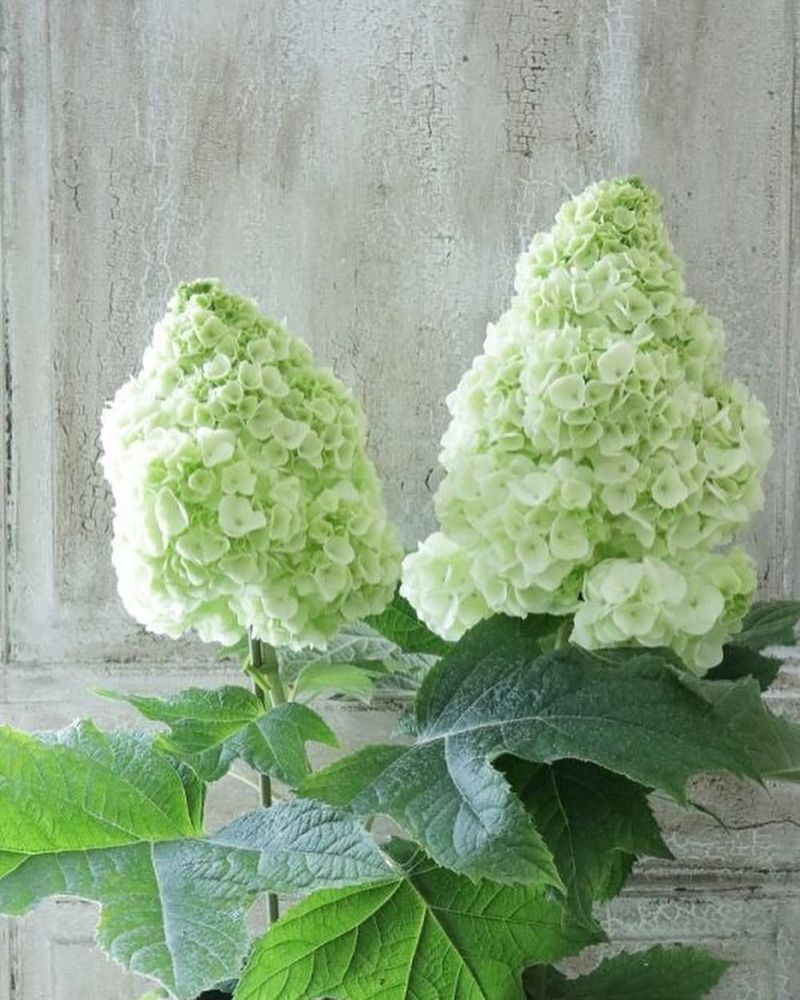
Oakleaf hydrangeas offer year-round interest with their distinctive foliage and dramatic flower clusters.
These native shrubs adapt beautifully to Michigan landscapes and provide multi-season appeal. However, they absolutely must remain outdoors to complete their natural growth cycles.
Seasonal temperature changes drive the flowering process in oakleaf hydrangeas. The plant monitors day length and temperature fluctuations to time bud formation. Indoor conditions eliminate these environmental signals that trigger proper flowering.
Winter dormancy allows oakleaf hydrangeas to conserve energy and prepare for spring growth. Cold weather shuts down metabolic processes in a healthy, natural way. Warm indoor temperatures force continued growth that weakens the plant significantly.
The spectacular fall color that oakleaf hydrangeas display requires outdoor temperature drops. Leaves turn burgundy, orange, and purple as chlorophyll breaks down naturally.
Indoor plants never develop these stunning colors that make the species special. Exfoliating bark provides winter interest on mature oakleaf hydrangeas outdoors.
This ornamental feature develops only when plants experience natural seasonal changes. Indoor specimens remain bland and uninteresting without proper environmental conditions.
Root systems need the freeze-thaw cycles that occur in outdoor soil. These natural processes improve soil structure and nutrient availability. Keep your oakleaf hydrangeas outside where they’ll reward you with reliable blooms and gorgeous foliage.
Clematis (Clematis Spp.)
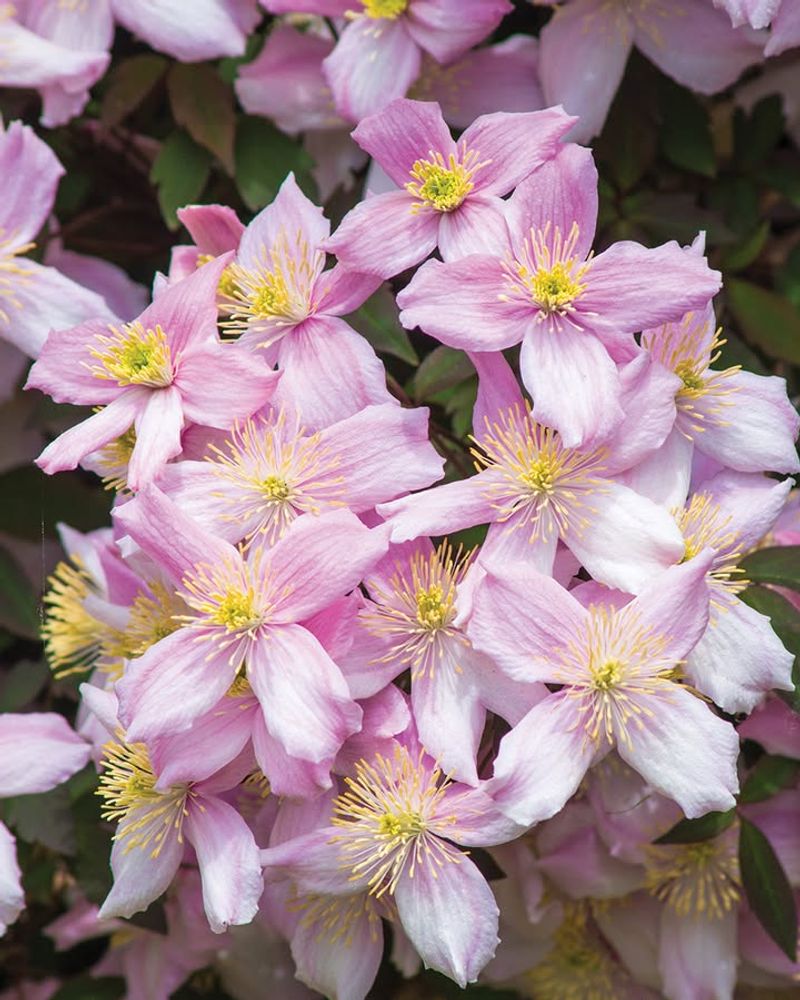
Clematis vines produce some of the most spectacular flowers among climbing plants. Their blooms range from delicate pastels to rich, vibrant purples and reds. These perennial vines require specific outdoor conditions that indoor spaces cannot replicate successfully.
Cold dormancy triggers the complex hormonal changes clematis needs for flowering. The plant must experience winter temperatures to bloom profusely the following season. Indoor warmth prevents this essential rest period and results in sparse flowering.
Support structures for clematis become problematic in indoor settings. These vigorous climbers need substantial trellises or arbors to accommodate their growth. Most indoor spaces lack the vertical room clematis requires to develop properly.
Root systems on clematis prefer cool soil while the top growth enjoys sun. This specific requirement occurs naturally outdoors but proves difficult to achieve indoors. The traditional advice to shade clematis roots works perfectly in gardens.
Light intensity requirements for clematis exceed what windows typically provide. These plants need at least six hours of bright light daily. Indoor conditions rarely meet this standard, resulting in weak stems and poor flowering.
Air circulation prevents fungal diseases that commonly affect clematis in humid conditions. Indoor air stagnation encourages powdery mildew and other problems.
Michigan’s outdoor environment provides the perfect conditions for healthy clematis growth and abundant flowering.
Trumpet Vine (Campsis Radicans)
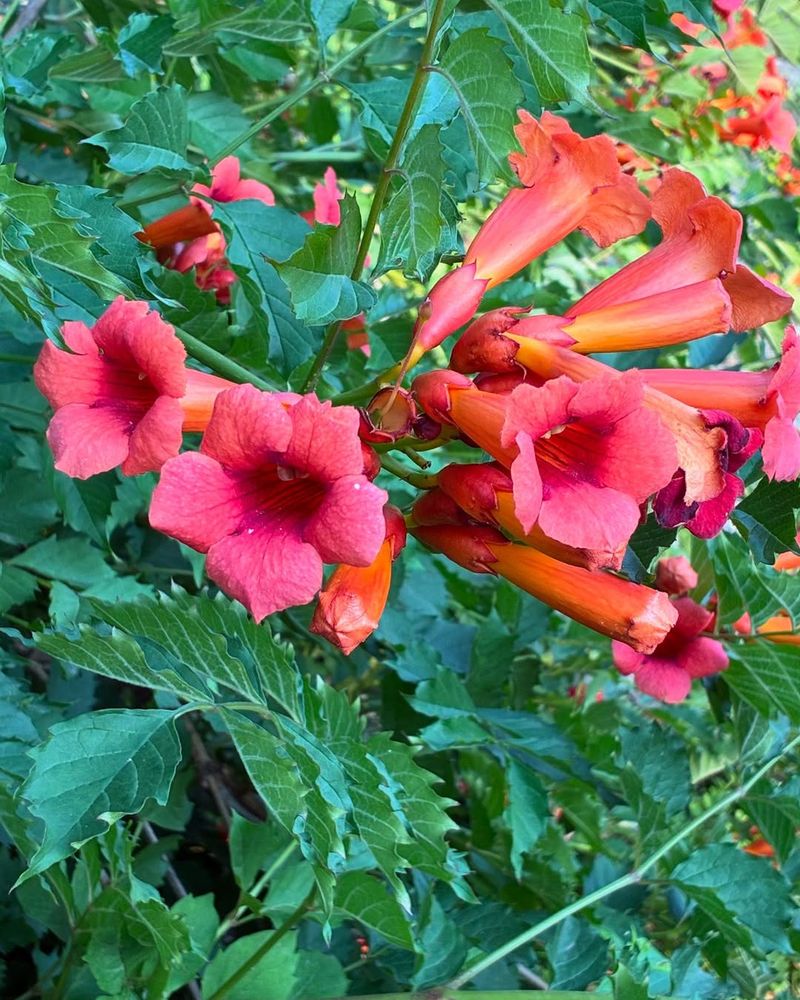
Trumpet vines bring hummingbirds to Michigan gardens with their brilliant orange flowers. These vigorous climbers grow with remarkable speed and enthusiasm once established.
Their aggressive growth habit makes them completely unsuitable for indoor cultivation under any circumstances.
The sheer size and vigor of trumpet vines overwhelm indoor spaces rapidly. These plants can grow fifteen feet or more in a single season. No home has the space to accommodate this kind of enthusiastic growth.
Support structures indoors cannot handle the weight of mature trumpet vines. These woody climbers become quite heavy as they develop thick stems. They need sturdy arbors or fences that only outdoor gardens can provide.
Flowering on trumpet vines requires full sun exposure for many hours daily. Indoor light levels fall dramatically short of this requirement. You’ll end up with rampant leafy growth but absolutely no blooms indoors.
Root systems on trumpet vines spread aggressively through underground runners. Container growing cannot contain this spreading habit effectively. The plant becomes pot-bound quickly and suffers from restricted growth.
Pest management becomes nearly impossible when trumpet vines grow indoors without predators.
Aphids and whiteflies multiply rapidly on stressed plants. Michigan gardeners should embrace trumpet vines as the vigorous outdoor climbers they are and never attempt indoor cultivation.