Do These 7 Gardening Jobs This Weekend Before The Heat Hits Louisiana
Louisiana does not ease into summer. It flips a switch.
One weekend, the garden feels manageable. Next, the heat is heavy, the sun is relentless, and even simple outdoor jobs start feeling twice as hard.
That is why this stretch right before the real scorch sets in matters so much.
A little work now can save you a lot of stress later. Beds hold moisture better, plants settle in faster, weeds are easier to control, and the whole yard stands a much better chance of looking healthy once the hottest weeks arrive.
It is less about doing everything and more about doing the right things before the weather starts fighting back.
This weekend is the sweet spot. Not too late, not too hot, and just enough time to get ahead.
These seven garden jobs will help set up your Louisiana yard for a stronger, healthier, better-looking season before summer comes in full force.
1. Mulch Your Garden Beds Before The Sun Gets Brutal
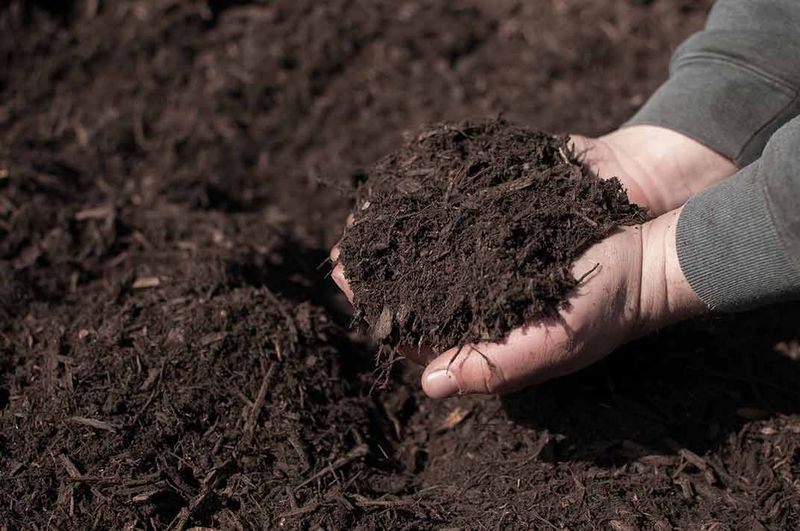
Nothing protects your garden like a good layer of mulch, and right now is the best time to put it down. Before the intense Louisiana summer heat arrives, mulching your beds can make a massive difference in how your plants hold up through the hottest months.
It acts like a blanket, keeping moisture locked in the soil and roots cool when temperatures climb.
Aim for about two to three inches of mulch around your plants. Go too thin and it will not do much good.
Go too thick and you risk trapping moisture against the stems, which can cause rot. Keep a small gap around the base of each plant so air can still circulate freely.
Organic mulches like wood chips, pine straw, or shredded bark are all great choices. They break down slowly over time, adding nutrients back into the soil as they decompose.
Pine straw is especially popular in the South because it is affordable, easy to spread, and looks clean and tidy in garden beds.
Mulching also cuts down on weeds in a big way. Fewer weeds mean less competition for water and nutrients, which means your plants get more of what they need to thrive.
You will also spend less time pulling weeds during the hot summer months, which is a win all on its own.
If you already have mulch from last year, rake it loose before adding a fresh layer on top. Old mulch can compact over time and stop working as effectively.
A quick refresh now takes very little time but pays off all season long.
2. Water Your Plants Deeply And Set Up An Irrigation System
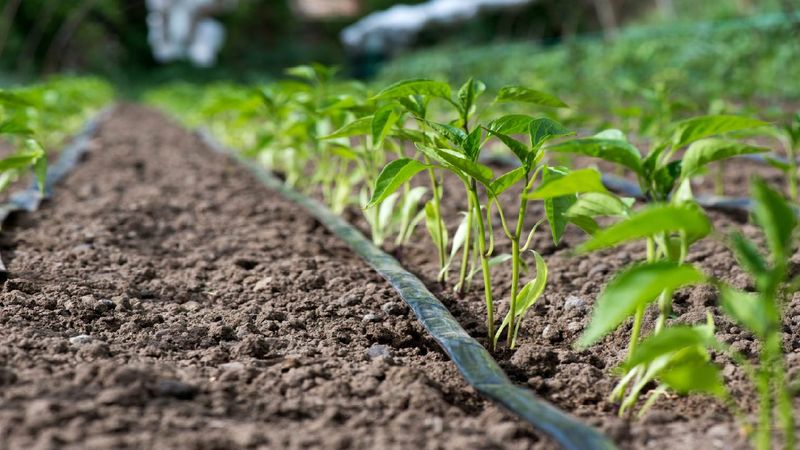
Smart watering right now will save your garden when the real heat arrives. Most gardeners make the mistake of watering a little bit every day, but deep and less frequent watering is actually far better for your plants.
It encourages roots to grow deeper into the soil where moisture stays longer and temperatures stay cooler.
Try watering two to three times a week instead of daily, but water slowly and let it soak in fully each time. A soaker hose or drip irrigation system is ideal because it delivers water right to the root zone without wasting it on leaves or bare soil between plants.
This also helps reduce fungal problems, which love wet foliage in humid weather.
Setting up a simple drip system this weekend is easier than most people think. Many home improvement stores sell affordable starter kits that connect right to your outdoor faucet.
You can run the lines along your garden beds and set a timer so watering happens automatically, even on your busiest days.
Water in the early morning whenever possible. Watering in the evening can leave moisture sitting on leaves overnight, which creates conditions where mold and mildew like to grow.
Morning watering gives plants a good drink before the heat of the day, and any moisture on leaves dries off quickly in the sun.
If you have container plants, they will need more frequent attention since pots dry out much faster than in-ground beds. Check them daily during heat waves and consider moving them to a shaded spot during the hottest part of the afternoon to reduce stress on the plants.
3. Pull Weeds While The Soil Is Still Workable
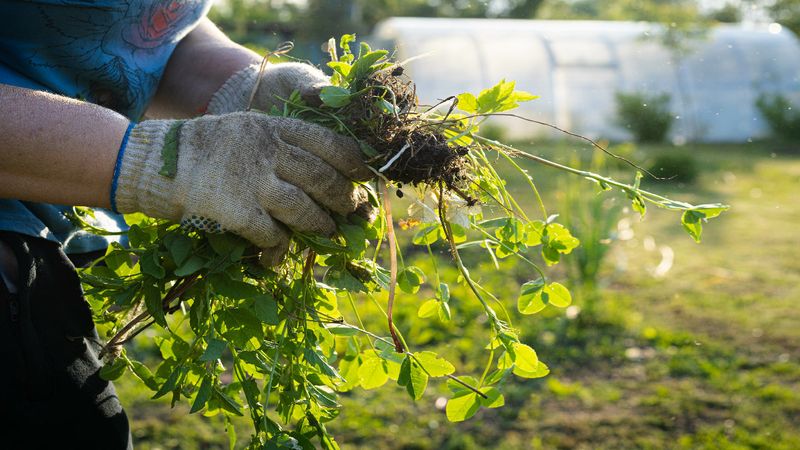
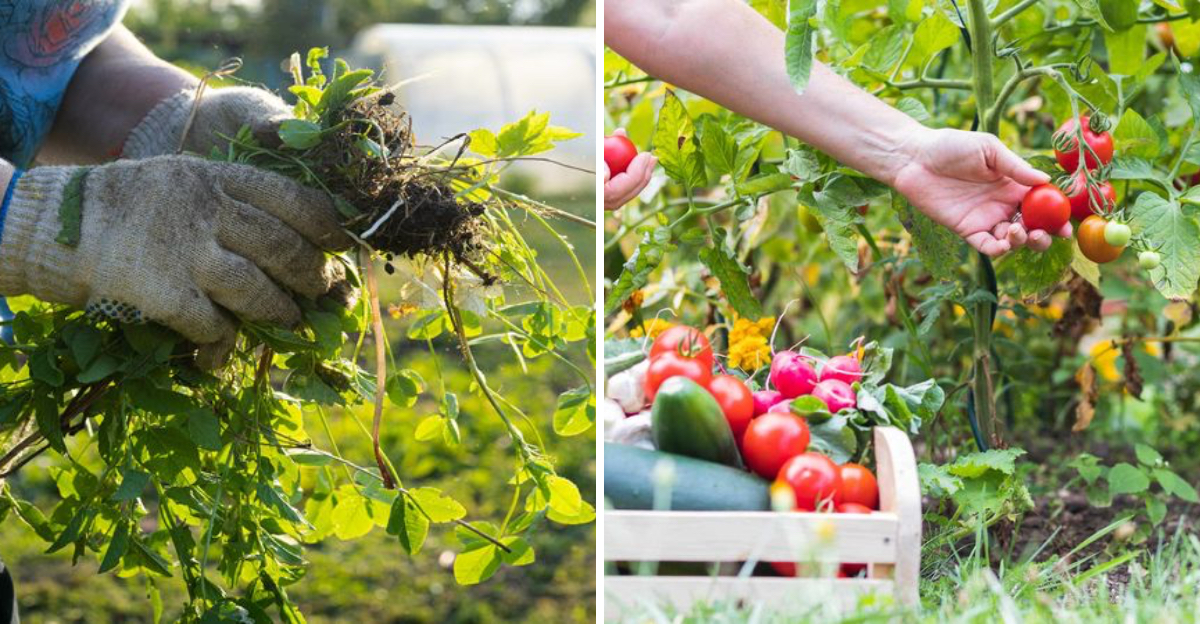
Weeds are sneaky, and they grow fast when conditions are right. Right now, before the ground bakes hard under the summer sun, the soil is still loose enough to pull weeds out cleanly by the root.
Once the heat arrives and the ground dries out, weeding becomes a much tougher job and a lot less fun.
Getting weeds out now also stops them from going to seed. One mature weed can drop hundreds of seeds before you even notice it is there.
Pull them early and you are not just cleaning up your garden today, you are preventing a much bigger weed problem next month and beyond.
The best time to weed is right after a rain or after you have watered your garden. Moist soil releases roots far more easily than dry, compacted ground.
Use a hand trowel or a hoe to loosen the soil around stubborn weeds before pulling so you get the full root out rather than just snapping the top off.
Focus first on areas where weeds are competing directly with your vegetables or flowers. Those areas need the most attention because weeds steal water, sunlight, and nutrients from the plants you actually want to grow.
Once the main beds are clear, work your way around the edges and borders.
After weeding, lay down that fresh layer of mulch right away. Bare soil is an open invitation for new weed seeds to sprout.
Covering the ground after weeding creates a barrier that slows new growth and keeps your hard work looking good for much longer without having to go back and do it all over again.
4. Feed Your Plants With The Right Fertilizer
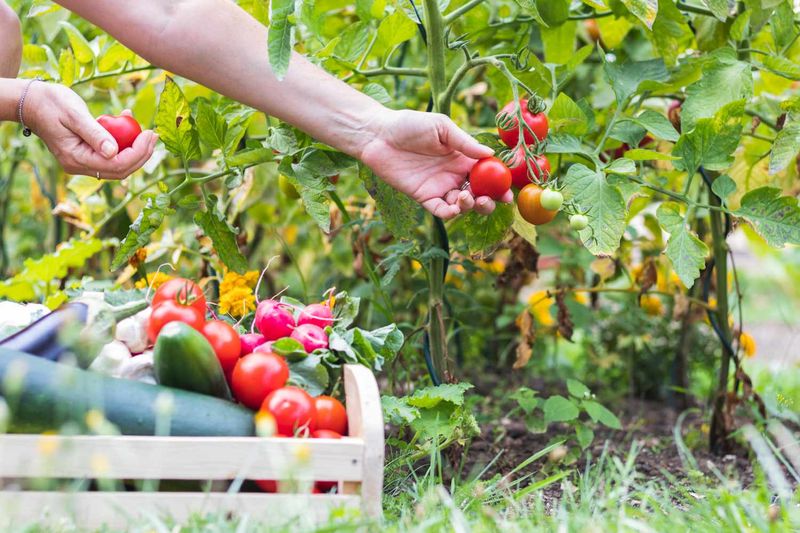
Plants burn through nutrients fast once the growing season kicks into high gear. Giving them a solid feeding right before the heat arrives is one of the smartest things you can do for your garden this weekend.
Think of it as stocking the pantry before a long stretch of busy days ahead.
Choosing the right fertilizer matters a lot. A balanced slow-release granular fertilizer works great for most vegetable gardens and flower beds.
It feeds plants gradually over several weeks instead of all at once, which reduces the risk of burning roots or causing a sudden burst of growth that the plant cannot sustain through the heat.
Tomatoes, peppers, and other heavy feeders may benefit from a fertilizer with a little extra phosphorus and potassium to support strong roots and good fruit production. Leafy greens prefer a bit more nitrogen to keep their foliage lush and productive.
Reading the label on your fertilizer and matching it to what you are growing makes a real difference in your results.
Always water your garden after applying granular fertilizer. This helps the nutrients move down into the root zone where plants can actually use them.
Fertilizer sitting dry on top of the soil does very little good and can even damage plant roots if it sits too long without moisture.
Avoid over-fertilizing, which is a common mistake. More fertilizer does not always mean better results.
Too much can actually stress plants and make them more vulnerable during heat waves. Follow the package directions carefully and give your plants exactly what they need, nothing more and nothing less.
5. Prune Back Overgrown Shrubs And Perennials
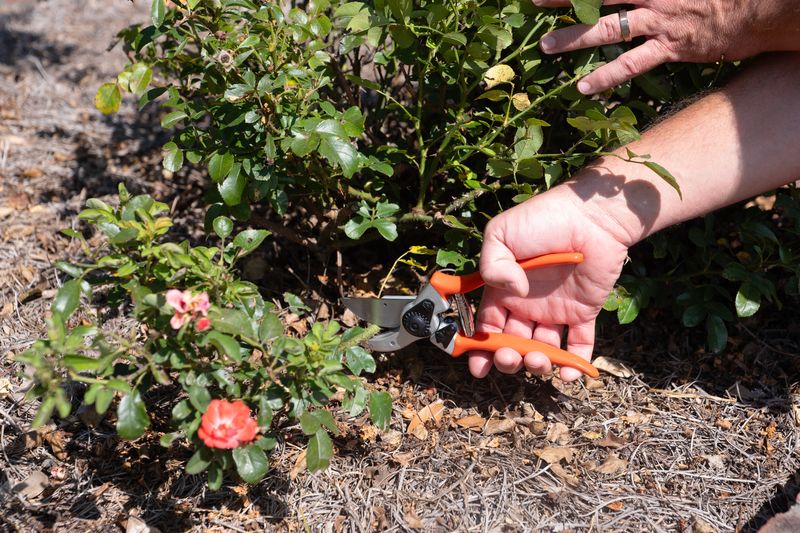
Your shrubs and perennials have been growing steadily through spring, and some of them are probably starting to look a little wild. Pruning them back now before the heat arrives is one of those tasks that pays off in ways you might not expect.
A well-trimmed plant actually handles heat stress better than one that is overgrown and leggy.
When a plant has too much foliage, it has to work harder to move water through all of its stems and leaves.
Trimming it back reduces that workload, letting the plant focus its energy on staying healthy and strong rather than maintaining a sprawling structure it can barely support. You will notice plants look perkier and more vigorous after a good pruning.
Focus on removing dead, damaged, or crossing branches first. These are the easy wins that clean up a plant quickly and improve airflow through the center.
Good airflow reduces humidity around leaves and helps prevent fungal diseases, which are especially common in the warm, wet conditions that Louisiana summers can bring.
Flowering shrubs like crape myrtles should be pruned lightly and carefully. Avoid cutting them back too severely, which can stress the plant and reduce blooming.
A light shaping to remove weak or crowded growth is all most shrubs need at this time of year to look their best going into summer.
After pruning, gather up all the clippings and dispose of them properly. Leaving plant debris on the ground can harbor pests and disease.
A clean garden is a healthier garden, and taking the time to tidy up after pruning finishes the job properly and sets your yard up to look great all summer long.
6. Plant Heat-Tolerant Crops And Flowers Right Now
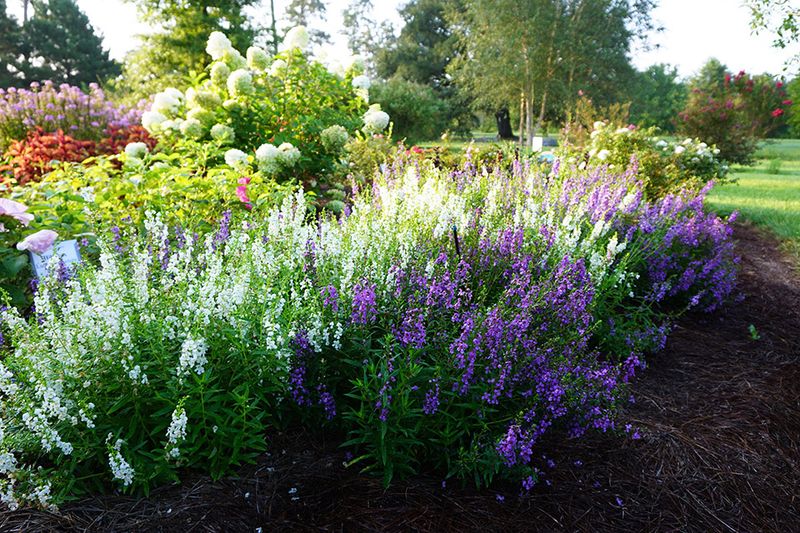
Not everything wilts in the Louisiana heat. Some plants actually love it, and getting them in the ground this weekend gives them a head start before temperatures really peak.
Knowing which crops and flowers thrive in hot, humid conditions is the key to keeping your garden colorful and productive all summer long.
Sweet potatoes, okra, southern peas, and yard-long beans are all excellent vegetable choices that handle heat well. These crops have been grown across the South for generations because they are well-suited to the climate.
They produce reliably even when temperatures climb into the nineties, making them a smart investment of your time and garden space.
For flowers, look to zinnias, marigolds, portulaca, and vinca. These are tough, cheerful bloomers that keep going strong through hot spells that would flatten more delicate plants.
They also attract pollinators like bees and butterflies, which benefit your whole garden by helping vegetables and other plants produce more fruit and seeds.
When planting this weekend, choose a cloudy day or plant in the late afternoon to reduce stress on young transplants. Freshly planted seedlings are vulnerable to heat and sun before their roots get established.
Giving them a shaded start helps them settle in without getting scorched right out of the gate.
Water new plants well immediately after planting and keep the soil consistently moist for the first week or two. Once roots are established, plants become much more self-sufficient.
A little extra attention during that early stage makes all the difference between a plant that takes off and one that just barely survives the transition into the ground.
7. Check And Repair Your Garden Tools And Supplies
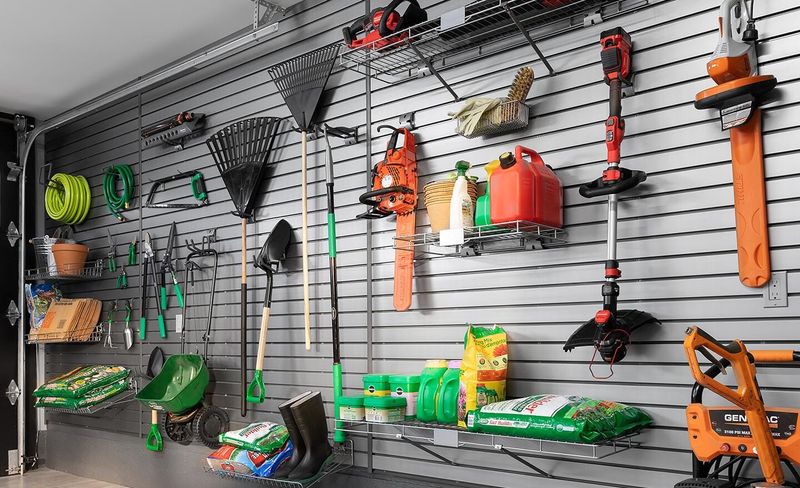
Good tools make every gardening job easier, and there is no worse time to discover a broken hoe handle or a leaky hose than when you are already sweating in the summer heat.
Taking an hour this weekend to inspect and repair your tools and supplies is a small task that pays big dividends when the busy season gets rolling.
Start with your hoses. Check for cracks, leaks, or loose fittings and replace any damaged parts now while you have the time.
A leaky hose wastes water and makes it hard to water your garden effectively. Replacement washers and fittings are inexpensive and easy to find at any hardware store, so fixing a leaky hose is a quick and satisfying job.
Sharpen your pruners, loppers, and hoe blades if they have gotten dull over the past season. Sharp tools cut cleanly and make less work for you.
A dull blade tears plant tissue instead of cutting it, which can leave plants more vulnerable to pests and disease. A simple sharpening stone or hand file is all you need to get most tools back in great shape.
Check your gardening gloves for wear and replace them if they are falling apart. Good gloves protect your hands from blisters, thorns, and soil-borne irritants.
Having a comfortable, well-fitting pair makes you more likely to wear them consistently, which keeps your hands in much better shape through a long season of outdoor work.
Finally, take stock of your supplies like fertilizer, mulch, potting mix, and plant stakes. Restocking now means you will not have to make emergency trips to the store in the middle of a hot summer afternoon when you least want to be out running errands.