Do This For Your New York Peonies In September To Get Bigger Spring Blooms

September air in New York carries a certain snap, the kind that makes you reach for a sweater before your morning coffee cools. Out in the garden, your peonies look nothing like the show-offs they were in June.
Their leaves have gone floppy, a little spotty, maybe even rust-colored at the tips, and it is tempting to walk right past them. Here is the secret most gardeners learn the hard way: what happens to peonies in early fall can influence how well they perform the following spring.
Roots are quietly stocking up on energy right now, and the buds for next season are already forming underground. A few smart moves this month, done at the right time and in the right order, can mean stems loaded with blooms instead of a handful of shy little flowers.
1. Cut Back Peony Foliage To Reduce Winter Disease Problems
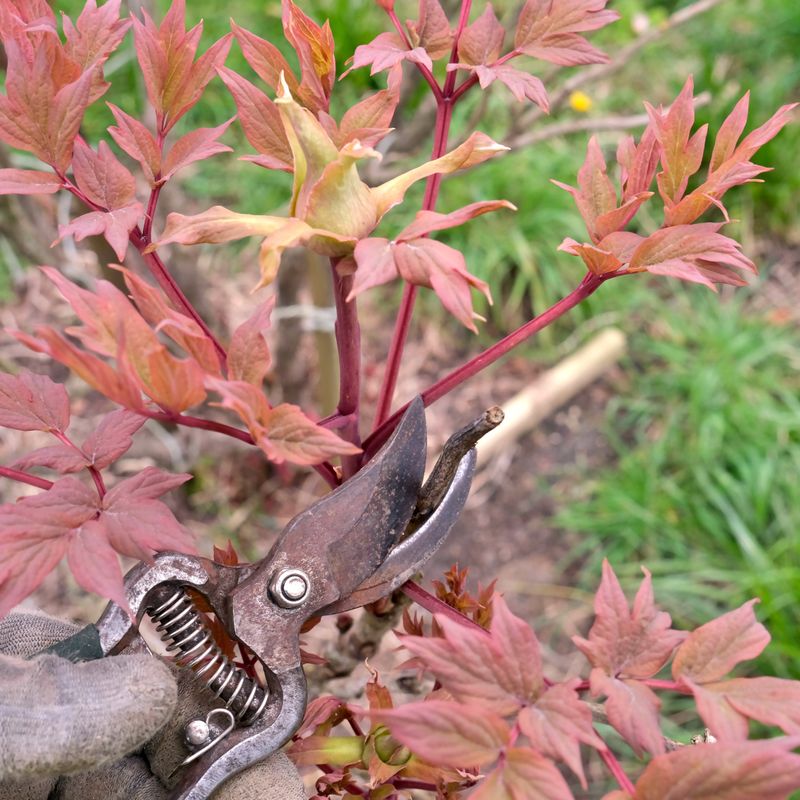
Those tired, blotchy leaves flopping over your garden bed are not just an eyesore. They are a hotel for fungal spores hoping to spend winter right where your peony lives.
Herbaceous peonies should be sheared down once the foliage has blackened, turned coppery brown, or yellowed after the first hard frost. In much of New York, that timing lands in late October or November, so September is often your planning month rather than your cutting month.
Trim stems to roughly one to three inches above the soil line. Going lower risks nicking the pink eyes waiting just under the surface.
Clean tools matter more than most folks expect. A quick wipe with rubbing alcohol between plants keeps Botrytis blight, powdery mildew, and leaf blotch from hitchhiking around the yard.
Bag the cuttings and send them out with the trash instead of tossing them on the compost pile. Home compost rarely gets hot enough to handle stubborn spores.
Tree peonies are the exception here, since they grow on woody stems that stay put through winter. Only snip damaged or broken wood on those.
Gardeners who skip this chore often battle gray fuzz and spotted buds the following spring. A single afternoon of tidying saves months of frustration later.
2. Remove Fallen Leaves Around Peonies Before Cold Weather Arrives
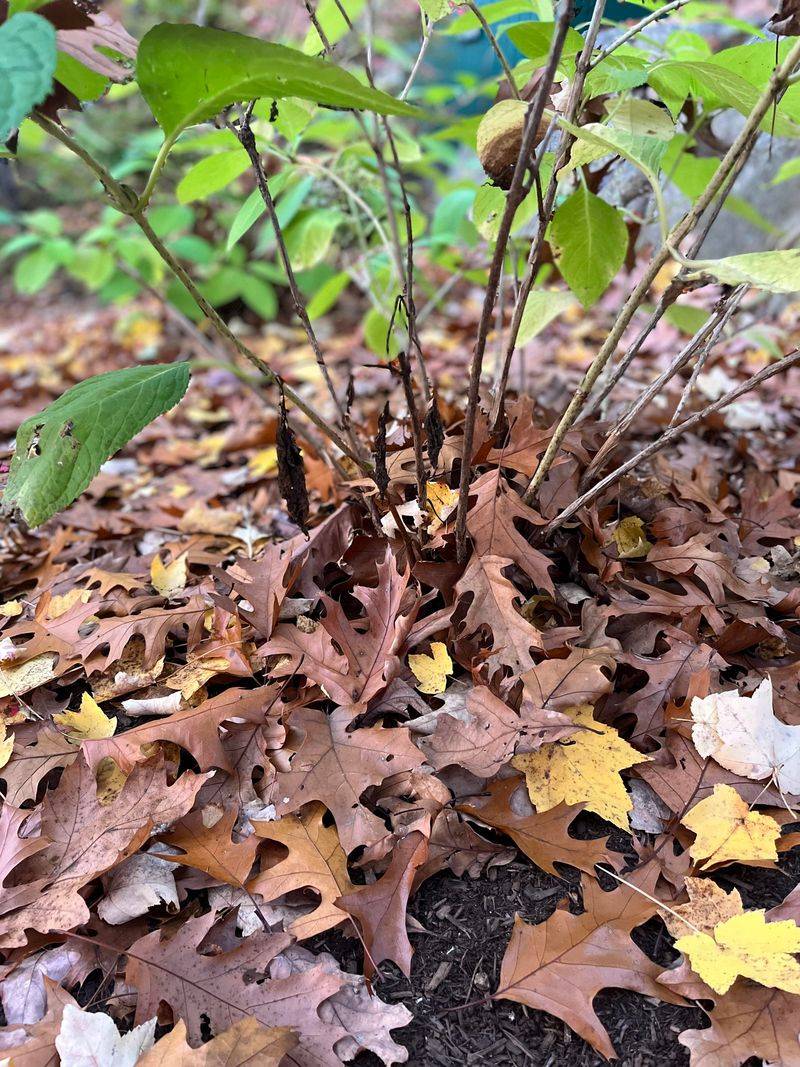
Picture a pile of soggy maple leaves sitting against your peony crown all winter. That damp mat is exactly where slugs, fungal spores, and other troublemakers settle in for a long nap.
Clearing debris is the least glamorous job in the fall garden, yet it pays off dramatically. Rake out old petals, dropped foliage, weeds, and anything mushy hiding around the base.
New York yards tend to collect leaves fast once the maples and oaks let go. Check your peony beds weekly through September and October rather than waiting for one giant cleanup.
Use your hands near the crown instead of a metal rake. Tines can scrape the shallow buds that will become next year’s stems.
Botrytis blight spreads easily from infected material left on the soil, causing buds to brown and fail before opening. Removing that material breaks the cycle before it starts.
Your New York Garden Changes Every Week. Your Plan Should Too.
Gardening in New York changes quickly throughout the season. Every Friday you’ll receive a simple weekly plan showing exactly what to plant, prune, fertilize, harvest, and protect so you never miss the right timing.
Toss diseased debris in the trash or municipal yard waste, not your own compost bin. Healthy leaves from other plants can compost normally.
Once the ground around the crown is bare and tidy, air moves freely and moisture dries faster. Your peonies head into winter clean, and spring growth emerges with far fewer spots and blemishes.
3. Check Peony Roots And Crowns For Fall Garden Issues
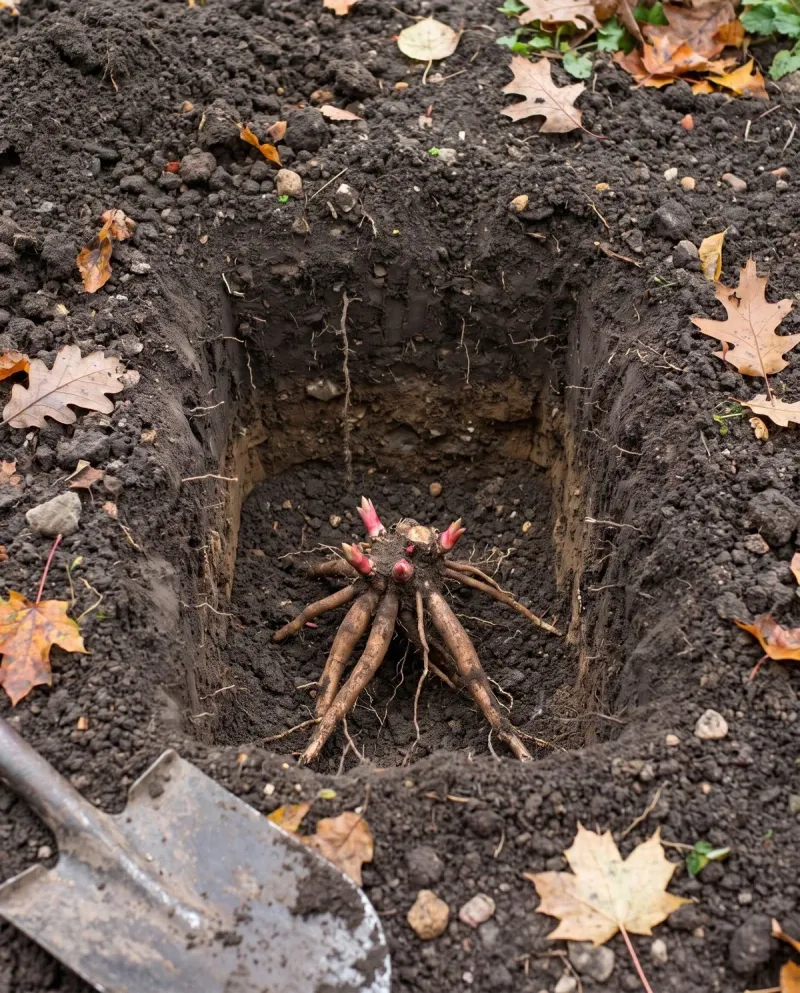
Everything that matters about a peony happens underground, out of sight. The crown and those chunky storage roots are the engine behind every bloom you admire in spring.
You do not need to dig up a healthy plant just to look around. Instead, watch for clues above ground, such as stunted stems, sparse flowering, or leaves that wilted oddly during the growing season.
Soil heaving is a real concern in gardens, where freeze and thaw cycles repeat all winter. If you spot pale roots poking above the soil, mound a few inches of soil or compost over them.
Should you be dividing or moving a plant this month, take the chance for a closer look. Firm, tan, carrot-like roots are exactly what you want to see.
Soft, mushy, or foul-smelling sections point to rot, usually from soil that stays too wet. Trim those parts away with a sterilized knife before replanting.
Count the eyes while you are down there, since those pink buds determine next spring’s stem count. Three to five eyes per division is the sweet spot.
Note anything unusual in a garden journal. Patterns show up over seasons, and your notes become surprisingly valuable.
4. Add Mulch Carefully To Protect Peonies Through Winter
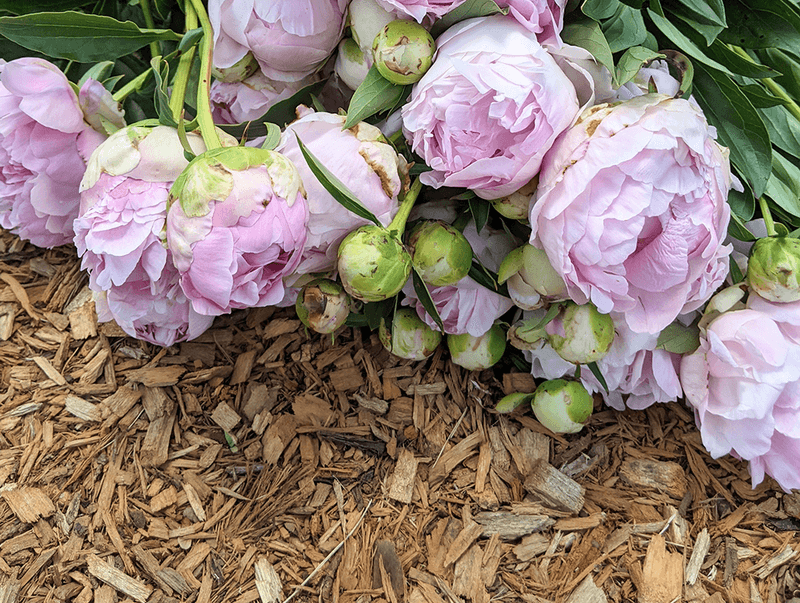
Mulch works like a blanket, but timing decides whether it helps or hurts. Pile it on too early and you invite rot and rodents instead of protection.
Wait until the ground has frozen or temperatures stay reliably cold. For most gardens, that means late November or early December rather than September.
Spread a ring two to four inches deep around each plant. Keep the material several inches back from the crown so moisture does not sit against those tender eyes.
Good choices include finished compost, leaf mold, straw, pine needles, disease-free shredded leaves, and shredded bark. Each one breathes well and breaks down slowly.
Skip fresh manure, unfinished compost, and grass clippings. Those can heat up, harbor mold, or burn the buds you are trying to shield.
The main job of winter mulch is to moderate soil-temperature swings, reducing the risk of repeated freezing and thawing that can heave plants out of the ground.
Newly planted or recently divided peonies benefit the most, since their roots have not anchored deeply yet. Established clumps often manage fine on their own.
Pull the mulch back in early spring once snow melts and shoots start pushing through. Those red sprouts need light and airflow right away.
5. Avoid Late Season Fertilizer That Encourages Weak Growth
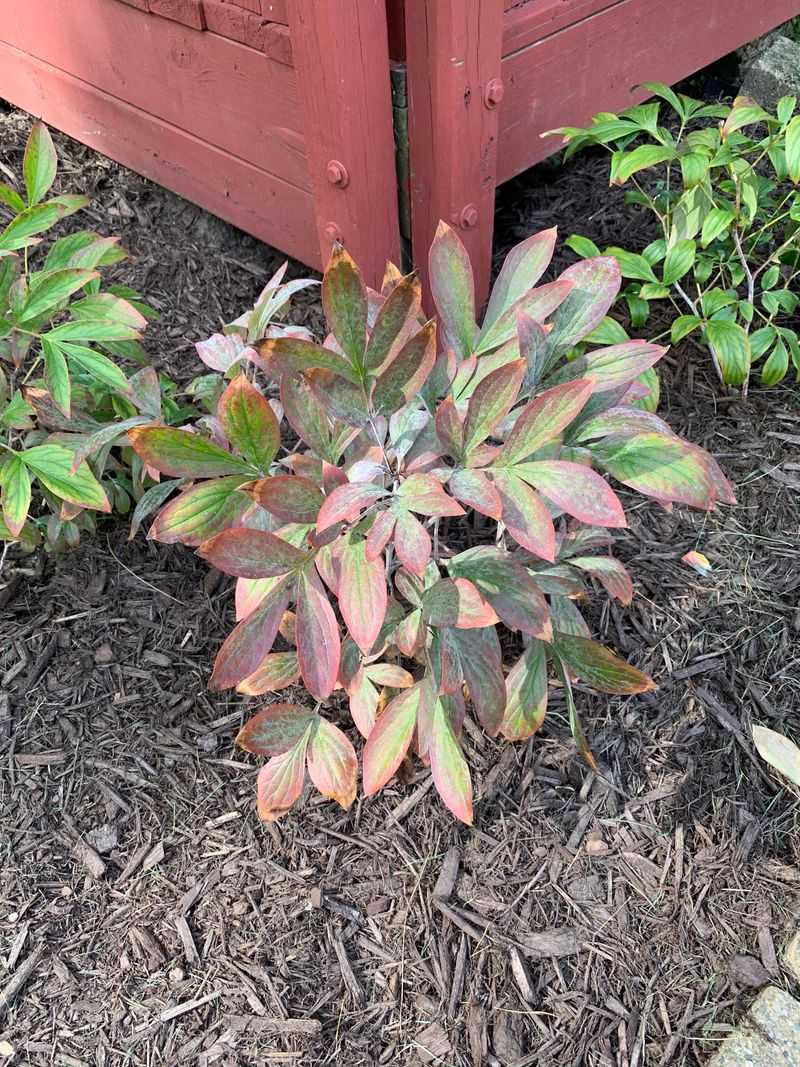
Generosity backfires in the fall garden. Feeding peonies a nitrogen-rich meal in September pushes soft new growth that has no time to toughen up before frost.
Peonies are light feeders by nature. Many old clumps in yards have bloomed beautifully for decades with barely any fertilizer at all.
Too much nitrogen produces lush green leaves and disappointing flowers. Gardeners often blame the weather when the real culprit is an overloaded feeding schedule.
Newly planted or freshly divided peonies are the one exception worth mentioning. Newly planted or freshly divided peonies usually do not need special fertilizer at planting.
If a soil test shows phosphorus is low, incorporate the recommended amount into the planting area.
Work it into the soil rather than dumping it directly against the roots. A handful is plenty for a single division.
Save the main feeding for early spring when shoots reach a few inches tall. A balanced blend such as 10-20-20 applied around the drip line does the job nicely.
Compost spread thinly over the bed in autumn is a gentler alternative. It improves soil texture without triggering a growth spurt.
Resisting the urge to feed feels strange, especially when you want bigger blooms. Patience here genuinely produces stronger plants and heavier flowers come May.
6. Improve Soil Conditions Before Peonies Enter Dormancy
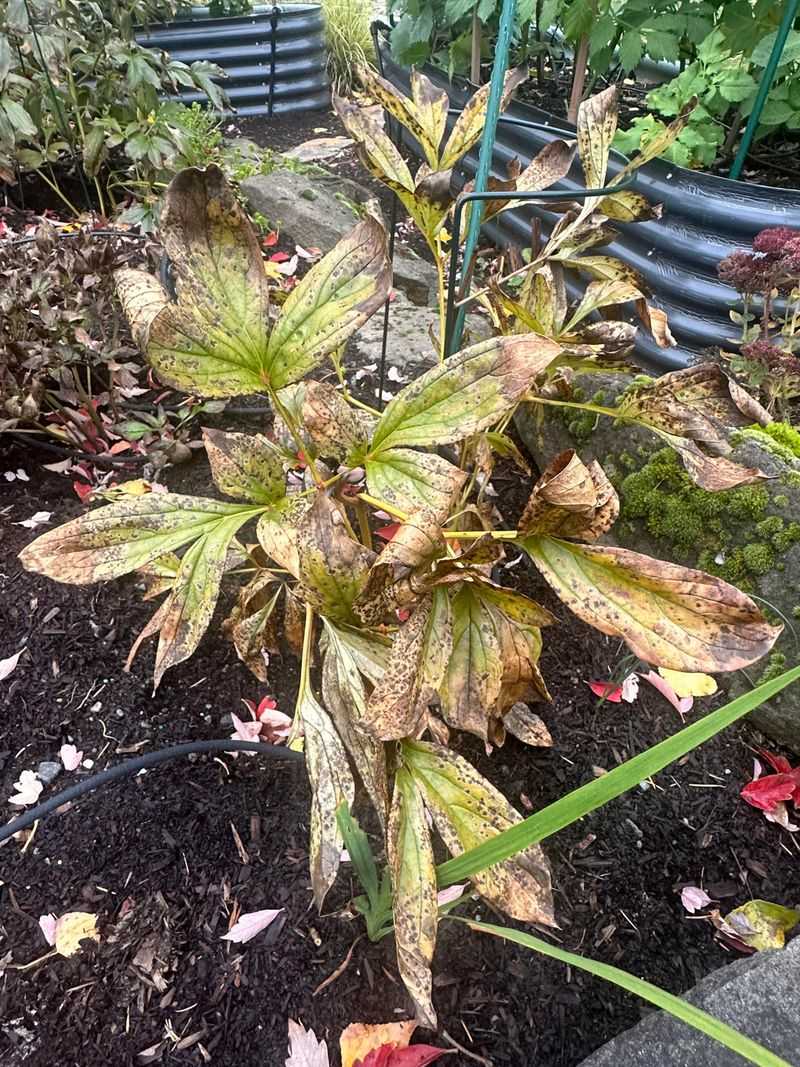
A peony planted well can outlive the gardener who put it there. Some clumps in older properties have been flowering in the same spot since the 1930s.
Longevity like that starts with soil you prepare thoughtfully. Fall gives you a calm window to fix problems while plants slide toward dormancy.
Organic matter is the headline ingredient. Compost, well-aged manure, or leaf mold worked into the surrounding bed improves structure, feeds soil life, and helps water move through evenly.
Drainage outranks nearly everything else for peonies. Heavy clay holds water around the crown, and soggy roots lead straight to rot.
Coarse sand, perlite, or chunky organic material loosens tight ground considerably. Raised beds solve stubborn drainage problems when amendments are not enough.
Aim for a neutral to slightly alkaline soil, and use a soil test to determine whether any pH adjustment is actually needed. A simple soil test kit costs a few dollars and removes all the guesswork.
Should your results come back too acidic, a measured dose of garden lime shifts the balance over several months. Fall application gives it time to work before spring growth.
Spread a thin compost layer across the bed as a finishing touch. Earthworms will pull it down for you over winter.
7. Divide Overcrowded Peonies For Healthier Future Blooms
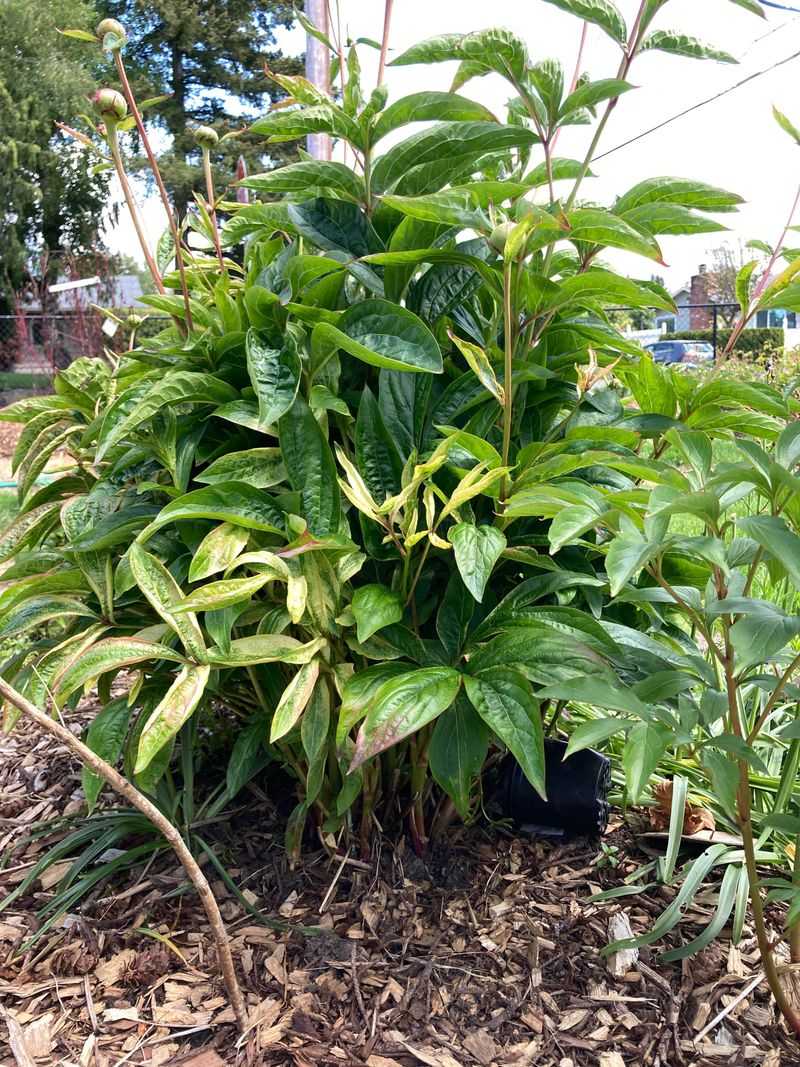
Did your reliable old peony suddenly produce a sad handful of flowers this year? Overcrowding is often the reason, and division is the cure.
Late September through early October is the ideal stretch for this project in New York. Plants are heading into dormancy, so the disturbance bothers them far less.
Watch for the telltale signs first: fewer blooms each season, stems crammed shoulder to shoulder, or a hollow-looking center where growth has thinned out.
Start by cutting the foliage to ground level so you can see what you are doing. Then dig a wide circle around the clump, staying well outside the crown.
Lift carefully and keep as much root mass intact as possible. Rinsing away loose soil with a hose reveals the pink eyes clearly.
Use a sharp, clean knife to separate the clump. Each piece should carry three to five healthy eyes plus roots roughly six to eight inches long.
Smaller divisions survive, but they sulk for years before flowering well. Bigger pieces reward you much sooner.
Expect a skipped season after dividing, since the plant spends its first year rebuilding roots. Year two usually brings a noticeable comeback, and year three is spectacular.
8. Plant Or Transplant Peonies During The Best Fall Window
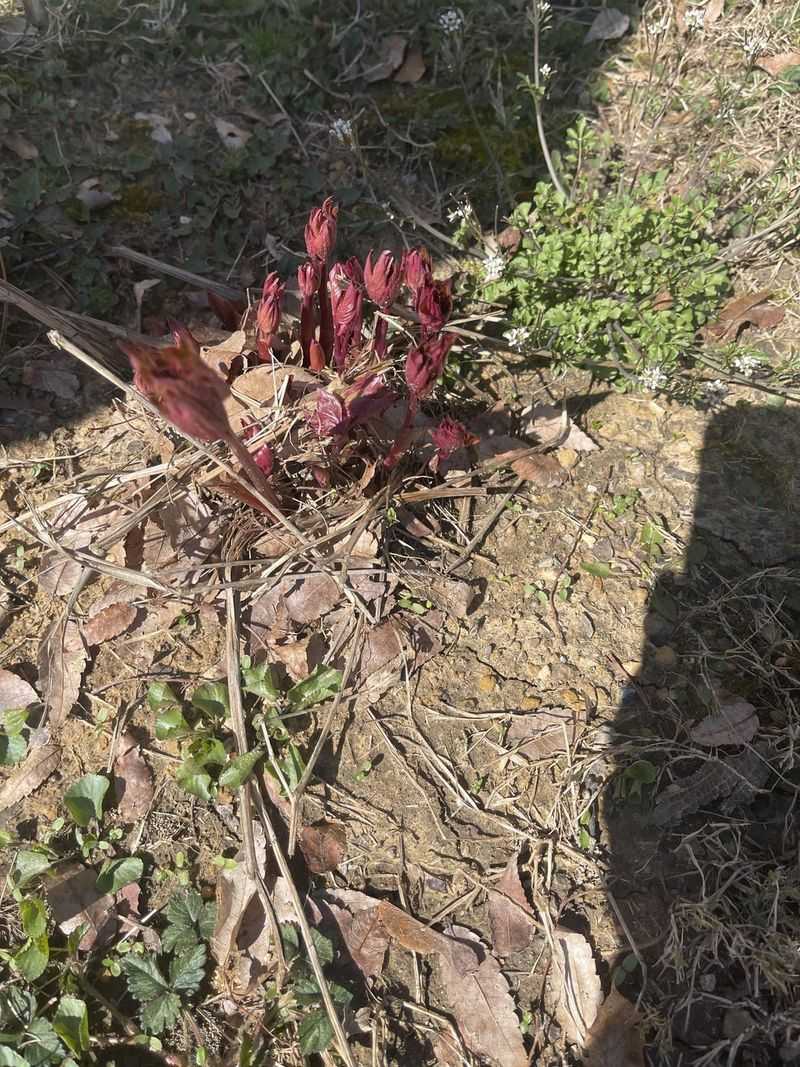
Fall is peony planting season, plain and simple. Nurseries ship bare roots now because autumn soil is still warm while the air has cooled off.
Late September through October works beautifully, and mid-November is fine as long as the ground remains workable. Roots settle in quietly before winter arrives.
Site selection deserves real thought since these plants stay put for generations. Look for at least six hours of direct sun, decent drainage, and shelter from whipping winds.
Keep your distance from big trees and shrubs. Their hungry roots will outcompete a young peony every single time.
Dig a hole about twice as wide as the root system. Loosen the bottom so new roots can travel downward easily.
Planting depth is where most people go wrong. The eyes must sit no more than one to two inches below the finished soil surface.
Bury them deeper and you may wait years for flowers that never really show up. Shallow is genuinely better in cold regions.
Spread the roots outward, backfill gently, and firm the soil with your hands. Water deeply afterward so everything settles snugly around the roots.
Mark the spot with a label, because dormant peonies vanish completely by November.
9. Protect Peony Buds And Roots From Harsh Winter Conditions
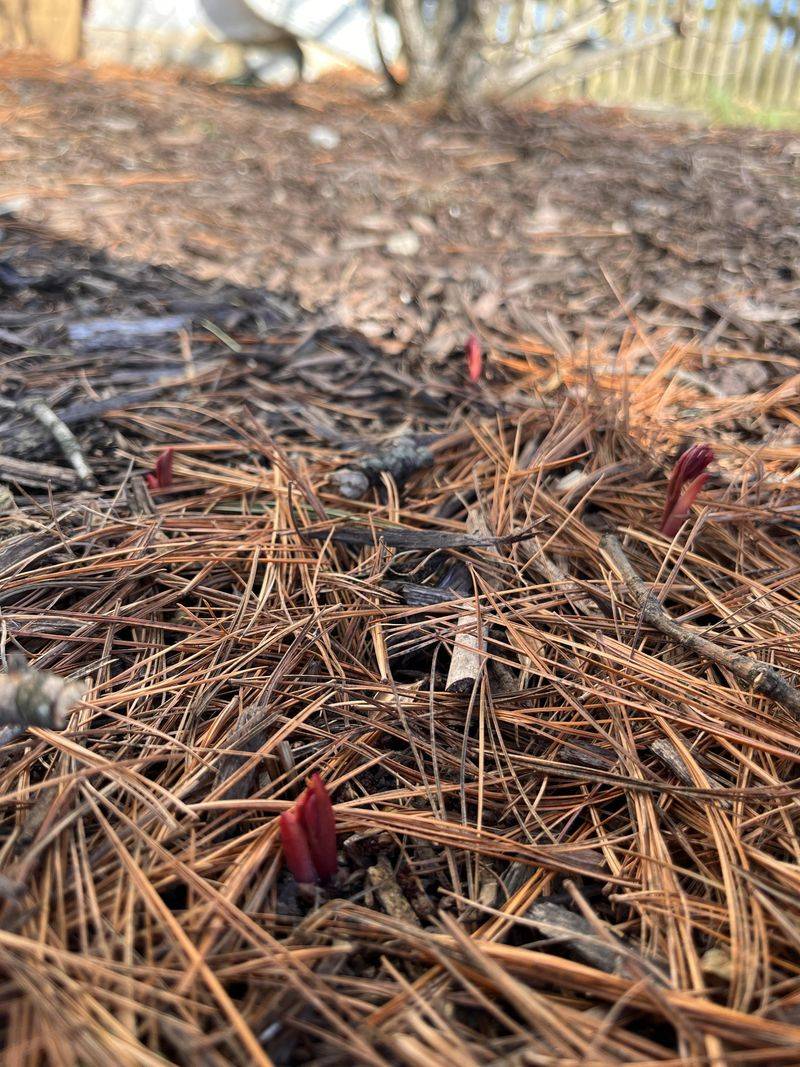
Peonies are genuinely tough customers, which is why they thrive across chilly winters. Even so, a rough season can knock back the buds you are counting on.
Frost heaving is one of the main winter concerns, especially for newly planted peonies. Soil expands and contracts through repeated freeze and thaw cycles, slowly pushing roots toward the surface where they dry out and suffer damage.
Once roots are exposed to cold, drying wind, their stored energy drains away. Spring growth comes up weak as a result.
Flower buds themselves handle sub-zero temperatures remarkably well. Trouble starts when the largest buds sitting near the surface face long stretches of exposure without any cover.
A steady mulch layer applied after the ground freezes keeps soil temperature even. Consistency matters more than insulation here.
Drainage plays a protective role too. Waterlogged ground around dormant roots invites rot long before spring arrives.
Snow cover is actually your friend, acting as a natural insulating blanket. Leave it alone rather than clearing it off garden beds.
Here is a reassuring detail worth remembering: peony crowns hold extra dormant buds deeper underground. Even when surface buds are damaged, those reserves can push up and carry the season.
Check plants after major thaws and press any lifted roots back down.