Does A Frigid Winter Mean Fewer Pests Later? Here’s What North Carolina Gardeners Need To Know
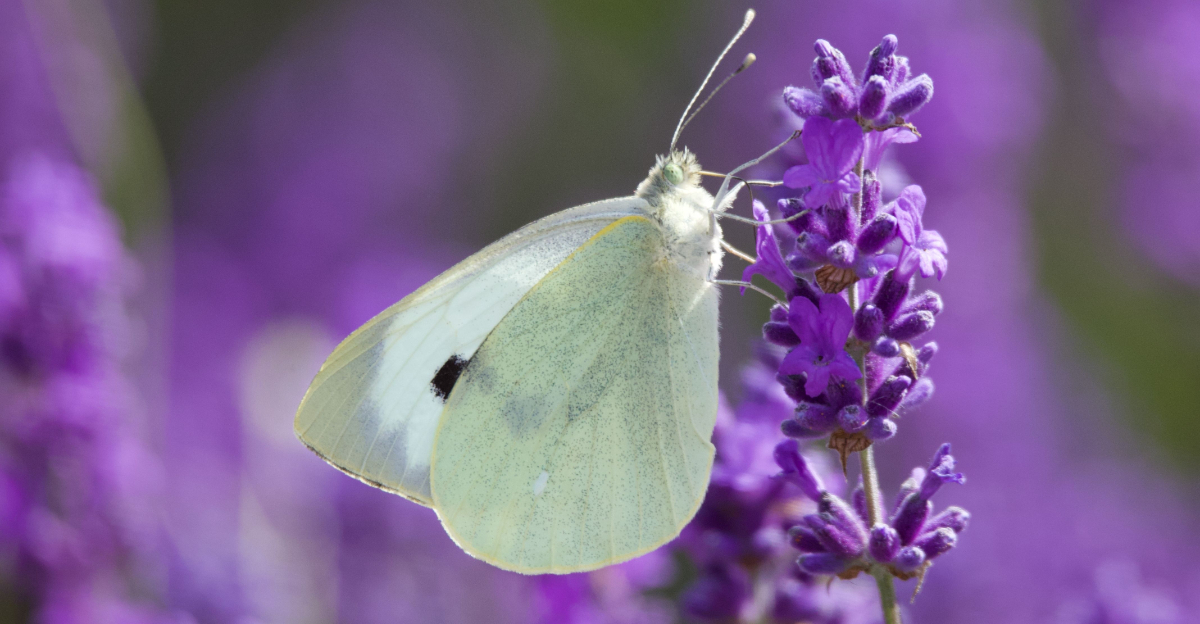
North Carolina gardeners often view a brutal January freeze as a natural reset button for the inevitable surge of spring pests.
The common belief suggests that deep frost acts as a thermal shield, neutralizing the insects that typically devour your summer squash and prize roses.
However, the reality within our diverse Piedmont and coastal ecosystems is far more complex than a simple temperature drop.
Many resilient species have evolved clever survival strategies, such as producing internal antifreeze or burrowing deep into the insulating red clay to wait out the chill.
A cold snap might pause their activity, but it rarely clears the slate entirely for the coming growing season. By understanding how these clever organisms navigate our fluctuating winter cycles, you can transition from hopeful wishing to tactical garden management.
This knowledge allows you to prepare your soil and protective barriers long before the first beetle emerges from its winter slumber.
1. Cold Winters Can Reduce Insect Populations

Picture stepping outside after a brutal January freeze in North Carolina and thinking, “Maybe this cold snap is doing my garden a favor.”
Believe it or not, you might actually be right. Severe and extended cold temperatures can significantly reduce populations of common garden pests like aphids, flea beetles, corn earworms, and harlequin bugs.
When temperatures drop well below freezing and stay there for several days or even weeks, many insects simply cannot survive the exposure. Their bodies freeze, and they never make it to spring.
Gardeners across North Carolina have noticed fewer aphid outbreaks following especially harsh winters, which makes sense given what science tells us about insect cold tolerance.
The key word here is “extended.” A single cold night rarely does the trick. Pests need prolonged exposure to truly frigid conditions before populations take a real hit.
Shallow-dwelling insects near the soil surface are especially vulnerable when temperatures stay consistently low. So yes, a genuinely brutal North Carolina winter can give your garden a head start against certain pests, but it is never a guaranteed solution on its own.
2. Not All Pests Are Affected by Cold
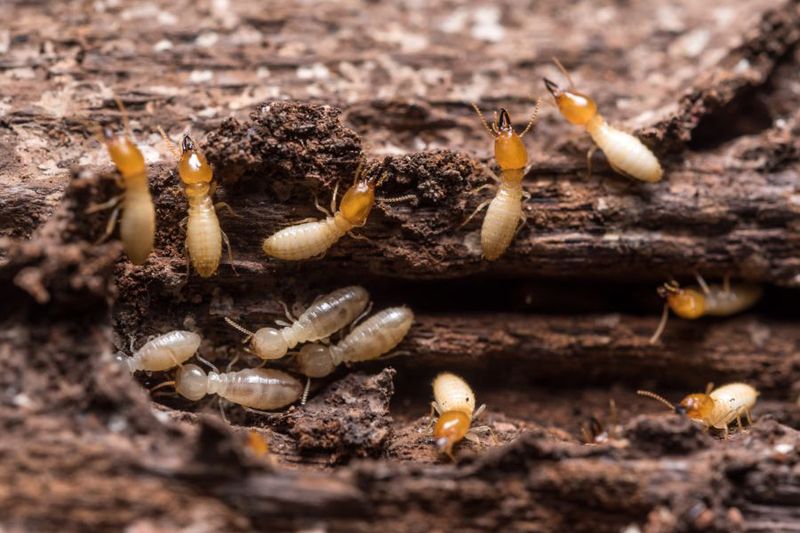
Here is something that might surprise you: a freezing winter does not scare all pests equally. While some insects struggle badly when temperatures drop, others are practically unfazed by the cold.
Termites, fleas, and certain beetles are remarkably good at riding out the winter without missing a beat.
Termites, for example, simply burrow deeper into the soil where temperatures stay warmer. Fleas can hide in protected areas like crawl spaces, pet bedding, and even inside your home, where the cold never fully reaches them.
The emerald ash borer, a serious tree pest found in North Carolina, spends winter in its larval stage tucked safely beneath tree bark, completely shielded from the worst of the freeze.
Gardeners sometimes make the mistake of assuming a cold winter means a pest-free spring, and that assumption can lead to skipping important monitoring steps. Certain pests have survival tricks that go far beyond what most people expect.
Understanding which pests are resilient and which are not helps you stay one step ahead. Knowing your enemy, so to speak, is one of the smartest things any North Carolina gardener can do before spring planting season arrives.
3. Hardy Pests Adapt To Cold With Ease
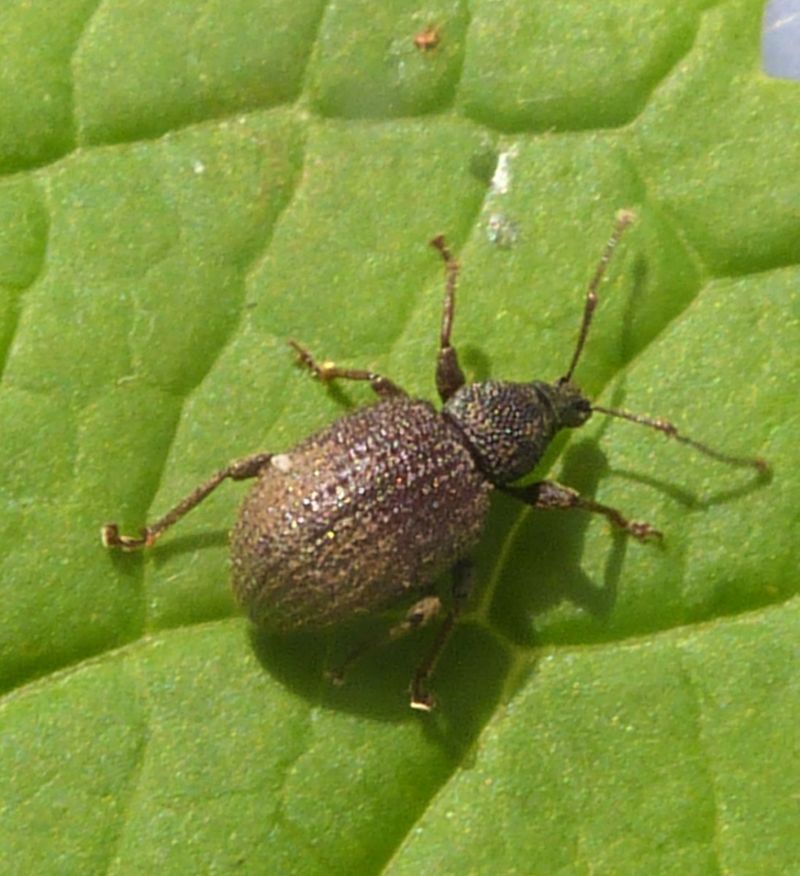
Some pests do not just survive winter, they have actually evolved to thrive through it. Root weevils and certain beetle species have developed impressive biological strategies that allow them to enter a hibernation-like state called diapause when temperatures drop.
Think of it as nature’s version of hitting the pause button. During diapause, an insect’s metabolism slows dramatically. It stops eating, stops reproducing, and simply waits for warmer conditions to return.
Once spring arrives in North Carolina and soil temperatures start climbing, these insects wake right back up, often hungry and ready to start feeding on your plants almost immediately. The cold did not weaken them at all.
Some insects even produce antifreeze-like compounds inside their bodies, which prevents their cells from forming damaging ice crystals during a freeze.
This remarkable adaptation means that even the coldest North Carolina winter may not put much of a dent in their populations.
Gardeners who rely solely on cold weather to manage these tough insects are often caught off guard come April and May.
Staying proactive with garden monitoring and early-season pest checks remains essential, no matter how brutal the winter felt. Hardy pests are always ready to bounce back faster than you might expect.
4. Insect Eggs Are Tougher Than You Think
Adult insects often get all the attention when we talk about cold weather and pest control, but the real story might be hiding in plain sight on your plant leaves and stems.
Insect eggs are surprisingly tough, and many species have developed eggs that can withstand temperatures that would be lethal to the adult insect itself.
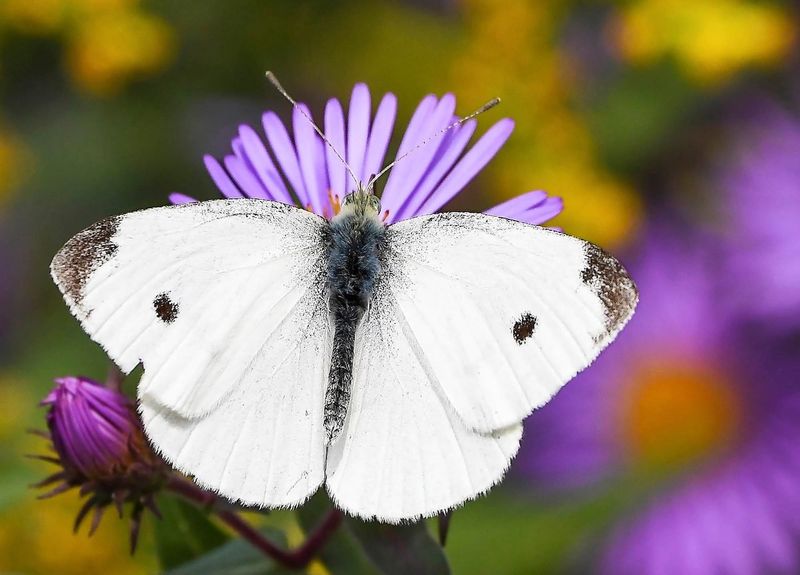
Take the cabbage white butterfly, a common pest for North Carolina vegetable gardeners. Its eggs can survive well below-freezing temperatures nestled on plant debris or in protected spots around the garden.
Come spring, those eggs hatch right on schedule, and suddenly your garden is dealing with a fresh wave of hungry caterpillars even after what felt like a punishing winter.
Spider mite eggs and certain aphid eggs share this same cold-hardy quality, making them persistent challenges regardless of winter severity.
The outer coating of many insect eggs acts almost like a tiny insulated shell, protecting the developing insect inside from the elements.
This means that even if a harsh winter reduces adult pest populations across North Carolina, egg survival rates can keep pest numbers from dropping as much as you hoped.
Checking your plants carefully in late winter for egg clusters is a smart habit that can help you get ahead of the season before things warm up.
5. Mild Winters Can Actually Make Pest Problems Worse
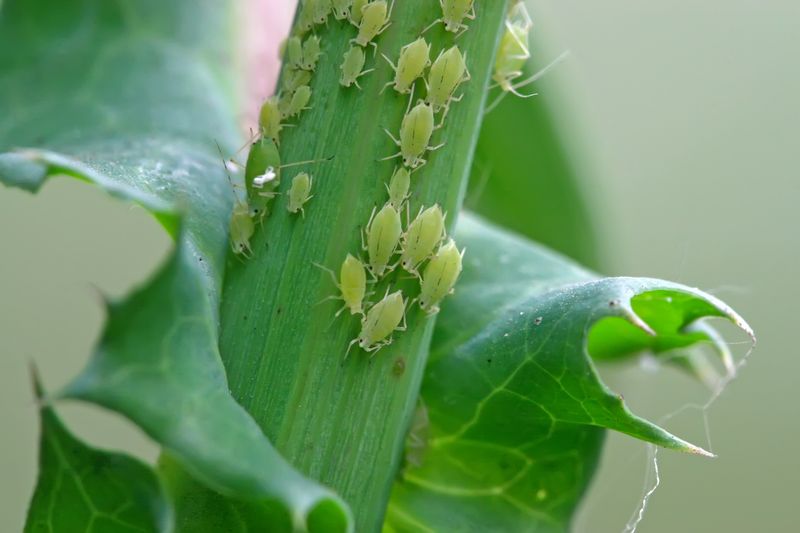
Flip the script for a moment and imagine a North Carolina winter that stays surprisingly mild. No hard freezes, just cool nights and comfortable days that feel more like early fall than January.
Sounds pleasant for gardeners, right? Unfortunately, a warm winter is often very good news for pests and bad news for your plants.
Mild temperatures allow insects to stay active much longer than normal. Pest populations that would have been reduced by a proper freeze instead continue feeding, reproducing, and building up their numbers throughout the winter months.
By the time spring planting season arrives, gardeners may face dramatically higher pest pressure than they would have after a cold winter.
Research from North Carolina State University’s extension program has noted that warmer-than-usual winters often result in earlier pest emergence and larger populations during the growing season.
Mosquitoes, aphids, and whiteflies are among the pests that benefit most from mild winters, as their survival rates stay much higher when temperatures never drop low enough to stress them.
If North Carolina experiences a string of mild winters, as climate patterns sometimes bring, gardeners should plan to be extra vigilant about monitoring and early intervention strategies.
A cozy winter for bugs often means a challenging spring for everyone growing food or flowers in the state.
6. Cold Winters Help Reduce Disease-Carrying Pests
Beyond the garden beds, cold winters bring a benefit that goes way past protecting your tomatoes and squash.
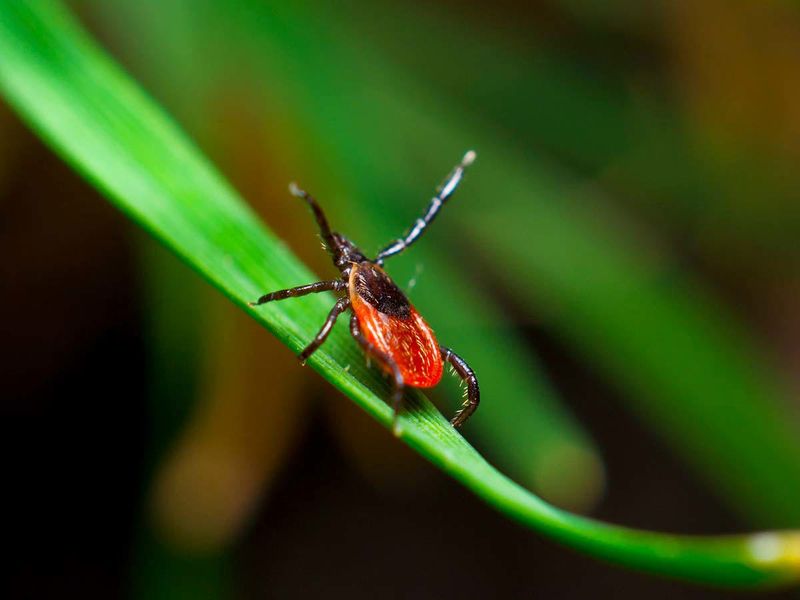
Frigid temperatures can actually help reduce populations of pests that carry serious human diseases, and that is a big deal for anyone spending time outdoors in North Carolina. Mosquitoes and ticks are the two biggest concerns here.
Mosquitoes are highly sensitive to cold. Extended freezes can wipe out many larvae and reduce the number of adults that survive to reproduce in spring.
Ticks, while tougher than mosquitoes, also see population reductions following harsh winters, particularly when there is little snow cover to insulate them from the coldest temperatures.
Fewer ticks mean lower risk of Lyme disease, which is a genuine health concern across many parts of North Carolina.
A study from public health researchers found that regions experiencing colder, longer winters tend to see reduced tick activity in the following spring and summer compared to areas with mild winters.
For gardeners who spend hours outdoors weeding, planting, and harvesting, this is genuinely welcome news.
A cold winter in North Carolina is not just about protecting your pepper plants. It can also make your outdoor time safer and more enjoyable by knocking back the populations of pests that pose real health risks to you and your family.
7. Beneficial Insects Feel The Winter Chill Too
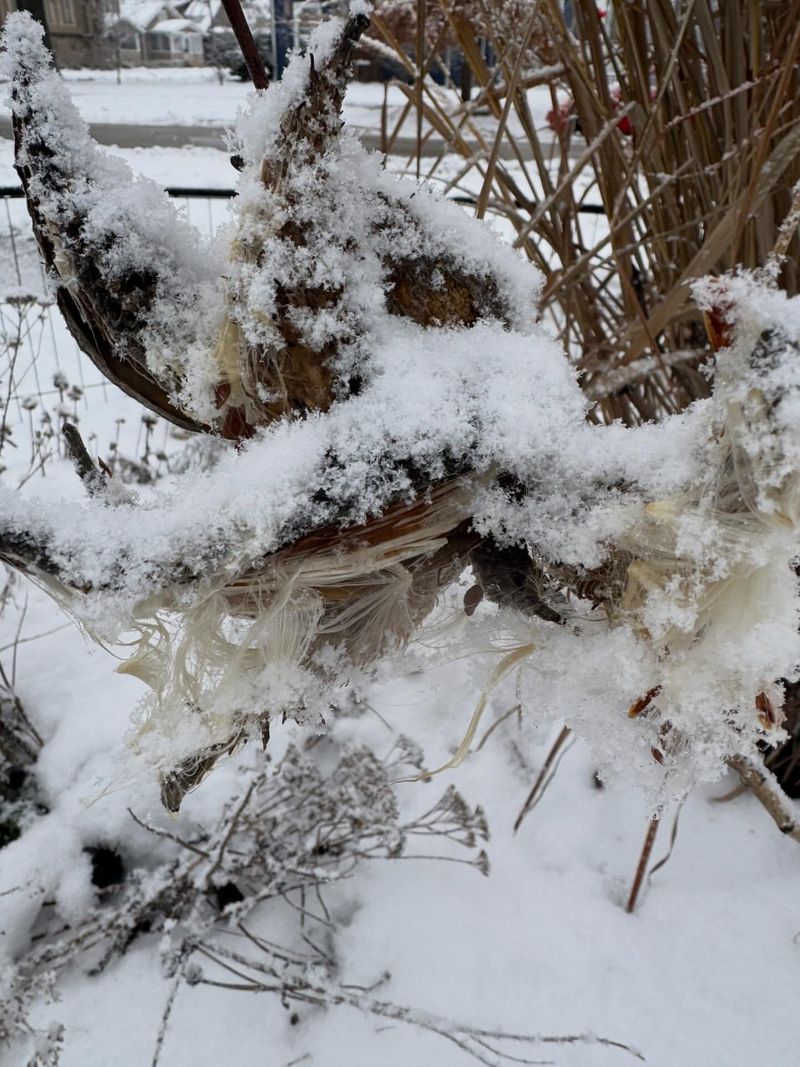
Cold winters do not only target the bad guys in your garden. Beneficial insects, the ones working hard to keep pest populations in check, also take a hit when temperatures drop.
Ladybugs, predatory beetles, parasitic wasps, and even bees can all be affected by a harsh North Carolina winter, and that matters more than most gardeners realize.
Ladybugs, for instance, are voracious aphid predators. A healthy ladybug population can manage aphid outbreaks naturally without any intervention from you.
But if a cold winter reduces ladybug numbers significantly, aphid populations may rebound faster in spring without enough natural predators to keep them in check. The same applies to predatory ground beetles that feed on soil-dwelling pests.
Bees face winter challenges of their own, particularly solitary bee species that do not have the protection of a hive to keep them warm. Fewer bees mean less pollination, which affects fruit and vegetable production across North Carolina gardens.
The takeaway here is that winter’s impact on insects is never one-sided. A cold winter reshuffles the whole ecological balance in your garden, affecting both the pests you want gone and the helpers you want to keep.
Supporting beneficial insects through winter by leaving some leaf litter and native plantings can help them bounce back more quickly when spring finally returns.
8. Microclimates In Your Garden Change Everything

Your garden is not one single environment, even if it looks that way from the outside. Hidden within any North Carolina yard are dozens of tiny microclimates, small pockets of space where temperature, moisture, and shelter vary significantly from the open garden.
These microclimates play a huge role in determining which pests survive the winter and which do not.
Areas under thick mulch, inside tree bark crevices, around home foundations, and beneath dense shrubs tend to stay warmer than exposed garden beds.
Pests that find their way into these sheltered spots have a much better chance of making it through even the coldest North Carolina winters.
A spot near a south-facing brick wall, for example, can be several degrees warmer than the open lawn just a few feet away.
This means that even after a brutal winter, some corners of your garden may harbor surprising numbers of surviving pests ready to spread once temperatures rise.
Gardeners who understand their yard’s microclimates can use that knowledge to target pest monitoring and management more precisely.
Checking under mulch, inspecting bark, and clearing debris from foundation areas in late winter gives you a real advantage.
Your garden’s geography matters just as much as the thermometer reading when predicting what the pest season ahead in North Carolina might actually look like.