Does No Mow May Attract Ticks In Pennsylvania? What To Know
No Mow May has picked up serious momentum across Pennsylvania in recent years, and the idea behind it is genuinely solid.
Skip the mowing for a month, let the lawn grow a little wild, and give early pollinators the flowering weeds and ground cover they desperately need coming out of winter.
It’s a small commitment with a real ecological payoff, and a lot of homeowners have gotten fully on board. But then the tick question comes up, and it comes up a lot.
Pennsylvania is already one of the higher-risk states for tick exposure, and the idea of deliberately letting the grass grow long feels like it might be working against basic backyard safety. It’s a fair concern, and it deserves a straight answer rather than a dismissive wave.
The reality is a little more nuanced than either side of the debate usually admits, and understanding the full picture helps you make a genuinely informed decision about your own yard.
What No Mow May Means For Pennsylvania Lawns
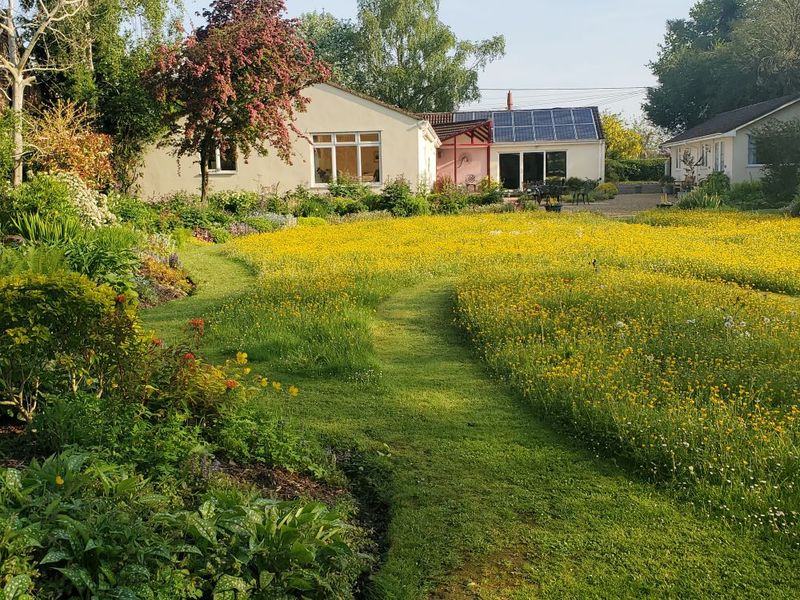
No Mow May started as a movement in the United Kingdom and quickly spread to the United States. The goal is to skip mowing your lawn for the entire month of May so that early-blooming plants like dandelions and clover can flower.
Those flowers give bees and other pollinators a food source right when they need it most after a long winter.
Pennsylvania is actually a great place for this idea to take root, literally. Spring arrives with warm temperatures and plenty of rain across much of the state.
That combination means grass can grow several inches in just a week or two. By the end of May, an unmowed Pennsylvania lawn can look more like a meadow than a yard.
Many homeowners in places like Lancaster, Bucks County, and the Pittsburgh suburbs have tried No Mow May in recent years.
Local gardening groups and environmental organizations have encouraged the practice as a simple, low-effort way to support native bees and other beneficial insects. The idea feels good because it requires doing almost nothing.
However, doing nothing with your lawn in Pennsylvania does come with some trade-offs. The state gets a lot of rainfall in spring, which speeds up grass growth fast.
What starts as a few extra inches can quickly turn into thick, dense grass that stays cool and damp for much of the day. That kind of environment is worth understanding before you commit to a full month without mowing.
Can Taller Grass Increase Tick Risk?
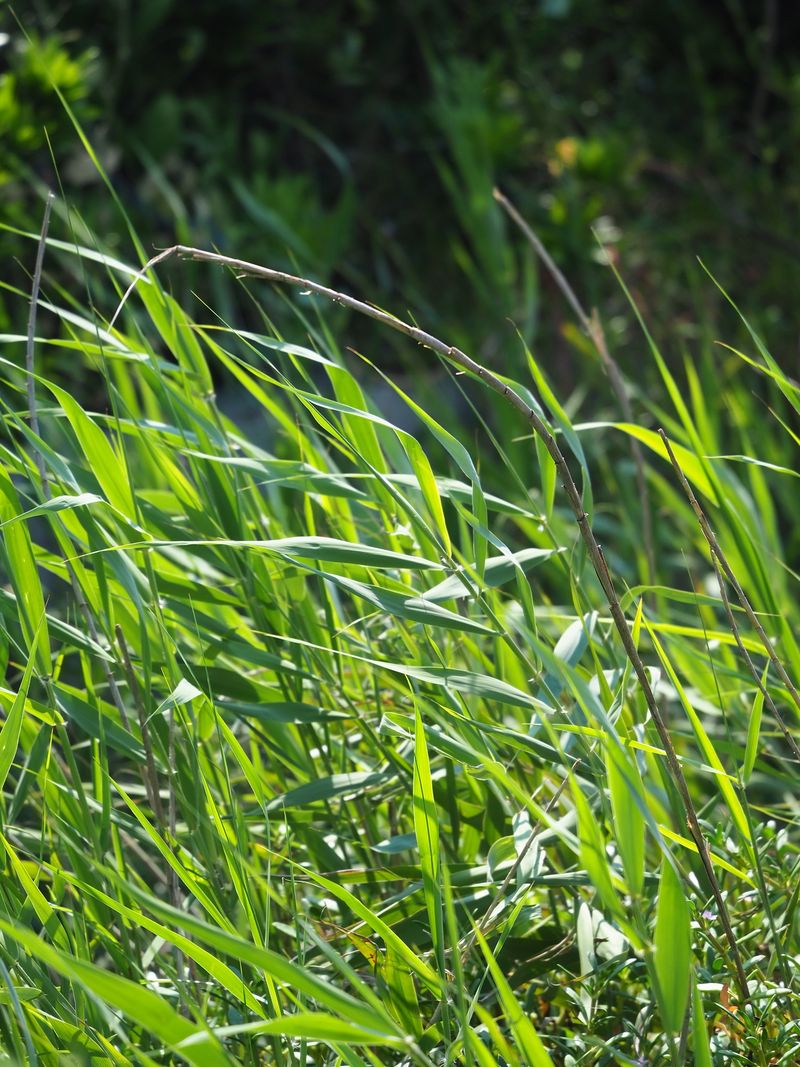
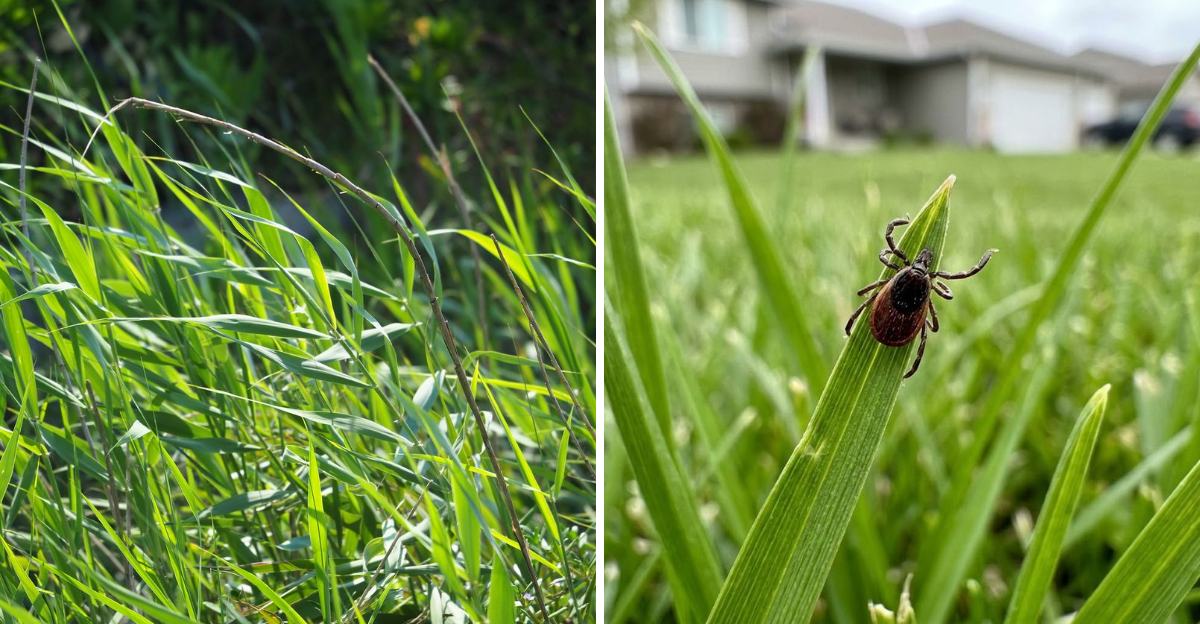
Taller grass really can make your yard more tick-friendly, and here is why. Ticks do not jump or fly.
Instead, they use a behavior called questing, where they climb up onto grass blades or low plants and wait with their front legs stretched out. When a person, dog, or deer brushes past, the tick grabs on.
Grass that is several inches tall gives ticks more surface area to quest from. It also stays cooler and more humid close to the ground, which ticks love.
Your Pennsylvania Garden Changes Every Week. Your Plan Should Too.
Gardening in Pennsylvania changes quickly throughout the season. Every Friday you’ll receive a simple weekly plan showing exactly what to plant, prune, fertilize, harvest, and protect so you never miss the right timing.
Ticks can lose moisture quickly in hot, dry conditions, so shady, damp grass helps them survive longer while they wait for a host to pass by.
In Pennsylvania, the biggest concern is the blacklegged tick, also known as the deer tick. Blacklegged ticks are most active in spring and fall.
May happens to fall right in the middle of their most active period, which makes the overlap with No Mow May worth paying attention to.
Risk is not equal across all Pennsylvania yards. Lawns near wooded edges, stone walls, brush piles, leaf litter, and deer paths carry a higher chance of tick activity.
Open, sunny lawns in the middle of a neighborhood have lower risk, but they are not risk-free. If your yard in Pennsylvania backs up to any kind of natural area, tall grass in May could increase the chances of a tick encounter for your family and pets.
Keeping this in mind can help you make smarter choices about how and where you let your lawn grow long.
Why Pennsylvania Yards Are Already Tick-Prone
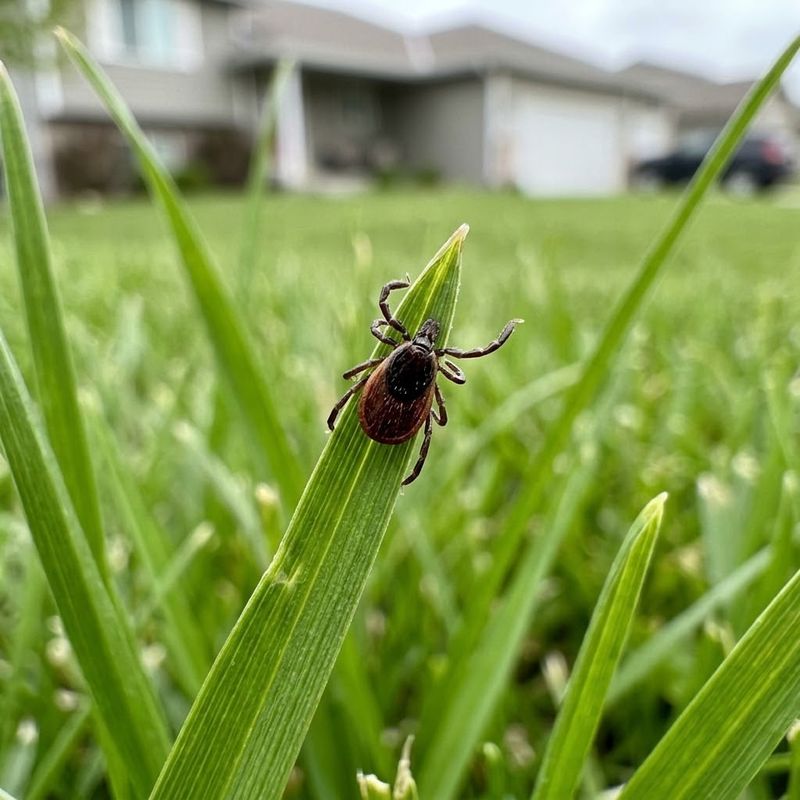
Pennsylvania consistently ranks among the top states in the country for tick activity. The state is home to several tick species, but the blacklegged tick is the one that gets the most attention because of the health risks it can carry.
These ticks thrive in the exact kind of landscape that covers much of Pennsylvania: mixed forests, shrubby edges, and yards that border natural areas.
Wooded neighborhoods in places like Chester County, Monroe County, and the Pocono region tend to see higher tick pressure than open suburban developments. Shaded lawns that stay damp longer are especially attractive to ticks.
Areas where deer regularly travel also see more tick activity, since deer are one of the main hosts for adult blacklegged ticks.
Even yards that do not look particularly wild can have ticks. Stone walls, wood piles, ornamental shrubs, and areas with thick mulch all create the kind of microhabitat ticks prefer. A yard that looks neat and tidy can still have ticks hiding in the cooler, shadier corners.
Understanding that Pennsylvania yards already have a higher-than-average baseline tick risk is important before adding more tall grass into the mix.
No Mow May does not create a tick problem from scratch, but it can make existing tick habitat more comfortable and easier for ticks to use.
Homeowners who already deal with ticks regularly should think carefully about how far they let their grass grow in May, especially in areas close to where children and pets spend time outdoors in the yard.
How To Do No Mow May More Safely
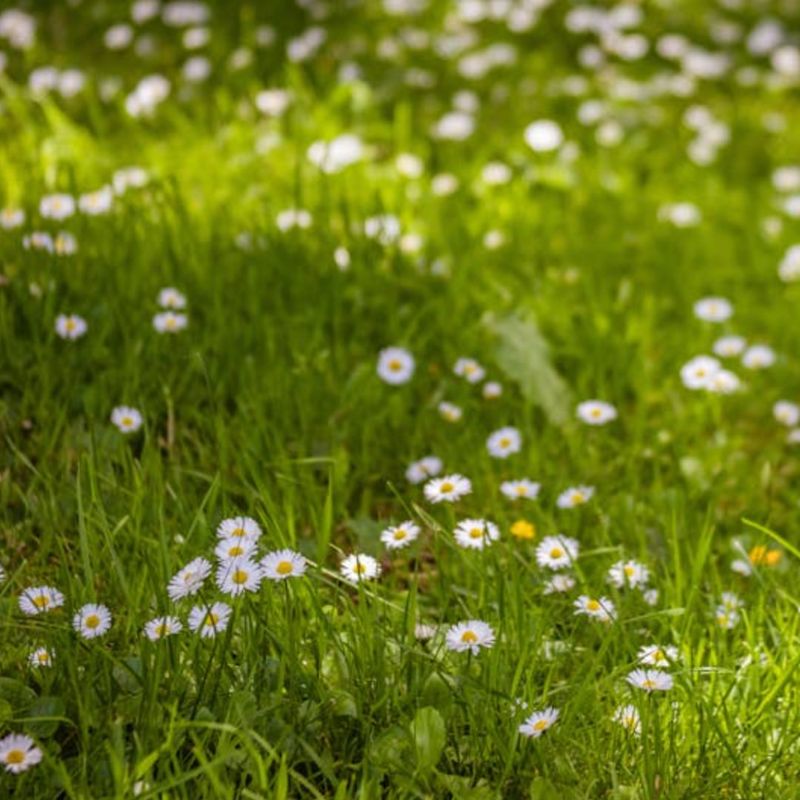
Skipping the mower entirely for a whole month is not the only way to support pollinators in Pennsylvania. A smarter approach is to practice selective No Mow May, where you leave some areas unmowed while keeping the spots your family uses the most trimmed short.
Short grass is much less appealing to ticks and makes it easier to spot them before they reach your skin.
Keep a mowed buffer zone around your patio, deck, play equipment, and any walkways. A strip of short grass about three feet wide around high-use areas can make a real difference.
Ticks prefer to stay in taller, shadier vegetation, so a well-maintained border acts as a simple barrier between the wild zone and where people spend time.
Leaf litter and brush piles are also worth cleaning up, even during No Mow May. These spots hold moisture and provide cover, making them popular resting places for ticks.
Removing them from around your yard reduces the overall tick habitat, even if your grass is growing tall in other areas.
After spending time outdoors in Pennsylvania during May, check yourself, your kids, and your pets for ticks. Tuck pants into socks when walking through tall grass.
Shower within two hours of coming inside, which can help wash off any ticks that have not yet attached. Light-colored clothing makes it easier to spot ticks before they reach your skin.
These small habits add up and can significantly reduce your chances of a tick bite while still allowing you to participate in No Mow May in a thoughtful way.
Better Pollinator-Friendly Alternatives
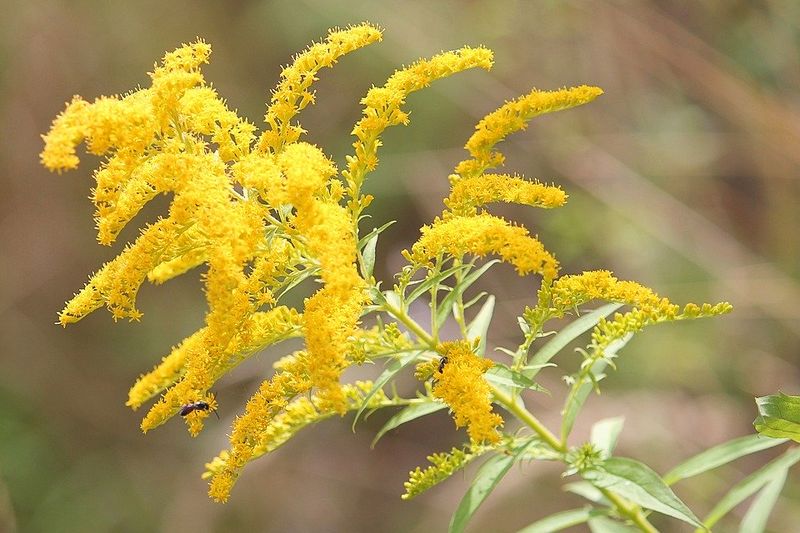
Letting your whole lawn go wild for a month is not the only way to help pollinators in Pennsylvania. One of the most effective things you can do is convert part of your yard into a native plant bed.
Native plants are adapted to Pennsylvania’s climate, they tend to need less water and care than traditional garden plants, and they provide much better habitat for native bees and butterflies than a patch of overgrown turf grass.
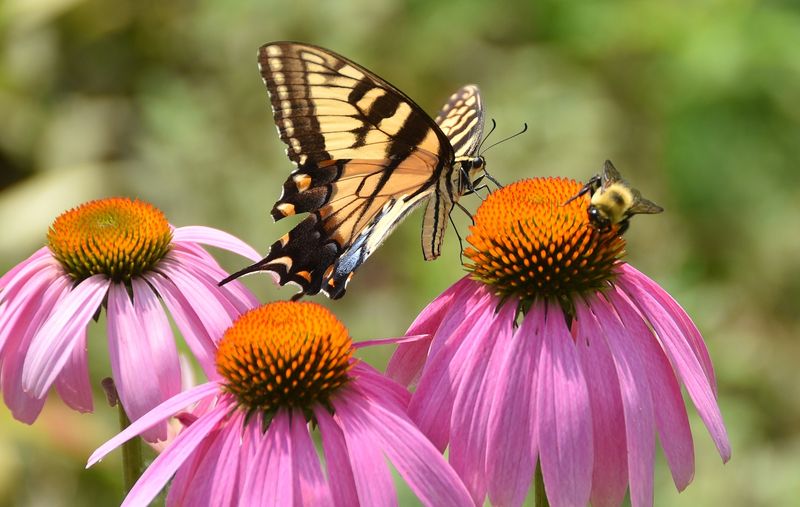
Pennsylvania has a wonderful selection of native plants that pollinators love. Wild bergamot, mountain mint, goldenrod, native asters, and purple coneflower are all excellent choices.
These plants bloom at different times throughout the growing season, giving pollinators a reliable food source from spring through fall. They also look intentional and tidy, which means your yard still looks cared for rather than neglected.
Clover is another excellent option. Low-growing white clover can be mixed into your lawn seed and creates a carpet of small flowers that bees absolutely love.
Unlike tall grass, clover stays low and does not create thick, damp conditions that favor ticks. It is a practical middle ground between a manicured lawn and a wild meadow.
Leaving a messier habitat zone in a far corner of your yard, away from patios and play areas, is a good compromise too.
A small brush pile or a patch of native grasses tucked near the back fence gives wildlife shelter without putting it right next to where your family spends time.
Pennsylvania gardeners have plenty of creative ways to support pollinators without letting tick-friendly habitat take over the whole yard.
Final Takeaway: Balance Pollinators And Tick Safety
No Mow May has genuine value as a conservation idea, and it has helped raise awareness about how lawns can support pollinators during a critical time of year.
Skipping the mower for a few weeks can allow early bloomers to flower and give bees a boost right when they need it. That is a real benefit worth acknowledging.
At the same time, Pennsylvania is not the best place for an all-or-nothing approach to lawn care in May. The state already has significant tick activity, and tall, damp grass in a yard that borders woods or fields can make conditions more comfortable for ticks that are already present.
The goal is not to avoid supporting pollinators. The goal is to do it in a way that does not also create more risk for your family and pets.
A partial approach works best for most Pennsylvania homeowners. Keep high-traffic areas mowed short.
Let a designated patch of lawn or a native plant bed grow freely. Create a clear buffer zone between wild areas and where people spend time. Focus on planting natives that provide food for pollinators without adding tick habitat.
Intentional habitat is always better than neglected habitat. A thoughtfully planted native garden does far more for Pennsylvania pollinators than a month of overgrown turf grass ever could.
By combining smart lawn management with native plantings and regular tick checks, Pennsylvania residents can enjoy the spirit of No Mow May while keeping their families safer outdoors.
Both goals, helping pollinators and reducing tick risk, are completely achievable at the same time.