Don’t Be Surprised If You See Snakes In Your Michigan Yard As Early As In March
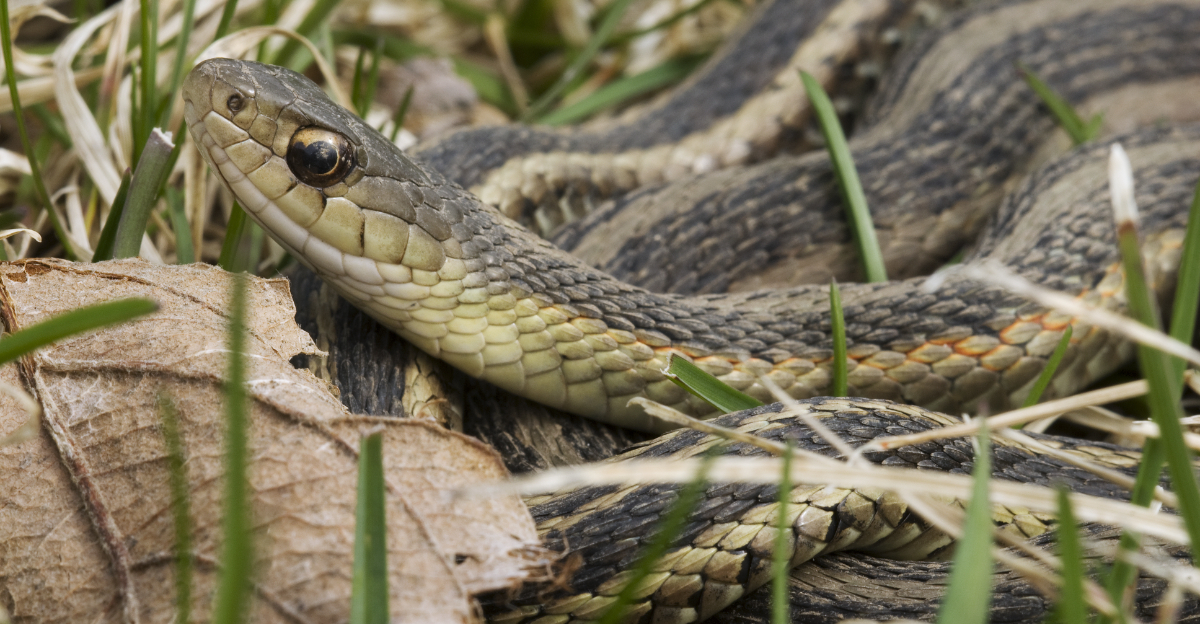
A rustle in the grass, a slow movement along a garden edge, and suddenly spring feels closer than the calendar suggests.
In Michigan, March often brings surprising wildlife activity, including the early appearance of snakes emerging while traces of frost still linger on the ground.
Many people expect these reptiles to show up only in the warmth of summer, yet several species become active much sooner as sunlight strengthens and the soil begins to warm.
Their early movement is tied to remarkable natural adaptations that help them respond quickly to shifting temperatures and seasonal signals.
For Michigan residents, these unexpected encounters can feel startling, especially after a long winter of quiet landscapes.
Learning why snakes appear in early spring not only removes uncertainty but also builds a deeper respect for how wildlife adjusts to changing conditions.
With a little understanding, these early season sightings become a fascinating sign that Michigan’s natural world is waking up once again.
Warmer Late Winter Days Wake Them From Brumation
Brumation works differently than hibernation but serves a similar purpose for cold-blooded creatures. Michigan snakes spend winter months in underground dens or protected spaces where temperatures stay stable.
Their metabolism slows dramatically during this period, requiring minimal energy to survive.
When late February or early March brings several consecutive days above forty degrees, something remarkable happens. The warmth penetrates the soil and signals snakes that conditions outside have become survivable again.
They begin stirring from their dormant state, slowly reactivating their systems. This awakening process takes time and happens gradually rather than all at once. Snakes might emerge briefly on warm afternoons only to retreat when temperatures drop again.
You might spot them basking near den entrances, soaking up whatever sunlight they can find.
The transition from brumation requires careful energy management since food remains scarce this early. Snakes must balance their need for warmth with conserving resources until prey becomes more abundant.
This delicate dance between activity and rest defines their early spring behavior patterns across Michigan’s diverse habitats and microclimates.
Snakes Follow Soil Temperature Not The Calendar
Reptiles operate on biological triggers rather than dates marked on human calendars. Soil temperature serves as their primary environmental cue for activity levels throughout the year.
When ground temperatures reach approximately fifty degrees Fahrenheit, metabolic processes begin accelerating in snake bodies.
Michigan’s variable spring weather creates unpredictable conditions that can activate snakes weeks apart in different years. A warm February might bring early sightings while a cold March delays activity significantly.
Geographic location within the state also matters tremendously for timing. Southern Michigan typically experiences warmer soil temperatures earlier than northern regions due to latitude differences.
Urban areas with dark pavement and buildings often register higher readings than surrounding rural landscapes.
These variations explain why snake sightings occur sporadically rather than following predictable schedules.
Scientists measure soil temperature at various depths to understand reptile behavior patterns more accurately. Surface readings fluctuate wildly with daily weather changes, but deeper measurements show more stable trends.
Snakes respond to these deeper temperature patterns, which lag behind air temperature changes by days or weeks, creating timing that sometimes surprises observers expecting calendar-based seasonal shifts.
South Facing Slopes Warm Up First
Sunlight strikes south-facing slopes at more direct angles throughout late winter and early spring months. This geometric advantage means these areas receive significantly more solar energy than north-facing counterparts.
The difference can amount to several degrees in soil and air temperature.
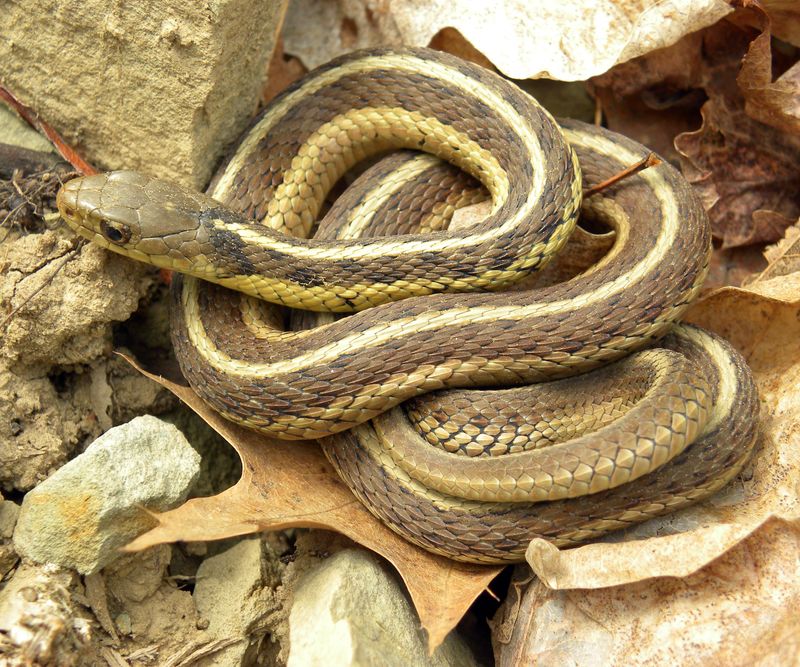
Snakes instinctively seek these warmer microclimates when first emerging from winter dormancy. Rocky outcrops on southern exposures become prime basking locations during March and early April.
The stones absorb heat during sunny days and radiate it slowly, creating comfortable spots.
Vegetation patterns also differ on these slopes, with earlier green-up providing both cover and prey opportunities. Small mammals and insects become active sooner in these favored locations, attracting hungry snakes.
Hikers exploring Michigan trails should pay extra attention when traversing south-facing hillsides during early spring.
This phenomenon occurs throughout Michigan’s varied topography, from river valleys to forested ridges. Even modest elevation changes create noticeable temperature differences that influence snake distribution patterns.
Understanding this principle helps explain why certain trails or properties experience earlier sightings than others just a short distance away with different orientations.
Snakes Need Sunlight To Regulate Body Temperature
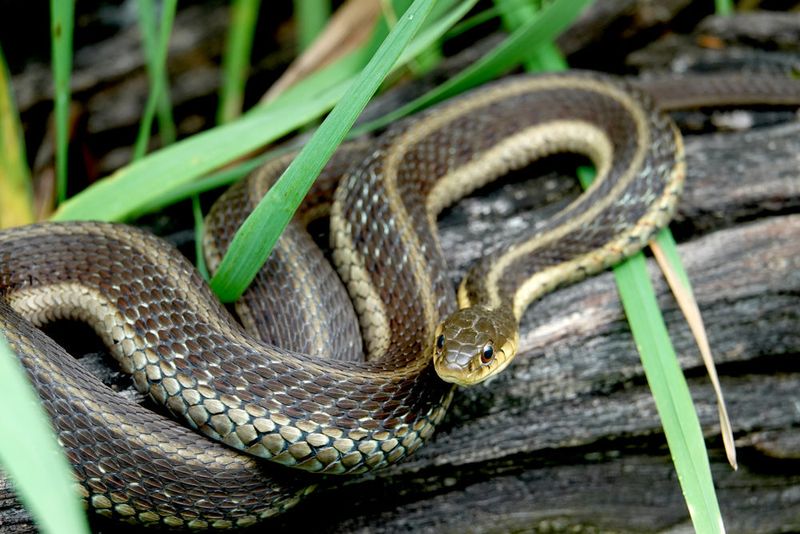
Ectothermic animals cannot generate internal body heat like mammals and birds do naturally. Snakes must absorb warmth from their environment to power essential biological functions.
Digestion, movement, and even immune system function depend on maintaining adequate body temperature.
Basking behavior becomes critical during cooler months when ambient temperatures hover near minimum activity thresholds. You might observe snakes positioned in sunny spots for hours, appearing motionless and vulnerable.
This seemingly risky behavior actually represents necessary thermoregulation rather than laziness or carelessness.
Morning hours typically find snakes seeking exposed locations after cool overnight periods lower their body temperatures. As they warm up, their ability to move quickly and efficiently improves dramatically.
A cold snake moves sluggishly and cannot escape threats or capture prey effectively. Michigan’s spring weather creates challenging conditions with warm days followed by freezing nights.
Snakes must constantly adjust their behavior, retreating to insulated spaces when temperatures drop.
This cycle repeats daily throughout March and April until consistent warmth arrives, making early spring an exhausting period requiring significant energy expenditure for basic survival and temperature maintenance activities.
Melting Snow Reveals Their Hiding Spots
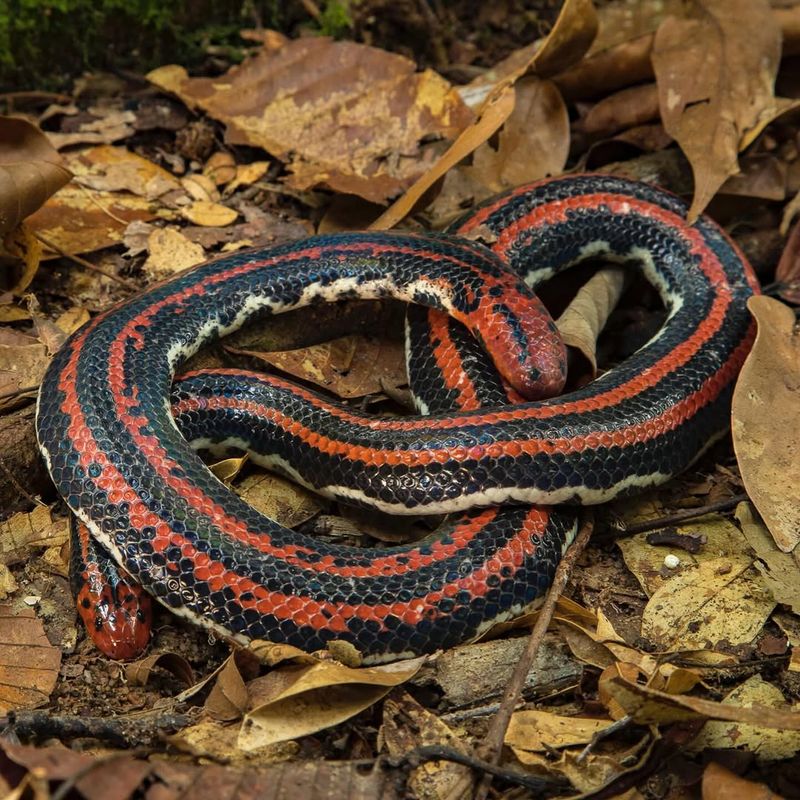
Snow accumulation throughout winter conceals countless natural features where snakes spend their dormant months. Rock piles, fallen logs, and brush heaps remain hidden under white blankets for months.
As temperatures rise and snow melts, these features suddenly become visible again.
Snakes often position themselves just beneath the surface or near den entrances during late winter. They remain present but invisible under snow cover that might be only inches deep.
When that protective layer disappears, people suddenly notice reptiles that were actually there all along.
The melting process itself creates interesting conditions that snakes find attractive for basking opportunities. Bare ground appears first around dark objects that absorb solar radiation faster than surrounding areas.
These snow-free patches become magnets for cold snakes seeking warmth in otherwise wintry landscapes.
March snow melt happens unevenly across Michigan, creating a patchwork of exposed and covered areas. Snakes concentrate in the bare spots, making them seem more numerous than they actually are.
This concentration effect combined with increased human outdoor activity creates more frequent encounters. Understanding this pattern helps explain why sightings spike dramatically during the transition period between winter and spring conditions.
Early Spring Rains Increase Movement
Rainfall events trigger remarkable activity bursts among amphibians throughout Michigan’s wetlands and forests. Frogs, toads, and salamanders emerge from winter refuges when rain softens the ground.
These creatures must reach breeding ponds quickly to take advantage of temporary water bodies.
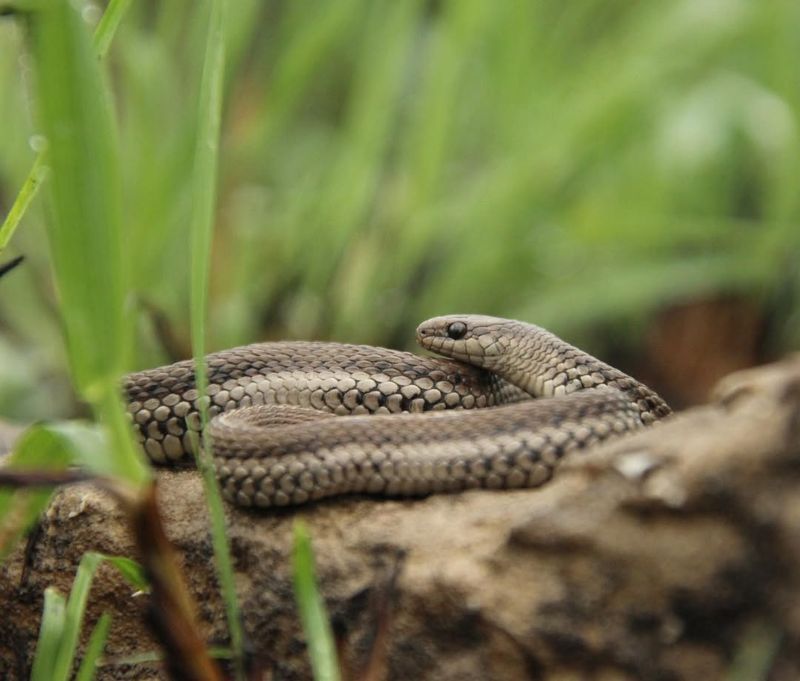
Snakes recognize these amphibian movements as feeding opportunities after months without substantial meals. Species like garter snakes and water snakes actively hunt during and immediately after spring rain events.
The combination of moisture, moderate temperatures, and abundant prey creates perfect conditions for reptile activity.
Rain also softens soil, making movement easier for snakes traveling between locations. Dry, frozen ground presents obstacles, but wet conditions allow smoother passage through leaf litter and vegetation.
This increased mobility means snakes cover more territory and become more visible to people.
Michigan’s April showers bring more than flowers; they stimulate entire food chains from bottom to top. Earthworms surface in large numbers during rain, attracting small mammals that subsequently attract snakes.
This cascade effect means precipitation influences snake behavior both directly through improved travel conditions and indirectly through prey availability, making rainy spring periods particularly active times for observing these often secretive reptiles.
Food Sources Begin To Reappear
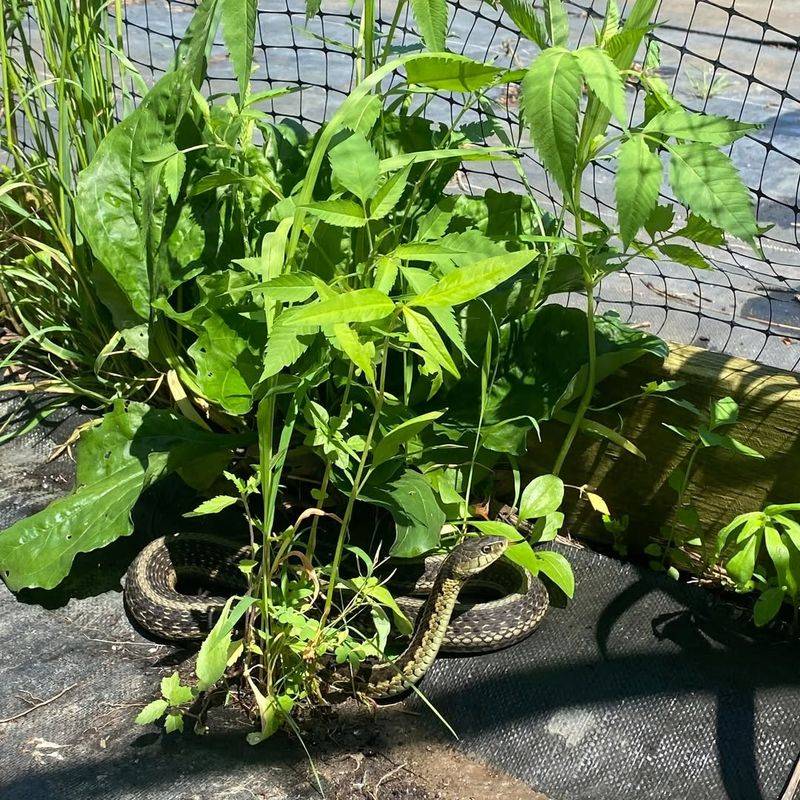
Winter’s scarcity gives way to abundance as Michigan’s ecosystems awaken from dormancy each spring. Small mammals like voles and mice become more active and visible when searching for fresh vegetation.
Insects begin emerging on warm days, providing food for insectivores that snakes subsequently hunt.
Amphibians represent particularly important prey items for many Michigan snake species during early spring. Frogs and salamanders congregate at breeding ponds in large numbers, creating concentrated food sources.
Snakes time their emergence partly to coincide with these predictable prey gatherings.
The energy snakes expended during brumation must be replenished quickly once they become active again. Hunting success early in the season influences their ability to survive, grow, and eventually reproduce.
This urgency drives increased movement and risk-taking behavior that makes them more noticeable.
Different prey species become available at slightly different times, creating a staggered buffet throughout March and April. Earthworms surface during rain events, salamanders migrate to ponds, and rodents increase surface activity as vegetation grows.
Snakes adjust their hunting strategies and locations based on these shifting opportunities, moving between habitats more frequently than during summer when prey abundance allows them to remain in smaller territories.
Breeding Season Can Begin In Early Spring
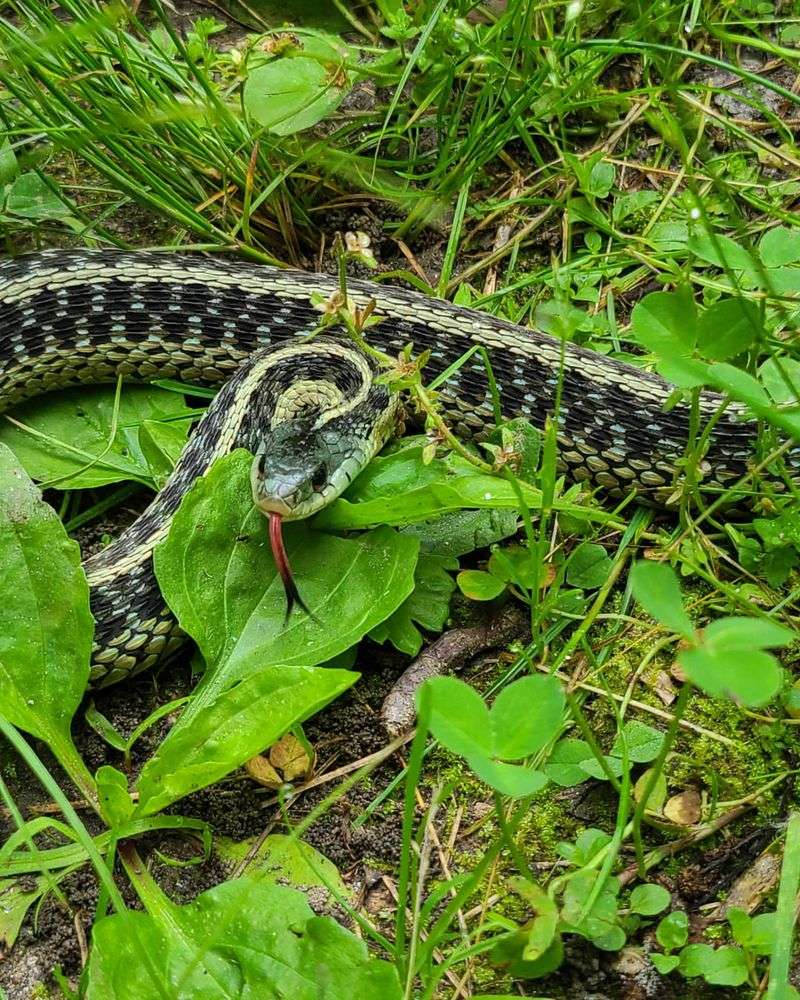
Reproduction drives powerful instincts that override caution in many animal species, including Michigan snakes. Several native species begin courtship and mating shortly after emerging from winter brumation.
This timing ensures offspring have maximum growing season ahead of them before next winter arrives.
Male snakes often emerge first and wait near den sites for females to appear. Competition for mates can be intense, with multiple males pursuing single females.
These mating aggregations create concentrated snake activity that surprises people expecting solitary reptiles.
Garter snakes particularly demonstrate this early breeding behavior, sometimes forming impressive mating balls near communal den sites. Dozens of individuals might gather in small areas, making them highly visible and memorable.
These gatherings typically last only days or weeks before snakes disperse to summer territories.
Breeding activity requires snakes to be active during periods when temperatures remain marginal for their comfort. The biological imperative to reproduce pushes them to take risks they might otherwise avoid.
This means March sightings often involve snakes focused on finding mates rather than avoiding detection, making encounters more likely.
Understanding this seasonal urgency helps explain seemingly bold behavior from typically secretive creatures during early spring months.
Rock Piles And Wood Debris Retain Heat
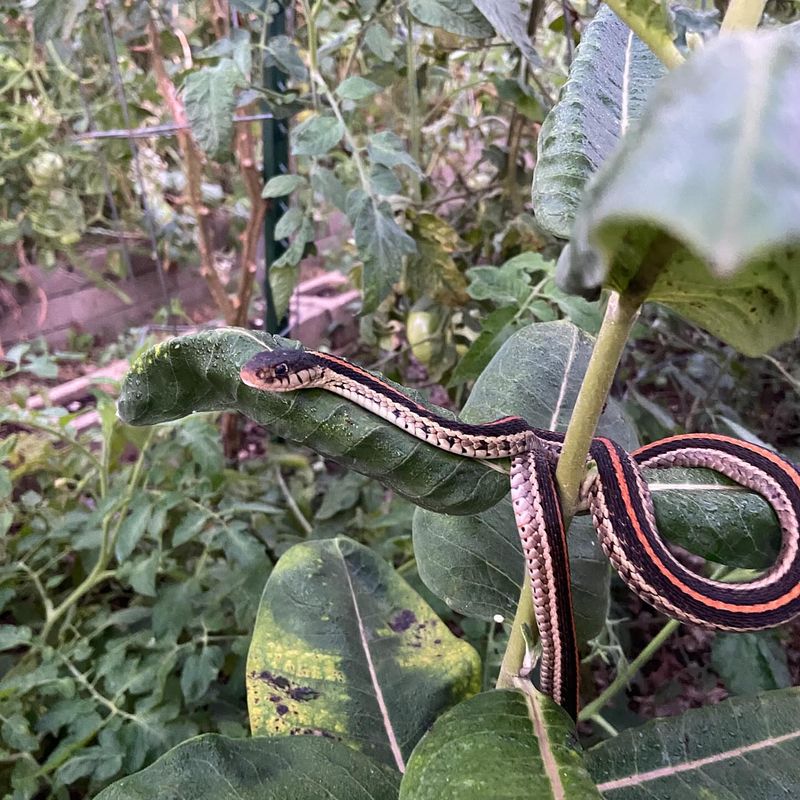
Thermal mass refers to materials’ ability to absorb, store, and slowly release heat energy. Rocks and wood possess significant thermal mass that makes them valuable to cold-blooded creatures.
During sunny March days, these materials warm considerably even when air temperatures remain cool.
Natural rock outcrops and human-created stone piles both serve as snake attractants throughout Michigan. The stones absorb solar radiation throughout the day and remain warm into evening hours.
Snakes position themselves on or between rocks to absorb this stored heat efficiently.
Fallen logs and brush piles offer similar benefits with added cover from predators and weather. Decomposing wood actually generates small amounts of heat through bacterial action, providing bonus warmth.
Snakes often overwinter in such locations and remain nearby during early spring.
Property owners sometimes create attractive snake habitat unintentionally by piling landscaping stones or stacking firewood. These features become magnets for basking reptiles during transitional seasons when natural warm spots remain scarce.
Understanding this principle helps explain why certain yards experience more snake activity than others.
Removing or relocating such features away from high-traffic areas can reduce unwanted encounters while still allowing snakes to exist in less problematic locations on larger properties.
Urban Areas Can Warm Faster Than Rural Areas
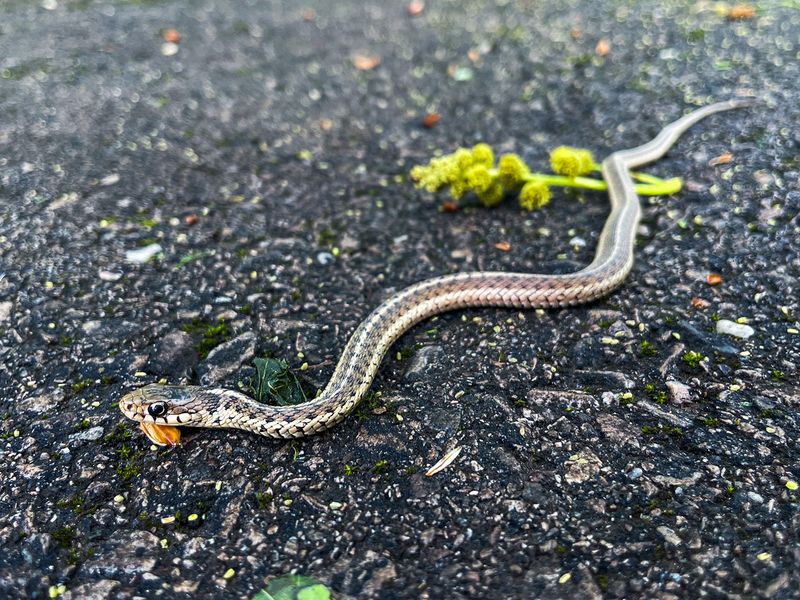
Cities and suburbs create what scientists call urban heat islands through concentrated human infrastructure. Pavement, buildings, and other structures absorb and retain solar energy more effectively than natural landscapes.
This phenomenon can raise local temperatures by several degrees compared to surrounding countryside.
Michigan’s urban snakes benefit from these warmer microclimates, potentially emerging from brumation earlier than rural cousins. Parking lots, sidewalks, and building foundations all provide thermal advantages during marginal spring weather.
South-facing brick walls become particularly attractive basking locations.
Residential neighborhoods often feature landscaping elements like decorative rock gardens and retaining walls that enhance warming effects. These human-created features sometimes support higher snake activity than nearby natural areas.
Homeowners may encounter reptiles in their yards before rural hikers spot them on trails. The urban heat island effect extends beyond just warmer temperatures to include earlier snow melt and longer daily warm periods.
These factors combine to create more favorable conditions for early snake activity in developed areas.
However, this doesn’t mean urban snake populations necessarily exceed rural ones; rather, the timing and visibility of encounters shifts.
Understanding this pattern helps explain why suburban residents sometimes report March sightings that seem surprisingly early compared to historical norms.
Some Michigan Species Are Cold Tolerant
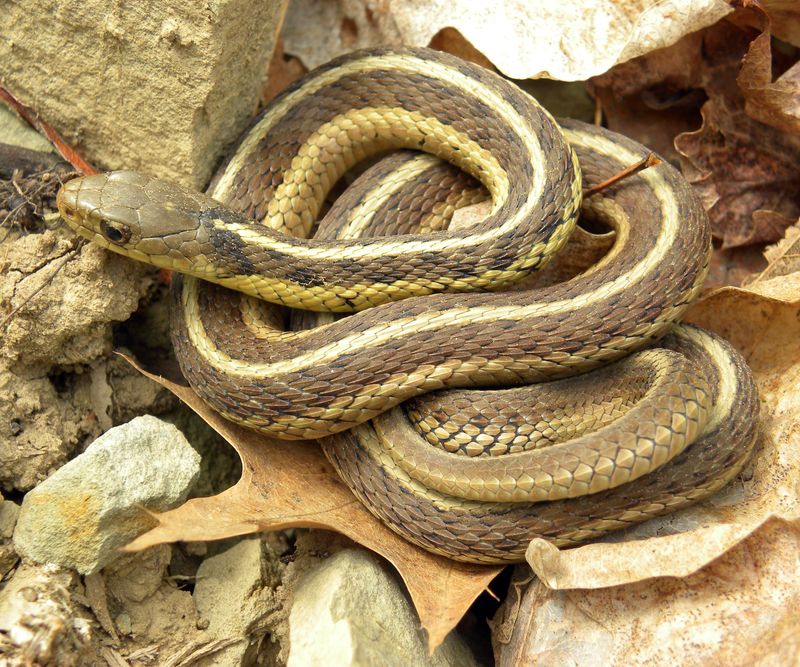
Not all snake species share identical temperature requirements for activity and survival. Michigan’s native snakes have evolved various adaptations to local climate conditions over thousands of years.
Some species tolerate cooler temperatures better than others, influencing when they emerge each spring.
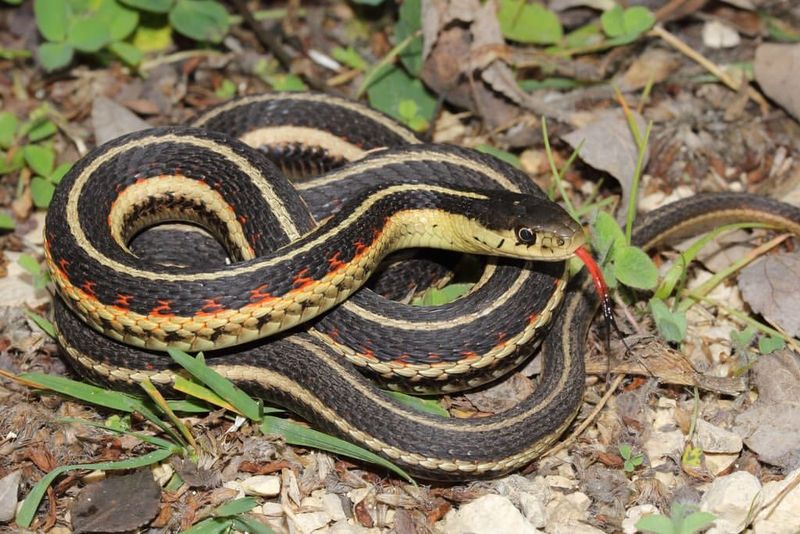
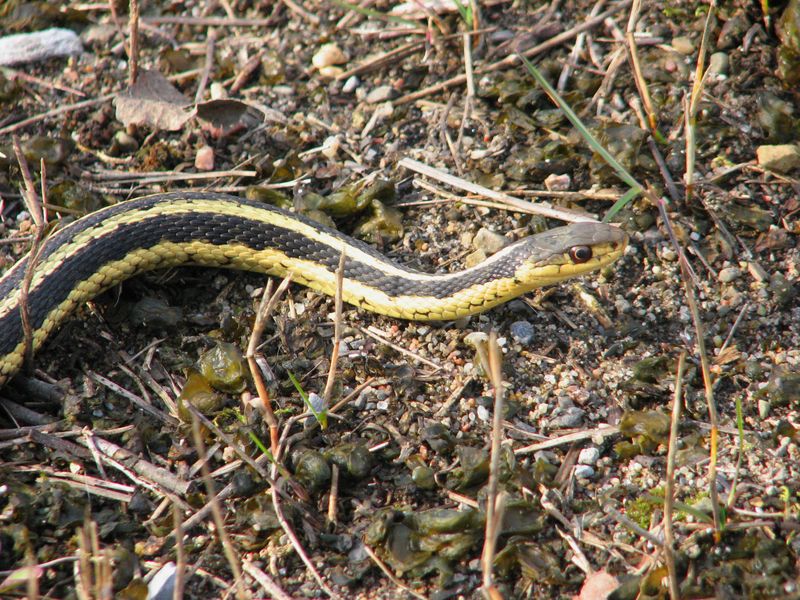
Garter snakes rank among the most cold-tolerant reptiles in North America, remaining active at temperatures that would immobilize many other species. They can function with body temperatures in the low fifties Fahrenheit, well below optimal ranges.
This adaptation allows them to take advantage of early season opportunities. Northern water snakes similarly demonstrate impressive cold tolerance, often appearing along Michigan waterways while ice still floats nearby.
Their ability to remain active in cool conditions gives them competitive advantages for early season feeding.
These species dominate March sightings simply because they can function when others cannot.
Conversely, species like fox snakes and milk snakes typically emerge later when temperatures stabilize at higher levels. Understanding these species-specific differences helps explain why certain snakes appear in March while others wait until May.
Cold tolerance represents an evolutionary trade-off with various costs and benefits that shape each species’ annual activity patterns and ecological strategies throughout Michigan’s challenging seasonal climate.
Early Sightings Do Not Mean Population Surges
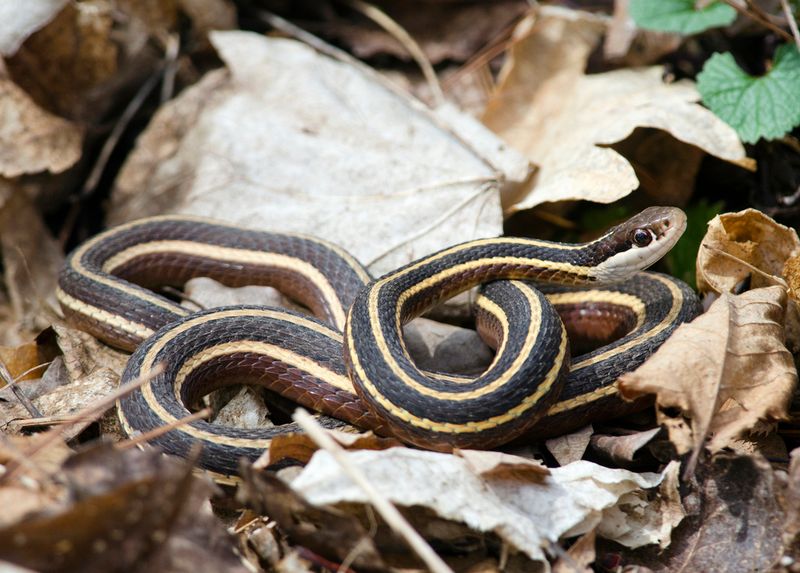
Human perception often misinterprets normal animal behavior as unusual population changes. When people notice snakes in March, concerns about increasing numbers sometimes arise unnecessarily.
However, early sightings typically reflect seasonal biology rather than actual population growth.
Snake populations change slowly over years and decades, not overnight or season to season. Reproductive rates remain modest, with most species producing offspring only annually.
Mortality factors like predation, disease, and vehicle strikes balance reproduction, keeping populations relatively stable.
The perception of more snakes often stems from increased visibility rather than increased abundance. When environmental conditions favor early emergence, more individuals become observable simultaneously.
Combined with heightened human awareness during unseasonably warm periods, this creates impression of population explosions.
Weather patterns significantly influence when and where people encounter snakes without affecting actual population sizes. A warm March brings more sightings than a cold March, but total snake numbers remain essentially unchanged.
Understanding this distinction prevents unnecessary alarm and helps maintain realistic perspectives on wildlife populations. Michigan’s snake species face various conservation challenges, with some populations actually declining due to habitat loss.
Early spring sightings represent healthy, normal behavior rather than concerning trends requiring intervention or control measures.