Don’t Cut These Shrubs Back Too Hard In California Spring
Spring in California makes everything look ready for a fresh start, and that often means reaching for the pruning shears. But not every shrub wants a big haircut right now.
In fact, cutting some of them back too hard in spring can wipe out this year’s flowers or leave plants stressed right when they should be putting on their best show.
Many popular shrubs set their buds months earlier, quietly preparing for a burst of color. A heavy prune at the wrong time can remove all that potential in one snip.
Others simply don’t bounce back well from aggressive cuts once growth is underway, leading to sparse blooms or uneven shapes.
A lighter touch goes a long way here. Knowing which shrubs need restraint instead of a full trim can keep your garden looking full, colorful, and thriving through the season without any regrets.
1. Ceanothus (California Lilac)
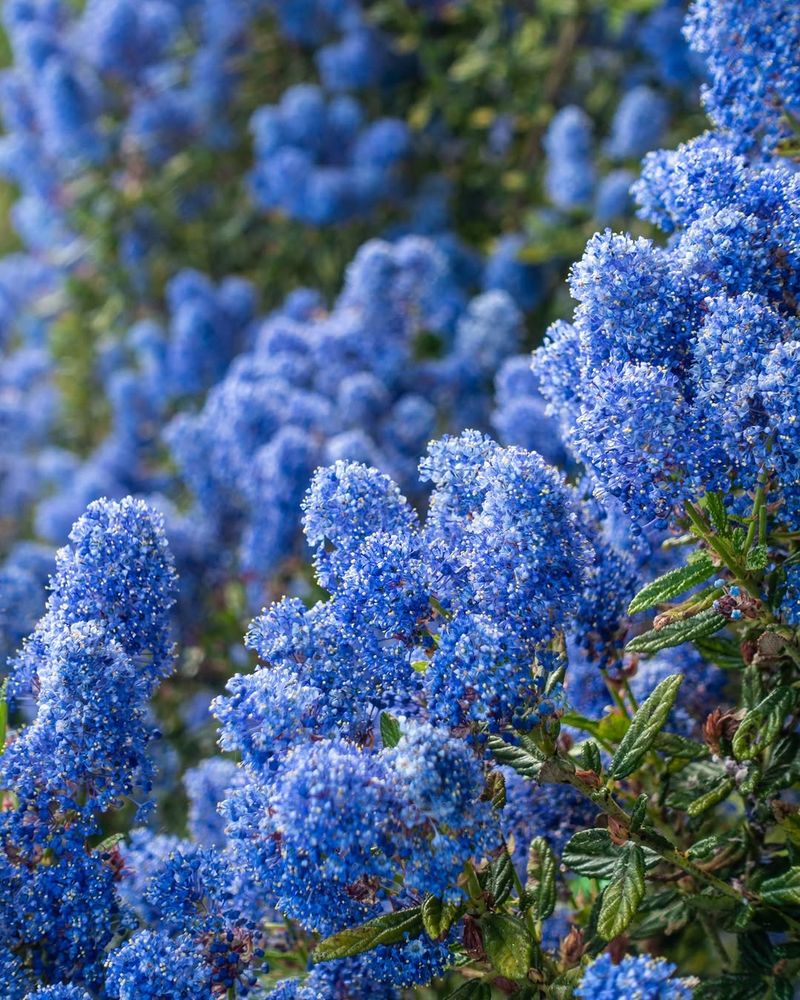
Few plants feel more at home in California than Ceanothus, and for good reason. This native beauty bursts into clouds of blue, purple, or white flowers every spring, turning heads in gardens from San Diego all the way up to the foothills of Northern California.
It looks tough, but it has a sensitive side when it comes to pruning.
Ceanothus blooms on old wood, which means the flower buds you enjoy in spring were set on last year’s stems. If you cut those stems back hard in early spring, you are removing the very buds that would have given you that gorgeous flower show.
The plant may not recover as quickly as you expect, either.
Unlike many shrubs, Ceanothus does not respond well to heavy pruning at any time of year. It can struggle to push new growth from thick, old wood.
The safest approach is to do light shaping right after it finishes blooming. Remove only the tips of branches, never cutting back into old, woody stems.
In California’s dry summer climate, keeping this shrub stress-free is the smartest move a gardener can make.
2. Toyon
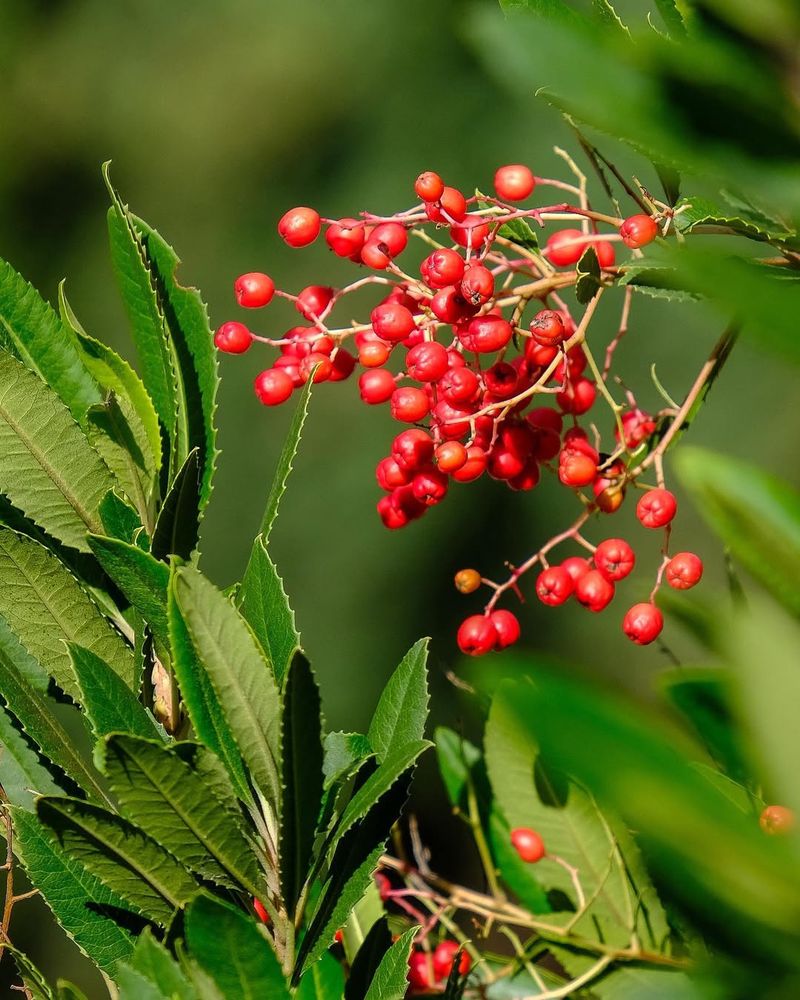
Toyon is sometimes called the “Hollywood plant” because legend has it that the city of Hollywood got its name from the abundance of Toyon growing in the hills. With its glossy green leaves and brilliant red winter berries, it is one of the most striking native shrubs in California.
Birds absolutely love the berries, which makes it a wonderful addition to any wildlife-friendly garden.
What many California gardeners do not realize is that Toyon sets its flower buds on the previous year’s growth. Cutting it back hard in spring means you are removing those buds, and you will miss out on the white summer flowers that eventually become those famous red berries by winter.
That is a long wait for a reward you accidentally pruned away.
Toyon is naturally a large shrub and can reach impressive sizes if left alone. If you need to manage its size, do so lightly and only after it finishes flowering in summer.
Avoid removing more than one-third of the plant at any time. In California’s Mediterranean climate, Toyon thrives with minimal interference, so the less you fuss with it, the better it tends to perform year after year.
3. Manzanita
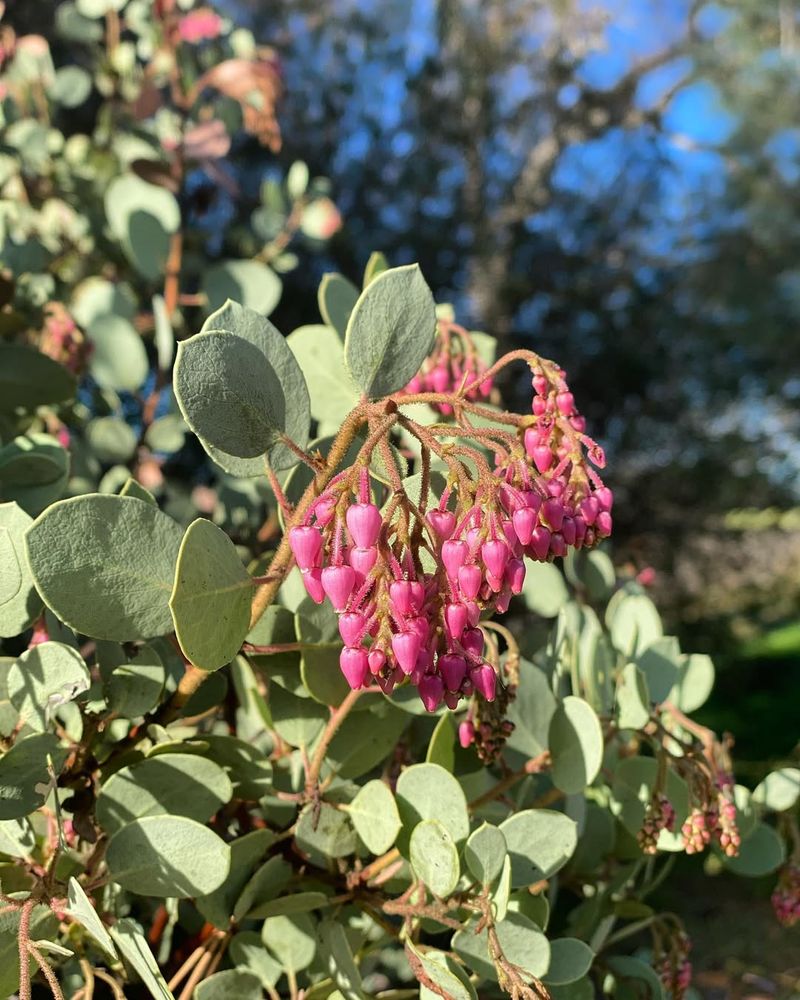
There is something almost magical about Manzanita. Its smooth, cinnamon-red bark practically glows in the California sunlight, and its tiny urn-shaped flowers are a favorite stop for early-season hummingbirds.
Gardeners across California treasure this native shrub for its year-round beauty and drought tolerance.
Cutting Manzanita back hard in spring is one of the biggest mistakes you can make with this plant. It blooms on old wood, so aggressive pruning wipes out the flower buds before they ever get a chance to open.
Beyond losing the blooms, heavy cuts can expose the inner wood to stress during California’s increasingly warm springs.
Manzanita also has a reputation for being slow to recover from major pruning. Unlike a rose bush that bounces back quickly, this shrub takes its time.
The best practice is to remove only damaged branches and do very light shaping after flowering is complete. If you want to maintain a clean, natural shape, work with small cuts over time rather than making big changes all at once.
Patience really pays off with Manzanita, especially in the hotter, drier parts of California where the plant already works hard to stay healthy.
4. Coffeeberry
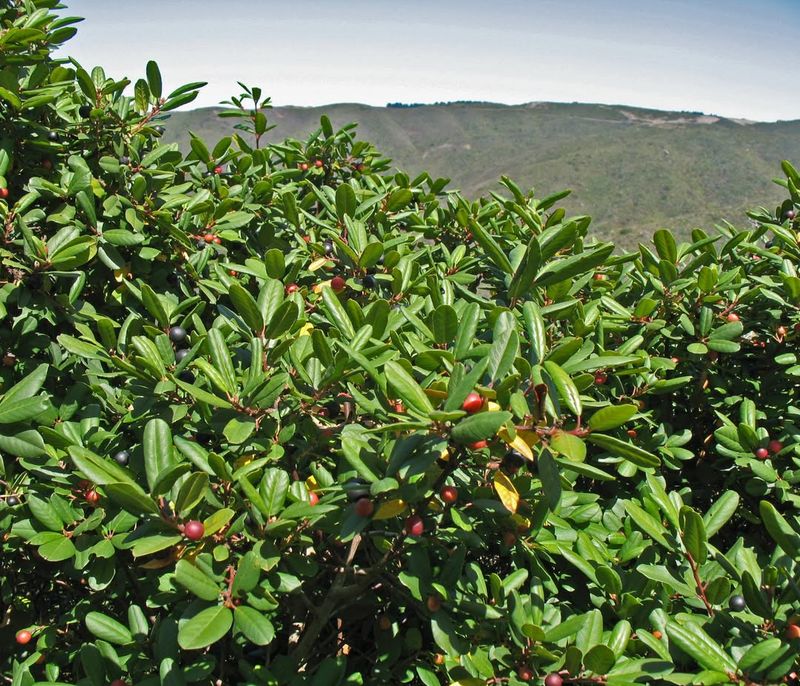
Coffeeberry is one of those underrated California natives that quietly does everything right. It handles shade, it handles drought, and it produces clusters of berries that shift from green to red to deep purple-black as the season progresses.
Birds flock to it, and it fits beautifully into both formal and naturalistic California gardens.
Spring is actually the worst time to prune Coffeeberry heavily. The shrub blooms on old wood, and cutting it back hard in early spring removes the flower buds that were quietly forming all winter long.
Those small, greenish flowers might not be showy, but they are what eventually become the colorful berries that make this plant so valuable to wildlife.
Another reason to be careful with spring pruning is that Coffeeberry can be slow to push new growth after hard cuts, especially in warmer parts of California where summer arrives quickly. Stressing the plant right before the heat hits is never a good idea.
Instead, wait until late summer or early fall to do any major shaping. Light trimming to remove awkward branches is fine year-round, but keep the cuts minimal and let this reliable California native do what it does best on its own schedule.
5. Lavender
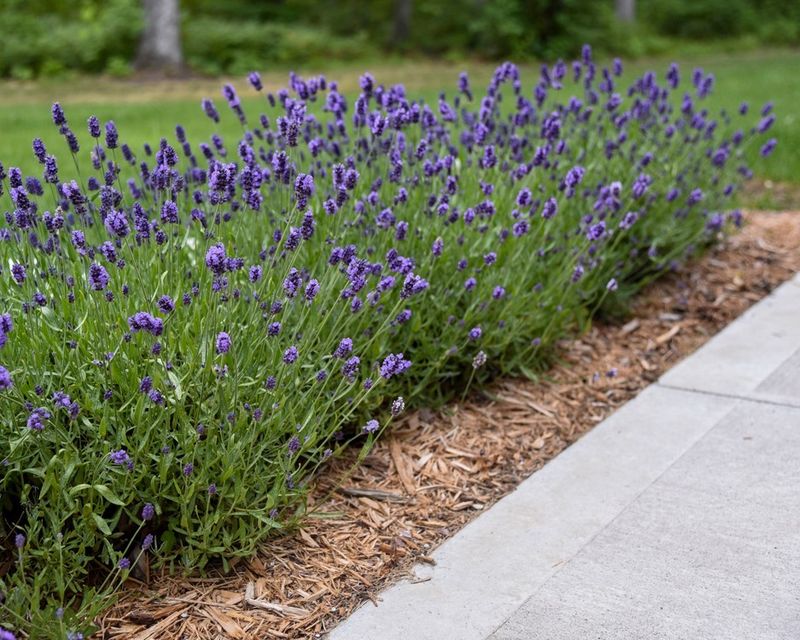
The silvery foliage, the tall purple flower spikes, and that unmistakable fragrance make it a sensory experience every time you walk past. It thrives in the dry, sunny conditions that California delivers so reliably, making it a go-to choice for water-wise gardens.
Here is where a lot of gardeners go wrong: cutting lavender back hard in early spring, right when new growth is just beginning to emerge. Lavender does not like being cut back into old, woody stems.
If you cut below the green growth into the gray, bare wood, the plant often struggles to recover and may not push new growth at all. This is especially true in warmer California regions where the plant is already under some climate stress.
The right time to prune lavender is right after it finishes blooming, usually in late spring or early summer. At that point, cut back by about one-third, always staying within the green, leafy part of the stems.
This keeps the plant compact and encourages a fresh flush of blooms. Think of it as a light haircut, not a dramatic transformation, and your lavender will reward you with years of gorgeous fragrance.
6. Rockrose (Cistus)
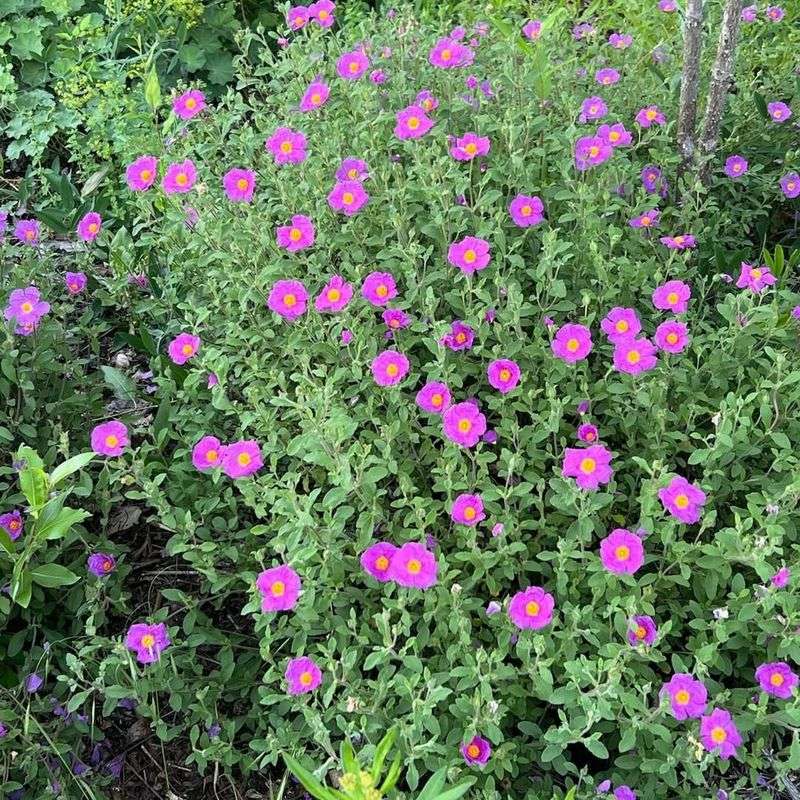
Walk past a Rockrose in full bloom and you might do a double take. Those big, papery flowers with their crinkled petals look almost too perfect to be real.
Cistus is a Mediterranean native that feels completely at home in California’s climate, thriving in dry, rocky soils where other plants struggle to survive.
Aggressive spring pruning is a serious problem for Rockrose. This shrub forms its flower buds on old wood from the previous season, so cutting it back hard in spring means removing all those carefully formed buds.
You will end up with a trimmed-up plant that produces almost no flowers, which defeats the whole purpose of growing such a stunning bloomer.
Beyond the bloom issue, Rockrose has a well-known sensitivity to hard pruning in general. Unlike many shrubs that respond to heavy cuts with vigorous regrowth, Cistus can simply stop pushing new growth from old wood.
Many California gardeners have accidentally ended up with a withered-looking shrub after going too hard with the shears. The smartest approach is to do light shaping only, always cutting back into green wood, and only after the flowers have finished.
Less really is more with this beautiful plant.
7. Grevillea
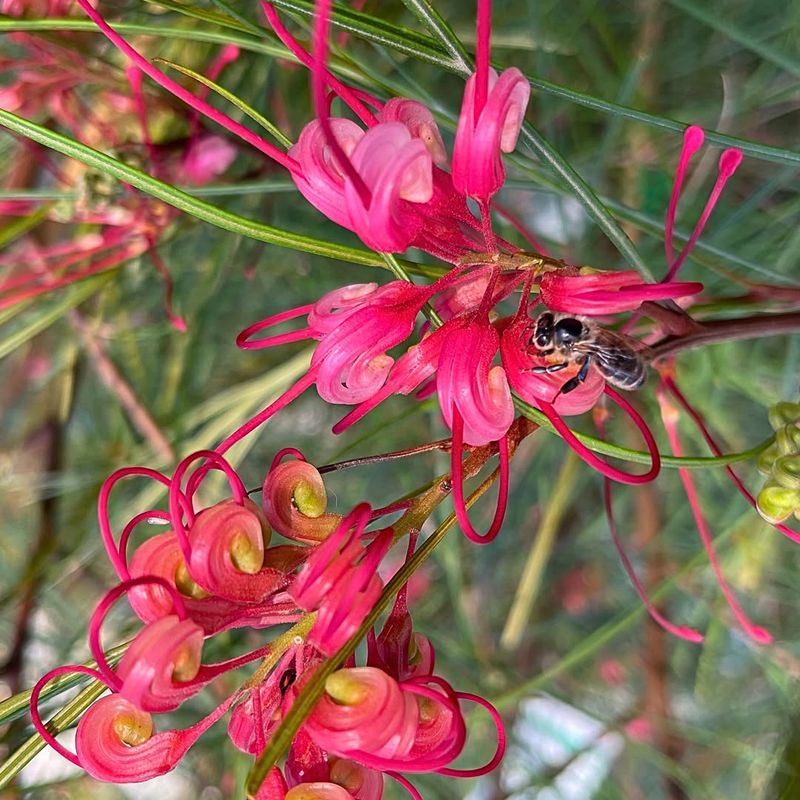
Grevillea is the kind of shrub that makes visitors stop and ask, “What is that?” The flowers are unlike anything else in the garden, with their spidery, curved blooms in shades of red, orange, pink, and yellow. Originally from Australia, Grevillea has found a very comfortable second home in California, where the warm, dry climate suits it perfectly.
One of the most common mistakes California gardeners make with Grevillea is cutting it back too hard in spring. While it is more forgiving than some other shrubs on this list, aggressive pruning in early spring can remove flower buds and interrupt its nearly year-round blooming cycle.
Grevillea is one of those generous plants that blooms almost constantly, and hard pruning can break that rhythm for months.
The better approach is to do light, selective pruning throughout the year to shape the plant and remove any spent flower clusters. If you need to do heavier pruning, late fall or very early winter is a safer time in most California climates.
Always cut back to a branch junction rather than leaving stubs, which can invite disease. With just a little care, Grevillea will reward you with a nearly non-stop flower show that hummingbirds will visit all year long.
8. Bottlebrush
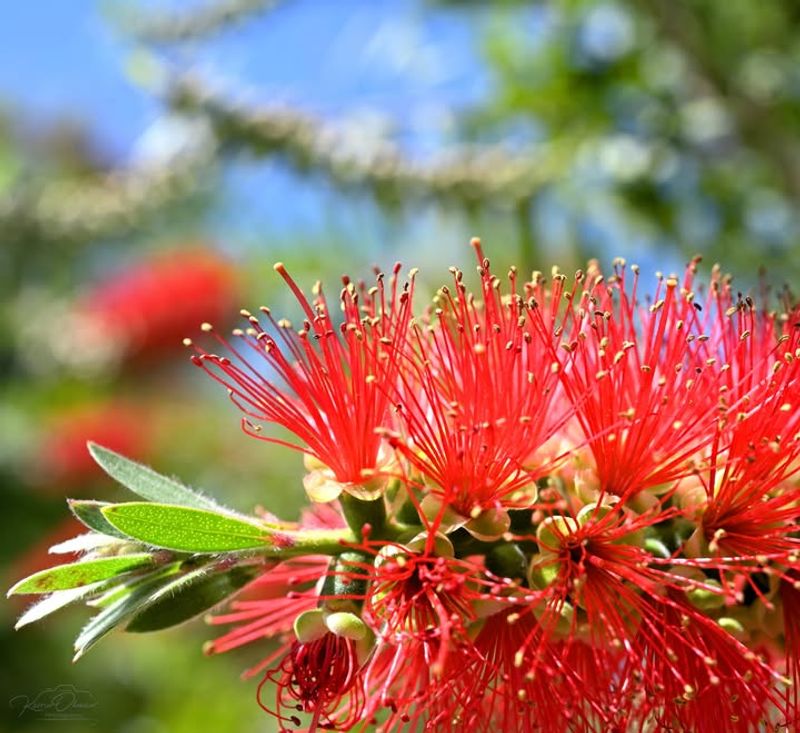
If you have ever seen a Bottlebrush in bloom, the name makes instant sense. Those bright red, cylindrical flower spikes look exactly like the brushes used to clean bottles, and they are absolutely irresistible to hummingbirds.
Bottlebrush is a popular choice in California gardens because it handles heat, drought, and coastal conditions with impressive ease.
Pruning Bottlebrush too hard in spring is a mistake that costs you flowers. The plant sets its flower buds on old wood, so a heavy spring haircut strips away the buds before they have a chance to open.
You might end up with a neatly shaped shrub that produces very little of that spectacular red color you were counting on all spring and summer.
Another thing worth knowing is that Bottlebrush does not always recover quickly from heavy cuts into old, thick wood. In warmer parts of California, where summer heat arrives fast and hard, stressing the plant with aggressive pruning right before the hot months can really set it back.
For best results, prune lightly right after the main flowering flush is finished. Remove spent flower spikes and trim back new growth by about one-third.
That keeps the shape tidy while protecting next season’s blooms from being accidentally pruned away.