Don’t Make These 9 Pruning Mistakes In Oregon This Spring
Pruning season in Oregon can feel like a fresh start. The rain eases up, buds begin to swell, and it is tempting to grab the clippers and start shaping everything in sight.
But a few common missteps can mean fewer blooms, weaker growth, or even stressed plants just when they should be gearing up for their best performance.
Some shrubs bloom on old wood, others on new growth, and timing really matters in a climate known for cool springs and surprise cold snaps.
Cutting too much, pruning too early, or using dull tools can quietly set plants back for months. The good news is that most pruning mistakes are easy to avoid once you know what to watch for.
A little strategy now can mean healthier branches, stronger flowers, and a garden that truly thrives through the growing season ahead.
1. Pruning Too Early In Cold Weather
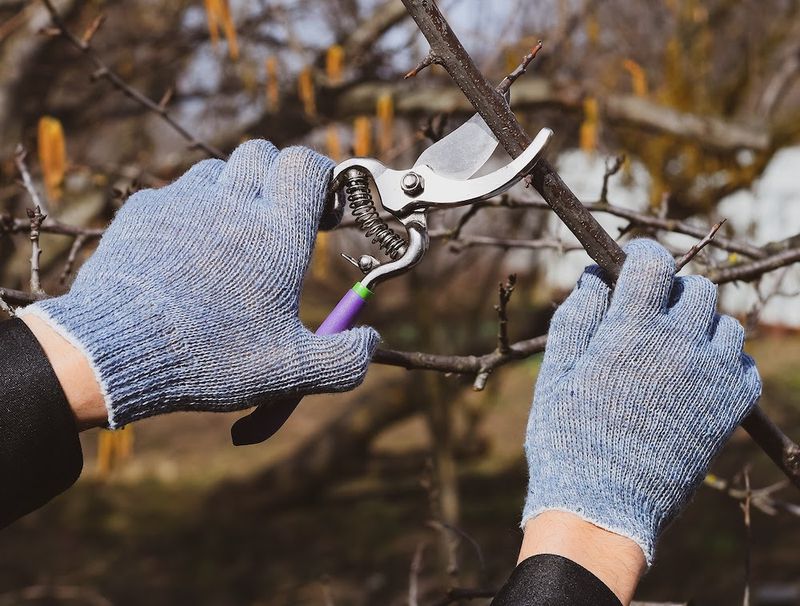
One of the sneakiest mistakes Oregon gardeners make is grabbing their shears the moment February arrives. It feels like spring should be here, but Oregon weather is famously unpredictable.
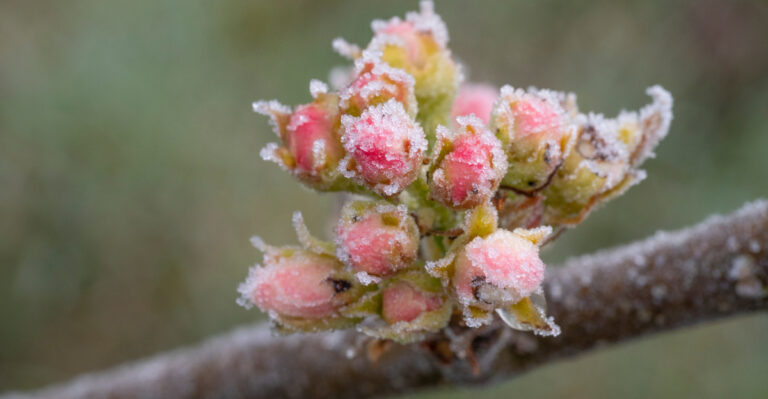
A cold snap can roll in from the Cascades and damage any fresh cuts you’ve made on your plants.
When you prune, you open up the plant’s tissue. In cold weather, that exposed tissue can freeze and suffer serious damage.
The plant then has to work extra hard to recover, using energy it needs for new spring growth.
In Oregon, especially in higher elevation areas like Bend or the southern Rogue Valley, late frosts can happen well into April. Even in the Willamette Valley, cold nights in March are common.
Waiting until you’re sure the worst of the cold has passed protects your plants from unnecessary stress.
A good rule of thumb is to wait until you see consistent daytime temperatures above 40 degrees Fahrenheit before you start pruning. Watch your local Oregon weather forecast closely.
A little patience in late winter can make a huge difference in how well your plants perform all season long.
2. Cutting Spring Bloomers Too Soon
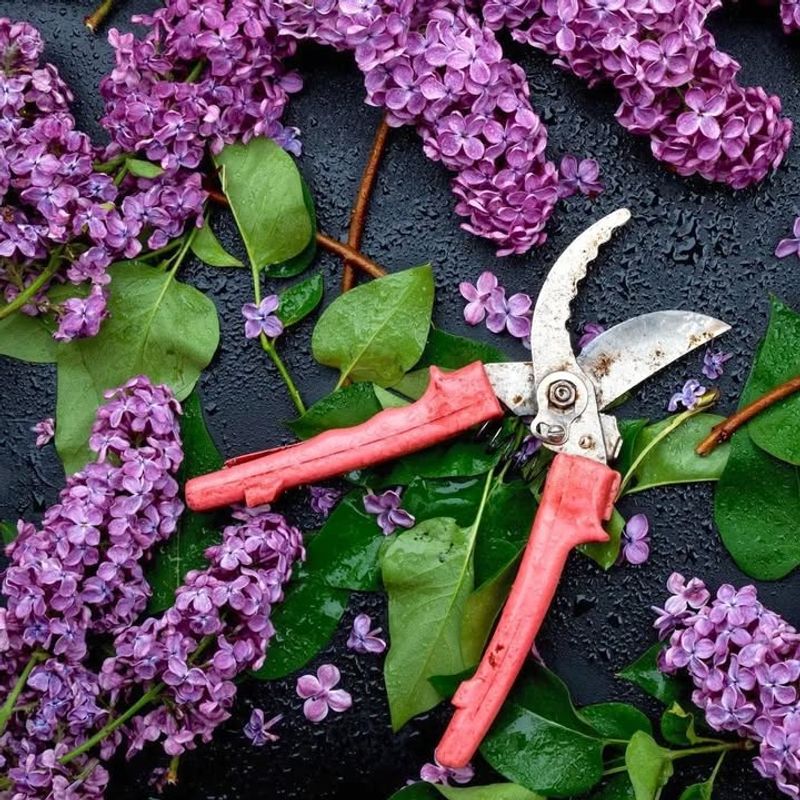
Imagine cutting back your beautiful lilac bush in March, only to watch your neighbors’ lilacs burst into gorgeous blooms while yours sits silent. That’s exactly what happens when you prune spring-blooming plants at the wrong time.
It’s a heartbreaking mistake that’s incredibly easy to avoid.
Plants like forsythia, rhododendrons, azaleas, and lilacs set their flower buds in the fall or late winter. When you prune them before they bloom in spring, you’re cutting off all those buds.
You lose the entire season’s flowers in just a few minutes.
Oregon is home to some stunning spring bloomers, and many gardeners in the Portland metro area and Eugene take great pride in their flowering shrubs. The simple fix is to wait until right after the plant finishes blooming before you pick up your pruners.
Once the flowers fade, you have a short window to prune before the plant starts setting next year’s buds. Pruning right after bloom keeps the plant’s shape tidy and encourages strong growth without sacrificing next spring’s flower show.
Mark your calendar so you don’t forget this small but important timing detail.
3. Removing Too Much At Once
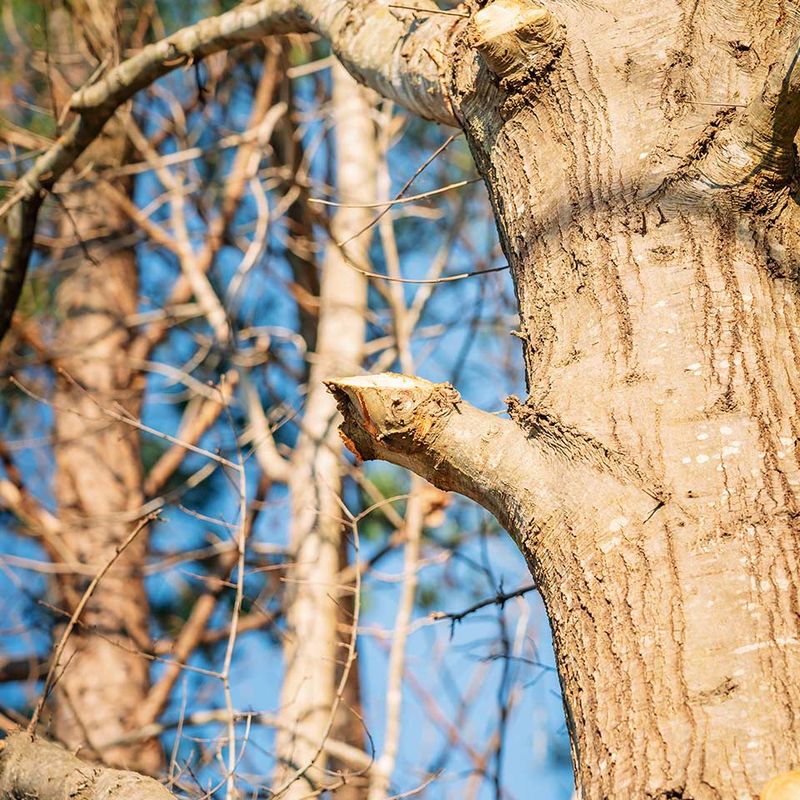
More is not always better when it comes to pruning. Many Oregon gardeners get a little too enthusiastic in spring and end up stripping their plants down to almost nothing.
This is called over-pruning, and it can really set a plant back for the entire growing season.
Plants need their leaves to make food through photosynthesis. When you remove too many branches at once, you take away the plant’s ability to feed itself.
The result is a stressed, weakened plant that struggles to bounce back and becomes more vulnerable to pests and disease.
A widely accepted guideline among horticulturalists is to never remove more than one-third of a plant’s total growth in a single pruning session. That rule applies whether you’re working on fruit trees in Hood River or ornamental shrubs in Salem.
It gives the plant enough foliage to keep functioning normally.
If your plant really needs heavy reshaping, spread the work out over two or three seasons. Gradual pruning is far less stressful on the plant and gives you better long-term results.
Slow and steady really does win the race when it comes to keeping Oregon gardens looking their best year after year.
4. Ignoring Clean, Sharp Tools
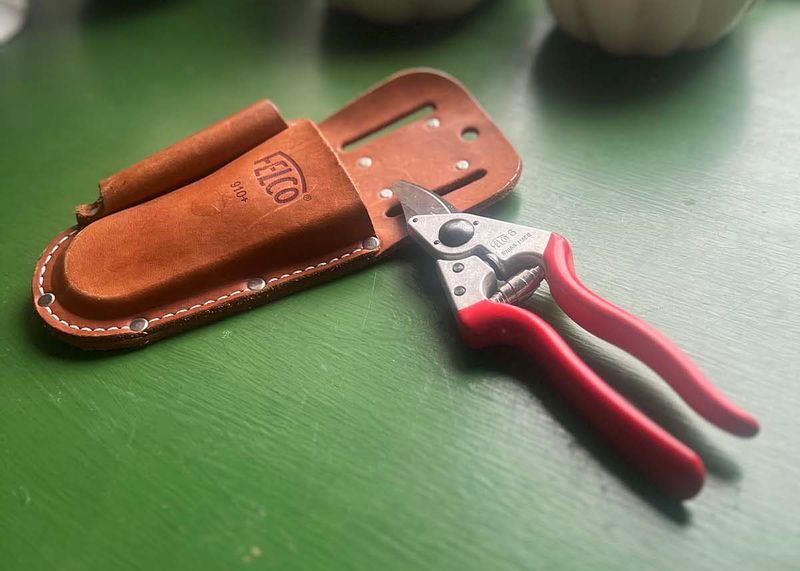
Dull, dirty pruning tools might be the most overlooked problem in home gardening. It seems like a small thing, but using rusty or blunt shears can cause real harm to your plants every single time you make a cut.
Oregon’s wet winters are especially hard on garden tools that aren’t properly stored or maintained.
A dull blade doesn’t cut cleanly. Instead, it crushes and tears the plant tissue, leaving a ragged wound that takes much longer to heal.
Those rough cuts also create easy entry points for fungal diseases and bacteria, which thrive in Oregon’s moist spring climate.
Dirty tools can spread disease from one plant to another without you even realizing it. If you pruned a diseased branch last fall and didn’t clean your shears, you could be spreading that same problem to healthy plants this spring.
A quick wipe with rubbing alcohol between cuts keeps things clean and safe.
Sharpening your pruning shears at the start of each season is a simple habit that makes a big difference. You can use a whetstone or a dedicated sharpening tool made for garden blades.
Sharp tools also make the job easier and faster, which is a bonus for busy Oregon gardeners juggling spring chores.
5. Topping Trees Instead Of Pruning Properly
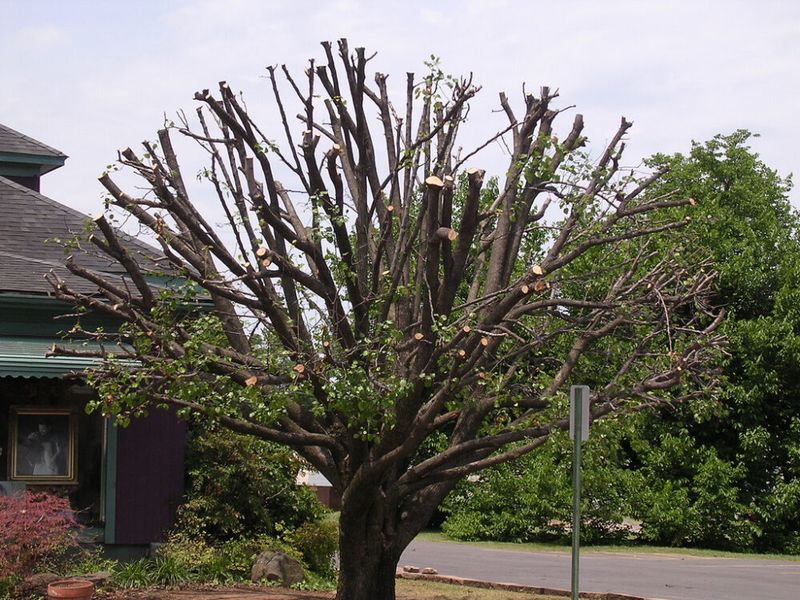
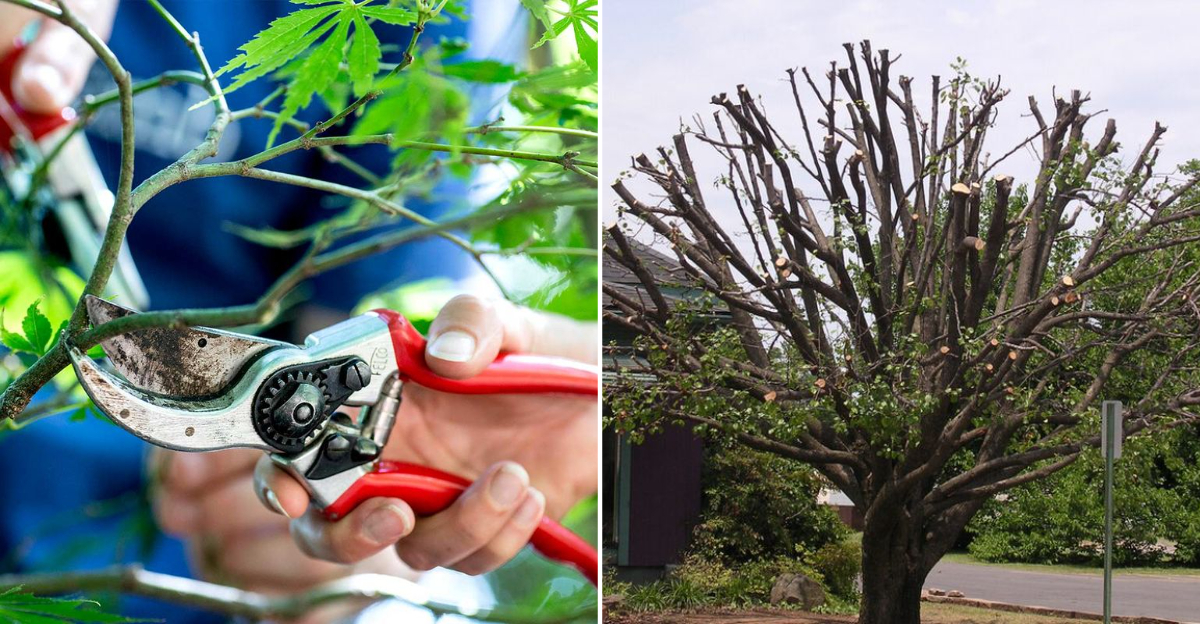
Tree topping is one of the most damaging things you can do to a mature tree, and yet it remains surprisingly common across Oregon neighborhoods. Topping means cutting off the main upper branches of a tree, leaving behind flat stubs with no natural branching structure.
It looks drastic because it is.
After topping, trees respond by sending out a burst of weak, fast-growing shoots called water sprouts. These shoots grow quickly but are poorly attached to the trunk.
They’re more likely to break in Oregon’s winter storms, creating a safety hazard right in your own yard.
Topped trees also become more vulnerable to pests, decay, and sunburn on the exposed wood. The large wounds left behind by topping cuts rarely heal properly, leaving the interior of the tree open to rot for years.
Many topped trees in Oregon end up being removed within a decade because of the long-term damage caused.
Proper pruning focuses on removing specific branches at their point of origin or at a natural branch collar. This technique maintains the tree’s natural shape and structure.
If a tree has grown too large for its space, consult a certified arborist in Oregon who can guide you toward safe, effective solutions without harming the tree.
6. Pruning During Wet Weather
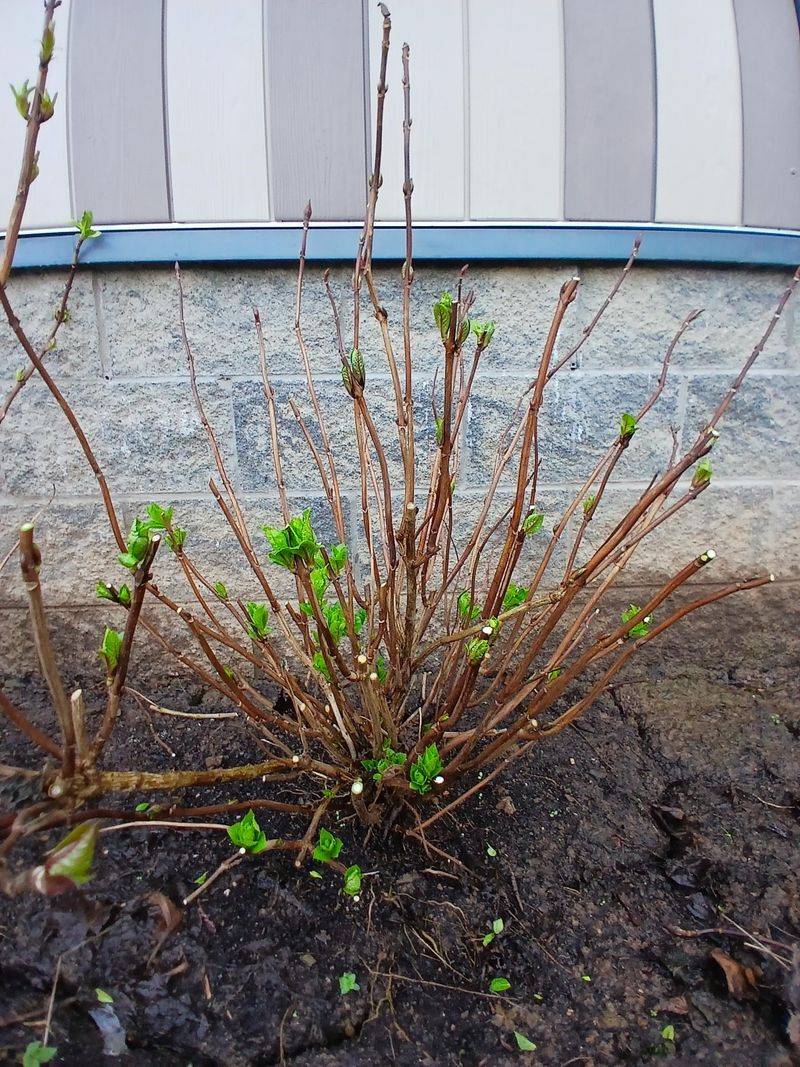
Oregon springs are famously rainy, and that beautiful Pacific Northwest moisture creates a tricky situation for gardeners who want to prune. Pruning during wet weather might seem harmless since you’re just cutting branches, but it can actually open the door to serious fungal problems in your garden.
When plants are wet, fungal spores are at their most active and mobile. Fresh pruning cuts on wet plants are like open invitations for those spores to move in.
Diseases like fire blight, botrytis, and various canker diseases spread rapidly in moist Oregon conditions, especially in spring when temperatures are still cool.
Wet tools also contribute to the problem. Water on your shears can carry pathogens from one plant to the next, turning a simple pruning session into an unintentional disease-spreading event across your garden.
The Willamette Valley and the Oregon Coast are especially prone to these conditions during April and May.
Try to schedule your pruning for dry days when the forecast shows at least 24 to 48 hours without rain. Early morning is generally not ideal because of dew.
Midday or early afternoon on a dry spring day gives cuts time to begin sealing before moisture returns. A little weather planning goes a long way in protecting Oregon gardens from preventable disease.
7. Leaving Stubs Instead Of Clean Cuts
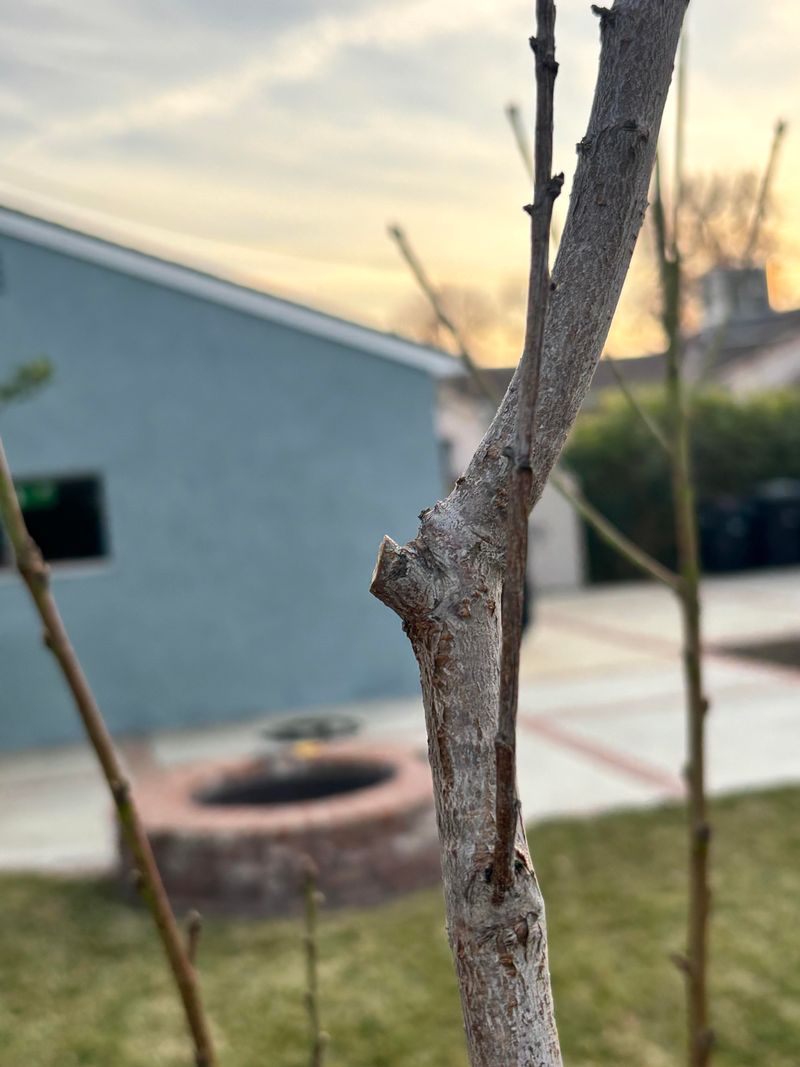
Walk through almost any older Oregon neighborhood and you’ll spot pruning stubs sticking out from trees and shrubs like little brown fingers. Stubs happen when gardeners cut a branch partway down instead of removing it cleanly at the branch collar.
It looks minor, but stubs cause ongoing problems for the plant.
A stub cannot heal properly. The plant’s natural healing process, called compartmentalization, works by growing new tissue over a wound at the branch collar.
When a stub is left, that healing process stalls. The damaged stub begins to decay from the outside in, and that decay can eventually reach the main trunk or stem.
Insects love decaying wood, and a rotting stub is like a welcome sign for wood-boring beetles and other pests that are found throughout Oregon. Over time, multiple stubs on the same plant can create significant structural weakness, especially in fruit trees and ornamental trees that experience Oregon’s heavy winter rains and wind.
Making a clean cut just outside the branch collar, without cutting into it, is the right technique. The branch collar is that slightly swollen ring of tissue where the branch meets the trunk.
Respecting that collar gives the plant everything it needs to seal the wound on its own, keeping your Oregon trees and shrubs healthy for years to come.
8. Forgetting To Remove Diseased Wood
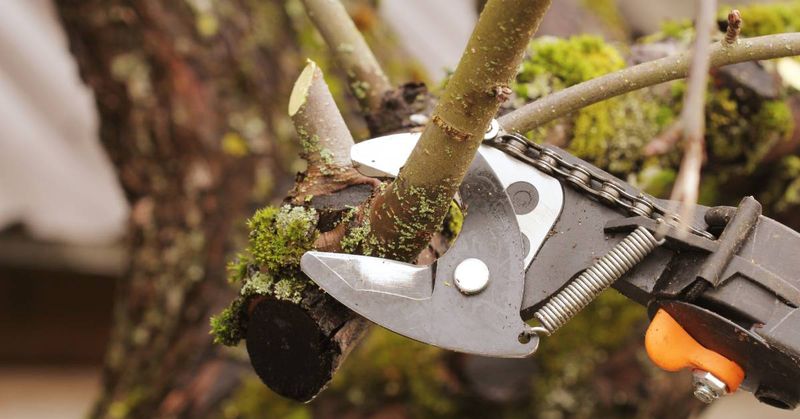
Spring pruning is the perfect time to do a thorough health check on all your plants, but many Oregon gardeners focus so much on shaping and sizing that they forget to look for withered or diseased wood. Leaving that material on the plant is a mistake that can cause problems well into summer.
Withered wood doesn’t just look bad. It harbors fungi, bacteria, and insects that can spread to healthy parts of the plant.
In Oregon’s moist spring climate, a patch of diseased wood left on a tree or shrub can quickly become a spreading infection that affects the entire plant and even nearby plants.
Diseased wood often looks different from healthy wood. It may be discolored, sunken, cracked, or covered in spots or unusual growths.
When you cut into it, the interior may be brown or black instead of the green or white you’d see in healthy tissue. Learning to recognize these signs is a valuable skill for any Oregon gardener.
Always remove diseased wood first before doing any other shaping cuts. Cut back to healthy tissue and disinfect your tools between each cut to avoid spreading the problem.
Don’t compost diseased material. Bag it and dispose of it in your regular trash to keep your Oregon garden clean and thriving all season long.
9. Pruning Without Knowing The Plant
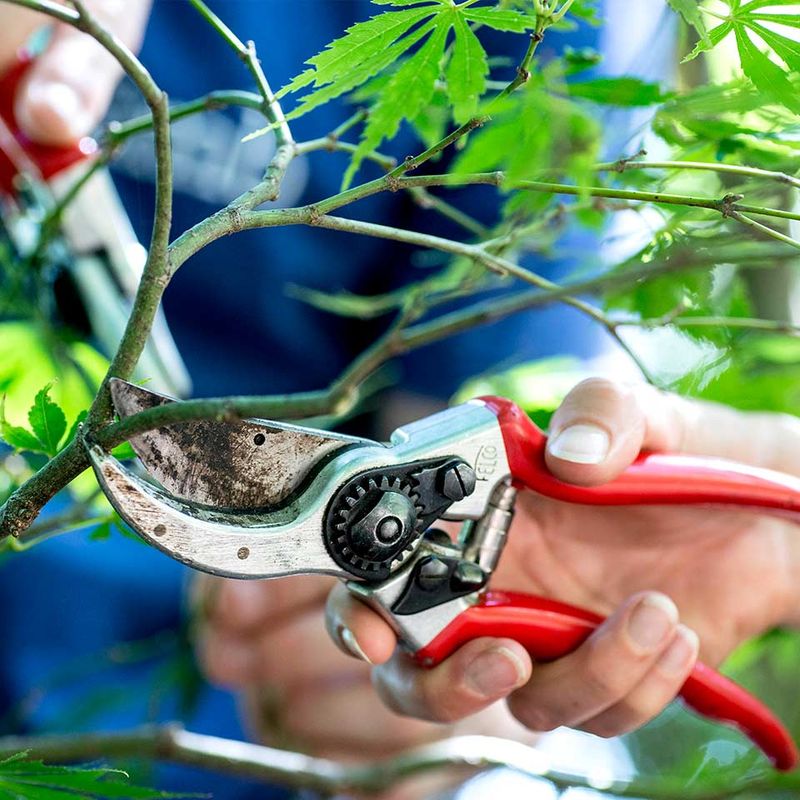
Every plant has its own personality when it comes to pruning. Some plants thrive with heavy annual cuts, while others prefer to be left mostly alone.
Treating every plant in your Oregon garden the same way is a fast track to disappointing results, no matter how careful you are with your technique.
Blueberries, for example, need old canes removed to keep producing well, but lavender needs a lighter touch and should never be cut back into old woody stems. Ornamental grasses in Oregon can be cut almost to the ground in late winter, while Japanese maples need only minimal, selective pruning to maintain their elegant shape.
Without knowing what a plant needs, you might prune at the wrong time, remove the wrong branches, or cut back too aggressively. These errors don’t always show up right away.
Sometimes the damage becomes clear months later when a plant fails to bloom, produces poorly, or declines in overall health over several seasons.
Before you prune anything in your Oregon garden this spring, take a few minutes to look up the specific needs of that plant. Your local Oregon State University Extension office is a fantastic free resource for plant care advice tailored to Oregon’s climate and growing conditions.
A little research upfront saves a lot of regret later.