Don’t Miss Pollinator Season! Start Your Bee-Friendly Oregon Garden Today
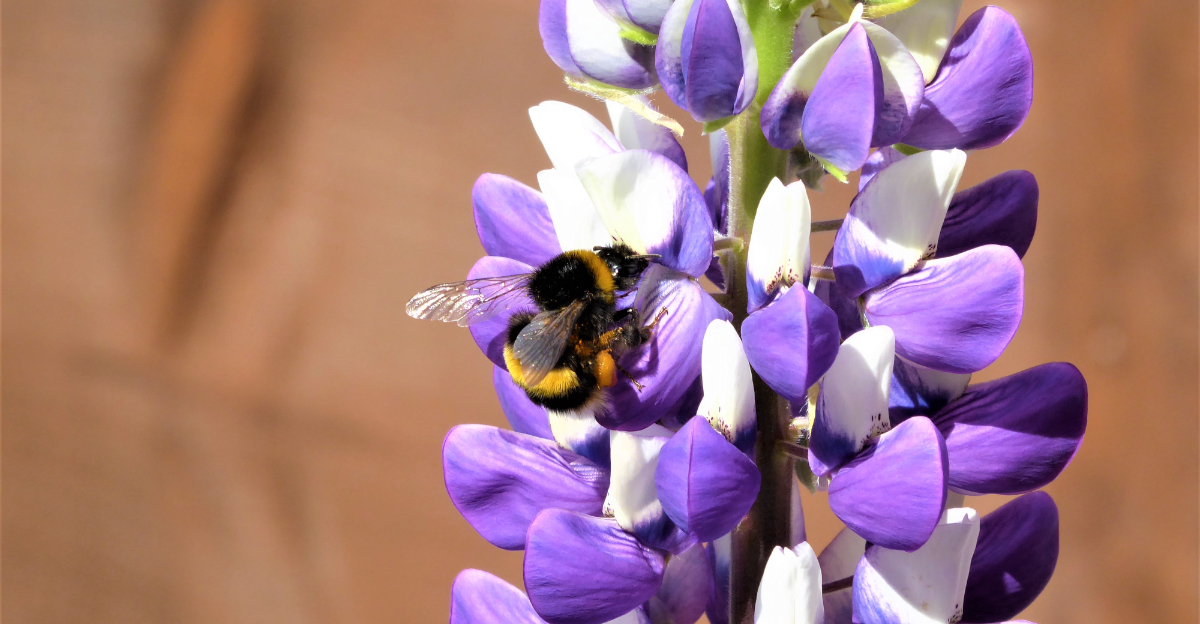
Pollinator season is closer than it looks, and Oregon gardens can lead the way. Bees, butterflies, and beneficial insects are already scouting for food and safe places to land.
If your garden isn’t ready, they move on fast. A few smart plant choices and simple layout changes can turn your space into a buzzing hotspot.
Bright blooms, native flowers, and steady water sources create an irresistible welcome mat. You don’t need acres of land or expensive upgrades.
Even small yards and patios can support pollinators in powerful ways. Starting now gives plants time to establish strong roots and produce early flowers that insects depend on.
If you want a healthier garden, better blooms, and more life in your outdoor space, this is the moment to act. Let your Oregon garden become a place pollinators return to all season long.
1. Select Native Pollinator Plants
Native plants have evolved alongside Oregon’s local pollinators for thousands of years, creating perfect partnerships that benefit both.
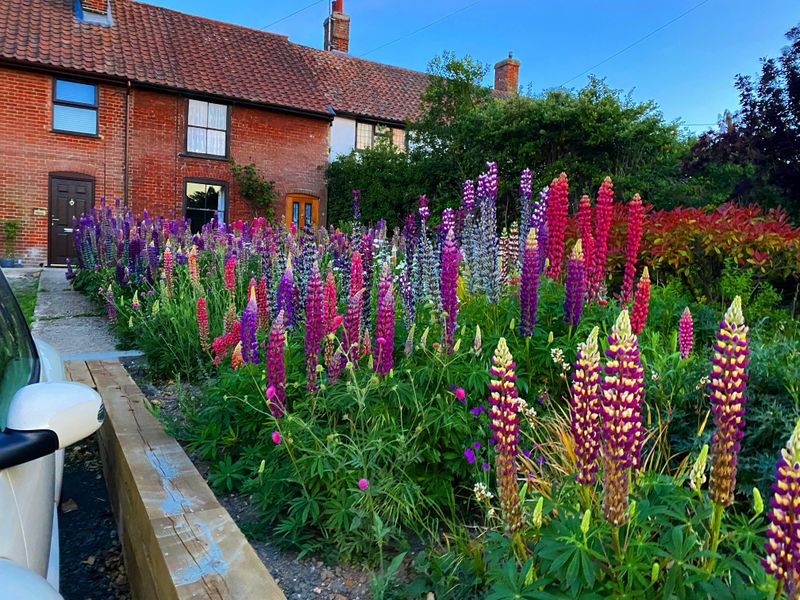
When you choose species like Oregon grape, red flowering currant, and lupines, you’re offering bees exactly what they need in terms of nectar quality, pollen nutrition, and bloom timing.
These plants have adapted to Oregon’s rainfall patterns and soil conditions, which means less work for you once they’re established.
Start by identifying your specific growing zone, Oregon spans from coastal rainforests to high desert plains.
Western Oregon gardeners can focus on moisture-loving natives like camas and wild strawberry, while eastern Oregon residents might prioritize drought-tolerant choices such as penstemon and buckwheat.
Visit local native plant nurseries in spring to find healthy starts that are already acclimated to your region.
Mixing shrubs, perennials, and groundcovers creates layers that different pollinator species prefer. Bumblebees love the tubular flowers of salmonberry, while native mason bees seek out the open blossoms of serviceberry.
Plant in clusters of three to five of the same species rather than scattering single plants, this makes it easier for pollinators to locate food sources and increases pollination efficiency throughout your garden beds.
2. Plant A Variety Of Flowers
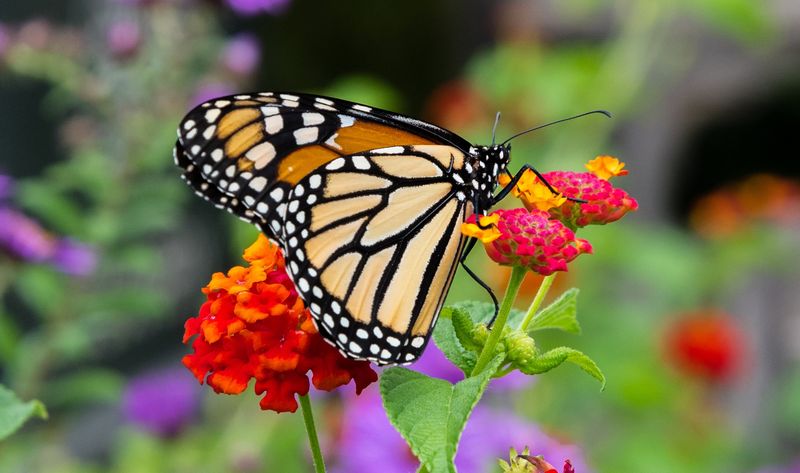
Different pollinators have different feeding equipment and preferences, so offering diverse flower shapes ensures you’ll attract a wide range of beneficial insects.
Hummingbirds seek tubular flowers like columbine and penstemon that accommodate their long beaks, while butterflies prefer flat landing platforms such as asters and coneflowers.
Short-tongued bees gravitate toward open, accessible blooms like California poppies and wild roses.
Color plays a surprisingly important role in pollinator attraction. Bees see ultraviolet light patterns invisible to humans, making blue, purple, and yellow flowers especially appealing to them.
Hummingbirds are drawn to red and orange blooms, while butterflies favor bright pinks and purples.
By incorporating this color spectrum throughout your garden, you create visual highways that guide pollinators from one feeding station to the next.
Consider bloom size as well – large composite flowers like sunflowers provide abundant pollen and nectar, while tiny blooms clustered together (such as yarrow) offer efficient feeding opportunities for smaller native bees.
Mixing flower heights from groundcovers to tall perennials creates vertical interest and accommodates pollinators that feed at different levels, from ground-nesting bees to high-flying butterflies migrating through Oregon’s valleys and foothills.
3. Provide Continuous Blooms
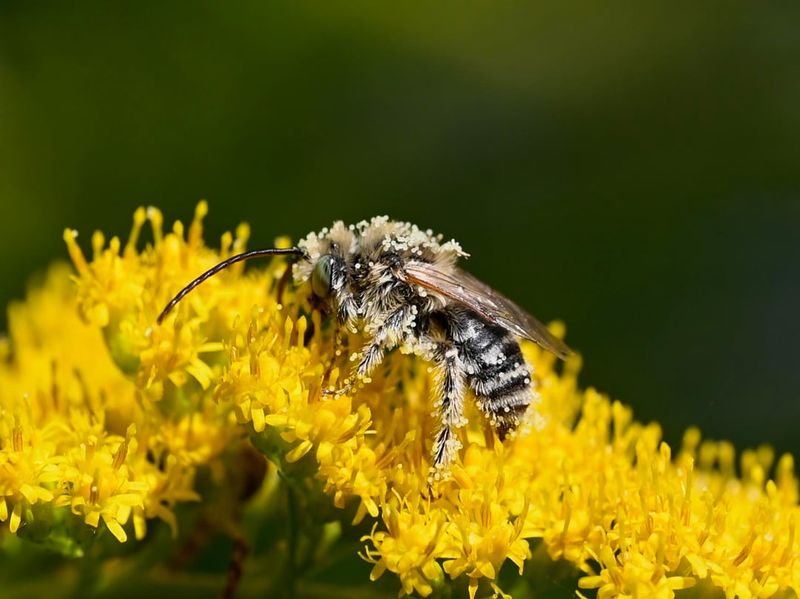
Pollinators need food from the moment they emerge in early spring until they prepare for winter in late fall.
Queen bumblebees come out of hibernation as early as February in mild Oregon winters, desperately seeking nectar from early bloomers like crocus, snowdrops, and winter hazel.
Without these early sources, they may not have the energy to establish new colonies.
Plan your garden in seasonal waves by selecting plants with staggered bloom times. Spring favorites include flowering currant and Oregon grape, which transition into summer stars like lavender, monarda, and yarrow.
As summer fades, keep the table set with fall bloomers such as asters, goldenrod, and sedum that provide critical nutrition for pollinators building fat reserves or preparing to migrate.
Create a simple bloom calendar for your specific garden by noting when each plant flowers in your area. Oregon’s climate variations mean coastal gardens might see blooms two weeks earlier than higher elevation sites.
Aim for at least three different species blooming during each season, with overlapping bloom periods to prevent food gaps.
This approach supports not just honeybees but also the 500-plus native bee species found throughout Oregon, many of which have shorter active periods and specific bloom-time requirements.
4. Include Water And Shelter Areas
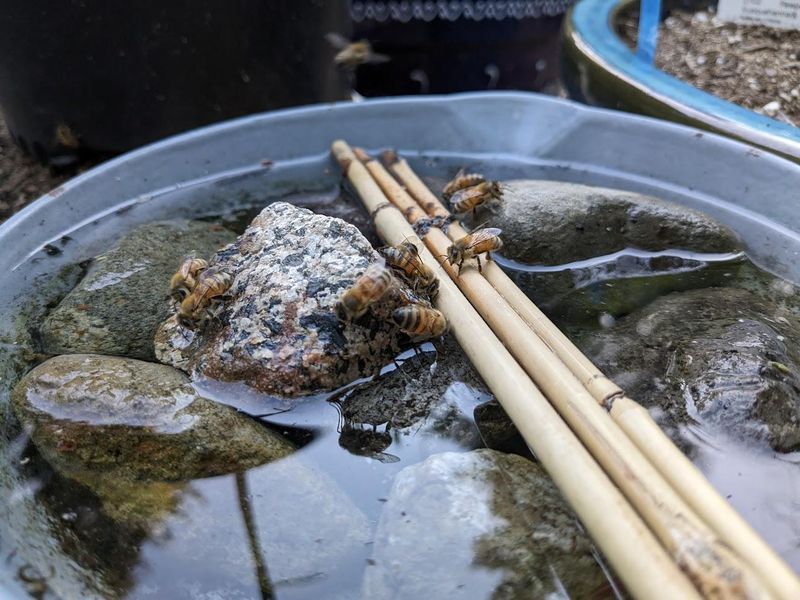
Bees and butterflies need water just like any other creature, but they can easily drown in deep sources.
Create safe drinking stations by placing shallow dishes, saucers, or birdbaths filled with clean water and adding pebbles, marbles, or small stones that break the surface.
These landing pads allow pollinators to drink safely while staying dry, refresh the water every few days to prevent mosquito breeding.
Position water sources near flower beds in partly shaded spots to keep water cool during Oregon’s warm summer afternoons.
Butterflies particularly enjoy puddling – sipping water from damp sand or mud to obtain minerals.
You can create a butterfly puddling station by filling a shallow container with sand, adding water until it’s moist (not flooded), and placing it in a sunny location where butterflies can bask while they drink.
Shelter is equally important for pollinator survival. Leave some areas of your garden a bit wild, allow leaf litter to accumulate under shrubs, let hollow plant stems stand through winter (many native bees nest inside them), and resist the urge to remove dead wood.
Native hedgerows with dense branching provide windbreaks and nesting sites, while a small brush pile tucked in a corner offers overwintering habitat for beneficial insects that will emerge to pollinate your garden come spring.
5. Avoid Pesticides And Chemicals
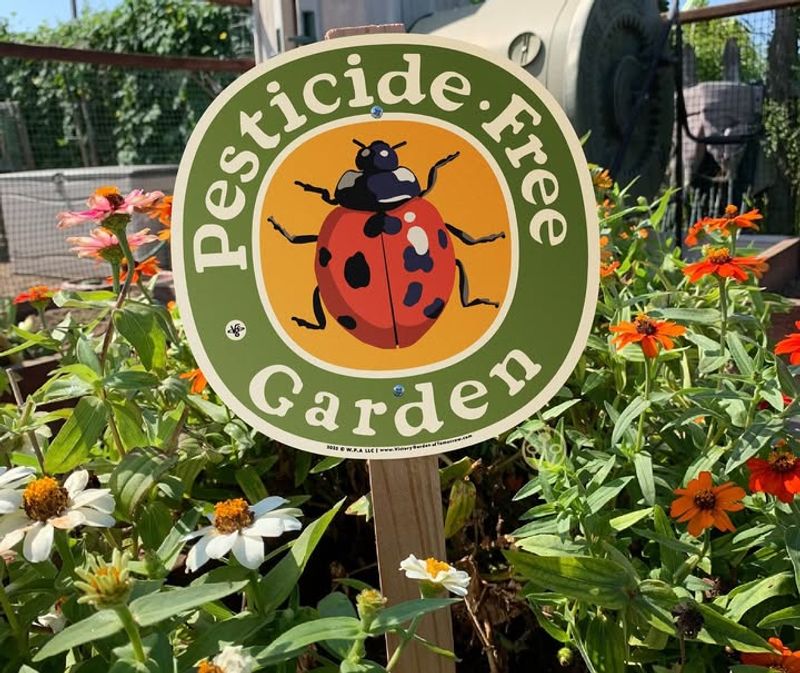
Many common garden pesticides, even those labeled for specific pests, can harm or eliminate beneficial pollinators.
Neonicotinoids, widely used in conventional gardening products, are particularly devastating to bees, affecting their navigation, reproduction, and immune systems even at low doses.
When you spray for aphids or caterpillars, you often kill the very insects that would naturally control those pests, creating a cycle of dependency on chemicals.
Adopt integrated pest management strategies that work with nature rather than against it. Encourage natural predators like ladybugs, lacewings, and parasitic wasps by providing diverse plantings and avoiding broad-spectrum insecticides.
Hand-pick larger pests, use strong water sprays to dislodge aphids, and tolerate minor leaf damage, a few chewed leaves won’t harm plant health and indicate a functioning ecosystem supporting birds and beneficial insects.
If you inherit a garden with existing chemical treatments, transition gradually to organic methods. Build healthy soil with compost, which strengthens plant immunity to pests and diseases.
Choose disease-resistant plant varieties suited to Oregon’s climate. When problems arise, start with the least toxic solution.
Insecticidal soaps, neem oil, or horticultural oils, and apply them in early morning or evening when pollinators are less active, targeting only affected plants rather than broadcasting treatments across your entire garden.
6. Create Pollinator Pathways
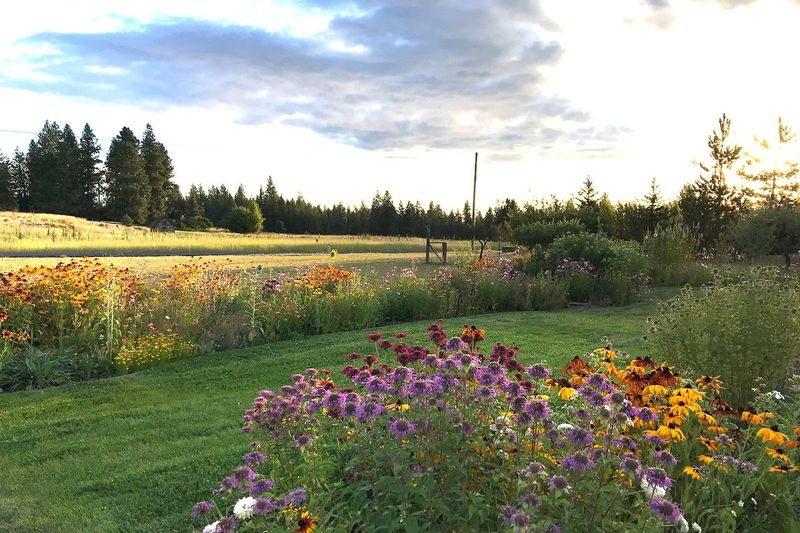
Pollinators travel through neighborhoods searching for food and nesting sites, and fragmented habitats make their journeys difficult and dangerous.
By designing your garden as part of a larger network of pollinator-friendly spaces, you help create safe corridors that connect parks, natural areas, and other gardens.
This concept, called pollinator pathways, increases the survival chances of local bee and butterfly populations.
Start by planting continuous strips of flowers that guide pollinators through your property. Rather than isolating pollinator plants in a single bed, distribute them throughout your landscape, along fences, under trees, in parking strips, and bordering vegetable gardens.
This creates multiple feeding stations that pollinators encounter as they move through the area. Coordinate with neighbors when possible to extend bloom corridors beyond your property line, amplifying the habitat value for everyone.
Consider your garden’s position in the larger landscape. If you’re near natural areas, native meadows, or parks, you’re already part of an existing pollinator network, enhance it by providing stepping-stone habitats with native plants.
Urban gardeners can compensate for concrete surroundings by maximizing bloom density and diversity in available spaces, including containers on balconies and rooftop gardens.
Even small patches of pollinator plants contribute to the network, especially when spaced no more than a few blocks apart throughout Oregon’s neighborhoods and communities.
7. Maintain Healthy Soil And Mulch
Strong, healthy plants produce more abundant nectar and pollen, making soil health fundamental to pollinator support.
Oregon soils vary dramatically, from acidic, organic-rich forest soils in western regions to alkaline, clay-heavy soils east of the Cascades.
Understanding your soil type helps you choose appropriate amendments and plants that will thrive with minimal intervention, creating resilient pollinator habitat.
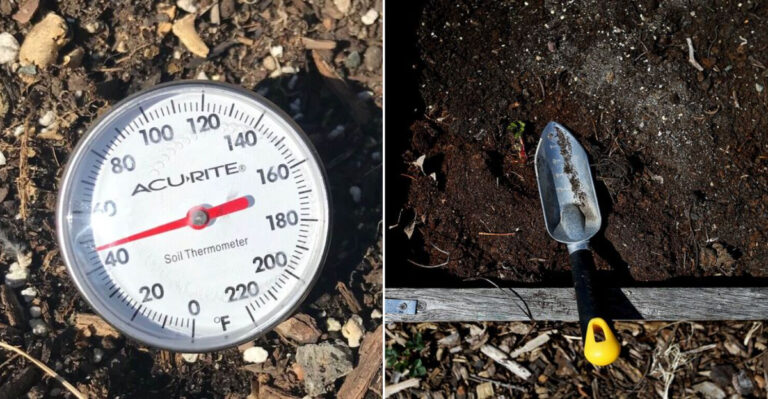
Conduct a simple soil test through Oregon State University Extension to learn your soil’s pH, nutrient levels, and composition. Most pollinator plants prefer well-draining soil enriched with organic matter.
Work compost into planting beds before installation, and continue adding a one to two-inch layer annually as a top dressing.
This feeds soil microorganisms that break down nutrients for plant roots, improves water retention during dry summers, and enhances drainage during Oregon’s wet winters.
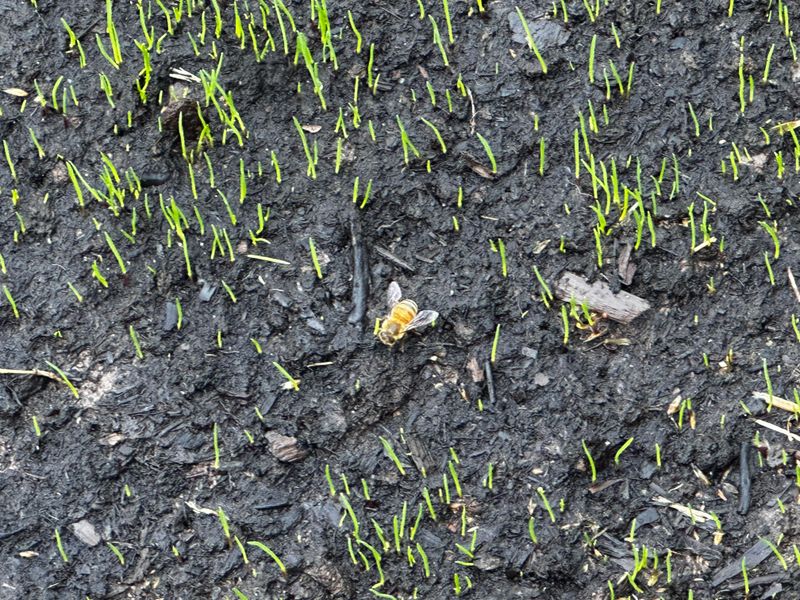
Use mulch strategically, while a two to three-inch layer around plants conserves moisture and suppresses weeds, many native ground-nesting bees need access to bare soil for creating tunnels and raising young.
Leave some mulch-free zones in sunny, well-drained areas of your garden specifically for these ground nesters, which include important pollinators like mining bees and sweat bees.
Avoid landscape fabric under mulch, which prevents ground-nesting bees from accessing soil and limits the natural decomposition process that builds long-term soil fertility supporting your entire pollinator garden ecosystem.