Don’t Miss This Stunning North Carolina Botanical Garden On Your Next Trip
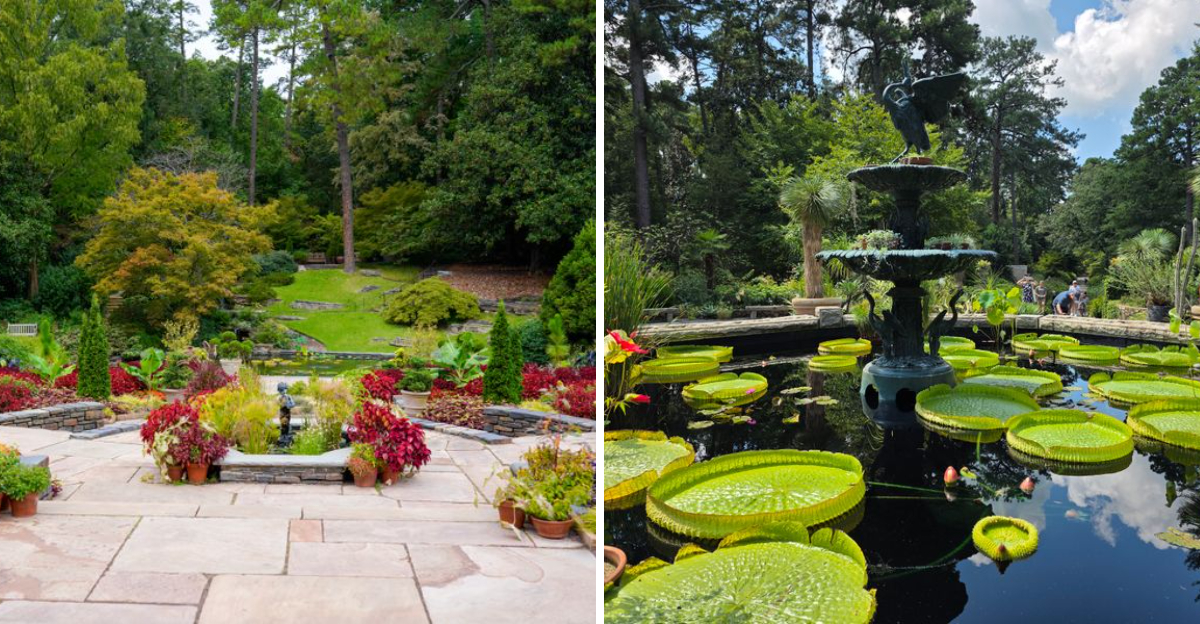
Hidden within Duke University’s campus in Durham, Sarah P. Duke Gardens feels like stepping into a different world the moment you arrive.
Spanning 55 acres, this breathtaking destination draws visitors with its flowing landscapes, vibrant seasonal color, and peaceful garden paths that invite you to slow down and explore.
Since the 1930s, generations have wandered here to admire blooming terraces, shaded woodland trails, and beautifully curated plant collections from around the globe.
Each turn reveals something new, from quiet reflection spots to bursts of color that change with the seasons. The gardens blend natural beauty with thoughtful design, creating a space that feels both inspiring and calming.
Whether you live nearby or are visiting the Triangle for the first time, Sarah P. Duke Gardens offers a refreshing escape where nature, learning, and beauty come together in every season.
It’s A 55-Acre Public Botanic Garden
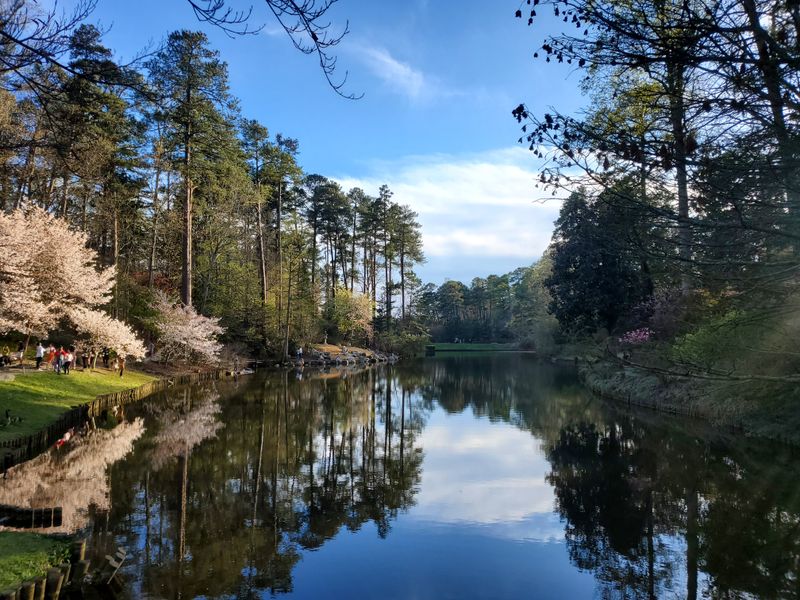
Spanning roughly 55 acres, Sarah P. Duke Gardens ranks among the Southeast’s most impressive public botanical spaces.
The property blends carefully designed formal gardens with natural wooded areas, creating diverse environments for plants and people alike. Visitors can explore open lawns, shaded groves, and ornamental beds that shift with the seasons.
Located on Duke University’s West Campus in Durham, the gardens serve as both a community gathering place and a living laboratory. Students, faculty, and neighbors use the space for study, exercise, and quiet reflection.
Families picnic on the lawns while photographers capture blooming azaleas and cherry blossoms throughout spring.
Every corner of the 55 acres offers something different. You might stroll through sun-drenched terraces one moment and step into cool woodland trails the next.
Water features, stone pathways, and carefully placed benches invite you to pause and take in the scenery.
The gardens maintain their beauty year-round thanks to dedicated horticulturists who plan seasonal displays and care for thousands of plant species. From early spring bulbs to late-fall foliage, there’s always something new to discover.
This expansive green oasis provides a welcome retreat from urban life, offering fresh air, natural beauty, and a chance to reconnect with the outdoors in the heart of Durham.
Located Within Duke University
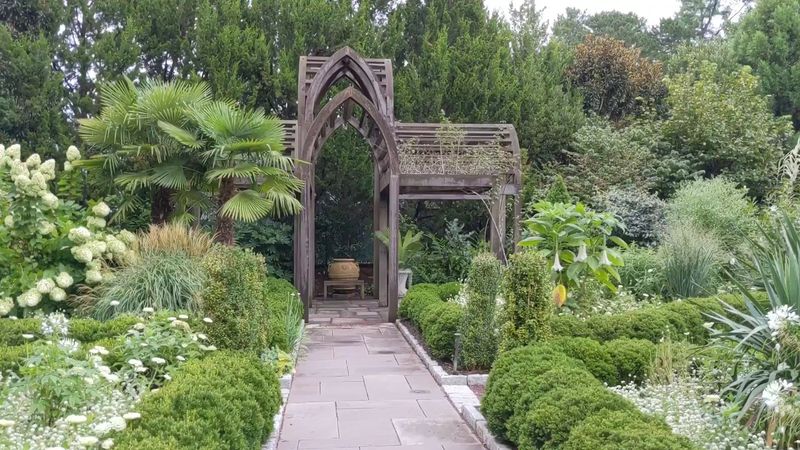
Sarah P. Duke Gardens sits right in the middle of Duke University’s West Campus, making it an integral part of campus life.
The gardens share space with Gothic-style academic buildings, dormitories, and research facilities, creating a unique blend of education and nature. Students walk through on their way to class, often stopping to study under shade trees or snap photos near blooming flowers.
This location at 2000 Lewis St, Durham, NC 27705, United States places the gardens within easy reach of the entire Duke community.
Faculty members use the space for outdoor classes and research projects, studying everything from plant biology to landscape design.
The university’s commitment to maintaining these grounds reflects its dedication to environmental stewardship and public access to green spaces.
Being part of a major research institution brings unique advantages. The gardens benefit from university resources, including expert staff, student volunteers, and connections to academic programs.
Researchers conduct studies on native plant conservation, sustainable gardening practices, and climate adaptation strategies right here on the grounds.
Visitors arriving from off campus find the gardens surprisingly accessible despite being tucked within a university setting. Clear signage guides guests from parking areas to garden entrances.
The integration of educational spaces with natural beauty creates an atmosphere where learning and leisure coexist beautifully, making every visit both relaxing and enriching.
Open Daily With Free Admission
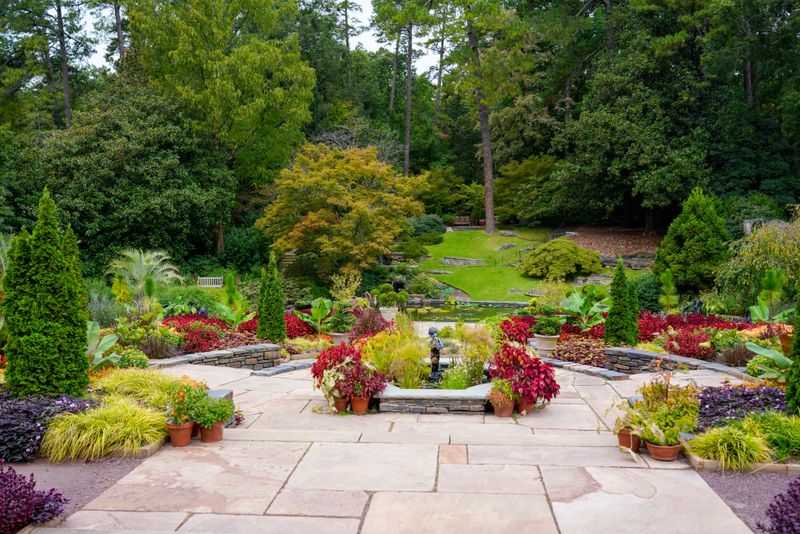
One of the best things about Sarah P. Duke Gardens is that anyone can visit without paying a penny.
The outdoor areas welcome guests every single day from 8 a.m. until dusk, providing free access to all the beauty and tranquility the gardens offer.
This generous policy ensures that everyone in the community can enjoy these spectacular grounds regardless of their budget.
Recent construction projects have temporarily changed some access routes, but the gardens remain open throughout the work. Staff members post clear directions and updates on their website to help visitors navigate any detours.
Despite these temporary adjustments, the commitment to daily access and zero admission fees never wavers.
Free admission makes the gardens an ideal destination for regular visits. You might stop by weekly to watch seasonal changes unfold or bring out-of-town guests to show off Durham’s natural treasures.
Families appreciate being able to return again and again without worrying about ticket costs adding up.
The daily schedule allows early risers to catch morning light filtering through tree canopies and evening visitors to enjoy sunset colors across the terraces. Whether you have fifteen minutes or several hours, the gardens accommodate your schedule.
This accessibility reflects the original vision of creating a public space where beauty and nature remain available to all, supporting the idea that everyone deserves access to inspiring outdoor environments.
Designed By A Noted Landscape Architect
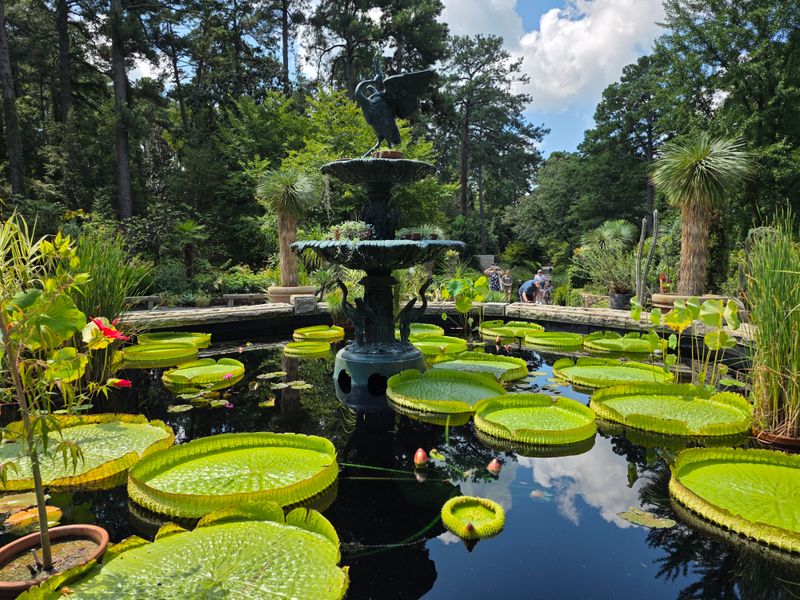
Ellen Biddle Shipman brought her exceptional talents to Sarah P. Duke Gardens in 1939, designing the Terraces and much of the original horticultural layout.
As one of America’s pioneering female landscape architects, Shipman created gardens for wealthy clients and institutions across the country during the early twentieth century.
Her work at Duke showcases her signature style of combining formal structure with lush, romantic plantings.
Shipman’s design for the Terraces demonstrates her mastery of classical garden principles. Stone steps connect different levels, creating a sense of progression and discovery as visitors move through the space.
She balanced hardscape elements like walls and pathways with soft plantings that spill over edges and fill spaces with color and texture.
Her influence extended beyond the initial construction. The design principles she established continue to guide garden development and restoration projects today.
Contemporary horticulturists study her original plans to understand her vision and maintain authenticity when making updates or additions.
Working during an era when few women held professional positions in landscape architecture, Shipman proved her abilities through projects like Duke Gardens.
Her legacy lives on in the enduring beauty of these spaces and the inspiration they provide to modern designers.
Visitors today walk through living history, experiencing a landscape shaped by one of the field’s true innovators whose artistic vision transformed raw land into timeless beauty.
Dedicated As A Memorial

Sarah Pearson Angier Duke never saw the gardens that bear her name, but her legacy blooms here every day.
The gardens were created as a lasting tribute to her memory, funded by her daughter Mary Duke Biddle who wanted to honor her mother in a meaningful way.
This personal dedication transformed a simple landscape into a cherished memorial that continues to touch lives decades later.
Mary Duke Biddle’s vision extended beyond creating a beautiful space. She wanted to establish something that would serve the community while celebrating her mother’s life and values.
The gardens became that perfect intersection of public benefit and private remembrance, offering a place where beauty and purpose unite.
The memorial nature of the gardens adds depth to every visit. Knowing that these paths, plantings, and peaceful corners exist because of one family’s love and generosity makes the experience more meaningful.
The gardens honor Sarah P. Duke not through static monuments but through living, growing things that change and evolve with each season. This dedication model has inspired similar projects at institutions across the country.
Creating a public garden as a memorial ensures that the honored person’s legacy remains active and relevant, touching new generations who walk the same paths and enjoy the same views.
The gardens stand as proof that the best memorials serve others while keeping memories alive.
Features Four Distinct Garden Areas
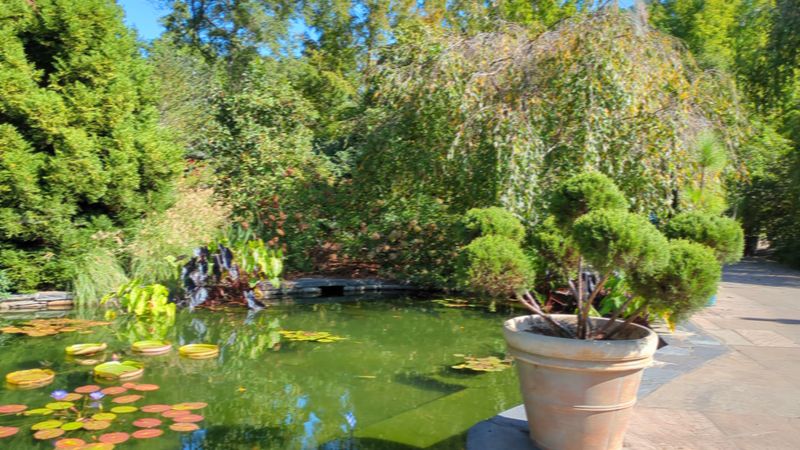
Sarah P. Duke Gardens divides into four major sections, each offering its own character and plant collections.
The Historic Gardens and Terraces showcase formal design with structured beds and classical elements. The H.L. Blomquist Garden of Native Plants celebrates regional flora in natural settings. The W.L.
Culberson Asiatic Arboretum brings Eastern Asian landscapes to North Carolina. The Doris Duke Center Gardens feature themed plantings that demonstrate various horticultural concepts.
This division creates variety that keeps every visit interesting. You might spend morning hours wandering through native woodland trails, then enjoy lunch near the formal terraces before exploring Asian-inspired landscapes in the afternoon.
Each area feels distinct yet connected, flowing naturally from one to the next. The four sections serve different educational purposes too. Native plant enthusiasts learn about regional species and conservation in the Blomquist Garden.
Those interested in international horticulture discover Asian plants and design traditions in the Culberson Arboretum.
Garden designers study formal techniques in the Historic Terraces while the Center Gardens demonstrate practical applications of various planting styles.
Having multiple distinct areas within one property means visitors can experience different garden types without traveling to separate locations. Families find that children stay engaged longer because the scenery changes as they walk.
Photographers appreciate the diverse backdrops available in a single visit. This thoughtful organization makes the gardens feel larger than their actual acreage while providing educational value through comparison and contrast.
Native Plant Conservation And Education Are Key Goals
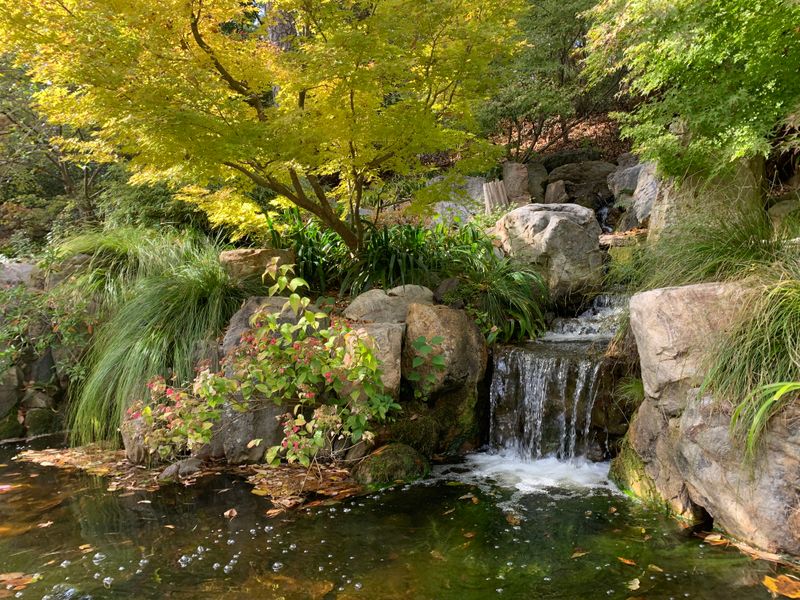
The H.L. Blomquist Garden of Native Plants serves as more than just a pretty collection of regional flora.
This section actively participates in plant conservation efforts, protecting species that face threats in their natural habitats.
Staff members coordinate rescue operations when development projects endanger wild plant populations, carefully transplanting specimens to safety within the garden grounds.
Education forms the other pillar of the native plant garden’s mission. Interpretive signs help visitors identify species and understand their ecological roles.
Programs teach homeowners how to incorporate native plants into residential landscapes, supporting local wildlife while reducing maintenance needs. School groups learn about plant adaptations and the importance of preserving regional biodiversity.
Growing native plants in a garden setting allows researchers to study them closely. They observe growth patterns, flowering times, and pest resistance under controlled conditions.
This information helps develop better conservation strategies and informs restoration projects across the region. The garden essentially functions as a living seed bank, maintaining genetic diversity of important species.
Visitors often discover that many native plants work beautifully in home gardens. Seeing them displayed attractively here inspires people to try growing natives themselves.
The garden proves that conservation and beauty go hand in hand, challenging the notion that only exotic imports make impressive displays.
By highlighting regional plants, the Blomquist Garden strengthens connections between people and the natural heritage of North Carolina’s Piedmont region.
The Asiatic Arboretum Highlights Eastern Asian Flora
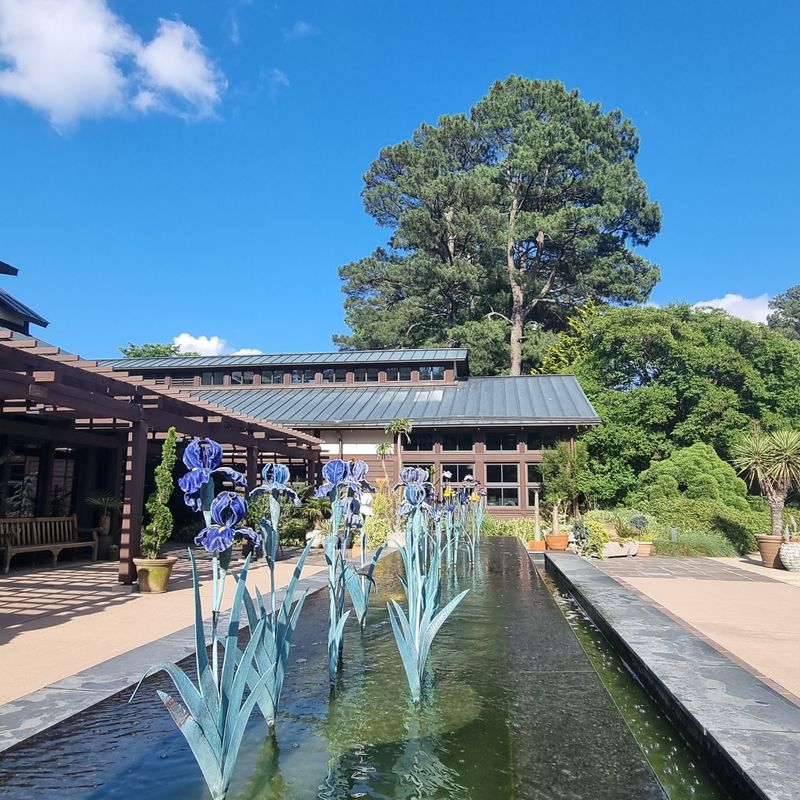
Step into the W.L. Culberson Asiatic Arboretum and you’ve traveled thousands of miles without leaving Durham.
This section showcases plants native to Southeast Asia, including stunning ornamental species like Japanese maples, irises, and flowering cherry trees.
The collection demonstrates the rich horticultural traditions of countries like Japan, China, and Korea while adapting these plants to North Carolina’s climate.
Traditional Asian garden features enhance the authentic atmosphere. Elegant bridges arc over streams and ponds, inviting visitors to pause and enjoy reflections in the water below.
Stone lanterns and carefully placed rocks create focal points that draw the eye through the landscape. These elements follow centuries-old design principles that emphasize harmony between human-made structures and natural forms.
The arboretum proves that many Asian plants thrive in the American Southeast. Gardeners visiting here gather ideas for their own yards, discovering species that offer year-round interest.
Spring brings clouds of cherry blossoms and magnolia flowers. Summer provides lush green canopies and colorful perennials.
Fall transforms maples into brilliant reds and golds while winter reveals elegant branch structures.
Cultural education happens naturally as visitors explore this space. The garden design itself teaches Asian aesthetic principles like asymmetrical balance and the use of borrowed scenery.
Seasonal displays connect to traditional festivals and celebrations from Asian cultures. This international collection enriches Durham’s cultural landscape while demonstrating the universal appeal of well-designed garden spaces.
Extensive Trails Connect Diverse Landscapes
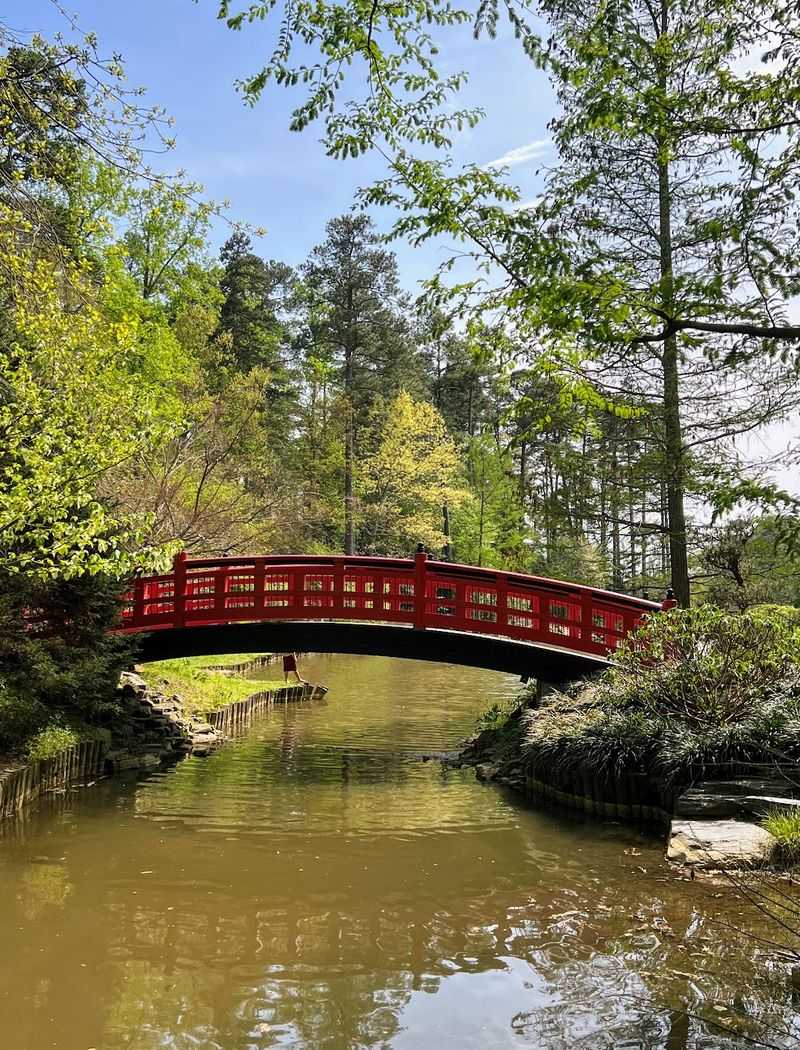
More than five miles of paths and allées wind through Sarah P. Duke Gardens, connecting all the different garden areas into one cohesive experience.
These trails range from wide, paved walkways suitable for wheelchairs and strollers to narrower woodland paths that feel more adventurous. The extensive network means you can spend hours exploring without retracing your steps.
Each trail offers its own personality and views. Some follow streams through shaded forests where ferns and wildflowers carpet the ground.
Others cut through open meadows filled with grasses and flowering perennials. Formal allées lined with trees create dramatic corridors that frame distant views and provide shady walking routes during hot summer days.
The trail system makes the gardens accessible to visitors with different mobility levels and interests. Casual strollers might stick to main paths near the terraces while serious hikers venture into more remote woodland sections.
Runners use the trails for exercise while photographers seek out specific spots for golden-hour shots. Everyone finds routes that match their needs and abilities.
Seasonal changes transform familiar trails into new experiences. A path you walked in spring looks completely different when fall colors peak or winter snow dusts the landscape.
This encourages repeat visits throughout the year. The trails also serve educational purposes, with some routes designed to showcase specific plant collections or ecological concepts.
Maps available at entrances help visitors plan routes based on time available and interests.
A Landmark Of Horticulture And Community
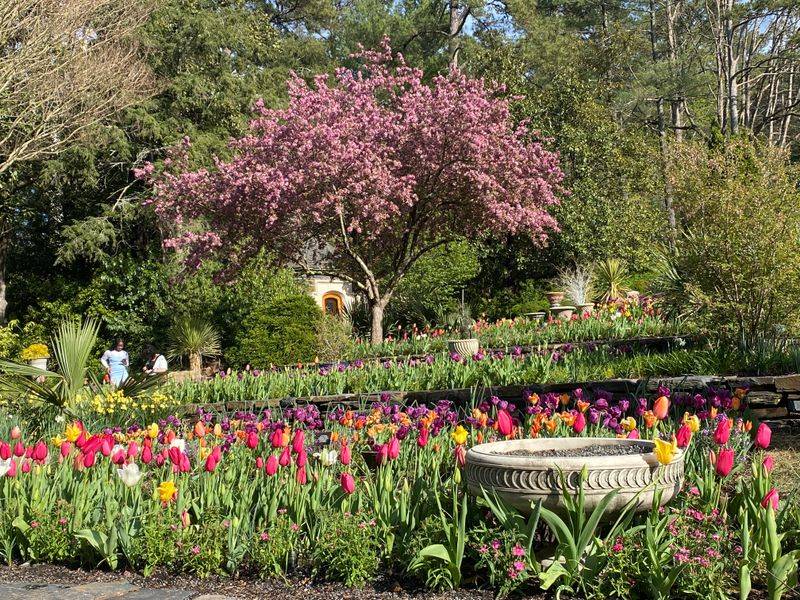
Recognition as one of America’s top public gardens didn’t happen overnight. Sarah P.
Duke Gardens earned its reputation through decades of exceptional plant care, innovative design, and commitment to public access.
Hundreds of thousands of visitors arrive annually, drawn by the gardens’ reputation for spectacular seasonal displays and meticulously maintained landscapes. This popularity reflects both the quality of the gardens and their importance to the region.
The gardens function as a true community landmark, serving residents across Durham and the Triangle area. Local families celebrate milestones here, from engagement photos to graduation pictures.
Artists set up easels to paint scenes that change with every season. Wedding parties pose on the terraces while joggers complete morning loops through the woodland trails.
Horticultural professionals recognize Duke Gardens as a leader in the field. The staff’s expertise in plant selection, garden design, and sustainable practices influences other institutions across the country.
Students from landscape architecture and horticulture programs study here, learning from real-world examples of successful garden management. The gardens host conferences and workshops that advance horticultural knowledge.
This dual role as both beloved community space and respected horticultural institution makes the gardens special. Visitors seeking simple beauty find it here alongside researchers conducting serious scientific work.
The gardens prove that public spaces can serve multiple purposes without compromising any of them, maintaining high standards while remaining welcoming and accessible to everyone.
It Continues To Evolve With New Projects
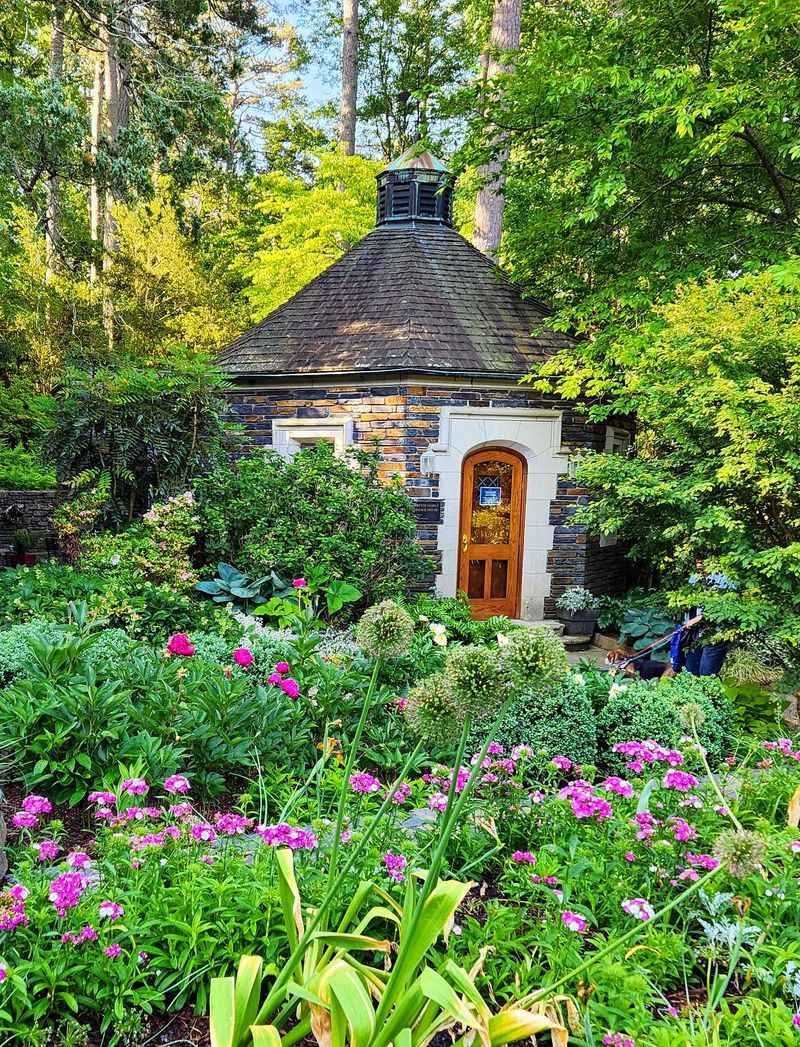
Sarah P. Duke Gardens never stands still.
The ambitious Garden Gateway project represents the latest evolution, expected to reach completion in spring 2026. This expansion will enhance visitor facilities and improve accessibility while respecting the gardens’ historic character.
New spaces will provide better amenities for the growing number of annual visitors without compromising the natural beauty that makes the gardens special.
Construction projects at active public gardens present unique challenges. The staff works hard to keep the gardens open and accessible throughout the building process, routing visitors around work zones while maintaining the quality experience people expect.
Temporary changes to access routes require flexibility from visitors, but the long-term benefits will make these short-term inconveniences worthwhile.
The Gateway project reflects careful planning and community input. Designers studied how visitors use the gardens and identified areas needing improvement.
Enhanced facilities will support educational programs, special events, and daily operations. Better infrastructure means the gardens can serve even more people while protecting plant collections and natural areas from overuse.
This commitment to evolution ensures the gardens remain relevant for future generations. While honoring Ellen Biddle Shipman’s original vision and the memorial purpose behind the gardens, current stewards recognize that needs change over time.
Thoughtful updates and expansions allow historic gardens to thrive in modern contexts. The Garden Gateway project demonstrates that preservation and progress can work together, creating spaces that honor the past while embracing the future.