Don’t Mow Your Lawn Until You Read These 10 Rules For Ohio
Mowing the lawn feels like one of the simplest weekend chores. You roll out the mower, make a few passes, and enjoy that freshly cut look.
But in Ohio, it is not always that straightforward. Local rules, seasonal restrictions, and environmental guidelines can affect when and how you are allowed to mow.
Many homeowners have no idea these rules even exist until a warning notice shows up on their door.
Some of these mowing regulations are designed to protect wildlife, reduce noise complaints, or preserve neighborhood standards. Others focus on safety and air quality.
Knowing what is expected can save you from fines, frustrated neighbors, and unnecessary stress. If you want to keep your lawn looking great without crossing any lines, it pays to understand the basics.
Read on before you start the mower and make sure you are cutting grass the right way.
1. Raise Your Mower Height
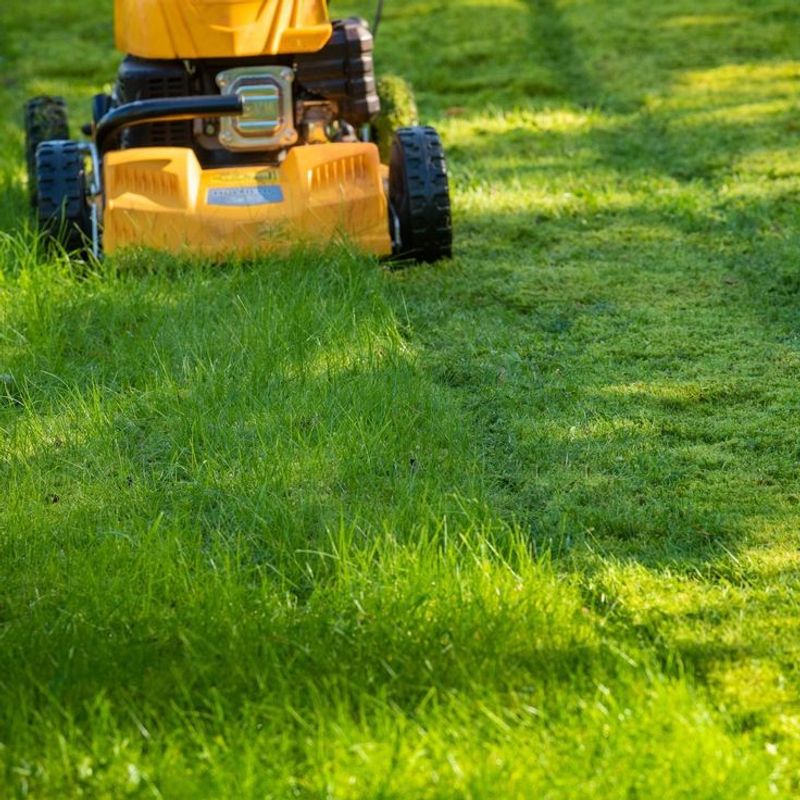
Raising your mower height now in February is one of the simplest ways to prepare your Ohio lawn for the transition into spring.
Setting your blades to 3 to 3.5 inches provides extra insulation for roots, protecting them against lingering frost and cold soil temperatures.
Taller grass also helps with photosynthesis during shorter, chilly days, allowing the lawn to store energy for spring growth. Many homeowners mistakenly cut grass too short during early maintenance, stressing plants before they can recover.
Gradually maintaining higher blades keeps grass healthier and allows it to naturally trap moisture, reducing the need for extra watering. In addition to root protection, taller grass shades soil, reduces erosion, and slows weed growth.
This simple adjustment requires no additional tools but sets the stage for a strong, resilient lawn.
Combining raised mowing height with proper leaf and debris management ensures that your Ohio yard emerges from winter in good shape, ready to thrive when temperatures rise.
2. Mulch Lighter Leaf Coverage
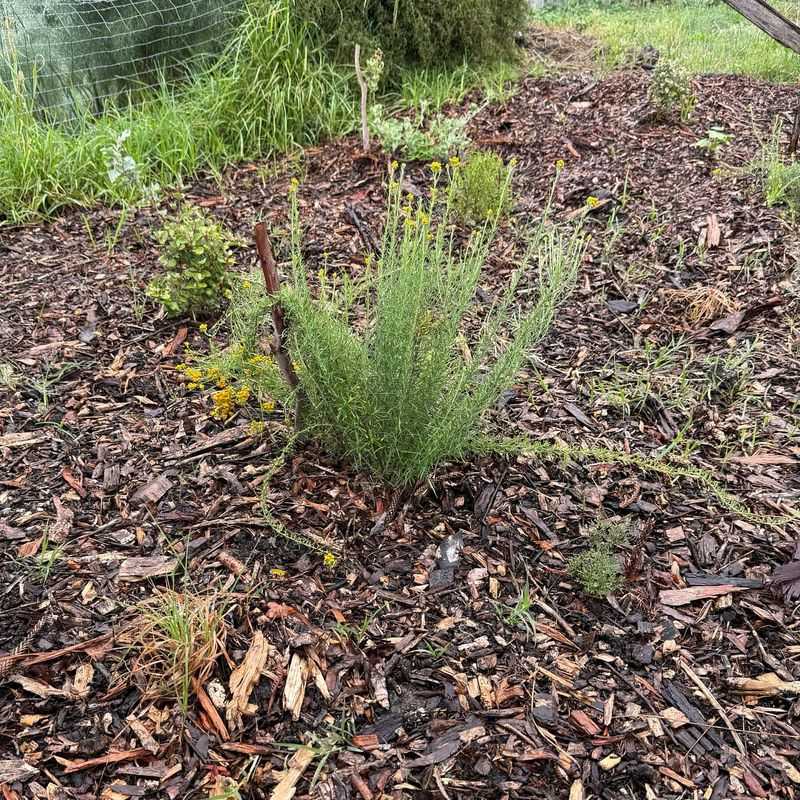
Mulching light leaf or debris coverage now in February provides free fertilizer and helps prepare lawns for early spring growth. Thin layers can be run over with a mower to create small fragments that break down quickly, returning nutrients to the soil.
Even winter debris like twigs or leftover leaves from deciduous trees can be shredded to enrich the lawn. Ohio homeowners may notice maple leaves decompose faster than oak, so timing mulching passes is important for optimal soil improvement.
Mulching eliminates unnecessary raking, saves labor, and reduces fungal risks while preparing grass for spring photosynthesis. Adjusting mower height and speed ensures shredded debris spreads evenly.
These mulched fragments protect grass crowns, reduce erosion, and improve soil moisture retention during the remaining cold weeks.
By February, mulching light debris sets a strong foundation for lawn health, helping your yard recover faster when temperatures rise and grass resumes active growth.
3. Bag Heavy Leaf Accumulations
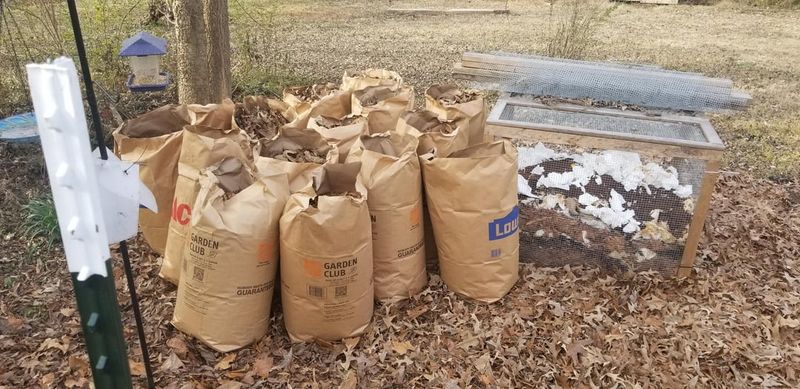
Thick layers of leftover leaves from fall or early winter should be bagged now in February to protect your Ohio lawn. Dense leaf piles block sunlight, trap moisture, and increase the risk of fungal diseases.
Using a mower’s bagging attachment or a manual rake efficiently collects these leaves for composting or municipal leaf collection programs. Removing heavy accumulations reduces the likelihood of mold and prevents lawn suffocation.
I’ve noticed that areas left under heavy leaf piles throughout winter often develop patchy grass in spring. Bagging also keeps soil aerated and allows sunlight to reach crowns, preparing the lawn for active growth.
Combining mulching of lighter leaf layers with bagging of dense accumulations balances nutrient recycling and protection. Proper cleanup now ensures Ohio lawns emerge healthy and vigorous, with minimal spring maintenance required.
4. Follow The One-Third Rule
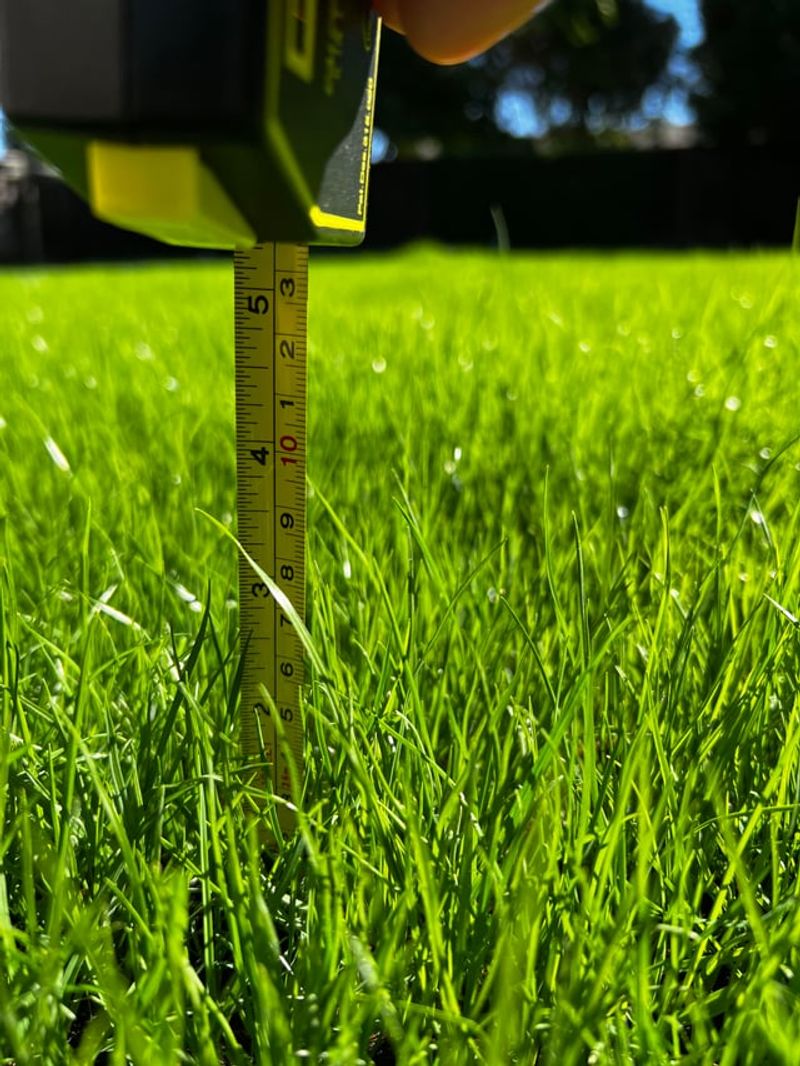
Even in February, adhering to the one-third mowing rule is critical for maintaining a healthy lawn. No more than one-third of grass height should be removed in a single session.
Cutting too much at once stresses roots and weakens the grass, especially during cooler temperatures and early dormancy recovery. For tall winter or early spring growth, I mow once at a higher setting, then again after a few days to reach the desired height.
This gradual approach strengthens root systems and prepares Ohio lawns for active spring growth. Following the one-third rule also prevents mechanical stress on equipment and ensures more even mowing.
Proper adherence improves grass resilience against late frost or early thaw cycles. Combining this technique with careful leaf management and debris clearing now lays the groundwork for lush, healthy lawns as the growing season approaches.
5. Final Winter Mow Before Thaw
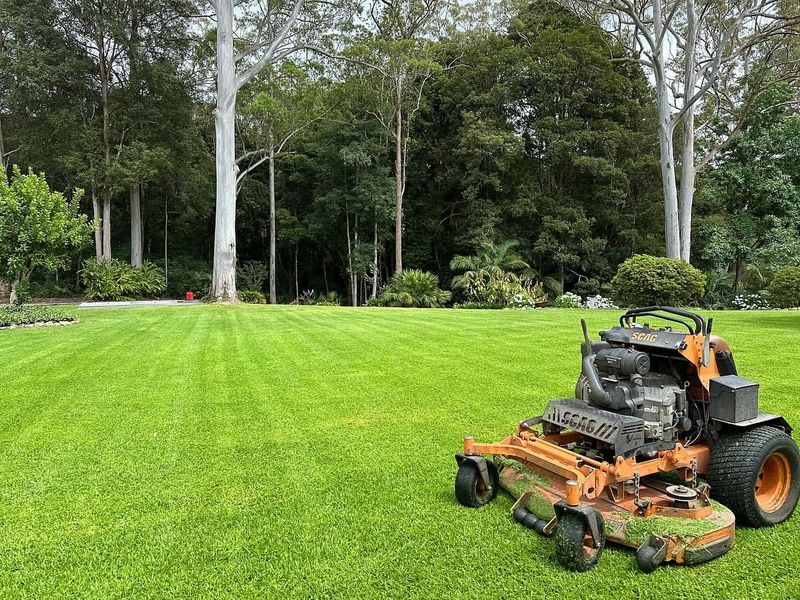
In February, planning for the first thaw is critical for Ohio lawns. Avoid cutting frozen or wet grass, as blades shatter easily, creating wounds that invite disease.
I schedule the first active mowing once nighttime temperatures consistently remain above freezing, allowing grass to recover safely. Proper timing ensures lawns emerge healthy as spring approaches and reduces the risk of winter-related fungal infections.
Adjusting blade height slightly higher during this initial mowing provides insulation and encourages photosynthesis before full spring growth begins. Observing weather trends ensures safe mowing windows, preserving both equipment and lawn integrity.
Early-season attention also reduces maintenance stress later, giving Ohio homeowners a head start for the growing season.
6. Alternate Mowing Patterns

Varying your mowing patterns in February is an excellent strategy to prevent soil compaction and encourage upright, healthy grass growth in Ohio lawns.
Changing direction with each pass spreads any remaining leaf mulch more evenly across the surface, which aids decomposition and prevents heavy clumping in low spots.
It also reduces the formation of wheel ruts, which can be particularly stubborn during the cooler months when grass recovery is slower. I often switch to diagonal or perpendicular passes compared to my usual pattern.
Doing so improves aeration and nutrient distribution, allowing grass blades to receive more sunlight and airflow. Alternating patterns also keeps mowing visually interesting and produces professional-looking stripes even in late winter when color may be muted.
Observing how the grass responds after each pass allows me to adjust blade height, mowing speed, and clipping distribution.
Over time, this practice enhances overall soil structure, encourages stronger root development, and helps lawns recover more quickly as soon as spring growth begins.
Even light mulching performed this way adds extra nutrients to the soil, making the yard more resilient and lush once warmer temperatures arrive.
7. Clean Your Mower Thoroughly
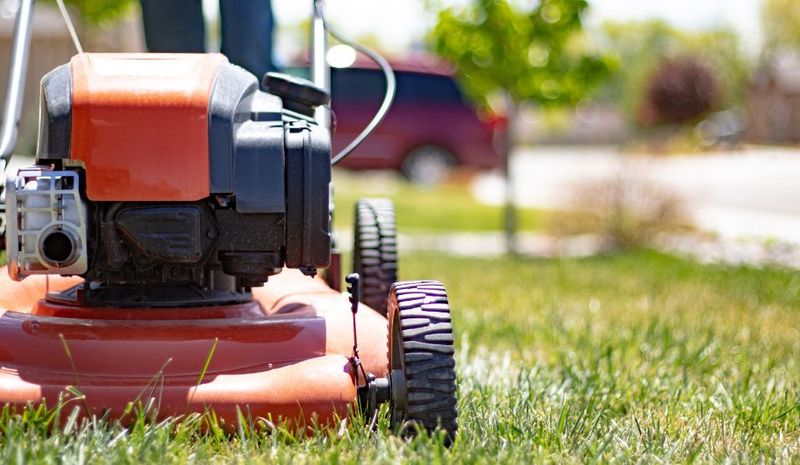
Winter and early February mowing creates extra debris that can accumulate quickly on mower decks, blades, wheels, and undercarriage areas.
Leaves, twigs, and leftover grass can hold moisture and acids that accelerate rust formation, corrosion, and wear on metal parts.
I carefully remove all debris after each mowing session, paying special attention to the underside of the deck, where material often collects unnoticed.
Cleaning thoroughly ensures smoother, more efficient mowing and prevents grass clippings from clogging discharge systems.
I also drain fuel, remove batteries, and wipe down any electrical contacts to prepare the mower for winter storage or the first spring cuts. Many homeowners overlook this step, but taking the time now can save significant repair costs later.
Proper maintenance extends equipment lifespan, improves blade performance, reduces disease transfer between lawns, and keeps mulching consistent.
Seasonal cleaning also allows inspection for worn belts, loose screws, or damaged wheels, ensuring the mower is ready for heavier spring use.
Following this routine makes mowing safer, more efficient, and less stressful while protecting both the lawn and the equipment throughout Ohio’s late winter season.
8. Sharpen Blades For Leaf Mulching
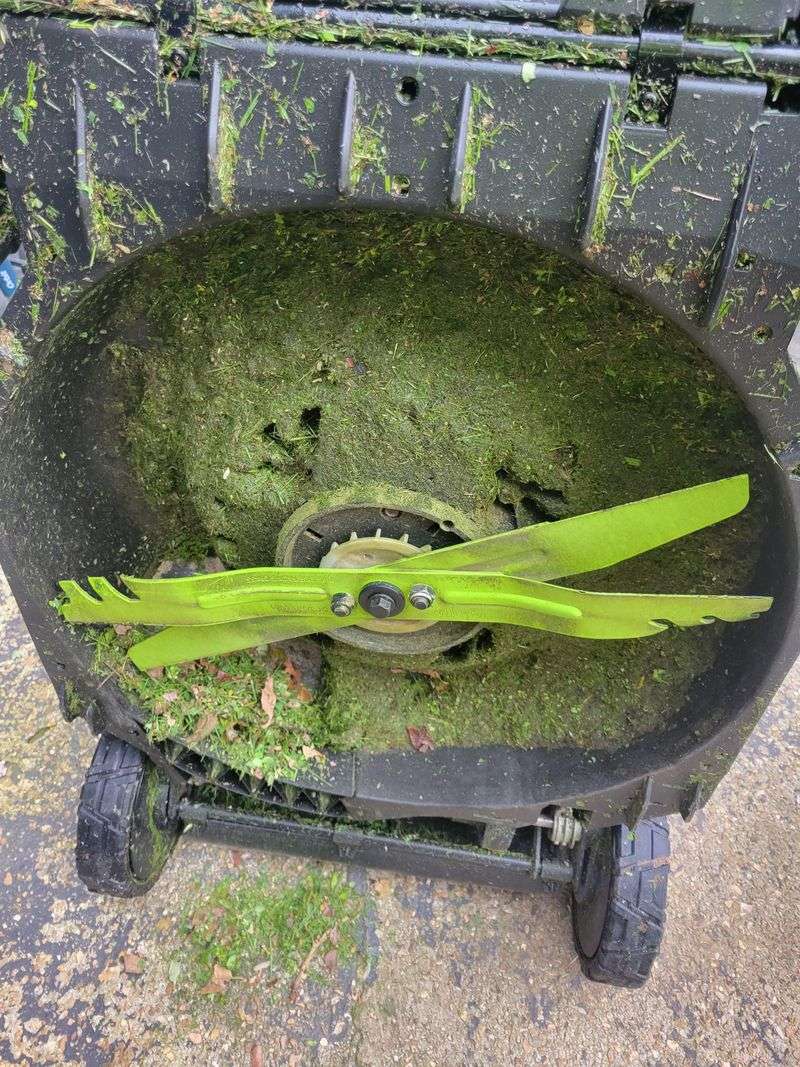
Sharpening mower blades in February is a small step that dramatically improves cutting efficiency and leaf mulching performance.
Sharp blades slice cleanly through grass and residual leaves, creating smaller fragments that decompose faster and return valuable nutrients to the lawn.
Dull blades, on the other hand, tear grass, produce uneven cuts, and make mulching less effective, increasing stress on the plants.
I usually sharpen blades just before the first mow of the year to maximize efficiency, ensuring that even light winter growth and any leftover leaves are processed effectively.
Local hardware stores often offer sharpening services, or DIY kits allow homeowners to maintain blades at home. In Ohio, shredding leaf material finely now enhances soil fertility, reduces fungal risks, and promotes healthier root systems before spring.
Maintaining sharp blades also reduces engine strain, provides cleaner cuts, and improves mowing consistency across uneven terrain.
A well-sharpened mower blade ensures better distribution of mulched leaves, prevents clumping, and prepares your lawn for rapid green-up once temperatures rise.
By combining blade maintenance with strategic mowing patterns, homeowners can create a vibrant, healthy lawn that emerges strong and resilient in early spring.
9. Avoid Mowing During Peak Leaf Drop
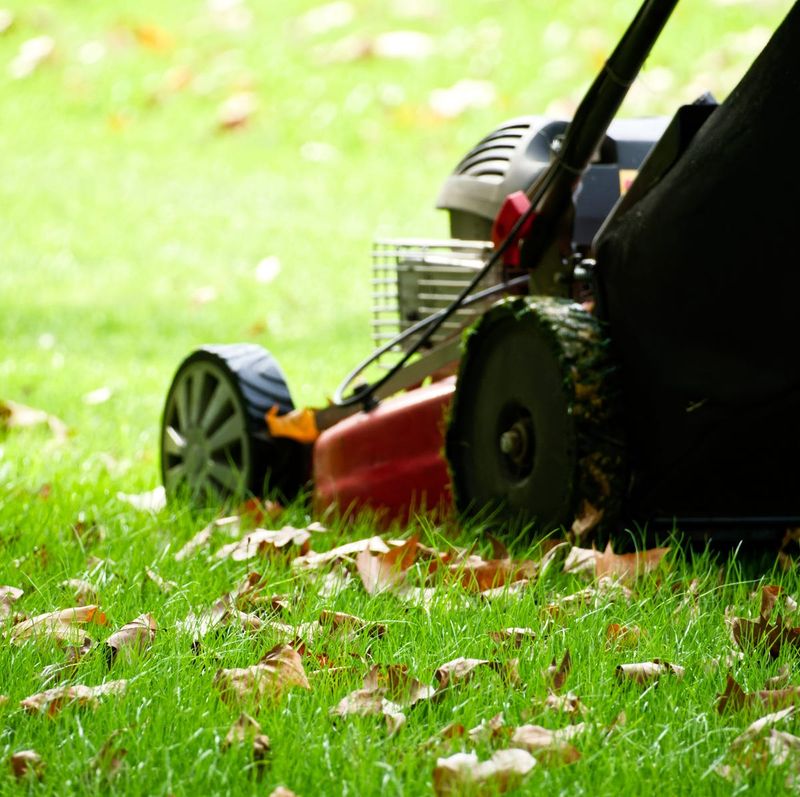
Although peak leaf drop typically occurs in mid-fall, residual leaves often persist into February, especially in shaded areas or under late-deciduous trees.
Mowing when heavy layers remain can overwhelm mower decks, suffocate grass, and create uneven cuts that stress the lawn.
I usually wait until leaves have dried, partially decomposed, or naturally shifted with the wind, making collection or mulching much easier. Observing local wind patterns helps time mowing efficiently, as breezy days can gather leaves into manageable piles.
Patience during this residual leaf period prevents repeated passes over the same area, saving time, fuel, and mower wear. Combining careful timing with light mulching or bagging ensures equipment runs smoothly while maintaining lawn health.
Residual leaves can also be a source of nutrients if shredded correctly, adding organic matter to the soil before spring growth.
Following these techniques in late winter prepares Ohio lawns for the transition to active growth, reduces spring cleanup, and promotes healthy, even turf.
Homeowners who adopt this approach often notice less damage from frost heaving, better early green-up, and fewer bare patches once temperatures rise consistently.