Don’t Plant These Oregon Plants Too Early This Season
Spring in Oregon can be a bit of a trickster. A few warm, sunny days show up and suddenly it feels like planting season is in full swing.
It’s tempting to get everything in the ground right away, but that early burst of warmth doesn’t always stick around. Cold nights, soggy soil, and surprise frosts can roll back in just as quickly.
Some plants are especially sensitive to those swings and putting them out too soon can set them back or wipe them out completely.
Seeds can rot, young starts can stall, and all that early effort can go to waste. It’s frustrating, especially when everything looked so promising just days before.
Timing matters more than enthusiasm here. Knowing which plants need a little patience can save you time, money, and a lot of disappointment.
Hold off just a bit, and your garden will thank you with stronger growth and a much better start to the season.
1. Tomatoes
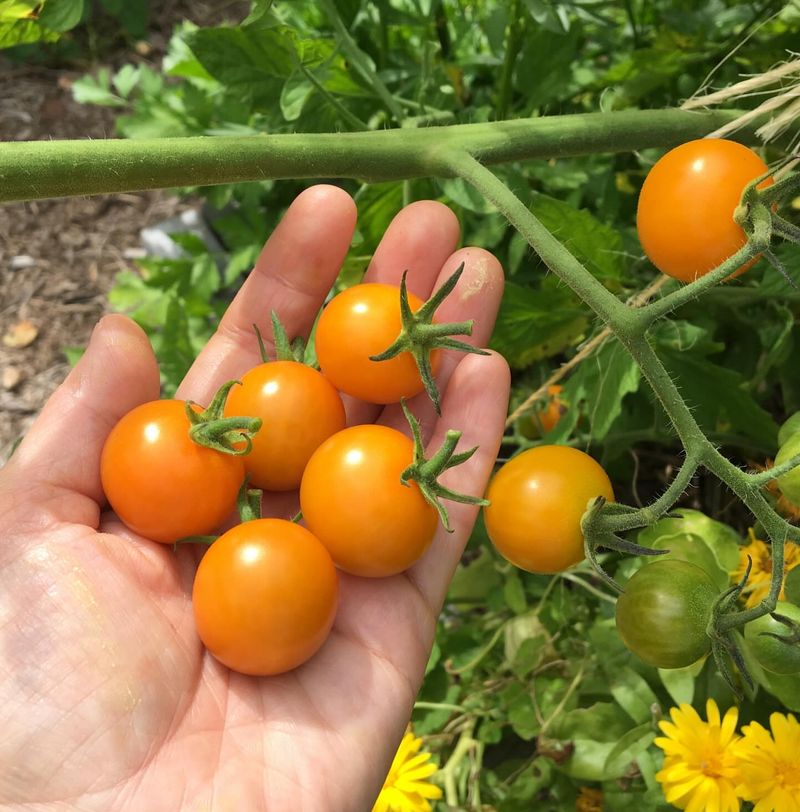
Few things feel more rewarding than biting into a sun-ripened tomato you grew yourself. But in Oregon, planting tomatoes too early is one of the fastest ways to ruin that dream.
Tomatoes need soil temperatures between 65 and 70 degrees Fahrenheit to truly thrive. Cold soil slows root development and leaves plants looking yellow and stressed.
In Western Oregon, including Portland and Salem, the last frost usually falls in mid-April. But soil temperatures often lag behind air temperatures by several weeks.
Even if daytime highs feel warm, the soil might still be too cold for tomatoes. Wait until late May to transplant, especially if you live in a higher elevation area.
Central and Eastern Oregon gardeners near Bend or Medford should wait even longer, sometimes into early June. Start your seeds indoors six to eight weeks before your target transplant date.
Use a heat mat to keep seed trays warm and give seedlings the best head start. Once nighttime temperatures stay consistently above 50 degrees and soil is warm, your tomatoes will be ready to go in the ground and grow strong.
2. Peppers
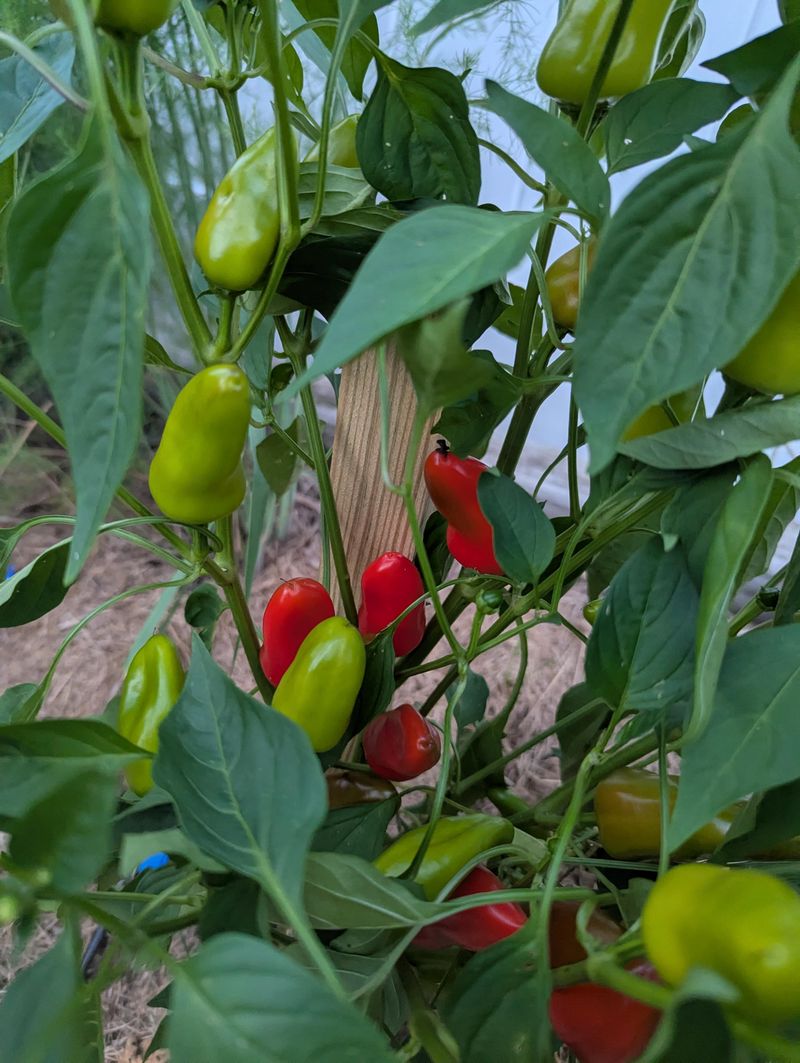
Peppers are even more temperature-sensitive than tomatoes, which surprises a lot of first-time Oregon gardeners. These plants originated in tropical climates and have zero tolerance for cold soil or chilly nights.
If you plant peppers too early, they will just sit there looking sad while the soil warms up around them. Worse, a late frost can wipe them out completely.
In most parts of Western Oregon, peppers should not go in the ground before late May. In cooler regions like the Oregon Coast or higher elevation areas, early June is a safer bet.
Soil needs to be at least 65 degrees Fahrenheit before peppers will start growing roots and setting fruit. A soil thermometer is your best friend here.
Start pepper seeds indoors eight to ten weeks before your planned transplant date. They germinate slowly and need warm conditions, ideally around 80 degrees, to sprout well.
Once outside, choose the sunniest spot in your Oregon garden. Peppers love heat, and they reward patience with a long harvest season.
Rushing the planting date almost always leads to stunted plants and disappointing harvests, so wait until conditions are truly right.
3. Eggplant
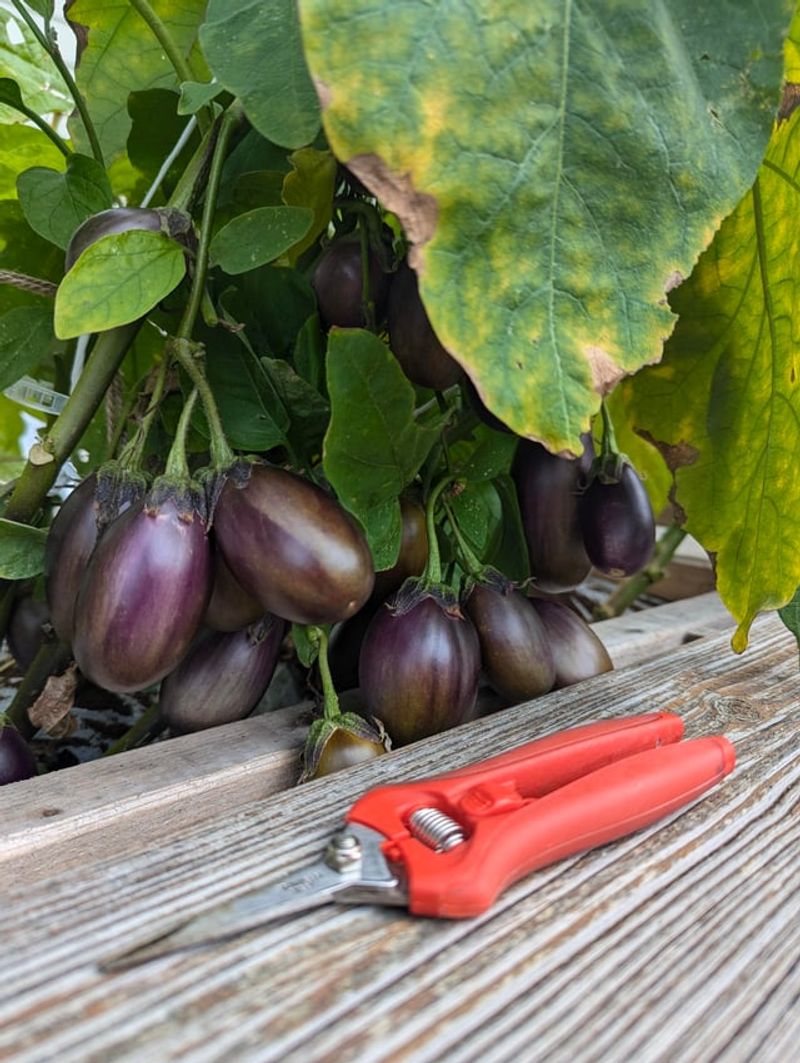
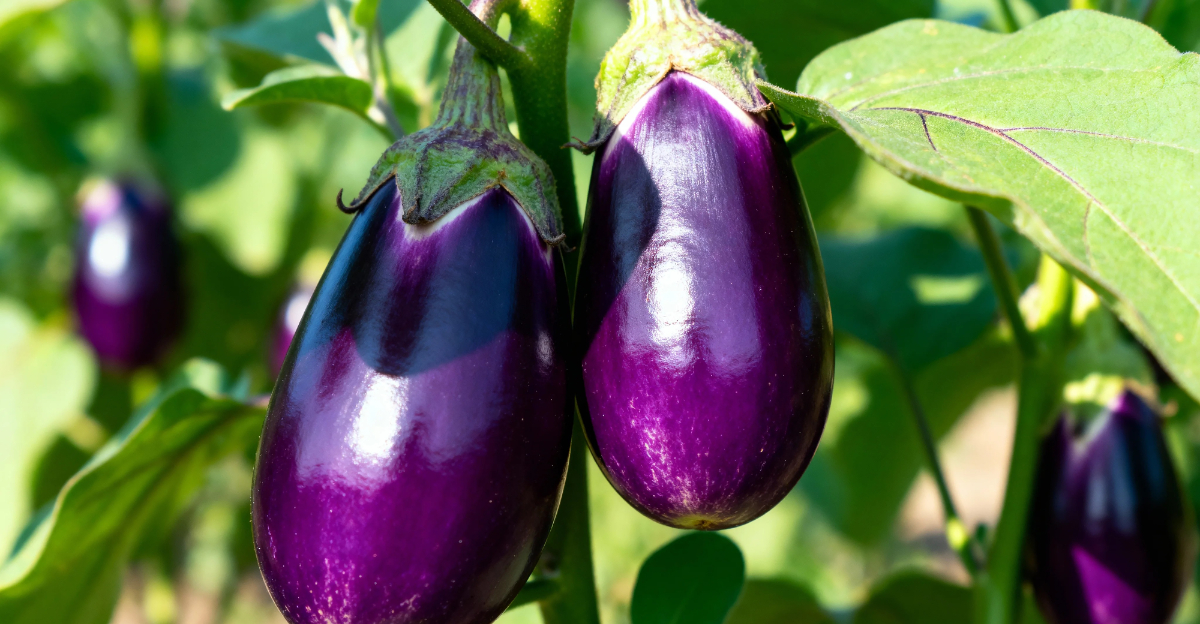
Eggplant is one of the most heat-hungry vegetables you can grow in an Oregon garden. It needs warm soil, warm air, and plenty of sunshine to produce those glossy, beautiful fruits.
Plant it too early, and it will simply stop growing. Cold temperatures below 50 degrees Fahrenheit can cause lasting damage to eggplant roots and slow the entire growing season.
Most Oregon gardeners should wait until at least late May or early June before transplanting eggplant outdoors. In Central Oregon near Bend, where cold nights can linger well into spring, waiting until mid-June is often the smarter move.
Eggplant is one of those vegetables where patience truly pays off. A plant that goes in the ground at the right time will quickly outpace one that was planted too early and suffered through cold snaps.
Start eggplant seeds indoors eight to ten weeks before transplanting. Give them bottom heat and plenty of bright light to build strong, sturdy stems.
When you do move them outside, consider using black plastic mulch to warm the soil even faster. Row covers can also protect young plants on cooler nights.
With the right timing and a warm spot in your Oregon garden, eggplant can be surprisingly productive.
4. Cucumbers
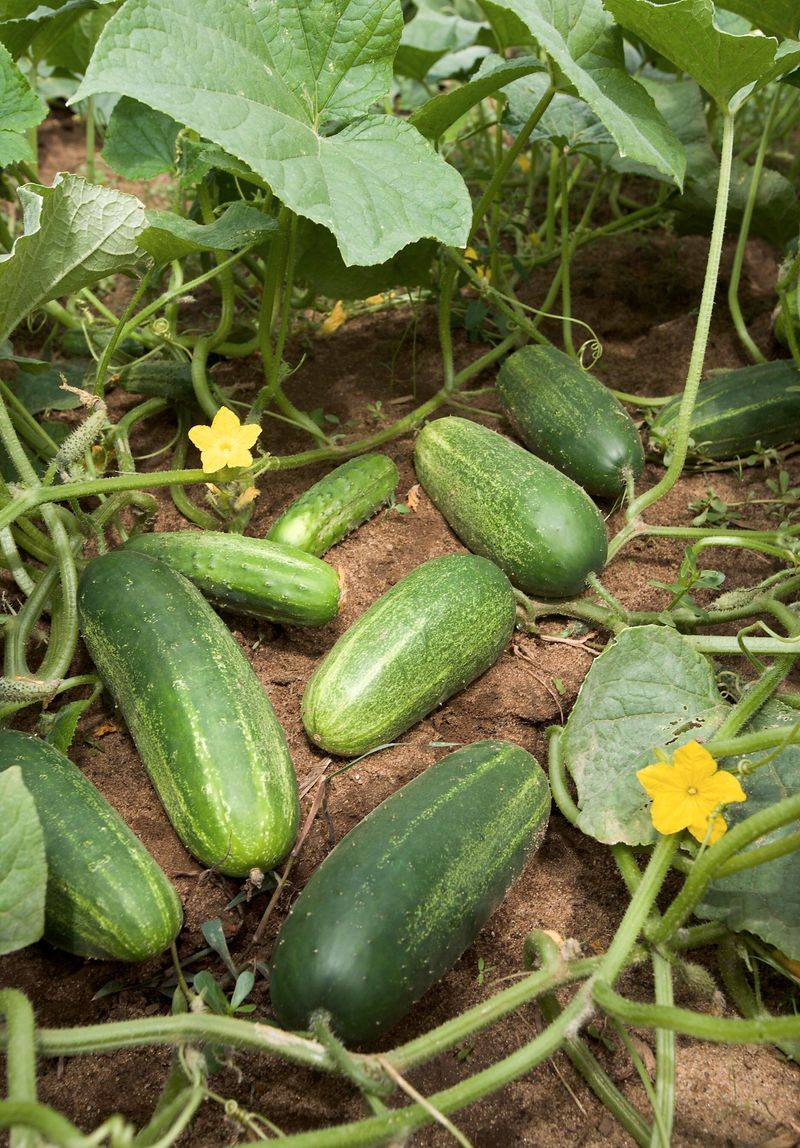
Cucumbers grow fast once the conditions are right, but they absolutely hate cold weather. Soil that is too cool will cause cucumber seeds to rot in the ground before they even sprout.
Transplants will turn yellow, stall out, and struggle to recover. The sweet spot for cucumber planting in Oregon is when soil temperatures hit at least 60 to 65 degrees Fahrenheit.
In the Willamette Valley, including cities like Salem and Eugene, that usually means waiting until late May. Along the Oregon Coast, where fog and cool breezes are common, you may need to push that date closer to early June.
Gardeners in Medford and the Rogue Valley tend to have warmer springs and can sometimes plant a bit earlier, but always check soil temperature first rather than going by the calendar alone.
Cucumbers do best when direct-sown or transplanted with minimal root disturbance. If you start them indoors, use biodegradable pots so you do not have to disturb the roots at planting time.
They grow quickly once established and can produce an overwhelming harvest in a short period. Give them a trellis to climb, keep the soil moist, and they will reward you generously all summer long in your Oregon garden.
5. Zucchini
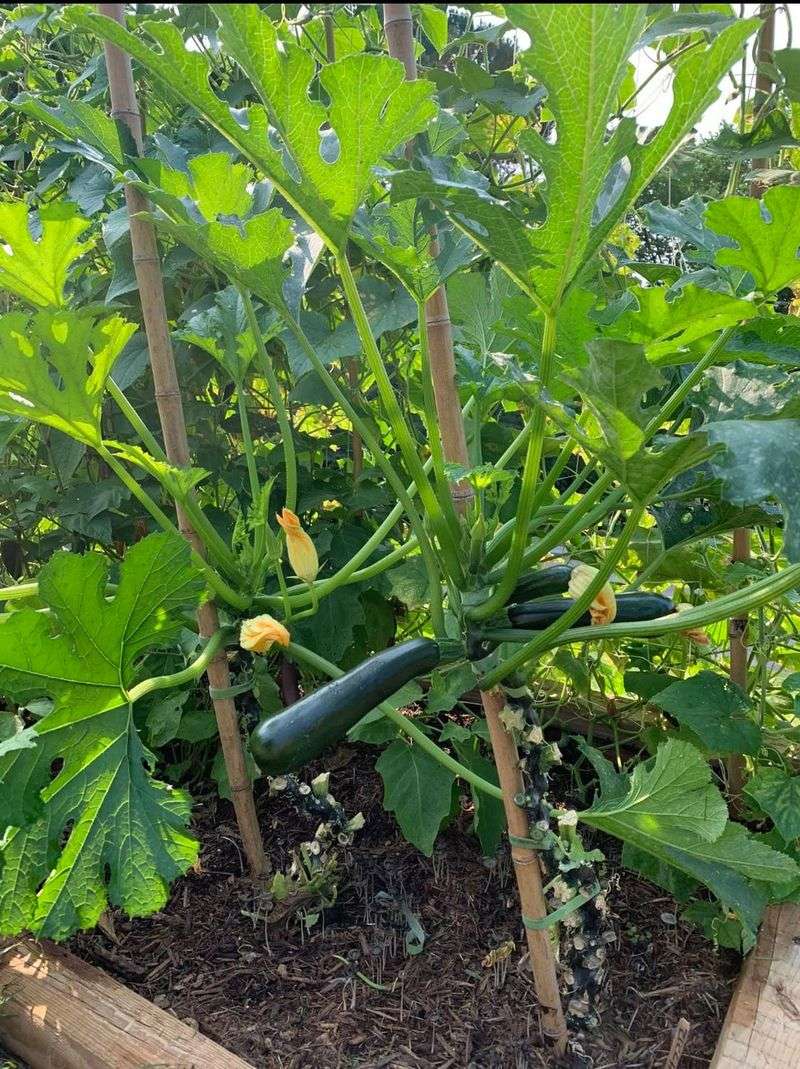
Even this tough, productive plant has its limits. Plant it in cold Oregon soil too early in the season, and the seeds will rot or the transplants will stall out.
Zucchini needs soil at least 60 degrees Fahrenheit to germinate and grow properly.
Most Oregon gardeners make the mistake of planting zucchini in April because the weather starts feeling warm. Air temperatures can be deceiving, though.
Soil in raised beds warms faster than in-ground plots, so raised bed gardeners in Portland or Salem might be able to plant a week or two earlier than others. In Central Oregon near Bend, late May to early June is still the safe window.
Zucchini grows so fast that there is really no advantage to planting early. A seed planted at the right time will catch up to and pass an early-planted seedling that sat shivering in cold soil.
Direct sowing is often better than transplanting because zucchini does not like having its roots disturbed. Wait for the right conditions, give it full sun and consistent water, and your Oregon garden will have more zucchini than you know what to do with.
6. Summer Squash
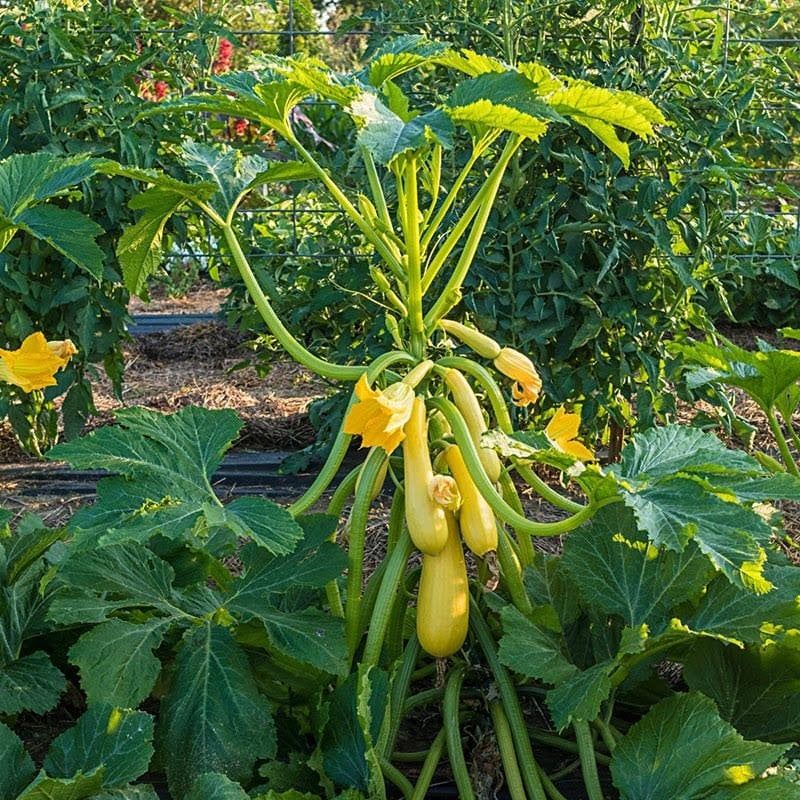
Summer squash is closely related to zucchini and shares the same warm-soil requirements. Varieties like yellow crookneck and pattypan squash are popular in Oregon gardens, but they will not perform well if planted before the soil is ready.
Cold, wet soil common in Oregon springs can cause seeds to rot quickly and leave transplants vulnerable to root problems.
Timing your summer squash planting correctly means waiting until at least late May in Western Oregon and early June in cooler inland areas. The Rogue Valley near Medford tends to warm up faster in spring and can sometimes support earlier planting, but always verify with a soil thermometer.
Aiming for 60 degrees Fahrenheit as your minimum soil temperature is a reliable rule to follow across most of Oregon.
One great trick for Oregon gardeners is to use black plastic mulch or row covers to warm the soil a few weeks before planting. This can extend your growing season without putting young plants at risk.
Summer squash grows quickly and produces heavily, so even a late-May or early-June planting gives you plenty of harvest time before the Oregon fall arrives. Patience at the start leads to a much more productive garden all season long.
7. Pumpkins
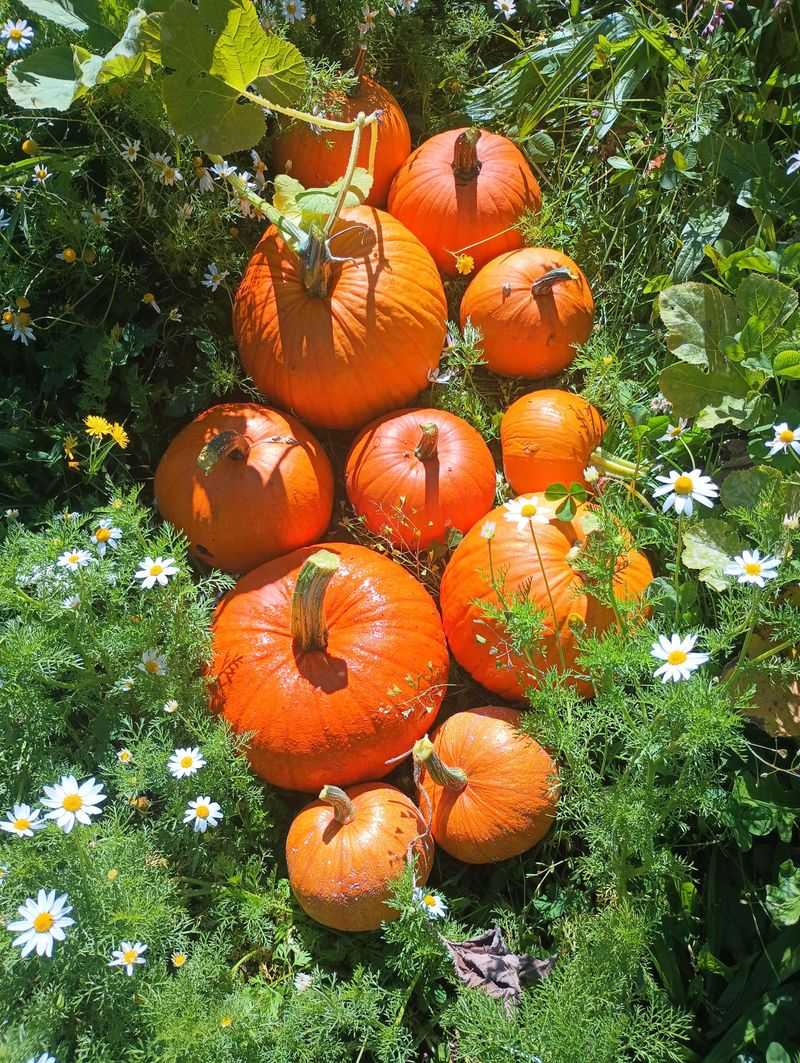
The thing with pumpkins is that they take a long time to mature, which makes many Oregon gardeners want to rush them into the ground as early as possible. That instinct is understandable, but planting too early almost always backfires.
Cold soil slows germination and leaves young plants open to fungal problems that thrive in cool, damp Oregon spring conditions. Soil needs to be at least 60 degrees before pumpkins go in the ground.
In most of Western Oregon, late May is the earliest safe planting window for pumpkins. In the Willamette Valley, aim for late May to early June.
Central Oregon gardeners near Bend should wait until early June at the soonest, since cold nights can persist well into spring in that region. Starting seeds indoors two to three weeks before transplanting can give you a small head start without exposing plants to cold soil too early.
Choose your pumpkin variety based on your growing season length. Shorter-season varieties work better in cooler parts of Oregon, while the Rogue Valley near Medford offers enough warmth for larger, longer-maturing types.
Give pumpkins plenty of space, rich soil, and consistent moisture. Once they get going, they spread fast and reward Oregon gardeners with a spectacular fall harvest worth every bit of the wait.
8. Green Beans
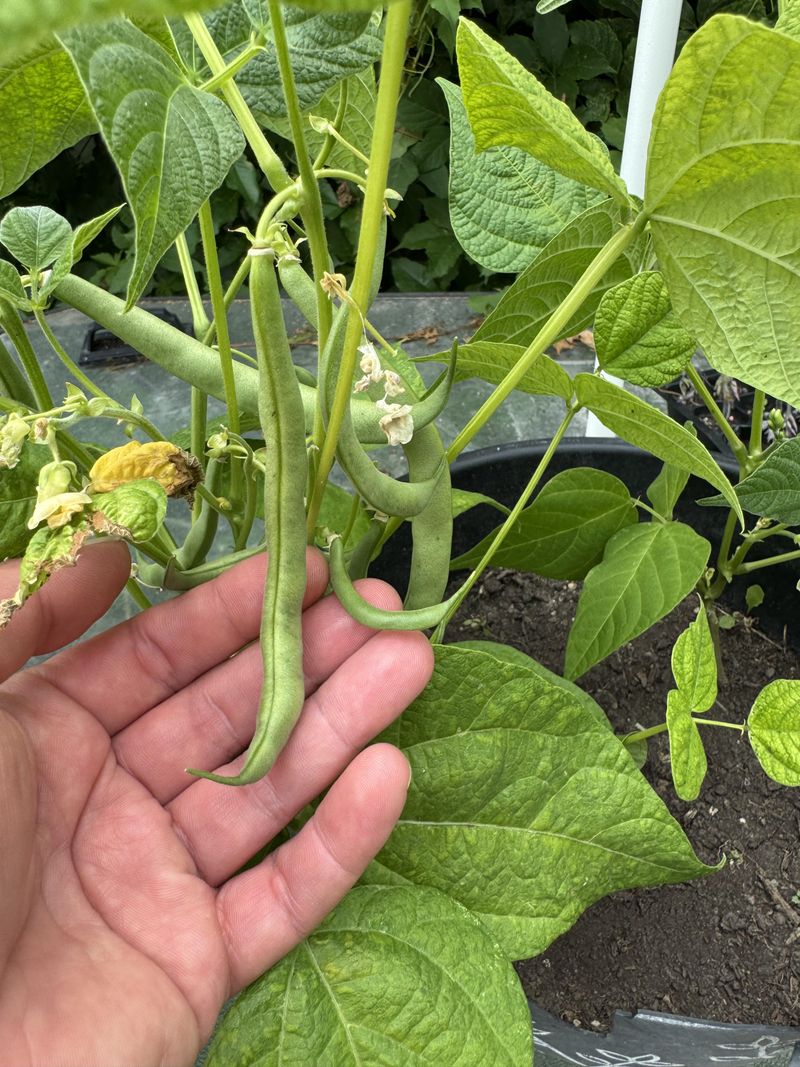
Green beans are a warm-season crop that many gardeners assume are tough enough to handle cool conditions. In reality, bean seeds planted in cold Oregon soil will either rot before sprouting or emerge weak and vulnerable to disease.
Soil temperature should be at least 60 degrees Fahrenheit before you direct sow green beans outdoors. Anything cooler than that and germination rates drop sharply.
Across most of Western Oregon, including Portland and the Willamette Valley, late May is the target window for planting green beans. In areas like Bend or other parts of Central Oregon, waiting until early June is the smarter call.
Green beans grow quickly once the soil warms up, so there is no real benefit to rushing them. A seed planted in warm soil will sprout in just five to eight days and grow vigorously from the start.
Green beans do not like having their roots disturbed, so direct sowing is almost always better than transplanting. Plant seeds about one inch deep and two to four inches apart in rows or blocks.
Keep the soil moist but not waterlogged, especially during germination. Bush varieties are a great low-maintenance choice for Oregon gardens, while pole varieties need a trellis but produce longer and heavier harvests throughout the summer season.