Don’t Wait Too Long To Plant These California Plants This Spring
Spring in California has a sneaky way of making you feel like there is plenty of time. A few warm days roll in, the garden centers look irresistible, and suddenly planting season feels like it will last forever.
Spoiler: it will not. Some plants really need to get settled before the heat shows up and starts throwing its weight around.
Wait too long, and you are asking tender roots to survive blazing sun, dry soil, and a rough start they may never fully recover from.
That is why timing matters so much, especially in a state where spring can shift into summer mode with very little warning.
Getting these plants in the ground at the right moment gives them a better chance to establish, grow strong, and actually look good when the hotter months arrive. A little urgency now can save you a lot of stress later, and your garden will be much happier for it.
1. Foothill Penstemon
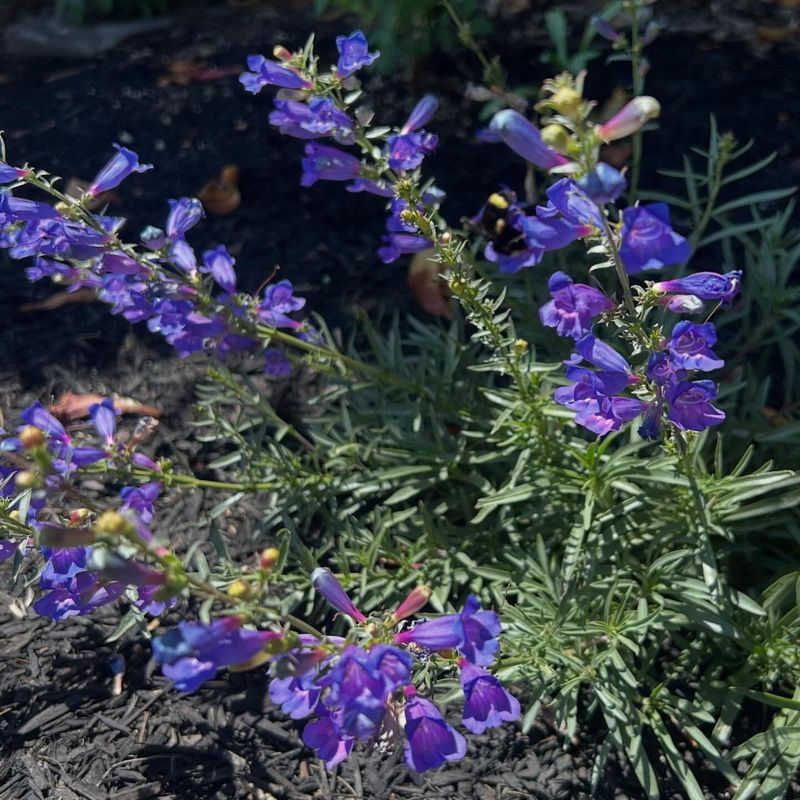
There’s something almost wild and beautiful about Foothill Penstemon. It grows tall, proud stalks covered in tubular flowers that range from lavender to deep purple-pink.
Hummingbirds can’t resist it, and honestly, neither can gardeners who see it for the first time.
This plant is native to California’s foothills and thrives in dry, rocky, or sandy soil. It prefers full sun and handles drought conditions like a champ once established.
That makes it a smart pick for low-water gardens across the state.
Plant it in early spring so its roots have time to spread before summer arrives. Give it space because it can grow two to four feet tall.
Avoid overwatering, as soggy soil is one of the few things it doesn’t tolerate well.
Foothill Penstemon pairs beautifully with other California natives like Buckwheat or Salvia. Together, they create a layered, natural-looking garden that attracts pollinators from spring through fall.
Gardeners in the foothills, valleys, and coastal regions of California will find this plant easy to grow. It asks for very little and gives back a lot.
Get it in the ground early this spring for the best results.
2. Monkeyflower
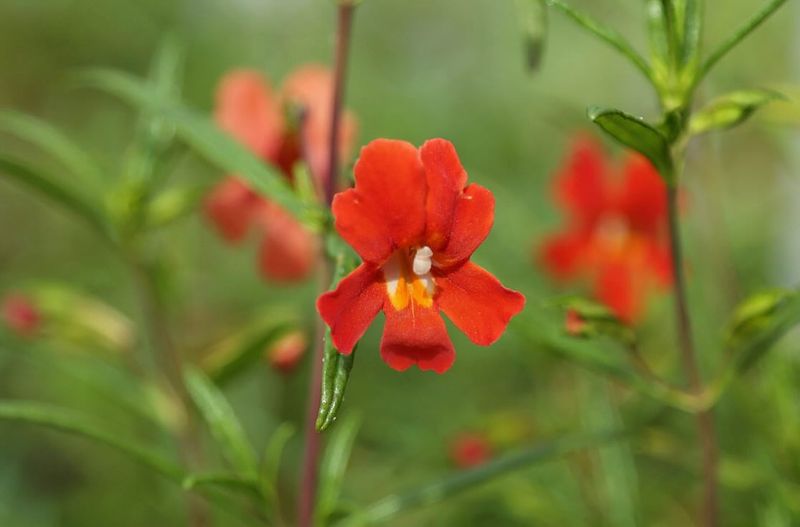
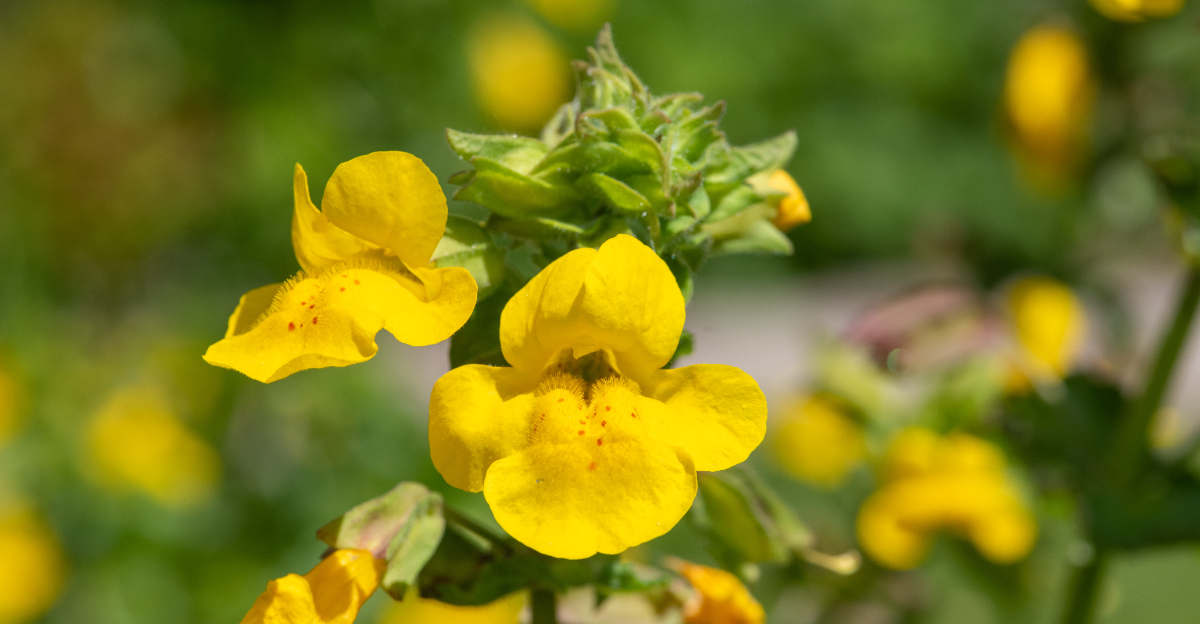
Few plants light up a California garden quite like Monkeyflower. Its cheerful blooms range from soft yellow to fiery orange, and when planted in early spring, it puts on a show that lasts for weeks.
This native plant is perfectly built for California’s climate.
Monkeyflower thrives in spots with full sun to partial shade. It does especially well near slopes, rocky areas, or garden beds with decent drainage.
You don’t need perfect soil. In fact, it prefers lean, well-draining ground over rich, heavy soil.
Water it regularly when it’s getting established, then ease back as the season warms. Once it’s settled in, Monkeyflower is surprisingly low-maintenance.
It handles California’s dry spells better than most plants.
Pollinators absolutely love it. Bees and hummingbirds are drawn to those bright, tubular flowers all season long.
Planting it early in spring gives it time to root deeply before summer heat sets in.
If you’re gardening in Southern or Central California, this plant is a natural fit. It grows well in native plant gardens alongside other California classics.
Don’t wait too long, because once temperatures climb, getting it established becomes much harder.
3. California Poppy
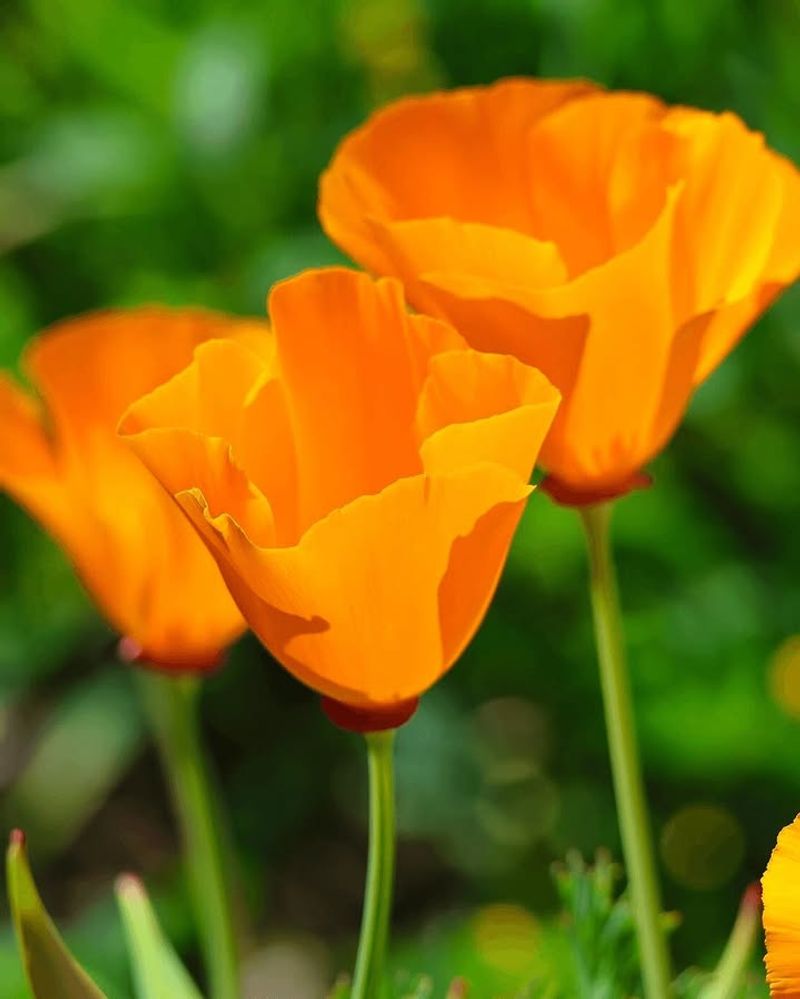
California’s state flower needs no introduction. The California Poppy is one of the most iconic wildflowers in the entire country, and spring is exactly when it shines brightest.
Those vivid orange petals are hard to miss, and they bring a burst of energy to any garden.
Sow seeds directly into the ground in early spring. Poppies don’t love being transplanted, so scattering seeds right where you want them to grow is the best approach.
They prefer full sun and well-draining soil with little to no fertilizer.
Once established, California Poppies are incredibly self-sufficient. They handle dry conditions well and will even reseed themselves year after year if you let them.
That means more blooms with less effort on your part.
They grow beautifully in Southern California, the Central Valley, and coastal areas. Mixing them with native grasses or other wildflowers creates a meadow-like look that feels natural and full of life.
Timing matters here. Plant too late and the summer heat will rush through their blooming cycle too quickly.
Early spring planting gives them the cool temperatures they need to put on their best show. Don’t miss this window.
4. Yarrow
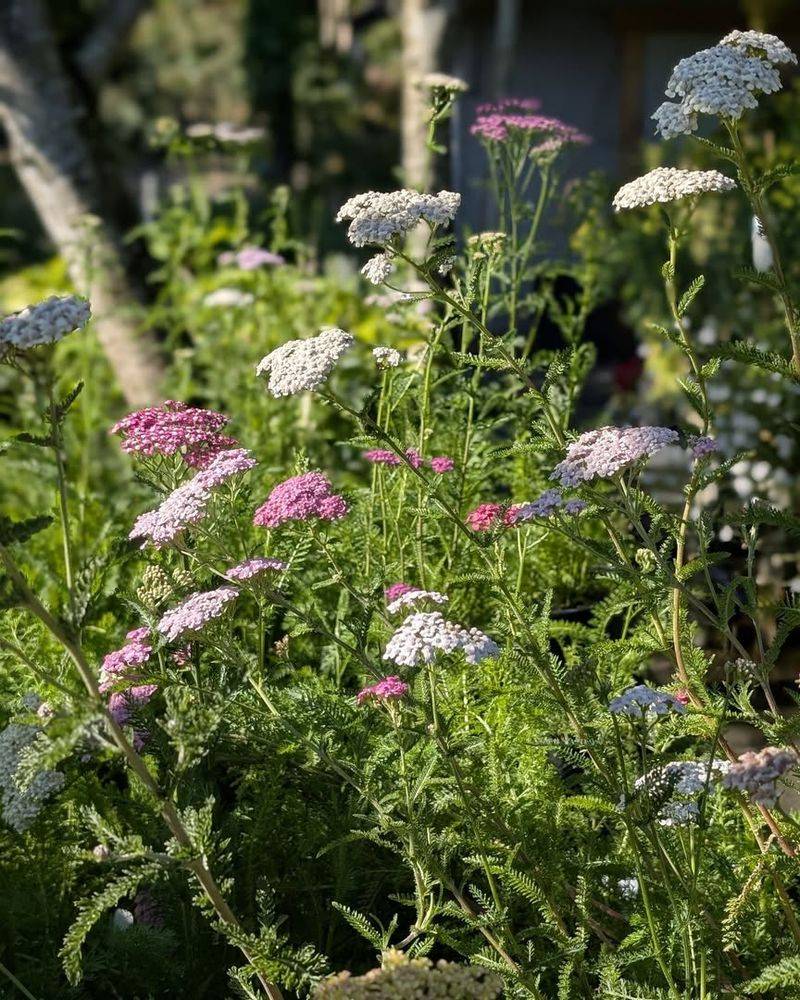
Yarrow has been growing across California for thousands of years, and there’s a very good reason it keeps coming back. It’s tough, adaptable, and genuinely beautiful in a subtle, wildflower kind of way.
Flat-topped clusters of tiny flowers bloom in shades of white, yellow, and pink.
Plant Yarrow in early spring in a sunny spot with well-draining soil. It grows well in both coastal and inland California gardens.
Once established, it spreads gradually to fill in garden beds with a soft, feathery texture.
One of the best things about Yarrow is how little water it needs. It’s a strong performer in drought-prone areas, making it a responsible and smart choice for California gardeners.
Cut it back after blooming to encourage a second flush of flowers.
Butterflies, bees, and beneficial insects flock to Yarrow all season long. It also works well as a cut flower if you want to bring some of that garden color indoors.
Yarrow pairs nicely with California Fuchsia and Salvia in mixed native plant beds. The combination of textures and colors looks stunning through spring and into summer.
Getting it planted early gives it the best chance to spread and establish before the dry season hits.
5. Cleveland Sage
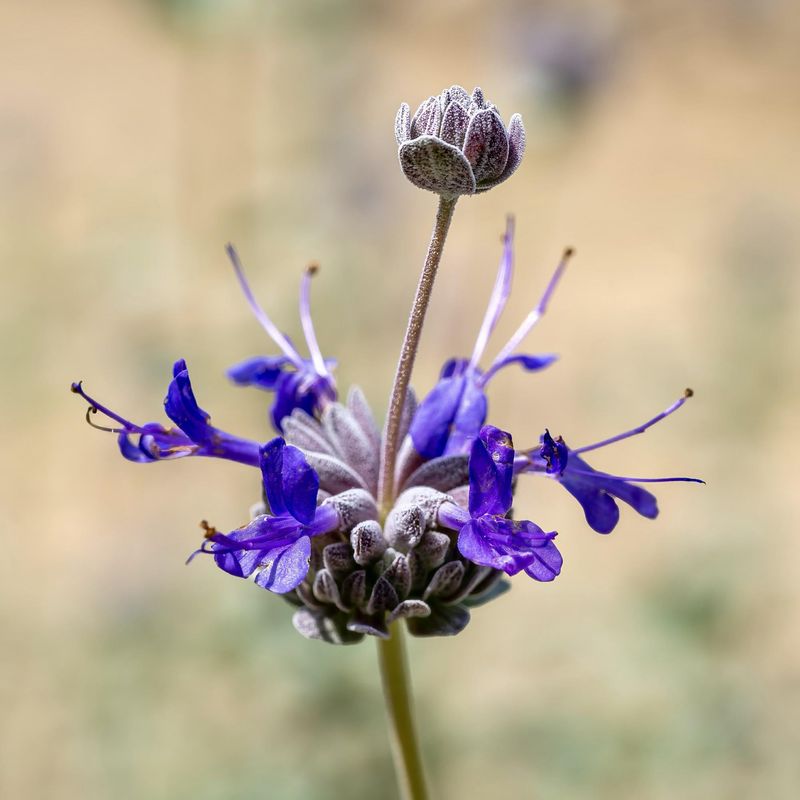
Walk past Cleveland Sage on a warm spring morning and you’ll immediately understand why gardeners love it. The scent alone is enough to stop you in your tracks.
It’s earthy, herbal, and unmistakably California. This shrubby native is as practical as it is beautiful.
Cleveland Sage grows best in full sun and thrives in dry, rocky, or sandy soil. It’s native to Southern California and Baja California, so it’s well-suited to the warm, dry conditions found throughout much of the state.
Plant it early in spring to give it a full season to settle in.
Water it lightly at first, then reduce watering as it establishes. Overwatering is the most common mistake people make with this plant.
Once it’s rooted in, Cleveland Sage is remarkably drought-tolerant and low-maintenance.
The blue-purple flower whorls that appear in spring are a magnet for hummingbirds and native bees. The silvery-green foliage looks attractive even when it’s not in bloom, giving the garden year-round visual interest.
It works beautifully as a border plant or a focal point in a native California garden. Pair it with Buckwheat or California Poppy for a stunning, water-wise combination.
Plant early and enjoy the rewards all season long.
6. California Fuchsia
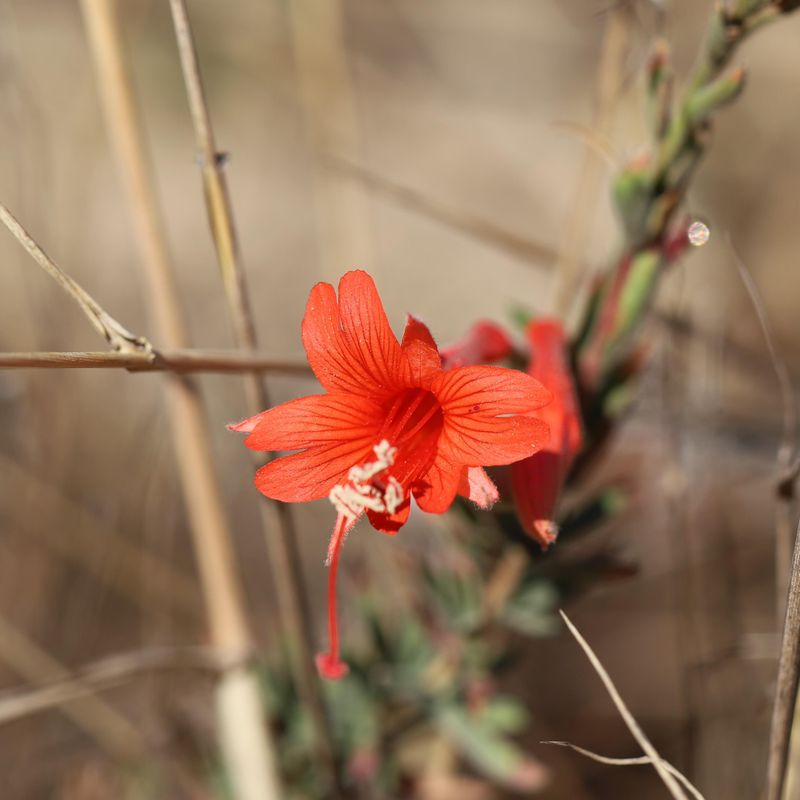
If you want to keep hummingbirds coming to your California garden all season long, California Fuchsia is your best friend. Those brilliant red-orange tubular flowers are practically designed to attract them.
It’s one of the most rewarding plants you can add to a native garden.
Also known as Epilobium canum, this plant loves full sun and dry conditions. It grows low and spreading, making it a great ground cover for slopes, borders, or dry garden beds.
Plant it in spring while the soil is still workable and temperatures are mild.
California Fuchsia is incredibly drought-tolerant once established. In fact, it performs best with minimal summer water.
Too much irrigation can actually cause problems, so less is more once it’s settled in.
It blooms from late summer into fall, which makes it a valuable plant for extending garden color past the spring season. Getting it in the ground early gives it plenty of time to develop strong roots before that late-season bloom arrives.
Across California, from coastal gardens to inland valleys, this plant thrives with very little fuss. Cut it back hard in late winter to encourage fresh, healthy growth.
It’s a tough, cheerful plant that asks very little and delivers a lot.
7. Buckwheat
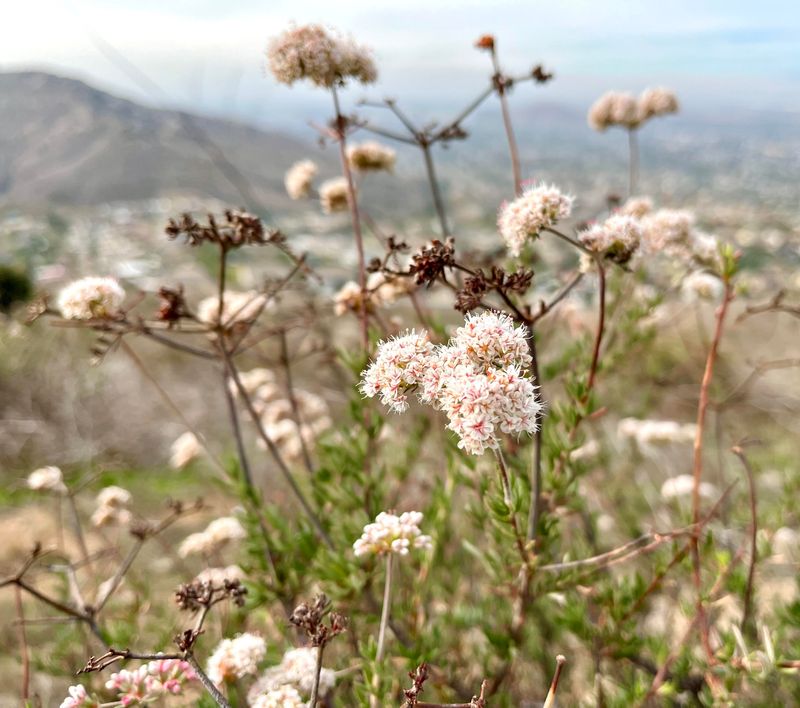
Buckwheat might not be the flashiest plant on this list, but it’s one of the most important ones for California’s ecosystem. Native Eriogonum species support hundreds of butterfly and bee species.
Getting it in the ground early this spring is one of the best things you can do for your local pollinators.
It grows naturally on dry hillsides, coastal bluffs, and open chaparral across California. That means it’s perfectly adapted to lean, well-draining soil and full sun.
Rich, moist soil is actually not what this plant wants at all.
Plant Buckwheat in early spring when the ground is easy to work. Water it regularly for the first few weeks, then back off as it gets established.
By summer, it should need very little supplemental water.
The flower clusters start out creamy white, then shift to rust and copper tones as they age. That color change adds a dynamic, evolving look to the garden throughout the season.
Leaving the dried flower heads on the plant also provides seeds for birds.
Buckwheat pairs well with Cleveland Sage, Yarrow, and California Poppy in a low-water native planting. It’s one of the most versatile and ecologically valuable plants available to California gardeners.
Don’t overlook it this spring.
8. Douglas Iris
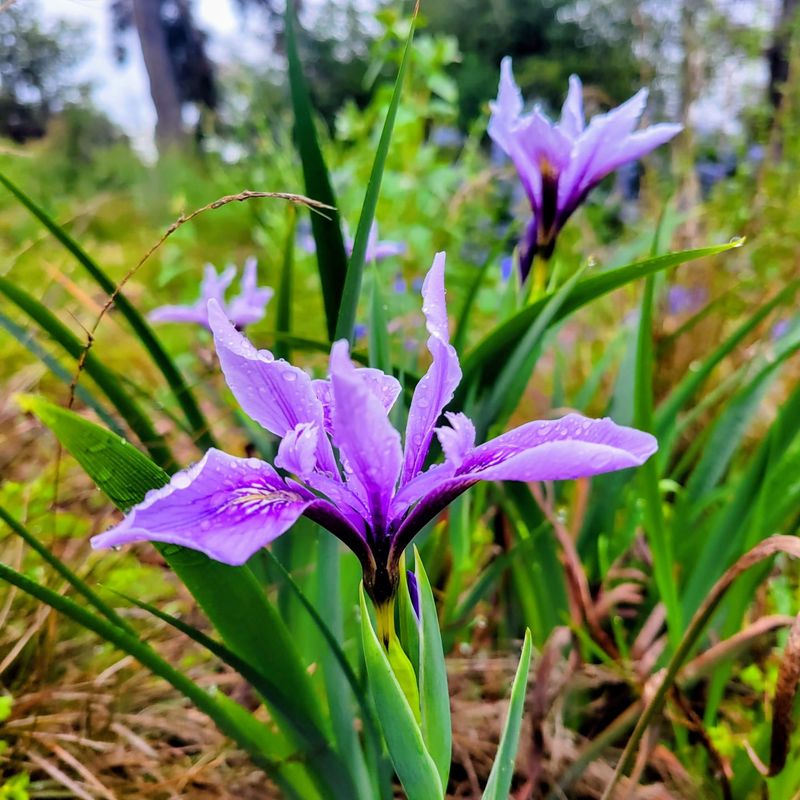
Some plants feel like they belong to another era, and Douglas Iris is one of them. Its elegant, delicate blooms in shades of purple, blue, lavender, and cream have a timeless quality that feels right at home in a California coastal garden.
It’s a native beauty worth knowing. Douglas Iris grows naturally along the coast and in woodland areas of Northern and Central California.
It prefers partial shade, which makes it one of the few California natives that actually thrives in shadier garden spots.
That alone makes it valuable for tricky planting areas.
Plant it in early spring in well-draining soil with some organic matter mixed in. It doesn’t need heavy watering once established, and it actually prefers a dry summer rest period.
Avoid planting it in areas with heavy summer irrigation.
The blooms typically appear from late winter through spring. Getting it planted early gives you the best chance of catching those gorgeous flowers in their first or second season.
It clumps and spreads slowly over time, filling in garden beds with graceful, grass-like foliage.
Pair it with Coral Bells or shade-tolerant ferns for a layered, woodland-inspired look. Douglas Iris is a quiet showstopper that rewards patient gardeners across California with reliable, beautiful blooms year after year.
9. Coral Bells
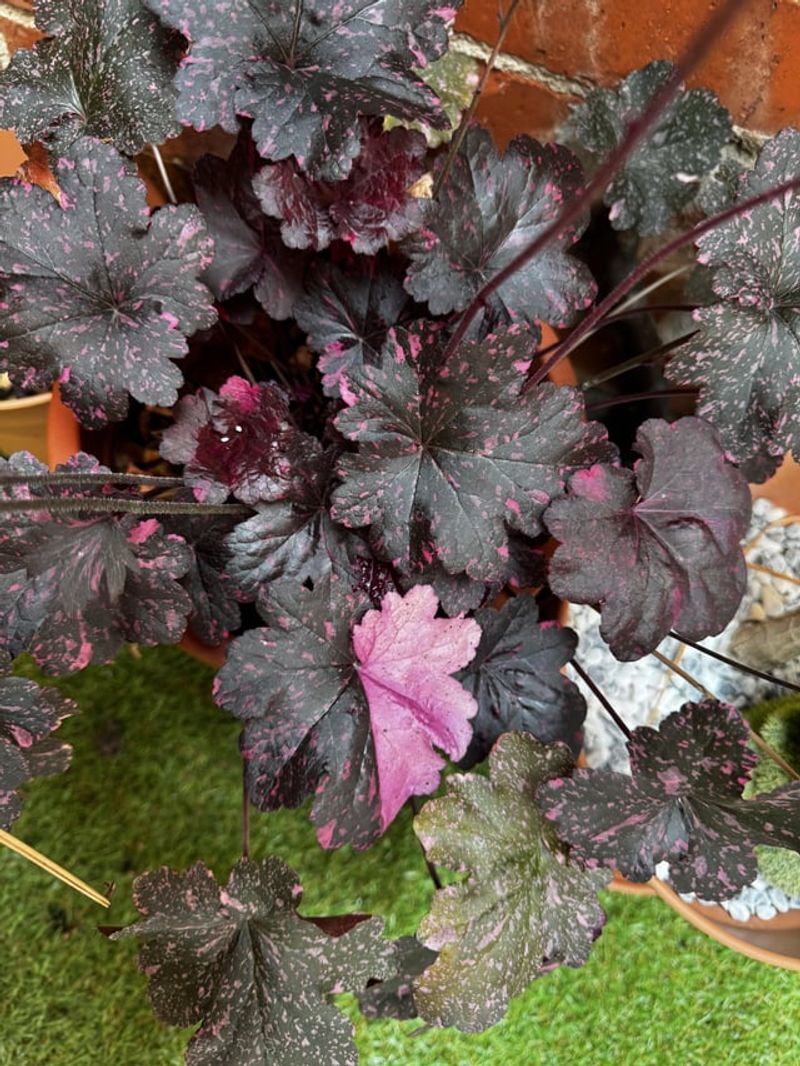
Coral Bells bring something special to the garden that goes beyond just flowers. The foliage alone is worth planting for, with colors ranging from deep burgundy and bronze to lime green and silver.
It’s a plant that looks good even when it’s not blooming.
Known botanically as Heuchera, Coral Bells are well-suited to California gardens in both coastal and inland regions. They prefer partial shade but can handle morning sun in cooler areas.
Plant them in early spring for the strongest start to the season.
Good drainage is important. Coral Bells don’t like sitting in wet soil, so amend heavy clay with compost before planting.
Once settled, they’re relatively low-maintenance and reward you with delicate, wiry stems topped with tiny bell-shaped flowers.
Hummingbirds are drawn to those small flowers, especially the red and coral varieties. The blooms appear in late spring and early summer, adding a soft, airy element to garden beds and borders.
Coral Bells work beautifully as a ground cover under trees or alongside Douglas Iris and Yarrow. They’re also fantastic in containers on patios and porches.
Getting them established early in spring means they’ll be hitting their stride right when you want to spend the most time outdoors in your California garden.
10. Salvia
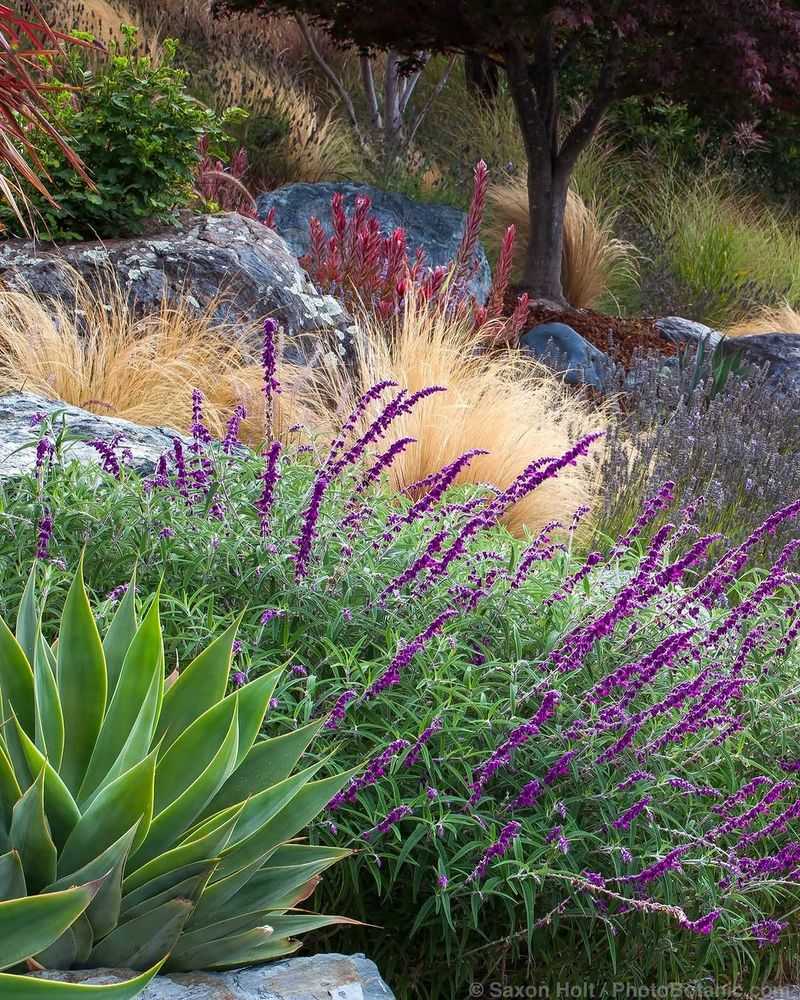
Ask any experienced California gardener which plant they’d never go without, and Salvia will come up again and again. It’s reliable, stunning, and incredibly versatile.
With dozens of native and adapted varieties available, there’s a Salvia for almost every garden situation in California.
Most Salvias prefer full sun and well-draining soil. They’re built for California’s warm, dry climate and handle summer heat with ease once established.
Spring is the ideal time to plant because cooler temperatures help new plants settle in before the heat of summer arrives.
Water new plants regularly for the first few weeks, then taper off as roots develop. Established Salvias are drought-tolerant and actually prefer drier conditions.
Pruning them back lightly after the first bloom flush encourages a second wave of flowers later in the season.
The tall flower spikes in shades of purple, blue, red, and white are magnets for hummingbirds, bees, and butterflies. Few plants do more for California’s pollinators than native Salvia species.
That ecological value is just as important as the visual appeal.
Whether you’re planting in a small urban garden in Los Angeles or a sprawling backyard in the Sacramento Valley, Salvia fits right in. It’s a backbone plant for any California native or low-water garden. Plant it early and watch it thrive all season long.