Dormant Or Winter-Damaged? A Michigan Gardener’s Quick Plant Check
Michigan spring can feel ruthless. Snow melts, the sun comes out, and your garden looks…finished.
Brown stems. Brittle branches. Perennials that seem like they never made it through winter.
One glance can convince you that months of cold erased everything.
That first impression often lies. Many plants across Michigan’s Upper and Lower Peninsulas simply rest longer than expected, even after warmer days return. Others carry real winter damage that needs attention before new growth begins.
Telling the difference matters more than most gardeners realize.
A quick decision too early can mean pulling a plant that was days away from recovery. It can also mean hanging on to something that will never bounce back.
The answer comes from close observation. Stems, buds, bark, and soil all offer clear clues. Read those signs correctly, and you protect your investment and give your garden the strong start it deserves.
1. The Real Signs Of Dormancy In Michigan Gardens
Dormancy works as a built-in survival system that allows plants to handle long stretches of cold. During Michigan winters, hardy shrubs, trees, and perennials slow their internal processes to conserve energy and protect vital tissues.
What shows above ground during early spring often reflects that pause rather than any real damage.
That dull, brown appearance many plants carry into April can feel discouraging, yet it often signals nothing more than a delayed wake-up. Beneath the surface, roots remain intact, and internal systems are still capable of supporting new growth once temperatures rise.
Moisture remains present within living tissue, which allows plants to respond when conditions improve.
A closer look reveals more encouraging details. Buds along stems tend to feel firm and full, even when they have not opened.
Stems often bend slightly under pressure instead of snapping, and the layer just beneath the bark usually shows a green or pale creamy color when lightly scratched. These subtle signs indicate that the plant is still active at a cellular level, even if visible growth has not started.
Timing varies across Michigan. In colder areas, especially in the Upper Peninsula, visible growth may not appear until late May.
That slower pace reflects local conditions rather than a problem. Recognizing these patterns helps prevent unnecessary removal and allows plants the time they need to resume growth naturally.
2. How Michigan Winters Make Spring Plants Hard To Read
Spring in Michigan rarely follows a smooth transition. Temperatures can rise into the 50s for several days, then drop sharply below freezing with little warning.
Those sudden shifts affect how plants respond and make early-season evaluation more complicated than it first appears.
Warm spells in late winter or early spring can encourage buds to swell or begin opening. When colder temperatures return, that tender growth may show visible damage.
Leaves may darken, tips may shrivel, and stems may look stressed. While that appearance can seem severe, it often affects only the outermost growth rather than the entire plant.
Soil conditions add another layer to the situation. Even when the air feels mild, the soil below can remain cold for weeks longer.
Roots respond primarily to soil temperature, not air temperature, which means plants may stay inactive even during stretches of warmer weather. Areas with heavy clay, poor drainage, or limited sunlight tend to warm more slowly, delaying growth further.
Small differences across a yard can create noticeable variation. One plant may receive more sunlight or wind protection and begin waking earlier, while another just a few feet away remains dormant longer.
Recognizing how these microclimates affect timing helps explain why plants do not always respond uniformly, even when they are the same species.
3. The Scratch Test Reveals Hidden Signs Of Life
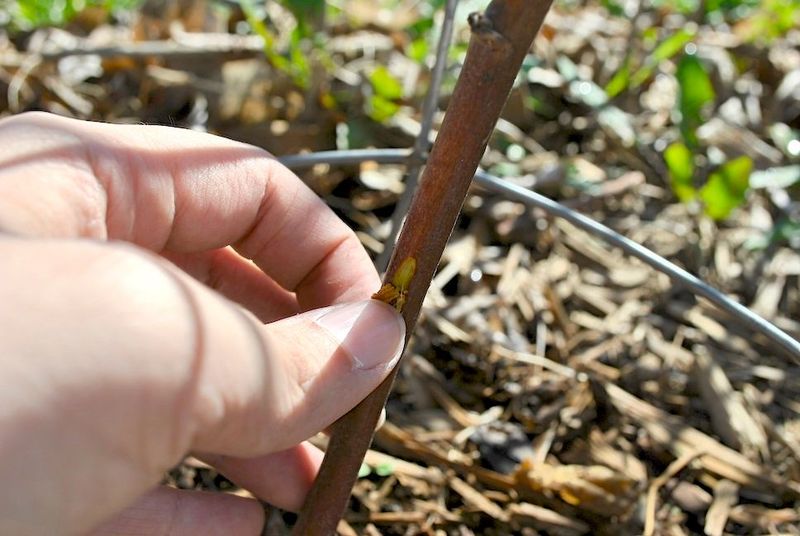
A simple test can bring clarity when a plant’s condition is uncertain. Lightly scratching the surface of a stem reveals what is happening beneath the outer layer and offers a quick way to check for living tissue.
Using a fingernail or a small blade, gently remove a thin layer of bark. The color and texture underneath provide useful information.
Green or light tan tissue that feels slightly moist suggests the plant is still alive and capable of recovery. Brown, dry, and crumbly material usually indicates that portion has not survived winter conditions.
Start near the tips of branches and gradually move downward. Damage often appears first at the outer edges, especially after periods of extreme cold or sudden temperature drops without consistent snow cover.
It is common to find that only the upper portions of a plant are affected, while lower sections remain healthy.
Finding living tissue further down is a positive sign and usually means the plant can recover with minimal pruning. Checking several areas instead of relying on a single spot gives a more accurate understanding of overall condition.
This quick check removes much of the guesswork from early spring decisions. Instead of relying on appearance alone, you gain a clearer picture of what is happening beneath the surface.
4. Buds, Stems, And The Subtle Signs Of Life That Matter
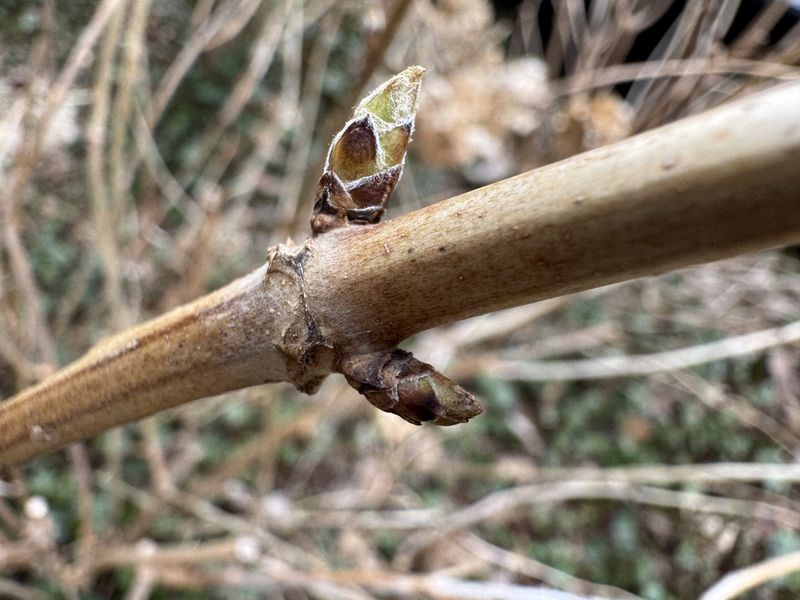
Small details often tell the most accurate story. Buds and stems provide reliable clues about how a plant handled winter and what to expect as temperatures rise.
Healthy buds remain firm and tightly closed. Their outer surface may appear dry or brown, yet that layer serves as protection while the inner tissue stays organized and ready to expand.
Soft, shriveled, or missing buds often indicate stress or damage.
Looking across different parts of the plant helps identify patterns. Buds near the tips of branches tend to experience the most exposure during winter and often show the first signs of stress.
Buds closer to the main stem or crown benefit from greater protection and are more likely to remain intact.
Stems offer another clear signal. Living stems bend slightly when pressure is applied, while damaged ones tend to snap cleanly and reveal a dry interior.
This contrast becomes more noticeable when comparing multiple sections of the same plant.
Evaluating buds and stems together provides a more complete understanding than relying on a single indicator. Taking a few extra moments to check several areas can help you avoid unnecessary pruning or removal and gives you a better sense of how the plant is likely to respond in the coming weeks.
5. Brown Doesn’t Always Mean Dead In Michigan Landscapes
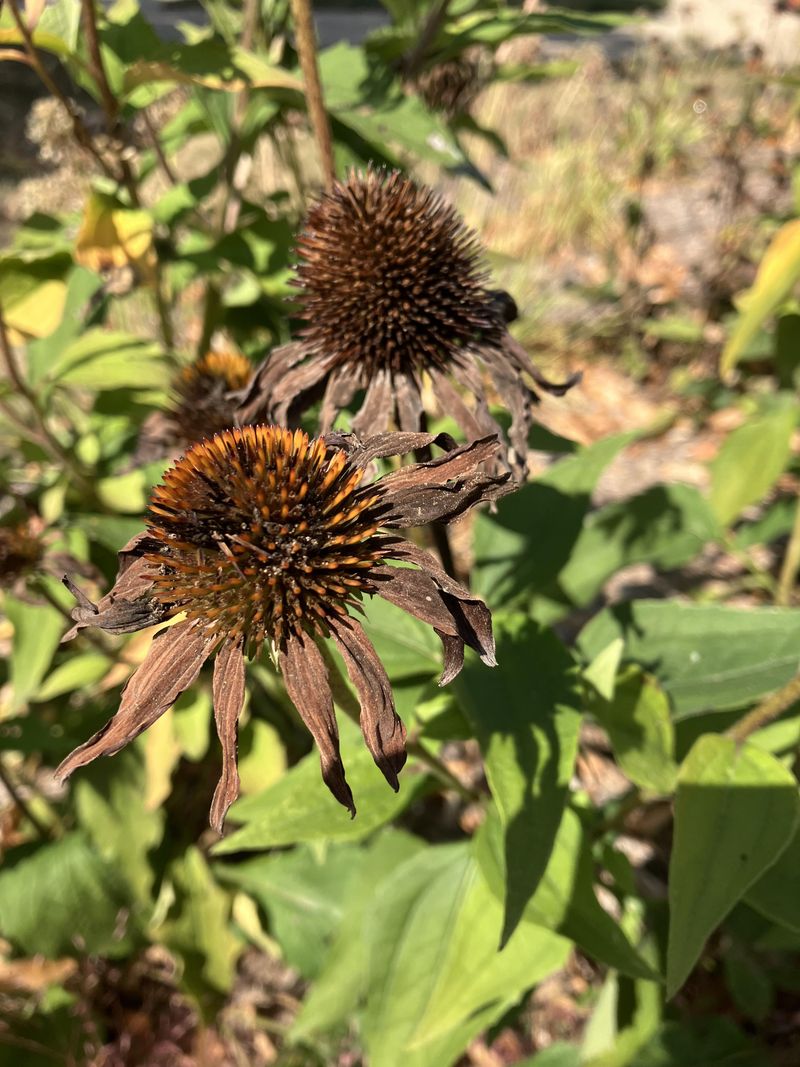
Early spring across Michigan tends to look muted, with shades of tan and brown dominating most garden spaces. That appearance can create concern, especially when plants that once filled the yard with color now seem lifeless.
In many cases, that brown exterior is not a warning sign but a normal part of how plants move through winter.
Many perennials hold onto dried stems and seed heads throughout the colder months. Ornamental grasses, coneflowers, and black-eyed Susans all follow this pattern.
Those structures help protect the crown of the plant from temperature swings while also providing shelter for wildlife during winter.
The real indicator of health sits closer to the soil surface. Moving aside loose debris or mulch around the base of a plant often reveals early signs of growth.
Small green shoots, reddish tips, or firm growth points emerging from the crown signal that the plant has come through winter and is preparing to grow again.
Hostas offer a clear example. They disappear completely during winter, leaving no visible trace above ground.
Their return begins below the surface, and early signs can be easy to miss without a closer look.
Focusing only on what is visible above ground can lead to the wrong conclusion. Paying attention to the base of the plant provides a more accurate picture and helps prevent removing plants that are already on their way back.
6. Clear Signs Of True Winter Damage You Shouldn’t Ignore
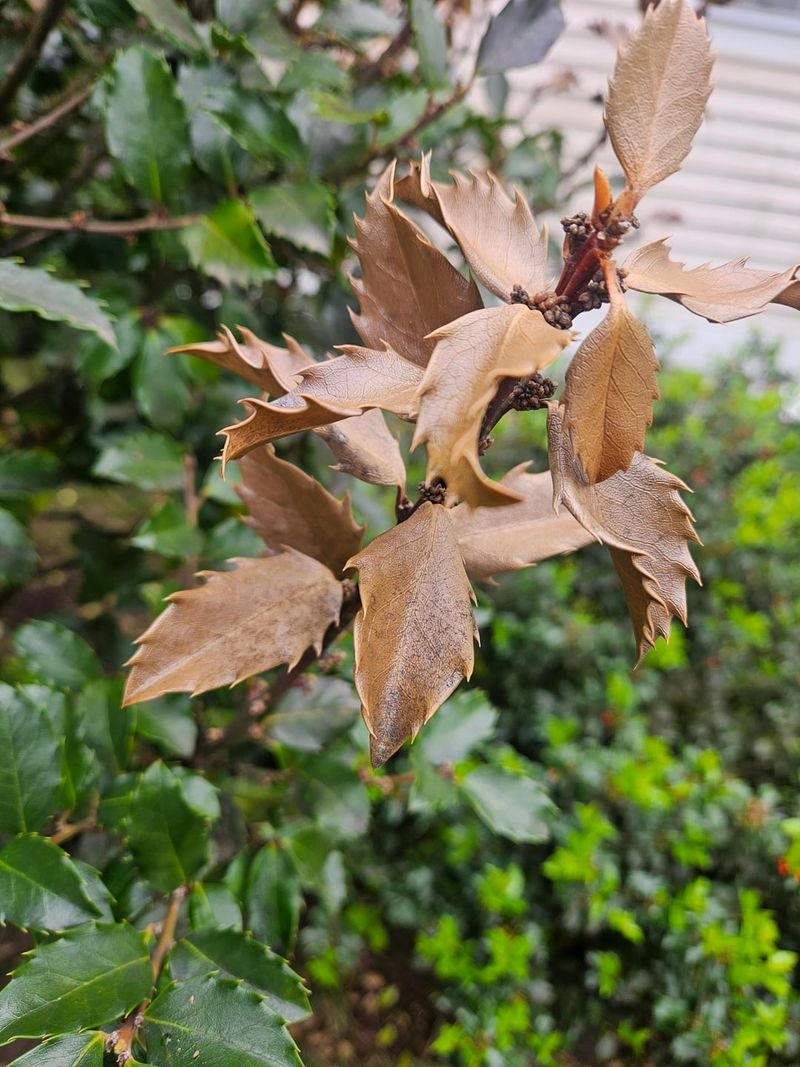
Some patterns point more clearly toward actual winter damage and deserve closer attention. While many plants recover with time, certain symptoms suggest deeper issues that may not resolve on their own.
Stems that snap easily without any flexibility, bark that splits or peels along branches, and buds that appear shriveled or discolored all indicate stress beyond normal dormancy. These signs often appear after extended exposure to cold, drying winds, or sudden temperature changes.
Desiccation remains one of the most common forms of winter damage, especially in broadleaf evergreens such as boxwood, rhododendron, and holly. Winter winds can pull moisture from leaves faster than frozen roots can replace it, leaving foliage browned or curled.
Damage often shows more heavily on the side of the plant exposed to prevailing winds.
Below the surface, freeze-thaw cycles can lead to frost heaving. As soil expands and contracts, shallow roots may be pushed upward, exposing them to air and temperature swings.
Plants affected by this process may appear slightly lifted or unstable in the soil.
Gently pressing those plants back into place and adding a light layer of mulch can help stabilize them. Addressing visible damage early allows you to decide whether pruning or replacement will be needed as the season progresses.
7. Timing Matters Before You Cut Anything Back
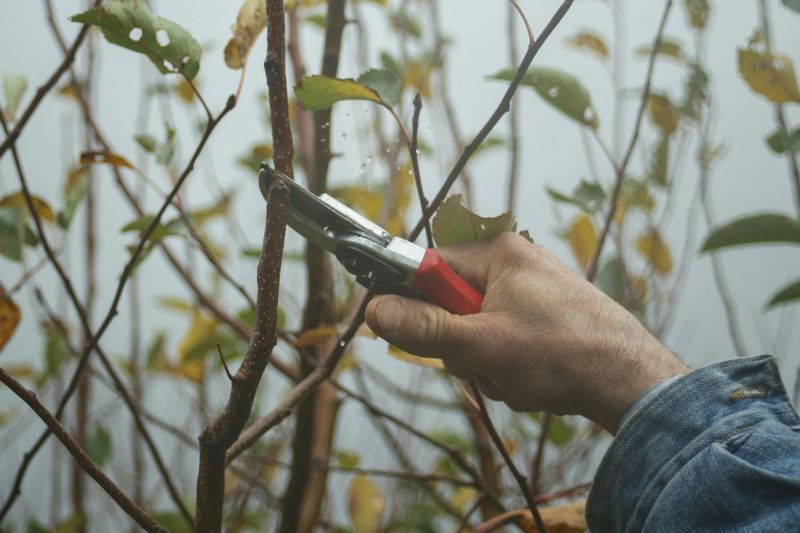
The first stretch of mild weather can make it tempting to reach for pruning tools right away. Holding off just a bit longer often leads to better results, especially in Michigan where spring conditions remain unpredictable for weeks.
Cutting too early can remove parts of a plant that are still in the process of recovering. Growth that looks slow or uneven in April may begin to fill in once temperatures stabilize.
Removing it too soon limits that opportunity.
Fresh cuts also remain exposed to late-season cold snaps. Frost can still occur well into May across many parts of Michigan, particularly in northern areas.
Newly cut stems may struggle to recover if exposed to those conditions.
Waiting until clear signs of new growth appear provides a better guide. Emerging shoots help identify which parts of the plant are still active and where cuts can be made without removing healthy tissue.
Spring-blooming shrubs require even more care. Plants such as lilac, forsythia, and viburnum form their flower buds during the previous growing season.
Early pruning removes those buds before they have a chance to open.
Allowing these plants to bloom before shaping them supports both plant health and seasonal color. Careful timing helps preserve growth while reducing unnecessary stress.
8. Michigan Plants That Wake Up Later Than Expected
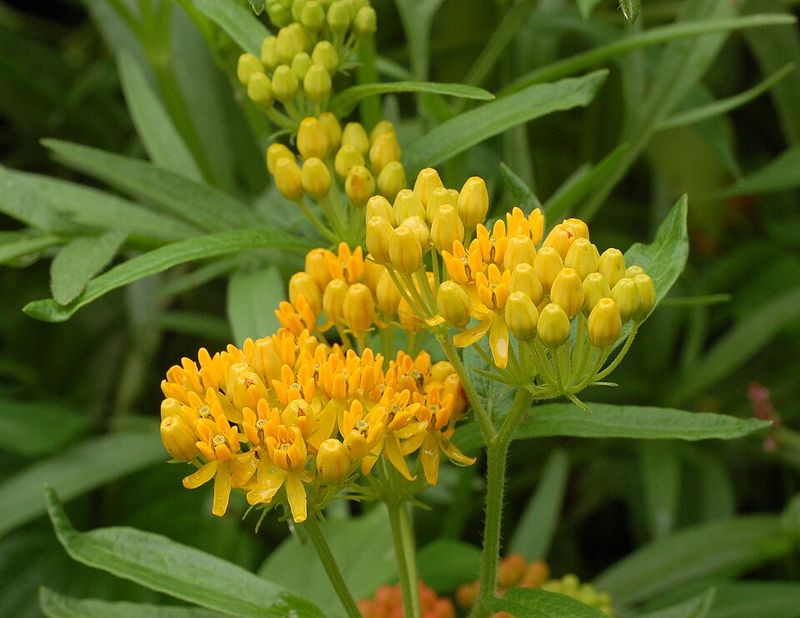
Some plants follow a slower timeline, and recognizing that pattern can prevent unnecessary concern. In Michigan gardens, several perennials consistently emerge later than others, even when conditions seem ready for growth.
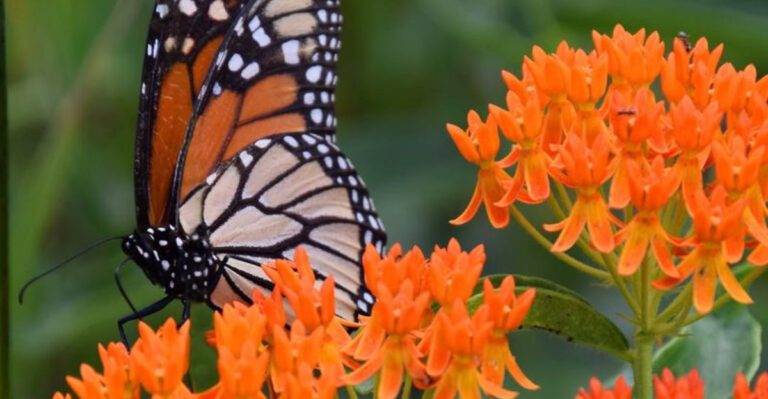
Butterfly weed stands out as one of the most delayed. It often remains completely dormant through much of May and sometimes into early June before sending up new shoots.
That delay can easily be mistaken for winter loss.
Other plants such as blue wild indigo, hardy hibiscus, and balloon flower also take their time. Their growth begins only after soil temperatures reach a level that supports steady development.
Until then, the plant may show no visible activity at all.
Marking plant locations during the previous fall can help avoid confusion. Without a visual reminder, it becomes easy to disturb or remove areas that simply have not emerged yet.
A small stake or marker keeps those spots protected.
Conditions vary widely across Michigan. In the Upper Peninsula, cooler soil temperatures can delay emergence even further compared to southern areas.
Plants that appear in April in one region may not show up until weeks later in another.
Understanding these differences helps set realistic expectations and reduces the urge to act before a plant has had enough time to respond.
9. Knowing When It’s Time To Replace A Plant And Move On

After careful observation and a bit of patience, there are times when a plant shows no signs of recovery. Recognizing that point allows you to move forward without hesitation and focus on what will work better in your space.
A plant that shows no green tissue during a scratch test, produces no new growth well into late spring, and has roots that feel dry or brittle when checked is unlikely to recover. At that stage, holding on often delays progress in the rest of the garden.
Rather than viewing that outcome as a setback, it can serve as useful insight. Each garden has its own conditions shaped by soil type, drainage, sun exposure, and wind patterns.
A plant that struggled through winter may not have been well suited to that specific location.
Replacing it with a variety better adapted to your environment can lead to stronger results in the seasons ahead. Cold-hardy selections and regionally adapted plants tend to perform more reliably across Michigan landscapes.
Local nurseries often carry plants that have proven themselves in similar conditions, making them a valuable resource when choosing replacements.
Gardens evolve over time, and adjusting plant choices based on real experience is part of building a space that continues to improve year after year.