Double Your Peace Lily Blooms In California With This Easy Pruning Method
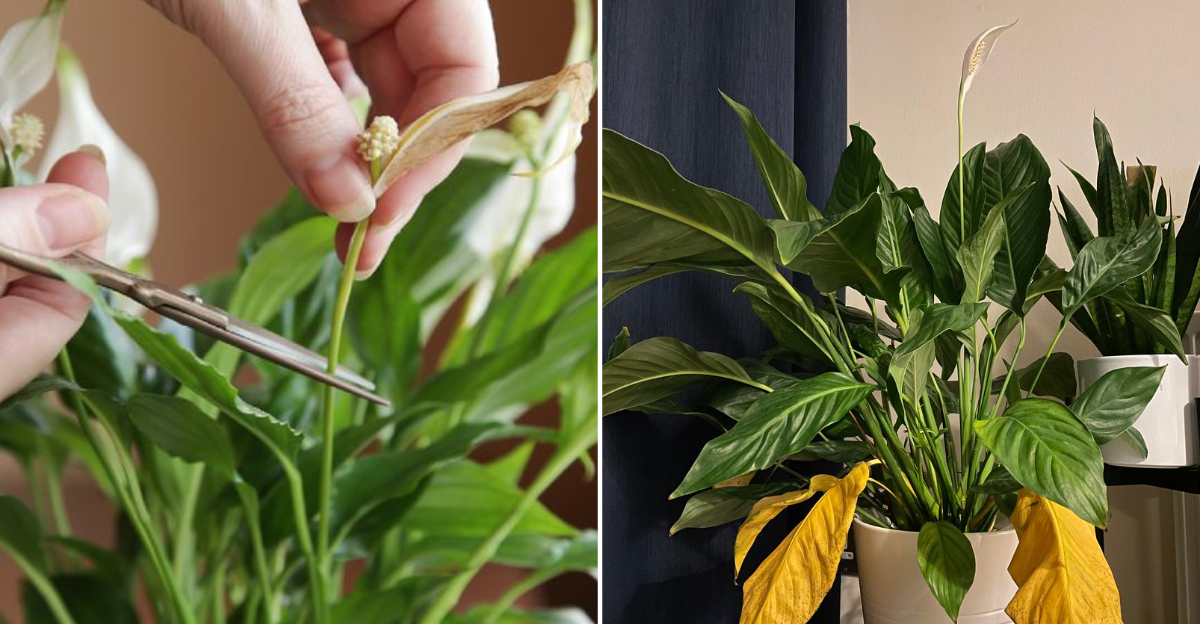
Peace lilies are a favorite for California homes because they’re low-maintenance and bloom beautifully. But many gardeners notice their flowers don’t last long or don’t appear as often as they’d like.
The good news? A simple pruning method can change that.
Pruning at the right time and in the right way encourages more blooms and keeps the plant healthy. It also helps maintain a tidy shape, making your peace lily look its best year-round.
California’s indoor conditions, bright indirect light and mild temperatures, make it easier for peace lilies to respond quickly to proper care. Even small adjustments in pruning technique can make a noticeable difference.
This easy method helps your peace lilies produce more flowers, stay strong, and brighten your space longer. With a little attention, you can enjoy double the blooms without extra effort.
1. Cut Spent Blooms For Healthier Growth
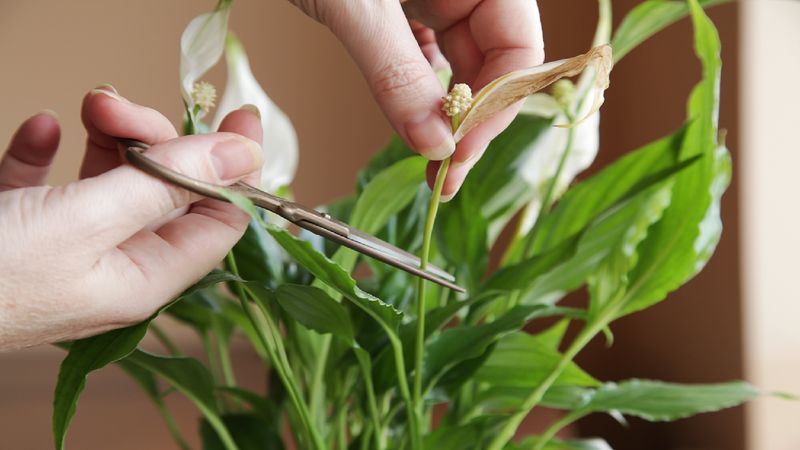
Many peace lily owners make the mistake of leaving faded flowers on the plant, thinking they might recover or bloom again. Unfortunately, once a peace lily flower turns green or brown, it will never whiten again.
Instead, your plant continues sending nutrients to that dying stalk, wasting energy that could fuel fresh blooms.
Learning to recognize spent blooms early is your first step toward encouraging more flowering. A healthy peace lily bloom starts out creamy white and gradually shifts to green as it ages.
Once you see this color change, the flower has finished its cycle. The spathe may also begin to droop or develop brown edges.
In California’s bright indoor spaces, peace lilies often bloom year-round, which means you need to stay vigilant about checking for spent flowers. Walk around your plant every week or two and inspect each bloom closely.
Look for any green tint, browning tips, or wilting appearance.
Catching spent blooms early prevents energy waste and signals to your plant that it’s time to produce new flower buds. This simple observation habit sets the foundation for all the pruning steps that follow.
Your peace lily will thank you by redirecting its resources into developing fresh, vibrant blooms instead of sustaining old ones that have already served their purpose.
2. Prune Stalks Down To The Base
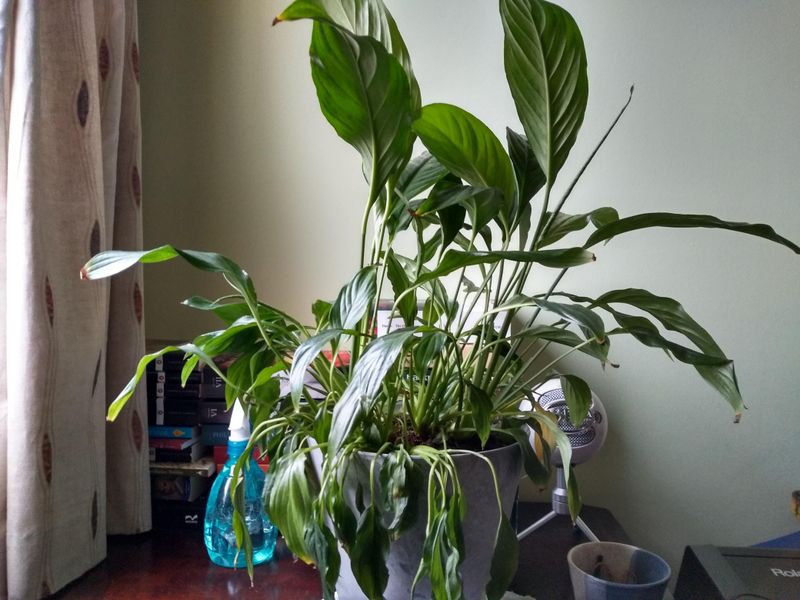
One of the most common pruning mistakes is cutting a spent flower stalk halfway down, leaving a stub sticking up from the foliage.
That leftover piece continues to use plant energy as it slowly dies back, and it can also become an entry point for bacteria or fungal infections.
Worse yet, it looks messy and clutters the plant’s appearance.
The correct approach is to trace each spent flower stalk all the way down to where it emerges from the base of the plant, right at the crown. Use your fingers to gently push aside the surrounding leaves so you can see exactly where the stalk originates.
Position your pruning shears or sharp scissors at that point, as close to the soil level as possible without damaging the crown itself.
Make a clean, angled cut in one smooth motion. Angled cuts heal faster and shed water better than blunt cuts.
Remove the entire stalk in one piece rather than snipping it in sections, which can leave ragged edges.
California’s dry indoor air means cut surfaces dry quickly, reducing infection risk, but clean cuts still matter. After removing the stalk, check that no stub remains.
The cut end should sit flush with the crown area. This complete removal tells your peace lily to stop investing in that stalk and start budding new flowers instead, dramatically increasing your bloom count over time.
3. Remove Yellowing Leaves
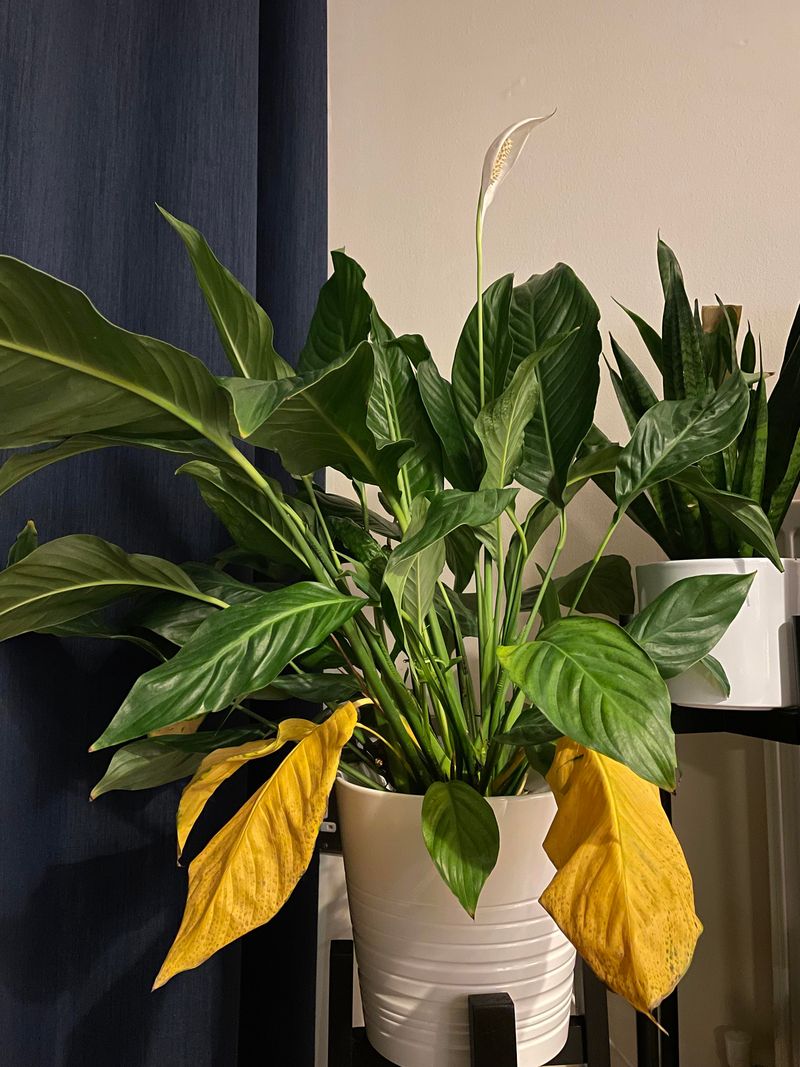
Yellowing leaves are a natural part of your peace lily’s life cycle, especially on mature plants. However, many owners hesitate to remove them, worried they might harm the plant.
In reality, yellow leaves no longer photosynthesize effectively and actually block light from reaching healthy green foliage below. They also trap moisture and reduce airflow around the crown, creating conditions that can encourage root rot or fungal issues.
Removing yellow leaves promptly frees up your plant’s energy for bloom production. Just like with spent flower stalks, you need to cut yellowing leaves all the way back to the crown.
Gently pull the yellow leaf aside and locate where its stem meets the base of the plant. Use clean, sharp scissors or pruning shears to make a single clean cut as close to the crown as possible.
If a leaf is only partially yellow, you can choose to remove the entire leaf or just trim away the yellow portion. However, fully removing it usually gives better results because partially damaged leaves rarely recover and continue draining resources.
California homes often have excellent natural light, which helps peace lilies grow vigorously. Removing old foliage ensures that light penetrates deep into the plant’s center, encouraging new growth and flower bud development.
Better airflow also keeps the crown area dry and healthy, reducing disease risk and supporting robust blooming.
4. Use Clean, Sharp Tools
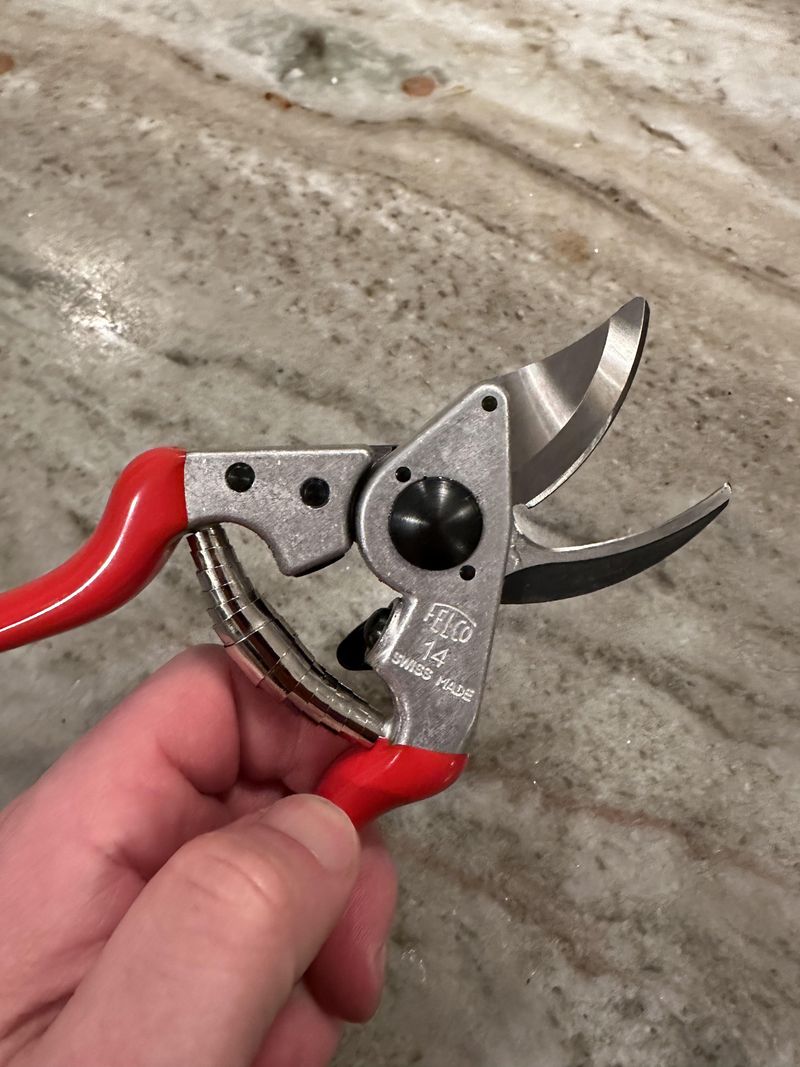
Dull or dirty pruning tools cause more harm than many plant owners realize. Dull blades crush plant tissue instead of making clean cuts, creating ragged wounds that take longer to heal and are more vulnerable to infection.
Dirty tools can transfer bacteria, fungi, or viruses from other plants or from previous pruning sessions, potentially introducing disease to your peace lily.
Before you prune, take a moment to inspect your scissors or pruning shears. The blades should be sharp enough to cut paper cleanly without tearing.
If they feel dull, sharpen them or use a different pair. Next, clean the blades thoroughly with rubbing alcohol or a diluted bleach solution.
Wipe them down and let them air dry, or rinse with clean water if you used bleach.
This simple sanitation step takes less than a minute but protects your plant from potential pathogens. If you’re pruning multiple plants in one session, clean your tools between each plant to avoid cross-contamination.
California’s generally dry indoor conditions help cut surfaces heal quickly, but clean tools still make a significant difference.
Sharp, sanitized blades produce smooth cuts that seal faster, reducing stress on your peace lily and allowing it to focus energy on producing new blooms.
Investing in quality pruning tools and maintaining them properly is one of the easiest ways to support your plant’s long-term health and flowering success.
5. Time Pruning With Active Growth Periods
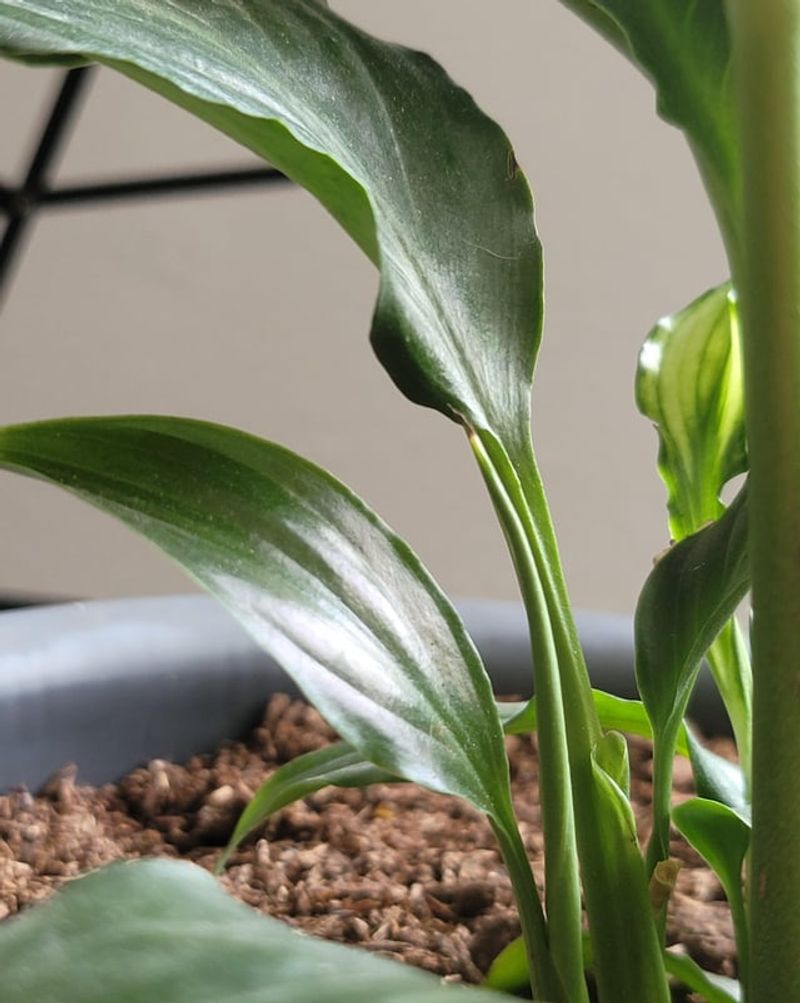
Pruning at the wrong time can slow down your peace lily’s recovery and delay new bloom production.
While peace lilies are relatively forgiving, they respond best to pruning during their active growth periods when they have the energy and resources to heal quickly and produce new flower buds.
In California, peace lilies typically grow year-round thanks to mild indoor temperatures and consistent light, but they still experience periods of faster and slower growth.
Spring and summer are usually the most vigorous growth times, making them ideal for more extensive pruning.
During these months, your plant can quickly replace removed foliage and redirect energy into flowering.
That said, you should remove spent blooms and yellowing leaves whenever you notice them, regardless of season. Leaving bad plant material on your peace lily causes more harm than pruning at a less-than-ideal time.
The key is to distinguish between maintenance pruning, which you can do anytime, and more aggressive pruning, which is best saved for active growth periods.
Watch your plant for signs of active growth, such as new leaves unfurling or fresh flower buds emerging. These signals tell you your peace lily is in a strong growth phase and ready to handle pruning.
Timing your pruning sessions with these natural rhythms helps maximize bloom production and keeps your plant healthy and vigorous throughout the year.
6. Try Not To Over Prune
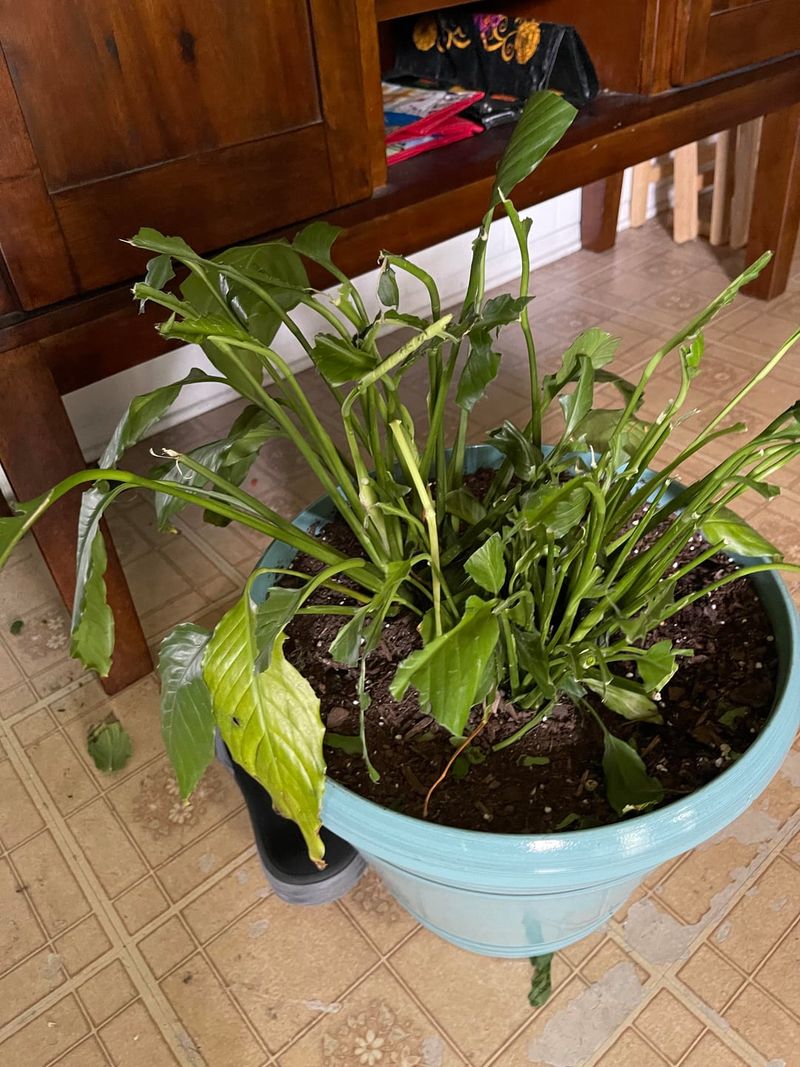
Enthusiasm for pruning can sometimes lead to removing too much foliage at once, which backfires by stressing your peace lily and actually reducing bloom production. Peace lilies need their green leaves to photosynthesize and create the energy required for flowering.
If you remove too many leaves in a single session, your plant must focus on replacing lost foliage before it can produce flowers.
A good rule of thumb is to avoid removing more than one-third of the plant’s total foliage at any one time. This guideline ensures your peace lily retains enough leaf surface area to continue photosynthesizing effectively while it heals from pruning.
Focus on removing only truly spent blooms, completely yellow leaves, and any damaged or diseased foliage.
If your plant has accumulated a lot of old growth and needs significant cleanup, spread the pruning over several weeks. Remove the worst offenders first, then wait a week or two before tackling the next round.
This staged approach gives your peace lily time to adjust and maintain its energy reserves.
California’s bright indoor light helps peace lilies recover quickly from pruning, but even in ideal conditions, over-pruning causes setbacks. Be selective and intentional with each cut.
Remember that your goal is to redirect energy into bloom production, not to strip the plant bare. Thoughtful, moderate pruning delivers far better results than aggressive cutting.
7. Proper After-Pruning Care
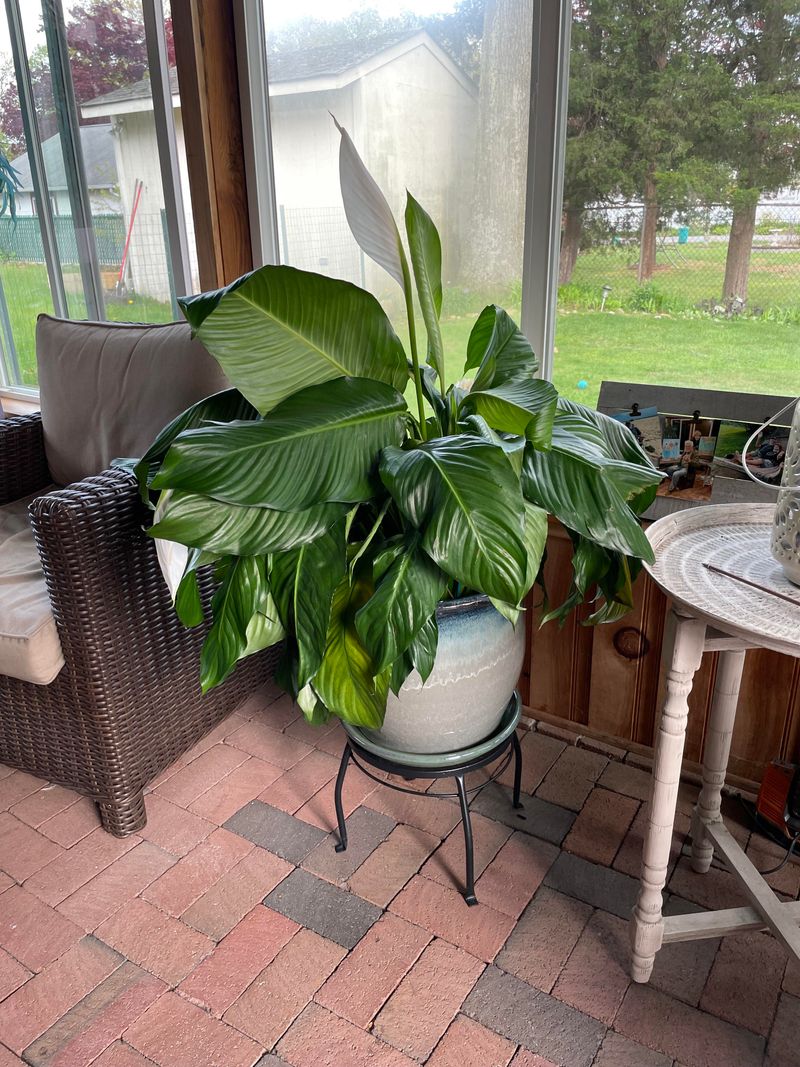
Pruning alone won’t double your peace lily’s blooms if you don’t provide the right care afterward. After you finish pruning, your plant needs support to heal, recover, and channel energy into producing new flowers.
The first step is ensuring consistent watering without overdoing it. Peace lilies prefer evenly moist soil, but California’s dry indoor air can make it tricky to maintain the right balance.
Check the soil every few days by sticking your finger about an inch deep. Water thoroughly when the top inch feels dry, allowing excess water to drain completely.
Never let your peace lily sit in standing water, as this can lead to root rot, especially after pruning when the plant is more vulnerable.
Light is equally important for bloom production. Place your peace lily in a spot with bright, indirect light, such as a few feet back from a south or west-facing window.
California homes often have abundant natural light, but direct sun can scorch leaves, while too little light reduces flowering.
Consider feeding your peace lily with a balanced, diluted liquid fertilizer once a month during the growing season. This provides the nutrients needed for flower bud development.
Avoid over-fertilizing, which can cause leaf burn and reduce blooming. With proper water, light, and nutrients, your freshly pruned peace lily will reward you with a steady supply of beautiful white blooms throughout the year.