Downsides Of Growing Zucchini That North Carolina Gardeners Need To Know
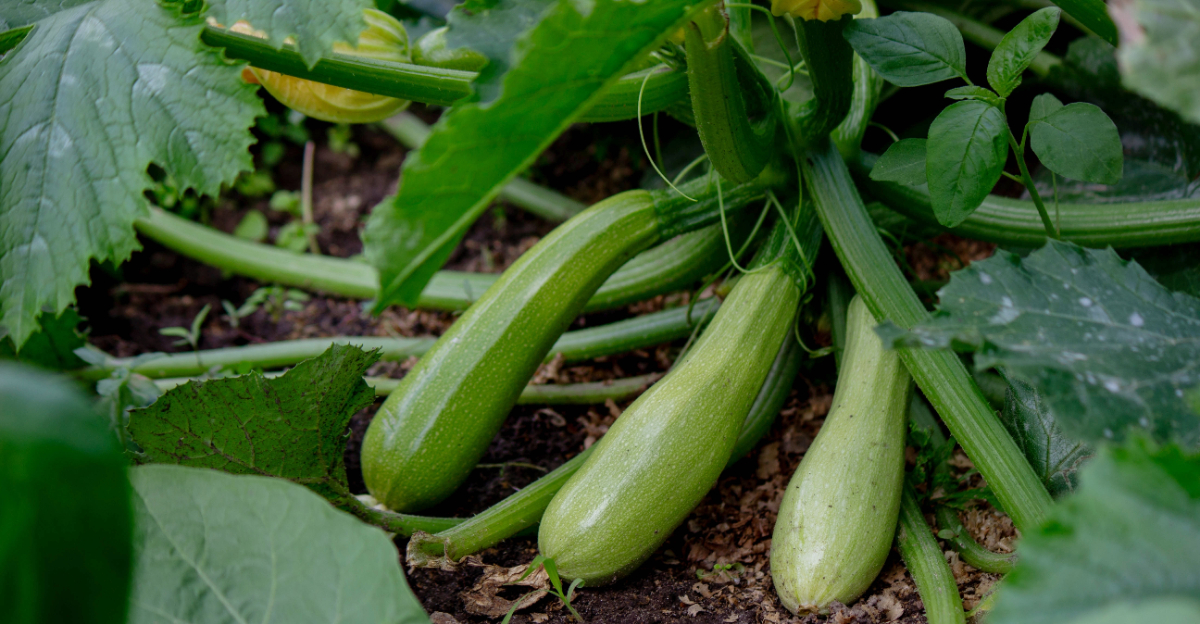
Zucchini is often one of the first vegetables gardeners in North Carolina decide to grow, and it is easy to see why. It grows fast, produces a lot, and seems simple to manage at first.
But once the season gets going, many gardeners start to notice a few challenges they did not expect when they planted those first seeds. From sudden pest problems to plants that take over more space than planned, zucchini can bring a few surprises along the way.
The warm, humid conditions common in much of the state can also make certain issues show up faster and spread more easily. What begins as a low effort crop can quickly require more attention than you thought.
The good news is that these downsides are easy to handle once you know what to expect. Learning about them early can help you grow healthier plants and enjoy a smoother gardening season.
1. Squash Vine Borers Are A Major Problem In North Carolina
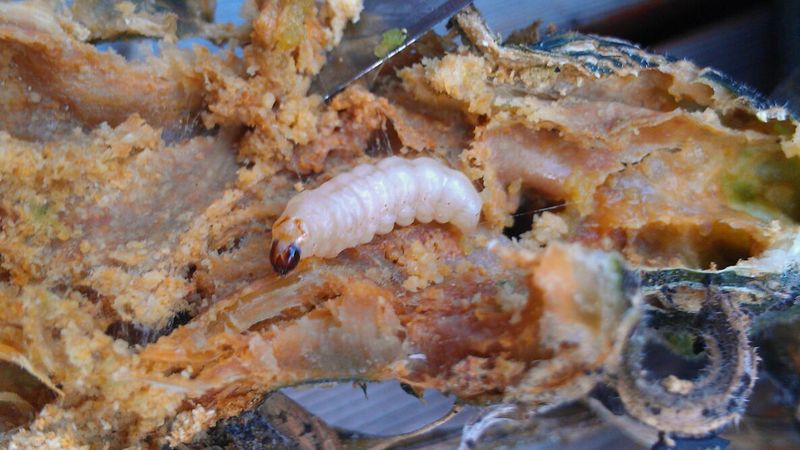
Squash vine borers are one of the most frustrating obstacles zucchini growers face across North Carolina, especially in the Piedmont and Coastal Plain regions. These pests are sneaky.
The adult moths lay tiny reddish-brown eggs right at the base of zucchini stems, and most gardeners never notice them until the damage is already done.
Once the larvae hatch, they tunnel straight into the stems and feed from the inside out. You might notice sudden wilting even when the soil is moist, or spot a grainy, sawdust-like material near the base of the plant.
That frass is one of the earliest warning signs that borers are already at work underground your plant.
The good news is that prevention works better than treatment here. Covering young plants with lightweight row covers during late spring keeps adult moths from reaching the stems at all.
Wrapping stems with aluminum foil or strips of fabric near the soil line adds another layer of protection. Planting a second round of zucchini in early summer can also help you stay ahead of the heaviest borer activity.
North Carolina’s warm climate gives these pests a long season to cause trouble, so staying alert and acting early makes all the difference for a healthy harvest.
2. Powdery Mildew Spreads Quickly In Humid Conditions
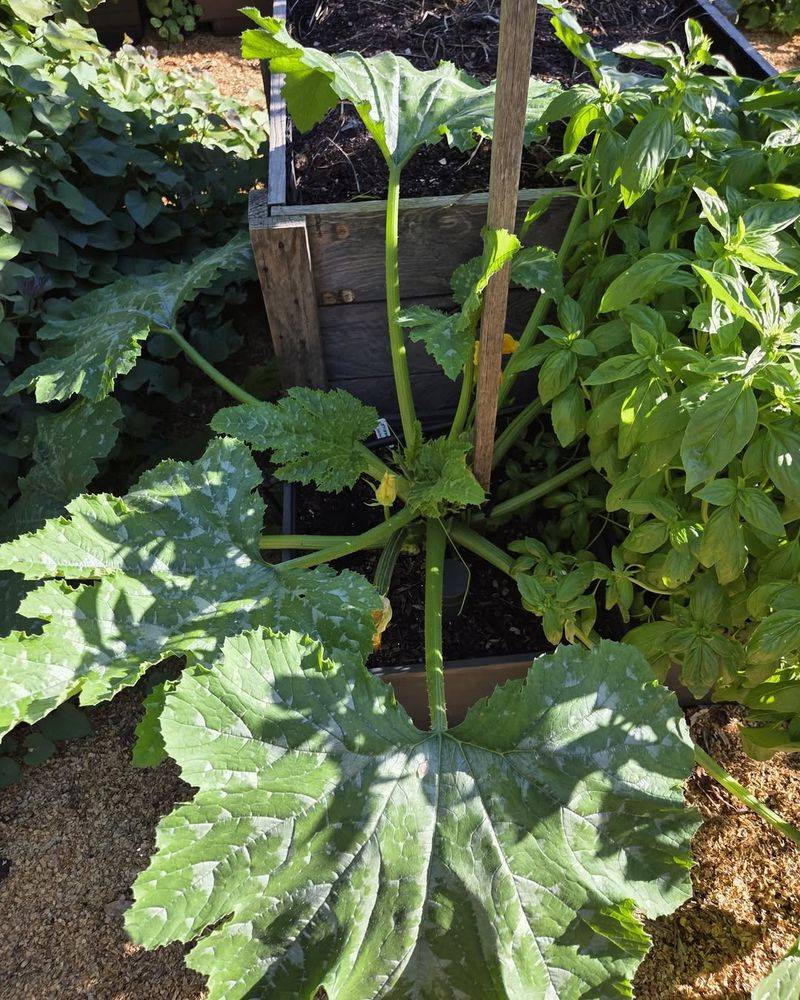
Walk through any North Carolina garden in mid-summer, and you might spot zucchini leaves dusted with what looks like talcum powder. That white coating is powdery mildew, a fungal disease that thrives when warm temperatures meet high humidity.
North Carolina’s sticky summer air creates almost perfect conditions for this disease to spread fast.
Powdery mildew starts as small white patches on the upper surface of leaves, then spreads quickly across the entire leaf. Affected leaves eventually turn yellow and lose their ability to absorb sunlight properly.
When that happens, the whole plant slows down and fruit production drops noticeably. It rarely stops a plant completely, but it does reduce your overall harvest more than most gardeners expect.
Spacing your zucchini plants properly is one of the best ways to fight back. Good airflow between plants keeps moisture from sitting on leaves too long.
Most experts recommend at least three feet between plants in North Carolina gardens. Choosing mildew-resistant varieties like ‘Dunja’ or ‘Patio Star’ gives you a solid head start.
Spraying leaves with a diluted baking soda solution or neem oil at the first sign of trouble can slow the spread significantly. Consistent morning watering, rather than evening watering, also helps leaves dry out faster and stay healthier through the hottest months of the season.
3. Plants Produce More Than Most Gardeners Can Use
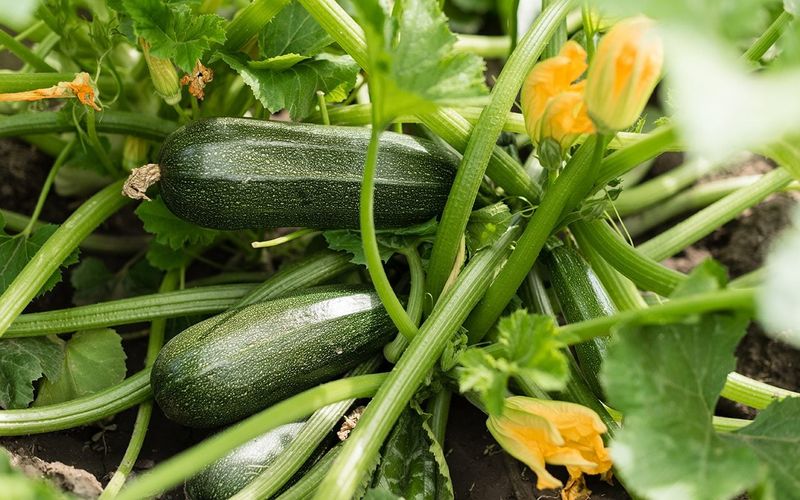
Most first-time zucchini growers in North Carolina are shocked by just how much fruit a single plant can produce. Two or three plants can easily flood your kitchen with more zucchini than your family can eat in a week.
The long, warm growing season here means plants stay productive for months, and they almost never slow down on their own.
Zucchini fruits grow incredibly fast in the summer heat. A small fruit you spot on Monday can turn into a giant club-sized vegetable by Thursday if you miss a harvest.
Before long, you might find yourself searching for neighbors, coworkers, or anyone willing to take zucchini off your hands. It becomes a running joke among North Carolina gardeners every summer season.
Planning ahead makes a real difference. Freezing shredded zucchini works great for baking bread, muffins, and casseroles later in the year.
Pickling zucchini is another smart option that extends your harvest well into fall and winter. Donating extras to local food banks or community pantries across North Carolina is a meaningful way to share the surplus.
If you only want a manageable harvest, starting with just one or two plants is usually more than enough. Knowing what to do with all that zucchini before the season starts saves a lot of stress and wasted produce down the road.
4. Large Plants Take Up Significant Garden Space
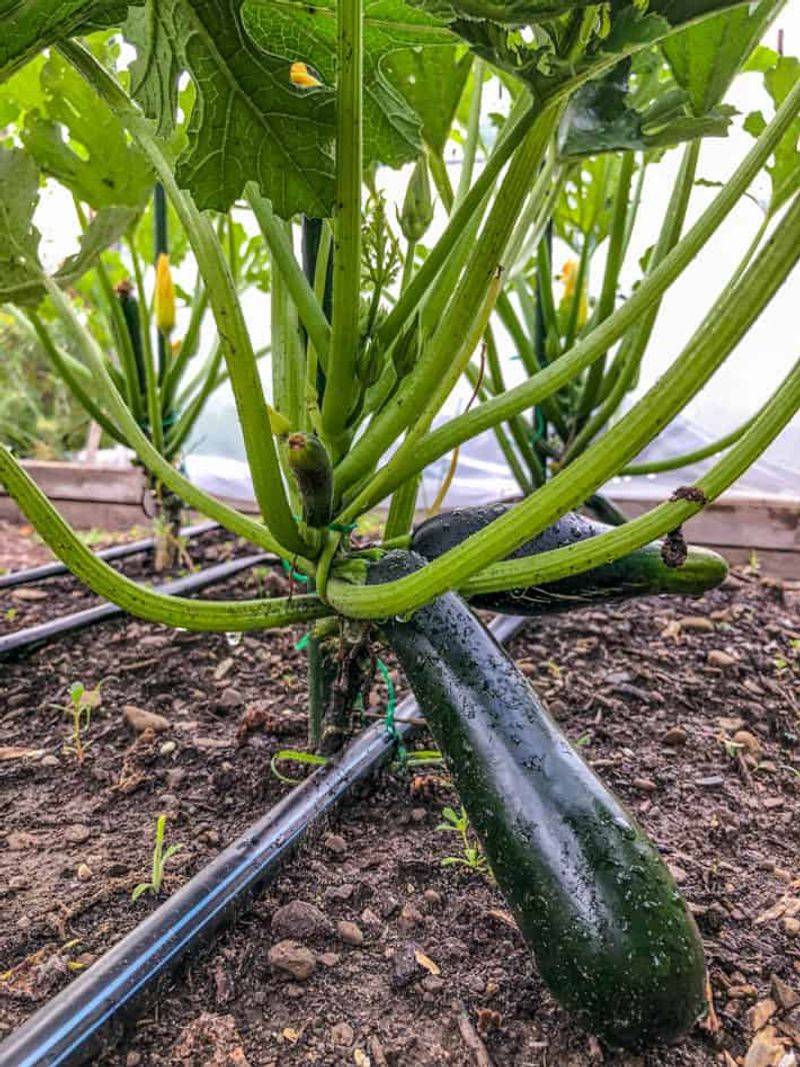
Zucchini plants look small and manageable when they first sprout, but give them a few weeks in North Carolina’s warm soil and they can take over an entire garden bed. A single mature plant can spread three to four feet wide, sometimes more.
Those broad, prickly leaves shade out neighboring vegetables and make it hard to reach other plants without brushing against them.
Many North Carolina gardeners underestimate just how much real estate zucchini needs to thrive. When plants grow too close together, airflow drops and moisture builds up between the leaves.
That combination speeds up fungal problems like powdery mildew and makes pest management much harder. Crowded plants also compete for nutrients, which usually means smaller fruits and lower overall yields from every plant in the bed.
Giving each plant at least three feet of space on all sides is the standard recommendation for North Carolina gardens, and some growers prefer even more room.
If your garden space is limited, bush varieties tend to stay more compact than vining types and work better in tighter spots. Raised beds and large containers can also help you control where the plant spreads.
Vertical growing setups with sturdy cages or trellises are another creative solution that keeps zucchini contained without sacrificing your whole garden layout to one hungry, fast-growing plant.
5. Pollination Problems Can Reduce Fruit Development
You might notice tiny zucchini fruits forming on your plants only to shrivel up and fall off before they grow. That frustrating problem usually comes down to pollination.
Zucchini plants produce separate male and female flowers, and pollen has to move from one to the other for fruit to actually develop and grow properly.
In North Carolina, summer heat waves and heavy rainstorms can both interfere with this process. Extreme heat above 95 degrees makes pollen less viable, while rain washes it away before pollinators can do their job.
Low bee activity in some neighborhoods, especially after pesticide use nearby, also reduces the chances of successful pollination. Male flowers typically appear first, and female flowers follow a week or two later, so timing matters a lot too.
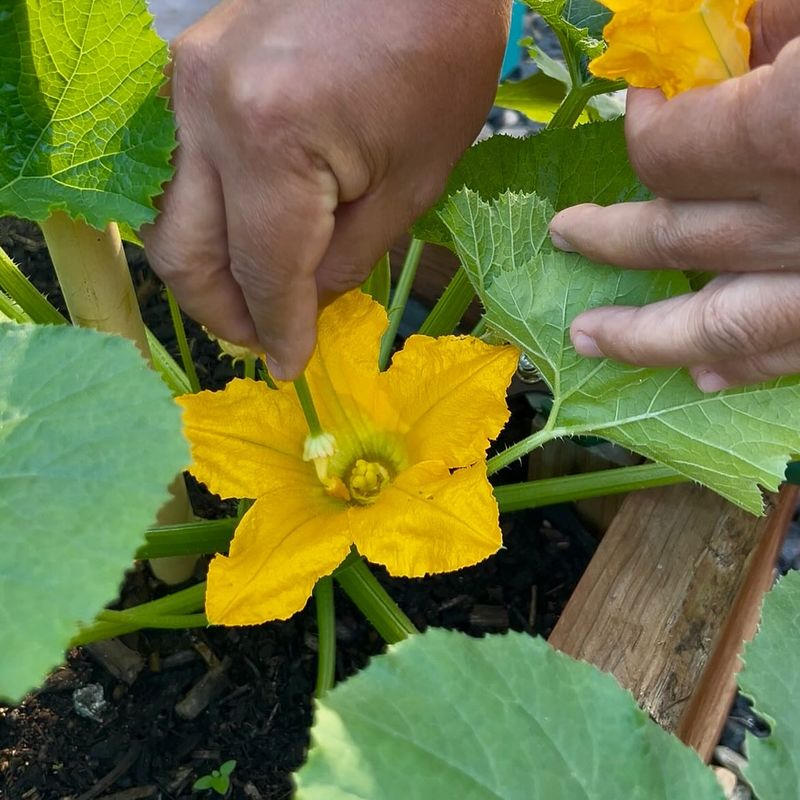
Hand pollination is a simple and reliable fix that any gardener can learn in minutes. Use a small clean paintbrush or even a cotton swab to transfer pollen from the center of a male flower to the sticky center of a female flower.
You can identify female flowers by the tiny swollen base that looks like a miniature zucchini just below the petals. Planting pollinator-friendly flowers like zinnias, sunflowers, and basil nearby attracts more bees to your North Carolina garden naturally.
Avoiding pesticide sprays during morning hours when bees are most active also helps protect the pollinators your zucchini depends on every season.
6. Heat Stress Can Reduce Productivity In Mid-Summer
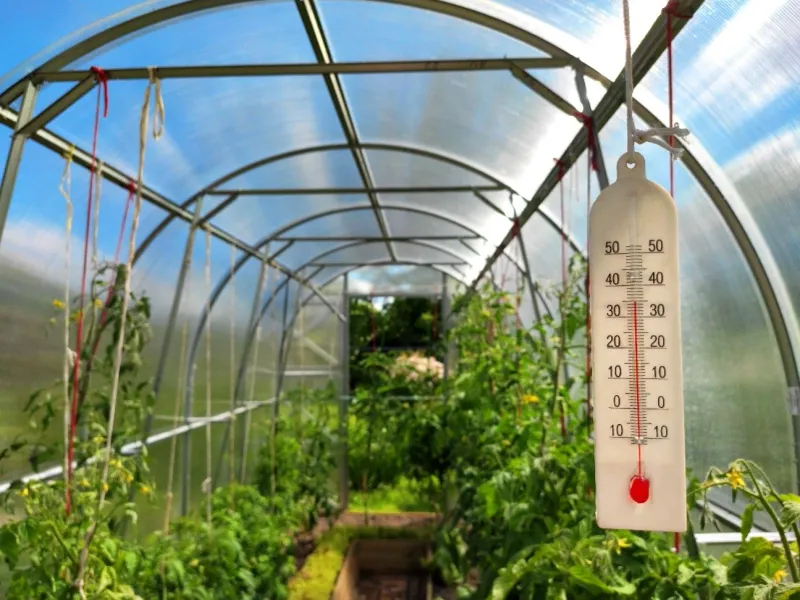
North Carolina summers are no joke, and zucchini plants feel every degree of that heat. While zucchini generally loves warm weather, temperatures that push past 95 degrees Fahrenheit for days at a stretch can cause real problems.
The Piedmont and Coastal Plain regions are especially known for long stretches of intense summer heat that push plants to their limits.
When temperatures climb too high, zucchini plants may stop producing flowers altogether or drop them before pollination can happen. Even when fruits do form, they can develop unevenly or stay small without filling out properly.
You might also notice leaves wilting badly in the afternoon even when the soil still has moisture in it. That midday wilt is the plant’s way of protecting itself from heat stress by reducing water loss through its leaves.
Deep watering in the early morning helps plants build moisture reserves before the hottest part of the day arrives. Mulching around the base of each plant with straw or wood chips keeps soil temperatures cooler and reduces evaporation significantly.
Shade cloth stretched over plants during the hottest weeks of July and August can also make a noticeable difference in North Carolina gardens.
Some gardeners time their second planting for late summer so the plants mature during the cooler days of early fall, avoiding the worst of the heat and extending their productive zucchini season well into October.
7. Fruits Grow Quickly And Must Be Harvested Often
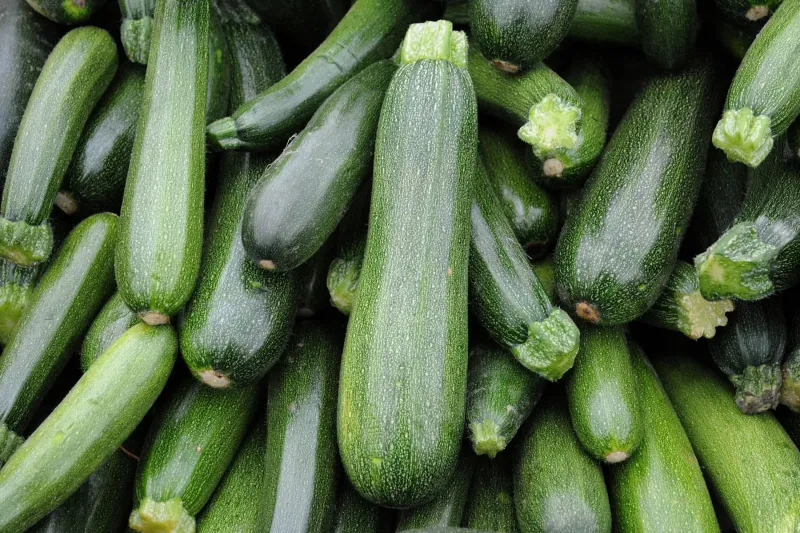
Zucchini has a reputation for growing fast, but until you actually grow it in North Carolina’s summer heat, it is hard to fully appreciate just how quickly these fruits develop.
A zucchini that looks perfectly sized on Monday morning can turn into a baseball-bat-sized behemoth by Wednesday afternoon. The warm, humid climate here accelerates growth in ways that catch new gardeners completely off guard.
Oversized zucchini are not just a curiosity. When fruits grow too large, they become seedy, tough, and far less flavorful than smaller ones picked at the right time.
Worse, leaving large fruits on the plant actually signals it to slow down or stop producing new ones altogether. The plant puts all its energy into maturing that one giant fruit instead of setting new flowers and fruits for you to harvest.
Checking your plants every single day during peak season is the most important habit you can build as a North Carolina zucchini grower. The ideal harvest size is usually six to eight inches long, when the skin is still tender and the flavor is at its best.
A sharp knife or garden shears make clean cuts that reduce stress on the plant. Picking consistently and often keeps plants in full production mode all season long.
Setting a daily garden routine, even just a quick five-minute walk-through each morning, makes it easy to stay on top of one of zucchini’s most demanding quirks.
8. Soil And Water Imbalances Lead To Fruit Problems
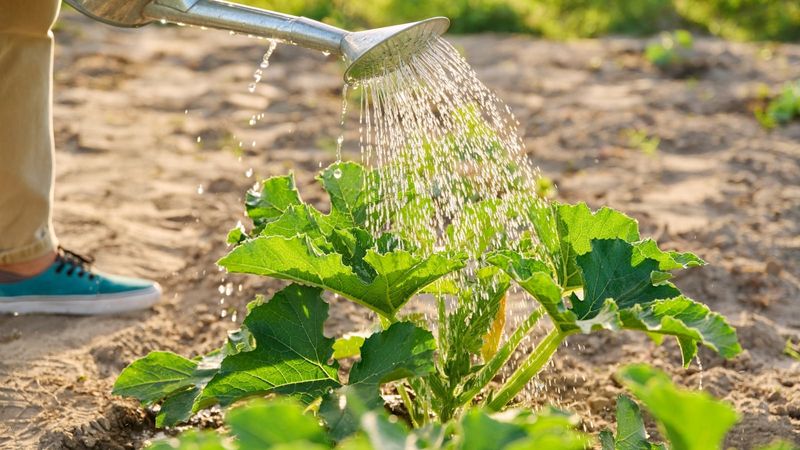
North Carolina has some of the most varied soil types of any state in the Southeast, and that variety creates real challenges for zucchini growers.
In the Piedmont region, heavy clay soil holds onto water long after rain, leaving roots sitting in soggy conditions that invite root problems.
Over in the Coastal Plain, sandy soil drains so quickly that plants can dry out between waterings even during summer thunderstorm season.
Both extremes cause trouble for zucchini fruit development. Too much moisture leads to soft, watery fruits and increases the risk of fungal issues at the soil line.
Too little moisture causes blossom end rot, a frustrating condition where the bottom of the fruit turns dark and mushy.
Inconsistent watering, going from bone dry to waterlogged and back again, stresses the plant and causes fruits to crack or develop uneven textures that make them unpleasant to eat.
Improving your soil before planting is the smartest investment you can make for a productive zucchini season in North Carolina. Working several inches of compost into clay soil improves drainage and loosens compaction significantly.
Adding compost to sandy soil helps it hold moisture longer between watering sessions. A drip irrigation system or soaker hose delivers water slowly and consistently right at the root zone, which is far more effective than overhead sprinklers.
Testing your soil’s pH and nutrient levels each spring gives you a clear picture of what your garden actually needs before the growing season begins.