8 Drainage Fixes Every Oregon Gardener Should Know
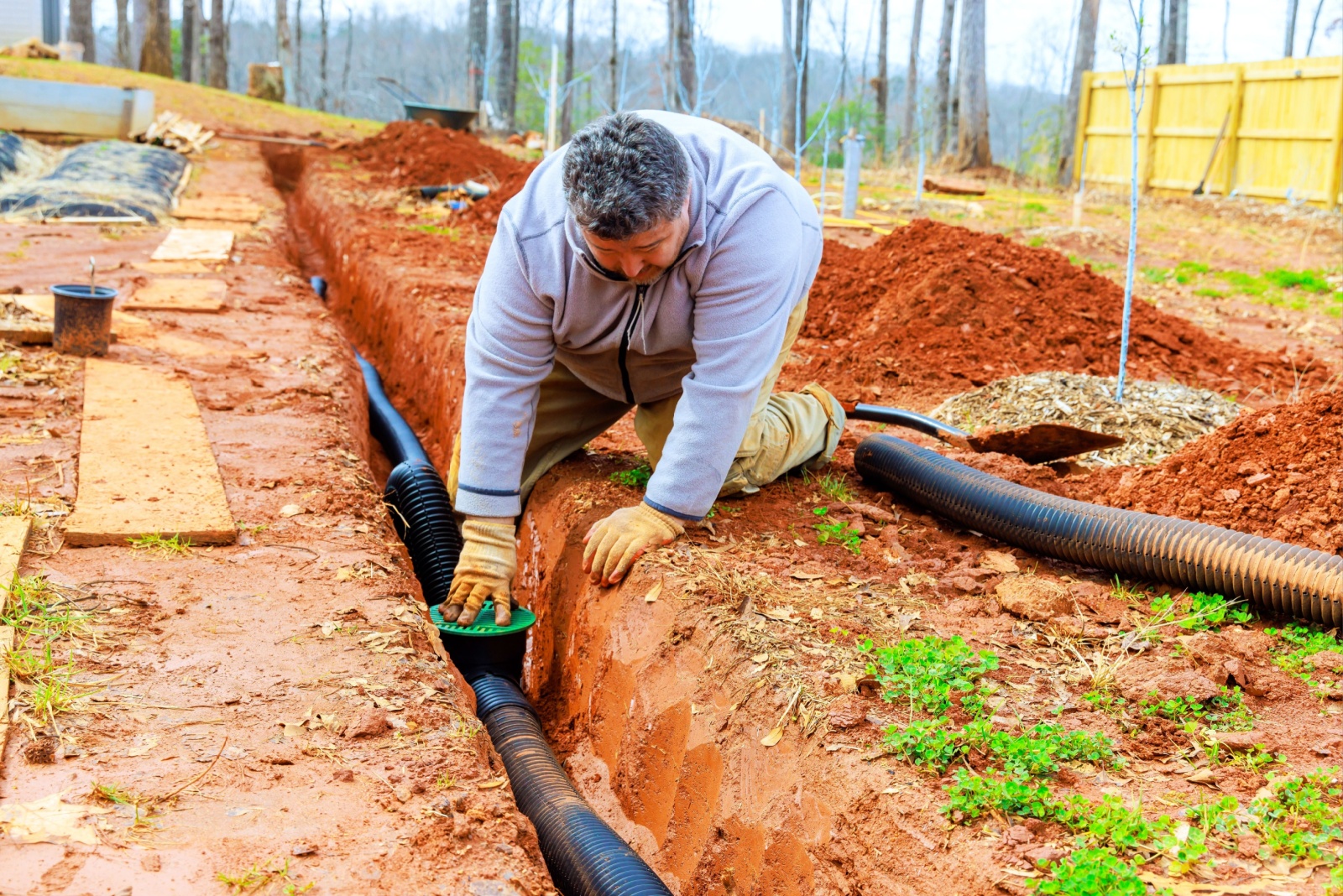
If you’ve spent any time in an Oregon garden after a heavy rain, you know how quickly soggy spots can take over.
Poor drainage doesn’t just make the garden messy, it can stress plants, wash away soil, and create headaches you don’t want in the spring.
Luckily, there are simple fixes that can make a huge difference, from redirecting water and adding gravel to building raised beds or installing French drains.
With a little planning, you can keep your garden dry, healthy, and more enjoyable no matter how much it pours.
If muddy patches have been frustrating you, these drainage fixes are a perfect place to start.
They’ll help your Oregon garden survive wet weather without turning into a swamp and stop soggy spots from taking over.
1. Build A French Drain System
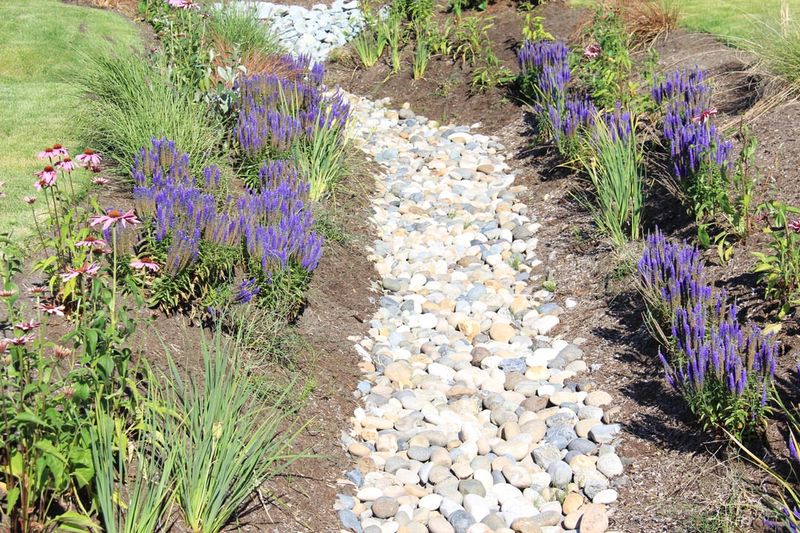
A French drain works like an underground river that carries excess water away from problem areas.
You dig a shallow trench, line it with landscape fabric, fill it with gravel, and nestle a perforated pipe inside.
Water flows into the pipe through small holes and gets carried to a better location.
Oregon gardeners often install these along garden bed edges or near foundations where water tends to pool.
The gravel acts as a filter while the pipe provides a clear path for water movement.
Most home improvement stores carry everything you need, and the project takes just a day or two.
Place your French drain at least ten feet from your house to protect the foundation.
Slope the trench about one inch for every eight feet of length so gravity does the work.
Cover the pipe with more gravel, then fold the landscape fabric over the top before adding soil.
This setup prevents soil from clogging the system while maintaining excellent drainage for years.
Many Oregon gardeners report that soggy lawn areas dry out within days after installation.
Your plants will appreciate the improved oxygen flow around their roots, and you will notice healthier growth throughout the season.
2. Create Rain Gardens
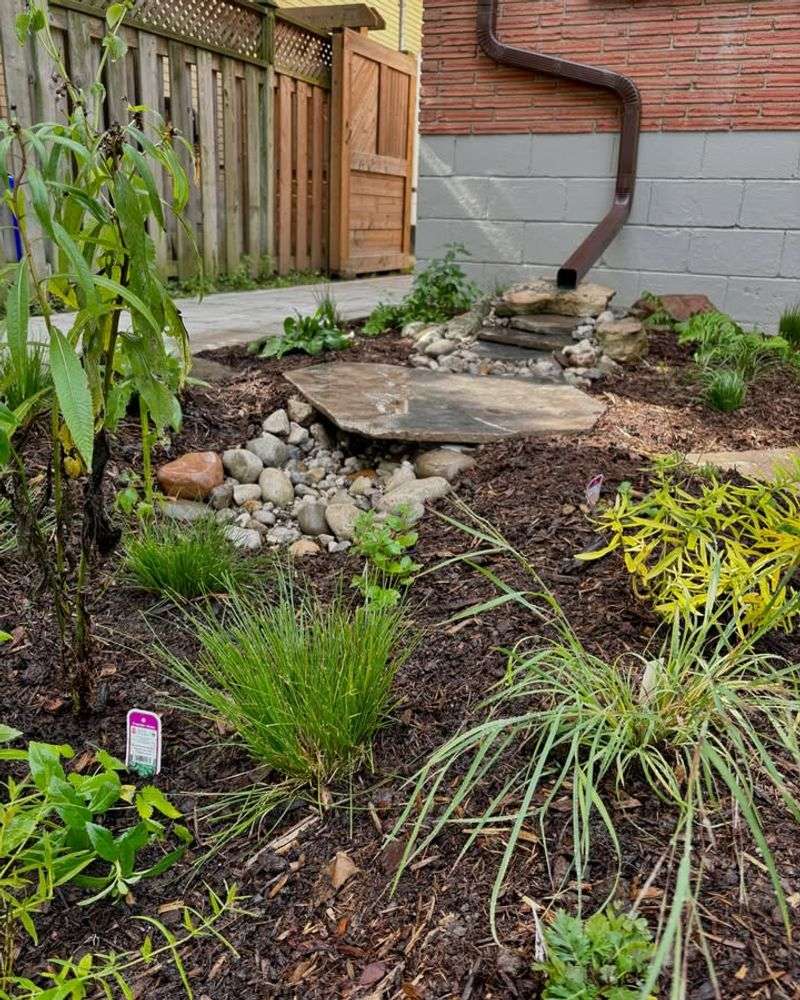
Rain gardens are shallow depressions planted with water-loving natives that soak up runoff like a sponge.
Instead of fighting wet spots, you work with them by creating a beautiful feature that handles excess water naturally.
Oregon has perfect plants for this purpose, including sword ferns, red twig dogwood, and native sedges.
Pick a low spot at least ten feet from your house where water already collects after storms.
Dig down about six to twelve inches, creating gently sloping sides rather than steep walls.
Mix compost into the existing soil to help it absorb water more efficiently.
Choose plants that tolerate both wet feet during winter and drier conditions in summer.
Arrange taller species toward the center and shorter ones around the edges for a natural look.
Add a layer of mulch to suppress weeds and help soil retain moisture during dry months.
Your rain garden will fill during heavy rains and slowly release water over the next day or two.
This prevents runoff from rushing into storm drains and reduces standing water problems.
Plus, you get a gorgeous garden feature that attracts butterflies, birds, and beneficial insects while solving drainage headaches.
3. Amend Heavy Clay Soil
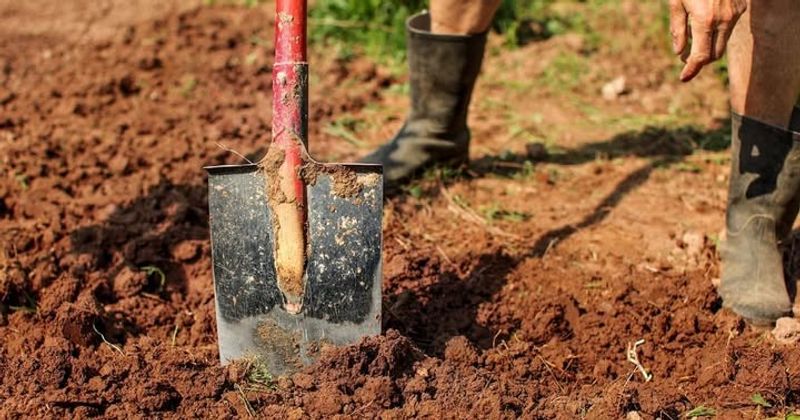
Clay soil dominates many Oregon gardens, and it holds water like a bowl instead of letting it drain through.
Tiny clay particles pack together so tightly that water and air struggle to penetrate.
But you can transform heavy clay into workable garden soil with the right amendments.
Start by spreading three to four inches of compost across your garden beds each fall.
Add coarse sand or fine gravel to break up the clay structure and create larger pore spaces.
Never use fine sand, as it can actually make drainage worse by filling gaps between clay particles.
Work these materials into the top twelve inches of soil using a garden fork or tiller.
Organic matter improves both drainage and water retention, creating ideal conditions for plant roots.
Gypsum can also help by causing clay particles to clump together, forming larger aggregates with better drainage.
This process takes time, so be patient and keep adding organic matter every season.
After a year or two, you will notice water soaking in faster instead of puddling on the surface.
Your plants will grow more vigorously because their roots can finally breathe and spread properly.
Clay soil may seem like a curse, but with consistent amendments, it becomes some of the most productive garden soil around.
4. Install Raised Garden Beds
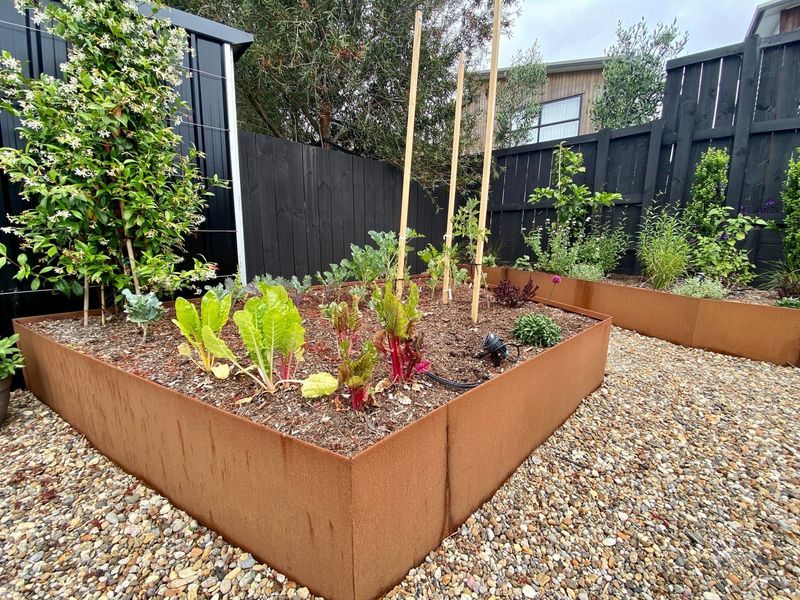
Raised beds solve drainage problems by lifting your plants above troublesome soil.
You build a frame from wood, stone, or composite materials and fill it with a custom soil mix.
Water drains down through the bed instead of sitting around plant roots.
Oregon gardeners love raised beds because they warm up faster in spring and extend the growing season.
Build your beds at least twelve inches tall, though eighteen to twenty-four inches works even better for deep-rooted crops.
Line the bottom with hardware cloth to keep out burrowing pests like moles.
Fill beds with a mixture of one-third compost, one-third peat moss or coir, and one-third vermiculite or perlite.
This blend drains beautifully while still holding enough moisture for plant roots.
You can also use a quality raised bed soil mix from your local garden center.
Position beds where they get at least six hours of sun for vegetables and herbs.
Leave enough space between beds for comfortable walking and maintenance access.
The improved drainage means you can plant earlier in spring without worrying about waterlogged soil.
Your vegetables will produce better yields, and you will spend less time dealing with root rot and fungal diseases that plague poorly drained gardens.
5. Add Drainage Pipes Underground
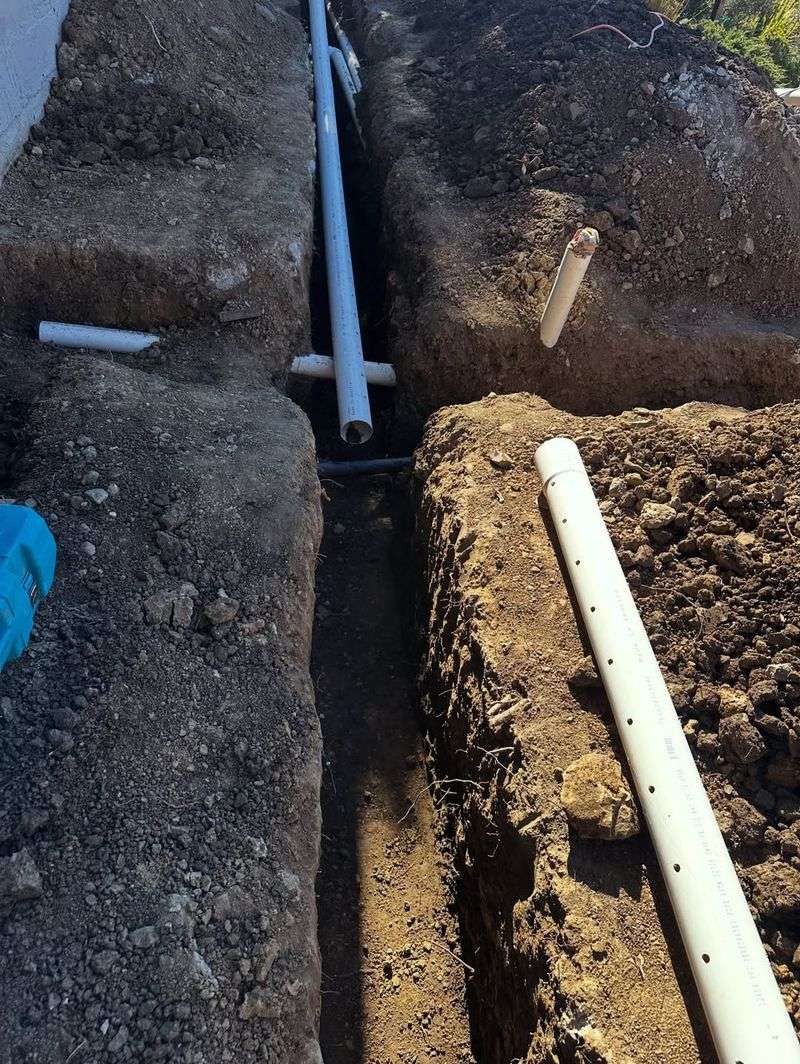
Sometimes surface solutions are not enough, and you need to move water away through underground pipes.
Perforated drain pipe, often called drain tile, collects water from saturated soil and channels it elsewhere.
This method works brilliantly for consistently soggy areas that never seem to dry out.
Map out where water collects and where you want it to go before digging.
Dig trenches about twelve to eighteen inches deep, sloping them gently toward your drainage destination.
Lay perforated pipe with holes facing down so water enters from below.
Surround the pipe with gravel to prevent soil from clogging the perforations.
Wrap everything in landscape fabric to keep fine particles out while allowing water through.
Connect multiple pipes together to create a network that addresses several problem spots.
Direct the water to a dry well, rain garden, or area where it can safely disperse.
Never send it toward your house foundation or into a neighbor’s yard.
Backfill the trenches with soil and replant grass or groundcover over the top.
Underground drainage pipes work invisibly to keep your garden healthy.
Oregon gardeners who install these systems often wonder how they managed without them.
Problem areas transform from muddy swamps into usable garden space.
6. Grade Your Yard Properly
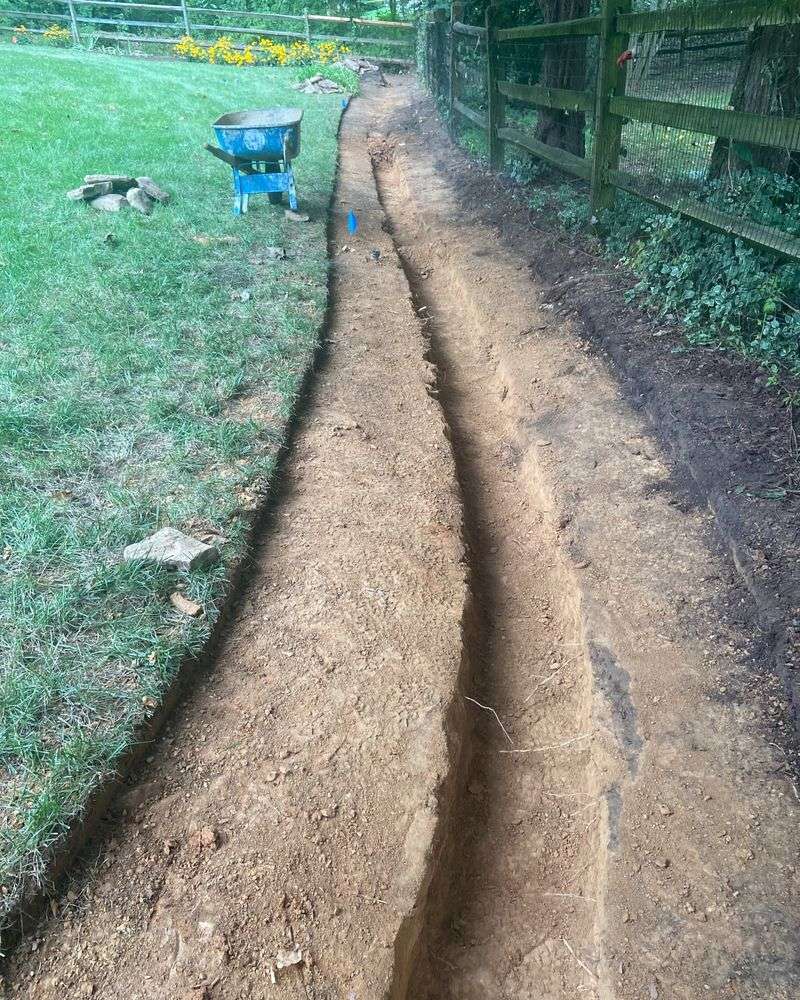
Proper grading means shaping your yard so water flows away from buildings and garden beds.
Even a slight slope makes a huge difference in how water behaves during Oregon’s rainy season.
Many drainage problems happen simply because the ground slopes the wrong direction.
Walk your property during a rainstorm to see where water naturally flows and where it pools.
Ideally, ground should slope away from your house at about two percent grade, which means two inches of drop for every ten feet.
You might need to add soil in some areas and remove it from others.
Use a long board and level to check slopes, or hire a professional if you need major grading work.
Fill low spots with quality topsoil rather than clay subsoil that drains poorly.
Tamp down new soil firmly to prevent settling that creates new depressions.
After grading, establish grass or groundcover quickly to prevent erosion.
Mulch bare areas until plants fill in completely.
Proper grading protects your foundation from water damage while keeping garden beds from turning into ponds.
This fundamental fix often eliminates the need for more complicated drainage solutions.
Once water flows naturally away from problem areas, your entire landscape becomes healthier and easier to maintain.
7. Install A Dry Well
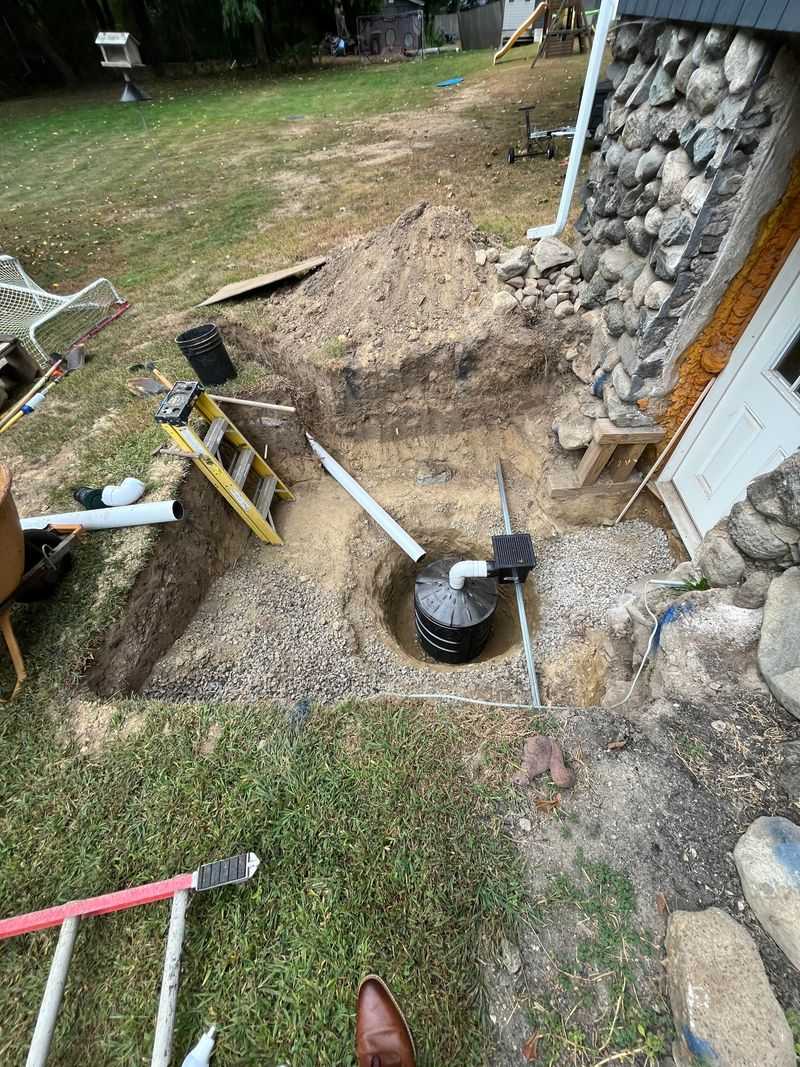
Dry wells are underground chambers that collect and slowly release water into surrounding soil.
Think of them as underground storage tanks that give water time to percolate down instead of flooding your garden.
Oregon gardeners use them to handle runoff from downspouts, driveways, and low spots.
Dig a hole about three to four feet deep and three feet wide in an area away from your foundation.
Some people use prefabricated dry well barrels, while others simply fill the hole with large rocks.
Line the hole with landscape fabric to prevent soil from washing in and reducing capacity.
Connect your drainage pipes or downspouts to the dry well so water flows directly into it.
Fill the chamber with coarse gravel or large stones that create plenty of void space for water storage.
Cover the top with more landscape fabric, then backfill with soil and restore the surface.
Water collects in the dry well during storms and gradually soaks into the ground over the next day or two.
This prevents sudden flooding while allowing natural absorption.
Make sure to locate your dry well at least ten feet from buildings and in soil that drains reasonably well.
A dry well in solid clay may not work effectively, so test your soil drainage first by digging a hole and filling it with water.
8. Use Permeable Paving Materials
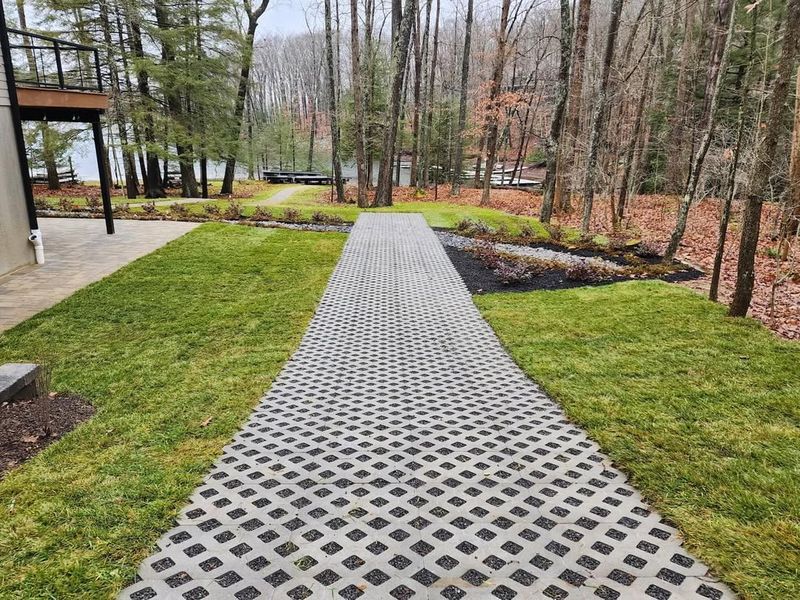
Traditional concrete and asphalt create impermeable surfaces that send water rushing off to flood other areas.
Permeable paving allows water to soak through pathways and patios instead of running off.
This reduces drainage problems while recharging groundwater naturally.
Permeable pavers come in many styles, from decorative concrete grids filled with gravel to porous pavers with gaps between them.
Gravel paths work beautifully in Oregon gardens and cost much less than solid paving.
Crushed rock, pea gravel, and decomposed granite all allow excellent water penetration.
Prepare the base properly by excavating four to six inches deep and filling with coarse gravel.
Add landscape fabric underneath to prevent weeds while allowing water through.
Top with your chosen permeable material, whether loose gravel or interlocking pavers with spaces for grass or groundcover.
Permeable surfaces reduce runoff dramatically compared to solid paving.
Rain soaks right through into the soil below instead of racing across the surface.
This benefits your entire property by reducing erosion and preventing water from overwhelming drainage systems.
Plus, permeable pathways look natural and attractive in garden settings.
They blend beautifully with plantings while solving practical drainage challenges that solid surfaces create.