Drought-Resistant Native Plants For Southern Pennsylvania
Southern Pennsylvania might not be as dry as the desert, but when summer hits and the rain slows down, it can still feel pretty tough on the garden. That’s where drought-resistant native plants come in handy.
These plants are naturally suited to handle the heat, the dry spells, and the unique conditions of the region. Instead of wilting or requiring constant watering, these plants thrive in the summer months and come back strong each year.
What makes these plants especially great is that they’re built for the local climate. They don’t need a lot of extra care to survive, making them perfect for busy gardeners or those who want to reduce water use.
Whether you’re looking for colorful flowers, hardy shrubs, or low-maintenance ground covers, these native plants are up for the challenge.
If you want to build a garden that can stand up to the elements without too much work, drought-resistant natives are the way to go.
1. Black-Eyed Susan
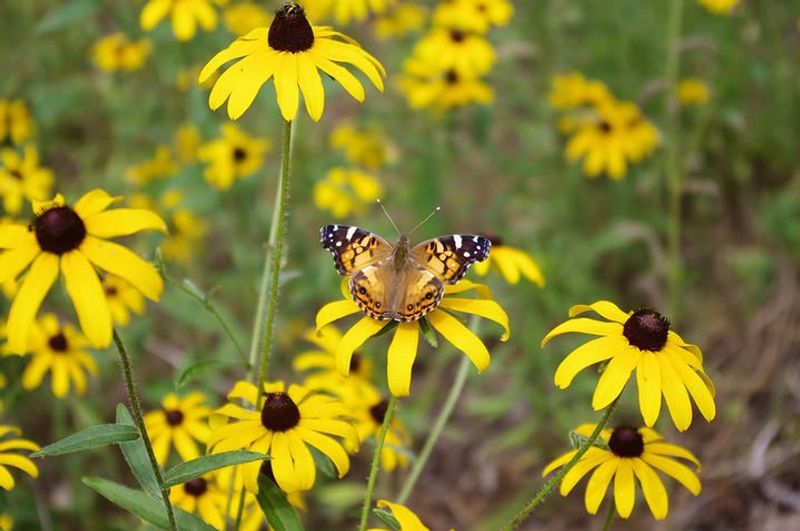
Few wildflowers say summer in Southern Pennsylvania quite like the Black-Eyed Susan. Those bold yellow petals surrounding a rich, dark center are a familiar sight along roadsides, meadows, and backyard gardens all across the region.
Once you plant this tough native, it pretty much takes care of itself.
Black-Eyed Susan (Rudbeckia hirta) is a short-lived perennial that often reseeds itself, meaning it comes back year after year with very little effort on your part. It grows best in full sun and tolerates a wide range of soil types, from sandy to clay-heavy ground.
That flexibility makes it a great fit for the varied soils found throughout Southern Pennsylvania.
When a dry spell hits, this plant holds its own. Its fibrous root system pulls moisture from the soil efficiently, keeping the plant going even when rain is scarce.
You do not need to water it much once it is established, which is great news for gardeners who want a low-maintenance yard.
Blooms typically appear from June through October, giving you months of cheerful color. Bees, butterflies, and other pollinators absolutely love these flowers.
Birds also enjoy snacking on the seed heads in fall and winter, so leaving them standing after blooming is a smart move for local wildlife.
Plant Black-Eyed Susans in borders, wildflower meadows, or mixed perennial beds. They pair beautifully with Purple Coneflower and Little Bluestem.
For Southern Pennsylvania gardeners looking for a reliable, drought-tough native, this classic wildflower is hard to beat.
2. Purple Coneflower
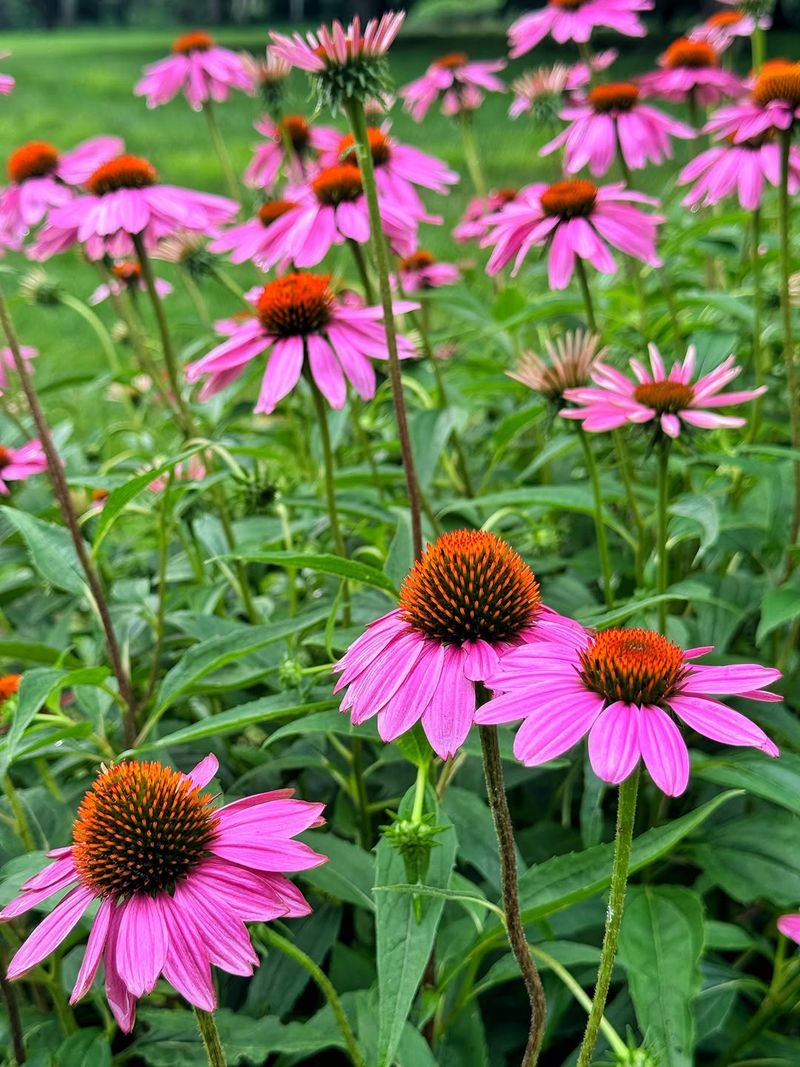
Walk through any well-loved garden in Southern Pennsylvania during midsummer, and you are almost guaranteed to spot Purple Coneflower standing tall in the heat.
This plant is a regional favorite for good reason. It is bold, beautiful, and remarkably tough when conditions get rough.
Echinacea purpurea grows deep, thick roots that reach far into the soil in search of moisture. That deep root system is exactly what makes it so drought-tolerant.
Once established, it can handle weeks without rain and still push out those gorgeous pink-purple blooms with the signature spiky center cones that gardeners love.
Full sun is where this plant truly shines, though it can handle a bit of afternoon shade. Average or even poor soil is perfectly fine.
You do not need to amend your garden beds heavily to get great results from Purple Coneflower, which makes it especially practical for Southern Pennsylvania landscapes with challenging soil conditions.
Pollinators go wild for these flowers. Bees, butterflies, and even hummingbirds are drawn to the blooms from midsummer into fall.
After the flowers fade, the seed heads attract goldfinches and other songbirds. Leaving the seed heads standing through winter also adds interesting texture to your garden during the colder months.
Purple Coneflower spreads slowly over time, forming larger clumps that can be divided every few years. It is a long-lived perennial that rewards patient gardeners.
For anyone building a drought-resilient native plant garden in Southern Pennsylvania, Echinacea purpurea absolutely belongs on the list.
3. Butterfly Weed
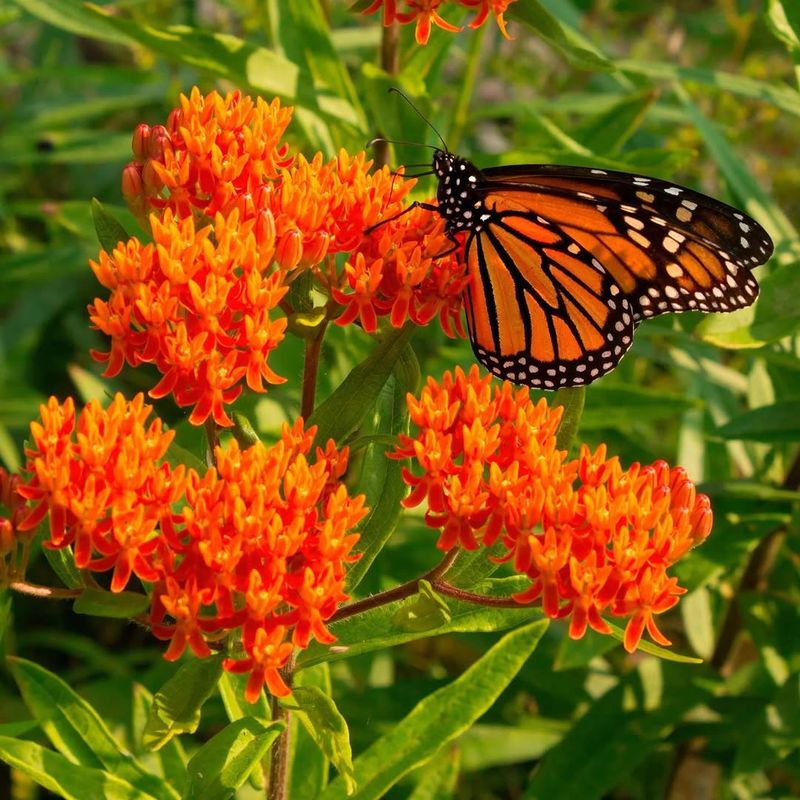
Bright orange flowers, monarch butterflies, and blazing summer heat. That pretty much sums up what Butterfly Weed is all about.
Asclepias tuberosa is one of the most striking native plants you can grow in Southern Pennsylvania, and it earns every bit of the attention it gets.
Unlike many milkweeds, Butterfly Weed stays compact and upright, rarely topping two feet in height. It produces clusters of vivid orange blooms from June through August that are nearly impossible to miss.
Monarch butterflies depend on milkweed species like this one as a host plant for their larvae, making it a genuinely important plant for conservation in the region.
Here is the thing about Butterfly Weed: it absolutely must have well-drained soil. Soggy or waterlogged ground will cause problems fast.
But give it a dry, sunny spot with sandy or gravelly soil, and it will reward you with years of reliable blooms. That preference for dry conditions makes it a natural fit for drought-prone areas across Southern Pennsylvania.
The taproot on this plant goes surprisingly deep, anchoring it firmly and helping it access moisture during dry spells. Because of that taproot, Butterfly Weed does not transplant well once established.
Choose your planting spot carefully and let it settle in for the long haul. Patience is key with this plant. It can be slow to emerge in spring, sometimes not showing any growth until late May.
Do not assume it is gone. Mark your planting spots and wait. Once established, Butterfly Weed is essentially unstoppable in the right Southern Pennsylvania garden setting.
4. Little Bluestem
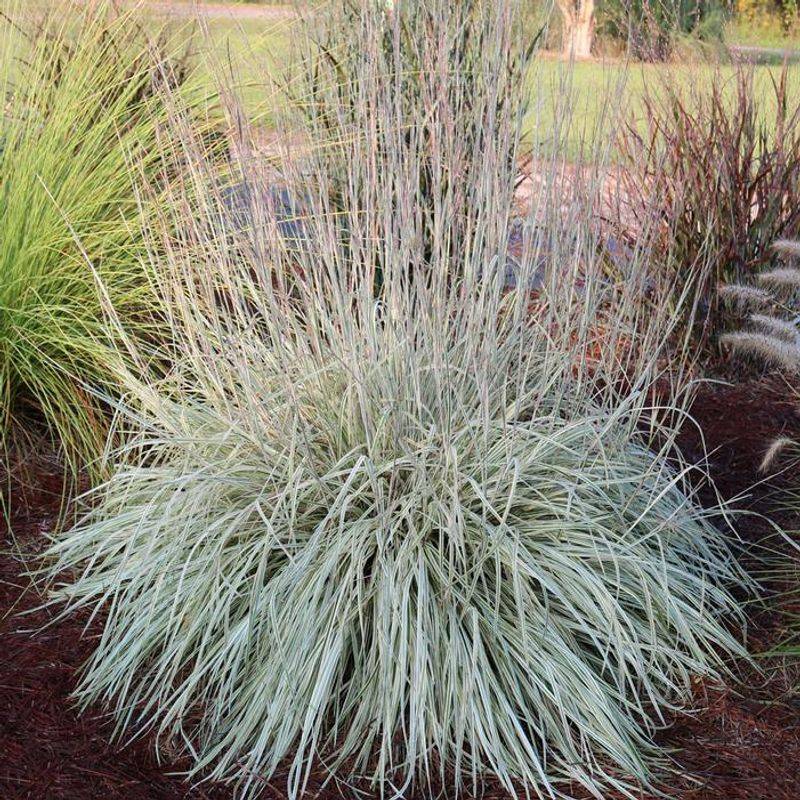
Not every drought-resistant native plant has to be a flower. Little Bluestem is proof that grasses can be just as eye-catching, and in some ways even more versatile.
Schizachyrium scoparium is a warm-season native grass that brings real structure and four-season interest to gardens and landscapes across Southern Pennsylvania.
During spring and summer, Little Bluestem shows off blue-green foliage that stands upright and neat. Come fall, the real show begins.
The leaves shift to a stunning russet-red and copper color that glows in the autumn sunlight. Even in winter, the dried stems hold their form and add texture to an otherwise bare landscape, especially beautiful when dusted with frost or snow.
Drought tolerance is where this grass really stands out. Once established, Little Bluestem can go long stretches without rainfall and still look great.
It actually performs better in lean, dry soils than in rich, heavily amended garden beds. Overly fertile soil can cause the stems to flop over, so skip the heavy fertilizing with this one.
Full sun is a must. Little Bluestem will stretch and lean in shaded spots, losing that upright structure that makes it so appealing.
Plant it on sunny slopes, in rain gardens, or along the edges of naturalistic beds. It works beautifully in mixed plantings with Black-Eyed Susan and Purple Coneflower.
Birds love the fluffy seed heads that appear in late summer, providing food well into winter. For Southern Pennsylvania homeowners who want a low-water, high-impact plant that earns its keep all year long, Little Bluestem is a standout choice.
5. Wild Bergamot
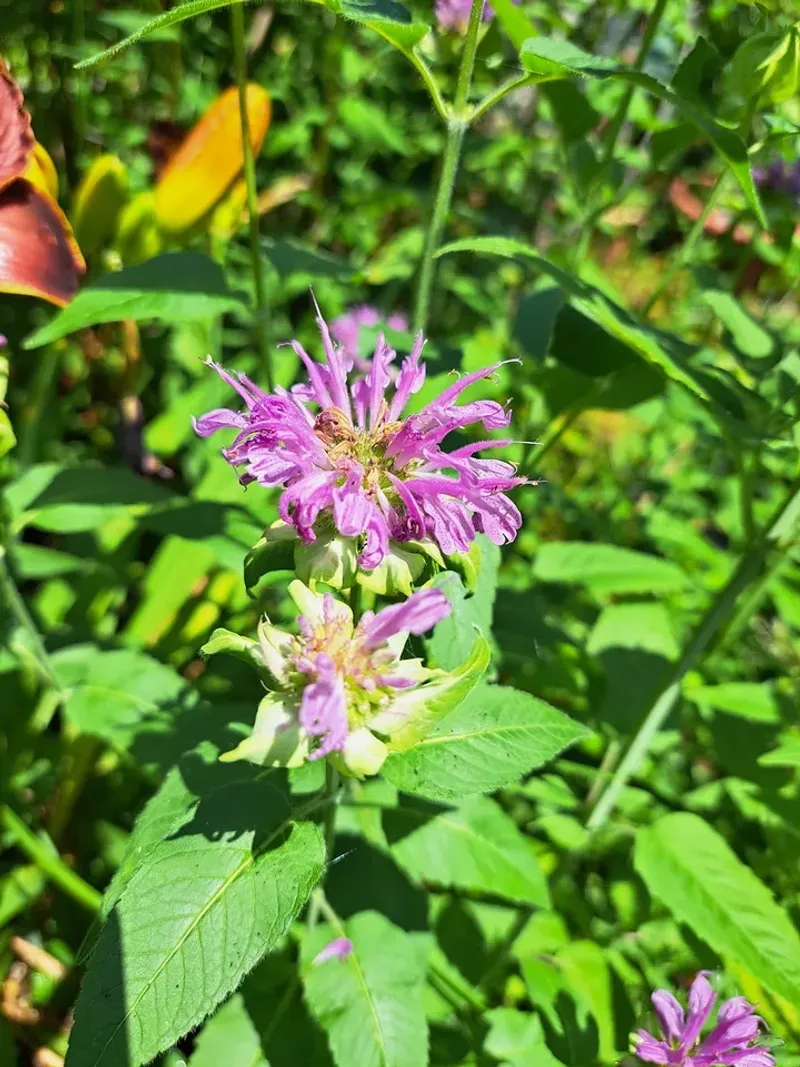
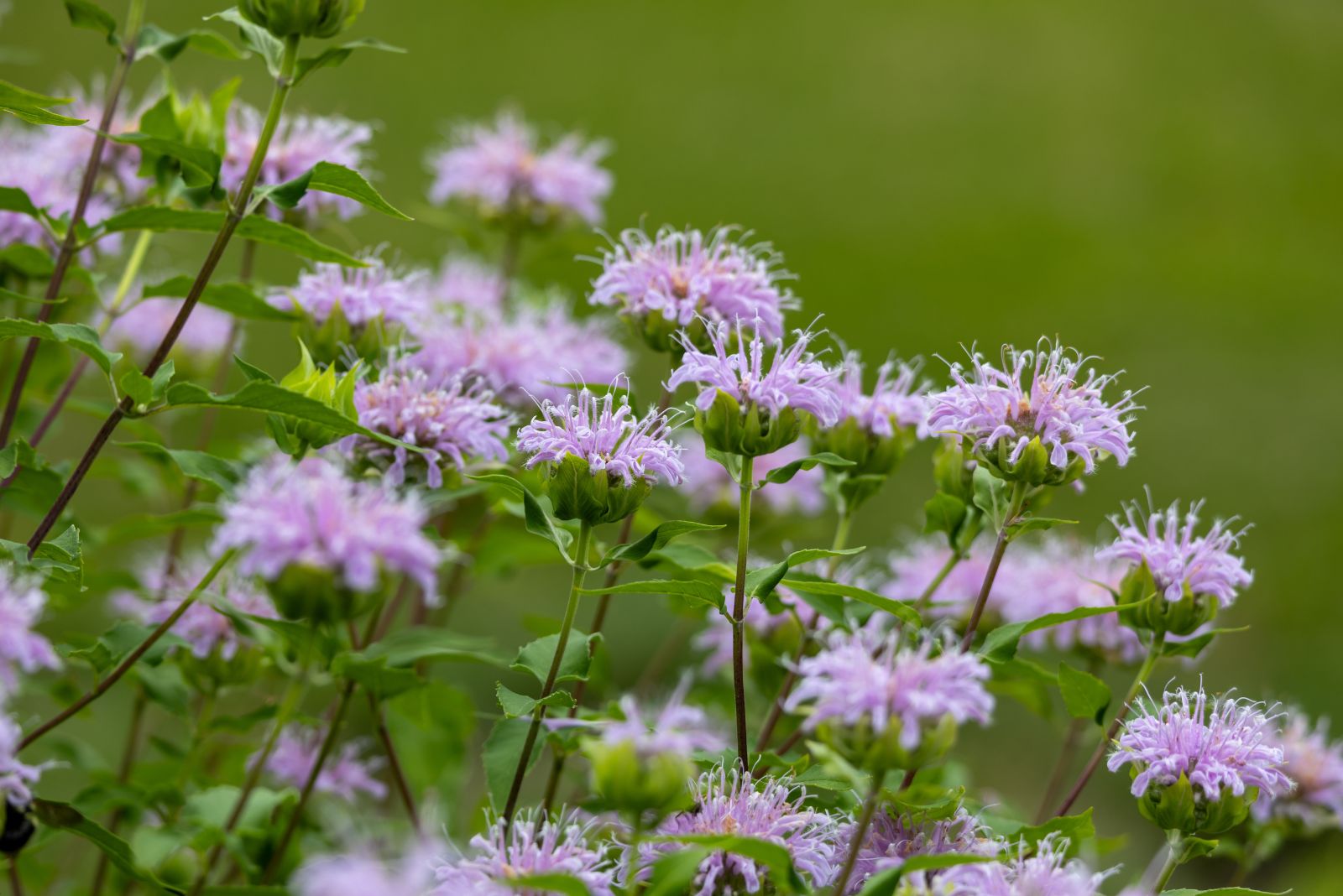
Wild Bergamot has a secret that most gardeners do not know right away. Rub a leaf between your fingers and you get a wonderful, spicy-sweet fragrance that smells almost like oregano.
Monarda fistulosa is one of the most aromatic native plants in Southern Pennsylvania, and that is just one of many reasons to love it.
The flowers are soft lavender to pale purple and bloom in round, shaggy clusters from July through September. They attract an impressive variety of pollinators including bumblebees, hummingbirds, and several species of native bees.
If you want a pollinator-friendly yard in Southern Pennsylvania, Wild Bergamot belongs somewhere in your garden.
Compared to other bee balms, Wild Bergamot handles dry conditions much better. Its preference for well-drained soil and full sun makes it far more drought-tolerant than the showier red-flowered varieties.
It grows to about two to four feet tall and spreads gradually through underground stems, slowly forming wider clumps over time.
Powdery mildew can sometimes show up on the leaves during humid summers, but it rarely causes serious harm to the plant. Choosing a spot with good air circulation helps keep this issue in check.
Planting it with space between neighboring plants and in sunny open areas goes a long way toward keeping foliage healthy.
Wild Bergamot is also deer-resistant, which is a real bonus for gardeners in rural parts of Southern Pennsylvania where deer pressure is high.
Cut stems back after flowering to encourage fresh growth. This adaptable, fragrant native is a workhorse in any low-water, wildlife-friendly landscape.
6. New Jersey Tea
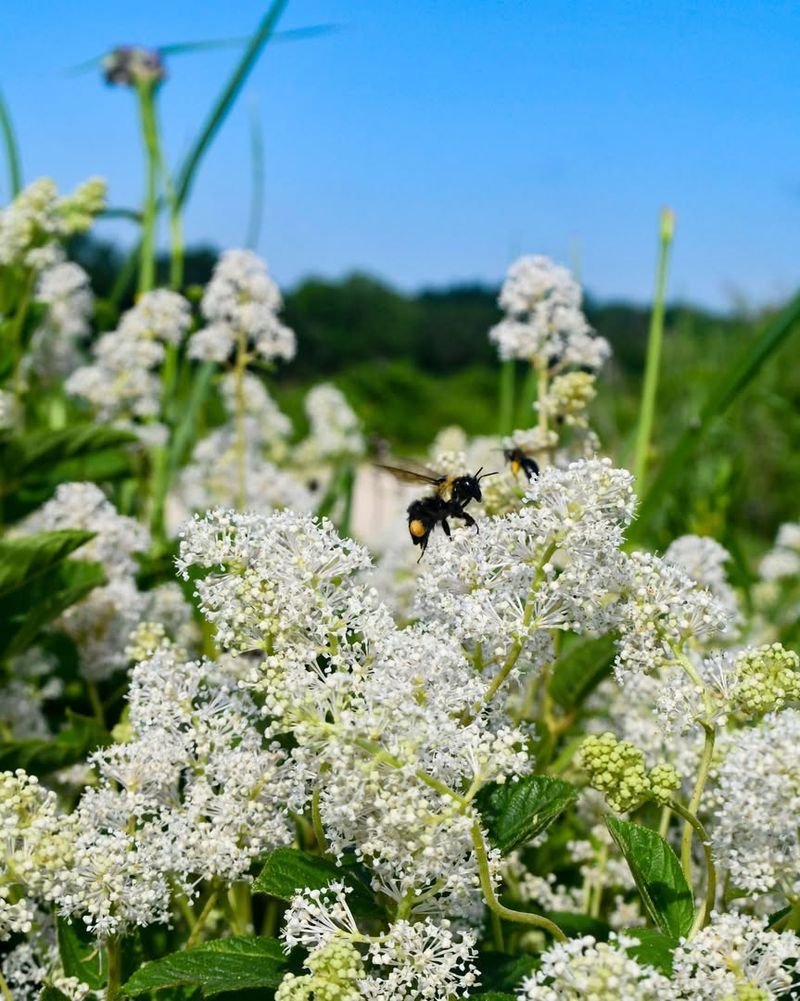
Despite the name, New Jersey Tea is very much at home in Southern Pennsylvania. Ceanothus americanus is a compact native shrub that rarely gets taller than three feet, making it easy to fit into a variety of landscape settings.
Do not let its small size fool you, though. This plant is remarkably tough.
The secret to its drought resilience is underground. New Jersey Tea develops an extensive, deep root system that anchors it firmly in the soil and taps into moisture far below the surface.
That root network is so well-developed that the plant can survive extended dry periods with ease. Sunny, dry slopes that challenge other plants are exactly where this shrub thrives.
Bloom time runs from late spring into early summer, when the plant covers itself in clusters of tiny white flowers. The blooms are fragrant and draw in a wide variety of native bees, butterflies, and other beneficial insects.
For pollinator gardeners in Southern Pennsylvania, New Jersey Tea is a reliable early-season nectar source when other flowers have not yet opened.
Historically, during the American Revolution, colonists brewed the dried leaves of this plant as a tea substitute when British tea was unavailable. That little piece of history makes it a fun conversation starter when guests admire it in your yard.
New Jersey Tea prefers well-drained soil and full to partial sun. It handles poor, rocky, or sandy soils well and rarely needs fertilizing.
Once established in a Southern Pennsylvania garden, this tough little shrub asks for almost nothing and delivers season after season of beauty and wildlife value.
7. Eastern Red Cedar
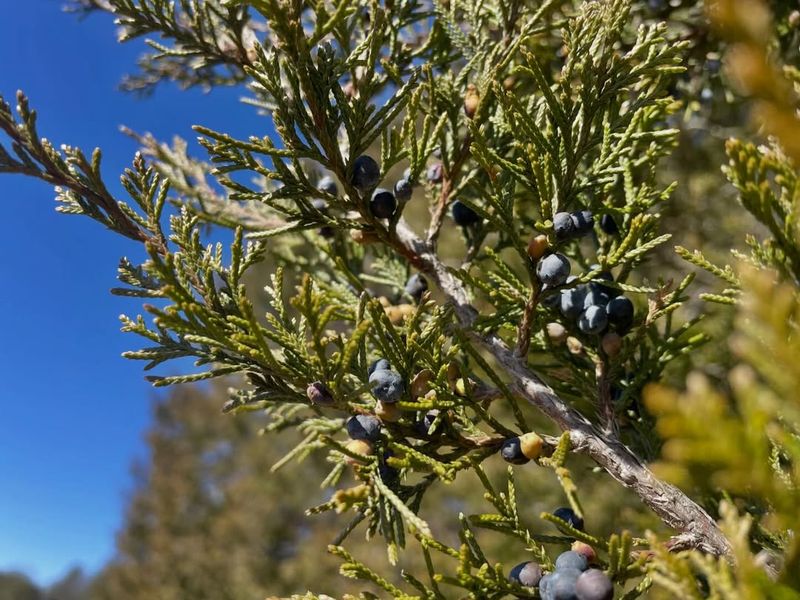
Tough as nails and evergreen all year long, Eastern Red Cedar is one of the most adaptable native trees in Southern Pennsylvania. Juniperus virginiana can handle poor soils, rocky ground, dry hillsides, and extended drought without missing a beat.
If you have a challenging spot in your yard where nothing else wants to grow, this tree is worth a serious look.
Eastern Red Cedar is actually a juniper, not a true cedar, but it has earned that common name through centuries of use across the eastern United States. It grows in a naturally pyramidal shape when young and becomes more irregular and rugged with age.
Heights typically range from 20 to 40 feet at maturity, making it a solid choice for privacy screens, windbreaks, and property borders in Southern Pennsylvania.
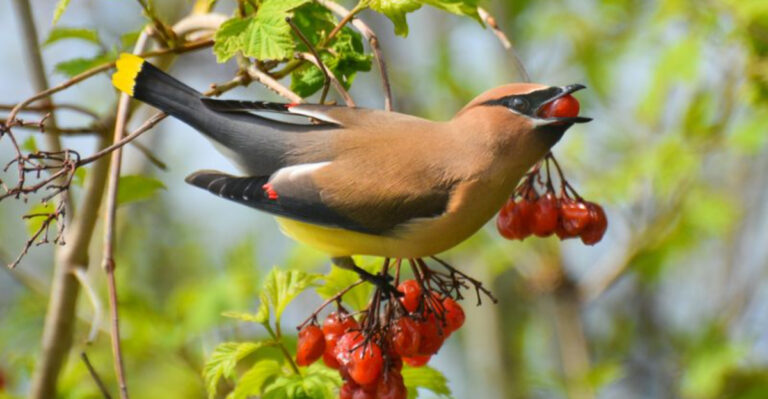
The berries, technically small cones covered in a waxy blue coating, are a critical food source for cedar waxwings, mockingbirds, and dozens of other bird species throughout fall and winter.
Planting a few Eastern Red Cedars on your property is practically like putting out a bird feeder that refills itself every year.
One thing to keep in mind: Eastern Red Cedar can spread aggressively in open areas if birds deposit seeds in your garden. Managing seedlings when they are small is much easier than dealing with established volunteers later on.
Full sun and dry to average soil are all this tree needs to establish and grow. It tolerates clay, sand, and shallow rocky soils equally well.
For Southern Pennsylvania homeowners wanting a no-fuss, drought-tough native evergreen with serious wildlife value, Eastern Red Cedar is a top-tier pick.