10 Drought-Tolerant Plants Perfect For California Gardens In 2026
Long afternoons in California often mean adjusting your routines to the sun, whether it’s watering the garden before it gets too hot or finding shade for a favorite bench, enjoying a cool drink, watching hummingbirds flit by, or listening to the soft buzz of bees.
Many gardeners have learned that not every plant can keep up with dry summers and shifting rainfall.
This year, the spotlight is on plants that can handle the heat and still bring vibrancy to your garden.
These drought‑tolerant selections are ready for sunny patios, slopes, and front yards, offering blooms, greenery, and structure with minimal fuss.
Some of these plants even attract pollinators and add texture to garden beds that might have looked tired in previous seasons. Keep reading and discover which varieties are set to flourish in California gardens this year.
1. California Poppy With Its Sunny Orange Blooms
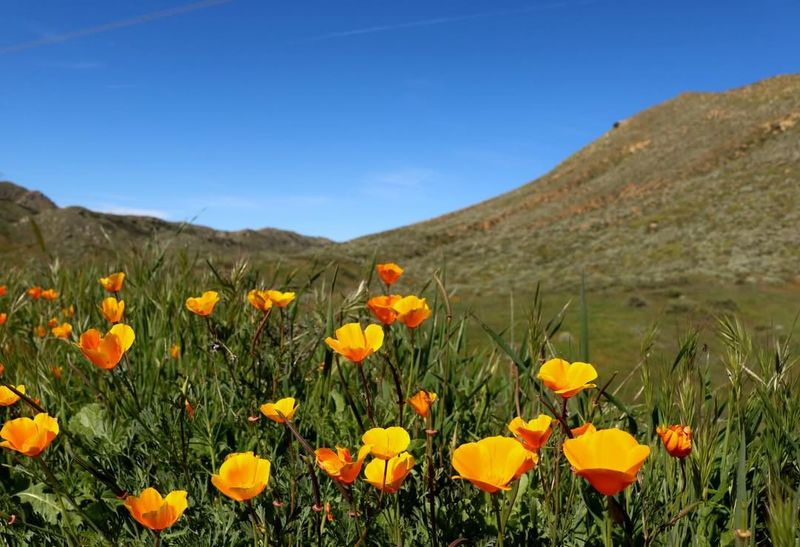
Few things say “California” quite like a field of bright orange poppies swaying in the warm breeze. The California Poppy, known scientifically as Eschscholzia californica, is the official state flower and a bright, cheerful plant often associated with California gardens.
Its bold orange blooms appear from spring through early summer, lighting up even the driest corners of your yard.
What makes this plant especially great for California gardens is how little attention it needs. It actually prefers poor, dry soil, which means you do not have to fuss over fertilizers or frequent watering.
Once the flowers fade, the plant self-seeds, so new poppies will pop up on their own the following year.
Scattering seeds along slopes, pathways, or open garden beds works wonderfully because the poppy spreads naturally over time. It also attracts bees and other pollinators, which helps the rest of your garden thrive.
For anyone new to drought-tolerant gardening in California, the California Poppy is the perfect starting point.
2. California Lilac Filling Gardens With Purple Hues
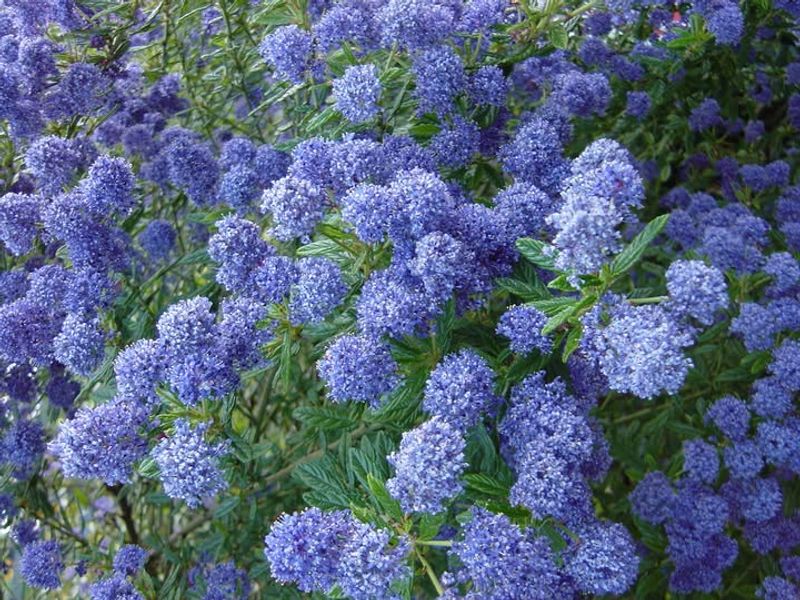
Walk past a California Lilac in full bloom and you will immediately understand why gardeners across the state are obsessed with it. Ceanothus, as it is scientifically known, bursts into stunning clusters of blue and violet flowers each spring, creating a show that rivals any ornamental garden plant.
Bees, butterflies, and other pollinators absolutely love it.
Beyond its good looks, California Lilac is quite resilient. Once established, it typically needs minimal supplemental watering, making it a suitable choice for California gardens with dry summers.
It works beautifully as a hedge, a ground cover, or even a standalone feature shrub.
Planting it in a sunny spot with well-drained soil gives it the best chance to flourish. It is also a native plant, which means it evolved right here in California and naturally knows how to handle the local climate.
Supporting native plants is also a great way to give back to local wildlife and ecosystems. For a low-effort, high-reward addition to any California yard, California Lilac is hard to beat.
3. Manzanita With Its Glossy Leaves
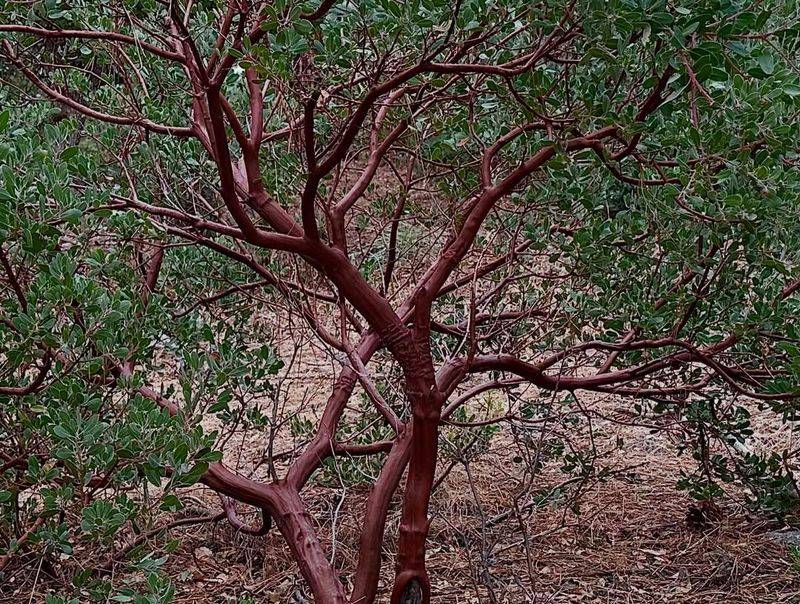
There is something almost sculptural about a Manzanita plant. Its smooth, reddish-brown bark twists and curves in ways that look like living artwork, making it a true standout in any California garden.
Even in winter, when many plants look bare and dull, Manzanita holds its evergreen leaves and keeps the garden looking alive and interesting.
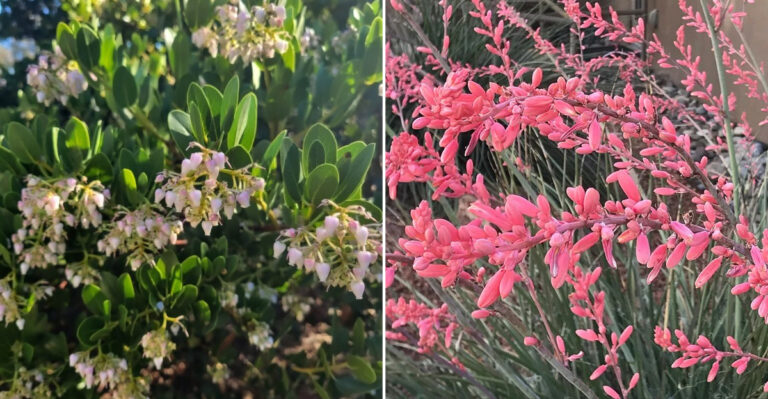
Belonging to the genus Arctostaphylos, Manzanita thrives in dry, rocky soils where other plants would struggle. It produces small white or pink bell-shaped flowers in late winter and early spring that draw in hummingbirds and bees.
After the flowers fade, small berry-like fruits appear that wildlife loves to snack on.
One of the best things about Manzanita is how adaptable it is. Depending on the variety you choose, it can grow as a low ground cover or a tall shrub, giving you lots of flexibility in how you design your space.
It is a native California plant, so it has deep roots in this region’s ecology. Planting Manzanita is a fantastic way to celebrate California’s natural beauty while keeping your water use low and your garden gorgeous.
4. Toyon Bearing Bright Red Berries
Did you know that Toyon, also called California Holly or Christmas Berry, is believed to have inspired the name Hollywood? This stunning native shrub was so abundant in the hills of Southern California that early settlers named the area after it.
That alone makes Toyon one of the most historically fascinating plants you can grow in a California garden.
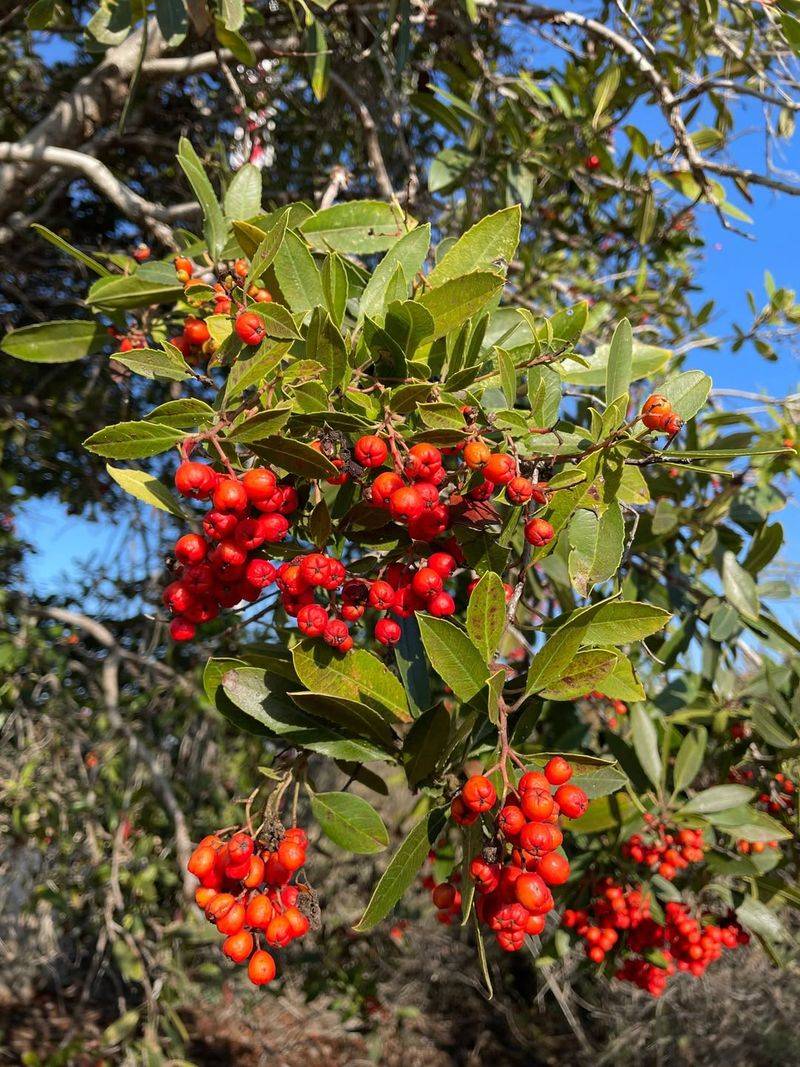
Scientifically known as Heteromeles arbutifolia, Toyon is an evergreen shrub that produces clusters of bright red berries in winter, right when most gardens look their most bare. Those berries are a favorite food source for birds like robins and cedar waxwings, so planting Toyon essentially turns your backyard into a wildlife sanctuary.
From a practical standpoint, Toyon is extremely easy to care for. It adapts well to a wide range of soil types, handles full sun and partial shade, and needs very little water once it gets settled in.
It can grow quite large, making it useful as a privacy screen or a backdrop for smaller plants. For California gardeners who want year-round interest without year-round effort, Toyon is a genuinely rewarding choice.
5. Yarrow With Long-Lasting Colorful Clusters
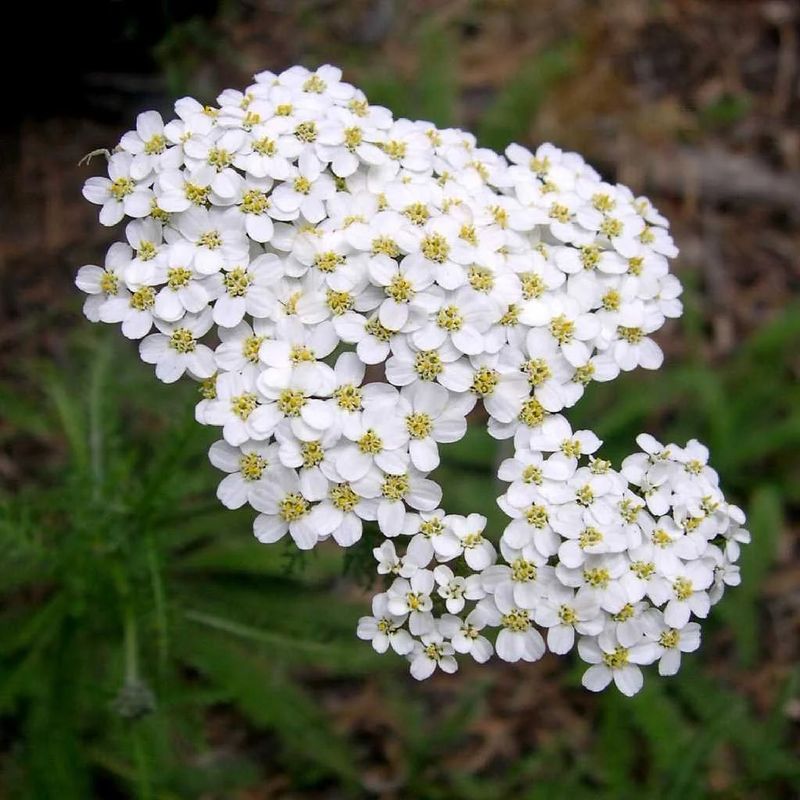
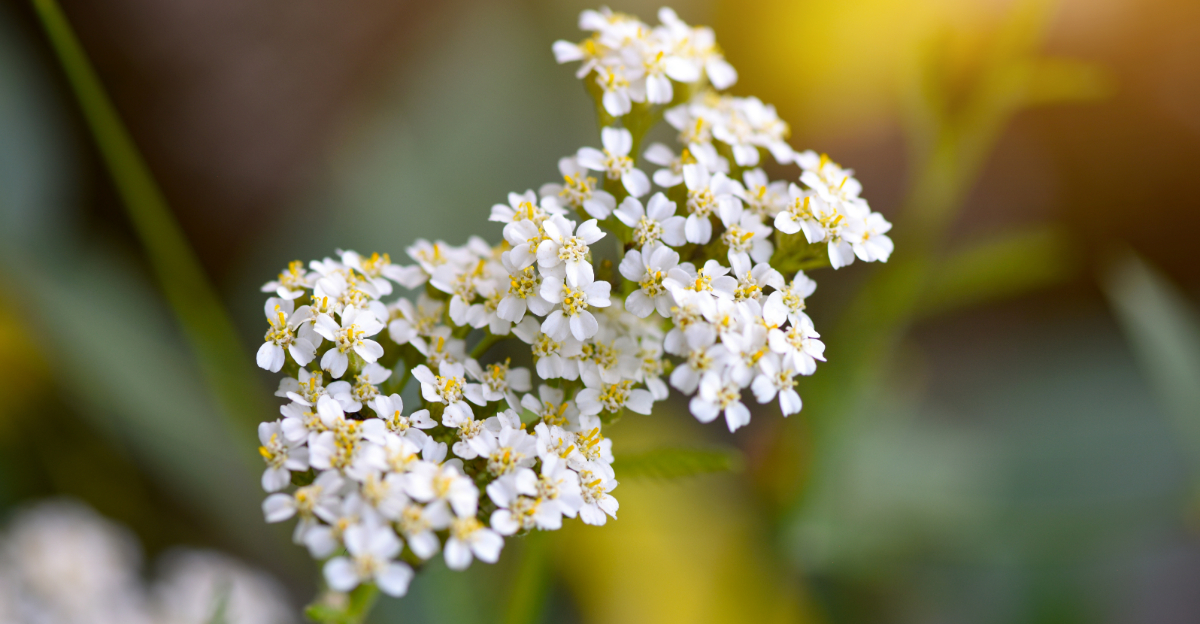
Used by people for thousands of years, from ancient herbal medicine to modern garden borders, yarrow shows exactly why it’s so valued. This tough perennial grows flat-topped clusters of tiny flowers in shades of white, yellow, pink, and red, creating a soft, wildflower look that feels both natural and intentional.
In California gardens, it fits right in with the sunny, open landscape.
Scientifically named Achillea millefolium, Yarrow is one of the most drought-resistant plants you can add to your yard. Once established, it survives on very little water and even improves over time with minimal care.
Its feathery, fern-like foliage stays attractive even when it is not in bloom, giving you something nice to look at throughout the year.
Yarrow is also a magnet for beneficial insects like ladybugs, lacewings, and parasitic wasps, which are natural helpers that keep garden pests under control. Planting it near vegetables or other flowers can actually improve the health of your entire garden.
It spreads gradually on its own, filling in gaps and creating a lush, layered look. For California gardeners who love a naturalistic style, Yarrow is a genuinely wonderful choice.
6. Blue Sage Attracting Pollinators All Season
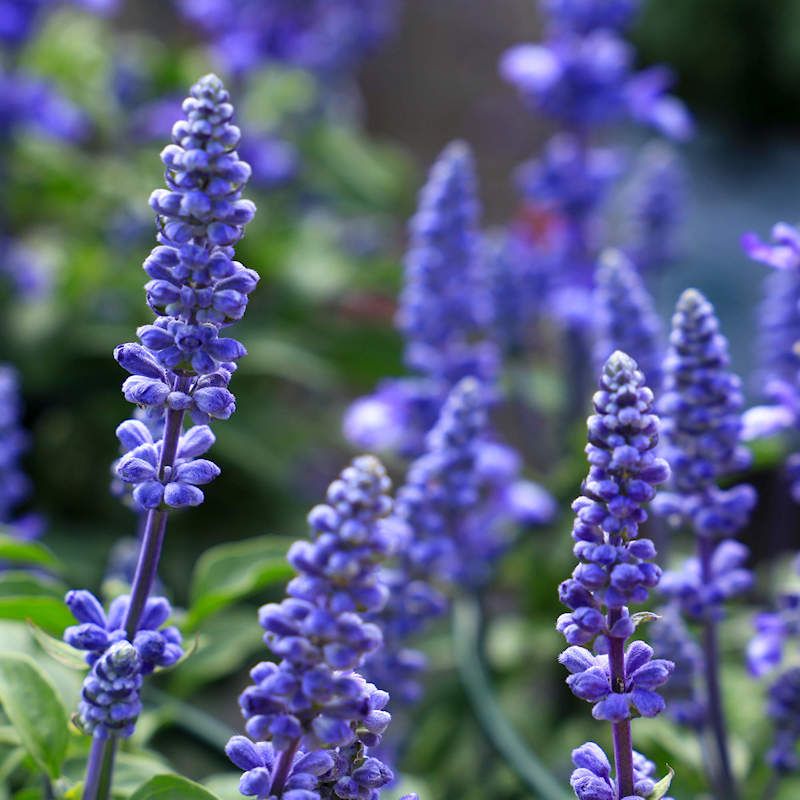
If you have ever walked through a dry California hillside after a light rain, you may have caught a whiff of something wonderfully herbal and refreshing in the air. That scent often comes from Blue Sage, also known as Salvia clevelandii, a native California plant that is as aromatic as it is beautiful.
Its tall spikes of deep blue-purple flowers are absolutely stunning from spring through summer.
Blue Sage is well suited to California’s climate. It thrives in full sun, tolerates poor soil, and once established, generally requires only occasional supplemental watering.
Hummingbirds and bees visit it constantly when it is in bloom, making your garden feel lively and buzzing with energy.
Planting Blue Sage along pathways or near outdoor seating areas is a smart move because you get to enjoy that incredible fragrance every time you brush past it. It pairs beautifully with other drought-tolerant California natives like Yarrow and California Poppy, creating a cohesive, water-wise garden design.
Pruning it back lightly after flowering keeps it tidy and encourages fresh new growth. For California gardeners who want fragrance, color, and wildlife value all in one plant, Blue Sage truly delivers.
7. Agave Making A Bold Architectural Statement
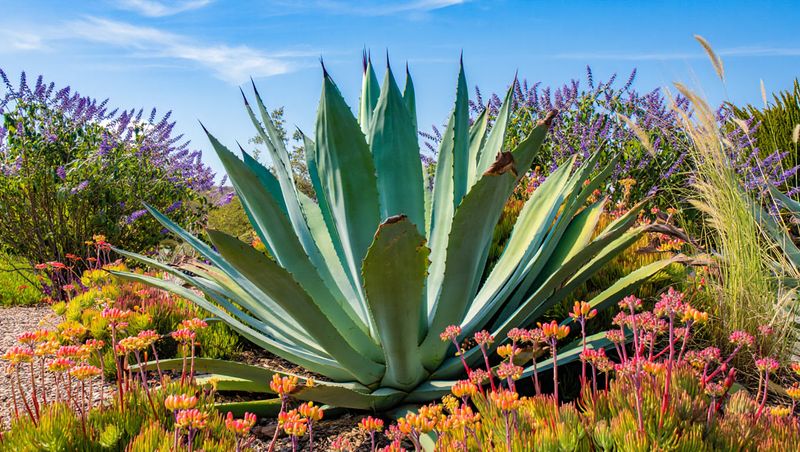
Bold, architectural, and practically indestructible, Agave is the kind of plant that makes a statement without saying a word. Its thick, fleshy leaves form dramatic rosette shapes that add a striking, sculptural quality to any California garden.
Whether you are going for a modern desert look or a more naturalistic landscape, Agave fits the vision perfectly.
Agaves store water in their leaves, which helps them cope with California’s dry conditions. They typically need minimal irrigation once established and do well in full sun with well-drained soil.
There are many varieties to choose from, ranging from small, compact types great for containers to large, dramatic specimens that anchor an entire garden bed.
One fun fact worth knowing: Agave plants spend many years growing slowly before they send up a dramatic flowering spike, sometimes reaching twenty feet tall, that blooms just once in a grand finale. After flowering, the main plant fades, but it leaves behind smaller offset plants called pups that continue to grow.
Agave is also a great choice for fire-resistant landscaping, which is increasingly important for California homeowners. It is a tough, beautiful, and genuinely fascinating plant to grow.
8. Lavender With Fragrant Purple Spikes
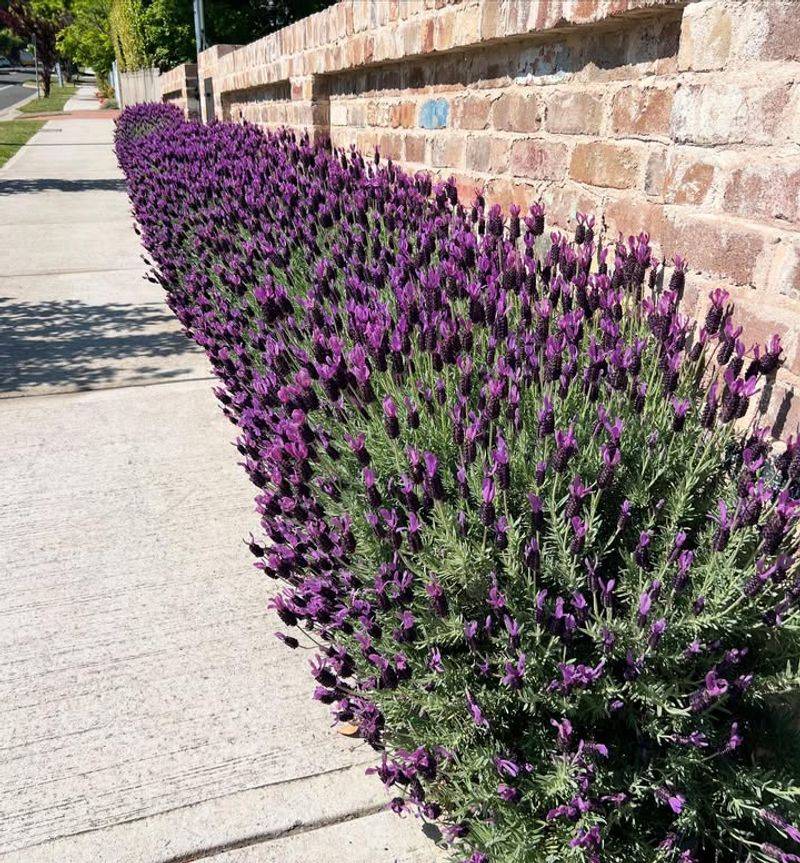
There is a reason Lavender appears in so many California gardens, from small backyard beds to sprawling hillside landscapes. Its soft purple flower spikes and silvery-green foliage create an effortlessly beautiful look, and that sweet, calming fragrance is something you simply cannot get enough of.
Lavender has long been a popular garden plant, appreciated for its fragrance and visual appeal during bloom season.
Belonging to the genus Lavandula, Lavender is perfectly suited to California’s sunny, dry climate. It thrives in well-drained soil and full sun, and once established, it requires very little water to stay happy and healthy.
Bees and butterflies are drawn to it constantly during bloom season, which typically runs from late spring through summer depending on the variety.
Beyond looking and smelling amazing, Lavender has practical uses too. The dried flowers can be used in sachets, teas, and homemade beauty products, making it a genuinely useful garden plant.
Trimming it back after the flowers fade keeps the plant tidy and encourages more blooms the following year. For California gardeners who want beauty, fragrance, and wildlife value with minimal water use, Lavender is a timeless and reliable option that never goes out of style.
9. Rosemary Offering Evergreen Aroma And Texture
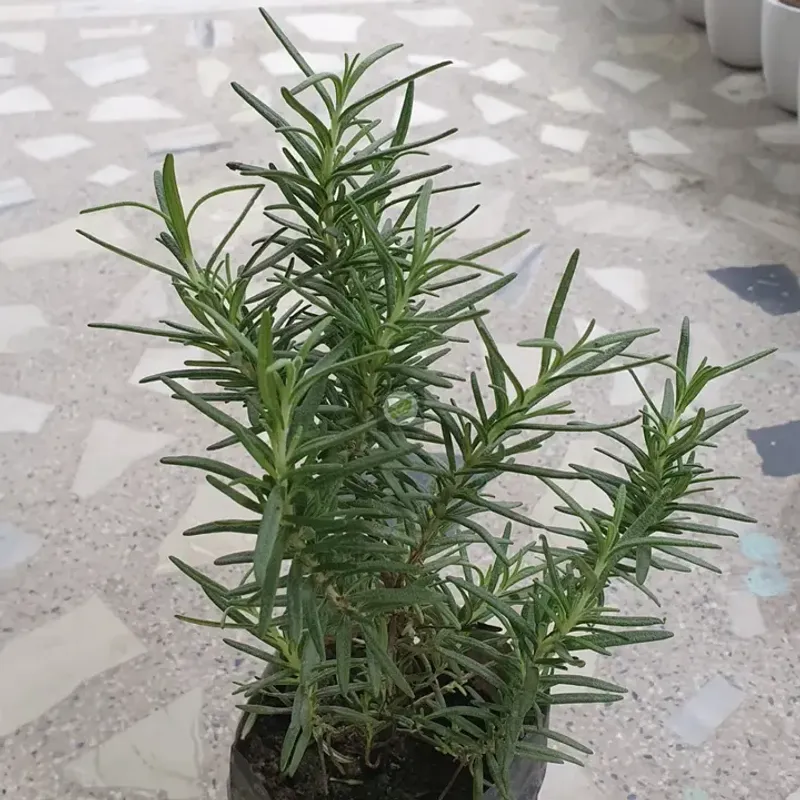
Rosemary might be best known as a kitchen herb, but in California gardens, it earns its place as a full-on landscape superstar. This woody, evergreen shrub produces needle-like, intensely aromatic leaves and delicate blue flowers that bloom through much of the year.
It looks great as a low hedge, a ground cover on slopes, or simply as a fragrant accent plant near your back door.
Scientifically called Salvia rosmarinus, Rosemary originates from the Mediterranean region, which has a climate somewhat similar to California’s. It is adapted to hot, dry summers and mild winters, making it a low-maintenance choice for a drought-tolerant garden.
Once established, it needs very little water and actually prefers not to be overwatered.
Pollinators adore Rosemary’s small flowers, and the plant also helps repel certain garden pests, which is a handy bonus. Harvesting sprigs for cooking is easy and encourages the plant to stay bushy and full.
It is also quite long-lived, meaning a well-placed Rosemary plant can anchor your garden design for many years. For California homeowners who want beauty, fragrance, and fresh herbs all in one plant, Rosemary is a truly practical and rewarding choice.
10. Red Buckwheat With Striking Scarlet Flowers
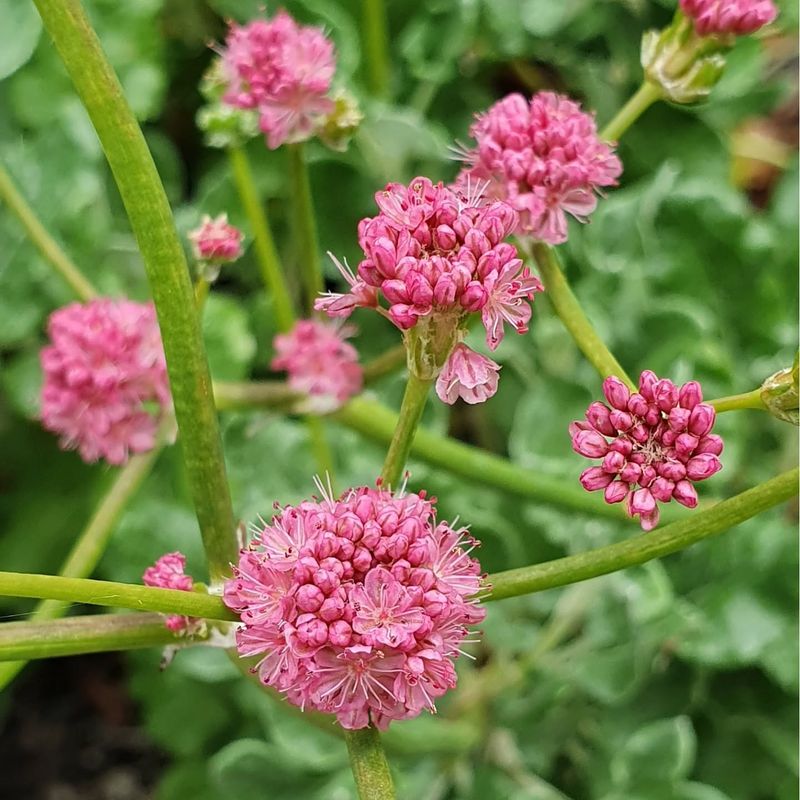
Tucked along California’s coastal cliffs and chaparral hillsides, Red Buckwheat is one of those native plants that looks like it belongs in a watercolor painting. Eriogonum grande var. rubescens produces rounded clusters of rosy-red to deep pink flowers that hover above low, spreading foliage in a way that looks almost effortless.
It is a native California plant that truly understands its home climate.
Red Buckwheat blooms from late spring through summer and the flower clusters often age to a warm rusty-red, which means the plant stays visually interesting even as the blooms dry out. Butterflies, especially the Acmon Blue and Lupine Blue species, depend heavily on buckwheats as a host plant, so growing Red Buckwheat is a meaningful way to support local butterfly populations in California.
From a care standpoint, this plant is refreshingly low maintenance. It handles drought like a champion, prefers well-drained sandy or rocky soil, and asks for very little once it gets going.
It works wonderfully in rock gardens, along pathways, or at the front of a mixed border where its spreading habit can be appreciated. For California gardeners who want to support native wildlife while keeping water use low, Red Buckwheat is a deeply rewarding and beautiful choice.