10 Drought Tolerant Plants That Thrive In Michigan Landscapes
Michigan summers can dry out your garden quicker than you think. One week the yard looks lush, and the next the soil feels hard and thirsty.
During these stretches, many plants begin to struggle, leaving garden beds looking tired just when they should be at their best. Across the Upper and Lower Peninsulas, dry spells are a regular part of the season.
Whether you are dealing with sandy soil in West Michigan or heavier clay near Detroit, choosing plants that can handle limited water makes a huge difference. Some varieties are built to stay strong through heat and dry conditions without constant attention.
The right plant choices can transform how your garden performs during the toughest weeks of summer. With drought tolerant options in place, Michigan gardens can stay full of color and life even when rainfall is hard to come by.
1. Purple Coneflower
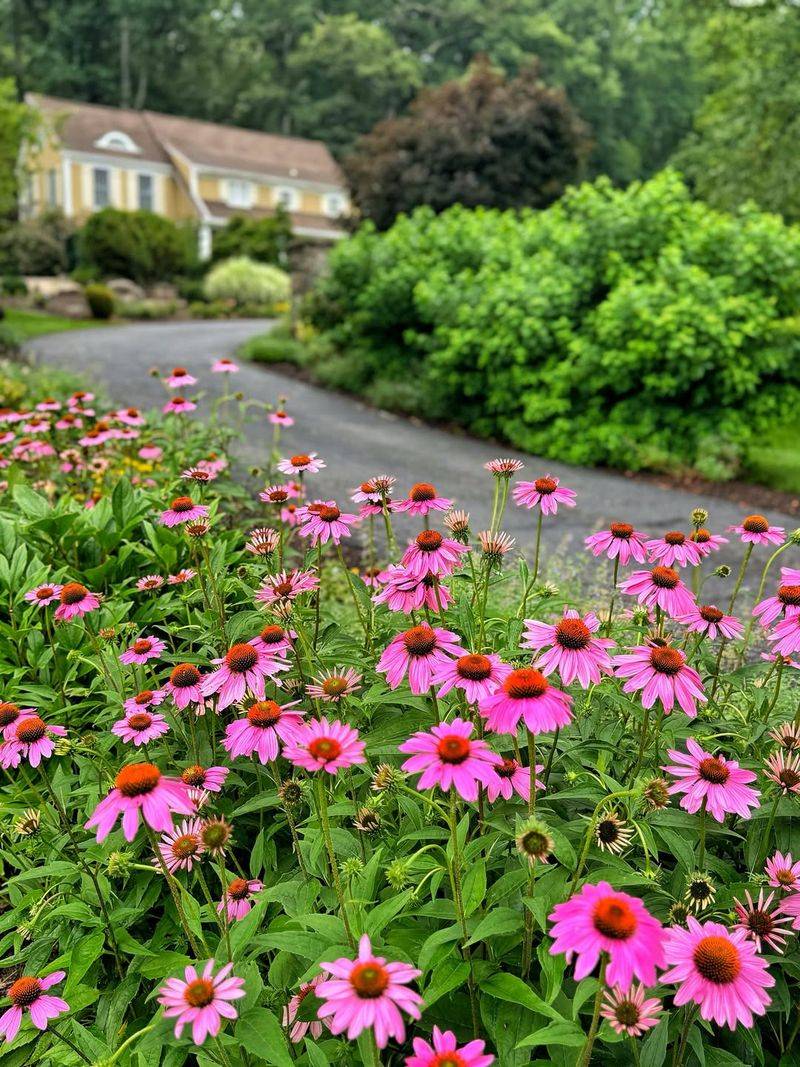
Few plants earn their place in a Michigan garden quite like Purple Coneflower.
Known scientifically as Echinacea purpurea, this bold native perennial has been brightening Midwest landscapes for centuries with its striking rose-purple petals and spiky orange-brown centers.
It feels right at home across Michigan, from the Upper Peninsula down to the southernmost counties.
What makes this plant so special is what you cannot see above ground. Purple Coneflower develops incredibly deep roots that reach far into the soil, pulling up moisture even during dry stretches that would stress other plants.
Once established, it handles Michigan summers with ease and rarely needs extra watering from you.
Plant it in full sun and make sure the soil drains well. Avoid rich, heavily amended soil because overly fertile ground can actually reduce its drought tolerance over time.
Sandy or average garden soil works perfectly. Space plants about 18 to 24 inches apart so air circulates freely around each one.
Butterflies, bees, and goldfinches absolutely love this plant, making it a wildlife magnet all season long. After flowering, leave the seed heads standing through winter because birds will feed on them for months.
Purple Coneflower also spreads gradually by self-seeding, so your garden gets fuller and more colorful each year with almost no extra effort from you.
2. Black-Eyed Susan
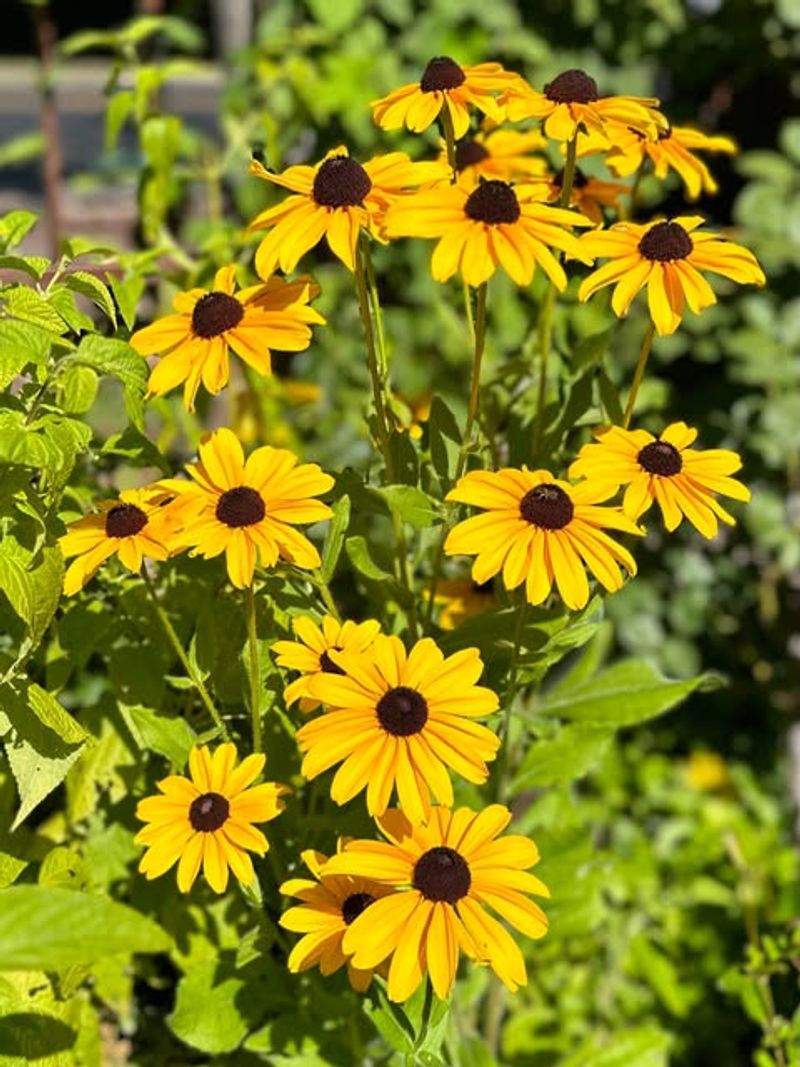
Golden, cheerful, and almost impossible to stop once it gets going, Black-Eyed Susan is one of Michigan’s most beloved native wildflowers.
Rudbeckia hirta produces waves of sunshine-yellow blooms with deep brown centers from mid-summer all the way into early fall, filling gardens with color exactly when many other plants start looking tired from the heat.
Dry conditions are no problem for this tough plant. Black-Eyed Susan naturally grows along roadsides, meadows, and open fields across Michigan, which tells you everything about its ability to handle poor, dry soils without complaint.
It thrives in full sun and actually performs better in lean soil than in rich, heavily fertilized ground.
Keep fertilizing to a minimum because too many nutrients push leafy growth at the expense of flowers.
One of the best things about Black-Eyed Susan is that it reseeds freely and naturally, spreading across your garden year after year without any extra work from you. Over time, a small planting can fill an entire sunny bed with golden color.
Pollinators swarm to the blooms throughout summer, and birds enjoy the seed heads well into winter. Michigan gardeners who want low-maintenance beauty with maximum impact should absolutely make room for Black-Eyed Susan.
Pair it with Purple Coneflower for a native wildflower combination that practically takes care of itself all season long.
3. Butterfly Weed
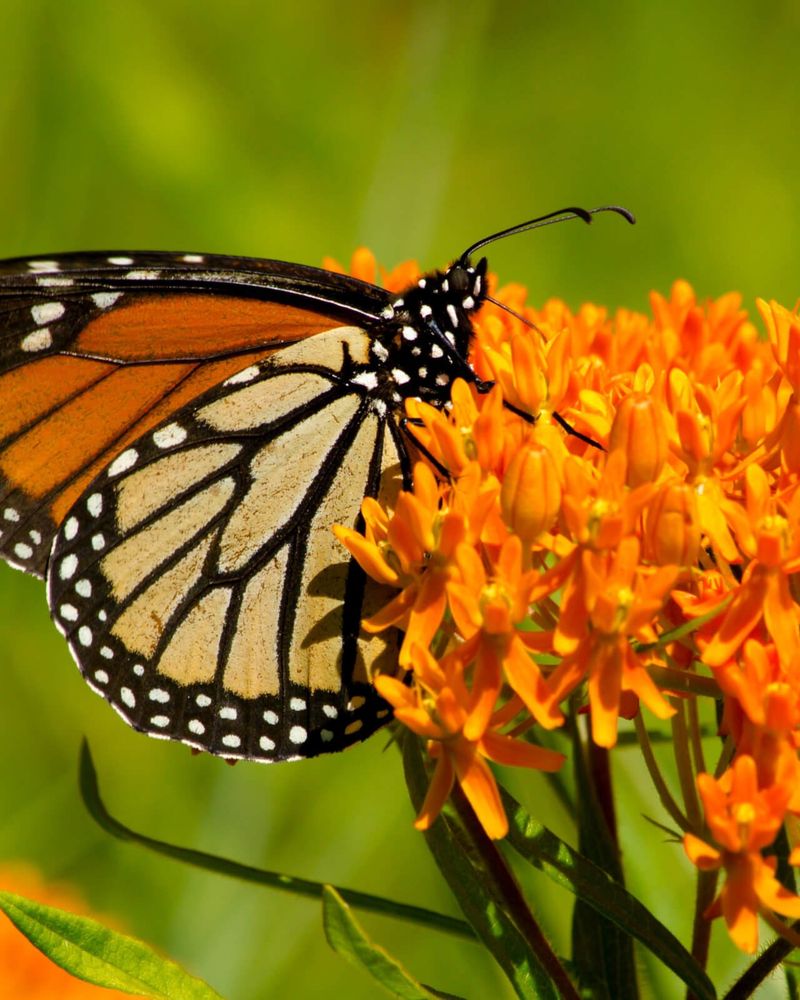
If you want to attract monarch butterflies to your Michigan yard while barely lifting a finger, Butterfly Weed is your answer.
Asclepias tuberosa produces clusters of vivid orange flowers that practically glow in the summer sun, creating one of the most eye-catching displays you will find in any native garden.
Monarchs, swallowtails, and dozens of other pollinators cannot resist it. The secret behind its legendary drought tolerance is a long, fleshy taproot that drives deep into the earth and stores water for dry periods.
Once that root system gets established, which typically takes one full growing season, Butterfly Weed can handle Michigan’s driest summers without any supplemental watering. Sandy or gravelly, well-drained soil suits it best.
Full sun is non-negotiable for this plant. It needs at least six hours of direct sunlight daily to bloom its best and maintain strong drought resistance.
One important thing to keep in mind is that you should pick your planting spot carefully and stick with it because transplanting established plants is very difficult due to that deep taproot.
Start seeds directly in the ground in fall or early spring for best results. Be patient during the first year because Butterfly Weed focuses on root development before putting energy into flowers.
By year two, you will have a stunning, nearly carefree plant that supports monarch populations right in your own Michigan backyard.
4. Little Bluestem
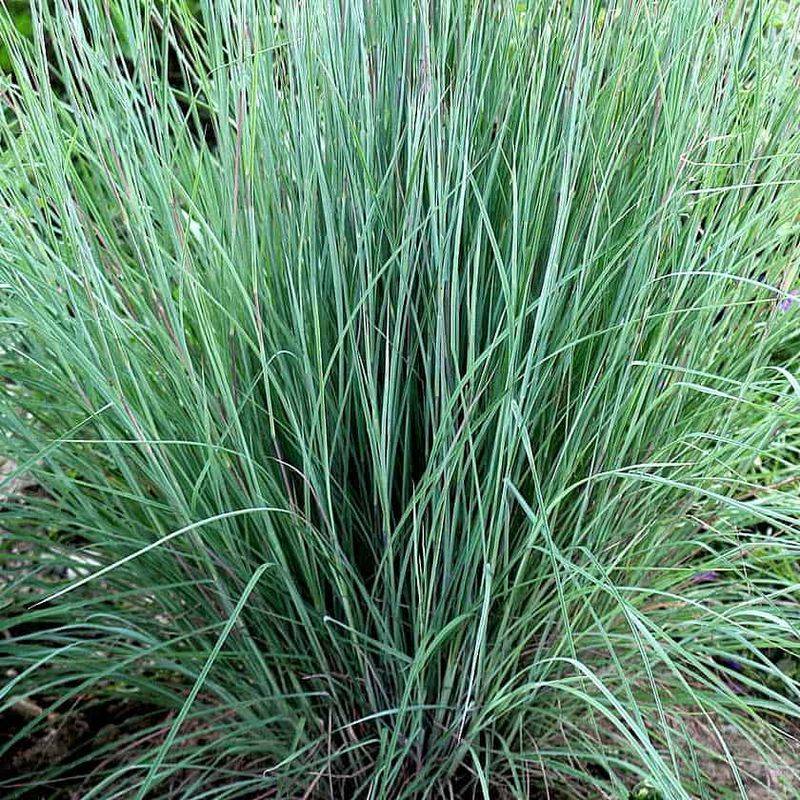
Not every drought tolerant plant in Michigan needs to be a flower. Little Bluestem, known scientifically as Schizachyrium scoparium, is a native prairie grass that brings incredible texture, movement, and four-season interest to any landscape.
Its blue-green summer foliage transforms into stunning shades of copper, rust, and burgundy by fall, making it one of the most visually rewarding grasses you can grow here.
Michigan’s sandy soils and dry open areas are exactly where Little Bluestem evolved over thousands of years, which is why it performs so effortlessly once established.
The deep, fibrous root system allows it to pull moisture from far below the surface, making it nearly drought-proof after its first season in the ground. No extra watering needed once roots are settled in.
Plant it in full sun for the strongest growth and best fall color. Heavy, wet soils are the one thing this grass cannot handle, so good drainage is essential.
Avoid clay-heavy spots unless you amend the soil well or build raised beds for better drainage. Spacing plants 18 to 24 inches apart gives each clump room to develop its full, graceful form.
Cut clumps back to about four inches in late winter or very early spring before new growth emerges.
Little Bluestem also provides excellent habitat for small birds and insects through the colder months, making it a genuinely valuable addition to any Michigan landscape that values both beauty and wildlife support.
5. Sedum
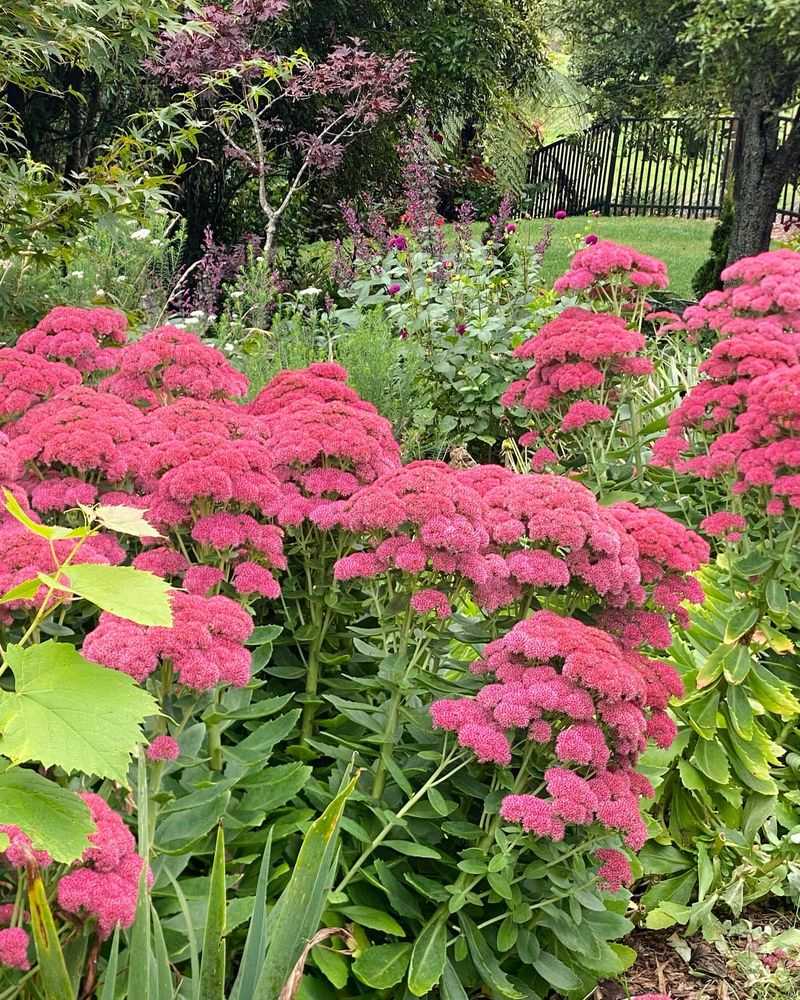
Sedum might just be the most forgiving plant in all of Michigan gardening. Hylotelephium spectabile, commonly called Showy Stonecrop, is a perennial succulent that stores water right inside its thick, fleshy leaves, giving it a built-in reserve for dry periods.
When other plants in your garden start drooping during a summer dry spell, Sedum just keeps on growing and looking great.
The flowers arrive in late summer and early fall, which is exactly when most gardens start looking tired and washed out.
Flat-topped clusters of pink to rosy-red blooms draw in bees and butterflies right up until the first frost, providing a valuable late-season food source for pollinators across Michigan. The blooms also dry beautifully on the plant and add winter interest to your garden.
Choose a spot with full sun and well-drained soil for the best results. Sedum absolutely hates sitting in wet soil, especially during Michigan’s wet springs, so avoid low spots where water pools after rain.
Sandy or loamy soil with good drainage suits it perfectly. No special fertilizing is needed and in fact, rich soil can cause the stems to flop over.
Divide clumps every three to four years in spring to keep plants vigorous and well-shaped. Sedum also works beautifully in containers, rock gardens, and along sunny borders where other plants might struggle.
For low-effort, high-reward gardening in Michigan, few plants come close to matching what Sedum delivers season after season.
6. Russian Sage
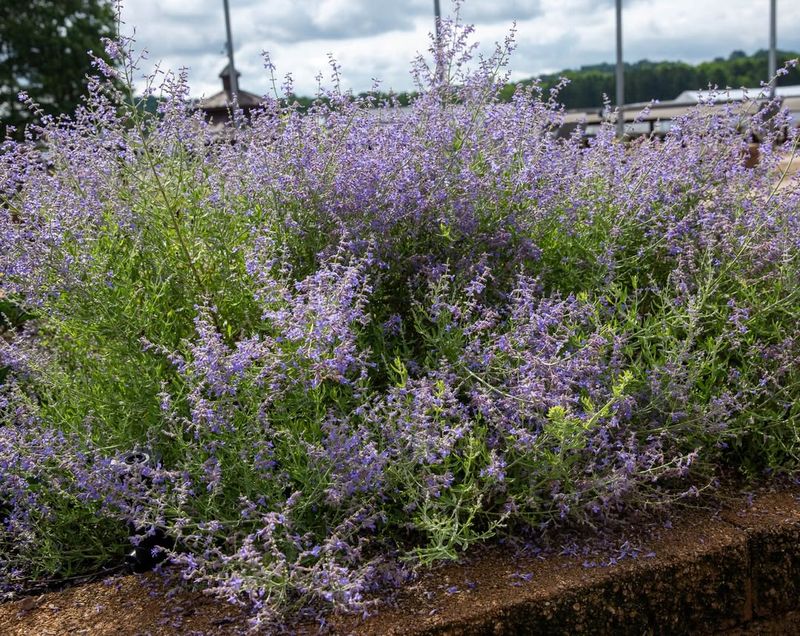
Walk past Russian Sage on a warm Michigan afternoon and the soft fragrance of its silvery foliage will stop you in your tracks.
Salvia yangii, formerly known as Perovskia atriplicifolia, produces tall, airy spikes of lavender-blue flowers that create a hazy, dreamy effect in the garden from midsummer through early fall.
Few plants match its combination of fragrance, color, and toughness. Dry conditions and poor soils are where Russian Sage truly shines. Once established in a Michigan landscape, it tolerates heat, drought, and neglect without missing a beat.
The silvery-gray stems and finely cut leaves help reflect sunlight and reduce water loss, which is one of the natural adaptations that makes this plant so incredibly drought resistant in our region.
Full sun and excellent drainage are the two key requirements. Avoid planting Russian Sage in spots where water sits after rain because wet soil, especially during Michigan’s cold winters, is the one thing that can seriously damage the roots.
Raised beds and sloped areas with fast-draining soil are ideal locations for this plant to perform at its best.
Cut stems back to about six to eight inches in early spring before new growth begins. Russian Sage pairs beautifully with Yellow Black-Eyed Susan, ornamental grasses, and Purple Coneflower for a stunning low-water border.
Deer tend to avoid it as well, which is a significant bonus for Michigan gardeners dealing with browsing wildlife throughout the growing season.
7. Yarrow
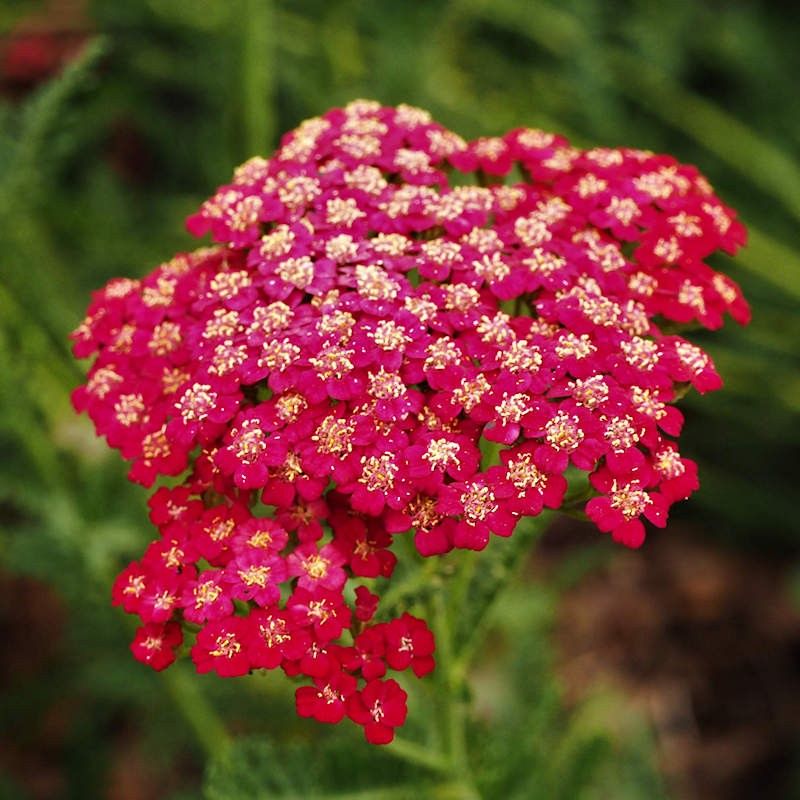
Yarrow has been growing wild across Michigan meadows and roadsides for so long that many people assume it is just a common weed.
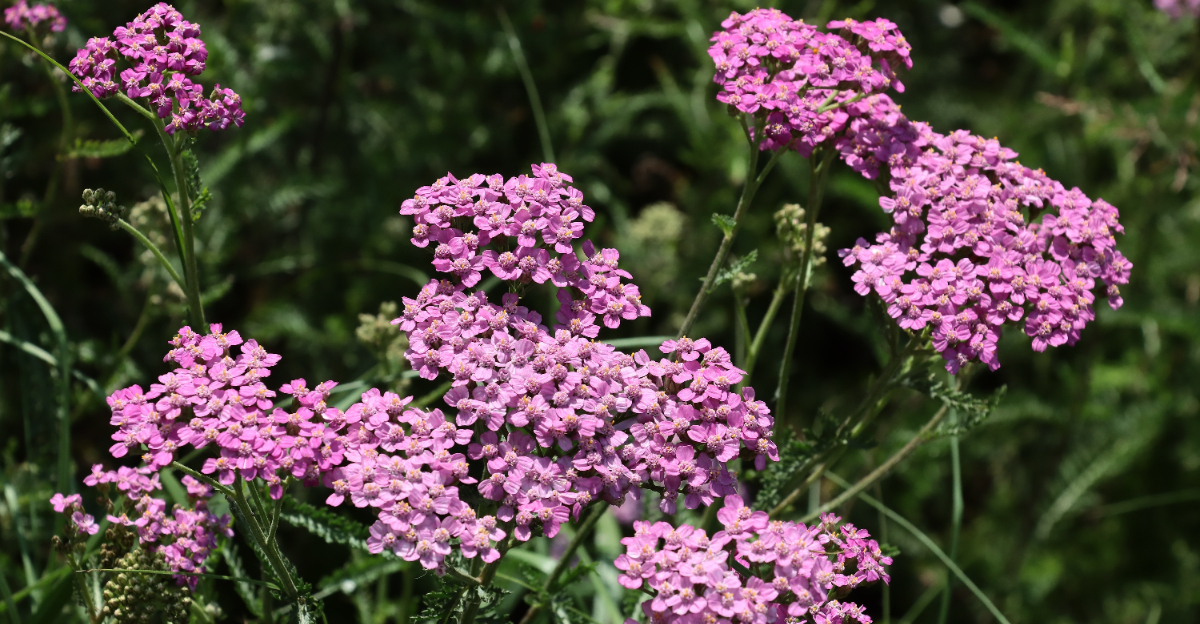
Achillea millefolium is actually one of the most useful and adaptable perennials you can plant, offering flat-topped flower clusters in shades of yellow, white, pink, and red above finely textured, feathery foliage that smells faintly herbal when brushed.
It is genuinely beautiful when given a proper spot in the garden. Dry soil is no obstacle for Yarrow. This plant evolved to thrive in lean, well-drained conditions, which makes it a natural fit for Michigan’s sandier regions and sun-baked garden borders.
It handles heat and drought without any fuss, and once established, you can essentially walk away and let it do its thing all summer long without any supplemental watering.
Plant in full sun for the most compact growth and the strongest flower production. Rich or heavily fertilized soil causes Yarrow to flop and spread aggressively, so lean soil is actually your best friend here.
After the first flush of blooms fades in early summer, cut the flower stems back by about half to encourage a second wave of flowering later in the season.
Beneficial insects including lacewings, hoverflies, and ladybugs are strongly attracted to Yarrow blooms, making it a powerhouse plant for supporting garden ecosystems across Michigan.
It also spreads steadily by rhizomes, filling gaps in sunny beds over time and creating a dense, weed-suppressing mat of fragrant, beautiful foliage.
8. Prairie Dropseed
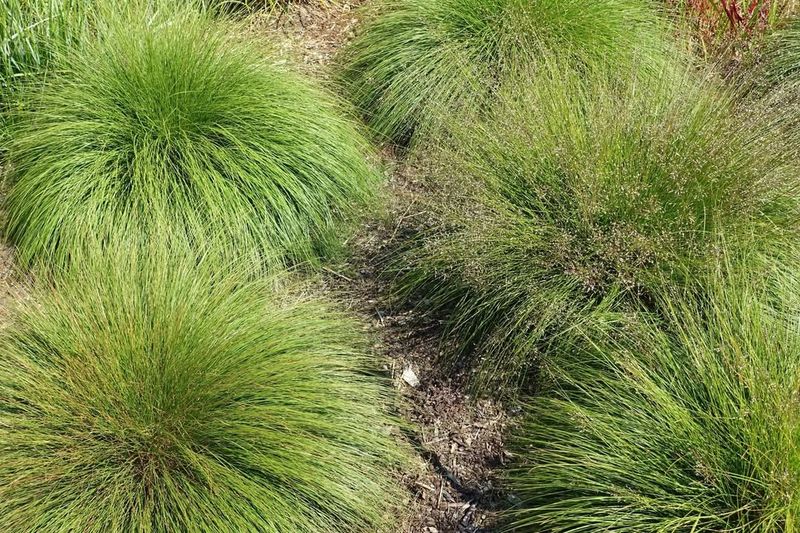
There is something quietly magical about Prairie Dropseed. It forms elegant, arching mounds of fine-textured green foliage that turn golden orange in fall, and the delicate seed heads that appear in late summer carry a surprisingly pleasant fragrance described by many gardeners as buttery popcorn.
It is one of those plants that earns more admiration the longer you look at it. Native to Michigan’s prairies and open savannas, Prairie Dropseed has adapted over thousands of years to handle exactly the dry, well-drained conditions found across much of the state.
Its deep root system anchors firmly into the soil and accesses moisture far below the surface, allowing it to stay green and healthy during extended dry periods when other ornamental grasses might start looking stressed.
Full sun brings out the best in this grass. Avoid heavy clay or poorly drained soils because consistently wet conditions weaken the plant and can lead to crown issues over time.
Sandy loam or average garden soil with reliable drainage gives Prairie Dropseed everything it needs to thrive and spread gracefully across your Michigan landscape.
One of the most appealing things about Prairie Dropseed is its slow, tidy growth habit. Unlike some ornamental grasses that spread aggressively, this one stays well-behaved and rarely needs dividing.
Plant it along paths, in mass groupings, or as a border edging plant where its soft texture and golden fall color can really shine throughout the changing Michigan seasons.
9. Ninebark
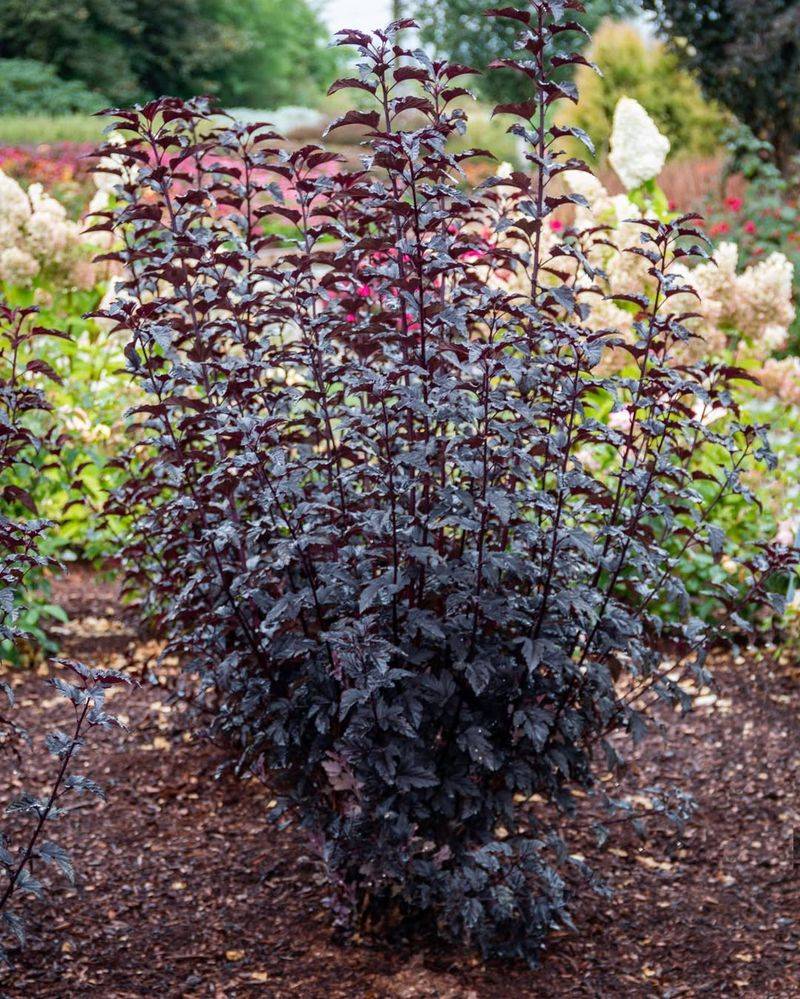
Bold, adaptable, and genuinely tough, Ninebark is one of the hardest-working native shrubs in Michigan landscapes.
Physocarpus opulifolius earns its name from the peeling, layered bark that reveals multiple colors underneath, adding year-round visual interest even when the plant is not in bloom.
In spring, clusters of small white or pink flowers cover the branches, and by summer the foliage takes center stage in shades ranging from bright green to deep burgundy depending on the variety.
Dry spells are not a concern once Ninebark gets settled in. This native shrub naturally grows along stream banks and woodland edges across Michigan, which means it has evolved to handle a wide range of moisture conditions, including extended dry periods during summer.
The established root system draws on deep soil reserves and keeps the plant looking strong without regular irrigation.
Plant Ninebark in full sun for the richest foliage color, especially in dark-leaved varieties like Diabolo or Summer Wine. It also tolerates partial shade reasonably well, though leaf color may be less intense.
One of its greatest strengths is soil adaptability because it handles clay, sandy, and loamy soils across Michigan with minimal complaint after the first growing season.
Minimal pruning after flowering keeps plants shapely and encourages strong new growth. Ninebark works beautifully as a privacy screen, foundation planting, or focal point shrub in mixed borders.
Birds nest in its branches, and pollinators visit the spring flowers, making it a genuinely valuable plant for Michigan gardens that want beauty with very little maintenance required.
10. Aromatic Aster
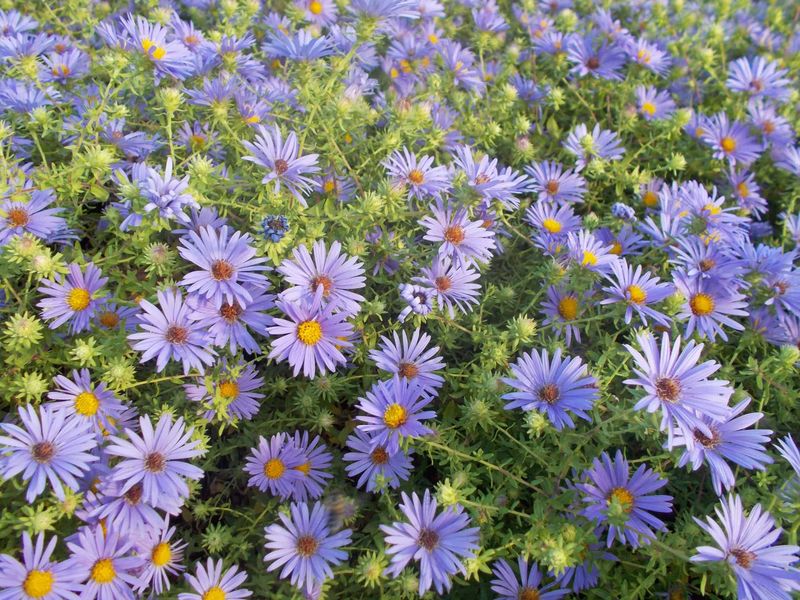
When the rest of your Michigan garden starts winding down for the year, Aromatic Aster is just getting started.
Symphyotrichum oblongifolium bursts into a stunning display of small violet-purple daisy-like flowers in September and October, covering the entire plant in blooms right when pollinators need late-season food sources the most.
It is one of the most generous plants you can grow for bees and butterflies heading into winter. Dry soil and full sun are where Aromatic Aster performs at its absolute best.
Native to dry prairies and open rocky areas across the Midwest, this perennial is completely at home in Michigan’s toughest garden spots, including south-facing slopes, gravel gardens, and sandy borders where summer heat and drought push other plants to their limits.
Once rooted in, it needs almost no extra care from you. Well-drained soil is essential because Aromatic Aster does not like sitting in wet conditions, especially during Michigan’s rainy springs and winters.
A light pruning in early summer, cutting stems back by about one-third, keeps the plant compact and prevents flopping later in the season when the flower load gets heavy. Without that trim, taller plants can sprawl outward in an untidy way.
The fragrance of crushed leaves is another bonus that makes this plant truly special. Aromatic Aster spreads gradually by rhizomes and self-seeding, slowly filling a sunny bed with reliable late-season color.
Pair it with Little Bluestem grass for a stunning native combination that looks incredible from summer all the way through Michigan’s first hard frost.