10 Drought Tolerant Plants That Thrive In New Mexico Gardens
New Mexico gardens teach patience fast, especially when rain skips weeks and the sun refuses to take a break.
Over time, certain plants stop feeling like a gamble and start feeling like trusted companions that show up no matter how tough the season gets.
These are the kinds of plants that keep growing calmly while everything else looks stressed, crispy, or dramatic.
If water-smart choices sound appealing right now, these drought-tolerant favorites feel right at home in New Mexico soil.
1. Blue Grama Grass
Native grasslands across New Mexico showcase this remarkable species that naturally thrives in the state’s challenging climate with minimal human intervention required.
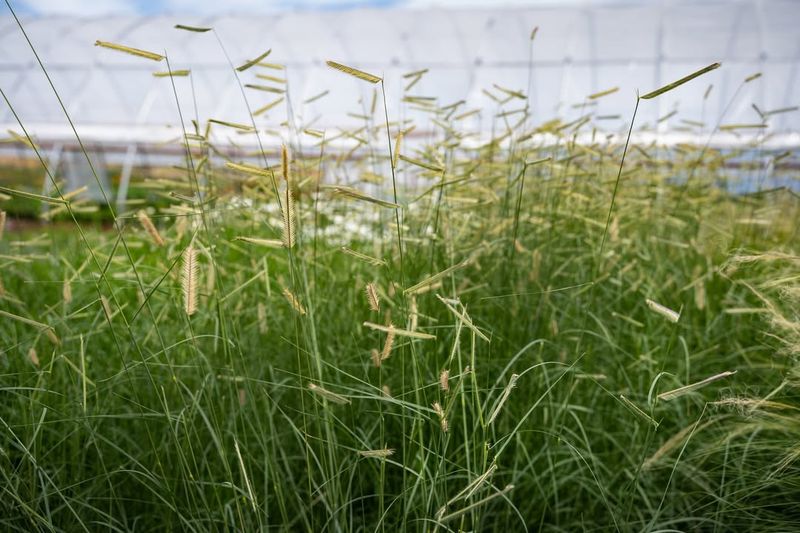
Blue grama grass produces distinctive seed heads that look like tiny eyelashes dancing in the breeze, creating movement and texture in landscapes.
Growing only twelve to eighteen inches tall, this grass works beautifully as a lawn alternative that requires far less water than traditional turf.
Homeowners in New Mexico appreciate how this grass stays green during spring and summer, then turns attractive golden tones in fall months.
Its deep root system helps prevent soil erosion while also making it incredibly resilient during extended periods without any measurable rainfall.
Wildlife enthusiasts love how this grass attracts butterflies and provides seeds for birds throughout the year, supporting local ecosystem health naturally.
Established plants need watering only once monthly during hot weather, making maintenance incredibly simple for busy gardeners across the state.
This grass tolerates foot traffic reasonably well, so families can enjoy their yards without worrying about damaging delicate ornamental plantings constantly.
2. Red Yucca
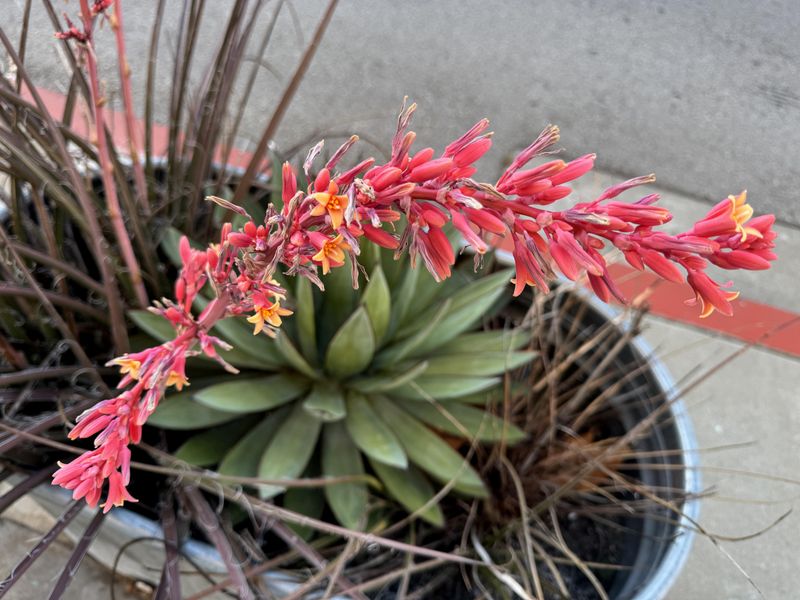
Coral-colored flower spikes shoot up dramatically from this plant’s base, reaching heights of four to five feet during blooming season each year.
Despite its common name, red yucca isn’t actually a true yucca but rather a close relative with softer, more flexible leaves.
Gardens across New Mexico benefit from this plant’s ability to bloom from spring through fall, providing months of continuous color without extra effort.
Hummingbirds absolutely adore the tubular flowers, making this an excellent choice for anyone wanting to attract these fascinating birds to their property.
The grass-like foliage forms attractive clumps that add architectural interest even when the plant isn’t producing its spectacular flowering stalks currently.
Mature specimens can handle New Mexico’s coldest winter temperatures without protection, making them reliable performers in landscapes throughout various elevation zones.
Once established in your garden, red yucca requires watering only during the most severe drought conditions that occasionally impact the region.
Deer typically avoid this plant, which is wonderful news for gardeners in areas where wildlife browsing creates constant frustration with other choices.
3. Desert Marigold
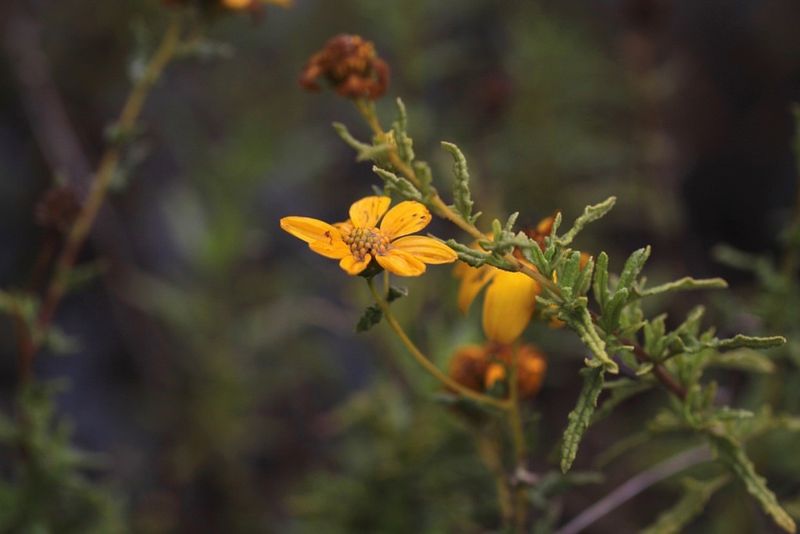
Cheerful golden blooms brighten New Mexico gardens nearly year-round, with this wildflower producing flowers even during mild winter months in warmer areas.
Silvery gray-green foliage creates a soft backdrop that makes the brilliant yellow petals appear even more vibrant against the neutral background.
Growing twelve to eighteen inches tall and wide, desert marigold fits perfectly into smaller spaces or works as edging along pathways beautifully.
This plant reseeds readily in gardens, allowing it to naturalize and fill in bare spots without requiring gardeners to purchase replacements constantly.
Butterflies and native bees visit the flowers frequently, making your New Mexico garden a valuable resource for important pollinator populations in decline.
Established plants can survive entirely on natural rainfall in many parts of the state, though occasional watering extends the blooming period significantly.
The soft, fuzzy texture of the foliage adds tactile interest that invites closer inspection from visitors exploring your outdoor living spaces.
Desert marigold tolerates reflected heat from walls and paving exceptionally well, thriving in spots where other plants would struggle with intense conditions.
4. Penstemon

Tubular flowers in shades of red, pink, purple, or white create vertical accents that draw the eye upward throughout New Mexico garden spaces.
Over two hundred fifty species exist worldwide, with many native to the Southwest, offering gardeners tremendous variety in size and color options.
Hummingbirds and bumblebees compete for access to the nectar-rich blooms, creating entertaining wildlife viewing opportunities right outside your windows daily.
Most penstemon varieties bloom during spring and early summer, coinciding perfectly with New Mexico’s most pleasant outdoor weather for enjoying your landscape.
Depending on the specific species chosen, plants range from six inches to four feet tall, accommodating diverse design needs and preferences.
These perennials return reliably year after year, gradually increasing in size and flower production as they mature in your garden beds.
Rocky or sandy soils that frustrate many gardeners actually suit penstemon perfectly, making them ideal for challenging sites around the state.
Supplemental watering once or twice monthly during the growing season keeps plants looking their absolute best without creating unreasonable maintenance demands.
5. Apache Plume

White flowers resembling miniature roses appear throughout summer, but the real show begins when feathery pink seed heads develop in their place.
These distinctive plumes give the shrub its common name and create a soft, cloud-like appearance that contrasts beautifully with New Mexico’s rugged landscapes.
Growing four to six feet tall and equally wide, apache plume works wonderfully as an informal hedge or standalone specimen in various settings.
Native to the Southwest, this shrub has evolved specifically to handle the intense sun, alkaline soils, and limited moisture typical throughout the region.
The small leaves reduce water loss while still providing enough foliage to create a full, attractive appearance that doesn’t look sparse.
Wildlife finds shelter within the branching structure, while the seeds provide food for birds during fall and winter months in your yard.
Established apache plume survives entirely on natural precipitation in most New Mexico locations, though occasional deep watering encourages more vigorous flowering displays.
This shrub tolerates pruning well, allowing gardeners to shape it or control its size according to specific landscape design requirements easily.
6. Autumn Sage

Hummingbirds become regular visitors when you plant this salvia, returning multiple times daily to feed from the abundant tubular flower clusters.
Flower colors range from classic red to soft pink, pure white, coral, and even bicolors, giving New Mexico gardeners exciting options.
Blooming begins in spring and continues until frost arrives, providing one of the longest flowering periods of any plant suited to regional conditions.
Compact varieties stay under two feet tall, while larger selections can reach three to four feet, accommodating different spatial requirements in landscapes.
The foliage releases a pleasant fragrance when brushed or crushed, adding a sensory dimension beyond just visual appeal to your garden experience.
Autumn sage handles New Mexico’s temperature extremes remarkably well, staying evergreen in mild winters and bouncing back quickly after occasional cold damage.
Established plants need supplemental water only every two to three weeks during the hottest months, making them remarkably low-maintenance for busy homeowners.
Shearing plants lightly after major bloom cycles encourages fresh growth and additional flowering waves, keeping your garden looking tidy and attractive throughout seasons.
7. Mexican Hat
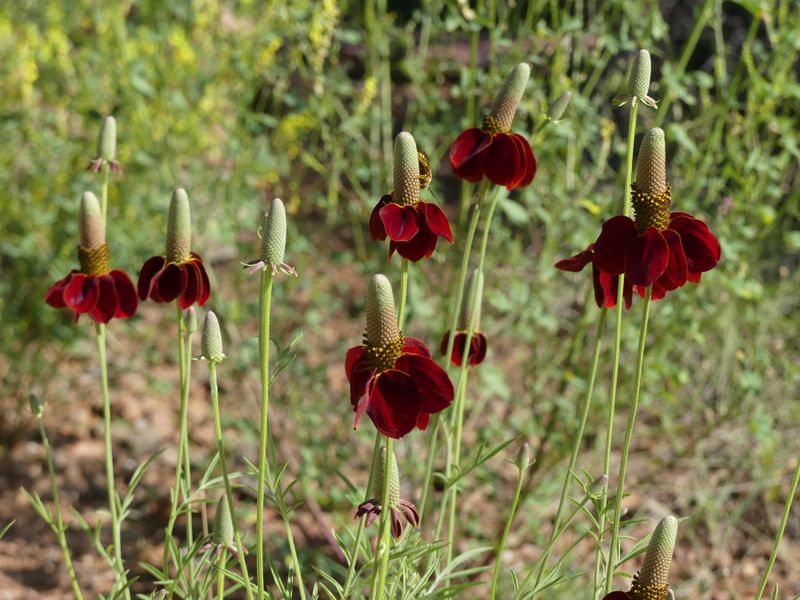
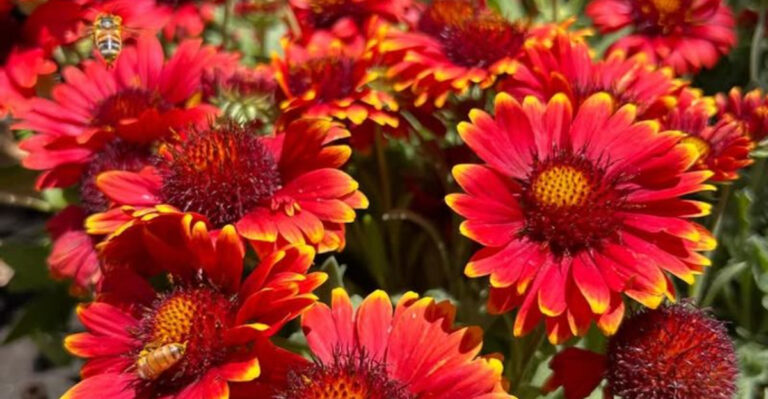
Distinctive cone-shaped flower centers surrounded by drooping petals create a whimsical appearance that resembles traditional Mexican sombreros dancing in garden breezes.
Petals display various color combinations, including all red, all yellow, or red with yellow edges, adding unpredictable variety to New Mexico plantings.
Growing one to three feet tall, mexican hat works beautifully in meadow-style gardens or mixed perennial borders with other drought-adapted species.
This wildflower reseeds enthusiastically, gradually spreading to create larger drifts of color that look increasingly natural as years pass by.
Goldfinches adore the seeds, often perching directly on the dried flower heads to feed, providing delightful entertainment during late summer afternoons.
Blooming begins in late spring and continues through summer, overlapping nicely with other native plants to create continuous interest in landscapes.
Mexican hat tolerates poor soils without complaint, actually performing better in lean conditions than in rich, heavily amended garden beds across the state.
Once established, plants survive entirely on rainfall in most New Mexico areas, though occasional watering during extreme drought extends their blooming season.
8. Threadleaf Sage
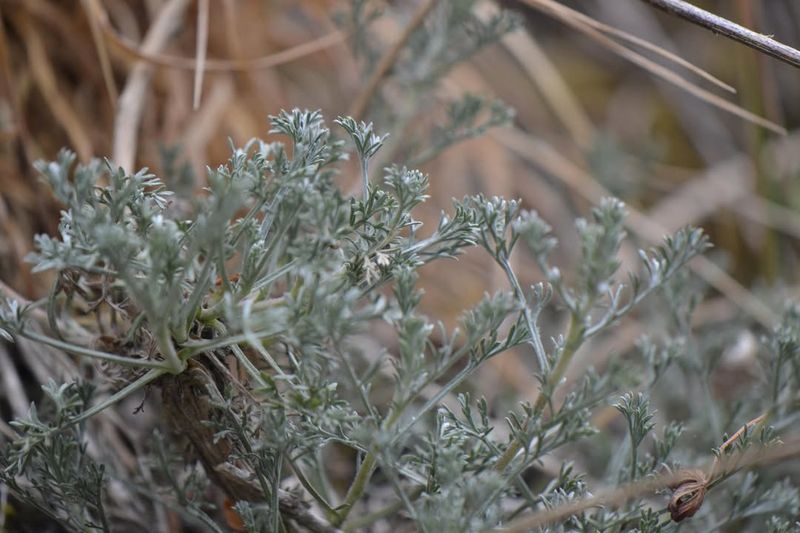
Silvery foliage with an extremely fine texture creates a soft, almost feathery appearance that contrasts wonderfully with bolder-leaved plants in New Mexico gardens.
Lavender-purple flowers emerge after summer rains, transforming the plant into a spectacular display that celebrates the monsoon season’s arrival dramatically.
Compact growth habit keeps most varieties under four feet tall and wide, making threadleaf sage perfect for smaller yards or foundation plantings.
This evergreen shrub maintains its attractive foliage color throughout winter, providing year-round interest when many other plants look dormant or tired.
Extremely heat tolerant, threadleaf sage actually thrives in the reflected heat from south and west-facing walls that challenge most other landscape choices.
Established plants across New Mexico rarely need supplemental irrigation, surviving happily on natural precipitation alone once their root systems develop fully.
Deer and rabbits typically ignore this shrub, making it valuable in areas where wildlife browsing limits successful plant options for frustrated gardeners.
Minimal pruning keeps plants tidy, though threadleaf sage naturally maintains an attractive rounded shape without constant shearing or maintenance interventions required.
9. Blackfoot Daisy
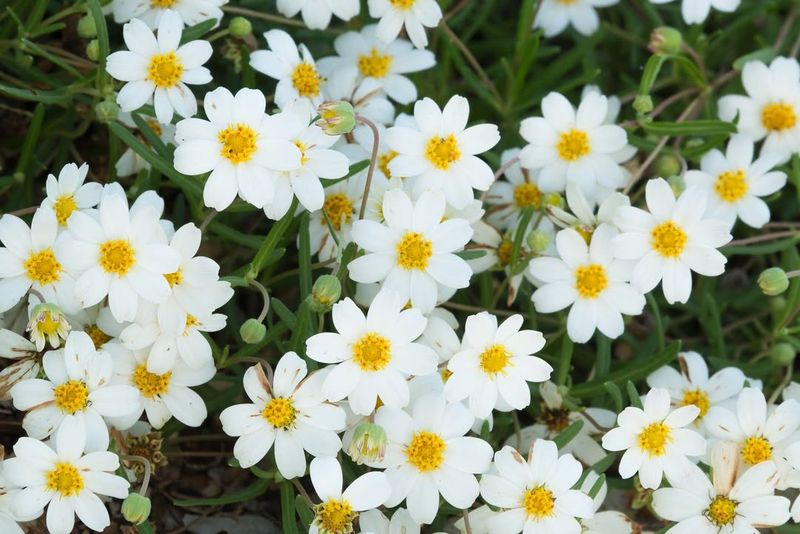
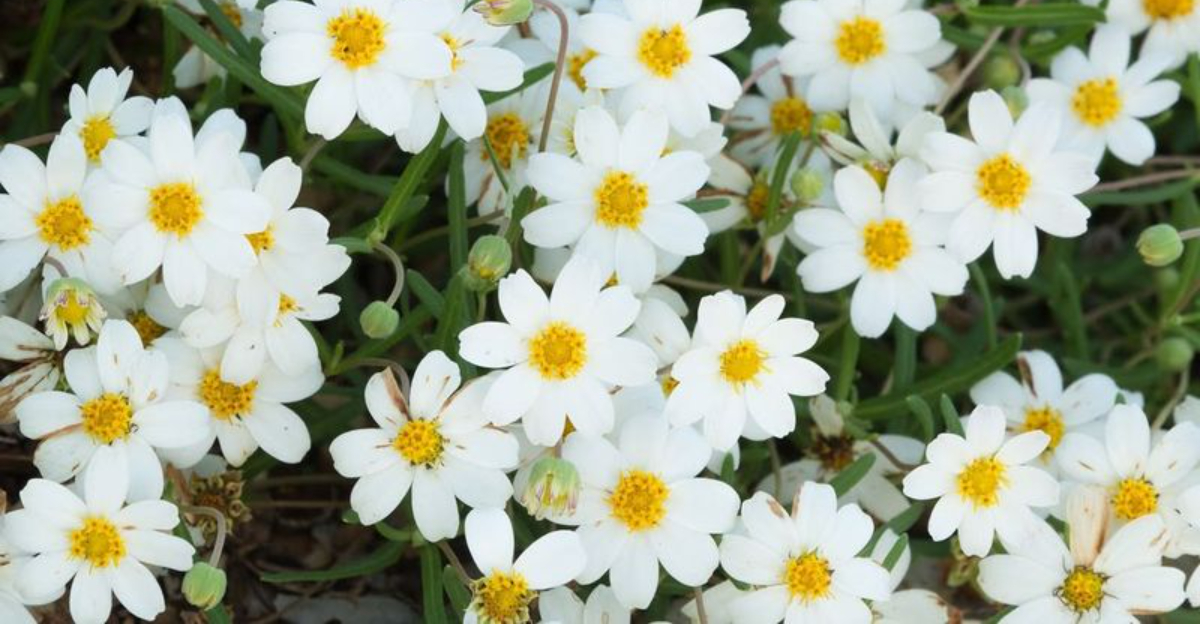
White petals surrounding cheerful yellow centers cover this low-growing plant so densely that foliage nearly disappears beneath the floral display during peak bloom.
Growing only six to twelve inches tall but spreading up to eighteen inches wide, blackfoot daisy works perfectly as groundcover in New Mexico landscapes.
Blooming begins in spring and continues through fall, with plants producing flowers most heavily during cooler months when temperatures moderate slightly.
Rocky, well-drained soils suit this plant perfectly, making it ideal for rock gardens or areas with challenging conditions that limit other options.
Native to the Southwest, blackfoot daisy has naturally evolved to handle intense sun, temperature extremes, and the alkaline soils common throughout the region.
Butterflies visit the flowers regularly, while the low profile makes this plant useful for edging paths or spilling over retaining walls attractively.
Established plants need water only once or twice monthly during summer in most New Mexico locations, making maintenance incredibly simple for homeowners.
Short-lived as individual plants, blackfoot daisy reseeds readily, ensuring continuous presence in your garden without requiring regular replacement purchases from nurseries.
10. Desert Willow
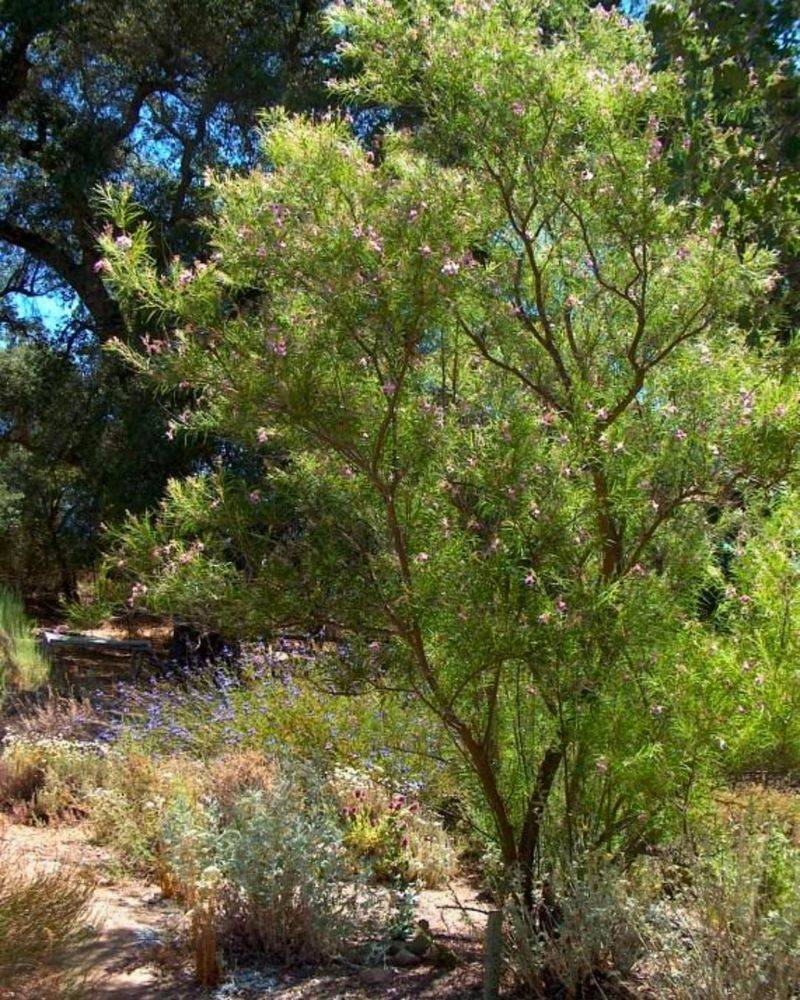
Orchid-like flowers in shades of pink, purple, burgundy, or white create an unexpectedly tropical appearance despite this tree’s desert origins in New Mexico.
Blooming occurs throughout summer, with trees producing waves of flowers that attract hummingbirds, bees, and other beneficial pollinators to your property consistently.
Growing fifteen to twenty-five feet tall with an open, airy canopy, desert willow provides filtered shade without creating dense darkness beneath.
Long, narrow leaves resemble true willow foliage, though this tree belongs to a completely different plant family and handles drought far better.
Fast growth allows new plantings to establish quickly and begin flowering within just one or two years after installation in landscapes.
Deciduous nature means desert willow drops its leaves in winter, but the attractive branching structure provides sculptural interest during dormant months.
Established trees across New Mexico survive entirely on natural rainfall, though occasional deep watering during extreme drought produces more abundant flowering displays.
Seed pods develop after flowers fade, creating additional visual interest and providing food for birds during fall and winter throughout the region.