9 Drought-Tolerant Plants That Thrive In North Carolina Summer Heat
North Carolina summers can be hard on a garden. Long hot days, strong sun, and dry stretches can leave many plants tired, wilted, and struggling to keep up.
That is why drought tolerant plants are such a smart choice. The best ones do not just survive when the weather turns harsh.
They keep growing, keep their shape, and often keep adding color when other plants start to fade. For gardeners, that means less watering, less worry, and a landscape that still looks good even in the toughest part of the season.
Some of these plants have deep roots, some have leaves built to hold moisture, and others are simply made for heat. In North Carolina, choosing plants that can handle summer stress makes a big difference.
The right picks can keep your yard looking strong, healthy, and full of life when rain becomes hard to count on.
1. Blue False Indigo
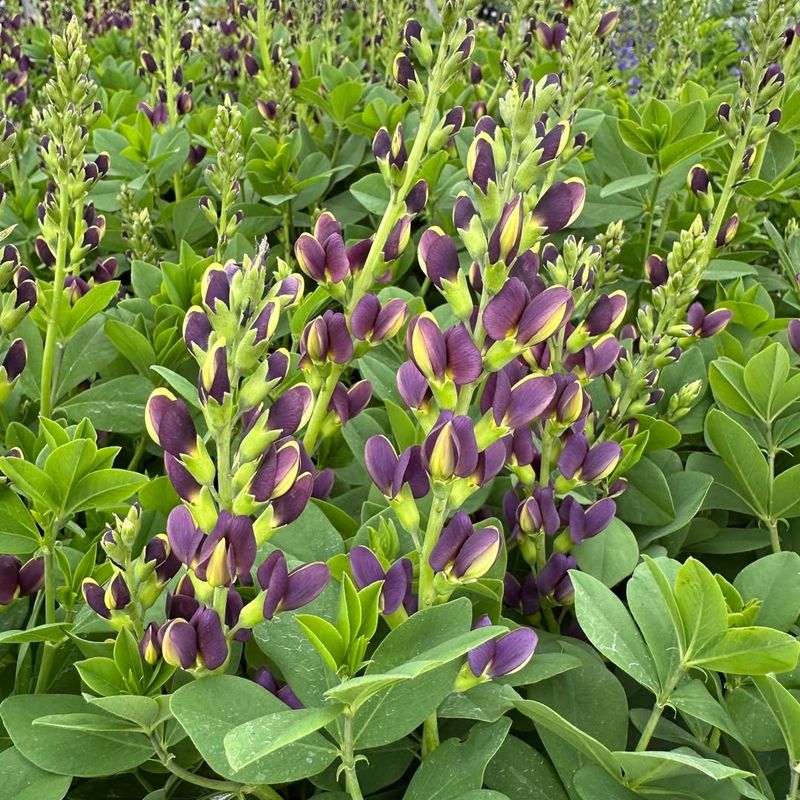
Few plants earn their keep quite like Blue False Indigo. Baptisia australis is a native perennial that looks incredible in North Carolina landscapes, and once it settles in, almost nothing can stop it.
Those tall spikes of deep blue-purple flowers show up in spring, but the plant earns its reputation all summer long through sheer toughness and reliability.
The secret behind its drought tolerance is a deep, powerful taproot that reaches far into the soil to find moisture even during dry North Carolina spells. Because of this root system, it can handle weeks without rain without showing much stress at all.
Full sun is where it truly shines, so pick a bright, open spot in your garden and let it do its thing.
One important thing to know is that Blue False Indigo strongly dislikes being moved once it gets established. Transplanting a mature plant almost always sets it back significantly, so choose your planting spot carefully from the start.
Give it room to spread because it slowly grows into a large, attractive clump over the years. It is a long-term investment that pays off beautifully in any North Carolina garden year after year.
2. Butterfly Weed
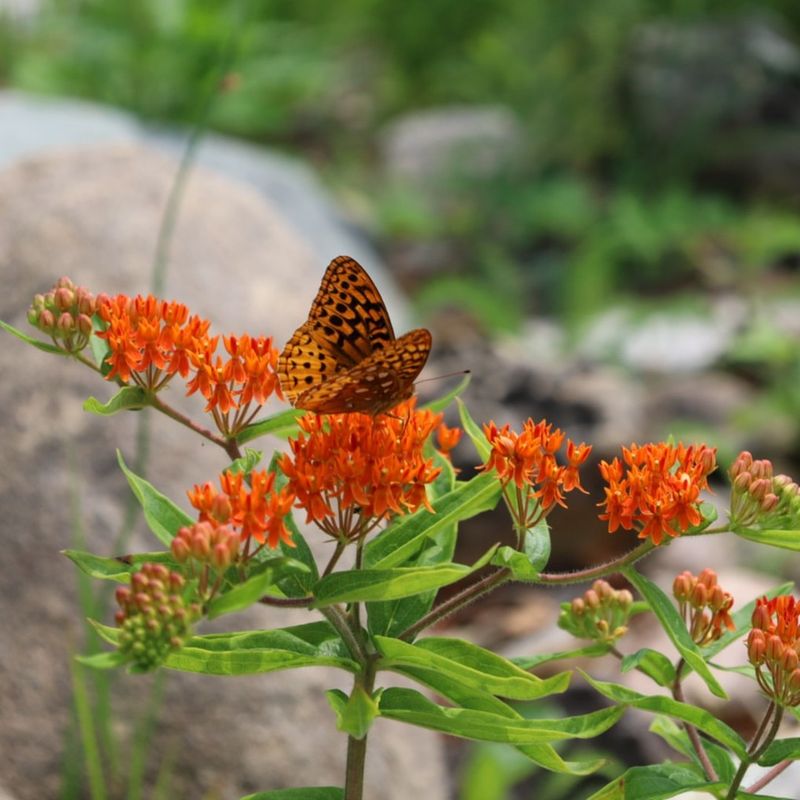
Bright orange blooms, monarch butterflies landing on every cluster, and zero complaints about the heat. That pretty much sums up Butterfly Weed in a North Carolina summer garden.
Asclepias tuberosa is one of those plants that makes gardeners look like experts without requiring much effort at all once it gets going.
What makes it so tough is a thick taproot that stores water and nutrients underground, allowing the plant to push through dry periods that would stress out most other flowers.
It actually prefers full sun and well-drained soil, and it handles poor, dry soils better than most plants in your yard. Rich, moist soil tends to cause more problems than it solves with this one, so skip the extra fertilizer and amendments.
Patience is the one thing Butterfly Weed asks of you. It can take a couple of growing seasons before it really settles in and starts flowering heavily, but that wait is absolutely worth it.
Once established in a North Carolina landscape, it comes back stronger every year and becomes a magnet for pollinators including bees, skippers, and of course the beloved monarch butterfly.
It is a genuinely rewarding plant that supports local ecosystems while looking fantastic through the hottest months of the year.
3. Lanceleaf Coreopsis
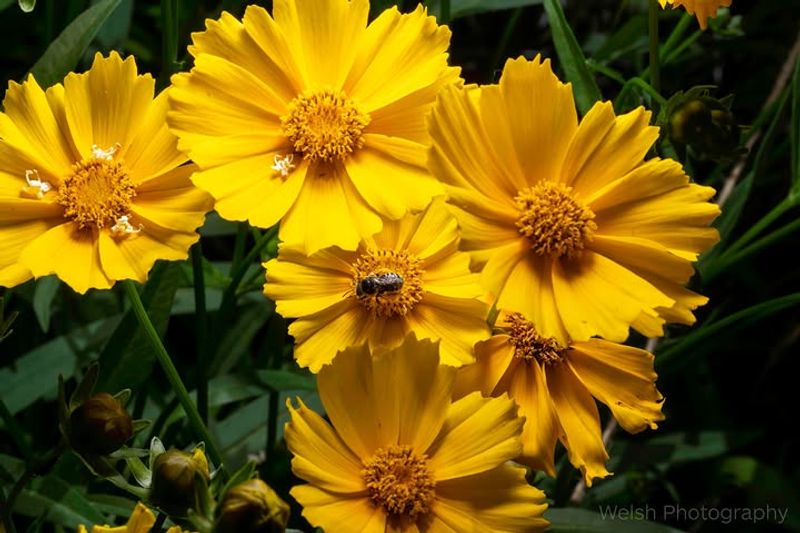
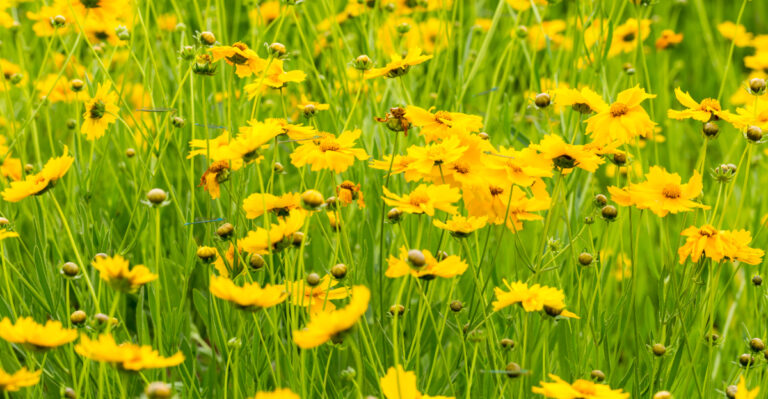
If you want cheerful yellow flowers that genuinely do not mind the heat, Lanceleaf Coreopsis belongs in your North Carolina garden.
Coreopsis lanceolata produces bright golden blooms that light up sunny borders and meadow-style plantings from late spring well into summer, often continuing to flower longer than many other perennials in the yard.
NC State University lists this plant as resistant to drought, heat, and humidity, which is basically a checklist of everything a North Carolina summer throws at your garden.
It thrives in full sun and well-drained soil, and it handles the kind of dry, baked conditions that make other flowers wilt and struggle.
Sandy or average soils actually suit it just fine, and it rarely needs any extra fertilizing to perform well.
Lanceleaf Coreopsis works beautifully in pollinator gardens, sunny borders, and naturalized meadow areas across North Carolina. Bees and butterflies visit the flowers regularly throughout the season, adding life and movement to the garden.
Deadheading spent blooms can encourage additional flowering, but even without much fuss, this plant puts on a solid show.
It is low-maintenance in the best possible way, and it blends easily with other native and drought-tolerant plants to create a landscape that looks intentional and full of energy all season long.
4. Black-Eyed Susan
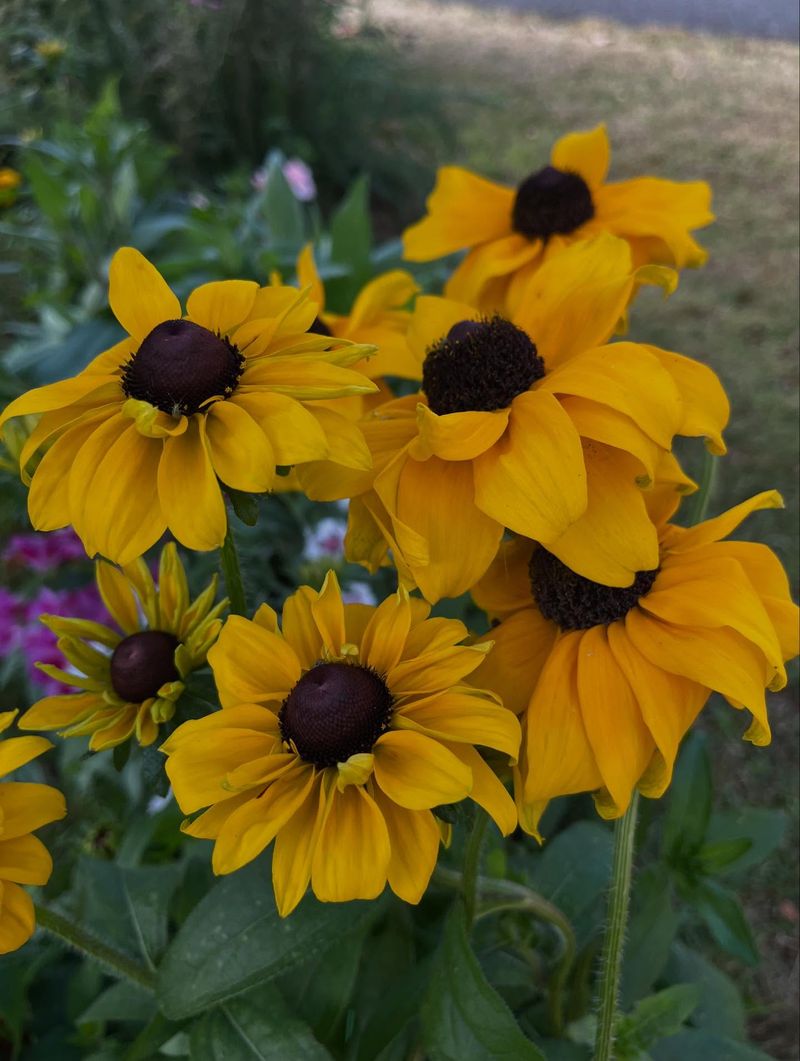
Walk through almost any North Carolina garden in July or August and you are likely to spot the sunny yellow petals and rich dark centers of Black-Eyed Susan. Rudbeckia hirta is one of the most recognizable wildflowers in the region, and for good reason.
It blooms heavily through the hottest part of the year while other plants start to fade and struggle in the heat.
Once established, Black-Eyed Susan handles drought remarkably well. It thrives in full sun and tolerates a wide range of soil types, including dry, poor soils that many other garden plants simply cannot handle.
The flowers keep coming through scorching North Carolina summers, and pollinators including bees, butterflies, and native insects visit them constantly throughout the season.
One interesting thing about this plant is that it can behave differently depending on where it grows. In some garden spots it acts like a short-lived perennial, returning for a few years before fading out.
In others, it reseeds generously and keeps popping up in new spots around the garden year after year. Either way, you end up with more plants and more flowers without doing much extra work.
It is the kind of easygoing, generous plant that fits naturally into both formal garden beds and relaxed wildflower-style plantings across North Carolina landscapes.
5. Catmint
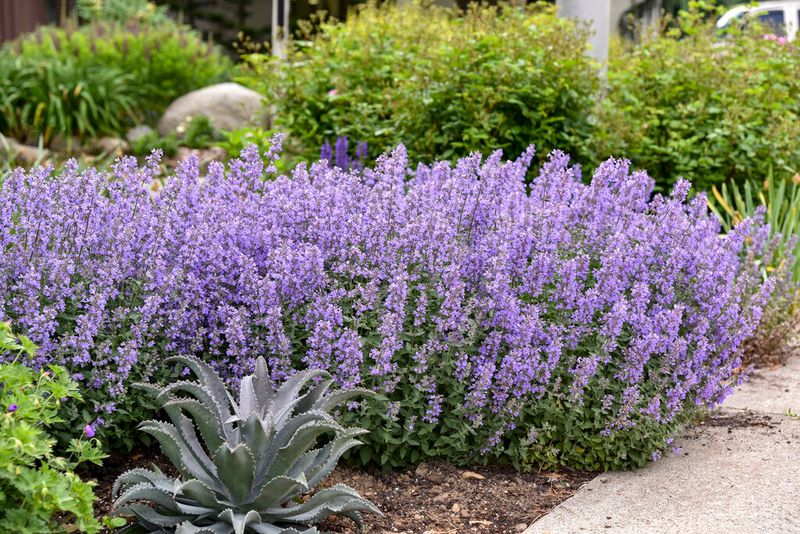
Soft lavender-blue flowers, silvery green foliage, and a fragrance that fills the air on a warm afternoon. Catmint is the kind of plant that makes a garden feel complete, and it happens to be one of the most reliable drought-tolerant options for North Carolina landscapes.
Nepeta x faassenii looks delicate but performs like a workhorse through the heat of summer.
Full sun and good drainage are the two things this plant needs most, and once those conditions are in place, it takes care of itself beautifully.
After the first flush of blooms fades, shearing the plant back by about a third encourages a fresh wave of flowers to appear, which keeps the garden looking vibrant well into late summer.
That kind of repeat performance is rare and genuinely valuable in a hot climate.
One helpful tip for North Carolina gardeners, especially in the warmer parts of the state, is that a little afternoon shade can help Catmint stay comfortable through the most intense heat of the day. It does not need a lot of shade, just enough to take the edge off during peak afternoon temperatures.
Established plants handle drought confidently and bounce back quickly after dry spells. Pollinators swarm it from the moment it starts blooming, making it both a beautiful and ecologically meaningful choice for any sunny North Carolina garden bed or border.
6. Foxglove Beardtongue
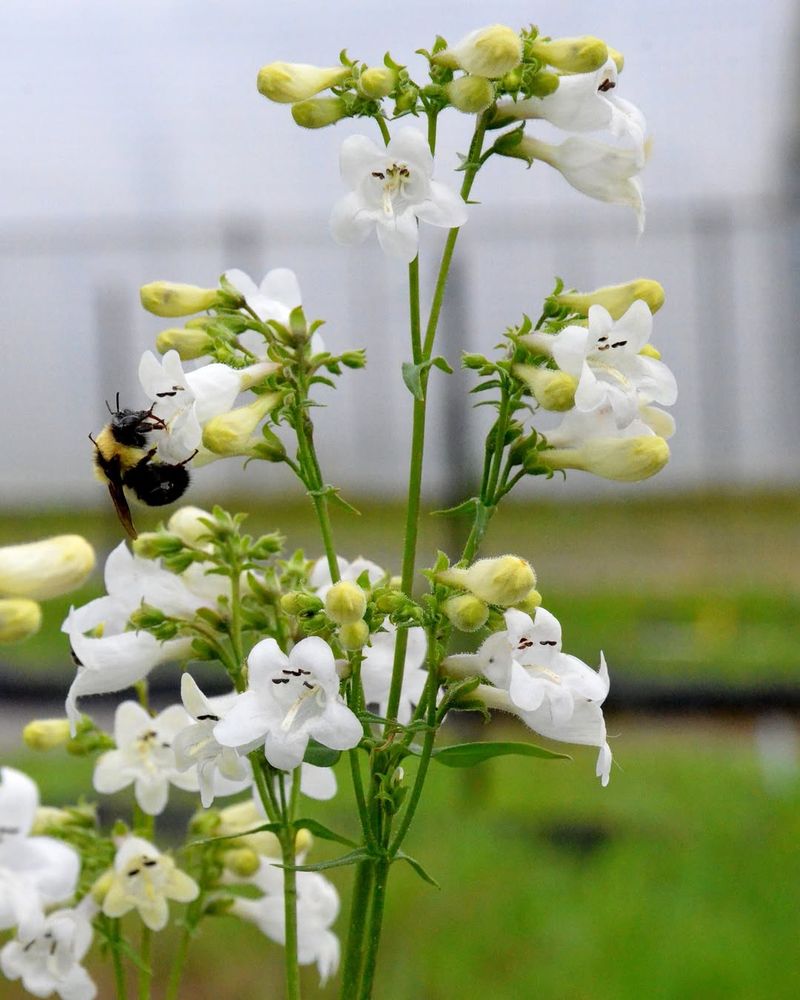
Not every great drought-tolerant plant comes with flashy color, and Foxglove Beardtongue proves that elegance can be just as eye-catching. Penstemon digitalis produces tall, airy spikes of white tubular flowers that bring a soft, graceful look to North Carolina gardens.
Hummingbirds and bumblebees absolutely love it, making it a surprisingly lively addition to any landscape.
What sets this plant apart is how well it adapts to real-world garden conditions. It tolerates dry to moist loamy soils and even handles well-drained clay, which is a huge deal for many North Carolina gardeners dealing with heavy native soils.
It has no serious disease or pest problems to worry about, which means less time troubleshooting and more time enjoying the garden.
Good drainage is the one condition Foxglove Beardtongue genuinely needs to stay healthy and strong. Soggy or waterlogged soil will cause problems over time, so make sure water moves away from the roots freely.
Beyond that, it is a wonderfully undemanding plant that rewards you with reliable blooms and sturdy stems each season. It works well in mixed perennial borders, naturalistic plantings, and rain gardens with proper drainage across North Carolina.
Once it settles in, it stands upright, flowers generously, and handles summer heat without any extra coddling or special treatment from the gardener.
7. Russian Sage
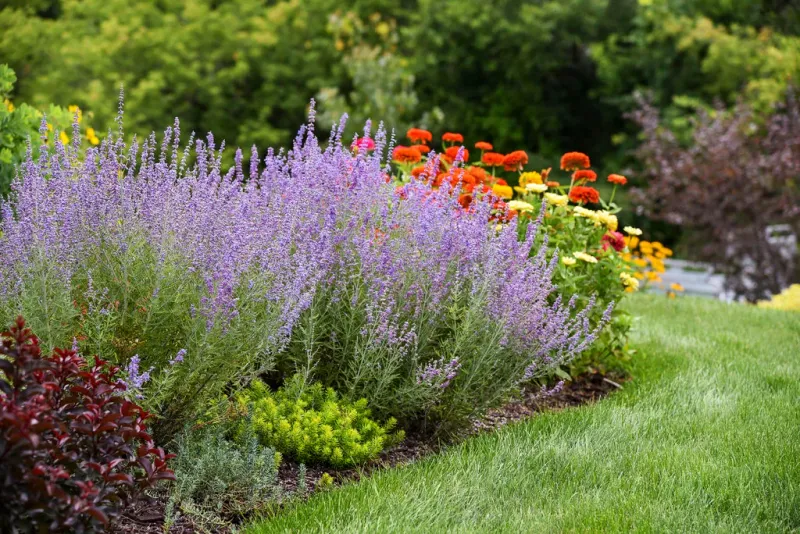
There is something almost magical about Russian Sage in full bloom. Salvia yangii sends up tall, feathery spikes of lavender-blue flowers on silvery stems that sway in the breeze, creating a hazy, dreamy effect in the garden.
It is one of the most visually striking drought-tolerant plants you can grow in a North Carolina summer landscape.
This plant performs at its absolute best in full sun and well-drained soil. It actually thrives in dry conditions and prefers soil that is on the leaner side rather than rich and moisture-retentive.
Wet soil is its one real weakness, so avoid planting it in low spots or areas where water tends to sit after rain. Good drainage is non-negotiable if you want it to come back strong year after year.
One of the best habits you can build with Russian Sage is cutting it back hard in early spring before new growth appears.
Pruning it down close to the ground encourages strong, upright new stems that hold the flowers well and prevent the plant from flopping over later in the season.
Without that annual cut, it tends to sprawl and look messy. With it, the plant stays tidy, full, and impressively tall throughout the North Carolina summer. Pollinators, especially bees, flock to the blooms from midsummer all the way through early fall.
8. Aromatic Aster
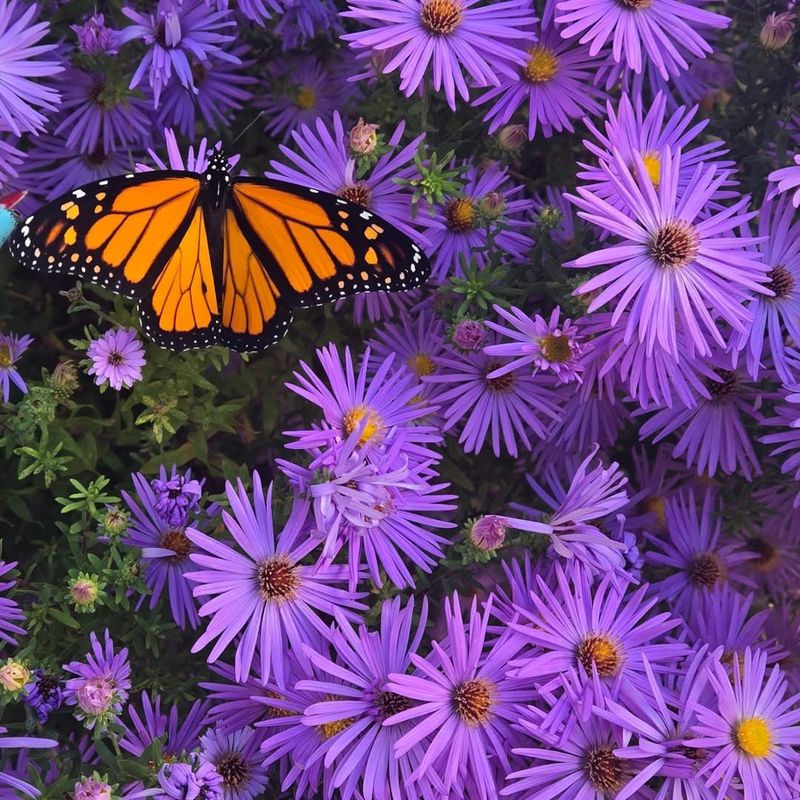
Most summer plants start winding down just when Aromatic Aster is getting started. Symphyotrichum oblongifolium bursts into bloom in late summer and fall, covering itself in small purple daisy-like flowers right when the rest of the North Carolina landscape starts to look tired and faded.
The timing alone makes it one of the most valuable plants you can add to a garden. Beyond its late-season color, Aromatic Aster is remarkably tough across a wide range of conditions.
It handles drought with ease, tolerates full sun without complaint, and even holds up well under deer pressure, which is a serious concern for many North Carolina gardeners.
It also performs well in coastal landscapes where salt spray and sandy soils challenge most other plants.
The fragrance is another bonus that often surprises people. When you brush against the foliage, it releases a pleasant, aromatic scent that adds a sensory dimension to the garden beyond just the visual display.
Bees and butterflies absolutely rely on it as a late-season nectar source before temperatures drop. It spreads gradually over time, filling in open spaces and creating a full, natural-looking mass of color.
For anyone wanting a North Carolina landscape that stays interesting and colorful well beyond the traditional summer season, Aromatic Aster is one of the smartest planting choices available.
9. Gaura
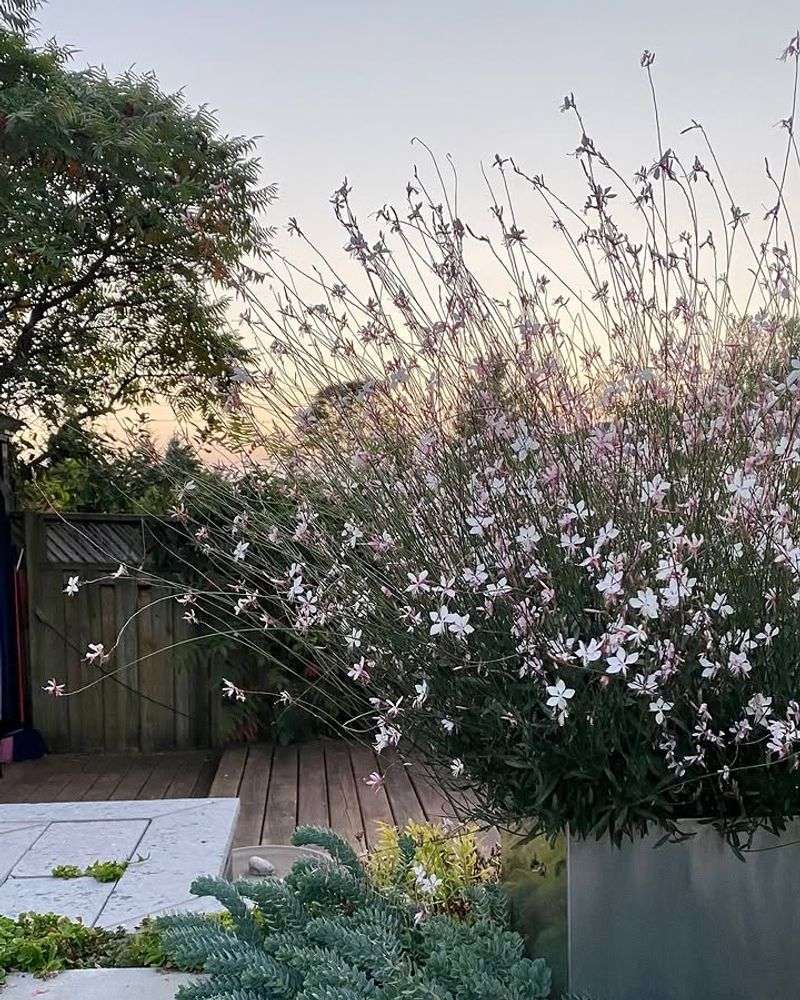
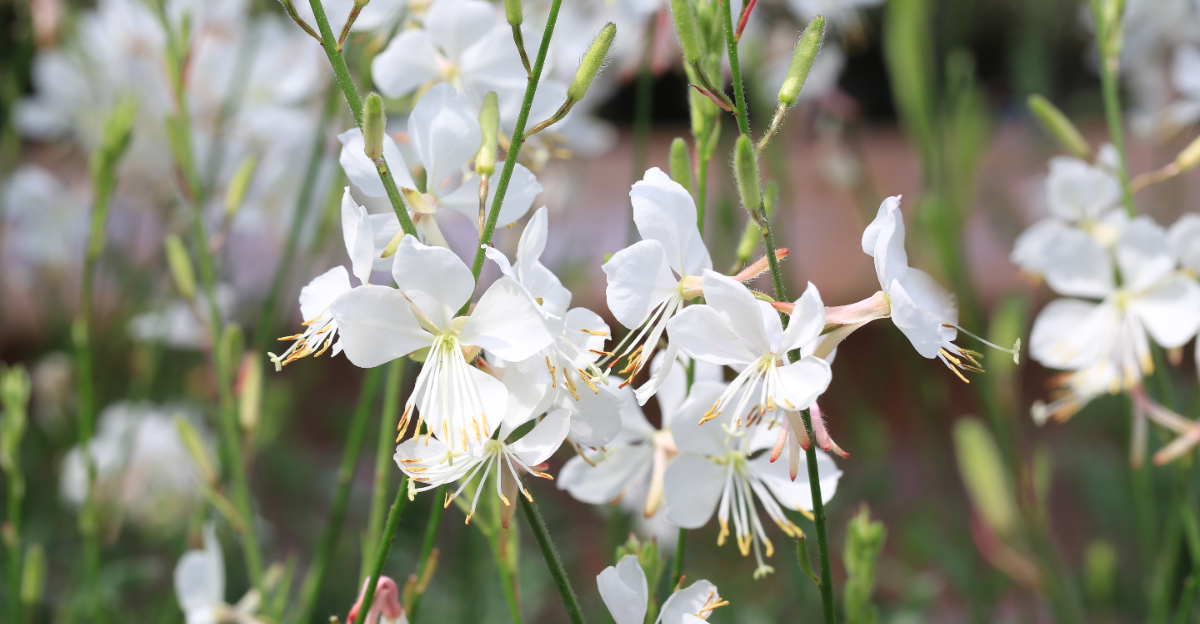
Gaura moves like nothing else in the garden. Oenothera lindheimeri sends up tall, wiry stems tipped with delicate white and pink flowers that dance in the slightest breeze, creating a light, airy feeling that heavier plants simply cannot match.
In a North Carolina summer garden, that kind of graceful movement is genuinely refreshing to look at.
A deep taproot is what gives Gaura its impressive ability to handle heat, humidity, and extended dry spells. Once that root system develops, the plant can push through tough North Carolina summers without needing much supplemental watering at all.
Full sun and well-drained soil are essential, though, because poor drainage will quickly cause root problems that undermine all that natural toughness.
One thing worth knowing is that rich, fertile soil actually works against this plant. Too many nutrients push the plant toward producing lots of lush foliage at the expense of flowers, leaving you with a big green mound and very little bloom.
Lean soil keeps it flowering generously from spring through fall. Deadheading spent flowers regularly encourages continuous new blooms throughout the season and keeps the plant looking fresh.
Gaura pairs beautifully with other drought-tolerant perennials in sunny North Carolina borders, and its airy texture contrasts nicely against bolder, more structured plants nearby.