9 Early Blooming Ohio Native Flowers That Feed Bees First
Winter loosens its grip on Ohio slowly, and during those first fragile days of warmth, bees emerge into a landscape that offers little to sustain them. Energy runs low, flowers remain scarce, and survival depends on the earliest sources of pollen and nectar.
A select group of native blooms rises ahead of the season, opening while frost still lingers in the soil and cold winds still sweep across open ground.
These quiet pioneers become the first fuel stations for awakening pollinators, drawing soft movement and gentle buzzing back into gardens that only days before stood silent.
Planting early native flowers does more than add color. It strengthens bee populations and restores balance to Ohio gardens at the very start of spring.
1. Wake Early Bees With Virginia Bluebells
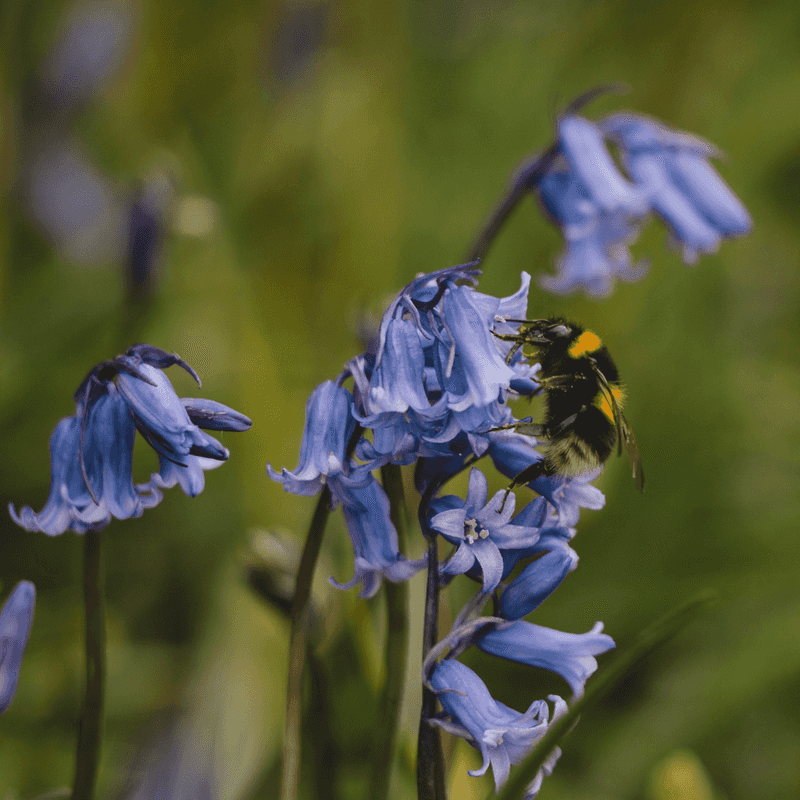
Virginia bluebells carpet Ohio woodlands with pink buds that unfurl into sky-blue bells just as queen bumblebees begin searching for nest sites. These woodland beauties bloom from late March through May, providing nectar precisely when overwintered queens desperately need energy after months without food.
The tubular flowers perfectly accommodate bumblebee tongues, creating an ideal feeding station.
Plant them under deciduous trees where they receive spring sunshine before leaves emerge. They prefer moist, rich soil similar to forest floors and spread gradually through rhizomes and self-seeding.
Virginia bluebells go dormant by mid-summer after woodland canopies close, so pair them with ferns or hostas that fill the space later.
The flowers transition from pink to blue as they mature, creating a stunning two-toned display that lasts several weeks. This color change actually signals to bees which flowers contain the most nectar.
Mature plants reach 12 to 24 inches tall and naturalize beautifully in shaded gardens.
Ohio gardeners find Virginia bluebells remarkably low-maintenance once established. They resist deer browsing, tolerate spring flooding, and return more vigorously each year.
For early bees emerging into cold spring weather, these native flowers offer crucial sustenance that can mean the difference between colony success and failure.
2. Feed Spring Pollinators With Bloodroot
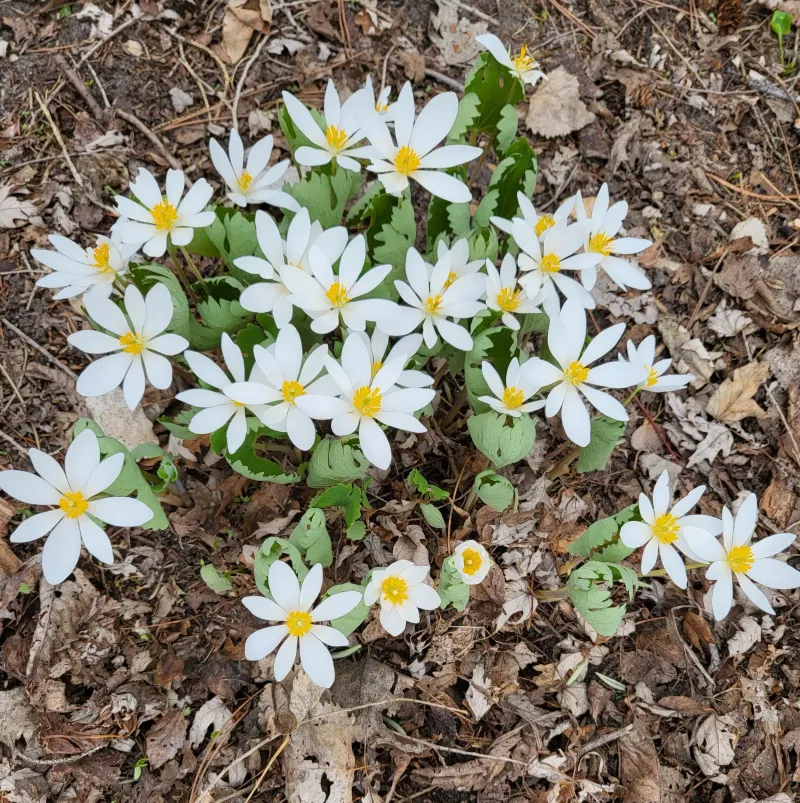
Bloodroot pushes through leaf litter in late March, often blooming while snow still lingers in shaded spots across Ohio. Each flower emerges wrapped in a distinctive lobed leaf that unfurls after the bloom opens.
The pristine white petals surround a cluster of golden stamens loaded with protein-rich pollen that early bees collect frantically.
Small native bees and mining bees particularly depend on bloodroot pollen when virtually nothing else blooms. The flowers open on warm days and close during cold snaps, protecting their pollen reserves.
This survival strategy also concentrates bee visits during optimal weather, increasing pollination success.
Grow bloodroot in shaded areas with well-drained soil rich in organic matter. The plants form colonies slowly through rhizome spread, creating drifts of white blooms over time.
Each flower lasts only a few days, but the colony blooms sequentially for about two weeks.
The plant gets its name from the reddish sap in its roots, historically used by Native Americans for dye. Ohio woodland gardeners value bloodroot for its extreme earliness and ability to thrive in dry shade under mature trees.
Pair it with other spring ephemerals like trout lily and hepatica for extended early bloom.
3. Support Native Bees With Wild Columbine
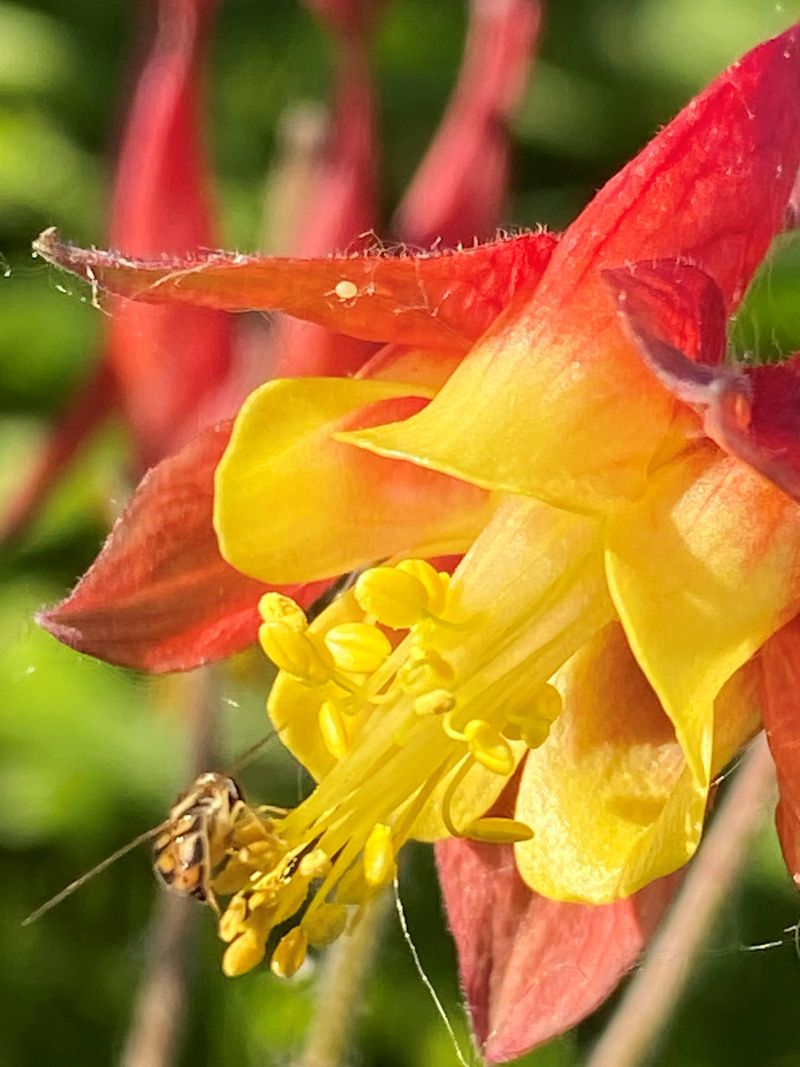
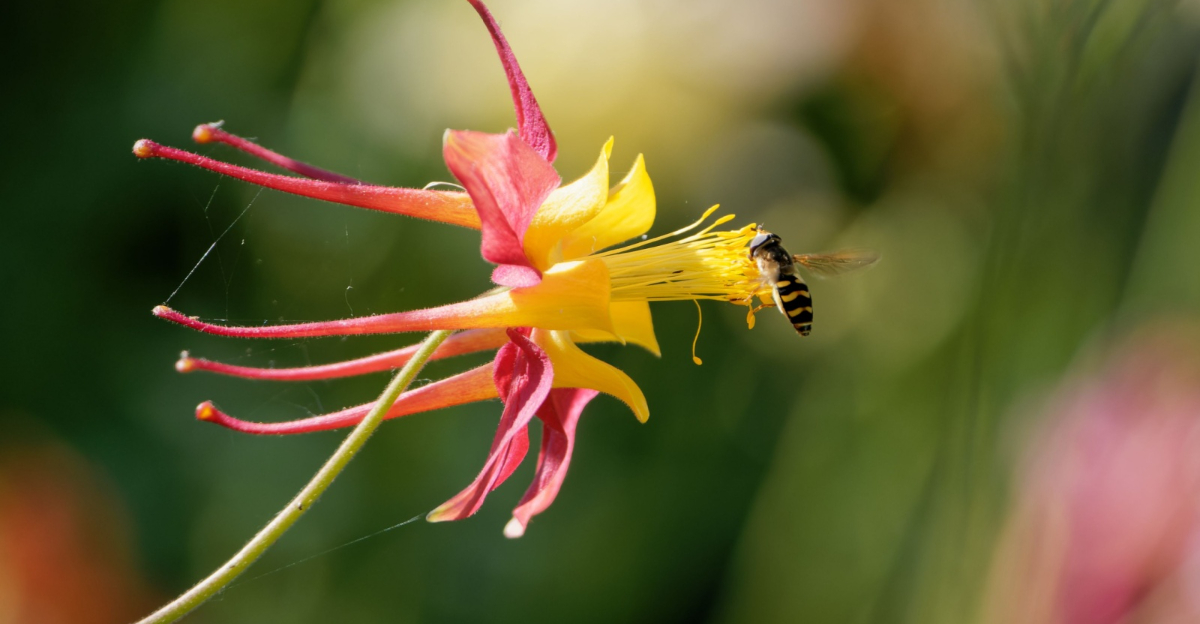
Wild columbine dangles red and yellow flowers from wiry stems starting in mid-April, extending the early nectar season for Ohio pollinators. The distinctive spurred blooms evolved specifically for long-tongued bees and hummingbirds, with nectar hidden deep inside the tubular spurs.
Bumblebee queens with sufficiently long tongues work these flowers efficiently, gathering nectar that fuels nest establishment.
This native adapts to various garden conditions, tolerating both sun and partial shade. It self-seeds readily without becoming weedy, popping up in rock garden crevices and along woodland edges.
The delicate foliage remains attractive after flowering, unlike some spring ephemerals that disappear completely.
Plants typically reach 18 to 24 inches tall and bloom for three to four weeks. The nodding flowers appear in clusters at stem tips, creating an airy, graceful effect.
Shorter-tongued bees sometimes chew holes at the base of spurs to steal nectar, but this rarely harms the plant.
Ohio gardeners appreciate wild columbine’s drought tolerance once established and its resistance to deer browsing. It thrives in average to rocky soil and even grows in shallow soil over limestone.
For early-season pollinator gardens, columbine bridges the gap between earliest bloomers and late spring flowers.
4. Help Early Pollinators With Golden Alexander
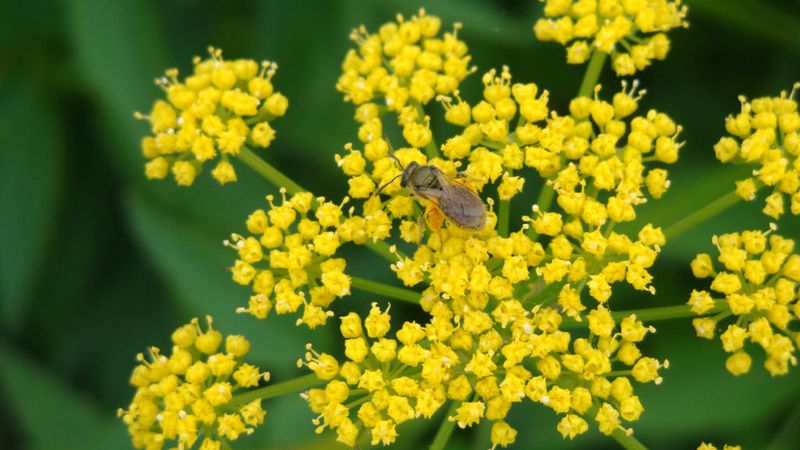
Golden alexander produces cheerful yellow flower clusters from late April through May, supporting an incredible diversity of small native bees often overlooked in pollinator discussions. The umbrella-shaped flower heads, called umbels, provide easy landing platforms for tiny mining bees, sweat bees, and other specialists that emerge during this period.
Each flower cluster contains dozens of individual blooms, offering abundant pollen and nectar.
This member of the carrot family thrives in moist to average soil and tolerates both full sun and partial shade. Plants form clumps 18 to 36 inches tall with delicate, divided foliage that remains attractive all season.
Golden alexander works beautifully in rain gardens, prairie plantings, and perennial borders.
Beyond bees, the flowers attract beneficial insects including parasitic wasps that control garden pests. Black swallowtail butterflies lay eggs on the foliage, as golden alexander serves as a host plant for their caterpillars.
This dual role as both pollinator nectar source and butterfly host makes it especially valuable.
Ohio native plant gardeners find golden alexander remarkably adaptable and low-maintenance. It self-seeds moderately, filling gaps without overwhelming neighbors.
For early-season pollinator support, few natives match its ability to feed diverse bee species precisely when colonies need nutrition most.
5. Provide Early Nectar With Jacobs Ladder
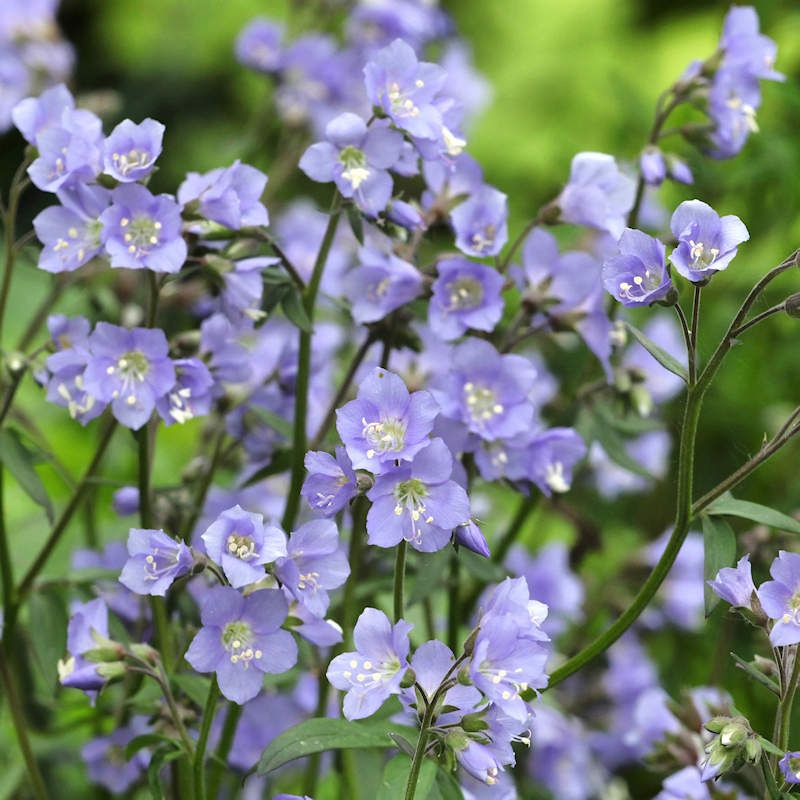
Jacobs ladder offers delicate blue-purple flowers from April into May in shaded Ohio gardens where few other early bloomers thrive. The bell-shaped flowers dangle in loose clusters above ladder-like foliage that gives the plant its common name.
Early bumblebees visit these blooms regularly, finding nectar rewards that help establish new colonies during this challenging period.
This woodland native prefers cool, moist conditions and partial to full shade. It struggles in hot, dry locations but flourishes under trees and along shaded north-facing slopes.
The attractive pinnate leaves create textural interest even after flowering finishes, remaining presentable through summer if moisture stays adequate.
Plants typically reach 12 to 18 inches tall and spread slowly to form small colonies. Jacobs ladder pairs beautifully with ferns, wild ginger, and other shade-loving natives.
The flowers attract both bumblebees and smaller native bees seeking nectar during the critical early season.
Ohio gardeners with shaded yards find Jacobs ladder fills an important niche, blooming when most shade plants remain dormant. It tolerates competition from tree roots better than many woodland flowers.
Providing this nectar source in shaded areas ensures bees find food throughout your property, not just in sunny spots where most early bloomers concentrate.
6. Fuel Spring Bees With Wild Geranium
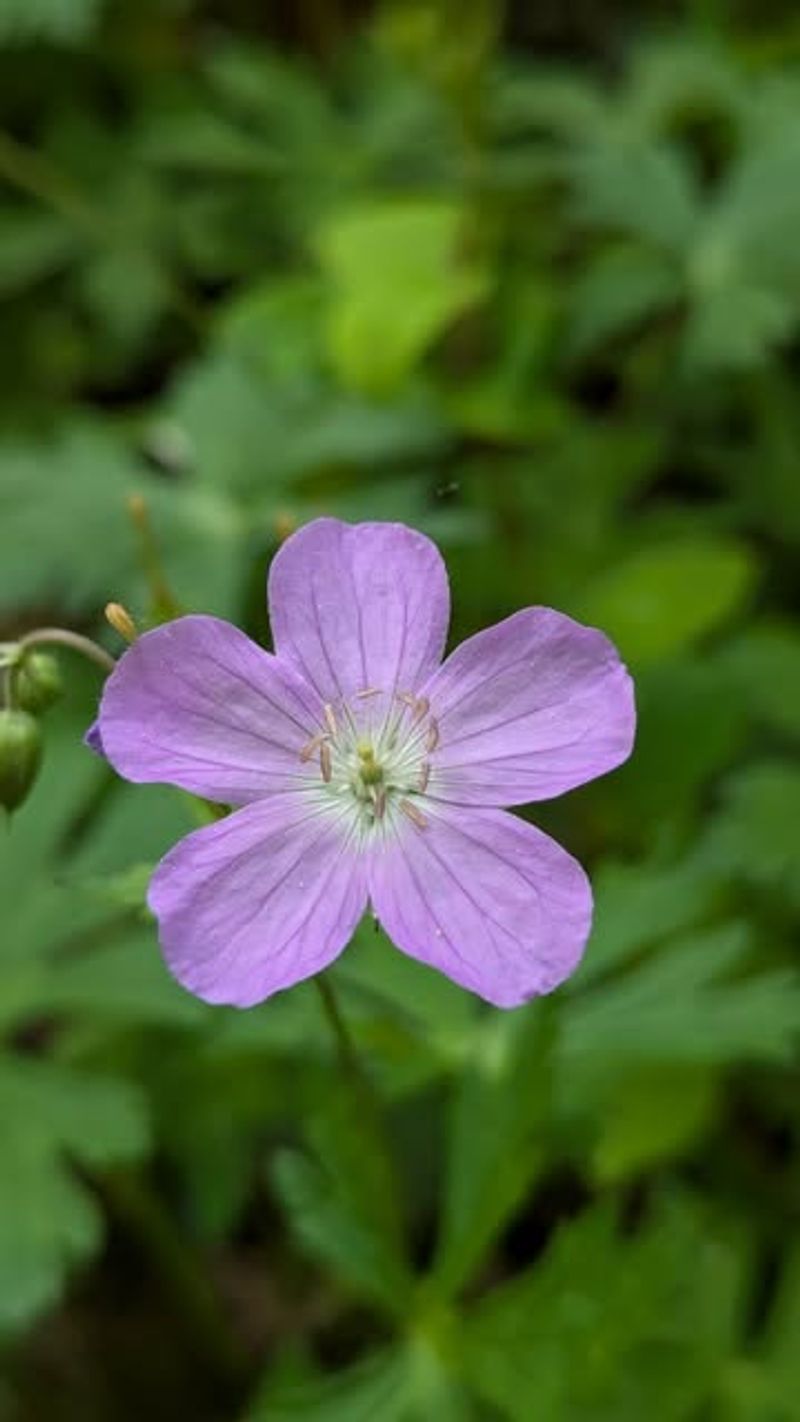
Wild geranium blankets woodland edges and garden borders with pink-lavender blooms from late April through June, providing reliable nectar during the critical transition from early to late spring. The five-petaled flowers open in succession over several weeks, ensuring consistent food availability as more bee species emerge.
Both bumblebees and smaller native bees work these flowers enthusiastically, collecting both nectar and pollen.
This adaptable native grows in sun to partial shade and tolerates various soil types once established. Plants form substantial clumps 18 to 24 inches tall with attractive deeply-lobed leaves.
The foliage often develops reddish tints in fall, adding seasonal interest beyond the spring bloom period.
After flowering, wild geranium produces distinctive seed capsules that explode when ripe, flinging seeds several feet from the parent plant. This mechanism allows gradual spread without aggressive invasiveness.
The plant self-seeds moderately, filling empty spaces naturally.
Ohio gardeners value wild geranium’s reliability and low maintenance requirements. It resists deer browsing, tolerates dry shade under mature trees, and rarely needs division.
For pollinator gardens, wild geranium provides crucial mid-spring nectar that sustains bees between earliest bloomers and summer flowers, ensuring continuous food availability during colony growth periods.
7. Start The Season With Spring Beauty
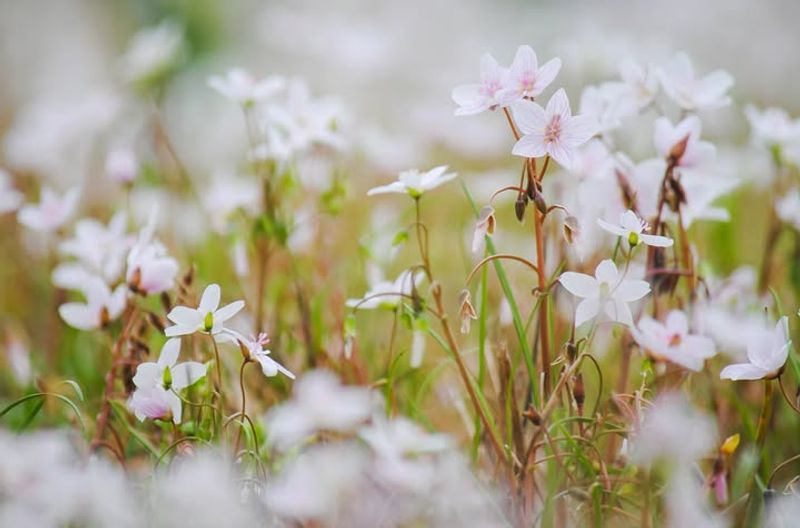
Spring beauty emerges as one of Ohio’s earliest wildflowers, carpeting woodlands with tiny white-to-pink blooms as early as March. These diminutive flowers, barely half an inch across, pack remarkable ecological importance despite their small size.
Specialist mining bees called Andrena erigeniae depend almost exclusively on spring beauty pollen, timing their entire life cycle around this single flower species.
Each bloom features five petals decorated with delicate pink stripes that guide bees to nectar. The flowers open on sunny days and close during cold weather, protecting pollen and nectar resources.
Plants grow from small corms underground, sending up grass-like leaves and flower stalks only four to six inches tall.
Spring beauty thrives in moist woodland conditions and spreads gradually through corm division and seed. It goes dormant by early summer after woodland canopies close, so pair it with later-emerging plants.
The flowers provide crucial early pollen for specialist bees that would otherwise face starvation.
Ohio woodland gardeners often overlook spring beauty due to its small stature, but its ecological value far exceeds its size. Supporting specialist native bees maintains biodiversity and strengthens overall pollinator populations.
These tiny flowers represent exactly the kind of early bloom that makes the difference between bee survival and colony failure.
8. Feed Emerging Bees With Dutchmans Breeches
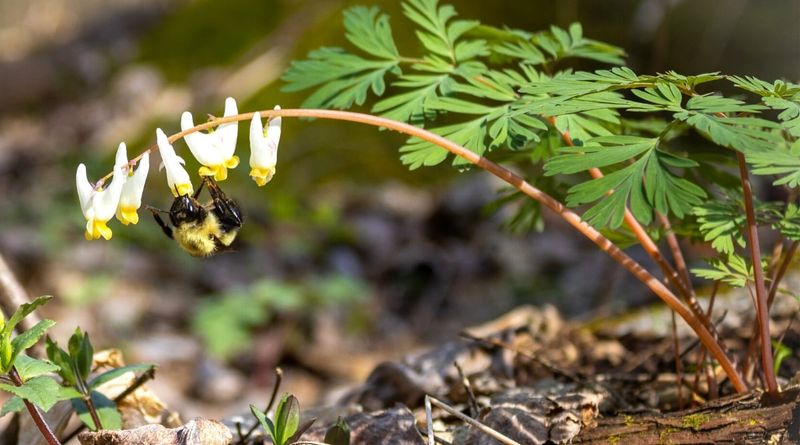
Dutchmans breeches dangles whimsical white flowers shaped like tiny pantaloons from arching stems in April across Ohio woodlands. The unique flower structure evolved specifically for bumblebee pollination, with nectar hidden deep inside the inflated spurs.
Queen bumblebees emerging from hibernation possess tongues long enough to reach this nectar, making them the primary pollinators of this charming native.
The finely divided, fern-like foliage creates beautiful texture even before flowers appear. Plants grow from small bulb-like structures called tubers, forming colonies in rich woodland soil.
Like other spring ephemerals, Dutchmans breeches completes its entire growth cycle before tree leaves fully emerge, then goes dormant by early summer.
Grow this native in shaded areas with moist, well-drained soil rich in organic matter. It spreads slowly through tuber division and self-seeding, eventually creating drifts of nodding white blooms.
The flowers last about two weeks, providing crucial early nectar for bumblebee queens.
Ohio gardeners find Dutchmans breeches particularly valuable for supporting bumblebees during nest establishment. Queens need substantial energy during this period when they search for nest sites, excavate chambers, and begin raising the first workers.
These early flowers provide exactly the nutrition bumblebees need when few other food sources exist.
9. Support Early Pollinators With Woodland Phlox
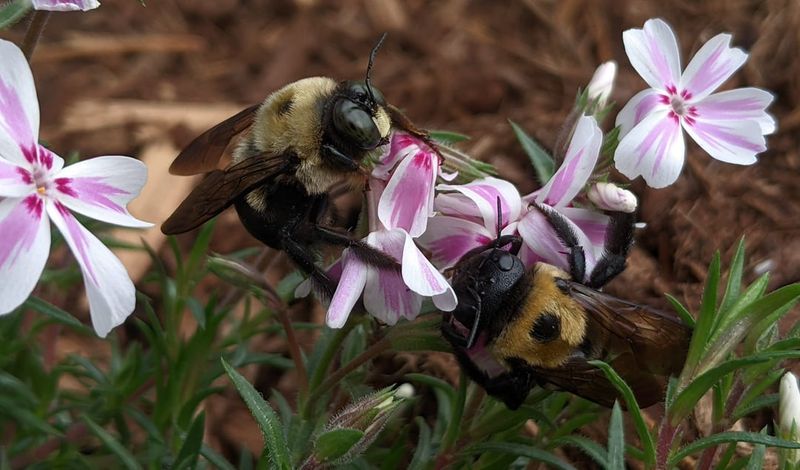
Woodland phlox covers shaded gardens with fragrant blue-to-lavender flowers from mid-April through May, extending reliable nectar availability well into late spring. The sweetly scented blooms attract both bumblebees and smaller native bees, along with early butterflies and beneficial insects.
Each flower cluster contains multiple blooms that open sequentially, providing consistent food over several weeks.
This native adapts to various light conditions from partial to full shade and tolerates average to moist soil. Plants form spreading mats 12 to 15 inches tall that work beautifully as groundcovers under trees and shrubs.
The semi-evergreen foliage remains attractive after flowering, unlike spring ephemerals that disappear completely.
Woodland phlox spreads moderately through rhizomes and self-seeding, filling empty spaces without aggressive invasiveness. It pairs perfectly with spring bulbs, ferns, and other shade perennials.
The flowers provide crucial nectar during the transition period when earliest bloomers finish but summer flowers haven’t started.
Ohio native plant enthusiasts value woodland phlox for its reliability and low maintenance requirements. It resists deer browsing, tolerates dry shade once established, and rarely suffers pest problems.
For pollinator gardens, woodland phlox ensures bees find abundant nectar during late spring when colonies grow rapidly and need consistent nutrition for raising new generations.