Early Mulching In North Carolina Isn’t Risky, It’s Actually A Game Changer
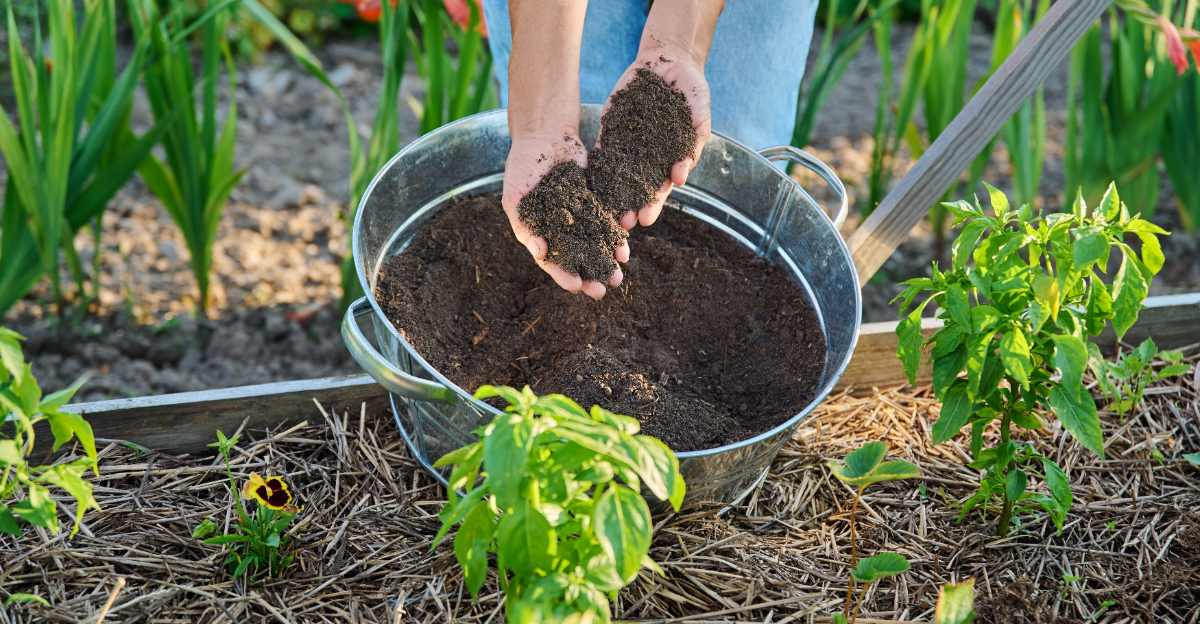
Most North Carolina gardeners wait until summer to lay down mulch, but starting earlier can give your garden a big advantage. Applying mulch in early spring helps protect soil, conserve moisture, and set your plants up for stronger growth before the heat arrives.
Across the Coastal Plain, Piedmont, and Mountains, early mulching gives gardens a head start on the season. It improves soil structure, reduces weeds, and keeps roots healthier as plants begin to grow.
Gardeners who take this simple step now often see bigger, more vibrant blooms later in the year. Once you understand how mulch benefits both your soil and plants, it becomes clear that timing matters.
Early spring mulching is an easy way to boost your North Carolina garden and get ahead before the busy summer months arrive.
1. Protects Roots From Late Frosts
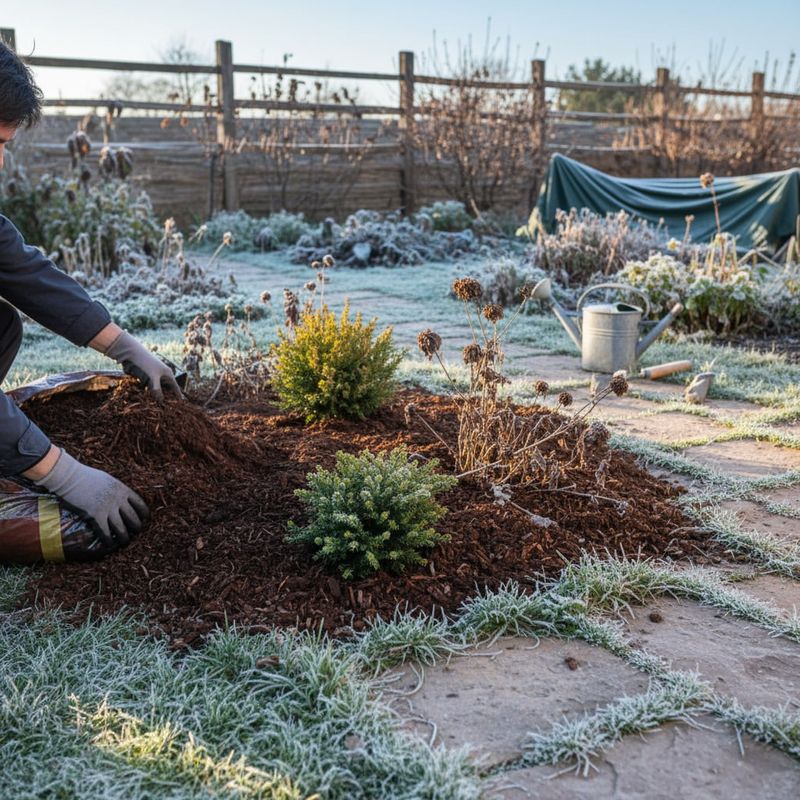
Springtime in North Carolina can be sneaky. One warm week in March can trick your plants into budding early, and then a sharp overnight frost rolls in and catches everyone off guard.
That is exactly where early mulching steps in to save the day.
A layer of organic mulch, about two to three inches deep, acts like a cozy blanket around the root zone of perennials, shrubs, and vegetables. It slows heat loss from the soil overnight, which helps roots stay protected when air temperatures drop unexpectedly.
NC State Extension recommends mulching before these late cold snaps rather than waiting until after them.
In North Carolina’s Mountain region, late frosts can occur well into April. Even in the Piedmont and Coastal Plain, surprise cold nights pop up through mid-March.
Mulching early means your plants are already protected before those cold spells arrive, not scrambling to recover afterward.
Straw, shredded leaves, and pine straw are all excellent choices for insulating root zones in NC gardens. These materials trap warmth in the soil during cold nights and release it slowly.
Roots stay steadier, stress stays lower, and your plants come out of those cold snaps looking strong and healthy rather than wilted and struggling.
2. Retains Soil Moisture
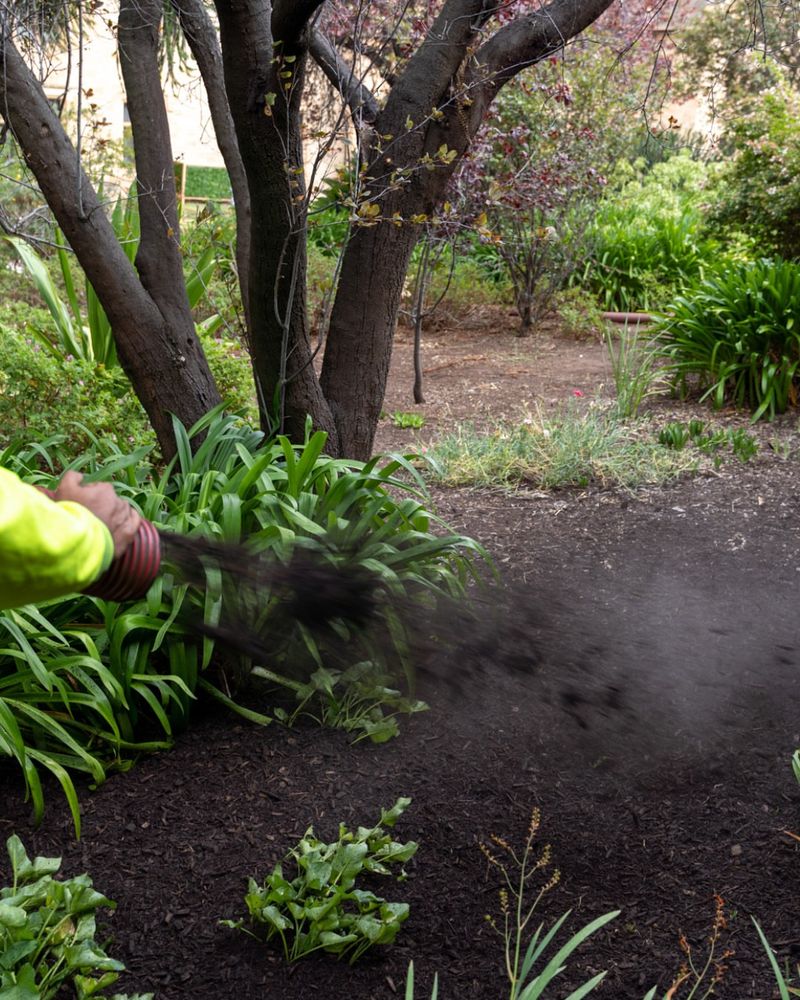
Water is everything in a spring garden, and North Carolina’s spring weather can swing wildly from soggy to bone-dry within the same week.
Early mulching is one of the most effective ways to hold onto that soil moisture and keep your plants hydrated through the swings.
Without a mulch layer, soil moisture evaporates quickly when sun and wind hit a bare bed. Research from NC State University shows that mulch can reduce soil water evaporation by up to 70 percent compared to bare soil.
That is a massive difference, especially for newly emerging seedlings that need consistent moisture to develop strong roots.
When you apply mulch in early spring, the soil underneath stays damp longer after each rain. Your seedlings and transplants do not have to compete with rapid drying between watering sessions.
This is especially helpful in the Piedmont, where clay soils can crack and harden quickly once the surface dries out.
Shredded leaves, pine straw, and wood chips all work well for moisture retention in North Carolina gardens. Aim for a two-to-three-inch layer around your plants, keeping mulch a few inches away from stems to prevent rot.
Consistent moisture means faster growth, stronger roots, and fewer emergency watering sessions on hot spring afternoons.
3. Reduces Soil Temperature Fluctuations
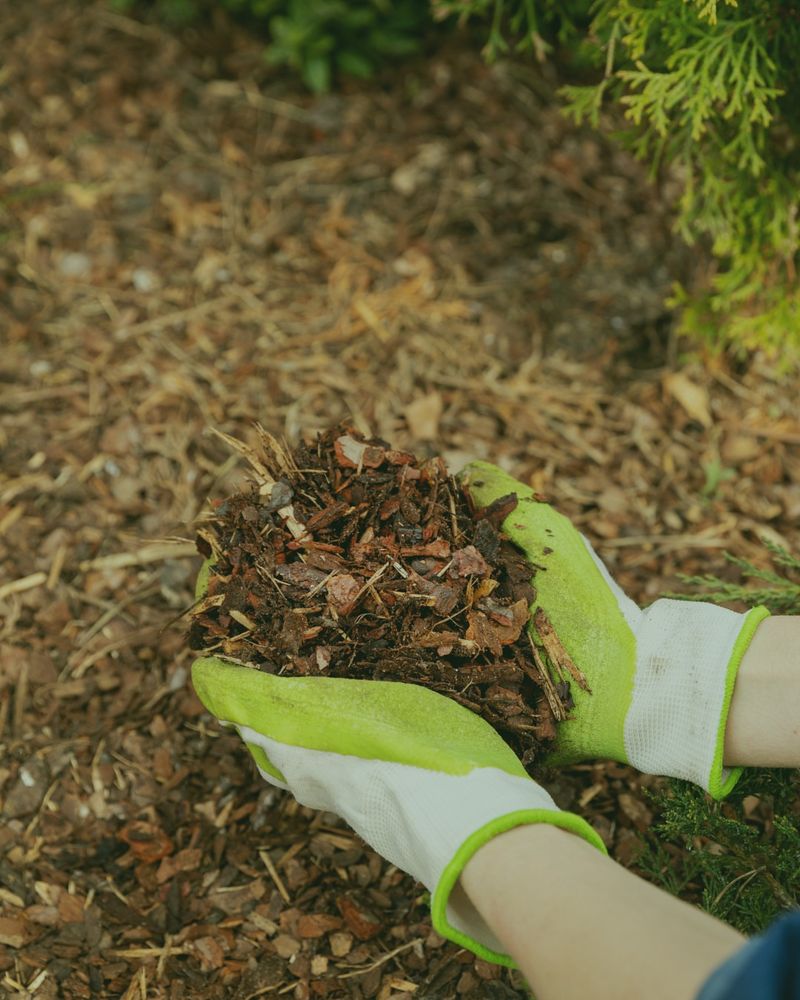
Soil temperature matters more than most gardeners realize. Plant roots are sensitive to rapid changes in heat and cold, and spring in North Carolina delivers both on a regular basis.
One afternoon it feels like summer, and by morning it is cold enough to see your breath.
Mulch acts as a natural buffer between the air and the soil, slowing down how quickly temperature changes reach the root zone. This buffering effect gives roots time to adjust gradually rather than being shocked by sudden swings.
NC State horticultural research confirms that mulched soils experience significantly smaller temperature fluctuations than bare soils during spring months.
Stable soil temperatures are especially important for vegetables like tomatoes, peppers, and cucumbers, which are common in NC gardens. These plants are sensitive to cold soil even when the air feels warm.
Keeping the soil temperature steady encourages consistent root development and helps transplants establish faster after going in the ground.
Across North Carolina’s three major regions, the soil temperature story is different but the solution is the same.
Mountain gardens need extra buffering against cold nights, while Piedmont and Coastal Plain gardens benefit from mulch slowing down rapid spring warming.
A steady soil environment gives every plant a calmer, more productive growing season from the very start.
4. Suppresses Early Weed Growth
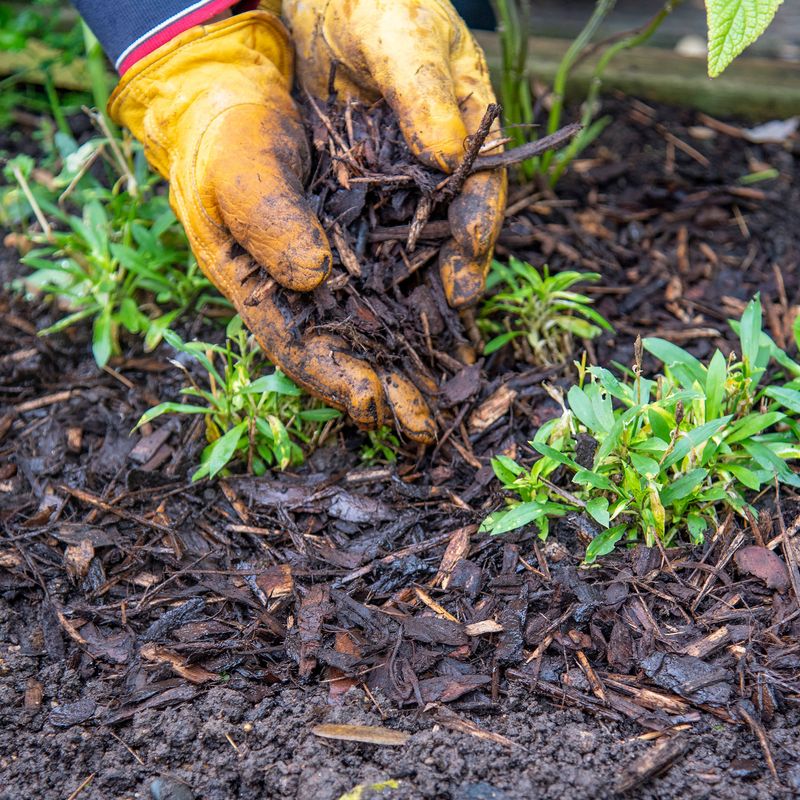
Weeds are opportunists. The moment spring arrives in North Carolina, weed seeds that have been sitting in the soil all winter start reaching for sunlight.
If your beds are bare, those weeds get exactly what they need to sprout fast and take over your garden space.
Early mulching blocks sunlight from reaching the soil surface, which stops most weed seeds from germinating in the first place.
A two-to-three-inch layer of organic mulch is enough to suppress the majority of common NC garden weeds like chickweed, hairy bittercress, and annual bluegrass.
Getting the mulch down before weeds sprout is far easier than pulling them out later.
Fewer weeds mean less competition for your vegetables and flowers. Weeds steal water, nutrients, and space from the plants you actually want to grow.
Suppressing them early gives your emerging crops a clear advantage right from the start of the season.
Pine straw is a popular choice in many North Carolina gardens because it is widely available, affordable, and excellent at blocking weed growth. Shredded hardwood bark and composted wood chips also work well.
Whichever material you choose, applying it before your weed population explodes in late March and April makes the rest of the gardening season dramatically more enjoyable and far less back-breaking.
5. Encourages Healthy Microbial Activity
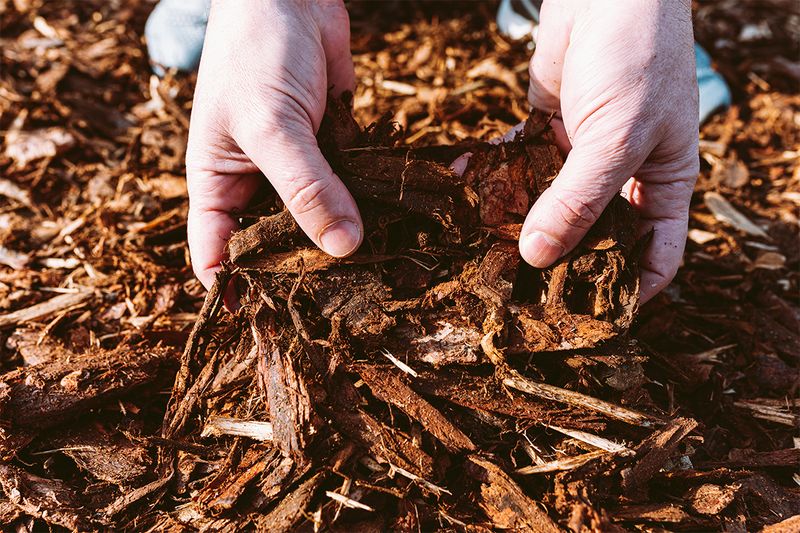
Healthy soil is alive. Beneath the surface of a well-managed North Carolina garden, billions of microbes and earthworms are constantly working to break down organic matter and release nutrients that plants can absorb.
Early mulching gives these organisms exactly what they need to thrive.
Organic mulches like shredded leaves, composted bark, and wood chips provide food and shelter for beneficial soil microbes. As these materials begin to decompose in spring, they feed microbial communities that improve nutrient cycling throughout the growing season.
Earthworms are drawn to the moist, protected environment under a mulch layer, and their activity further improves soil structure and aeration.
North Carolina soils vary widely across regions. Heavy clay soils in the Piedmont and sandy soils along the Coastal Plain both benefit from the organic matter that mulch introduces over time.
As microbial activity increases, soil aggregates form more easily, making the ground easier for roots to penetrate and explore.
The relationship between mulch and soil life is one of the most underrated benefits of early mulching. You are not just covering the ground; you are feeding an entire underground ecosystem.
Healthier microbial activity translates directly into stronger plant growth, better nutrient uptake, and a garden that gets easier to manage with every passing season in North Carolina.
6. Protects Emerging Shoots From Splashing Soil
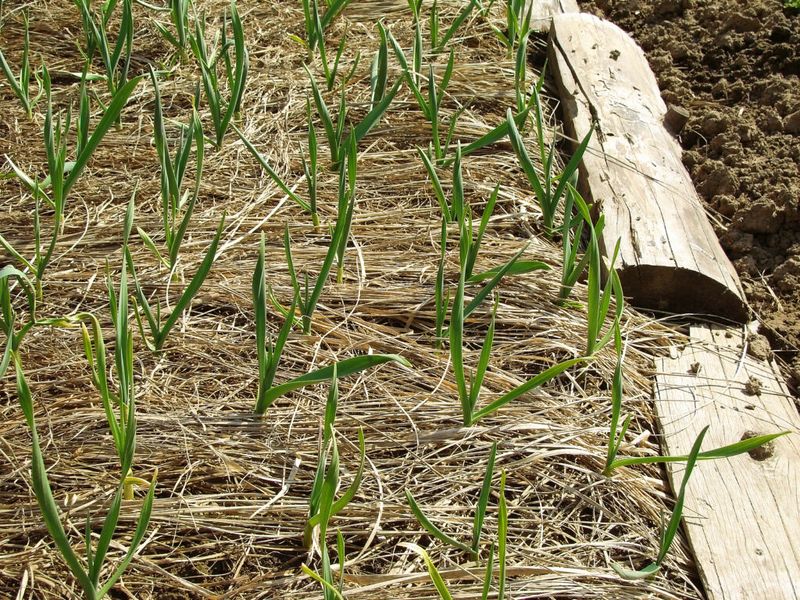
Spring rain in North Carolina can be heavy and relentless. When raindrops hit bare soil at full force, tiny soil particles launch into the air and land directly on the lower leaves of your plants.
It sounds minor, but this soil splash is one of the main ways fungal and bacterial diseases spread in the garden.
Mulch acts as a physical barrier between the soil and your plants. When rain hits a mulched surface, the impact is absorbed and scattered harmlessly rather than propelling soil particles upward.
This simple protection significantly reduces the spread of soil-borne pathogens that affect common NC crops like tomatoes, peppers, and cucumbers.
Early blight and Septoria leaf spot are two diseases that commonly affect tomatoes in North Carolina, and both travel through soil splash during rain events. Applying mulch before transplanting season gives your plants built-in disease protection from day one.
Fewer disease problems mean less time troubleshooting and more time actually enjoying your garden.
Straw and shredded leaves are particularly effective at absorbing raindrop impact in spring garden beds. They break the force of heavy spring showers while keeping the soil beneath them moist and stable.
For NC gardeners dealing with clay soils that splash easily, this benefit alone makes early mulching a practice worth starting every single year.
7. Reduces Stress On Newly Planted Transplants
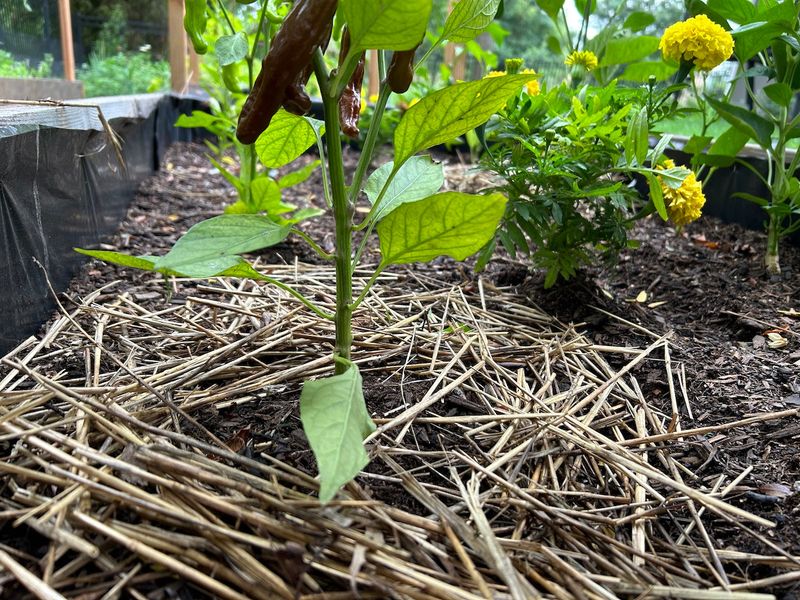
Putting a young plant into the ground is always a bit of a gamble. Transplants go from a controlled greenhouse environment into unpredictable outdoor conditions, and that transition is genuinely stressful for them.
North Carolina spring weather adds extra challenges with its temperature swings and variable rainfall.
Mulch applied right after transplanting creates a more stable microenvironment around the root zone. Soil moisture stays more consistent, temperature extremes are softened, and the roots have a calmer space to establish themselves.
Studies from NC State University extension programs show that mulched transplants typically establish faster and show less wilting stress than those planted in bare soil.
Young vegetable starts like tomatoes, peppers, and squash are especially vulnerable during their first two to three weeks in the ground. Those early weeks determine how productive the plant will be for the rest of the season.
Giving them a mulched bed from the start is one of the best investments you can make as an NC gardener.
Perennial flowers and shrubs benefit just as much from early mulching after planting. A two-to-three-inch layer around the root zone, kept a few inches from the stem, gives new plants the stability they need to push roots outward confidently.
The result is stronger, more established plants that handle summer heat far better than unmulched ones do.
8. Saves Labor Later In The Season
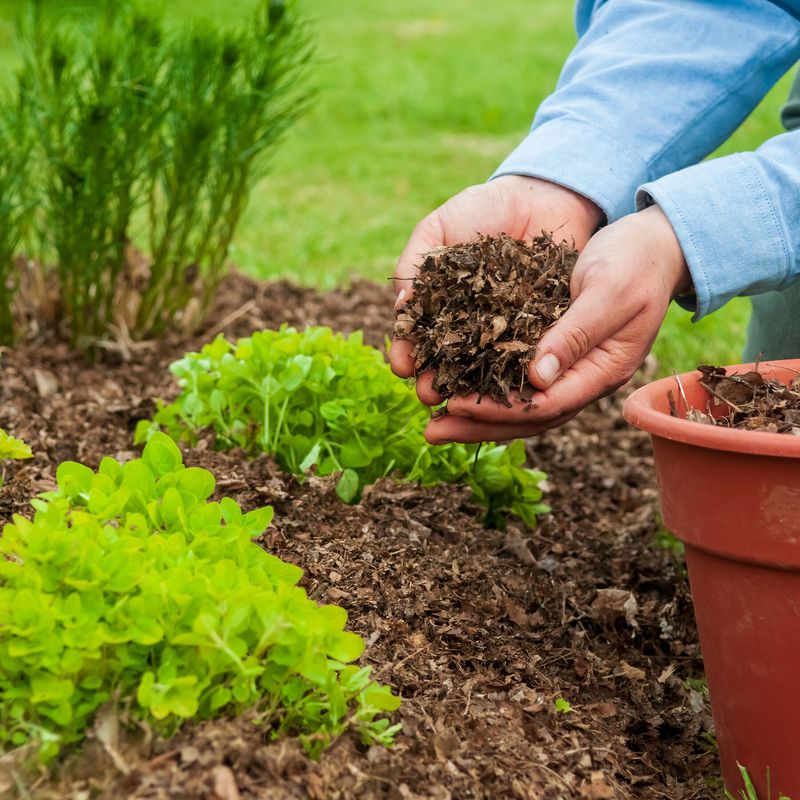
One of the most honest reasons to mulch early is simply this: it makes your life easier for the rest of the year.
Every hour you spend laying down mulch in March or April saves you multiple hours of weeding, watering, and soil maintenance through the hot North Carolina summer months.
Weeds that never sprout never need to be pulled. Soil that stays moist needs less frequent watering.
Ground that stays covered compacts less and requires less turning and amendment. Early mulching sets up a low-maintenance system that quietly works in the background while you focus on the more enjoyable parts of gardening.
North Carolina summers are notoriously hot and humid, especially in the Piedmont and Coastal Plain regions. The last thing you want to be doing in July is hand-pulling weeds from dry, cracked soil in 95-degree heat.
Mulching early prevents that exact scenario from happening in the first place.
The time savings compound over the season. Fewer watering sessions, fewer weeding sessions, and less need for emergency soil amendments all add up to a significantly lighter workload from June through September.
For busy families, weekend gardeners, or anyone who just wants to enjoy their outdoor space rather than constantly maintain it, early mulching is genuinely one of the smartest shortcuts in North Carolina gardening.
9. Improves Soil Structure Over Time
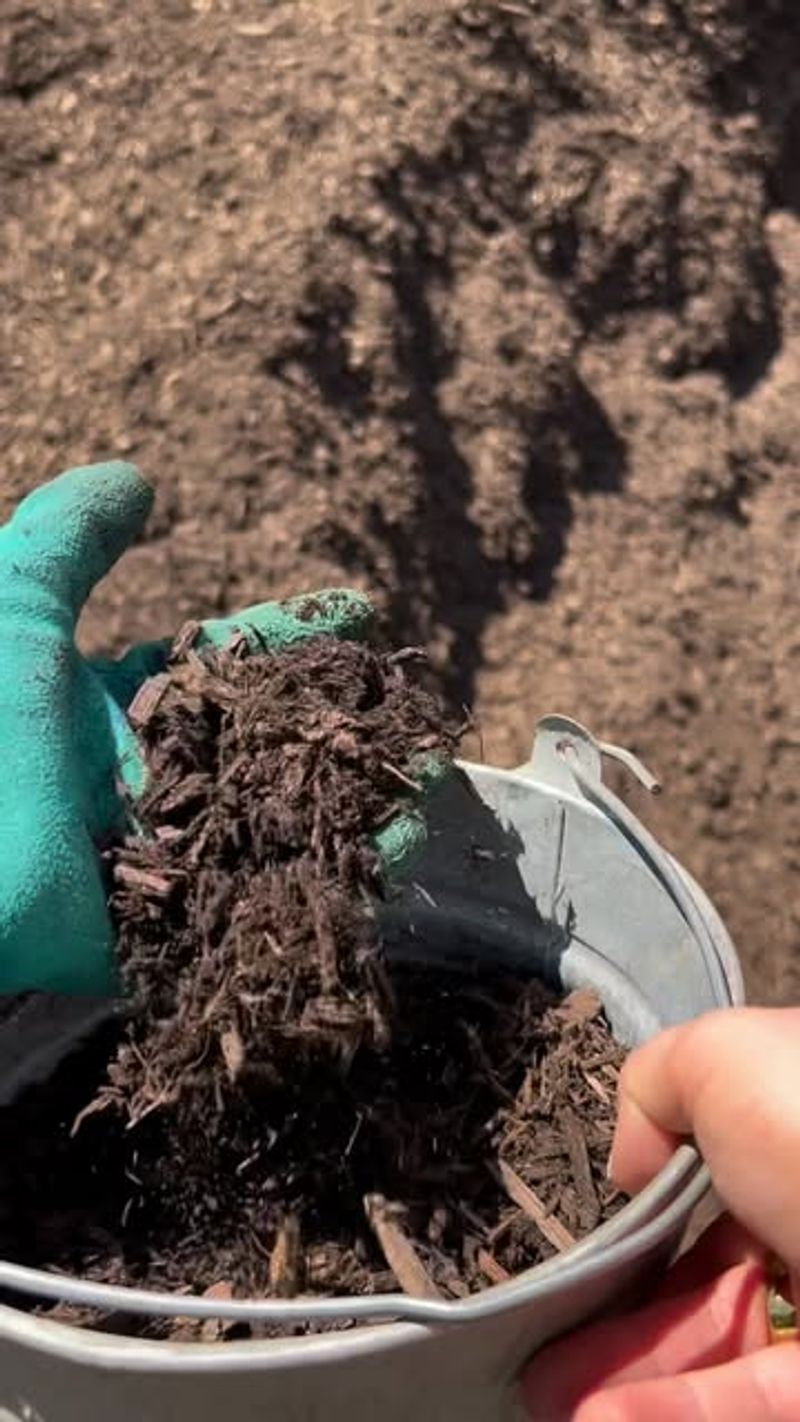
Soil is not just dirt. It is a living, changing material that can get better or worse depending on how you manage it.
Early mulching with organic materials is one of the most reliable ways to steadily improve your soil structure season after season in North Carolina.
As shredded leaves, pine straw, or composted bark breaks down throughout spring and summer, it adds organic matter directly to the top layer of soil.
This organic matter improves the way soil particles clump together, creating what horticulturalists call good soil tilth.
Better tilth means better drainage in heavy clay soils and better water retention in sandy coastal soils.
North Carolina’s diverse soil types all benefit from this slow, natural enrichment process. Piedmont clay soils become easier to work and less prone to compaction.
Coastal Plain sandy soils hold nutrients and moisture longer. Mountain garden soils develop richer, more productive profiles over multiple seasons of consistent organic mulching.
The improvement is gradual but cumulative. Each year you mulch early, you add another layer of organic input that feeds the soil food web and builds better structure from the top down.
After just two or three seasons of consistent early mulching, many NC gardeners notice dramatically improved soil that is easier to dig, richer in color, and far more productive for growing healthy, vigorous plants.
10. Encourages Earlier, Healthier Growth
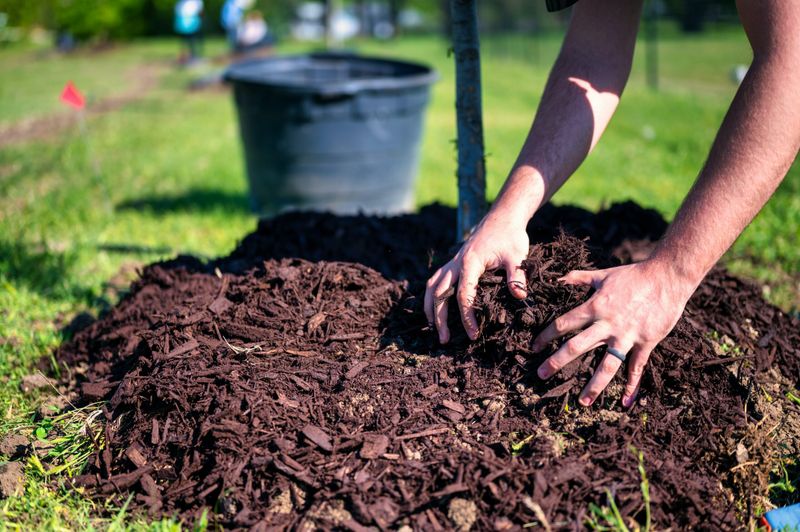
Every gardener in North Carolina wants to see strong, lush growth as early as possible in spring. The good news is that early mulching directly supports that goal by creating the ideal conditions for vigorous plant development right from the start of the season.
Mulched beds warm up gradually and evenly as spring progresses, which is exactly what most vegetable and flower roots prefer. Consistent soil warmth encourages earlier root expansion, and strong roots lead to stronger shoots above the surface.
Plants in mulched beds often break dormancy earlier and grow more vigorously than those in bare, exposed soil.
Flower gardens across North Carolina also respond beautifully to early mulching. Perennials like coneflowers, black-eyed Susans, and daylilies push up earlier and bloom more reliably when their root zones are protected and moisture-stable.
The blooms tend to be more abundant and last longer through the season compared to unmulched plants.
Starting the season with a well-mulched garden puts your plants in a position to thrive rather than just survive. They spend less energy coping with stress and more energy producing the growth, flowers, and harvests you are hoping for.
For NC gardeners who want results they can see and enjoy, early mulching is not just helpful; it is the foundation of a truly productive and beautiful spring garden.