7 Early Signs Your Arizona Garden Is Showing Heat Stress
Heat stress has a way of sneaking into an Arizona garden before the damage feels obvious. At first, everything may still look mostly fine from a distance, but up close, small changes start showing up in leaves, blooms, and overall growth.
That is what makes this time of year so tricky. A garden can begin struggling well before it fully looks like it is in trouble.
Arizona heat does not always give plants much time to adjust, especially when temperatures rise fast and the sun starts bearing down day after day.
What seemed healthy not long ago can start looking tired, faded, or off in ways that are easy to overlook unless someone knows what to watch for.
That is why the earliest warning signs matter so much. Catching them sooner can make the difference between a garden that bounces back and one that keeps declining as the season gets hotter.
Sometimes the first clue is much smaller than most people expect.
1. Leaves Start Wilting Even When Soil Feels Moist
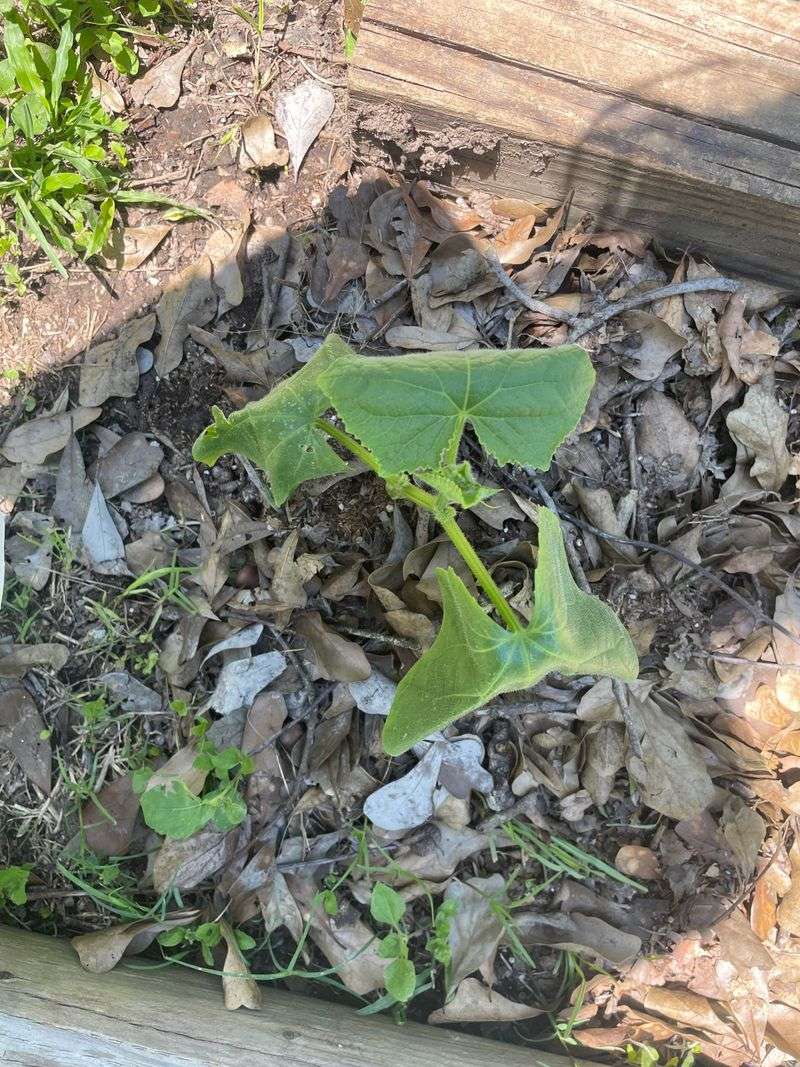
Wilting leaves when the soil is still wet — that’s one of the most confusing things Arizona gardeners run into every summer. Your first instinct is to water more, but that’s actually not the problem here.
What’s happening is that the plant is losing moisture through its leaves faster than its roots can move water upward.
During peak afternoon heat in Arizona, temperatures can push roots and stems beyond their functional limits. Even a well-watered plant can temporarily shut down its water transport system under that kind of stress.
It’s basically the plant throwing up a white flag against the sun.
Check your watering schedule first — make sure you’re watering early in the morning so plants have a full reservoir before the heat peaks. Midday watering evaporates too fast to do much good, especially in Phoenix or Tucson where the sun hits hardest.
Shade cloth over sensitive plants during the hottest hours can also take real pressure off them.
Pay attention to whether the wilting bounces back in the evening. If your plants perk up once the sun drops, that’s a sign the roots are fine and the issue is purely heat-related.
Consistent overnight recovery usually means your plant is coping. If the wilting lingers past sunset, that’s when you need to dig deeper into the problem and possibly adjust your soil moisture, mulch depth, or sun exposure before the next brutal day rolls around.
2. Leaf Edges Turn Brown Or Crispy Under Strong Sun
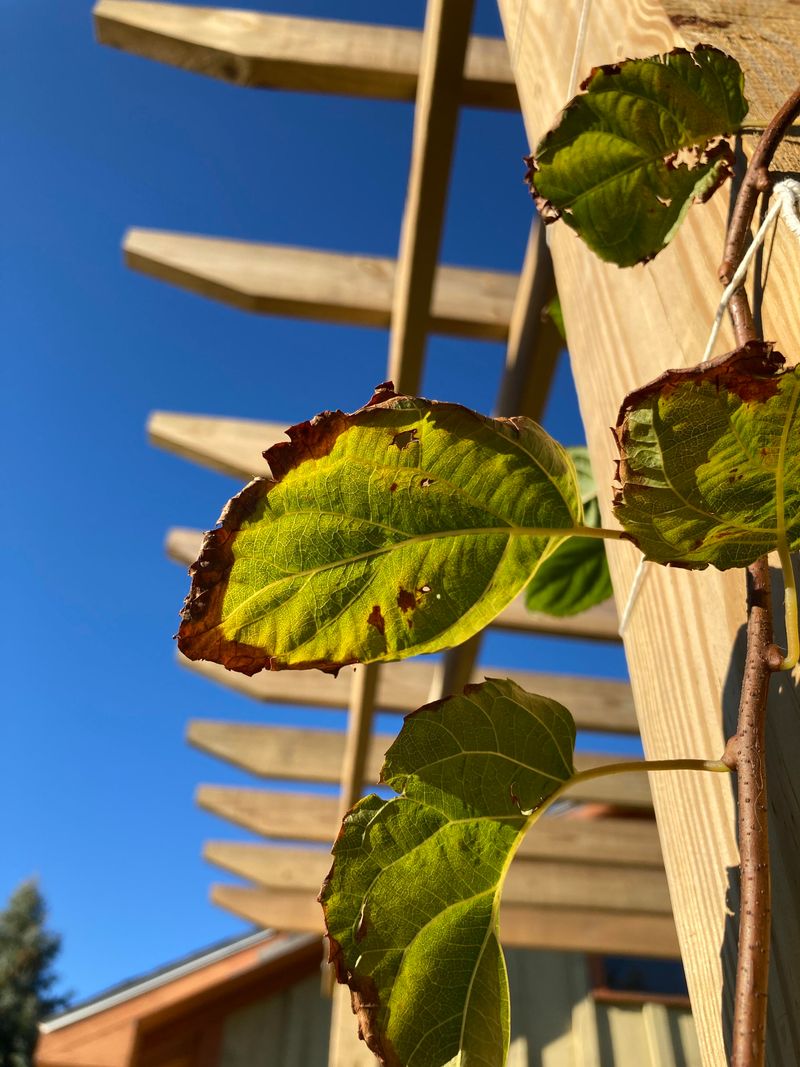
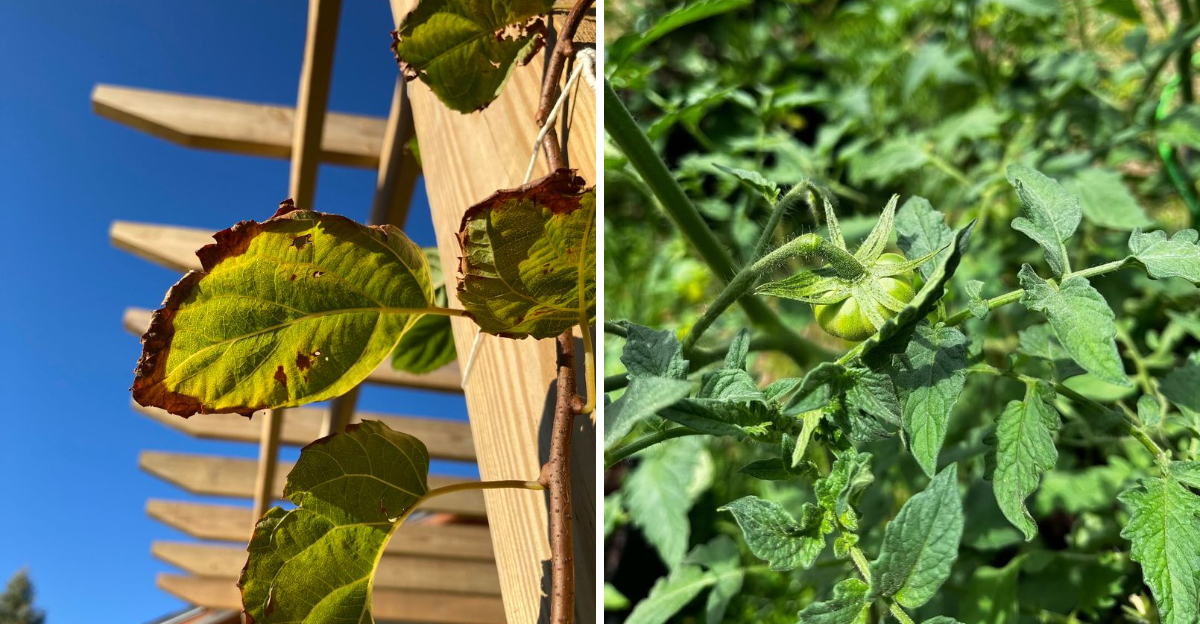
Brown, papery leaf edges showing up in June or July? That’s not a watering problem — that’s scorch, and Arizona’s intense UV exposure is usually the culprit.
Leaf scorch happens when sun and heat pull moisture out of leaf tissue faster than the plant can replace it, leaving behind that telltale crispy border.
Plants most vulnerable to this include tomatoes, roses, and young citrus trees. Established desert natives handle it better, but even they can show edge burn during extended heat waves.
Tucson and Phoenix gardeners often see this kick in hard between 11 a.m. and 3 p.m. when the sun angle is most direct.
Shade cloth rated at 30–50% can block enough harsh light to prevent further damage without starving your plants of the sun they need. Positioning it on the west-facing side of your garden beds gives the most relief during late afternoon when temperatures peak.
You don’t need to cover everything — just protect the most heat-sensitive plants.
Once leaf edges scorch, that tissue won’t recover. But you can absolutely stop the damage from spreading.
Consistent deep watering every morning, a solid 3-inch layer of mulch around the base, and a little strategic shade go a long way. Avoid fertilizing during extreme heat since that pushes new growth that’s even more vulnerable to scorch.
Focus on keeping existing leaves alive and healthy until temperatures start dropping in September across Arizona.
3. Growth Slows Down During Rising Temperatures
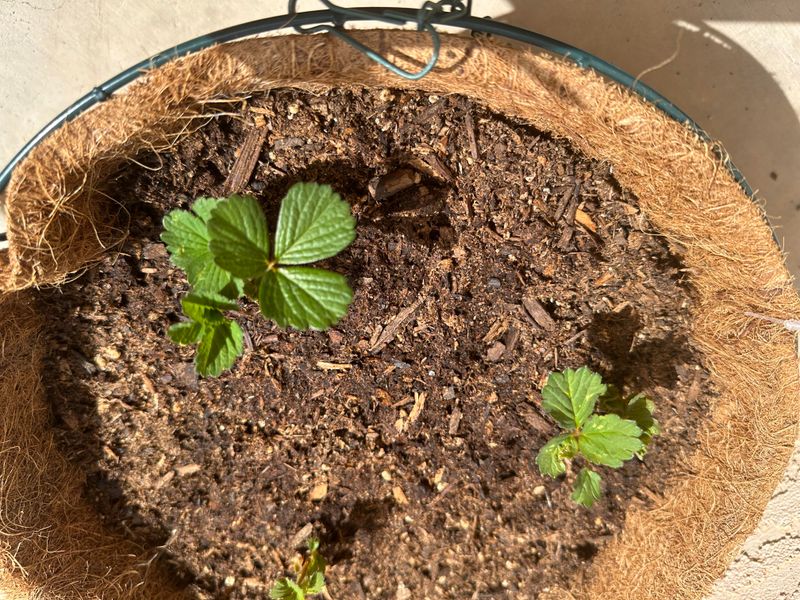
Planting something in late spring and watching it just… sit there? No new leaves, no visible growth, just the same size week after week?
That’s not unusual in Arizona, and it’s not always a soil problem. When temperatures push past 95°F consistently, many plants essentially hit pause on growing.
Growth slowdown is a survival response. Instead of putting energy into new shoots or leaves, the plant redirects resources toward keeping its existing tissue alive.
It’s a smart move on the plant’s part, even if it’s frustrating to watch from your end. Warm-season vegetables like peppers and squash do this regularly during Arizona’s peak summer stretch.
Pushing plants to grow faster with extra fertilizer during a heat wave is one of the most common mistakes made in Arizona gardens. New growth is soft and tender, making it even more susceptible to heat and sun damage.
Hold off on fertilizing until nighttime temperatures drop back below 85°F consistently.
Root development often continues underground even when above-ground growth stalls. So the plant isn’t necessarily doing nothing — it may just be building a stronger foundation for a fall growth flush.
Keep watering on schedule, maintain your mulch layer, and resist the urge to pull out plants that look stagnant. Some of the best fall gardens in Arizona come from plants that quietly toughed out the summer heat without much visible activity at all.
Patience pays off here more than any product or intervention.
4. Flowers Drop Earlier Than Expected In The Season
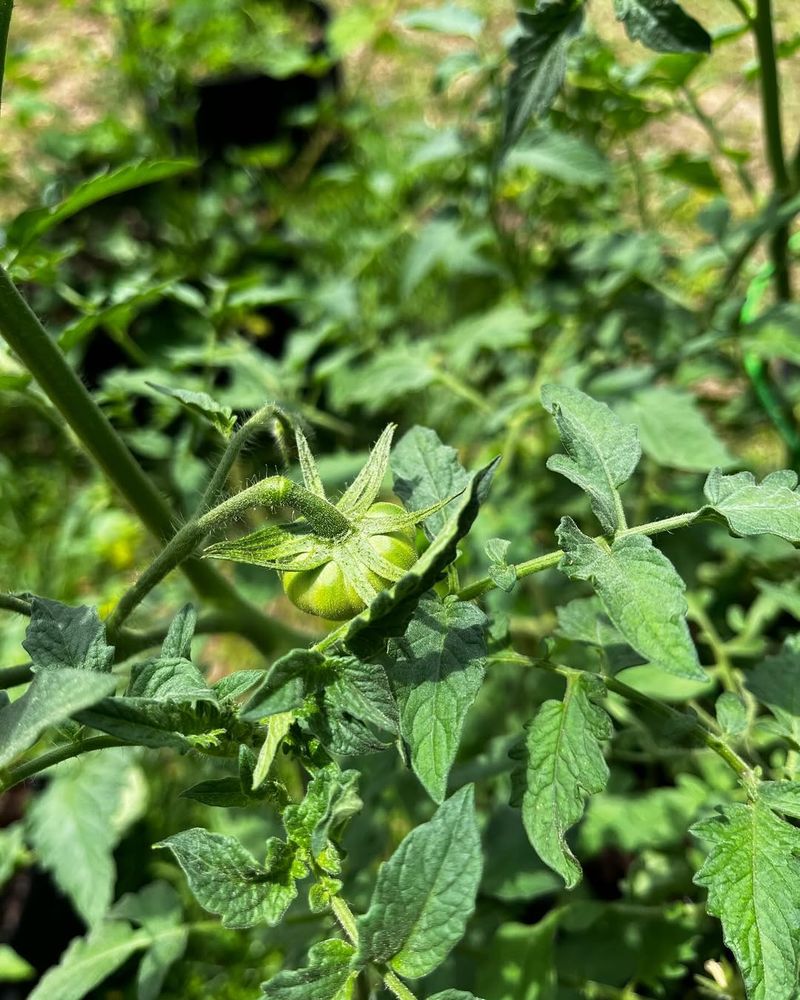
Flowers falling off before they ever become fruit — Arizona gardeners growing tomatoes, peppers, and squash know this frustration well. Blossom drop is one of the clearest signals that heat stress has moved past mild and into serious territory.
Temperatures consistently above 95°F during the day or above 75°F at night are the usual triggers.
What’s actually happening is that pollen becomes non-viable in extreme heat. Without successful pollination, the plant has no reason to hold onto the flower, so it drops it and conserves energy.
You can have perfect soil, perfect watering, and still lose every blossom if the temperatures aren’t cooperating.
Switching your planting calendar helps more than almost anything else. In Arizona, the smart move is getting heat-sensitive crops in early enough to flower and set fruit before the worst of summer arrives.
If you missed that window, focus on keeping plants alive and healthy so they can produce again when fall temperatures return.
Shade cloth, consistent morning watering, and mulch all help reduce soil and air temperature around plants enough to sometimes keep pollination viable. Some gardeners in the Phoenix area swear by hand-pollinating early in the morning when it’s slightly cooler.
It’s a bit of extra work, but it can save a harvest. Heat-tolerant varieties like ‘Solar Fire’ tomatoes or ‘Cubanelle’ peppers are also worth trying if blossom drop has been a repeated problem in your Arizona garden each summer season.
5. Foliage Looks Faded Or Slightly Bleached
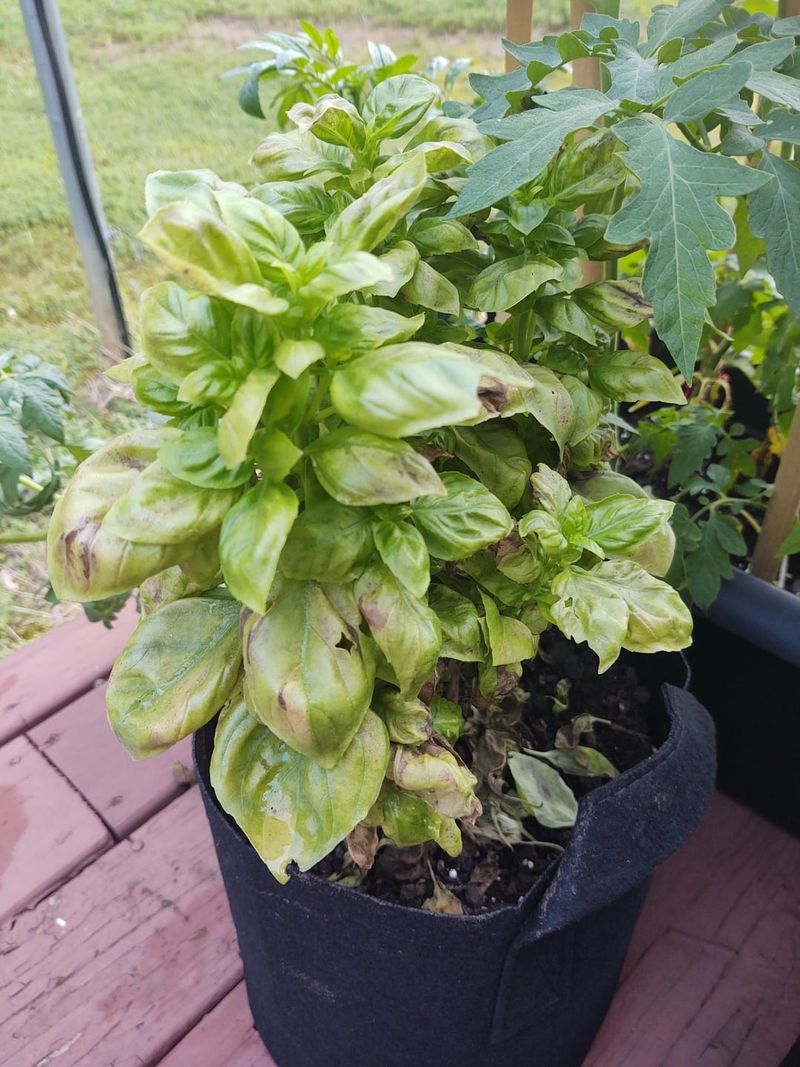
Pale, washed-out leaves that used to be a deep green are telling you something specific — the chlorophyll is breaking down.
Chlorophyll is what keeps leaves green and allows photosynthesis to happen, and extreme heat in Arizona can degrade it faster than the plant can rebuild it.
When you see bleaching, the plant is losing its ability to feed itself efficiently.
Bleached foliage is different from yellowing caused by overwatering or nutrient deficiency. Heat bleaching tends to appear in patches across the leaf surface or on the side of the plant most exposed to direct sun.
It often shows up suddenly after a stretch of 108°F-plus days rather than gradually over weeks.
Repositioning container plants into afternoon shade is the fastest fix when bleaching starts showing up. For in-ground plants, a temporary shade structure can halt further damage quickly.
Getting creative with old bedsheets, lattice panels, or purpose-built shade cloth all work in a pinch when you need to protect plants fast.
Soil temperature also plays a role that most Arizona gardeners overlook. When bare soil bakes in direct sun, it radiates heat upward and essentially cooks the lower leaves from below.
A generous layer of organic mulch, straw, or wood chips keeps soil temperatures dramatically lower and protects shallow roots at the same time.
Consistent soil moisture helps too, since hydrated leaf tissue holds up to UV exposure far better than dry tissue does during Arizona’s longest and hottest summer days.
6. Soil Dries Out Much Faster Than Usual
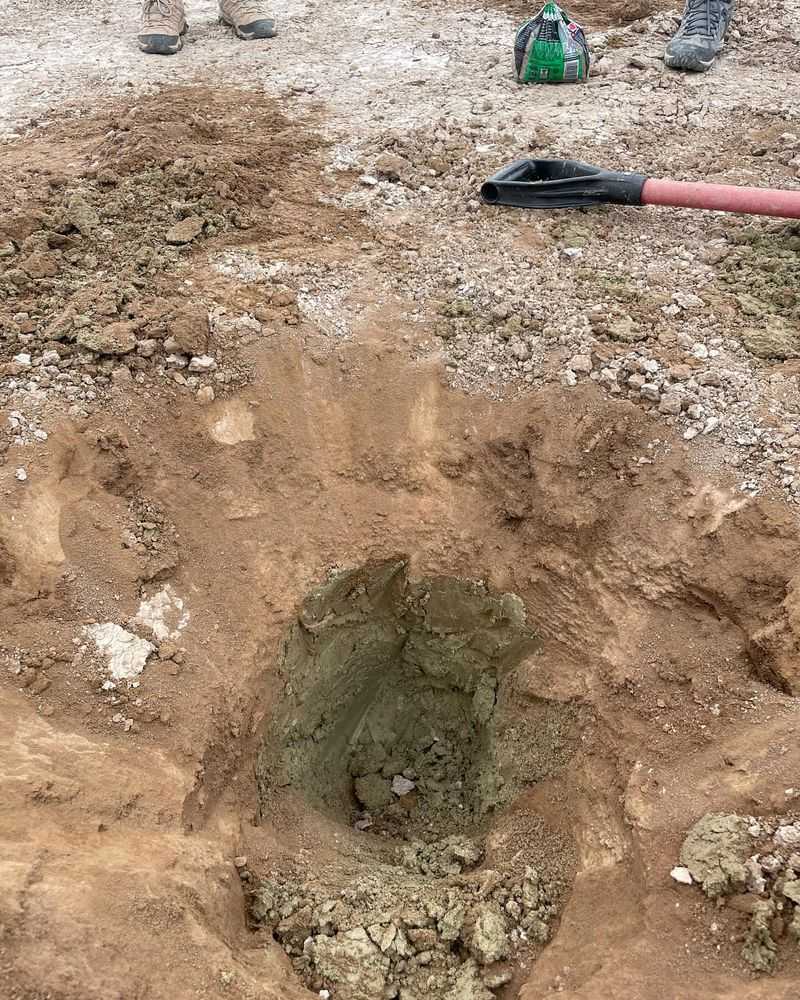
Watering your garden and coming back a few hours later to find bone-dry soil — that’s a familiar experience for anyone gardening in Arizona during July or August. When soil dries out unusually fast, it’s not just about the air temperature.
Soil temperature, wind, and direct sun exposure on bare ground all speed up moisture loss dramatically.
Sandy or rocky desert soil drains and dries faster than amended soil, which is why building up your garden beds with compost and organic matter matters so much in Arizona.
Better soil structure holds water longer, giving roots more time to absorb what they need before it evaporates or drains away.
Even a modest improvement in soil quality makes a real difference during peak heat.
Drip irrigation is far more effective than overhead watering in Arizona’s climate because it delivers water directly to the root zone with minimal evaporation loss.
Running drip lines early in the morning rather than midday or evening gives plants the best chance to absorb water before heat peaks.
Evening watering can also promote fungal issues in humid monsoon conditions.
Mulch is probably the single most impactful thing you can add to an Arizona garden bed. A 3-to-4-inch layer of wood chip mulch can cut soil moisture loss by more than half compared to bare soil.
Applying it across every exposed area of your beds, right up to the base of plants, keeps the ground cooler and dramatically reduces how often you need to water during the hottest stretch of the Arizona summer season.
7. Plants Show Drooping That Does Not Recover Overnight
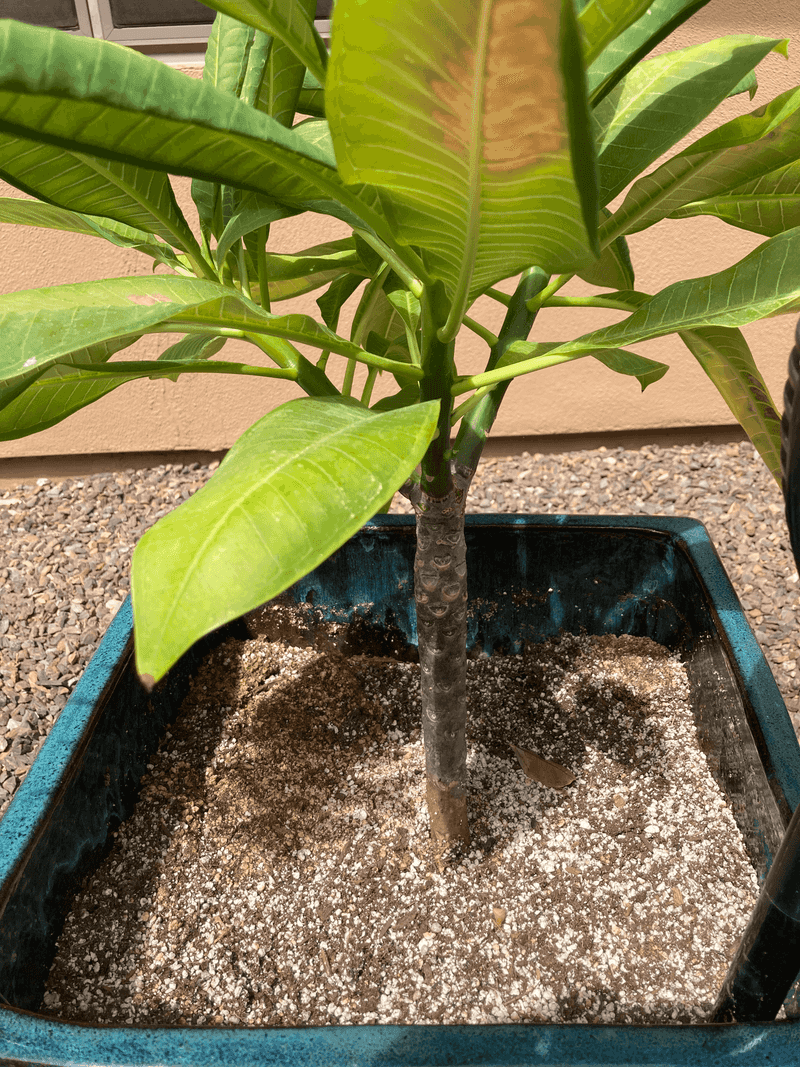
Wilting during the afternoon is one thing — plants that are still drooping when you check them the next morning are sending a much more urgent message. Overnight recovery is the body language of a plant that’s coping.
No recovery means something more serious is going on beneath the surface.
Persistent drooping that doesn’t bounce back is often a sign that root damage has occurred. When soil stays extremely hot for extended periods, root cells can break down, reducing the plant’s ability to uptake water at all.
At that point, even a perfectly watered plant can’t pull enough moisture upward to stay upright and healthy.
Root zone temperature is worth monitoring if you’re seeing this pattern in your Arizona garden. Soil thermometers are inexpensive and can tell you a lot.
Soil temperatures above 100°F at a depth of just a few inches are not uncommon in Arizona during summer, and most garden plants struggle badly at those levels.
Pulling back severely stressed plants and giving the soil time to cool before replanting is sometimes the most practical path forward.
Adding a thick mulch layer, shading the soil surface, and adjusting drip emitter placement to water deeper rather than shallower can all help restore root zone conditions.
Fall planting in Arizona typically starts in September, which gives you a realistic target for replanting heat-damaged areas.
Cooler nights and slightly lower daytime highs in autumn make a dramatic difference in how quickly new plants establish and recover across the Valley.