15 Early Spring Flowers That Grow Well In Michigan Gardens
After a long Michigan winter, the first flowers feel like a turning point. As the snow fades and the soil begins to loosen, early bloomers bring color back into the garden when most plants are still waking up. These flowers are not just beautiful.
They are tough enough to handle cool temperatures, light frost, and unpredictable spring weather, which makes them reliable across many parts of the state.
Many Michigan gardeners rely on early spring flowers to brighten beds, borders, and walkways while the rest of the landscape slowly fills in.
Soft pastels, bright yellows, and crisp whites begin to appear, often pushing through cold soil without hesitation. Some bloom for only a short window, while others continue adding color as temperatures gradually rise.
Together, they create the first real sign that the growing season has begun. Choosing the right early spring flowers helps gardens feel lively, hopeful, and full of fresh energy after winter.
1. Snowdrop (Galanthus)
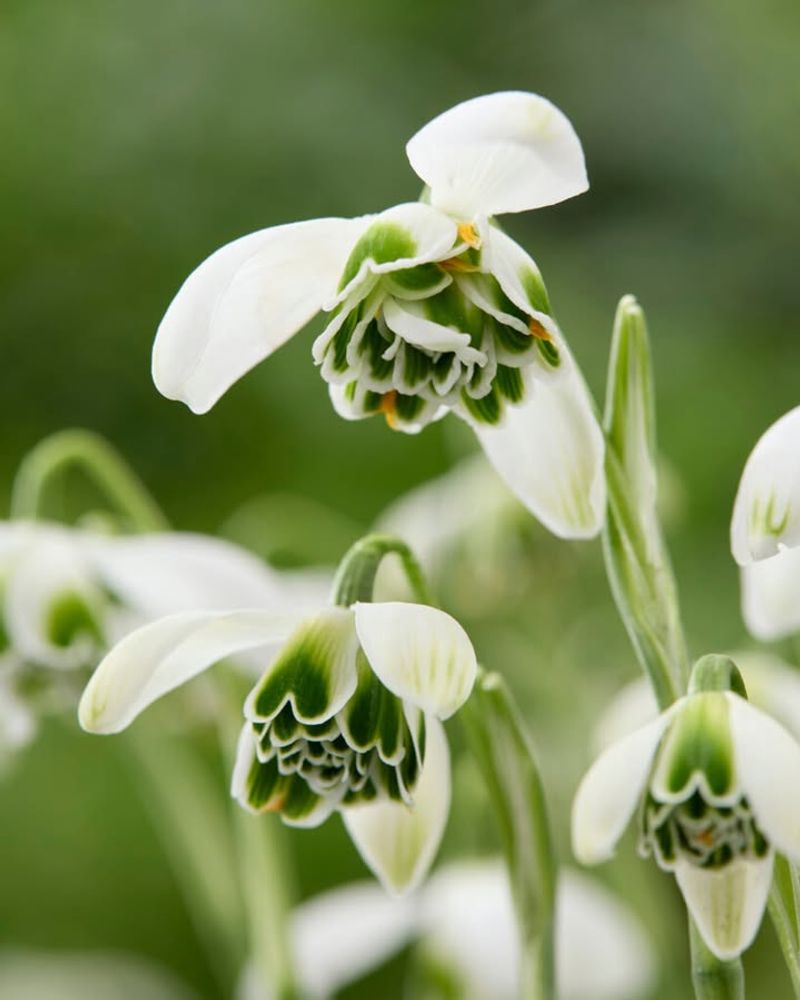
Few sights signal winter’s end quite like snowdrops poking their delicate white heads through frozen ground.
These tiny bulbs contain special compounds that work like natural antifreeze, protecting their cells from ice crystal damage. Plant them in fall about three inches deep, and they’ll reward you with blooms as early as February or March.
Snowdrops prefer partial shade and moist soil that drains well. Once established, they multiply naturally by forming new bulbs underground. You’ll notice larger clumps appearing each year without any extra effort on your part.
Their nodding white flowers feature three outer petals surrounding three shorter inner petals marked with green. Each bloom lasts several weeks, even during cold snaps. Snowdrops look stunning planted in drifts under deciduous trees or along woodland paths.
These bulbs rarely suffer from pest problems since deer and rabbits typically avoid them. After flowering finishes, the foliage continues growing for several weeks to store energy for next year.
Let the leaves turn yellow naturally before removing them for best results in future seasons.
Snowdrops combine beautifully with other early bloomers like winter aconite and crocus. Their low-maintenance nature makes them perfect for beginners. Plant several dozen for maximum visual impact when spring arrives early in your Michigan garden.
2. Crocus
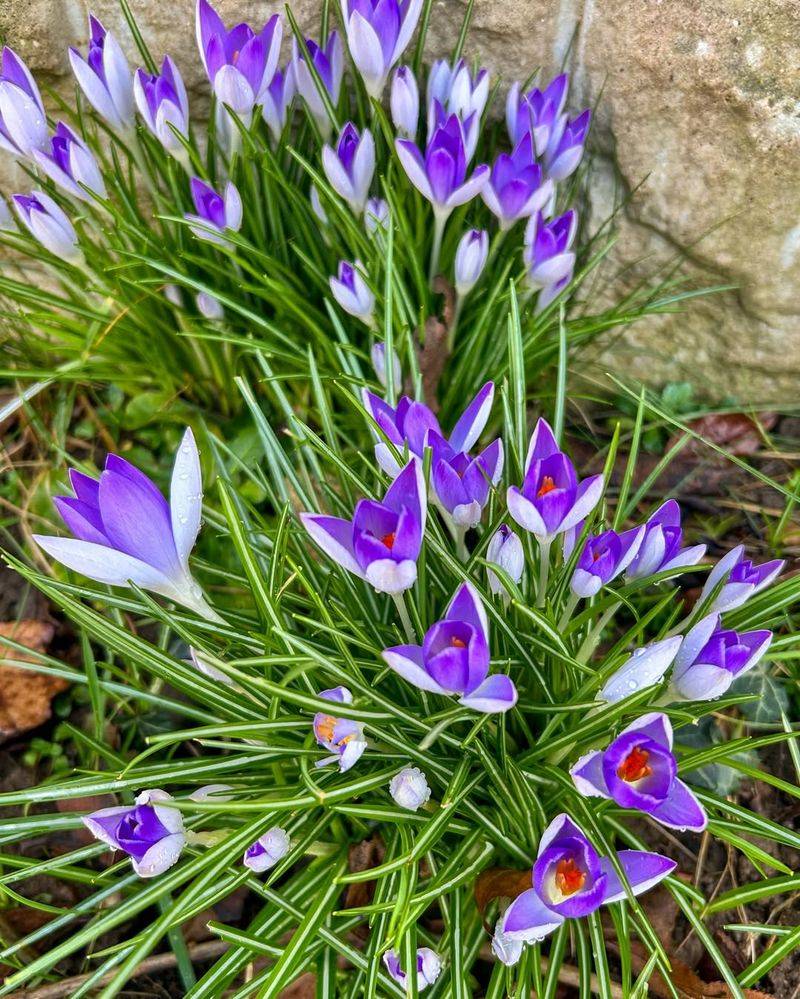
Bright crocus blooms carpet lawns and garden beds just as snow begins melting across Michigan.
These cheerful bulbs store enough energy to push through cold soil when most plants remain dormant. Their cup-shaped flowers open wide on sunny days and close when temperatures drop at night.
Crocus bulbs come in purple, yellow, white, and striped varieties that create stunning color combinations. Plant them three inches deep in fall for spring displays. They thrive in full sun to partial shade and adapt to various soil types as long as drainage stays good.
Each bulb produces multiple flowers over several weeks, extending your early season color. Squirrels sometimes dig up newly planted corms, so covering beds with chicken wire until the ground freezes helps protect your investment.
Once established, crocus naturalizes readily by forming daughter bulbs. Their grass-like foliage emerges alongside flowers and continues growing after blooms fade.
This foliage feeds the bulb for next year’s display, so resist cutting it back until it yellows completely. Crocus looks spectacular planted in masses rather than single rows.
These bulbs require minimal care once established and return reliably each spring. They work wonderfully in rock gardens, under shrubs, or scattered across lawns. Early pollinators like bees appreciate crocus nectar when few other food sources exist.
3. Hellebore (Lenten Rose)
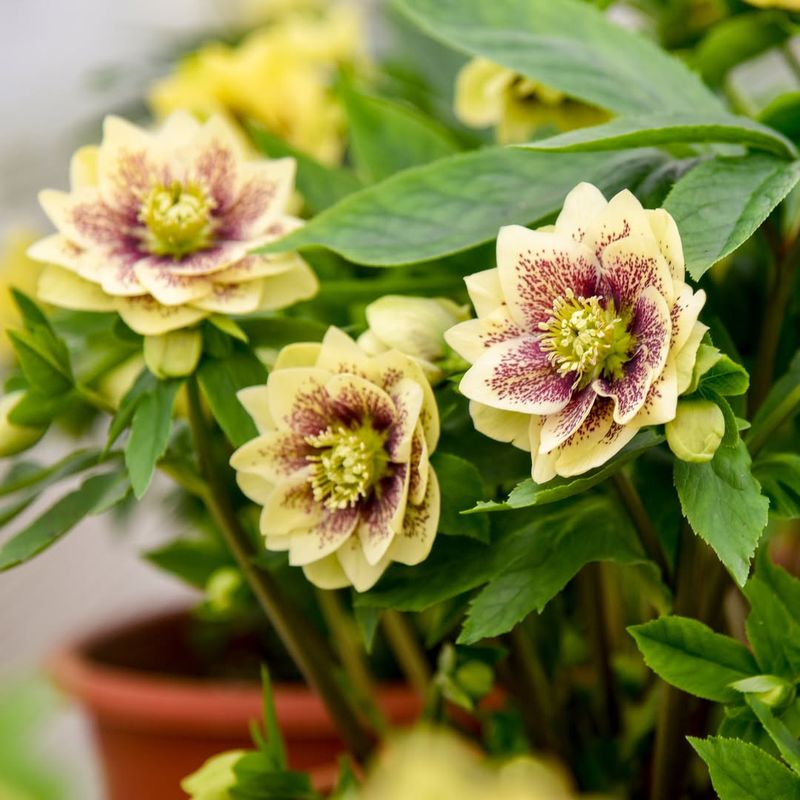
Hellebores laugh at frost and snow, producing gorgeous blooms when most perennials haven’t stirred yet.
Their leathery evergreen leaves stay attractive year-round, providing structure even during winter months. Flowers appear in late winter through early spring in shades of white, pink, purple, and green.
These shade-loving perennials prefer rich, moist soil amended with compost or leaf mold. Plant them under trees or on the north side of buildings where harsh afternoon sun won’t reach. Once established, they tolerate dry shade better than many woodland plants.
Hellebore flowers nod downward, so plant them on slopes or in raised beds where you can appreciate their intricate beauty.
Each bloom lasts for months, slowly fading from vibrant colors to subtle green tones. The flowers actually consist of colorful sepals rather than true petals, explaining their remarkable longevity.
Deer and rabbits avoid hellebores due to toxic compounds in their tissues, making them excellent choices for areas with wildlife pressure.
These plants grow slowly but live for decades with minimal care. Divide established clumps in early fall if you want to spread them around your garden.
Hellebores pair beautifully with early bulbs and ferns in shaded areas. Their bold foliage provides textural interest long after flowers fade. Consider planting several varieties to extend bloom time from February through April in Michigan gardens.
4. Winter Aconite (Eranthis Hyemalis)
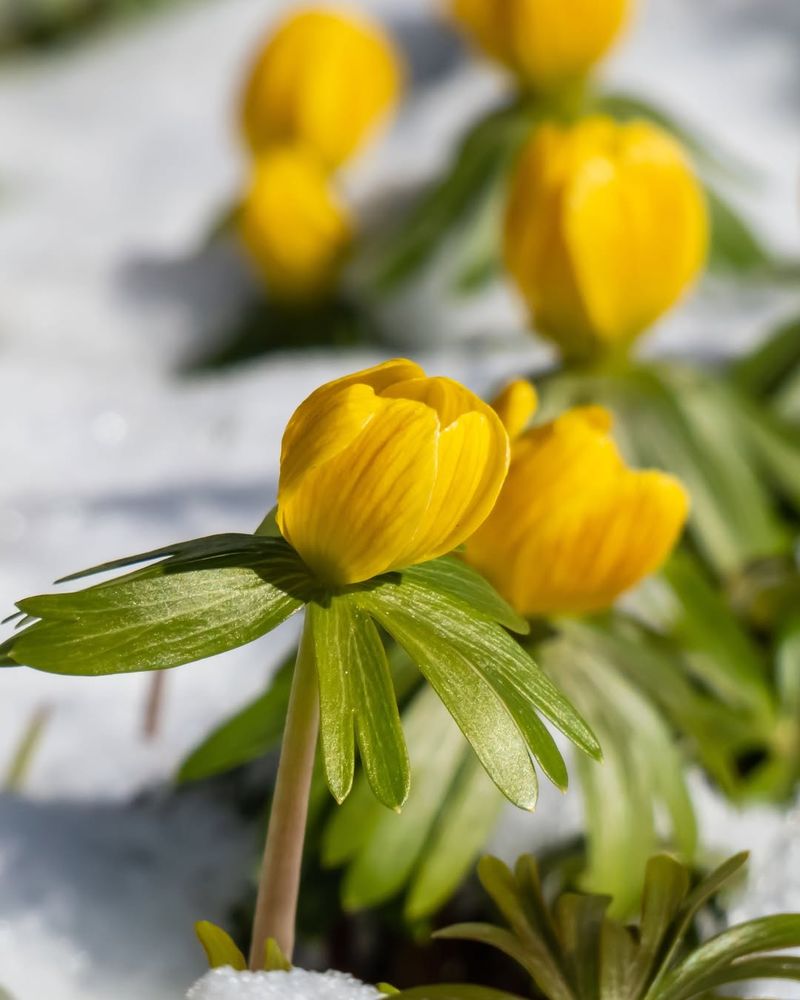
Cheerful golden flowers surrounded by bright green ruffs make winter aconite impossible to miss. These tiny tubers bloom even earlier than crocus in many Michigan gardens.
Their buttercup-like flowers open on sunny days, bringing much-needed color when landscapes still look barren.
Plant winter aconite tubers in fall about two inches deep in partial shade. Soak the dried tubers overnight before planting to improve establishment rates. They prefer soil that stays moist during spring but dries somewhat in summer after foliage disappears.
Each tuber produces a single flower stem topped with one bright yellow bloom. The distinctive collar of deeply cut leaves beneath each flower resembles a green ruffle. Winter aconite naturalizes readily, forming golden carpets under deciduous trees over time.
These plants go completely dormant by late spring, leaving no trace above ground during summer months.
Mark their locations to avoid accidentally digging them up when planting other flowers. Their early disappearance makes them perfect companions for hostas and other late-emerging perennials.
Winter aconite combines beautifully with snowdrops for an extended early season display. Both plants tolerate similar growing conditions and bloom around the same time.
These carefree bulbs require no maintenance once established and return faithfully each year. Squirrels and chipmunks generally leave them alone, unlike some other spring bulbs.
5. Siberian Squill (Scilla Siberica)
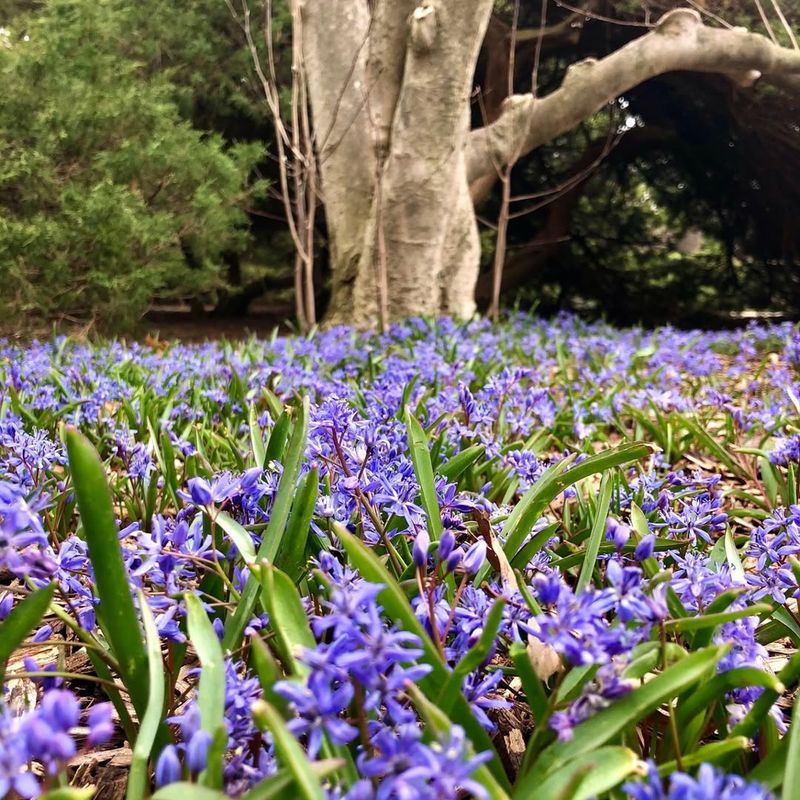
Electric blue flowers make Siberian squill one of spring’s most eye-catching performers. These tough little bulbs survive Michigan’s harshest winters without any protection.
Their nodding bell-shaped blooms appear shortly after crocus, often while patches of snow still linger in shaded spots.
Plant Siberian squill bulbs three inches deep in fall throughout your lawn or garden beds. They adapt to full sun or partial shade and tolerate various soil conditions.
Each bulb produces multiple flower stems with several blooms per stem, creating impressive displays from small plantings.
The intense blue color looks stunning against bare brown earth or emerging green grass. Siberian squill naturalizes aggressively, spreading by both bulb offsets and self-sown seeds.
Within a few years, small plantings expand into flowing rivers of blue throughout your landscape. Their grass-like foliage stays relatively short and dies back by early summer.
This timing allows you to mow lawns normally without damaging next year’s flowers. The bulbs store energy quickly after blooming, so foliage doesn’t need to persist as long as daffodils or tulips.
Siberian squill requires absolutely no maintenance once established. These bulbs resist deer, rabbits, and rodent damage better than many spring bloomers.
They look spectacular planted in large drifts under trees or naturalized in lawn areas where early spring color makes the biggest impact.
6. Daffodil (Narcissus)
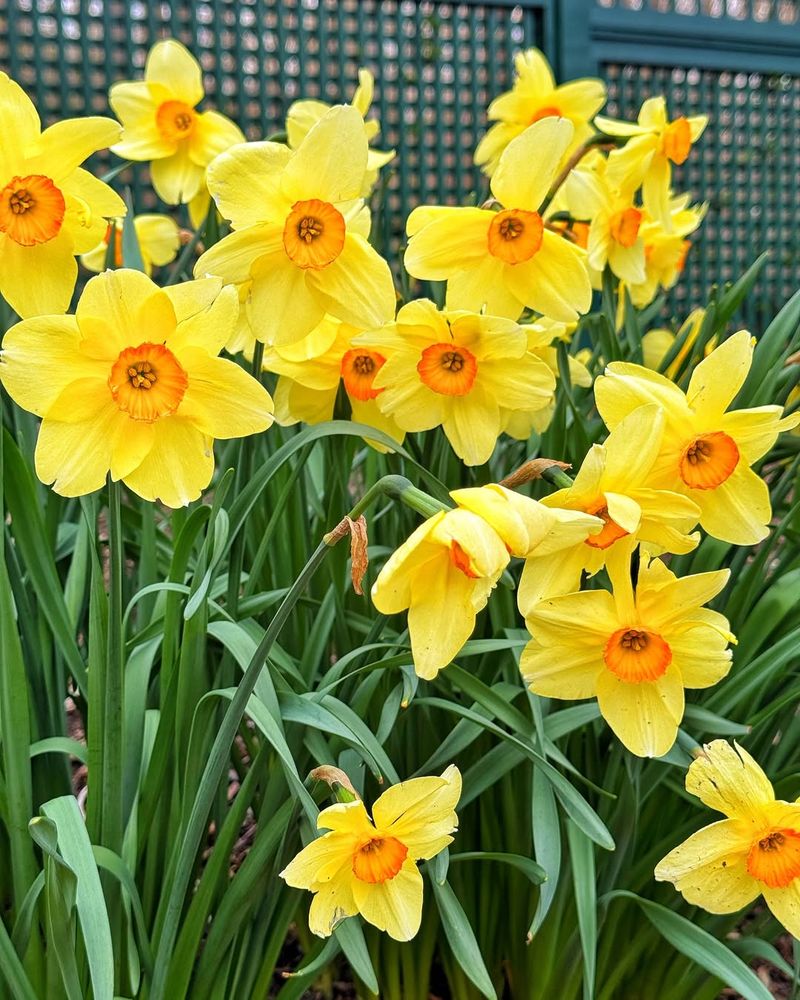
Daffodils announce spring’s arrival with trumpet-shaped blooms in cheerful yellows, whites, and bicolors.
These reliable bulbs return faithfully for decades in Michigan gardens without any special care. Their sturdy stems stand up to spring winds and late snowfalls that flatten more delicate flowers.
Plant daffodil bulbs six inches deep in fall, choosing spots with full sun to partial shade. They tolerate various soil types but perform best in well-drained locations. Hundreds of varieties exist, from miniature species to large-flowered hybrids, offering options for every garden style.
Early varieties bloom in March, while late types extend the show into May. Planting a mix ensures continuous color for two months or more. Each bulb produces one to three flower stems depending on variety and growing conditions.
Deer and rodents avoid daffodils due to toxic compounds in all plant parts, making them perfect for areas with wildlife pressure.
After blooming finishes, allow foliage to remain until it yellows naturally. This feeding period builds bulb strength for next year’s flowers, so resist the urge to tidy up too early.
Daffodils look stunning planted in informal drifts rather than straight rows. Combine different varieties for varied heights, colors, and bloom times. These carefree bulbs multiply underground, creating larger displays each year.
They work beautifully in perennial borders, woodland gardens, or naturalized in lawn areas.
7. Hyacinth
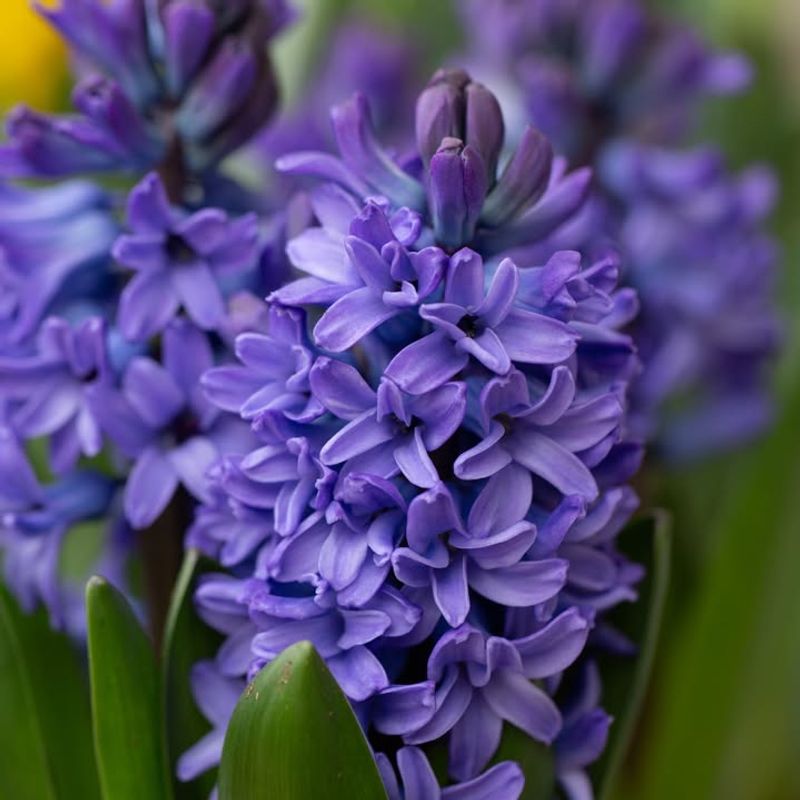
Intoxicating fragrance makes hyacinths garden favorites despite their relatively short bloom period. Dense flower spikes packed with small blooms appear in mid-spring across Michigan landscapes.
Colors range from deep purple and pink to white, yellow, and blue, with many varieties offering intense perfume.
Plant hyacinth bulbs six inches deep in fall where you’ll appreciate their scent. Paths, entryways, and patio edges work perfectly for these aromatic beauties. They prefer full sun and well-drained soil that doesn’t stay soggy during spring thaws.
First-year blooms from large bulbs produce the most impressive flower spikes. Subsequent years typically yield smaller spikes as bulbs divide and adjust to garden conditions. Some gardeners treat hyacinths as annuals, replanting fresh bulbs each fall for maximum impact.
The thick flower stalks sometimes need support from small stakes or surrounding plants, especially after heavy rains. Foliage remains after blooms fade and must stay intact until it yellows completely. This allows the bulb to store energy for next year’s flowers.
Hyacinths combine beautifully with tulips and daffodils in formal spring displays. Their upright form provides excellent contrast to mounding plants like pansies or primroses. Plant them in containers near doorways where their fragrance can be enjoyed fully.
These bulbs tolerate Michigan’s cold winters easily and return reliably when given proper care.
8. Tulip (Early-Blooming Varieties)
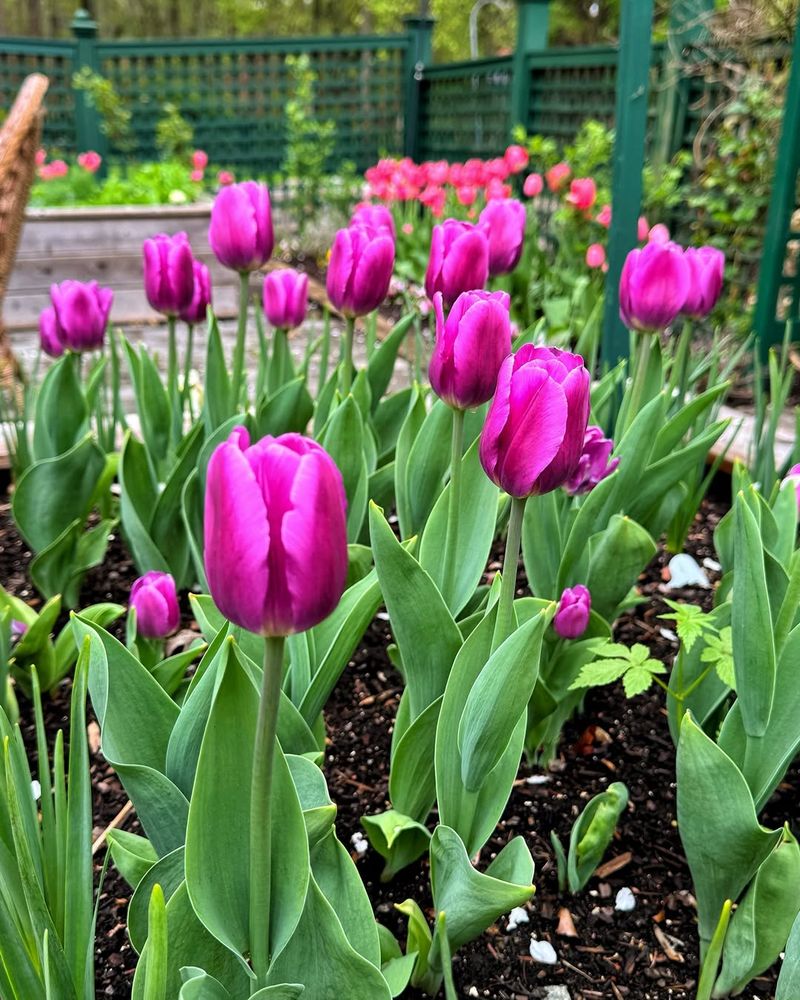
Early tulip varieties bring brilliant color to Michigan gardens weeks before standard types bloom.
These specially bred cultivars tolerate cooler temperatures and open their elegant cups when spring still feels tentative. Their bold colors stand out beautifully against bare soil and emerging perennials.
Plant tulip bulbs eight inches deep in fall for best cold protection and flower quality. Choose well-drained locations with full sun for the strongest stems and brightest colors.
Early varieties include Single Early, Double Early, and Kaufmanniana types, each offering unique flower forms.
Tulips perform best when treated as annuals in many Michigan gardens, though some varieties naturalize better than others.
Species tulips and certain older cultivars return more reliably than modern hybrids. For consistent displays, many gardeners plant fresh bulbs each fall.
Squirrels and chipmunks love tulip bulbs, so protection becomes necessary in areas with high rodent populations.
Planting bulbs deeper than recommended or covering beds with hardware cloth helps prevent digging. Some gardeners plant tulips in buried wire baskets for complete protection.
After blooming, remove spent flowers but leave foliage intact until it yellows. This feeding period helps bulbs store energy, though many modern tulips decline after the first year regardless of care.
Early tulips pair wonderfully with forget-me-nots, which bloom simultaneously and provide a blue carpet beneath taller tulip stems. Their bold colors and classic form make them worth replanting annually for spring impact.
9. Pasque Flower (Pulsatilla)
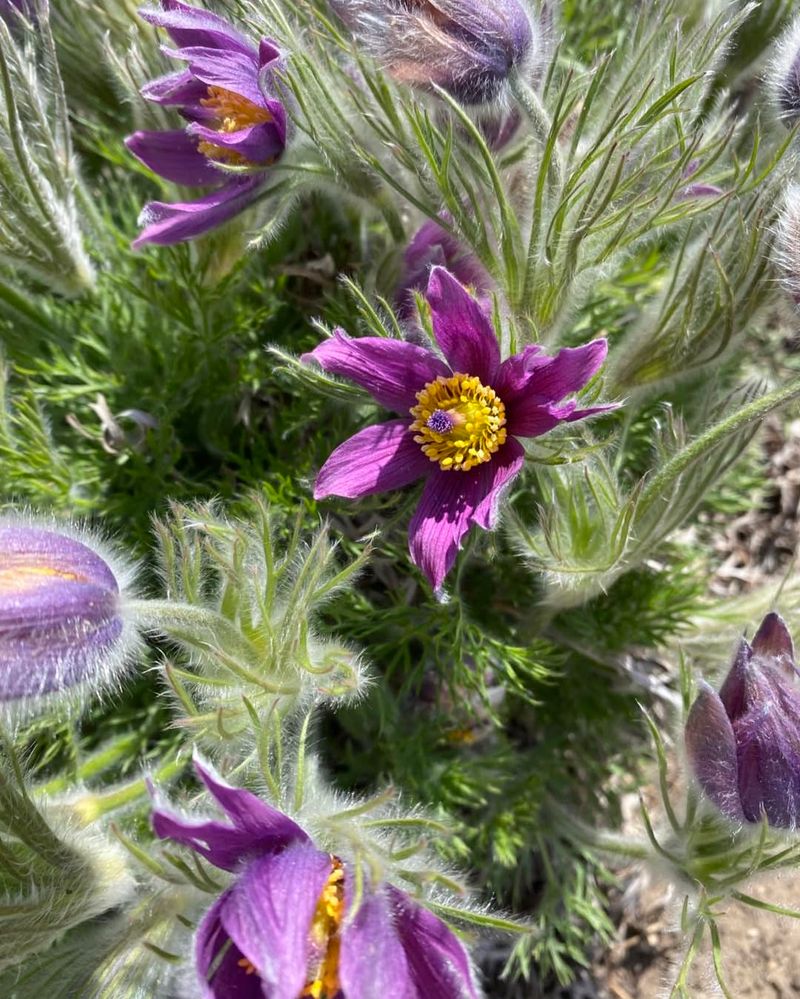
Silky hairs covering stems and buds give pasque flowers a distinctive fuzzy appearance. These prairie natives bloom very early, often pushing through cold soil in late March.
Their cup-shaped flowers in purple, blue, or white open to reveal golden stamens that attract early pollinators.
Pasque flowers require excellent drainage and full sun to thrive in Michigan gardens. Rock gardens, raised beds, or slopes provide ideal conditions for these drought-tolerant perennials. Avoid planting them in heavy clay or areas that stay wet during spring thaws.
Each plant produces multiple flower stems that rise six to twelve inches tall. The finely divided foliage resembles carrot tops and remains attractive throughout the growing season.
After flowers fade, fluffy seed heads develop that look equally ornamental and persist for weeks.
These long-lived perennials establish slowly but reward patience with decades of reliable blooms. They resent disturbance once established, so choose planting locations carefully. Pasque flowers rarely need division and actually prefer being left alone.
Native to cold climates, these plants handle Michigan winters without any protection. Their deep taproots allow them to survive drought during summer months when many perennials struggle.
Pasque flowers combine beautifully with other rock garden plants like creeping phlox and hens-and-chicks. Their early bloom time and unique texture make them conversation pieces in any garden setting.
10. Virginia Bluebells (Mertensia Virginica)
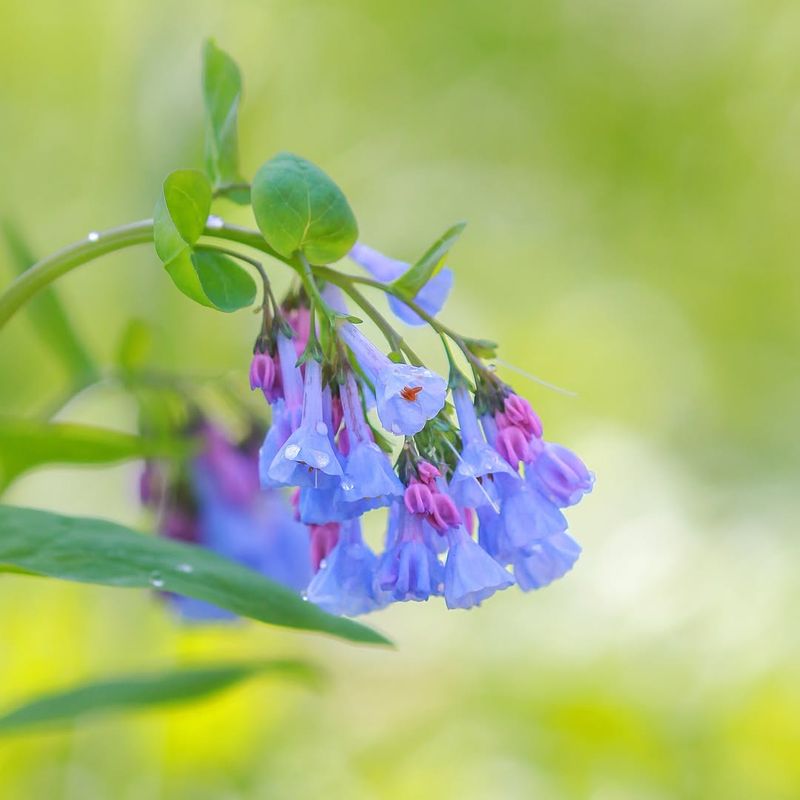
Woodland magic happens when Virginia bluebells transform shaded areas into seas of blue.
These native wildflowers emerge early, taking advantage of spring sunlight before tree leaves block the light. Flower buds start pink and gradually change to sky blue as they mature, creating a two-toned display.
Virginia bluebells prefer rich, moist soil in partial to full shade. Plant them in woodland gardens, along stream banks, or under deciduous trees where spring moisture stays consistent. They spread slowly by rhizomes and self-sown seeds, eventually forming large colonies.
Each plant produces multiple stems topped with clusters of nodding tubular flowers. Blooms appear in April and last several weeks, providing nectar for early bees and butterflies. The large oval leaves look lush and tropical during the blooming period.
By midsummer, Virginia bluebells go completely dormant and disappear until the following spring. This ephemeral nature makes them perfect companions for hostas, ferns, and other shade plants that emerge later.
Mark their locations to avoid accidentally disturbing dormant roots during summer planting projects.
These native plants require no maintenance once established in appropriate conditions. They resist deer browsing and pest problems that plague many garden plants.
Virginia bluebells look stunning planted in large drifts where their blue flowers create maximum impact.
Their native status makes them valuable for supporting local pollinator populations during early spring when food sources remain scarce.
11. Bloodroot (Sanguinaria Canadensis)
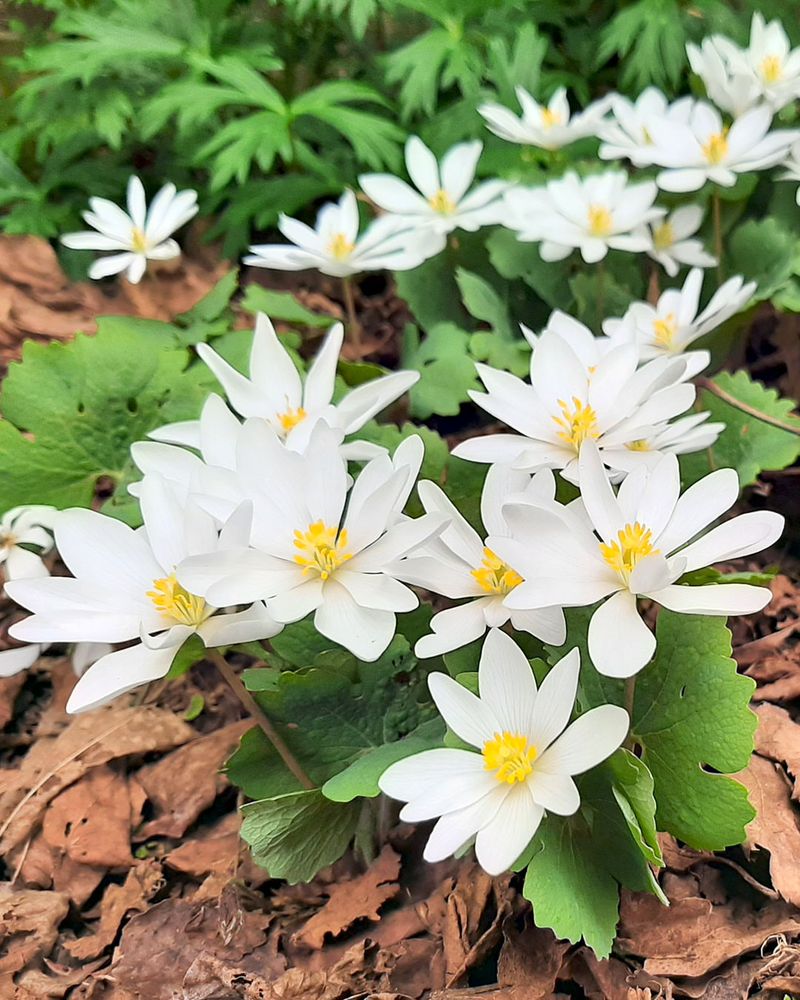
Pure white petals surrounding golden centers make bloodroot flowers jewels of the spring woodland. Each rhizome sends up a single leaf wrapped protectively around one flower bud. The leaf unfurls as the flower opens, revealing distinctive lobed edges that resemble an oak leaf.
Bloodroot thrives in rich, moist woodland soil with partial to full shade. Plant rhizomes horizontally about one inch deep in fall or early spring. These native wildflowers spread slowly to form patches but never become invasive like some woodland plants.
Flowers open on sunny spring days and close at night or during cloudy weather. Each bloom lasts only a few days, but the ephemeral beauty makes them all the more precious.
The plant gets its common name from the orange-red sap in its roots, which Native Americans used as a dye.
After flowering, the foliage continues growing and remains attractive through early summer before going dormant.
Bloodroot pairs beautifully with other spring ephemerals like trillium and wild ginger in native plant gardens. These companions share similar growing requirements and bloom times.
Established plants require no maintenance and naturalize slowly in appropriate conditions. They resist deer browsing and rarely suffer from pest or disease problems.
Bloodroot’s delicate appearance belies its tough nature and ability to thrive for decades in Michigan woodland gardens. Their early bloom time and native status make them valuable additions to naturalistic landscapes.
12. Grape Hyacinth (Muscari)
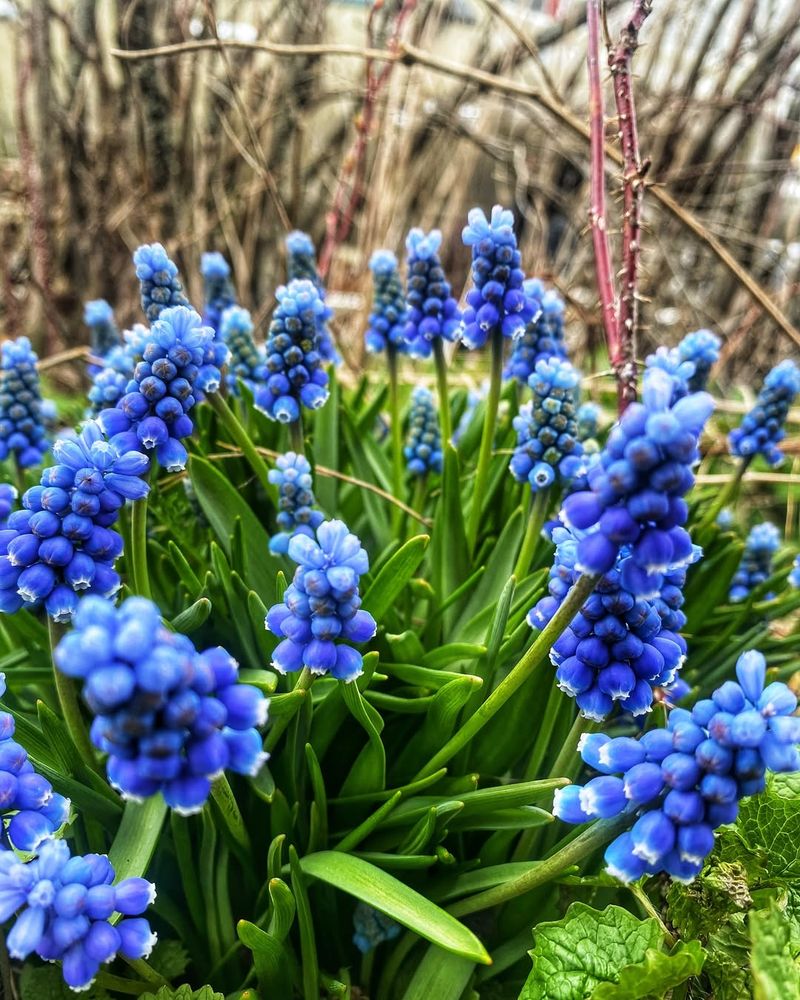
Tiny grape-like flower clusters give these charming bulbs their common name. Grape hyacinths bloom reliably each spring, often naturalizing to form thick ribbons of blue throughout Michigan gardens.
Their compact size makes them perfect for edging beds or planting in containers. Plant grape hyacinth bulbs three inches deep in fall where they’ll receive full sun to partial shade.
They tolerate various soil types and adapt to both formal and informal garden settings. Each bulb produces grass-like foliage in fall that persists through winter, followed by flower spikes in spring.
Most varieties feature deep blue flowers, though white and pink cultivars exist for gardeners seeking different colors.
The small individual florets stack densely along short stems, creating cone-shaped flower clusters. A light fragrance resembling grapes adds to their appeal.
Grape hyacinths multiply readily by both bulb offsets and self-sown seeds. What starts as a small planting quickly expands into large colonies within a few years. Some gardeners appreciate this vigorous spreading, while others prefer containing them in defined areas.
These carefree bulbs require absolutely no maintenance once established. Foliage dies back naturally after blooming, though it emerges again in fall and stays green all winter. Grape hyacinths look stunning planted beneath taller spring bulbs like tulips and daffodils.
Their low growing habit and intense color create beautiful underplantings without competing for space or nutrients.
13. Primrose (Cold-Hardy Varieties)
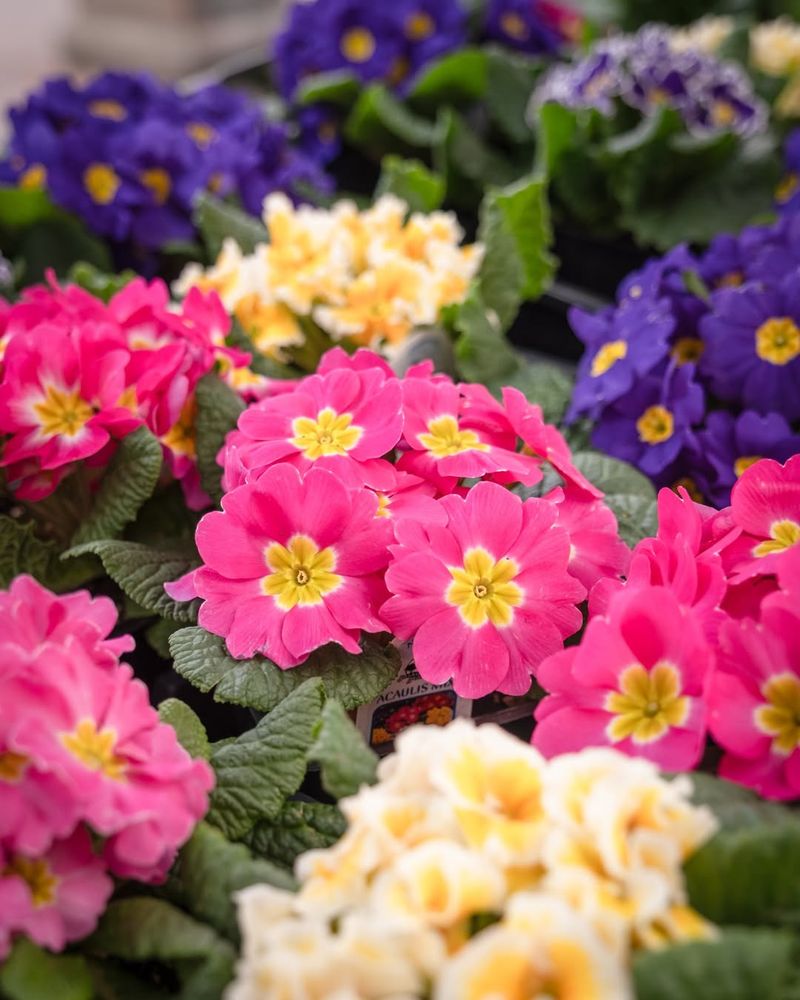
Cheerful primrose flowers in jewel tones brighten shaded areas when spring gardens need color most. Hardy varieties tolerate Michigan’s cold winters and bloom reliably each year. Their rosettes of crinkled leaves stay evergreen in mild winters, providing year-round interest.
Cold-hardy primroses prefer partial shade and consistently moist soil rich in organic matter. Plant them in woodland gardens, along stream banks, or in beds that receive morning sun and afternoon shade.
They struggle in hot, dry locations or heavy clay that stays waterlogged. Flowers appear in early to mid-spring in shades of yellow, pink, purple, red, and white.
Many varieties feature contrasting eyes or edges that add extra visual interest. Removing spent blooms encourages additional flowers and extends the blooming period by several weeks.
Primroses benefit from division every few years to maintain vigor and flower production. Divide them in early fall, replanting divisions immediately to prevent roots from drying out. Mulch plants lightly in winter to protect crowns from extreme temperature fluctuations.
These perennials pair beautifully with spring bulbs and woodland wildflowers in shaded gardens. Their low growing habit makes them excellent ground covers beneath taller plants. Hardy primroses attract early butterflies and bees seeking nectar sources.
With proper care and suitable conditions, these charming plants provide reliable color for years in Michigan gardens. Their bright flowers and tidy habit make them valuable additions to spring landscapes.
14. Lungwort (Pulmonaria)
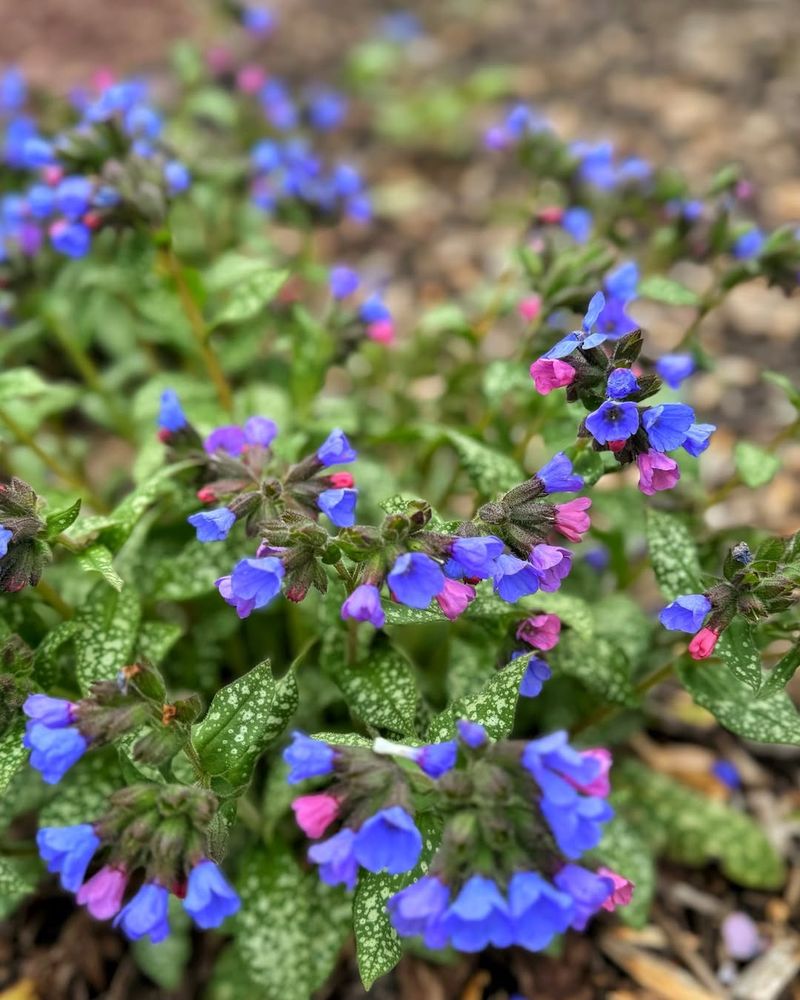
Spotted silver foliage makes lungwort attractive long after its spring flowers fade. Blooms start pink and gradually change to blue as they age, creating a two-toned effect on each plant.
This color transformation happens because flower pH changes as blooms mature, altering the pigment color. Lungwort thrives in partial to full shade with consistently moist, rich soil.
Plant it in woodland gardens, along shaded pathways, or beneath trees where grass struggles to grow. The spotted leaves provide excellent ground cover and suppress weeds throughout the growing season.
Flowers appear in early spring on short stems rising above foliage rosettes. Each plant produces multiple flower clusters that attract early bees and butterflies. The blooming period lasts several weeks, providing extended color when few other shade plants flower.
After blooming, the foliage continues growing and remains attractive through fall. Some varieties feature heavily spotted leaves that look almost silver, while others show more subtle markings. Lungwort rarely needs division but tolerates it well if plants outgrow their space.
These shade-loving perennials resist deer browsing and tolerate dry shade once established, though they prefer consistent moisture.
They combine beautifully with hostas, ferns, and other woodland plants in shaded borders. Lungwort’s dual-season interest from both flowers and foliage makes it valuable for Michigan gardens.
The unusual spotted leaves and color-changing blooms create conversation pieces that stand out in spring landscapes.
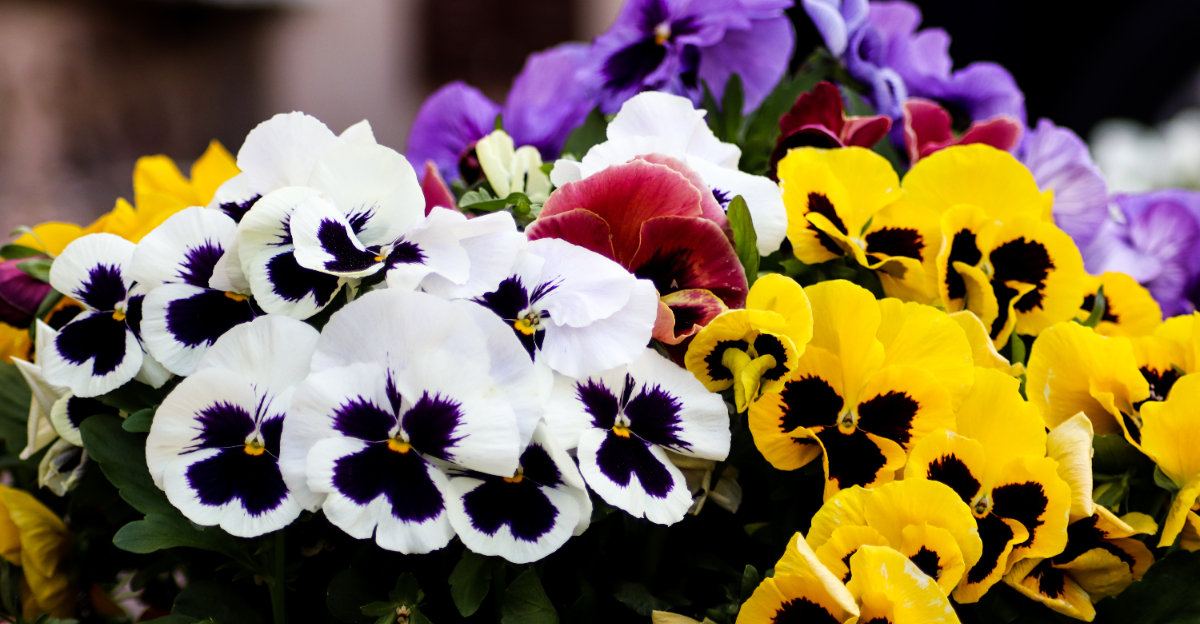
15. Pansy (Cold-Hardy Spring Planting)
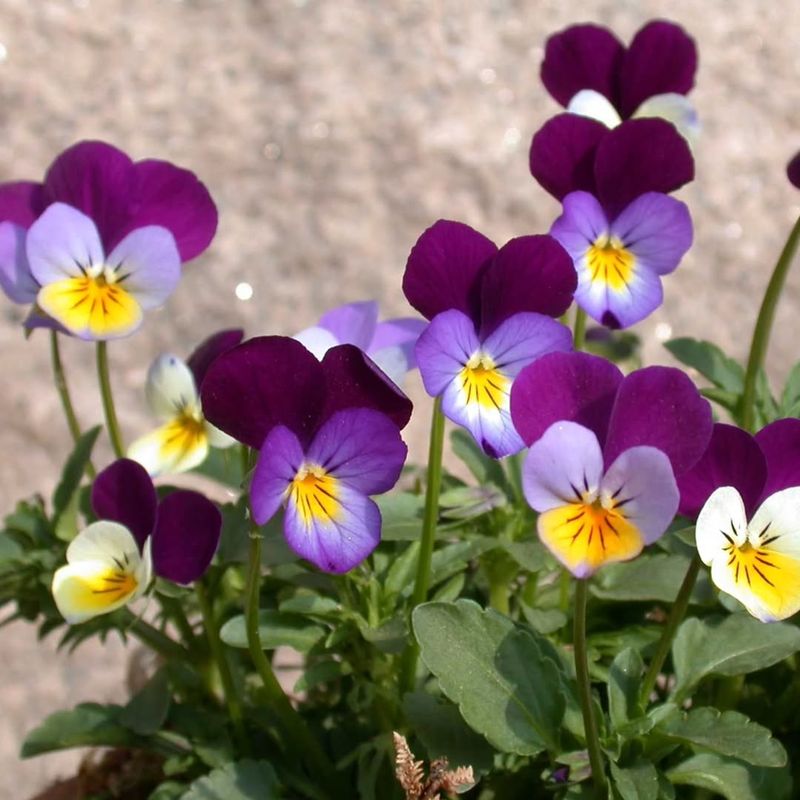
Smiling pansy faces bring instant color to Michigan gardens as soon as garden centers open in spring. These cool-season annuals tolerate light frost and continue blooming when temperatures dip into the thirties.
Their cheerful flowers come in virtually every color imaginable, including bicolors and tricolors with distinctive face markings.
Plant pansies in early spring as soon as soil can be worked, even if frost still threatens. They prefer full sun to partial shade and rich, well-drained soil amended with compost. Space plants six to eight inches apart in beds, containers, or window boxes.
Pansies bloom prolifically during cool spring weather, often covering themselves with flowers.
Regular deadheading encourages continuous blooming and prevents plants from setting seed. Feed them every two weeks with diluted liquid fertilizer to support heavy flower production.
As temperatures rise in late spring, pansies slow their blooming and eventually succumb to summer heat.
Many gardeners replace them with heat-tolerant annuals once hot weather arrives. In mild areas, fall-planted pansies sometimes overwinter and resume blooming the following spring.
These versatile plants work beautifully in combination containers with spring bulbs and trailing plants.
Their compact size and tidy habit make them perfect for formal bedding displays or casual cottage gardens. Pansies provide reliable color during unpredictable spring weather when many perennials haven’t emerged yet.
Their cold tolerance and cheerful flowers make them spring garden staples across Michigan.