8 Early Spring Gardening Mistakes Michigan Homeowners Should Avoid
Spring in Michigan has a way of getting gardeners excited fast. The snow melts, temperatures begin to rise, and suddenly it feels like the perfect moment to start planting everything in sight.
Many gardeners across the Upper and Lower Peninsulas rush outside at the first hint of warmth, eager to bring their yards back to life. But early spring can be deceiving in Michigan.
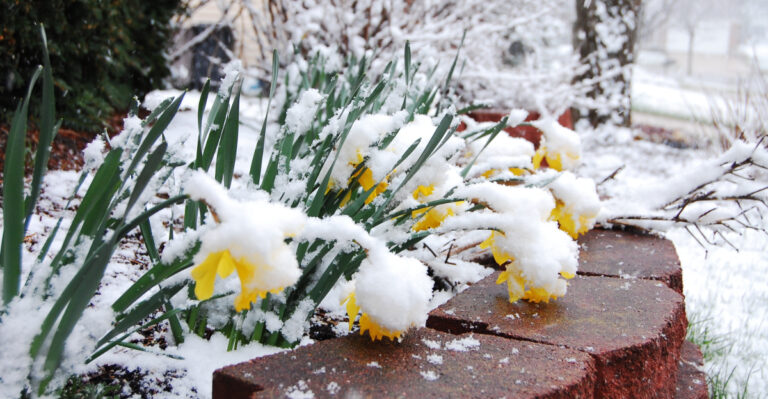
Soil may still be cold, surprise frosts are common, and certain gardening moves made too soon can slow plant growth for weeks. What seems like a good idea in March or early April can sometimes lead to damaged plants and disappointing results later in the season.
The good news is that a few simple decisions can keep your garden on the right track. By understanding the most common early spring mistakes, Michigan gardeners can protect their plants and set the stage for a healthier, more productive garden.
1. Planting Too Early In Cold Michigan Soil
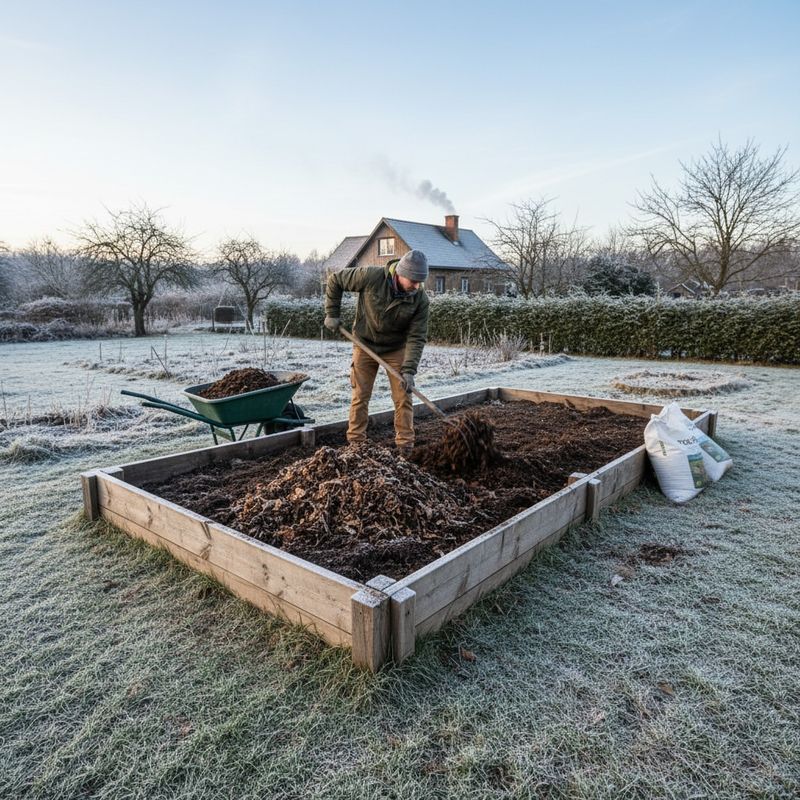
Michigan soil has a sneaky way of looking ready before it actually is. Even when the air temperature climbs into the 50s and 60s, the ground underneath can still be dangerously cold for most plants.
Soil temperature needs to reach at least 50 to 60 degrees Fahrenheit before most vegetables and flowers can develop healthy roots.
Planting too early often means seeds just sit there, struggling in the cold and becoming vulnerable to rot or fungal problems.
A simple soil thermometer, available at most garden centers across Michigan, gives you an accurate reading before you commit to planting anything.
Warm-season crops like tomatoes, peppers, and cucumbers are especially sensitive to cold soil. Even a single unexpected frost can wipe out weeks of effort.
Michigan’s last frost dates vary by region, with the Lower Peninsula typically seeing its last frost between late April and mid-May. Checking your specific hardiness zone before planting is a smart move that saves you a lot of frustration later in the season.
2. Overwatering Your Garden Right From The Start
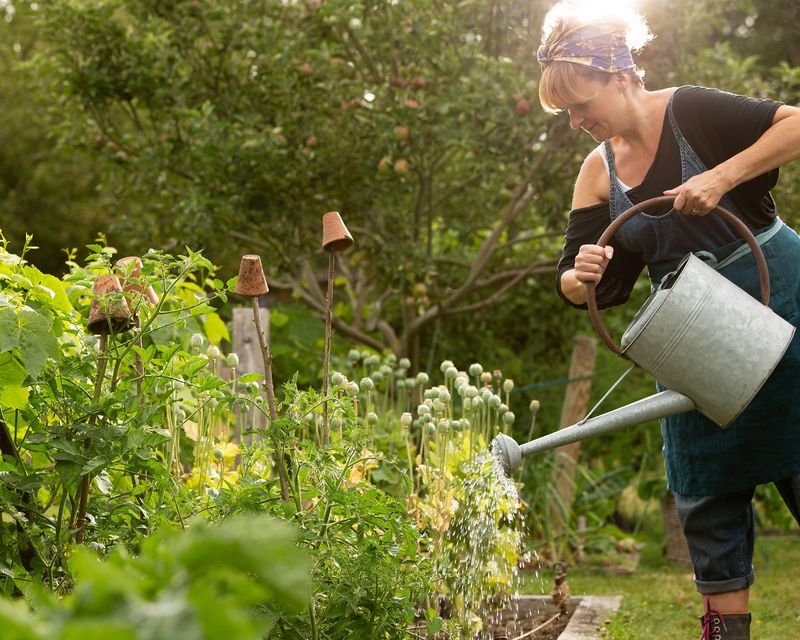
Watering your garden feels like the most caring thing you can do, but too much water in early spring is one of the most common mistakes Michigan homeowners make.
Spring already brings plenty of rainfall across the state, and adding extra water on top of that can quickly drown your plants before they even get started.
Roots need oxygen just as much as they need water. When soil stays constantly wet, oxygen gets pushed out, and roots begin to suffocate and break down.
You might notice yellowing leaves, wilting despite wet soil, or a sour smell coming from the ground, all signs that overwatering is causing trouble below the surface.
A good rule of thumb is to water deeply but less often. Push your finger about two inches into the soil before reaching for the hose.
If it still feels moist, hold off for another day or two. Michigan spring weather can be unpredictable, so always factor in recent rainfall before watering.
Installing a rain gauge in your garden is an easy and inexpensive way to track how much moisture your yard is already receiving each week.
3. Crowding Plants Too Close Together
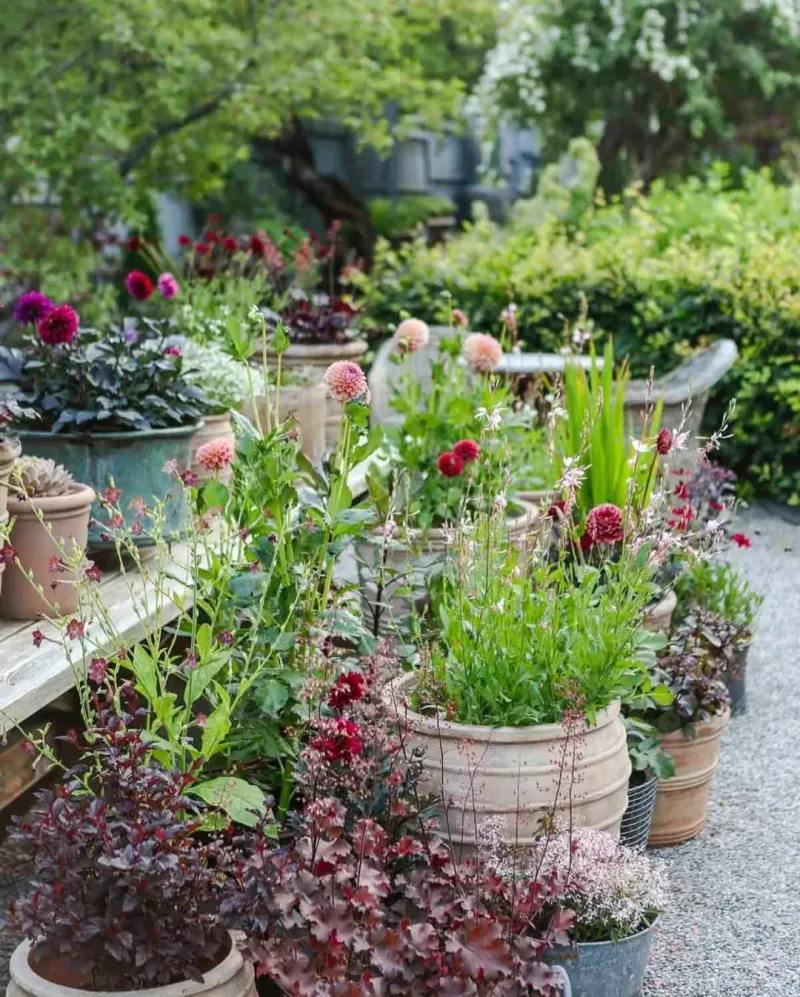
There is something exciting about filling up every inch of a fresh garden bed, but overcrowding plants is a mistake that causes problems all season long. When plants grow too close together, they end up competing for water, sunlight, and nutrients in the soil.
That competition leads to weaker plants that struggle to produce flowers or vegetables.
Poor airflow between plants is another serious issue. When leaves and stems are packed tightly together, moisture gets trapped and fungal diseases spread quickly.
In Michigan, where spring humidity can be high, this creates the perfect environment for mold and mildew to take hold early in the growing season.
Always read the spacing recommendations on seed packets or plant tags before you put anything in the ground. It might feel like wasted space at first, but those gaps fill in fast once summer arrives.
Raised garden beds are especially popular among Michigan homeowners and can actually make spacing easier to manage.
If you are working with containers or small spaces, choose compact plant varieties that are specifically bred to grow well in tighter conditions without sacrificing health or productivity.
4. Skipping A Soil Test Before You Plant Anything
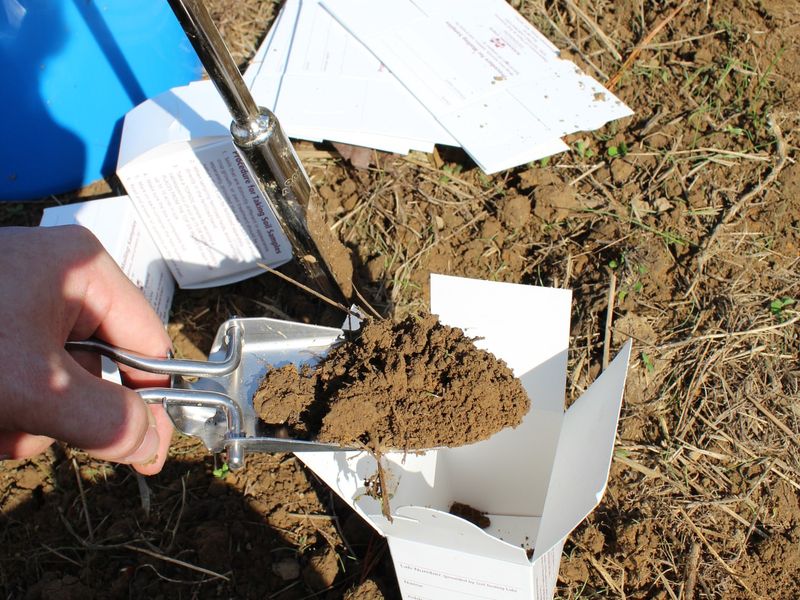
Most gardeners focus on seeds, plants, and watering schedules, but the foundation of any great garden is the soil itself. Skipping a soil test before planting is like building a house without checking if the ground is solid.
Michigan soils vary widely across the state, and without testing, you have no real idea what nutrients are missing or what the pH level looks like.
Soil pH affects how well plants absorb nutrients, and most vegetables and flowers prefer a pH between 6.0 and 7.0. If your soil is too acidic or too alkaline, plants will struggle even if you fertilize regularly.
A basic soil test can reveal all of this in just a few days, and Michigan State University Extension offers affordable testing services for homeowners throughout the state.
Once you have your results, amending the soil becomes targeted and effective instead of just guesswork. You might need to add lime to raise pH, sulfur to lower it, or specific nutrients like nitrogen, phosphorus, or potassium.
Getting this right before planting sets the stage for stronger, more productive plants all the way through harvest season. A one-time test can genuinely transform the results you see in your Michigan garden.
5. Pruning Shrubs And Trees At The Wrong Time
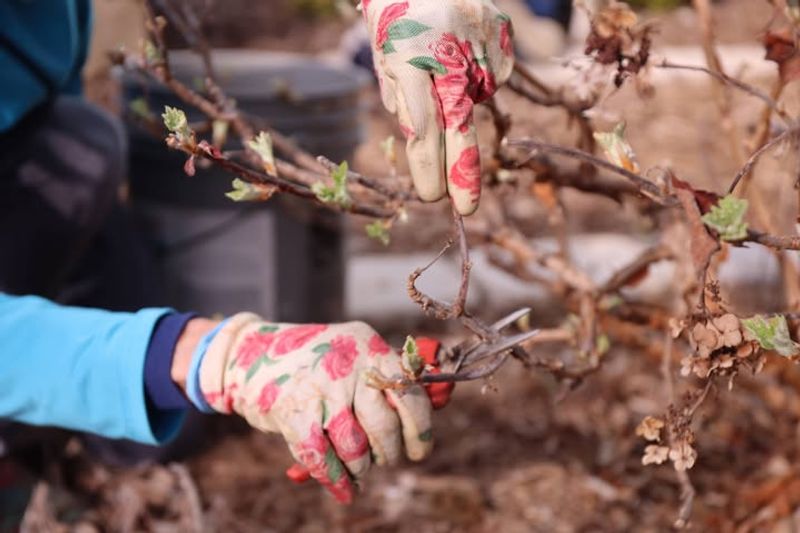
Grabbing the pruning shears the moment the snow melts feels productive, but timing your pruning incorrectly can seriously reduce flowering and even stress your plants for the entire season.
Spring-blooming shrubs like lilacs, forsythia, and azaleas form their flower buds the previous fall. Pruning them in early spring means cutting off all those buds before they ever get a chance to open.
The best time to prune spring bloomers is right after they finish flowering, usually in late May or early June depending on your location in Michigan. That way, the plant has the whole growing season to develop new growth and set buds for next spring.
Summer and fall bloomers, on the other hand, can be pruned in early spring without any issue.
Fruit trees are another area where timing matters a great deal. Pruning apple or cherry trees too late in spring can make them more vulnerable to certain fungal diseases that are common in Michigan.
A quick search through Michigan State University Extension resources gives you specific pruning calendars for popular plants in your region.
Sharpening your pruning tools before use also helps, since clean cuts reduce the risk of introducing disease into freshly cut branches.
6. Fertilizing Before Plants Are Ready To Absorb It
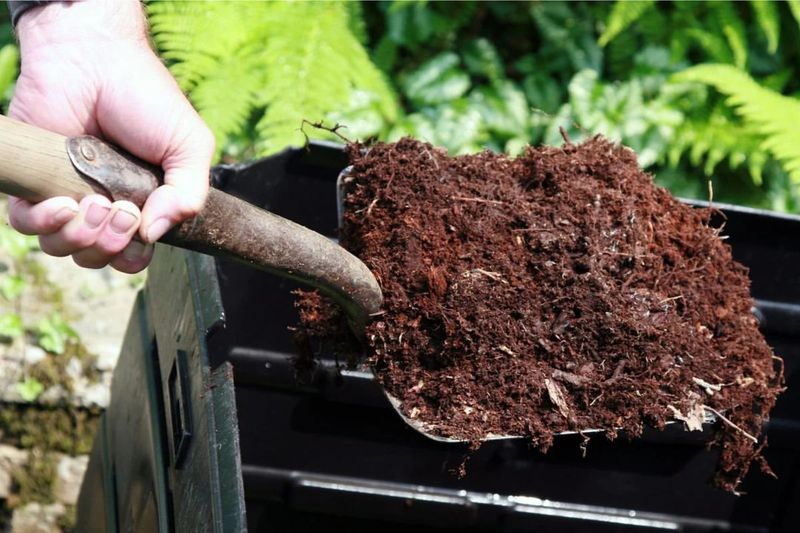
Fertilizer is not a one-size-fits-all solution, and applying it too early in the spring is a surprisingly common mistake that backfires badly. When soil is still cold and plants are barely waking up from dormancy, roots simply cannot absorb nutrients efficiently.
The fertilizer sits in the soil, gets washed away by spring rain, or encourages fast leafy growth at the expense of strong root development.
Roots need to be actively growing before fertilizer becomes useful. For most Michigan gardens, that window begins once soil temperatures consistently stay above 55 degrees Fahrenheit and new growth is clearly visible on your plants.
Feeding too early can also throw off the natural balance of your soil, encouraging weeds to sprout faster than your garden plants.
Slow-release granular fertilizers are a popular choice among Michigan gardeners because they feed plants gradually over several weeks rather than delivering a sudden rush of nutrients.
Compost is another excellent option, adding organic matter that improves soil structure while gently nourishing plants over time.
If you are unsure when to fertilize specific plants in your yard, local Michigan cooperative extension offices offer free advice tailored to your growing zone and soil type.
Getting the timing right makes a noticeable difference in plant strength and overall garden productivity.
7. Forgetting To Mulch At The Right Time
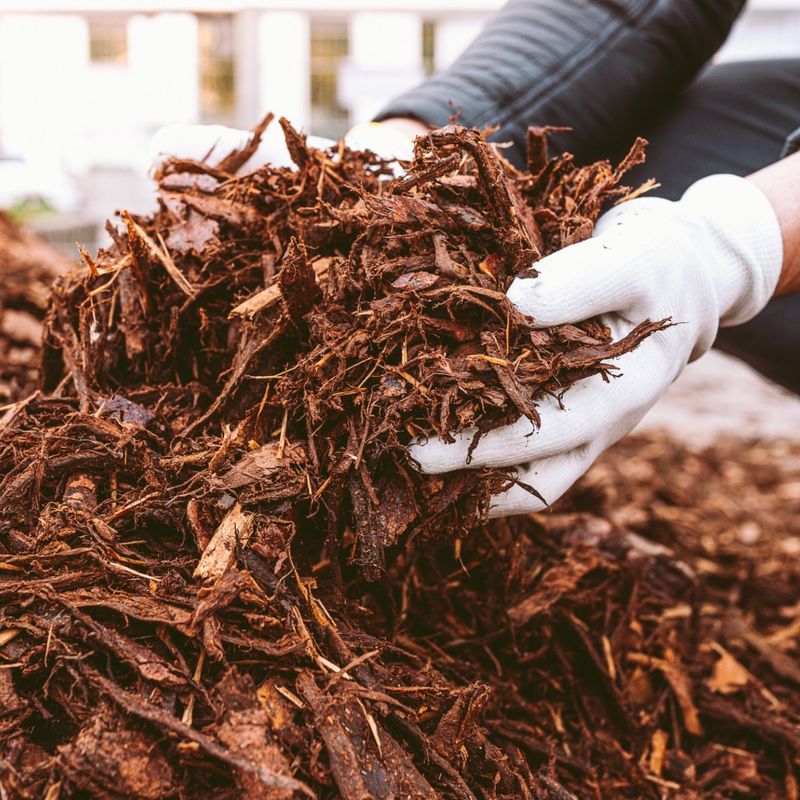
Mulch is one of the hardest-working tools in any Michigan garden, but a lot of homeowners either forget to apply it or get the timing completely wrong.
Spreading mulch too early in spring can actually trap cold air against the soil and slow down the warming process that plants desperately need after a long Michigan winter.
Waiting until the soil has warmed up a bit, usually after consistent daytime temperatures are above 50 degrees, is the smarter approach.
Once that warmth is established, a two to three inch layer of mulch helps hold moisture in the soil, keeps weeds from taking over, and protects plant roots from sudden temperature swings that are common in Michigan spring weather.
Organic mulches like shredded bark, straw, or wood chips are excellent choices because they break down slowly over the season, adding nutrients back into the soil as they decompose.
Avoid piling mulch directly against plant stems or tree trunks, since that can trap moisture and create conditions for rot and pests.
Keep a small gap around the base of each plant to allow for good airflow. Refreshing your mulch layer each spring is a simple habit that pays off in reduced weeding time and healthier plants all season long in your Michigan yard.
8. Choosing Plants That Do Not Suit Michigan’s Climate
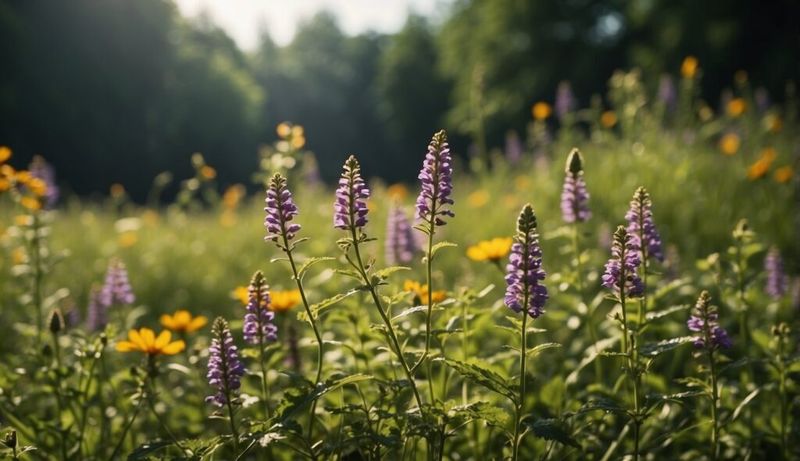
Walking into a garden center in spring is genuinely exciting, but grabbing plants simply because they look beautiful without checking their climate requirements is a mistake that frustrates a lot of Michigan homeowners.
Michigan spans multiple USDA hardiness zones, ranging from zone 4 in the Upper Peninsula to zone 6 in the southern Lower Peninsula, and plants that thrive in warmer states may simply not survive here.
Tropical plants, certain lavender varieties, and many heat-loving perennials struggle in Michigan’s colder winters and unpredictable spring frosts.
Choosing plants rated for your specific zone ensures they can handle the temperature extremes your yard actually experiences year after year.
Native Michigan plants are always a reliable option because they evolved right here and naturally handle the local soil, rainfall, and climate conditions.
Reading the plant tag before you buy is a habit worth building. Look for the hardiness zone rating, the mature size of the plant, and how much sun or shade it needs.
Matching those requirements to your specific yard conditions in Michigan saves money, reduces maintenance, and creates a garden that looks great with far less effort.
Visiting a local Michigan nursery rather than a big box store often connects you with staff who understand the regional climate and can point you toward plants that genuinely perform well in your area.