Early Spring Gardening Tasks Michigan Gardeners Use To Wake Up Their Gardens
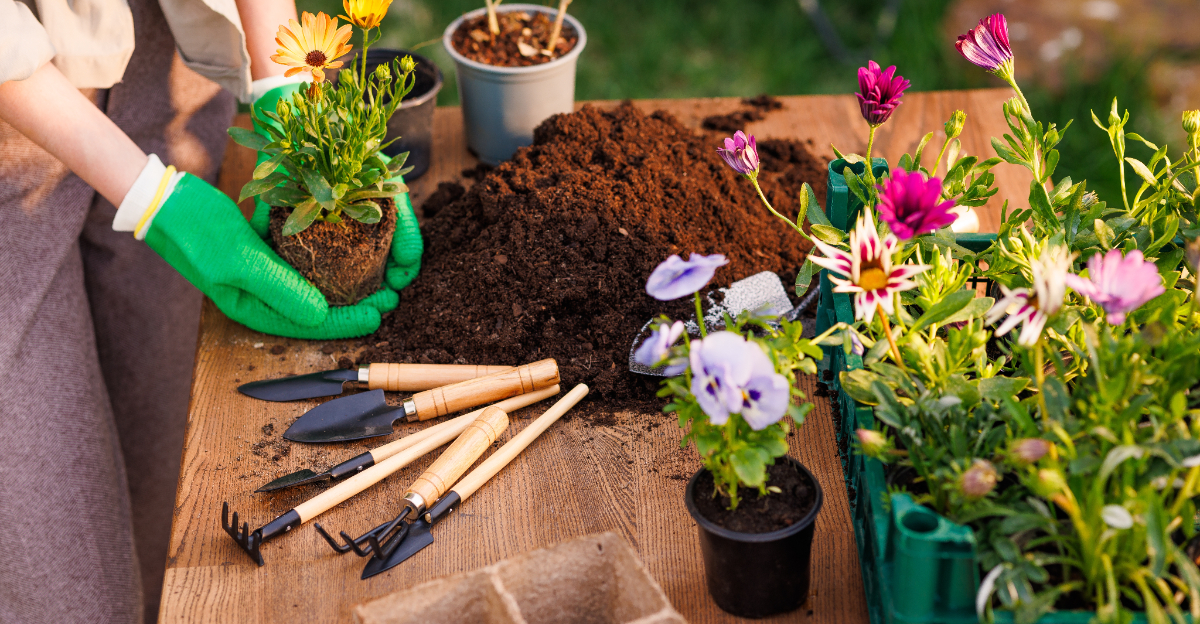
Gardens rarely wake up on their own after a long Michigan winter. As snow melts and the soil slowly softens, many gardeners step outside to see what survived and what needs attention. Early spring is not about rushing growth.
It is about helping the garden recover, reset, and prepare for the season ahead. Small, timely actions during this period often shape how healthy and productive the landscape becomes later.
Gardeners typically begin by clearing winter debris, checking for damaged branches, and gently refreshing garden beds without disturbing emerging growth.
Soil preparation, early pruning of certain plants, and dividing hardy perennials help encourage stronger development once temperatures rise. Many also watch moisture levels carefully as the ground transitions from frozen to workable.
Everything is done with patience, not force. With the right early spring care, Michigan gardens come back to life gradually, stronger, cleaner, and ready for the growing season ahead.
1. Remove Winter Debris And Garden Residue
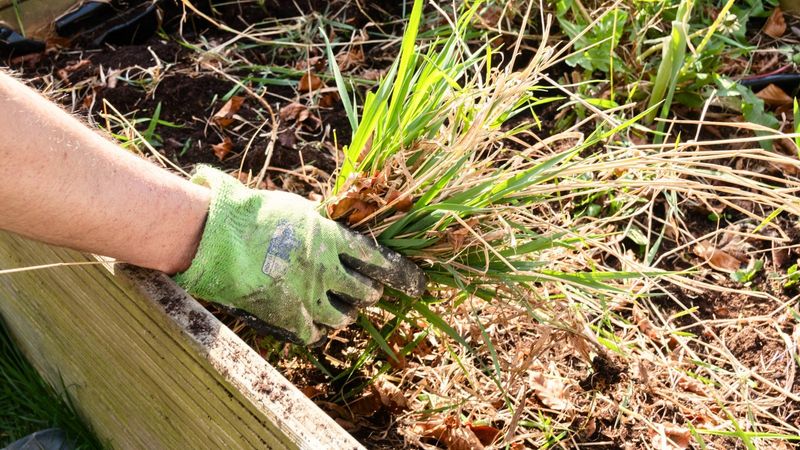
Winter leaves behind more than just memories of snowstorms. Fallen leaves, broken stems, and scattered plant material pile up across garden beds during the cold months. This debris creates a damp blanket that traps moisture against the soil surface.
When temperatures begin to rise, that moisture can become problematic. Wet conditions near plant crowns and emerging shoots may stress plants as they try to grow. Clearing away this layer allows fresh air to circulate freely around your plants.
Grab a sturdy rake and work through each bed systematically. Remove matted leaves and soggy plant material that accumulated over winter. Toss this debris into your compost bin where it can break down naturally.
As you clear, you’ll notice the soil beneath starts to breathe again. Improved airflow helps the ground warm up more quickly and evenly. This creates better conditions for roots to wake up and start absorbing nutrients.
Don’t rush this task on a day when soil is still soggy. Wait until the ground firms up a bit so you don’t compact it while working. Your plants will thank you for giving them a clean, fresh start to the growing season ahead.
2. Inspect Plants For Winter Damage
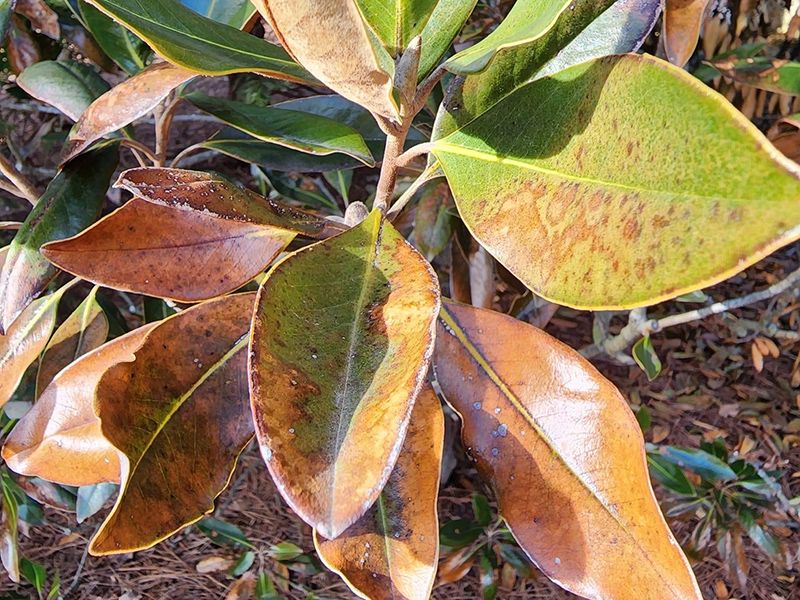
Michigan’s freeze-thaw cycles can be tough on garden plants. Heavy snow loads bend branches, ice storms snap twigs, and bitter cold temperatures stress plant tissues. Walking through your garden with a careful eye helps you spot these issues early.
Start by examining your shrubs and small trees. Look for branches that hang at odd angles or show cracks in the bark. Check the base of perennials for mushy crowns or discolored growth that signals winter stress.
Sometimes damage isn’t obvious at first glance. Gently bend branches to test their flexibility. Healthy wood springs back while compromised branches feel brittle or soft.
Scratch a small section of bark with your thumbnail to reveal green tissue underneath, which indicates the branch is still alive.
Take notes as you go through each bed. Recording which plants show damage helps you plan your recovery strategy. Some plants bounce back on their own while others need intervention.
Early detection makes a real difference in plant recovery. Addressing structural problems before buds swell prevents further breakage and redirects the plant’s energy toward healthy growth.
The inspection time also lets you appreciate which plants sailed through winter beautifully, giving you confidence in their hardiness for future seasons.
3. Prune Dormant Trees And Shrubs
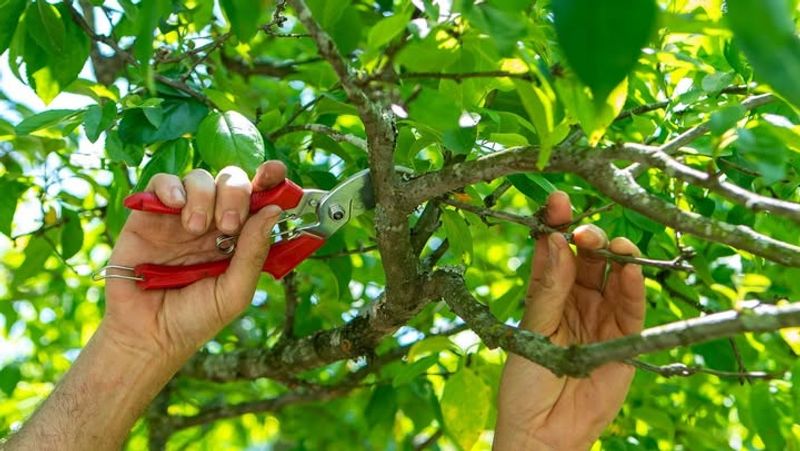
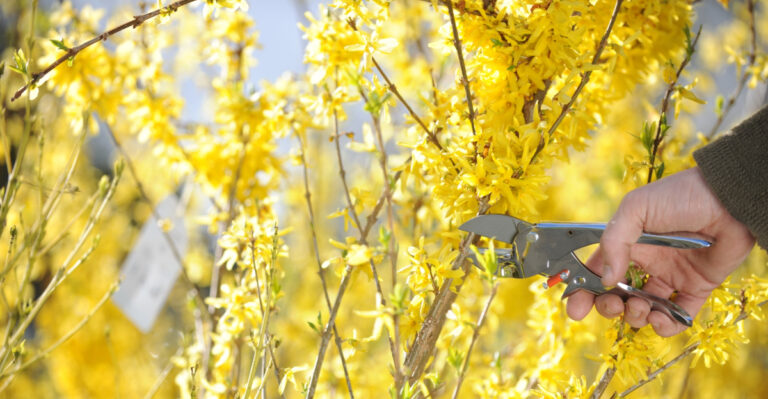
Late winter and early spring offer the perfect window for pruning many trees and shrubs. Plants are still dormant, making it easy to see their branch structure clearly. Without leaves in the way, you can make precise cuts that improve the overall shape.
Pruning before buds break gives plants time to heal before active growth begins. This timing reduces stress and helps direct energy toward the branches you want to keep. Focus on removing crossed branches, weak growth, and stems that crowd the center of the plant.
Sharp, clean tools make all the difference. Dull blades crush plant tissue instead of making clean cuts. Wipe your pruners with rubbing alcohol between plants to avoid spreading any potential problems from one shrub to another.
Each cut should have a purpose. Step back frequently to view your progress from different angles. Remove a little at a time rather than taking off too much at once.
You can always cut more, but you can’t put branches back. Michigan State University Extension recommends this early timing for most deciduous plants.
Spring-flowering shrubs are the exception since they bloom on old wood. Save those for pruning right after their flowers fade to avoid cutting off this year’s blooms.
4. Prepare Garden Beds As Soil Thaws
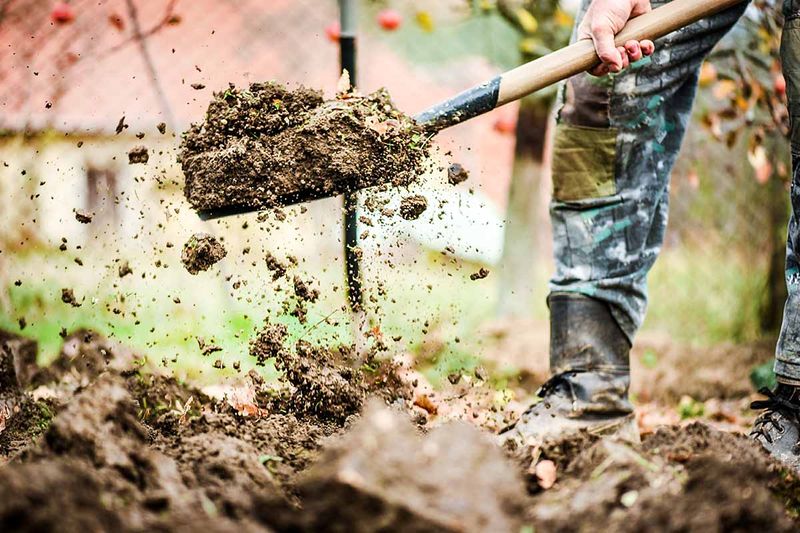
Patience pays off when preparing garden beds in spring. Soil that’s too wet turns into dense clumps when worked, creating compaction that lasts all season. Wait until the ground thaws enough to crumble easily in your hand.
Test soil readiness with a simple squeeze test. Grab a handful of soil and form it into a ball. Toss it gently into the air and catch it.
If the ball breaks apart, the soil is ready to work. If it stays intact, give it a few more days to dry out.
Once conditions are right, use a garden fork to gently loosen the top few inches of soil. Work in one direction, then cross back the other way. This breaks up any compaction that formed over winter without turning the soil completely upside down.
Avoid walking on prepared beds whenever possible. Your footsteps compress the soil you just loosened. Place boards across beds to distribute your weight if you need to reach the center.
Consider creating permanent pathways between beds to protect the growing areas. Well-prepared soil allows roots to spread easily and water to drain properly.
Plants establish faster and grow more vigorously in loose, friable soil. This foundational task sets up everything else you’ll plant in the weeks ahead.
5. Apply Fresh Mulch After Soil Warms Slightly
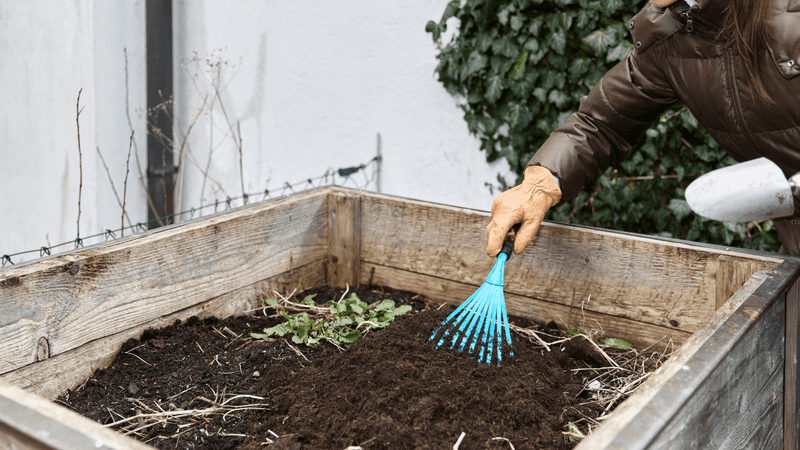
Mulch acts like a blanket for your soil, but timing matters in Michigan’s variable spring weather. Applying it too early traps cold in the ground and delays warming. Waiting until soil temperatures stabilize gives you the best results.
Watch for consistent signs of spring before mulching. When perennials start poking through the soil and daytime temperatures regularly stay above freezing, conditions are usually right. The soil should feel cool but not frozen when you touch it.
Spread a two to three inch layer of organic mulch around plants. Keep it pulled back slightly from plant stems and tree trunks to prevent moisture from sitting against the bark. This gap allows air circulation right where plants need it most.
Shredded bark, wood chips, and compost all make excellent mulch choices. Each breaks down at different rates, feeding your soil as it decomposes. Choose based on what looks good to you and what’s readily available in your area.
Fresh mulch helps soil maintain even moisture levels during spring’s unpredictable weather swings.
It reduces temperature fluctuations that can stress emerging roots. As an added bonus, mulch suppresses early weeds and gives beds a tidy, finished appearance that makes your garden look intentionally cared for throughout the growing season.
6. Divide Overcrowded Perennials
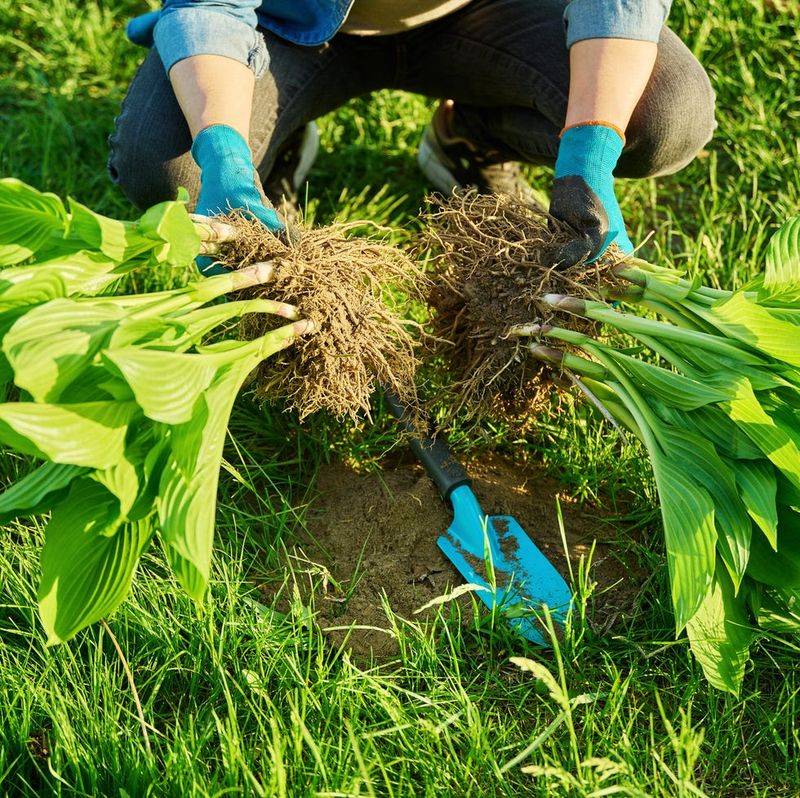
Perennials grow larger each year, eventually becoming so crowded they compete with themselves for resources. You’ll notice fewer flowers, smaller blooms, or centers that look sparse while the edges stay full. These signs tell you it’s time to divide.
Early spring works beautifully for dividing most perennials. Plants are just waking up, making them resilient to the disturbance. They have the entire growing season ahead to establish new roots in their fresh locations.
Dig around the entire plant clump, staying several inches away from visible growth. Lift the whole mass out of the ground and shake off excess soil so you can see the root structure clearly.
Use your hands, a sharp spade, or two garden forks back-to-back to separate the clump into smaller sections.
Each division should have healthy roots and several growing points or shoots. Discard any sections that look weak or show no signs of new growth. Replant divisions at the same depth they were growing before, spacing them according to their mature size.
Water thoroughly after replanting and keep the soil consistently moist for the first few weeks.
Division rejuvenates tired plants and gives you extras to fill gaps in your garden or share with friends. Your newly divided perennials will reward you with vigorous growth and abundant blooms.
7. Test And Amend Soil If Needed
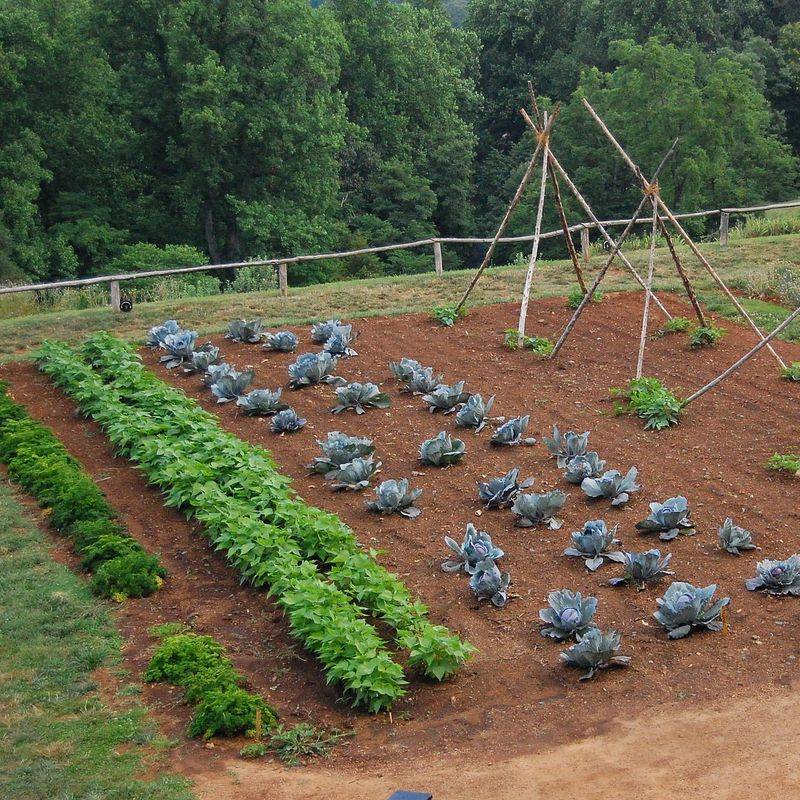
Guessing about your soil’s needs often leads to disappointing results. A proper soil test takes the mystery out of gardening by revealing exactly what your soil contains. This information guides your fertilizing decisions for the entire season.
Michigan State University Extension offers affordable soil testing services. Collect samples from different areas of your garden since soil composition can vary across your property.
Mix samples from each area separately in clean containers, following the instructions provided with your test kit. Send samples to the lab in early spring so results arrive before your main planting season begins.
The report shows nutrient levels, pH, and specific recommendations for your garden type. These customized suggestions help you add only what your soil actually needs.
Soil pH affects how plants absorb nutrients even when those nutrients are present. Michigan soils often tend toward acidity, which some plants love while others struggle.
Knowing your pH helps you choose plants that will thrive naturally or guides you in making adjustments.
Apply recommended amendments several weeks before planting if possible. This gives materials time to integrate with your soil. Limestone takes months to change pH, so fall application works even better for adjusting acidity.
Regular testing every few years keeps you informed as your soil evolves with your gardening practices.
8. Start Cool-Season Planting When Soil Is Ready
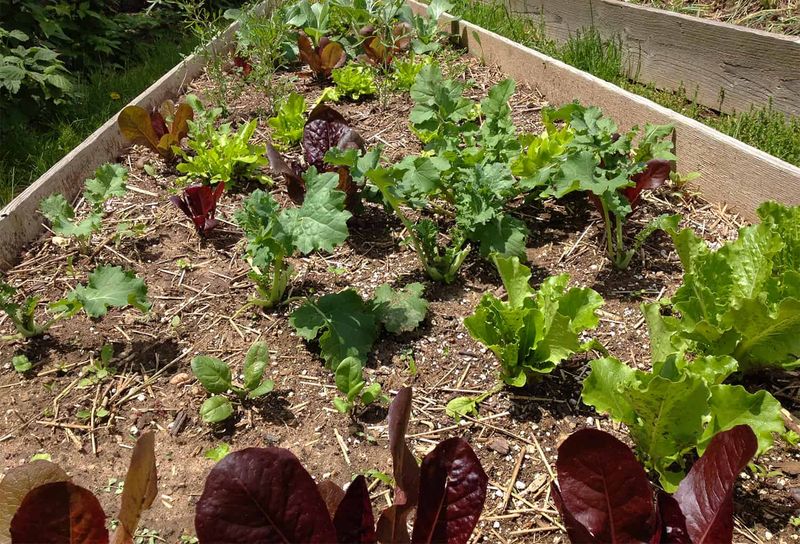
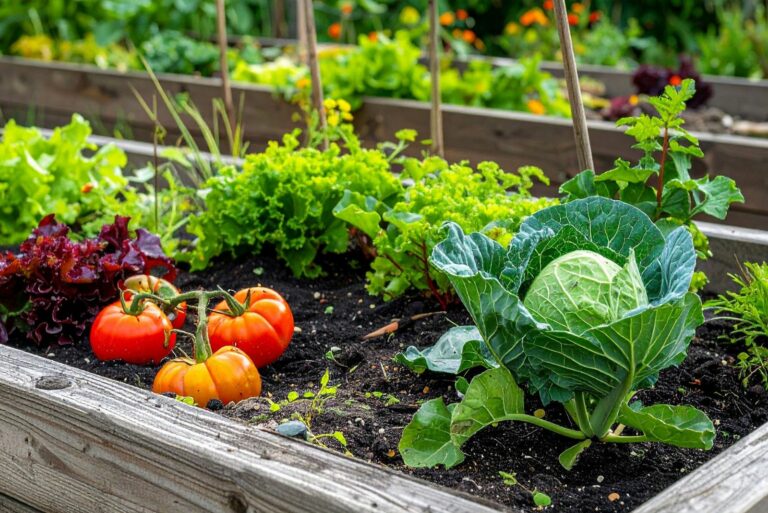
Cool-season vegetables don’t mind chilly weather. In fact, they prefer it. These hardy crops tolerate light frosts and actually taste better when grown in cooler temperatures.
Michigan’s spring weather creates ideal conditions for getting them started. Peas, spinach, lettuce, and radishes top the list of early spring plantings.
These vegetables germinate in cool soil and grow quickly before summer heat arrives. Plant them as soon as your soil is workable and you’ll harvest weeks before warm-season crops even go in the ground.
Direct sow seeds according to packet directions, paying attention to spacing and depth. Cool soil means slower germination, so don’t panic if seeds take longer to sprout than the packet suggests.
Keep the soil consistently moist but not waterlogged during this waiting period. Row covers provide extra protection if a hard frost threatens after planting.
These lightweight fabrics trap warmth around plants while still allowing light and water through. Remove covers during mild days to prevent overheating as temperatures climb.
Succession planting keeps harvests coming for weeks. Sow small amounts every week or two rather than planting everything at once.
This strategy gives you fresh salads throughout spring and early summer instead of a single overwhelming harvest that you can’t use up quickly enough.
9. Edge And Repair Garden Borders
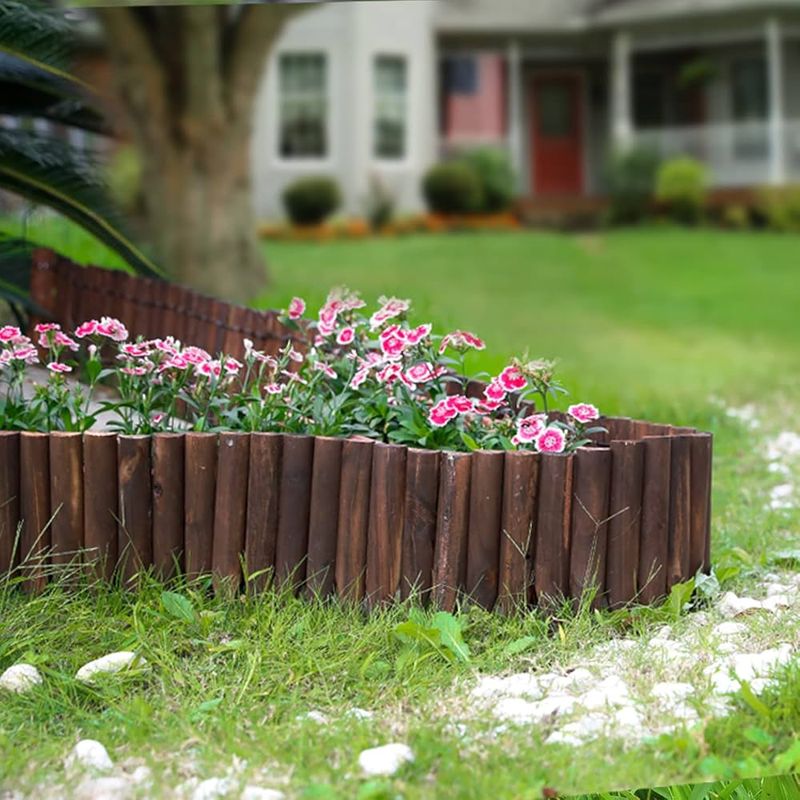
Winter’s freeze-thaw cycles push soil around, blurring the clean lines between beds and lawns. Grass creeps into garden spaces while soil spills onto pathways. Restoring these boundaries early prevents bigger maintenance headaches later in the season.
A flat-bladed edging tool makes quick work of redefining borders. Stand on the tool and rock it back and forth to cut through grass roots and create a clean vertical edge.
Work along the entire perimeter of each bed, removing the strip of grass and roots you’ve separated.
Check existing edging materials for damage or displacement. Frost heave pushes bricks, stones, and plastic edging out of alignment. Reset these materials while the ground is still soft and easy to work.
Add fresh materials where sections have gone missing over winter. Proper edging serves practical purposes beyond appearance.
It prevents grass from invading beds where it competes with your plants. Sharp borders also improve drainage by keeping soil contained and at the proper level relative to surrounding areas.
Take time to make edges smooth and consistent. Step back periodically to view your work from a distance. Gentle curves look more natural than sharp angles in informal gardens.
Straight lines suit formal designs and make mowing easier along bed edges throughout the growing season ahead.
10. Gradually Remove Winter Plant Protection

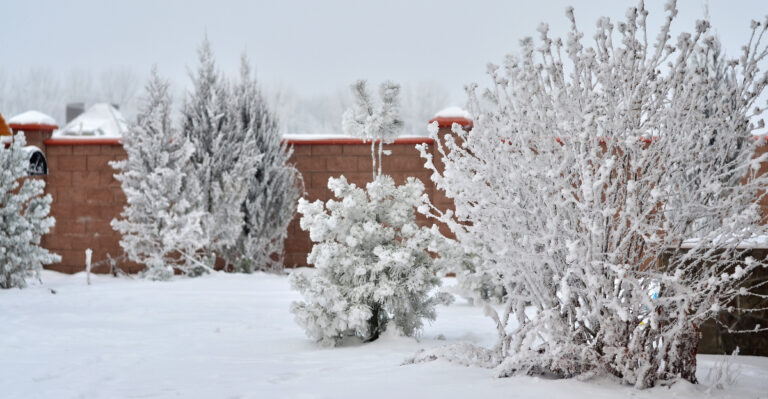
Winter protection serves plants well during harsh weather, but it becomes a liability once spring arrives. Burlap wraps, foam covers, and mulch mounds trap moisture and block light that emerging growth needs. Removing these barriers requires a gentle, gradual approach.
Watch weather forecasts before starting the removal process. Choose a stretch of mild days without predicted hard freezes. Begin by loosening covers slightly to allow air circulation while still providing some protection.
This transition period helps plants acclimate to changing conditions. Remove protective materials completely once nighttime temperatures consistently stay above the mid-twenties.
Take off covers during the day first, then replace them at night if temperatures drop. After several days of this routine, leave covers off entirely when conditions stabilize.
Check plants carefully as you unwrap them. Look for any signs of moisture damage or unusual growth that developed under covers. Prune away any compromised sections and allow good air circulation around remaining healthy growth.
Store reusable protection materials properly for next winter. Clean burlap wraps and foam covers before packing them away in a dry location. Make notes about what worked well and what needs adjustment for next year.
Your plants will appreciate the careful attention as they transition from protected dormancy to active spring growth in Michigan’s sometimes unpredictable early season weather patterns.