Early Spring Tasks To Wake Up Your Pennsylvania Garden The Right Way
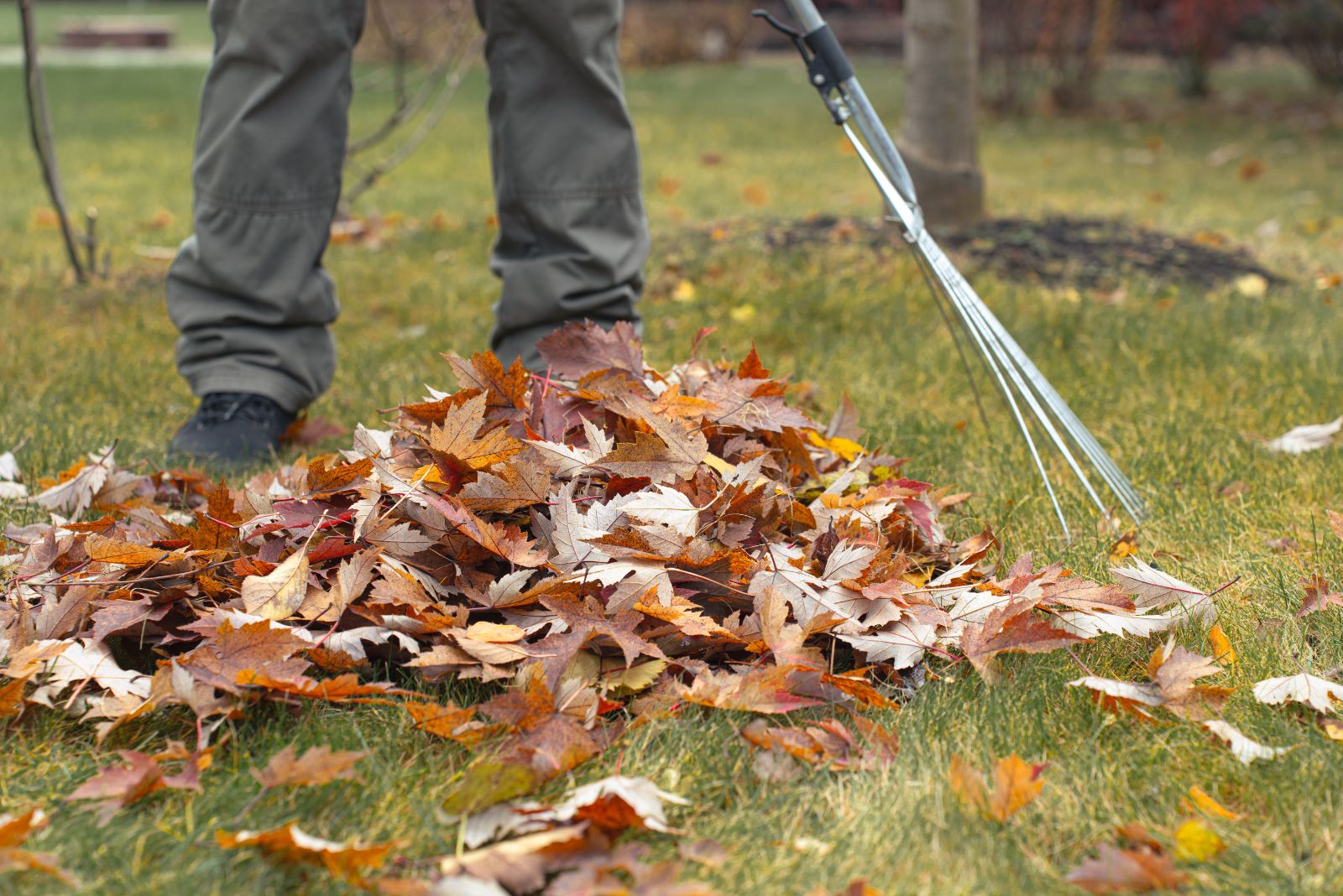
Ready to shake your Pennsylvania garden out of its winter sleep and set it up for a strong season ahead? Early spring is the perfect time to refresh, reset, and give your plants the boost they need after months of cold and quiet.
A few simple tasks now can make a huge difference in how healthy, colorful, and productive your garden becomes. Clearing debris, checking soil, pruning carefully, and planning new plantings all help your garden wake up gradually and grow with strength.
Pennsylvania gardeners know that timing matters, and small steps taken early often prevent bigger problems later. This is also the moment to observe what survived winter and prepare for fresh growth to come.
With the right approach, your garden can transition smoothly into spring, bursting with new life, vibrant color, and the promise of a thriving season outdoors.
1. Clean Up Winter Debris And Fallen Branches
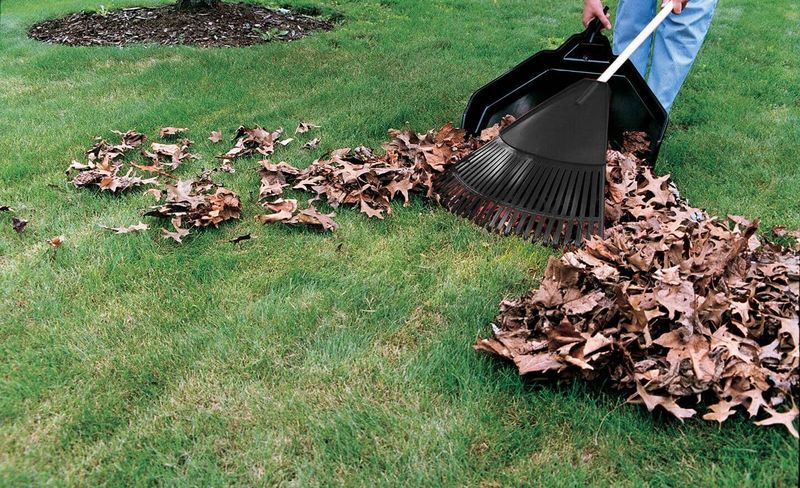
Winter storms leave behind plenty of mess in Pennsylvania gardens. Broken branches, fallen twigs, and piles of dry leaves cover flower beds and pathways.
Getting rid of this debris is your first important job because it helps prevent plant diseases and gives beneficial insects a chance to wake up safely.
Start by walking around your entire garden with a sturdy rake and some large bags or a wheelbarrow. Pick up any branches that fell during winter storms, checking trees for damaged limbs that might fall later.
Rake away the thick layers of dry leaves from perennial beds, but work gently around plants that are just starting to poke through the soil.
Some leaves can go straight into your compost pile, turning into rich soil for later use. However, diseased or moldy material should be thrown away to stop problems from spreading.
Pennsylvania’s unpredictable spring weather means you might need to wait for a dry day to make this job easier and more pleasant.
Pay special attention to your lawn areas too. Thatch buildup and matted leaves can smother grass and create perfect conditions for fungal problems.
A good spring cleaning sets the foundation for everything else you’ll do in your garden. Your plants will breathe easier, your garden will look neater, and you’ll spot any winter damage that needs attention right away.
2. Test And Amend Your Soil For Optimal Growth
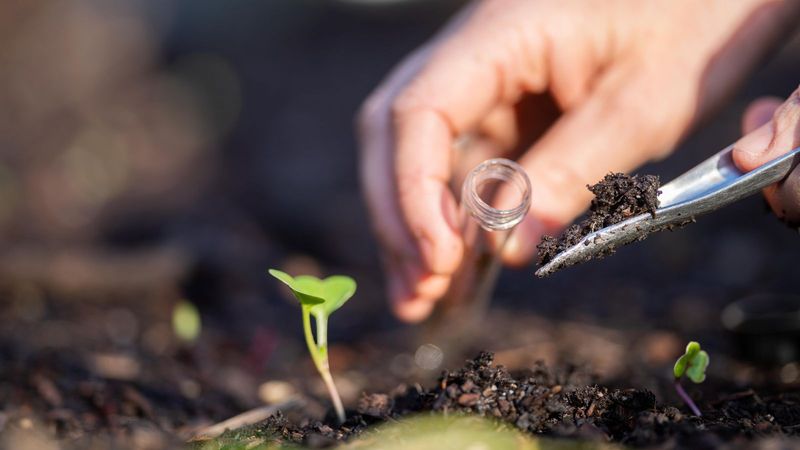
Good soil creates good gardens, and Pennsylvania’s soil varies dramatically from one area to another. Some regions have heavy clay that holds too much water, while others have sandy soil that drains too quickly.
Testing your soil before planting tells you exactly what your garden needs to produce healthy, productive plants.
You can buy inexpensive soil test kits at garden centers, or send samples to your local Penn State Extension office for detailed analysis.
The test reveals your soil’s pH level and nutrient content, showing whether you need to add lime, sulfur, or specific fertilizers. Most vegetables prefer slightly acidic soil with a pH between 6.0 and 7.0.
Once you know what your soil needs, spread amendments evenly across your beds. Compost improves almost any soil type, adding nutrients while helping clay soil drain better and sandy soil hold moisture longer.
Work amendments into the top six to eight inches of soil using a garden fork or tiller.
Pennsylvania gardeners should complete this task early because soil needs time to adjust before planting. Cold soil also works more easily than wet, muddy ground.
If your beds are too soggy to work, wait a few days rather than compacting the soil by walking on it.
Adding organic matter each spring builds better soil year after year, creating the foundation for beautiful flowers and delicious vegetables throughout the growing season.
3. Prune Dormant Trees And Shrubs Before Buds Swell
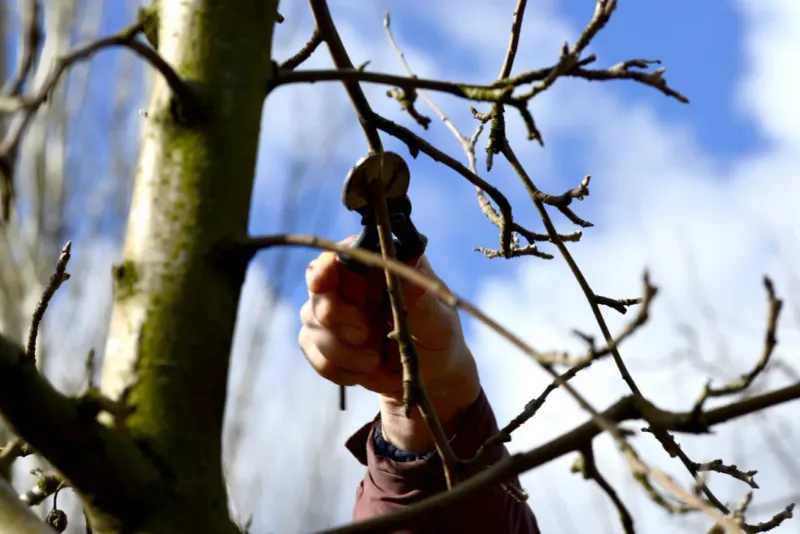
Late winter and early spring offer the best window for pruning most trees and shrubs in Pennsylvania. Plants are still dormant, making it easy to see their structure without leaves blocking your view.
Pruning during this time also minimizes stress on plants because they haven’t yet invested energy in new growth.
Start with your fruit trees, removing any diseased, or crossing branches. Cut back to healthy wood, making clean cuts just above outward-facing buds.
This encourages branches to grow away from the tree’s center, improving air circulation and sunlight penetration. Better airflow reduces disease problems during Pennsylvania’s humid summers.
Shrubs like butterfly bush, roses, and hydrangeas benefit from early spring pruning too, though timing varies by species. Summer-blooming shrubs can be pruned now, but spring bloomers like forsythia and lilac should wait until after they flower.
Remove about one-third of the oldest stems from overgrown shrubs to rejuvenate them gradually.
Always use sharp, clean tools to make smooth cuts that heal quickly. Dull blades tear plant tissue, creating entry points for diseases.
Sterilize your pruning shears between plants by wiping them with rubbing alcohol. Skip the pruning paint or wound dressing because research shows plants heal better on their own.
Pennsylvania’s variable spring weather means you should watch the forecast and prune before buds begin swelling, typically in late March or early April depending on your location.
4. Divide And Transplant Perennials For Healthier Plants
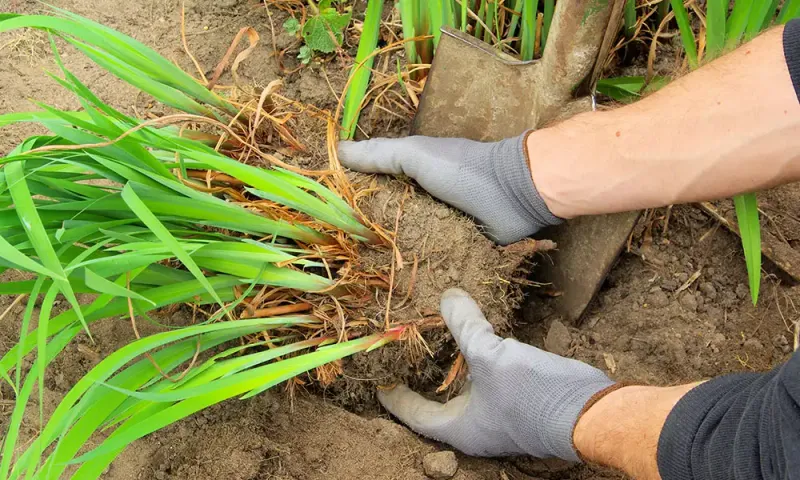
Perennials grow bigger each year, and eventually they become crowded and produce fewer flowers. Early spring provides the perfect opportunity to divide these plants, giving you more plants for free while rejuvenating the originals.
Pennsylvania’s cool, moist spring weather helps divided plants establish new roots before summer heat arrives.
Look for perennials that have become too large, have dry centers, or haven’t bloomed well lately.
Hostas, daylilies, irises, and ornamental grasses all benefit from division every three to five years. Wait until you see new growth emerging so you know exactly where the plants are located.
Dig up the entire plant clump, trying to keep as many roots intact as possible. Use a sharp spade, garden fork, or even a soil knife to separate the clump into smaller sections.
Each division should have at least three to five healthy shoots and a good root system. Discard any sections that look diseased or have no new growth.
Replant divisions immediately at the same depth they were growing before, spacing them according to their mature size. Water thoroughly to settle soil around roots and eliminate air pockets.
Adding a layer of compost around newly planted divisions gives them extra nutrients for strong growth. Pennsylvania gardeners should complete this task before temperatures rise consistently above 70 degrees.
Your divided perennials might look small at first, but they’ll fill in quickly and reward you with abundant blooms all season.
5. Apply Fresh Mulch To Conserve Moisture And Suppress Weeds
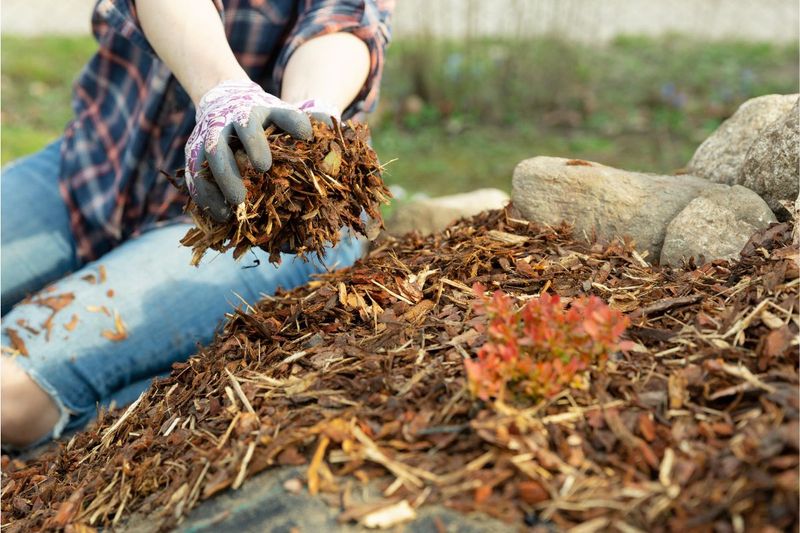
Mulch works like a protective blanket for your garden soil, and spring is the ideal time to refresh it. Over winter, mulch breaks down and thins out, leaving soil exposed to weeds and moisture loss.
A fresh layer of organic mulch protects plant roots, reduces watering needs, and keeps your Pennsylvania garden looking neat and professional.
Before adding new mulch, pull back any remaining old mulch from plant stems and crowns. Mulch piled against stems creates perfect conditions for rot and provides hiding places for slugs and other pests. Leave a small gap of two to three inches around each plant’s base.
Choose organic mulches like shredded bark, wood chips, or compost that improve soil as they decompose.
Spread mulch two to three inches deep across beds, creating an even layer that blocks sunlight from reaching weed seeds. Deeper mulch can suffocate plant roots and stay too wet in Pennsylvania’s rainy springs.
Calculate how much mulch you need by measuring your bed area and multiplying by the depth. Most bagged mulch covers about eight square feet at three inches deep.
Bulk mulch delivered by the cubic yard costs less for large areas. Apply mulch after soil warms slightly in spring, usually mid-April in most Pennsylvania locations.
Early mulching can slow soil warming and delay plant growth. Fresh mulch transforms your garden’s appearance immediately while providing benefits that last throughout the entire growing season.
6. Prepare Vegetable Beds And Plan Your Planting Schedule
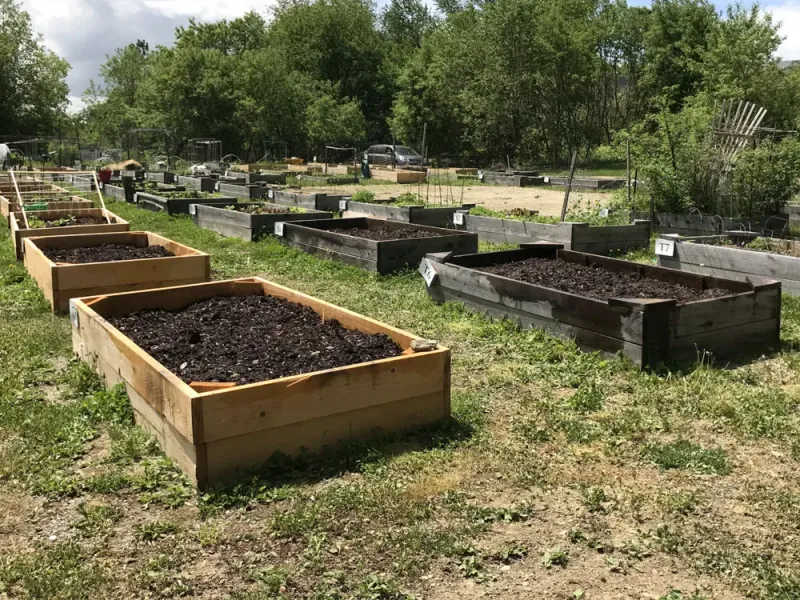
Pennsylvania’s growing season varies significantly from south to north, making proper planning essential for vegetable garden success. Your last frost date determines when you can safely plant tender crops like tomatoes and peppers.
Most Pennsylvania gardeners can plant cool-season vegetables like lettuce, peas, and spinach in early April, while warm-season crops wait until mid-May.
Start by mapping out what you want to grow and where it will go. Consider each plant’s space requirements, sunlight needs, and growing time.
Tall plants like corn and trellised beans should go on the north side of beds so they won’t shade shorter crops. Plan succession plantings of quick crops like radishes and lettuce for continuous harvests.
Prepare beds by removing any weeds and working in compost or aged manure. Vegetables are heavy feeders that need rich, fertile soil to produce abundant harvests.
Break up any clumps and rake beds smooth, creating a fine texture perfect for planting small seeds. Consider installing drip irrigation or soaker hoses before planting to make watering easier later.
Pennsylvania gardeners should also prepare supports for climbing plants now. Install trellises, stakes, or cages before planting so you won’t disturb roots later.
Check your seed inventory and order any varieties you’re missing, because popular types sell out quickly. Starting some seeds indoors now gives you a head start on the season.
Tomatoes, peppers, and eggplants need six to eight weeks of indoor growth before transplanting outside after the last frost passes.
7. Service And Sharpen Your Garden Tools For Efficiency
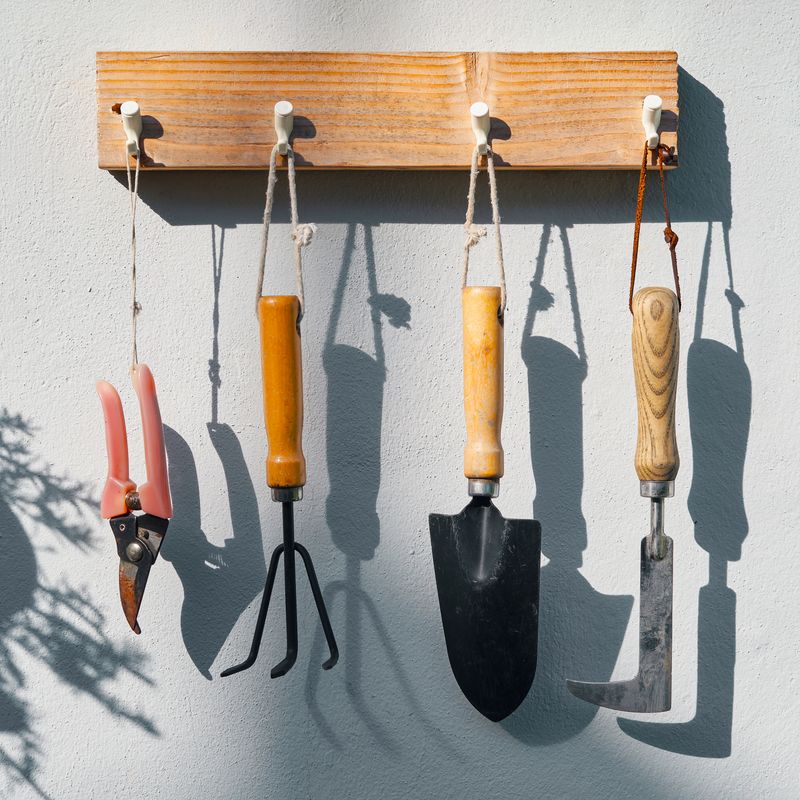
Your garden tools work hard all season long, and they deserve some attention before spring planting begins. Sharp, clean tools make every gardening task easier and more efficient.
Dull blades require extra effort and can damage plants, while rusty tools spread diseases from one plant to another.
Start by gathering all your tools in one place so you can assess what needs attention. Wipe down metal surfaces with an oily rag to remove rust and dirt.
Steel wool or a wire brush removes stubborn rust spots. Apply a thin coat of oil to prevent future rusting during storage.
Sharpen cutting tools like pruners, loppers, and hoes using a mill file or sharpening stone. Work at the same angle as the original bevel, making smooth strokes from base to tip.
Sharp tools cut cleanly through plant tissue, allowing wounds to heal faster. Test your pruners on a piece of paper – they should cut smoothly without tearing.
Check wooden handles for splinters or cracks, sanding rough spots smooth and treating them with linseed oil to prevent moisture damage. Tighten any loose bolts or screws on tools with moving parts.
Replace broken or worn-out tools rather than struggling with them all season. Pennsylvania garden centers stock fresh inventory in spring, often at good prices.
Well-maintained tools last for decades, making spring maintenance a worthwhile investment. Clean, sharp tools also make gardening more enjoyable, turning necessary tasks into satisfying work that produces beautiful results in your Pennsylvania garden.