Earwigs Are Already Active In Michigan In April And Gardeners Should Be Ready
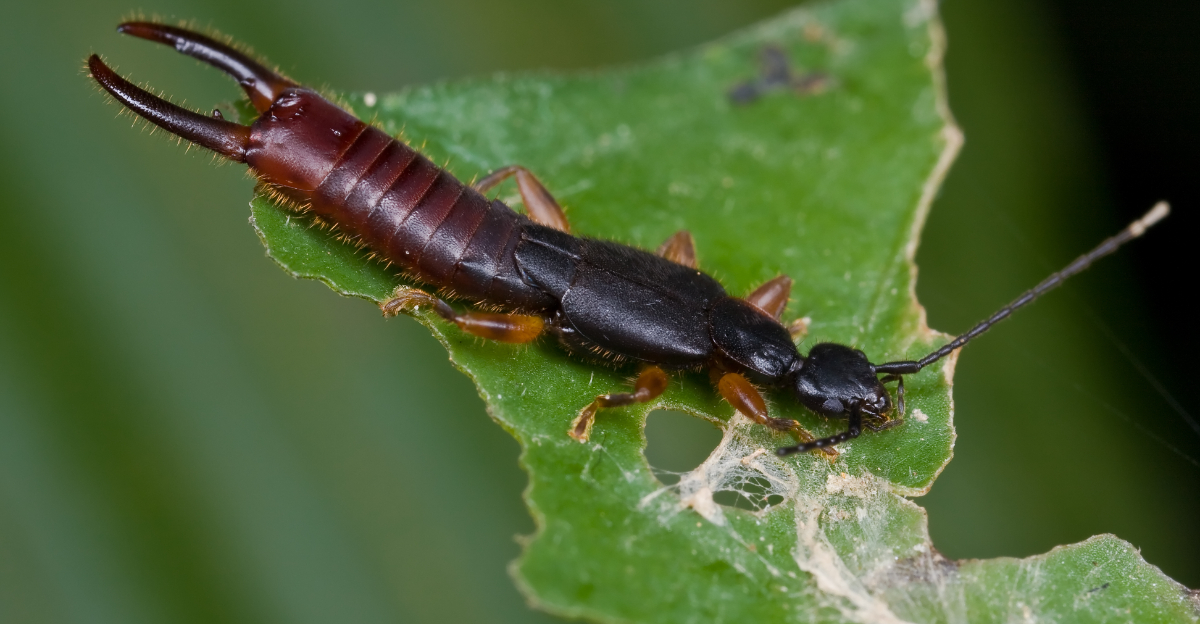
April may feel like the start of garden season in Michigan, but earwigs are often already one step ahead. While many gardeners are focused on new flowers and fresh growth, these hidden pests can be active long before real damage gets noticed.
They stay out of sight during the day, then come out when things turn cool and damp. That is why the problem can seem to appear all at once.
One week everything looks fine, and the next you may spot chewed leaves, ragged petals, or tiny signs that something has been feeding at night. Earwigs do not always destroy a garden, but they can become a real headache when their numbers climb.
Knowing they are already active in April gives Michigan gardeners a better chance to stay ahead of the trouble. A little early attention can help keep spring plants looking strong before the season really takes off.
1. Earwigs Become Active As Soil Warms
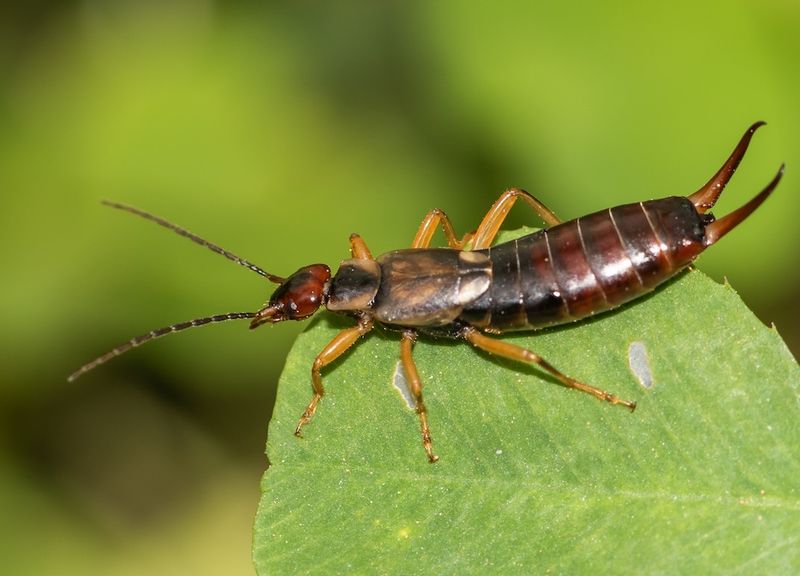
Most Michigan gardeners are surprised to find earwigs moving around in April, but the science makes perfect sense.
The European earwig, known scientifically as Forficula auricularia, begins stirring as soon as soil temperatures creep above freezing and start to hold warmth through the night.
After a long winter beneath the soil, they respond quickly to even small temperature changes in the ground.
Michigan’s April weather can swing wildly, but several mild nights in a row are usually enough to trigger earwig movement.
Soil in raised beds, south-facing garden plots, and areas near house foundations tends to warm faster, making those spots the first places earwigs show up.
Gardeners who work in these areas early in spring often encounter them before realizing the season has truly begun for these insects.
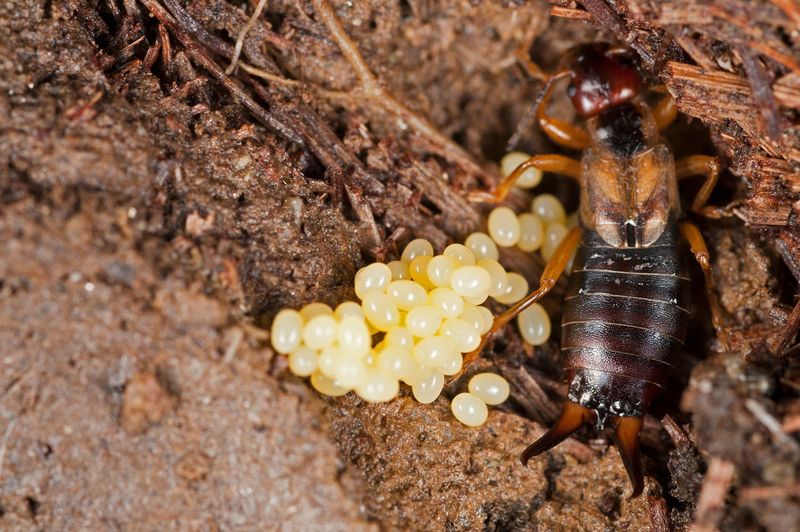
Earwigs overwinter as adults and eggs tucked just below the soil surface, which means they do not need to travel far once conditions are right. By the time Michigan gardeners are planting their first cool-season crops, earwigs may already be on the move.
Checking soil temperature with a simple thermometer and staying aware of nighttime lows helps predict when these insects will start appearing in your garden beds.
2. They Hide In Moist, Protected Areas During The Day
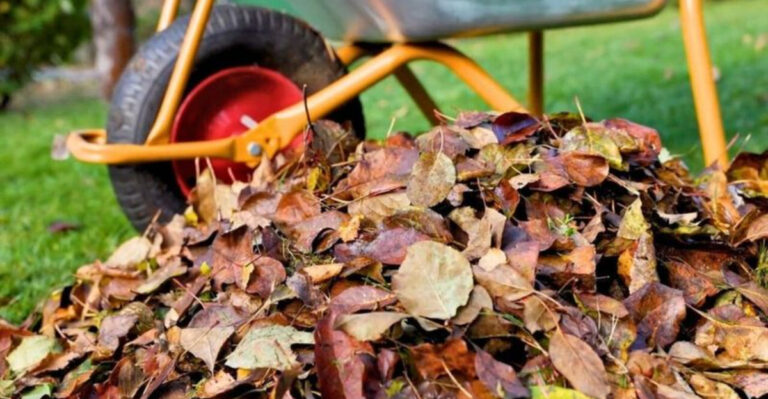
You rarely spot earwigs in broad daylight, and that is exactly how they prefer it. During the day, earwigs in Michigan gardens tuck themselves tightly under mulch, flat stones, wooden boards, and thick layers of leaf litter.
They are drawn to anything that holds moisture and blocks sunlight, making a well-mulched garden bed a surprisingly attractive hideout.
Most gardeners never actually see earwigs directly until they flip over a stepping stone or pull back a clump of old leaves. What they notice first is the damage, which shows up overnight as ragged, chewed edges on young plants.
This sneaky behavior makes it easy to overlook an earwig problem until the population has already grown larger than expected.
Michigan’s spring gardens are full of the exact hiding spots earwigs love. Thick mulch around perennials, stacked flowerpots, and wet cardboard left on the ground all create perfect daytime shelters.
One helpful habit is to lift and check these spots regularly during April, especially after a rainy stretch. Finding earwigs early, before they spread through your beds, makes managing them much easier and less frustrating as the growing season builds momentum.
3. Cool, Damp Spring Weather Favors Them
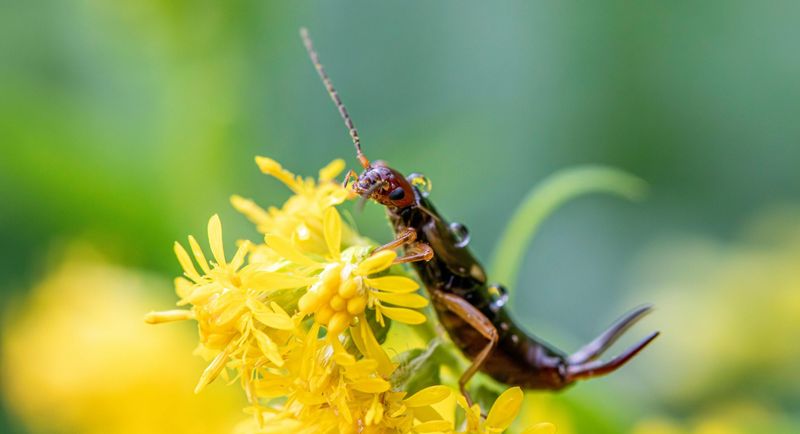
Michigan’s spring weather practically rolls out a welcome mat for earwigs. Cool temperatures, frequent rain showers, and slow-draining soils create exactly the moist environment these insects prefer.
April in Michigan often brings several days in a row of overcast skies and light rain, and earwig activity tends to spike noticeably during and right after those wet stretches.
Gardens with heavy mulch coverage hold extra moisture near the soil surface, which extends the amount of time earwigs can stay comfortable and active.
Dense plant cover also traps humidity close to the ground, giving earwigs more opportunity to move and feed without drying out.
Beds packed tightly with early spring plants or covered with thick organic mulch are the most likely places to see earwig populations build up quickly.
Understanding this connection between Michigan’s April weather and earwig behavior gives gardeners a real advantage. When the forecast calls for several rainy days, that is a great time to go out and check your garden more carefully.
Look under mulch, around the base of transplants, and near any ground-level debris. Staying one step ahead of the moisture cycle means you can respond to earwig activity before it turns into a bigger problem for your spring garden beds.
4. They Feed At Night On Tender Plants
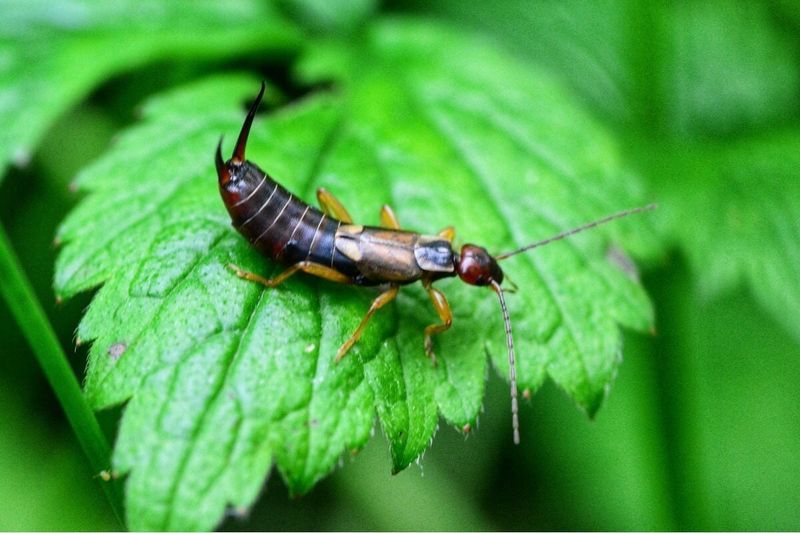
After the sun goes down, earwigs get to work. These nocturnal feeders move through garden beds in the dark, chewing on the softest plant tissue they can find.
Young seedlings are especially vulnerable because their leaves are thin, tender, and easy to damage before they have had a chance to toughen up.
Lettuce, known botanically as Lactuca sativa, is one of the most commonly targeted plants in Michigan spring gardens. Earwigs chew irregular holes through the leaves, leaving behind a ragged, almost torn appearance that is easy to recognize once you know what to look for.
Early annual flowers like marigolds, zinnias, and petunias are also frequent targets, especially when they are freshly transplanted and still adjusting to outdoor conditions.
The tricky part about nighttime feeding damage is that many gardeners assume slugs or caterpillars are responsible. Checking your garden after dark with a flashlight is one of the most reliable ways to catch earwigs in the act.
Seeing them feeding directly on your plants removes any doubt about what is causing the problem. Michigan gardeners who grow cool-season vegetables in April should check their seedlings every few days for signs of this characteristic irregular leaf damage before it spreads across the whole bed.
5. They Also Eat Other Garden Pests
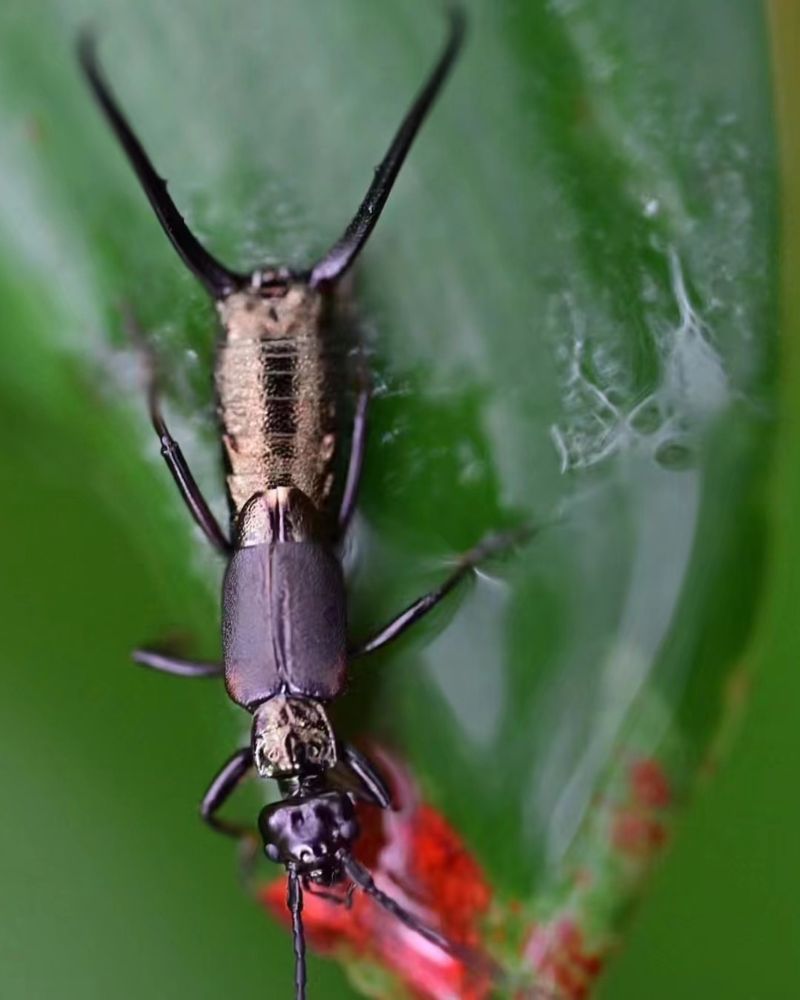
Here is something most Michigan gardeners do not expect to hear: earwigs can actually be helpful in the garden. While they certainly have a reputation for chewing through plants, earwigs are opportunistic feeders, which means they eat more than just your vegetables.
Aphids, small insect eggs, and other soft-bodied garden pests are all fair game for a hungry earwig moving through the garden at night.
Aphids are one of the most frustrating pests in any Michigan garden, and earwigs regularly feed on them.
Research and field observations have shown that earwigs can reduce aphid populations on certain crops, making them what scientists sometimes call a mixed-benefit insect.
They cause some harm, but they also provide a measurable level of natural pest control that gardeners might not want to eliminate entirely.
This dual nature makes earwigs an interesting case in integrated pest management. Rather than trying to remove every single earwig from your garden, focusing on keeping their population balanced is often the smarter approach.
Protecting your most vulnerable seedlings while allowing some earwig activity in areas where aphids are present can actually work in your favor.
Michigan gardeners who understand this balance tend to have healthier gardens overall, because they are working with natural insect dynamics rather than fighting against them completely.
6. Early Spring Is The Best Time To Monitor Them
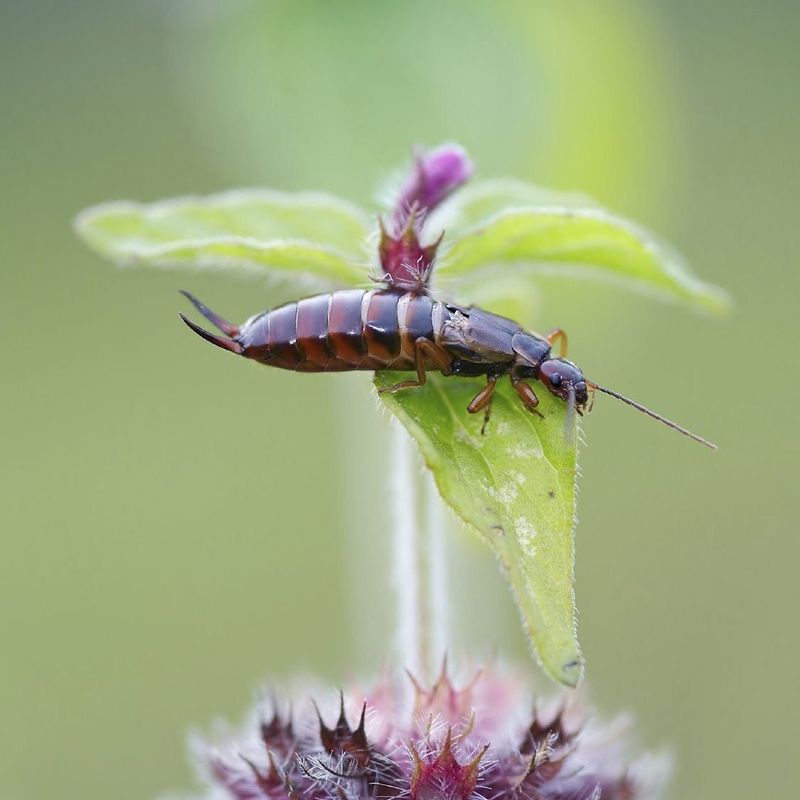
April is honestly the best window Michigan gardeners have for getting ahead of earwig populations. Once May and June arrive, plants are more developed and earwig numbers have had time to grow, making the situation harder to manage.
Catching the problem early, when populations are still small and scattered, is always easier than dealing with a fully established group of insects feeding across your whole garden.
Monitoring does not need to be complicated or time-consuming. Simply walking through your garden in the evening or after dark with a flashlight, lifting mulch, and checking the undersides of leaves every few days gives you a clear picture of what is happening.
Keeping a simple log of where you find earwigs and how many you spot helps track whether the population is growing or staying manageable through the month.
Michigan’s April garden is still relatively open and easy to inspect compared to the lush growth of summer. Seedlings are small, beds are less crowded, and hiding spots are easier to identify.
Taking advantage of this visibility now means you can respond quickly with traps or habitat changes before earwig numbers climb.
Gardeners who start monitoring in early April consistently report fewer problems with plant damage later in the season, which makes the effort absolutely worth it from the very first warm week of spring.
7. Simple Traps Work Well And Are Safe
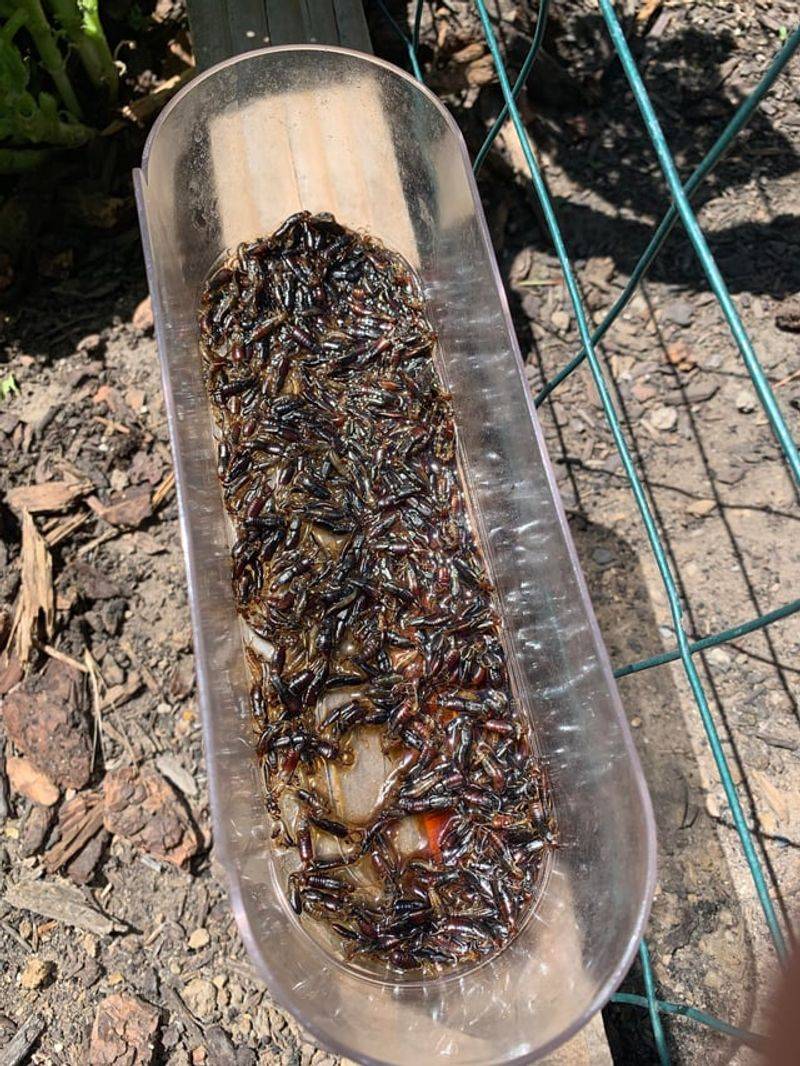
One of the most satisfying things about managing earwigs in a Michigan garden is that you do not need any harsh chemicals to do it effectively.
Simple, non-toxic traps take advantage of earwigs’ natural instinct to hide in dark, moist spaces, and they can reduce populations noticeably within just a few days of consistent use.
Rolled newspaper tubes placed near plant beds work surprisingly well. Earwigs crawl inside overnight to shelter, and in the morning you can shake them out into soapy water and reset the trap.
Cardboard tubes from paper towels work the same way. Shallow containers filled with a small amount of vegetable oil are another popular option, and earwigs that fall in cannot climb back out.
These methods are completely safe for birds, beneficial insects, and pets that may wander through your Michigan garden.
Placing traps near the base of plants you want to protect, or in spots where you have already spotted earwig activity, gives you the best results.
Check and reset traps every morning for the first week or two of April to get a real sense of how active the population is in your garden.
The more consistent you are with trapping early in the season, the fewer earwigs will be feeding on your plants as spring moves into the warmer and more productive weeks ahead.
8. Reducing Moisture And Hiding Spots Helps Control Them
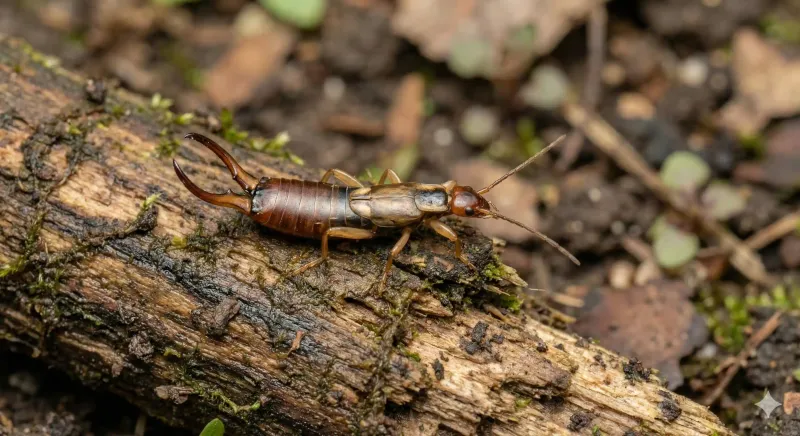
Beyond trapping, one of the most effective long-term strategies for managing earwigs in a Michigan garden is simply making the environment less welcoming for them.
Earwigs need moisture and shelter to thrive, so removing those conditions naturally pushes them away from your most important planting areas without any chemicals or complicated methods required.
Pulling back heavy mulch from around plant stems in early spring is a great starting point. Thick mulch holds moisture and warmth right at soil level, which is exactly what earwigs are looking for after a cold winter.
Spacing plants a little further apart also improves airflow and lets the soil surface dry out faster between rain events, making the ground less comfortable for earwigs to travel across during their nightly feeding runs.
Clearing away garden clutter makes a bigger difference than most Michigan gardeners expect. Old boards, stacked containers, piles of leaves, and forgotten debris all serve as perfect daytime hideouts.
Removing these items from your garden beds during April reduces the number of places earwigs can shelter, which limits how many can survive and reproduce close to your plants.
Combining good garden hygiene with regular monitoring and simple traps creates a well-rounded approach that keeps earwig populations at a manageable level throughout the entire Michigan growing season.