7 Easter Cactus Care Tips North Carolina Gardeners Swear By
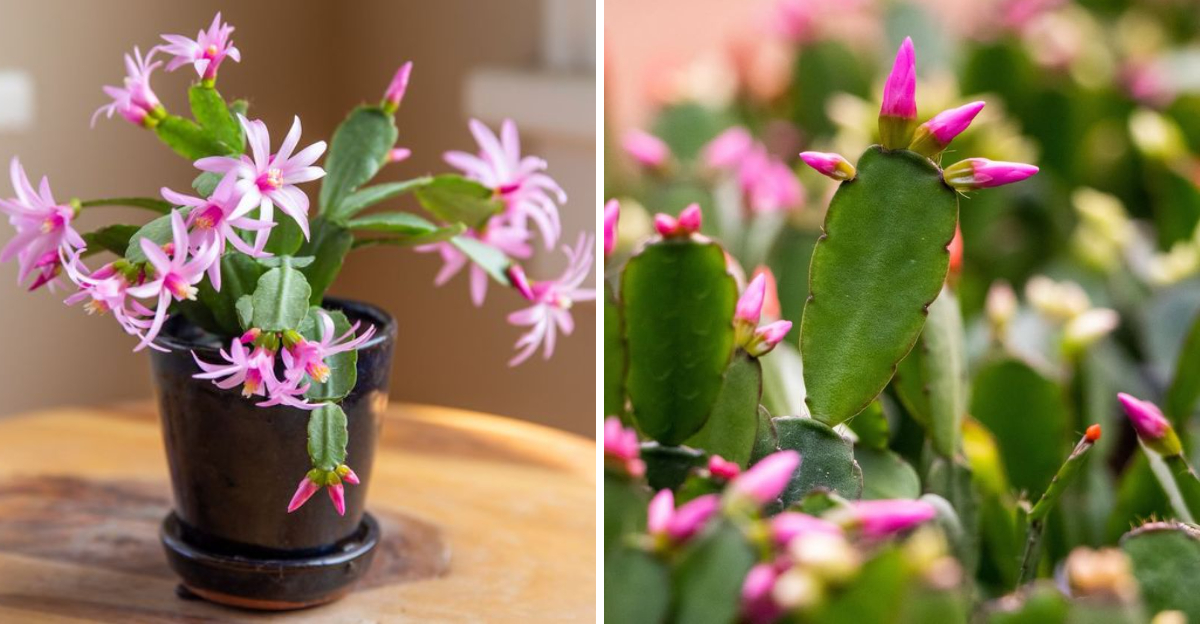
Just as spring settles into North Carolina, Easter cactus begins putting on one of the most cheerful indoor displays you can grow at home.
This compact houseplant suddenly fills with star shaped blooms that brighten windowsills and sunrooms right when the season begins to warm. For many gardeners, it becomes the highlight of their indoor plant collection each year.
Easter cactus fits surprisingly well with North Carolina’s seasonal rhythm. As daylight increases and temperatures slowly rise, the plant responds with fresh growth and colorful flowers.
Gardeners across the state often find it easier to care for than many other flowering houseplants once they understand its natural cycle.
The difference between a struggling plant and one covered in blooms often comes down to a few simple habits.
With the right care routine, Easter cactus can grow stronger every year and reward North Carolina homes with an impressive burst of spring color.
1. Give Easter Cactus Bright Indirect Light
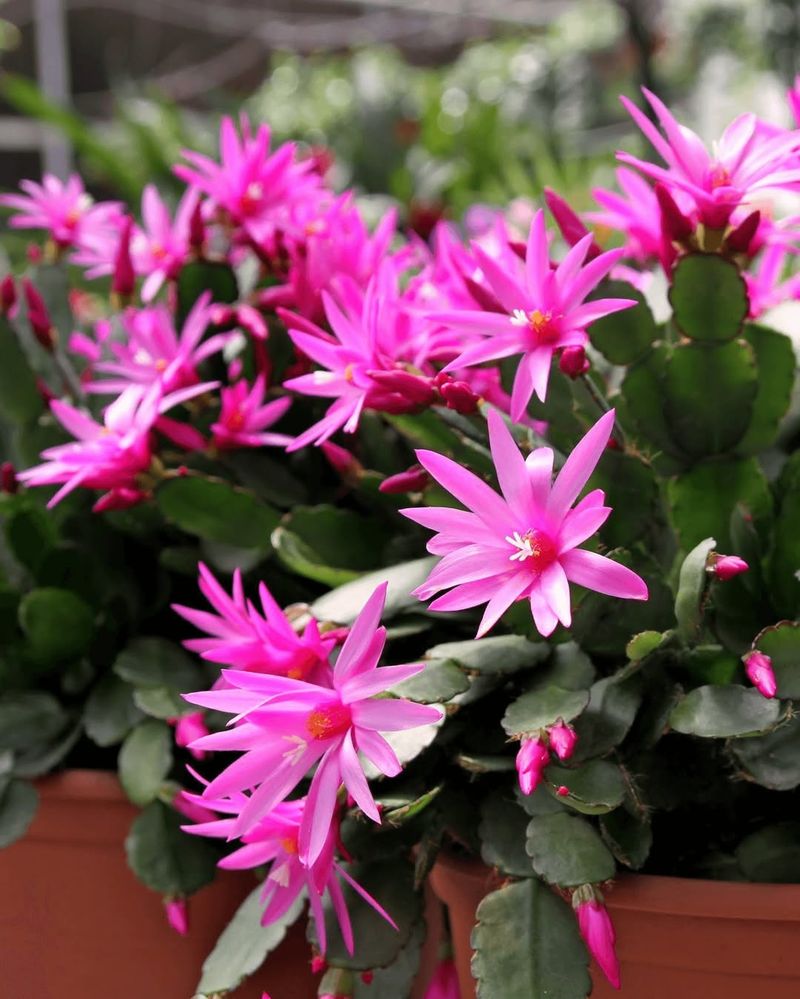
Sunlight is everything for an Easter cactus, but the wrong kind of light can do more harm than good.
This plant loves brightness without the burn, which makes placement inside your North Carolina home a key decision right from the start.
East-facing windows are a favorite among local gardeners because they offer that soft, gentle morning light the plant craves without exposing it to the harsh afternoon sun that can bleach or damage the flat, segmented stems.
North-facing windows also work really well, especially during the warmer months when sunlight intensity picks up across the Piedmont and coastal regions of North Carolina.
The goal is consistent, bright light that mimics the filtered sunlight these plants naturally receive growing beneath forest canopies in the mountains of southern Brazil.
Too little light leads to weak, stretched-out growth and fewer flower buds, so finding that sweet spot matters a lot.
Sheer curtains are a simple trick many North Carolina gardeners use to soften direct rays while still keeping the space bright and welcoming for the plant.
Rotating the pot every couple of weeks ensures all sides of the plant get equal exposure, which promotes even, balanced growth.
Once you find the right spot, your Easter cactus will reward you with lush green segments and a spectacular bloom display each spring.
2. Keep Soil Light And Well Drained
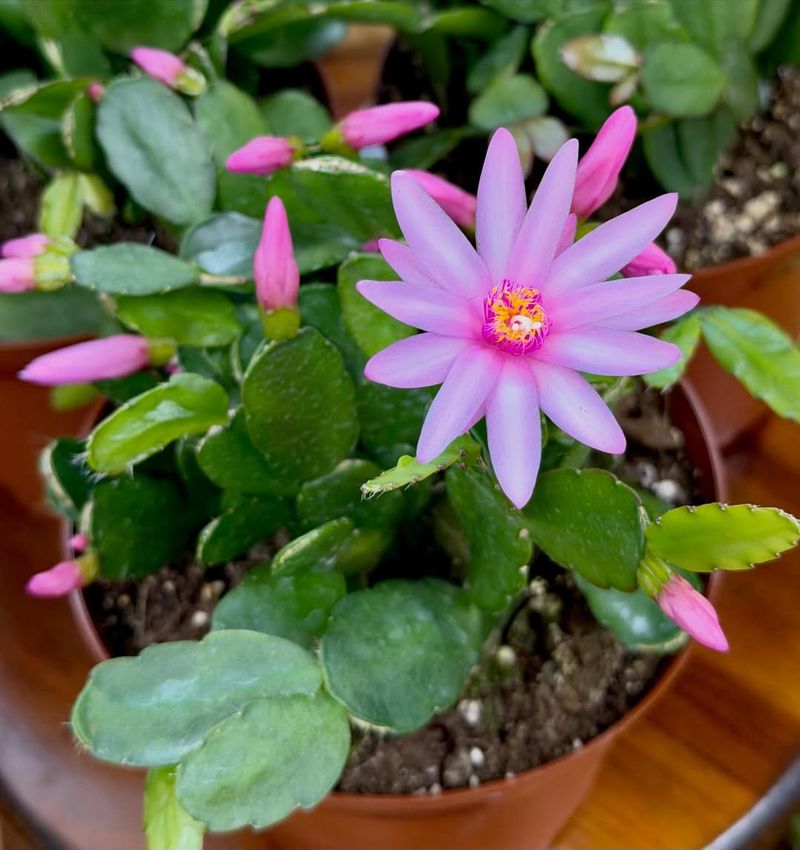
Soggy soil is one of the fastest ways to run into trouble with an Easter cactus, and North Carolina gardeners have learned this lesson well over the years.
Because the state’s humid climate already adds moisture to the air, the last thing you want is a dense, water-retaining potting mix trapping even more moisture around the roots.
A light, airy soil mix gives this plant exactly the drainage it needs to stay healthy and strong through every season.
Cactus and succulent mixes from your local garden center work beautifully as a base, but many experienced growers like to add a handful of perlite or orchid bark to improve drainage even further.
This combination keeps the roots surrounded by just enough moisture to absorb nutrients while allowing excess water to flow freely out of the drainage holes.
Think of it like giving the roots room to breathe, because that is essentially what good soil structure does.
Always choose a pot with drainage holes at the bottom, and never let your Easter cactus sit in standing water inside a decorative cache pot.
In North Carolina’s naturally humid conditions, this simple step prevents root rot before it ever starts.
Refreshing the soil every two to three years also helps maintain the right texture and nutrient balance, keeping your plant in peak condition for years of beautiful spring blooms.
3. Water When The Top Soil Dries
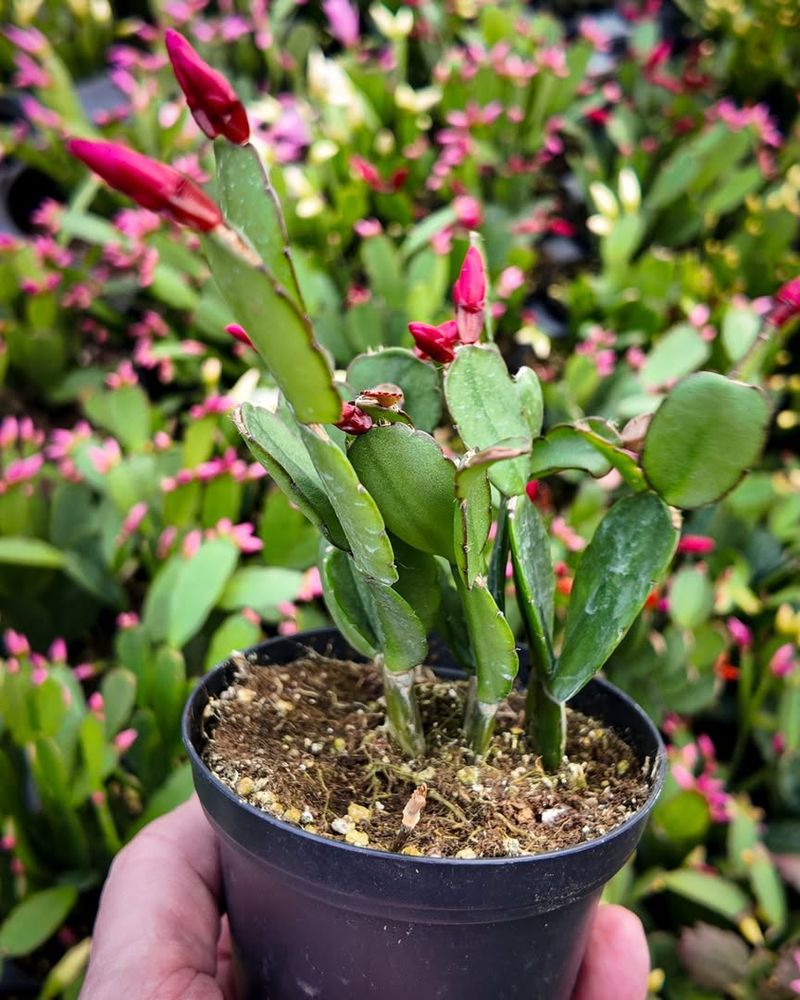
Knowing when to water your Easter cactus is honestly one of the most important skills you can develop as a plant parent.
Unlike many tropical houseplants that love consistently moist soil, Easter cactus prefers a slightly drier approach that mirrors the natural wet and dry cycles of its Brazilian mountain homeland.
The simple rule that North Carolina gardeners follow is to wait until the top inch of soil feels dry before reaching for the watering can. When you do water, do it thoroughly.
Pour water slowly and evenly across the surface of the soil until it flows freely from the drainage holes at the bottom of the pot.
This deep watering method encourages the roots to grow downward in search of moisture, building a stronger and more resilient root system over time. After watering, let the pot drain completely and never leave it sitting in a pool of water.
Overwatering is the most common mistake new Easter cactus owners make, especially during North Carolina’s warm, humid summers when the instinct to water more feels natural.
Yellowing or mushy segments are often early signs that the roots are getting too much moisture.
Cutting back on watering frequency during fall and winter, when the plant naturally slows its growth, is also a smart move that sets the plant up for a spectacular blooming season ahead.
4. Maintain Moderate Indoor Temperatures
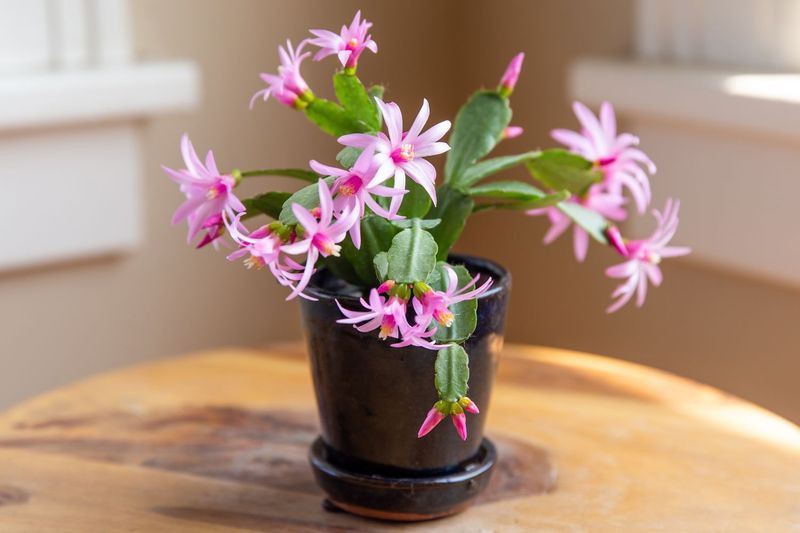
Room temperature comfort is something Easter cactus shares with most North Carolina homeowners, which makes this tip surprisingly easy to follow.
These plants grow best in temperatures ranging from about 60 degrees Fahrenheit to 75 degrees Fahrenheit, a range that matches the typical indoor climate of homes across Raleigh, Charlotte, Asheville, and everywhere in between.
That natural overlap between human comfort zones and plant preferences makes Easter cactus a genuinely low-maintenance houseplant choice. What Easter cactus does not handle well is sudden temperature swings.
Cold drafts from open windows, heat blasting from nearby vents, or the chill of an air conditioning unit blowing directly onto the plant can all trigger bud drop, which is when those carefully formed flower buds fall off before they ever open.
Bud drop is frustrating, especially after months of patient care, but it is almost always preventable by keeping the plant away from temperature extremes.
During North Carolina winters, pay special attention to windowsill temperatures, as glass can get surprisingly cold even when the room feels warm. Sliding the plant a few inches back from the window on cold nights makes a real difference.
Many local gardeners also avoid placing their Easter cactus near exterior doors that open frequently during cooler months.
Consistent, moderate temperatures throughout the year give the plant a stable environment where it can focus its energy on producing those gorgeous spring flowers.
5. Increase Humidity For Healthier Plants
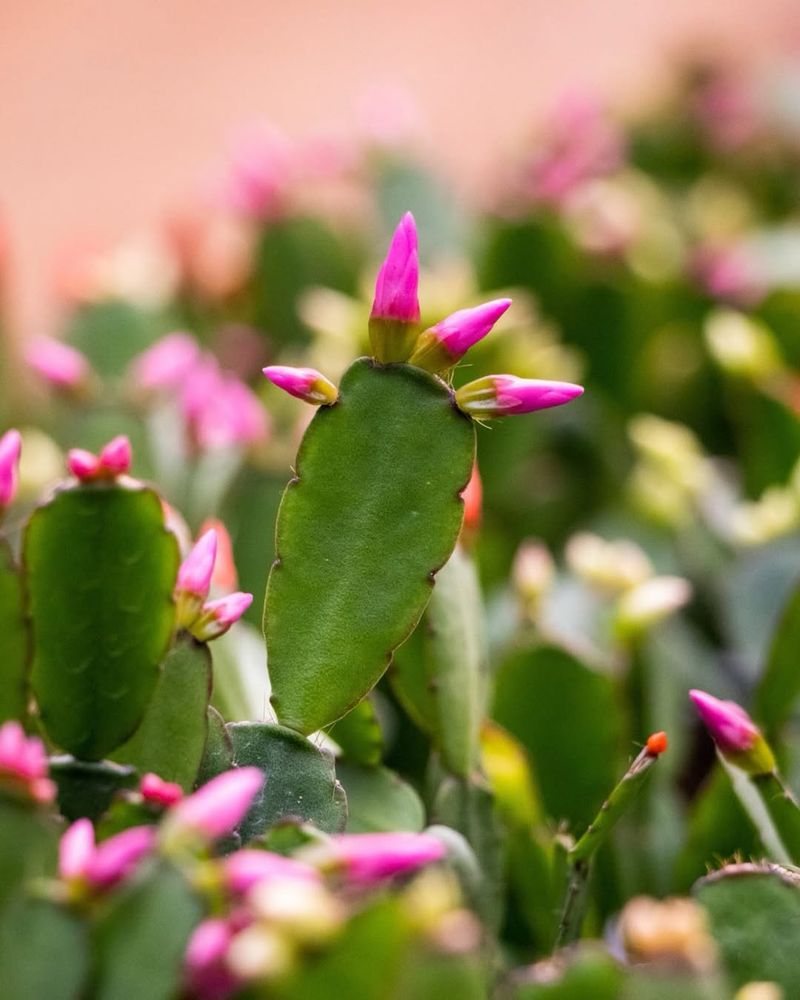
Easter cactus originally comes from the humid, cloud-draped coastal mountains of southern Brazil, where moisture in the air is practically a constant companion.
That background tells you a lot about what this plant truly enjoys, and why boosting indoor humidity can make such a visible difference in how your Easter cactus looks and grows.
North Carolina gardeners are actually in a great position here, since the state’s naturally humid climate already gives indoor plants a head start compared to drier regions.
One of the easiest ways to raise humidity around your Easter cactus is to place the pot on a shallow tray filled with small pebbles and a little water.
As the water evaporates, it creates a gentle, localized mist of humidity right around the plant without ever letting the roots sit in standing water.
Another popular method is grouping your Easter cactus together with other houseplants, since plants naturally release moisture into the air through a process called transpiration.
During the dry winter months in North Carolina, when indoor heating systems pull a lot of moisture from the air, running a small humidifier nearby can work wonders for the plant’s overall health and appearance.
Well-hydrated plants tend to have firmer, greener segments and produce more flower buds when spring approaches.
Healthy humidity levels also reduce the chance of stem shriveling, which can sometimes happen when the air inside a home gets too dry for extended periods.
6. Feed Lightly During The Growing Season
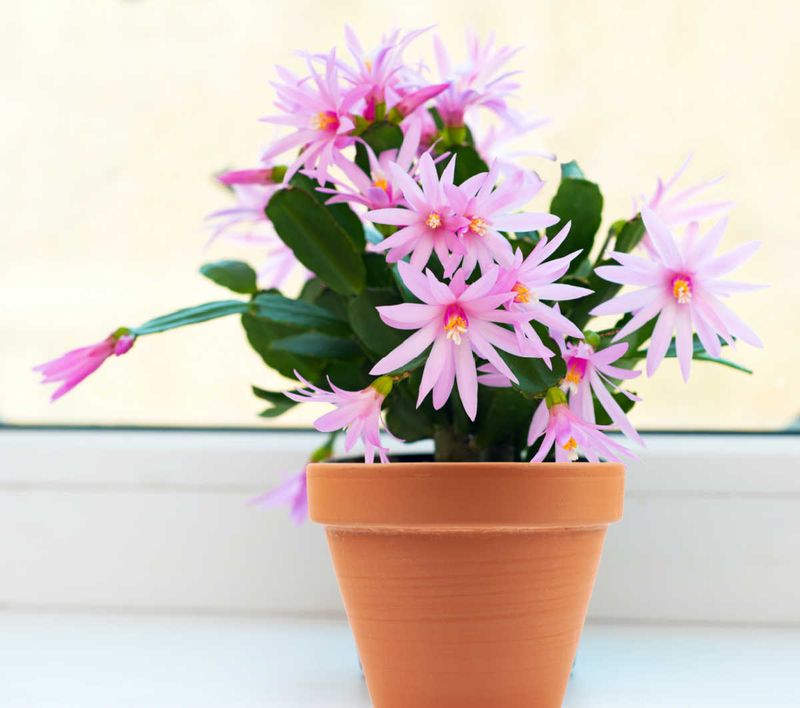
Fertilizing an Easter cactus is a bit like seasoning food. A little goes a long way, and too much can easily overwhelm what you are trying to improve.
During the active growing season, which runs through spring and into summer here in North Carolina, a light feeding schedule gives the plant the nutrients it needs to push out strong new growth and build up energy for its next round of blooms.
Most experienced local gardeners stick to a balanced, water-soluble houseplant fertilizer applied once every three to four weeks.
Diluting the fertilizer to half the recommended strength is a widely shared tip among North Carolina plant enthusiasts, because Easter cactus is sensitive to over-fertilization.
Too much fertilizer can cause salt buildup in the soil, which stresses the roots and can lead to browning at the tips of the segments.
Going lighter and more frequent is almost always better than one heavy dose, especially for container plants that cannot flush excess nutrients the way garden beds naturally do.
Once fall arrives and the plant begins its natural rest period ahead of winter, stop feeding altogether until new growth resumes in spring.
This seasonal rhythm matches what the plant experiences in the wild, and following it indoors leads to noticeably better results.
Gardeners across North Carolina who stick to this approach often report thicker, healthier foliage and a more impressive flower display when Easter morning finally rolls around each year.
7. Provide A Cool Rest Period For Spring Flowers
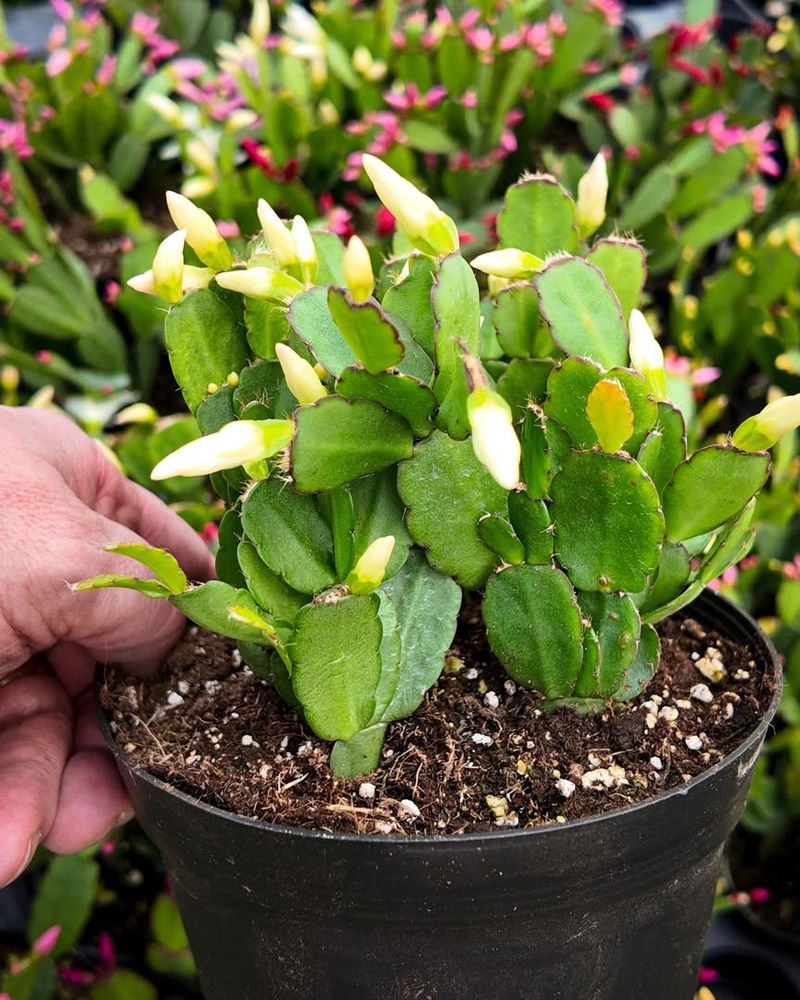
Here is something that surprises many first-time Easter cactus owners: this plant actually needs a period of cooler temperatures and slightly longer nights to trigger its stunning spring flower display.
Without that natural signal, the plant may stay green and healthy but never form a single bud.
North Carolina’s late winter climate, with its gradually cooling evenings and shortening daylight hours, lines up almost perfectly with what Easter cactus needs to shift into blooming mode.
Starting around late January or early February, moving your plant to a cooler room in the house or a bright, frost-free porch can give it exactly the right conditions to start forming buds.
Temperatures in the range of 50 to 55 degrees Fahrenheit during this rest period are ideal for encouraging bud set.
Many North Carolina gardeners use a spare bedroom, a screened porch, or even a bright garage space during this time, as long as temperatures stay safely above freezing.
Reducing watering slightly during this rest phase also helps signal to the plant that it is time to prepare for blooming rather than putting energy into new vegetative growth.
Once you start noticing small, colorful buds forming at the tips of the segments, you can move the plant back to its regular warm spot and resume normal care.
From that point on, watching those buds swell and open into brilliant spring flowers is one of the most satisfying rewards a North Carolina gardener can experience.