Easy California Gardening Tips To Get Your Yard Ready For 2026
California offers a perfect climate for year-round gardening, but getting your yard ready for 2026 means taking advantage of the right techniques at the right time.
Whether you live in sunny San Diego or foggy San Francisco, a little planning now can transform your outdoor space into a thriving oasis.
From choosing drought-tolerant plants to improving your soil health, these simple strategies will help you create a beautiful, sustainable garden that flourishes throughout the year.
Get ready to roll up your sleeves and discover how easy it can be to prepare your California yard for success in the coming season.
Choose Native Plants For Water Conservation
California natives have adapted to local conditions over thousands of years, making them incredibly resilient and easy to maintain.
Plants like California poppies, manzanita, and ceanothus thrive without much water once established, which is perfect for our dry summers.
These plants also support local wildlife, including birds, butterflies, and beneficial insects that help keep your garden healthy.
You will save money on water bills while creating a landscape that looks naturally beautiful throughout every season.
Native plants rarely need fertilizers or pesticides because they have evolved to handle local pests and soil conditions.
Visit a California native plant nursery to find species that match your specific region, whether you are in the desert, coast, or inland valleys.
Planting natives is one of the smartest moves you can make for a sustainable, low-maintenance yard.
Your garden will become a haven for pollinators and a source of pride in your neighborhood.
Many California communities even offer rebates for replacing lawns with native landscaping.
Start small with a few plants and watch how they transform your outdoor space with minimal effort.
Test And Amend Your Soil Before Planting
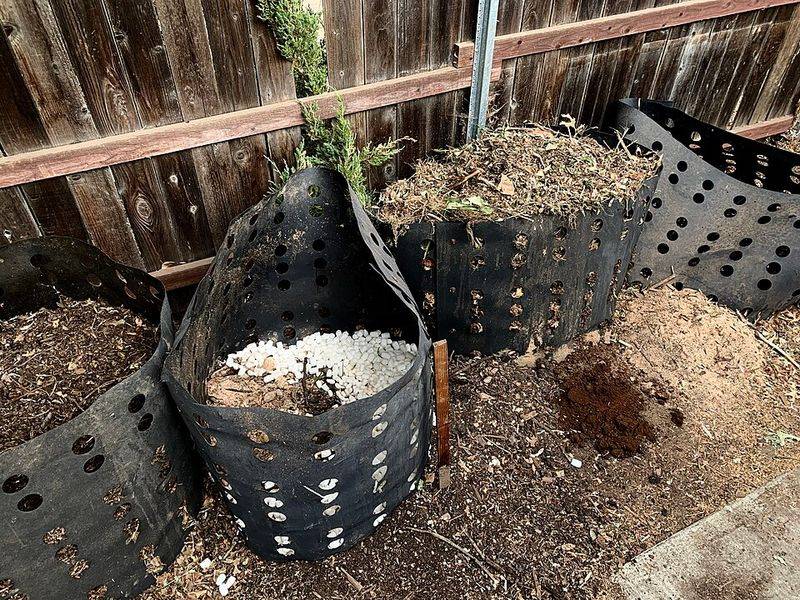
Healthy soil is the foundation of any successful garden, and knowing what your soil needs can make all the difference in plant growth.
California soils vary widely from clay-heavy earth to sandy loam, and each type requires different amendments.
A simple soil test kit from your local garden center or cooperative extension will reveal pH levels and nutrient deficiencies.
Most vegetables and flowers prefer slightly acidic to neutral soil, so you might need to add lime or sulfur to adjust the balance.
Organic matter like compost or aged manure improves soil structure, helping it retain moisture and drain properly at the same time.
Adding compost also feeds beneficial microorganisms that break down nutrients for your plants to absorb easily.
If your soil is too sandy, compost helps it hold water better during hot California summers.
Clay soils benefit from compost too, as it breaks up dense particles and improves root penetration.
Plan to amend your soil in late winter or early spring before the main planting season begins.
Healthy, well-balanced soil means stronger plants that resist pests and diseases naturally.
Install A Drip Irrigation System To Save Water
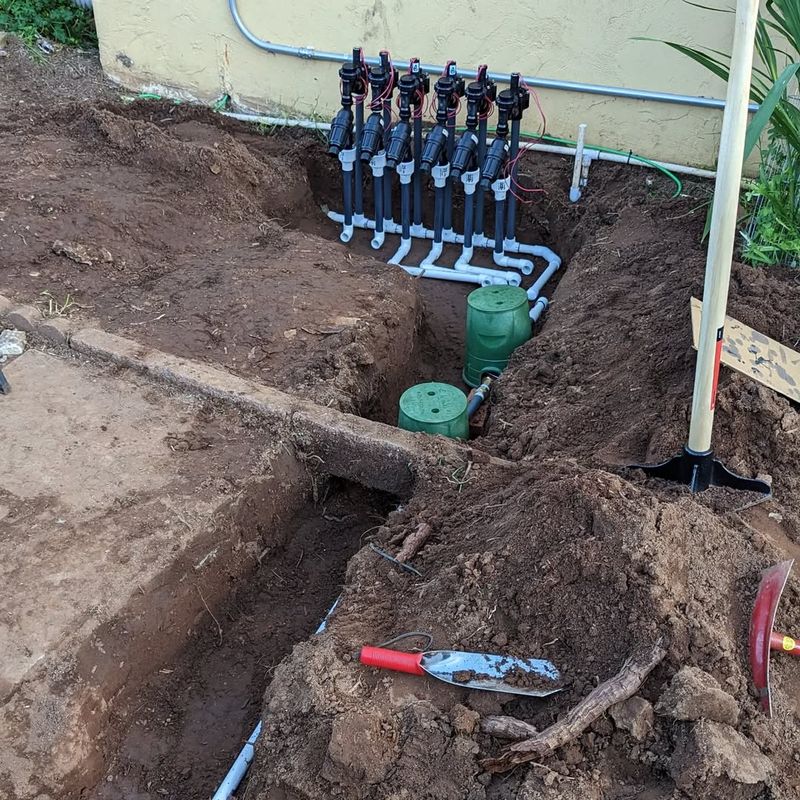
Drip irrigation delivers water directly to plant roots, reducing waste and ensuring every drop counts in our water-conscious state.
Unlike sprinklers that lose water to evaporation and runoff, drip systems work slowly and efficiently to keep soil consistently moist.
You can set up a basic drip system yourself using kits available at hardware stores, and many come with timers for automatic watering.
This method is especially useful for vegetable gardens, flower beds, and shrubs that need regular moisture without overwatering.
California regulations encourage water-efficient irrigation, and some areas offer rebates for installing drip systems in residential yards.
Drip irrigation also reduces weed growth because water goes only where you want it, not across the entire yard surface.
Plants watered with drip systems tend to develop deeper root systems, making them more drought-tolerant over time.
You will notice healthier plants and lower water bills within the first few months of installation.
Maintenance is simple—just check for clogged emitters occasionally and adjust the flow as plants grow.
Investing in drip irrigation is a smart, eco-friendly choice that pays off year after year in California gardens.
Mulch Generously To Retain Moisture And Control Weeds
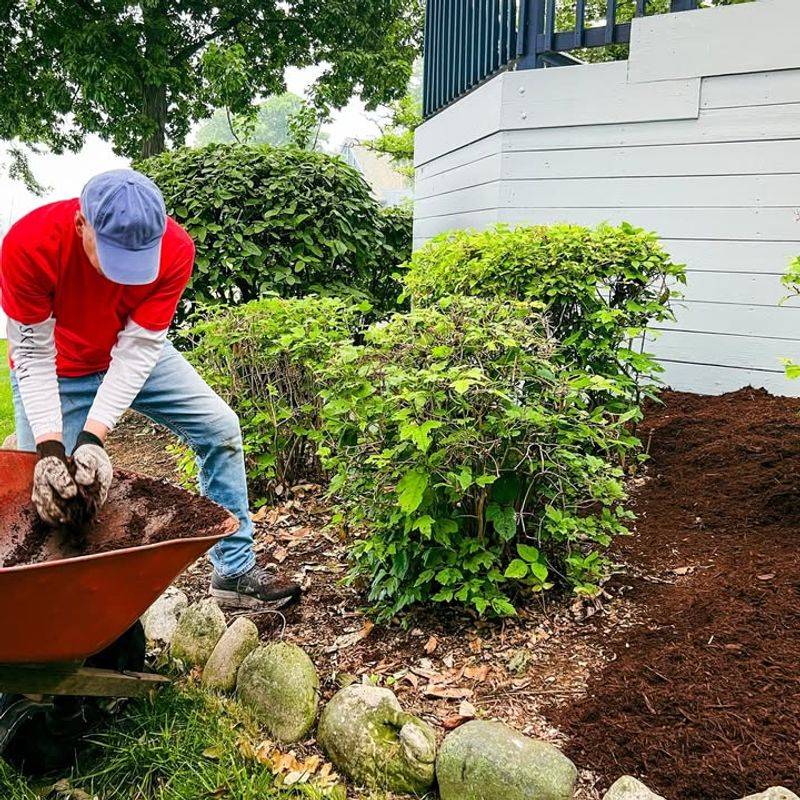
Mulch acts like a protective blanket for your soil, keeping moisture in and temperatures stable even during California’s hottest months.
Organic mulches like wood chips, straw, or shredded leaves break down over time, adding valuable nutrients back into the earth.
A layer of two to four inches is ideal for most garden beds, but keep mulch a few inches away from plant stems to prevent rot.
Weeds struggle to grow through thick mulch, which means less time spent pulling them and more time enjoying your garden.
Mulch also prevents soil from washing away during winter rains, protecting your valuable topsoil from erosion.
In California, where water conservation is essential, mulch can reduce watering needs by up to fifty percent.
Choose mulch materials that suit your garden style—wood chips for pathways, compost for vegetable beds, or decorative bark for ornamental areas.
As mulch decomposes, it feeds earthworms and beneficial microbes that improve soil health naturally.
Refresh your mulch layer once or twice a year to maintain its effectiveness and keep your garden looking neat.
Mulching is one of the easiest and most rewarding steps you can take for a thriving California yard.
Prune Trees And Shrubs During Dormant Season
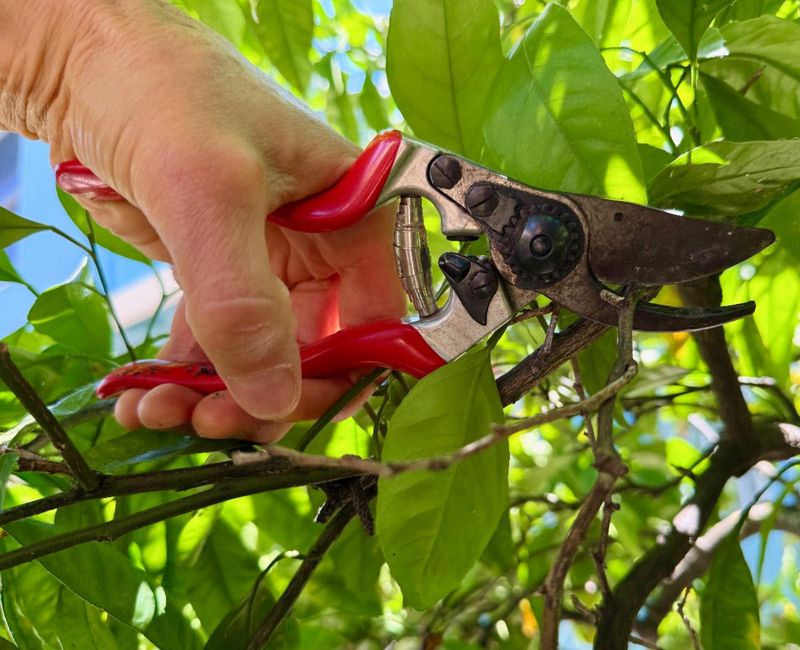
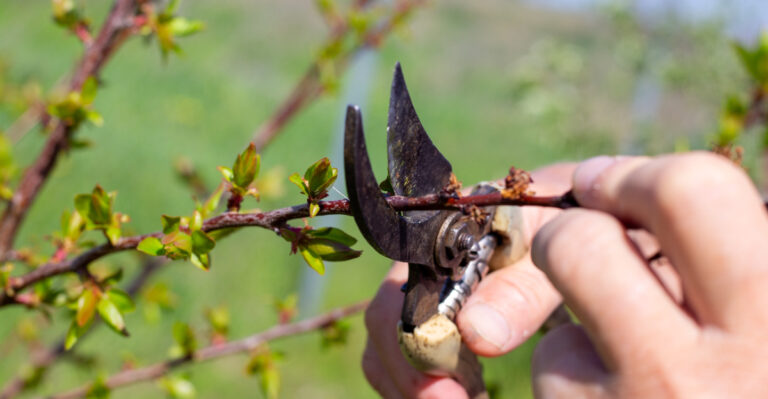
Winter is the perfect time to prune most trees and shrubs in California because plants are dormant and less likely to experience stress.
Pruning removes damaged, diseased, or crossing branches, which improves air circulation and reduces the risk of fungal infections.
Fruit trees especially benefit from winter pruning, as it encourages strong growth and better fruit production in the coming season.
Always use clean, sharp tools to make smooth cuts that heal quickly and avoid tearing the bark.
Remove no more than one-third of a plant’s total growth in a single season to avoid shocking the plant.
Shaping your shrubs and trees now will give them a neat appearance and promote healthier, more vigorous growth in spring.
Some California natives like manzanita and ceanothus require minimal pruning, so research each plant’s specific needs before cutting.
Avoid pruning spring-blooming plants like lilacs until after they flower, or you will cut off this year’s buds.
Dispose of diseased branches properly to prevent spreading pathogens to healthy plants.
Pruning may seem intimidating at first, but with practice, it becomes a satisfying way to shape and care for your California landscape.
Plant Cool-Season Vegetables For Early Harvests
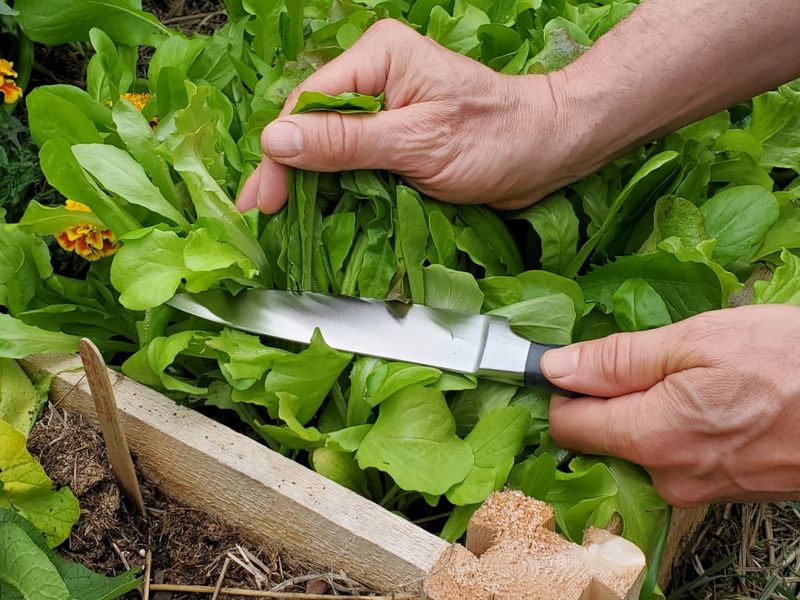
California’s mild winters allow you to grow delicious vegetables like lettuce, broccoli, and peas when most of the country is frozen solid.
Cool-season crops thrive in temperatures between forty and seventy degrees, making fall through spring the ideal planting window.
Start seeds indoors in late summer or direct-sow them in garden beds once temperatures begin to cool down.
These vegetables mature quickly, often providing harvests within sixty to ninety days, so you can enjoy fresh produce well before summer arrives.
Leafy greens like spinach, arugula, and chard are especially easy to grow and tolerate light frosts without damage.
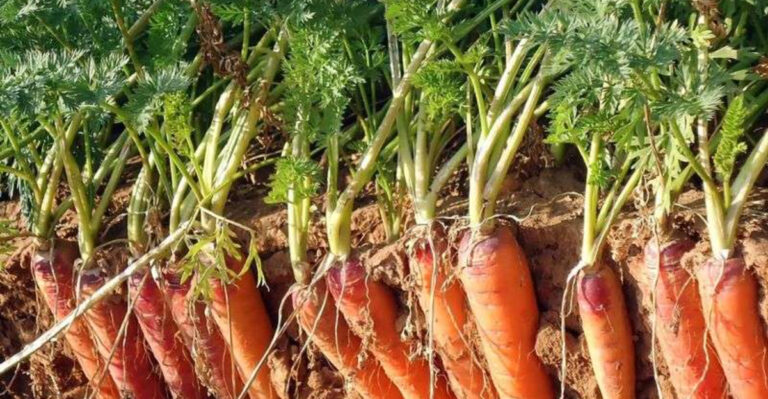
Root vegetables such as carrots, radishes, and beets also do well in California’s cooler months and taste sweeter after a light chill.
Protect young plants from occasional cold snaps with row covers or cloches, which trap warmth and extend the growing season.
Cool-season gardening keeps your yard productive year-round and reduces your grocery bills with homegrown, organic vegetables.
Rotate your crops each season to prevent soil depletion and reduce pest problems naturally.
With a little planning, your California garden can feed your family fresh, healthy food throughout the entire year.
Add Compost Regularly To Boost Soil Fertility
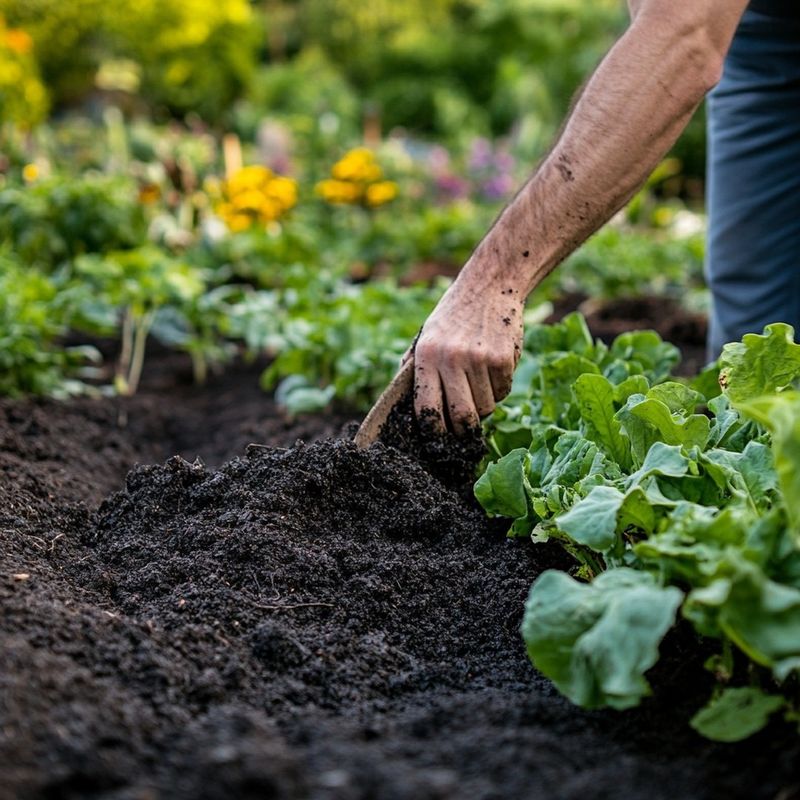
Compost is often called black gold by gardeners because it transforms poor soil into a nutrient-rich growing medium almost like magic.
You can make your own compost from kitchen scraps, yard waste, and grass clippings, or buy it from local suppliers in California.
Adding a few inches of compost to your beds each season improves soil structure, drainage, and water retention all at once.
Compost feeds beneficial bacteria, fungi, and earthworms that break down organic matter and release nutrients plants can absorb easily.
Unlike chemical fertilizers that provide a quick burst of nutrients, compost releases them slowly over time for steady, healthy plant growth.
Spread compost around the base of trees, shrubs, and perennials, or mix it into vegetable beds before planting.
California soils, especially in coastal and inland areas, often lack organic matter, so regular compost applications make a huge difference.
Composting also reduces the amount of waste you send to landfills, making it an eco-friendly choice for your household.
Even a small compost bin or tumbler can produce enough material to enrich several garden beds throughout the year.
Your plants will reward you with vibrant growth, bigger blooms, and tastier vegetables when you feed them with compost regularly.
Control Pests Naturally With Beneficial Insects
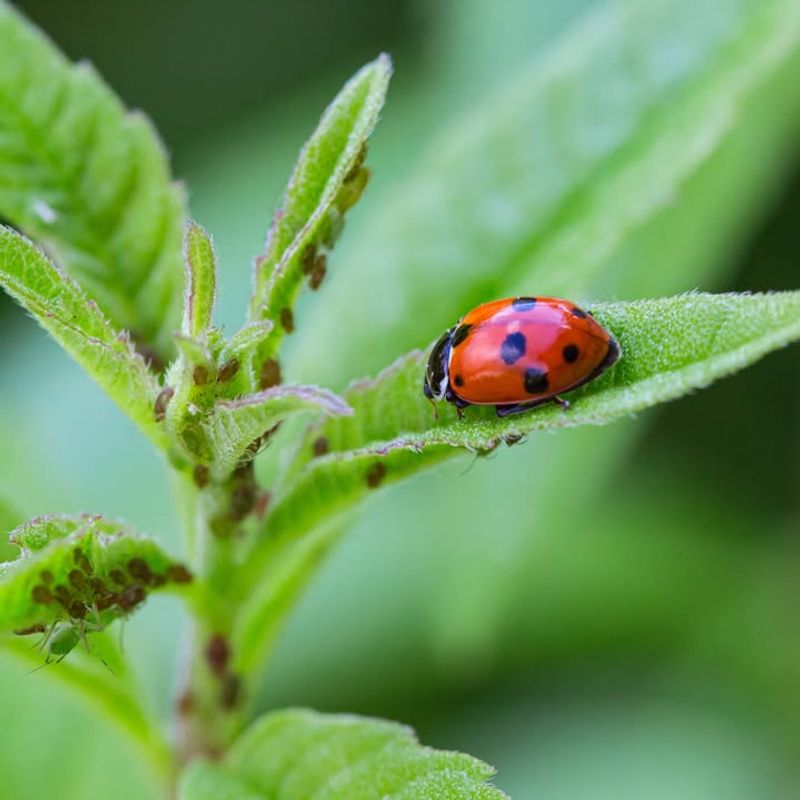
Beneficial insects like ladybugs, lacewings, and predatory wasps are nature’s pest control team, working for free in your California garden.
These helpful bugs feed on aphids, caterpillars, and other pests that damage plants, reducing the need for chemical sprays.
You can attract beneficial insects by planting flowers like yarrow, alyssum, and fennel, which provide nectar and pollen for adult insects.
Avoid using broad-spectrum pesticides that harm both good and bad bugs, disrupting the natural balance in your yard.
If pest problems are severe, you can purchase beneficial insects online or from garden centers and release them into your garden.
Ladybugs are especially effective against aphids, while lacewing larvae devour soft-bodied pests like whiteflies and spider mites.
Creating a diverse garden with a variety of plants encourages a healthy ecosystem where beneficial insects thrive naturally.
Provide water sources like shallow dishes with pebbles so beneficial insects can drink without drowning.
Mulch and ground covers offer shelter for beetles and spiders that hunt pests at night.
By working with nature instead of against it, you will enjoy a healthier, more balanced California garden that stays pest-free naturally.
Plan For Year-Round Color With Seasonal Blooms
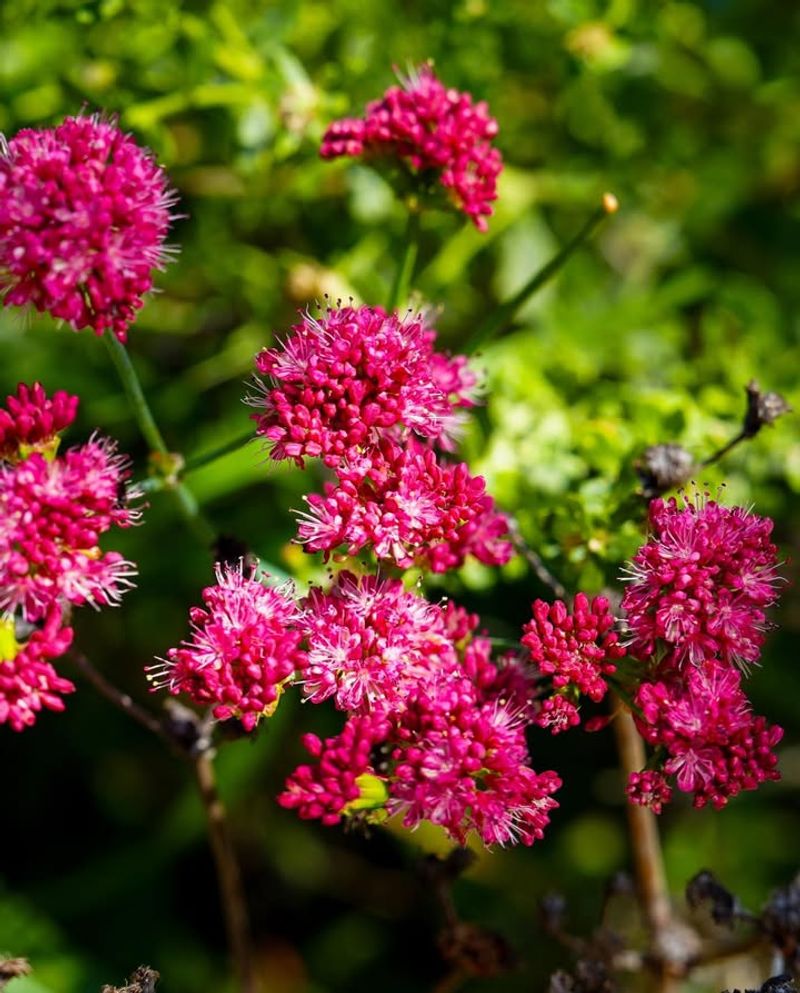
California’s diverse climate zones allow you to enjoy blooms in every season if you choose the right combination of plants.
Spring brings poppies, lupines, and wildflowers that paint the landscape in vibrant oranges, purples, and yellows.
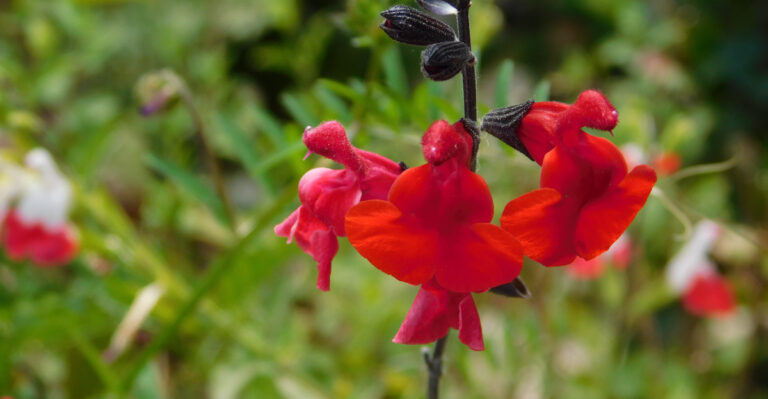
Summer favorites like lavender, salvia, and sunflowers thrive in the heat and attract pollinators to your yard.
Fall offers asters, chrysanthemums, and ornamental grasses that add texture and warm tones as temperatures cool.
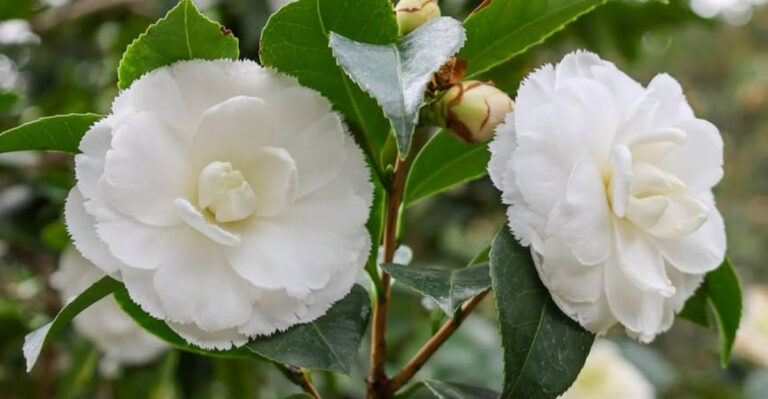
Even in winter, California gardeners can enjoy camellias, pansies, and cyclamen that bloom when other plants rest.
Plan your garden by researching bloom times for each plant and staggering plantings to ensure continuous color.
Perennials return year after year, while annuals provide quick bursts of color that you can change each season.
Group plants with similar water and sunlight needs together to simplify care and maximize their beauty.
Deadhead spent flowers regularly to encourage more blooms and keep your garden looking fresh and tidy.
With thoughtful planning, your California yard can be a stunning display of color and life throughout the entire year.
Create Shade Structures For Sensitive Plants
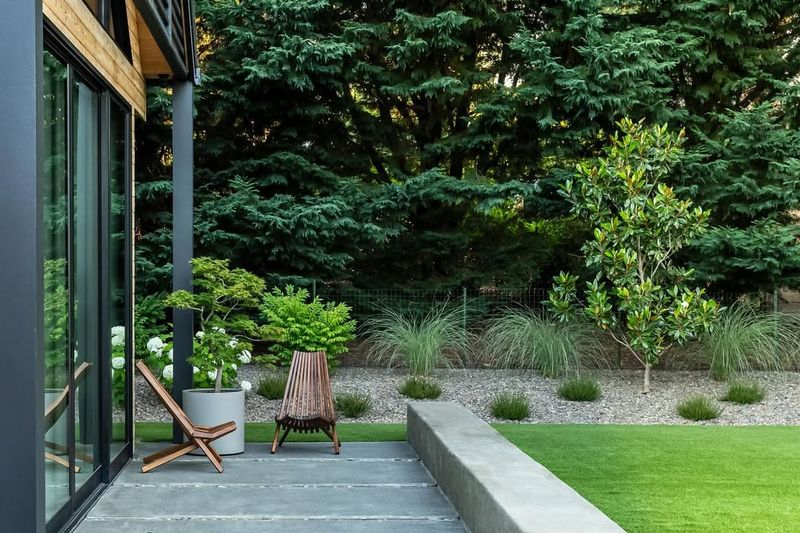
California summers can be brutal, with intense sun and high temperatures that stress even heat-tolerant plants.
Shade structures like pergolas, shade cloth, or strategically placed trees protect sensitive plants from scorching afternoon rays.
Vegetables like lettuce, spinach, and cilantro bolt quickly in full sun, but they thrive under partial shade during hot months.
Shade cloth comes in different densities, allowing you to customize the amount of light your plants receive.
Hanging shade cloth over raised beds or using it to cover hoops creates a cooler microclimate that extends the growing season.
Trees and tall shrubs provide natural shade and also cool the surrounding area through evapotranspiration.
Position shade structures on the south or west side of your garden where the sun is strongest during peak afternoon hours.
Container plants can be moved to shadier spots during heat waves, giving you flexibility to protect your investment.
Shade not only protects plants but also makes your garden more comfortable for you to work in during hot California days.
With the right shade solutions, you can grow a wider variety of plants and keep your garden productive even in the height of summer.
Prepare For Fire Season With Defensible Space

Wildfires are a serious concern in many parts of California, making it essential to create defensible space around your home and garden.
Clear dry brush, leaves, and flammable debris from areas within thirty feet of structures to reduce fire risk.
Choose fire-resistant plants like succulents, California fuchsia, and rockrose that retain moisture and are less likely to ignite.
Keep trees and shrubs well-spaced so flames cannot jump easily from one plant to another.
Remove lower branches from trees to prevent ground fires from climbing into the canopy.
Store firewood, propane tanks, and other flammable materials at least thirty feet away from your house.
Use gravel, stone mulch, or decomposed granite in areas close to buildings instead of wood chips or bark that can fuel fires.
Regularly water your landscape to keep plants hydrated and less susceptible to burning.
Install spark arresters on chimneys and vents to prevent embers from entering your home.
Creating defensible space not only protects your property but also gives firefighters a safer area to work if a wildfire threatens your California neighborhood.
Harvest Rainwater To Supplement Irrigation Needs
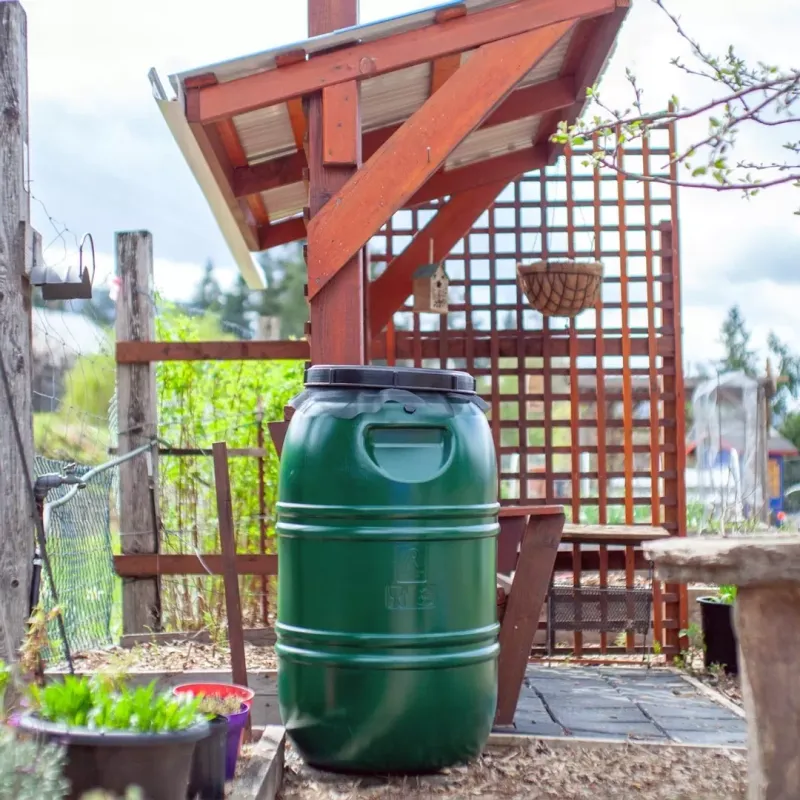
Rainwater harvesting is a smart way to capture free water during California’s rainy season and use it when dry months arrive.
Installing rain barrels under downspouts collects runoff from your roof, providing gallons of water for your garden.
Rainwater is naturally soft and free of chlorine, making it ideal for watering plants and healthier than treated tap water.
Even in areas with limited rainfall, a few good storms can fill several barrels that last through weeks of dry weather.
Use collected rainwater for container plants, vegetable gardens, and ornamental beds to reduce your dependence on municipal water supplies.
Many California communities offer rebates or incentives for installing rainwater collection systems in residential yards.
Add a spigot to your rain barrel for easy access, and elevate it on a platform to create water pressure for hoses.
Cover barrels with screens to keep out mosquitoes, debris, and animals while allowing water to flow in freely.
Connect multiple barrels together to increase storage capacity and maximize your rainwater harvest.
Harvesting rainwater is an eco-friendly practice that conserves resources and keeps your California garden thriving sustainably throughout the year.