Easy Edible Flowers To Grow In California This Spring
Spring in California often starts quietly and then shifts fast. A few warm days, longer evenings, and suddenly gardens begin to fill in with new growth.
Many homeowners find themselves looking for something a little different to plant alongside their usual flowers.
Edible flowers bring a mix of color and purpose, especially in a climate where many varieties grow with little effort. California’s mild spring temperatures make it possible to get them established early, whether in garden beds or simple containers near the kitchen.
Some of these flowers are more versatile than they first appear, and once they begin blooming, they tend to find their way into more than just the garden.
1. Nasturtium With Peppery Edible Blooms
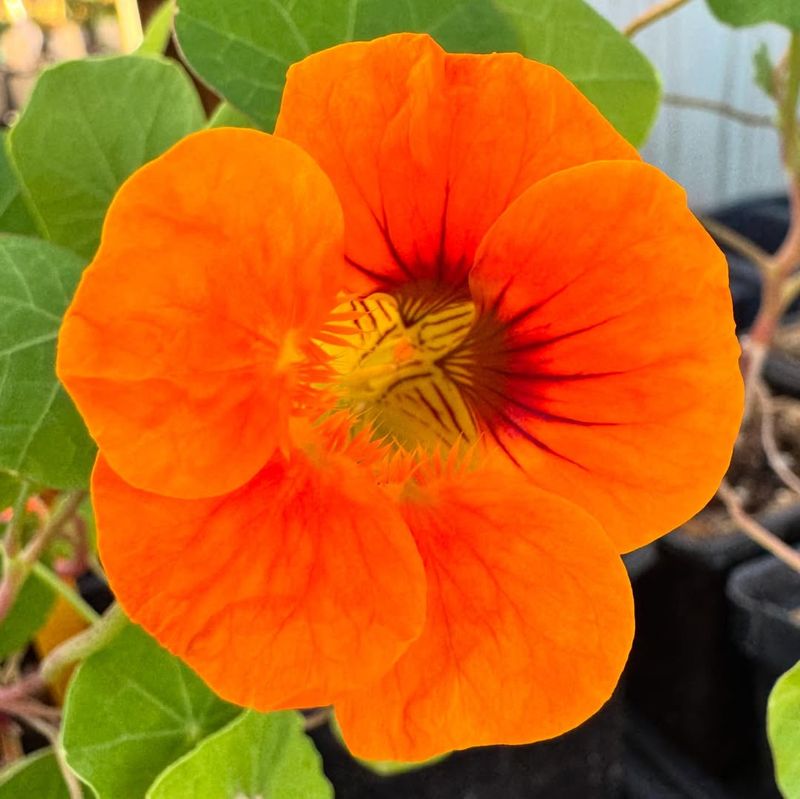
If you have never grown edible flowers before, nasturtiums are hands down the best place to start. These cheerful blooms come in shades of orange, red, and yellow, and they have a bold, peppery flavor that tastes a lot like watercress.
Toss a few petals into your next salad and watch everyone at the table do a double take.
One of the best things about nasturtiums is how little they ask of you. They actually prefer poor soil over rich, fertilized dirt, which means less work for you and more blooms for your garden.
In California, they grow happily in full sun but can handle some afternoon shade during the hotter months, especially inland.
Both the flowers and the leaves are completely edible, making this plant one of the most versatile options you can grow. The seeds can even be pickled and used as a substitute for capers, which is a fun little trick worth trying.
Plant seeds directly in the ground after the last frost, and you will see sprouts within a week or two.
Nasturtiums are often used as trap crops and may attract aphids away from nearby plants, though results can vary depending on garden conditions. That makes them a smart companion plant in any California spring garden.
Water them moderately, avoid overfeeding, and they will reward you with weeks of colorful, flavorful blooms that look just as good on a plate as they do in the garden bed.
2. Calendula With Mild Golden Petals
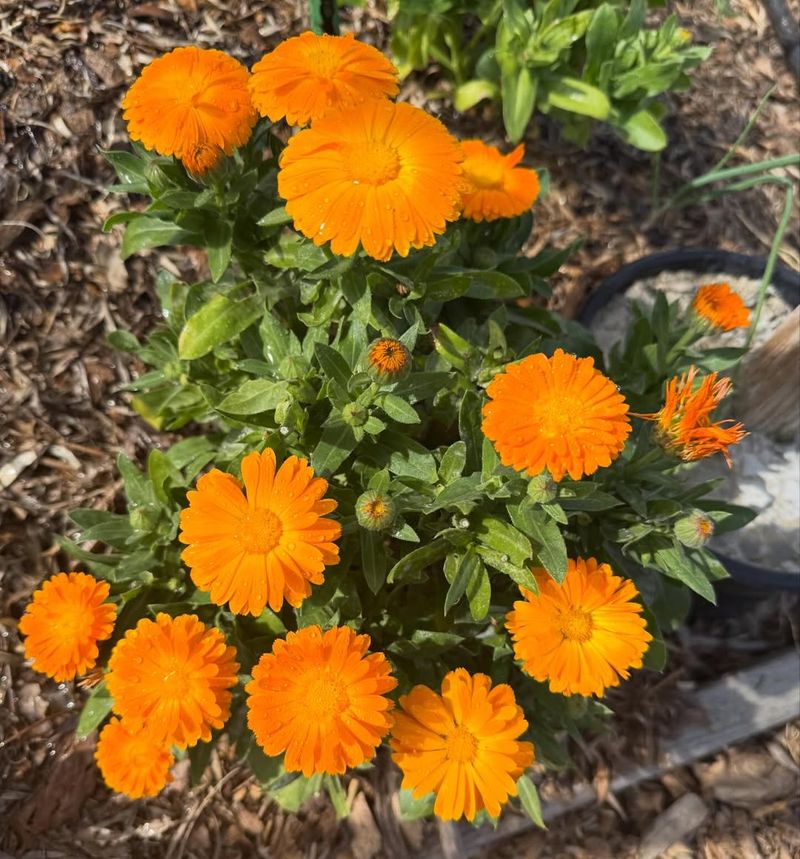
Walk into almost any California farmers market in spring and you are likely to spot a bundle of calendula, also known as pot marigold, sitting right up front. These sunny, daisy-like blooms have been used in cooking and herbal medicine for centuries, and their mildly tangy, slightly bitter petals can brighten up everything from soups to teas to homemade butter.
Calendula is a cool-season flower that absolutely loves California’s mild spring temperatures. It grows best in full sun but can handle a bit of shade without complaining.
Once established, calendula can tolerate short dry periods, though it performs best with consistent moisture.
Historically, calendula petals were used as a budget-friendly substitute for saffron, earning the nickname “poor man’s saffron.” Sprinkle the dried petals over rice or pasta and you get a gorgeous golden color with a subtle earthy flavor. Fresh petals work beautifully as a garnish on cakes or mixed into cream cheese for a fancy, flavorful spread.
Starting calendula from seed is easy and affordable. Sow seeds directly into well-draining soil in early spring, and you should see flowers within about six to eight weeks.
Deadhead spent blooms regularly to encourage continuous flowering throughout the season. Across California, from San Diego to Sacramento, calendula thrives with minimal fuss and delivers maximum color and flavor all spring long.
3. Borage With Cool Cucumber Flavor
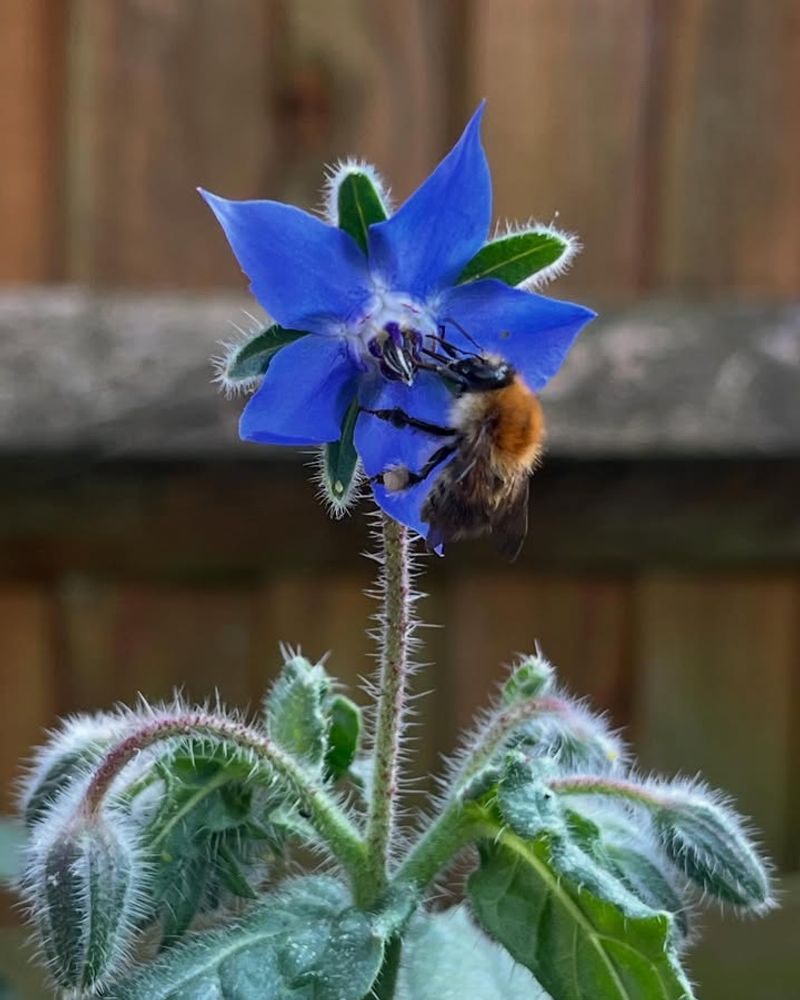
There is something almost magical about borage. The moment those tiny, star-shaped blue flowers open up, they look like something straight out of a fairy tale.
But beyond their looks, these blooms have a surprisingly refreshing cucumber-like flavor that makes them a perfect addition to lemonade, cocktails, and fresh summer salads.
Borage is one of those plants that practically grows itself. It thrives in full sun with well-draining soil and becomes quite drought-tolerant once it gets going, which is great news for California gardeners who deal with dry spells in the spring.
It also self-seeds generously, meaning once you plant it, you may find it coming back on its own year after year.
Pollinators absolutely adore borage. Bees, in particular, are drawn to its bright blue flowers, which makes it an excellent companion plant for vegetables and fruits that need pollination to produce.
Planting borage near crops like tomatoes or squash may help attract pollinators, which can support overall garden productivity.
Did you know borage has been used since ancient times as a mood booster? Old herbal texts from Europe claimed it could “cheer the heart,” and while modern science is still catching up, there is no denying that a garden full of these striking blue flowers puts a smile on your face.
Freeze a few blossoms in ice cubes for a showstopping garnish in your next glass of sparkling water.
4. Viola With Light Sweet Taste
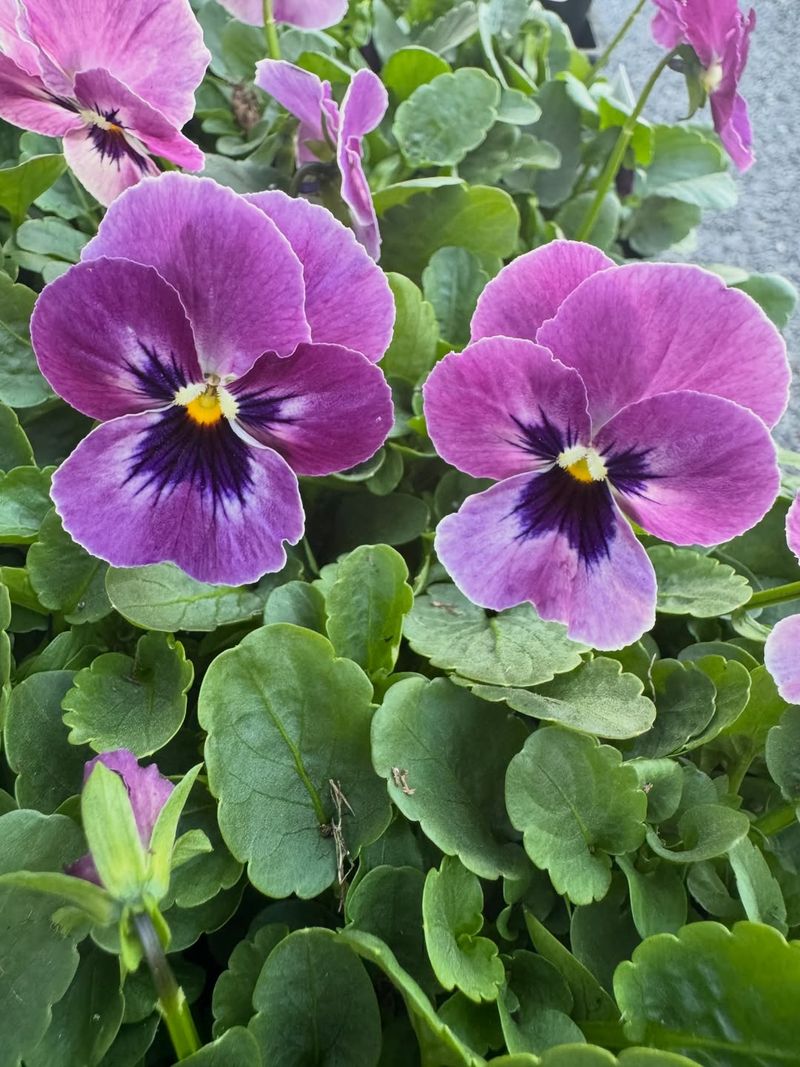
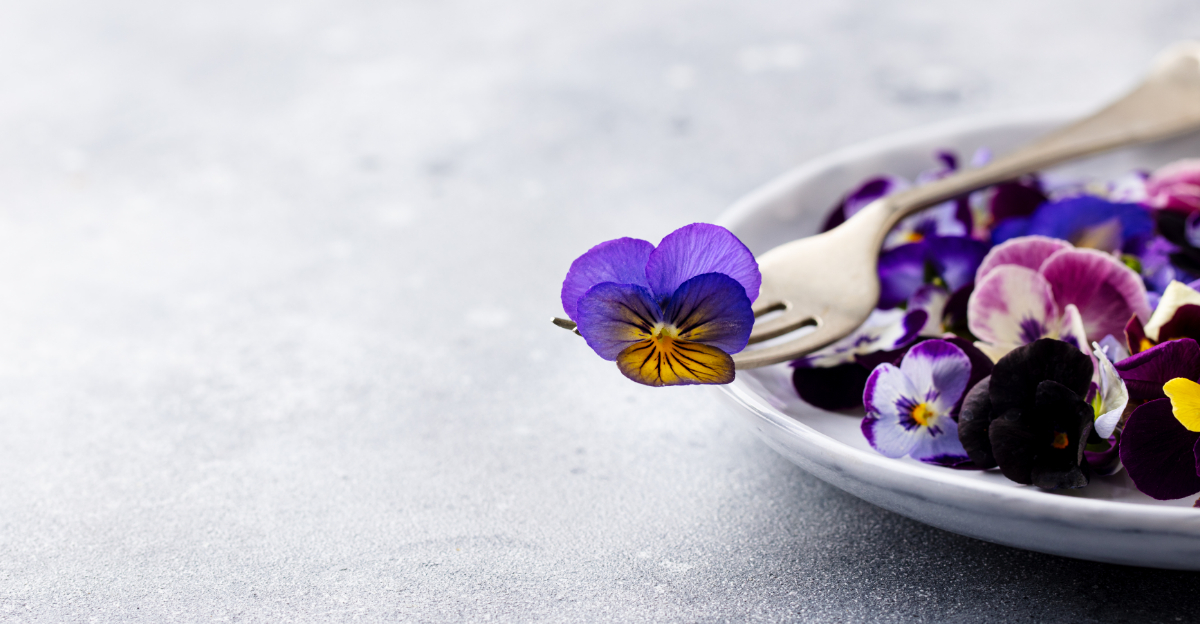
Violas are the understated gems of the edible flower world. Their petals come in gorgeous combinations of purple, white, yellow, and cream, and they have a mild, lightly sweet flavor that works beautifully in desserts, salads, and even homemade syrups.
Pressing viola blossoms between the pages of a book and then using them to decorate a cake is a creative project that kids and adults both enjoy.
Cool temperatures are where violas really shine, which makes them ideal for California’s early spring season before the heat sets in. They prefer well-draining soil and can handle partial shade, making them a flexible option for gardens that do not get full sun all day.
In coastal areas of California, violas can often be grown well into late spring without any trouble at all.
These flowers contain small amounts of vitamins such as A and C, though they are typically eaten in small quantities. Add a handful of fresh viola petals to a green salad for a pop of color and a gentle, floral note that balances out stronger flavors like arugula or radicchio.
Planting violas from transplants is the quickest way to get blooms, though starting from seed works fine with a little patience. Space them about six inches apart in your garden bed or container, water them consistently, and pinch back any leggy stems to encourage bushier, fuller growth.
Across California, violas are a springtime staple that never goes out of style.
5. Chamomile With Tea Ready Flowers
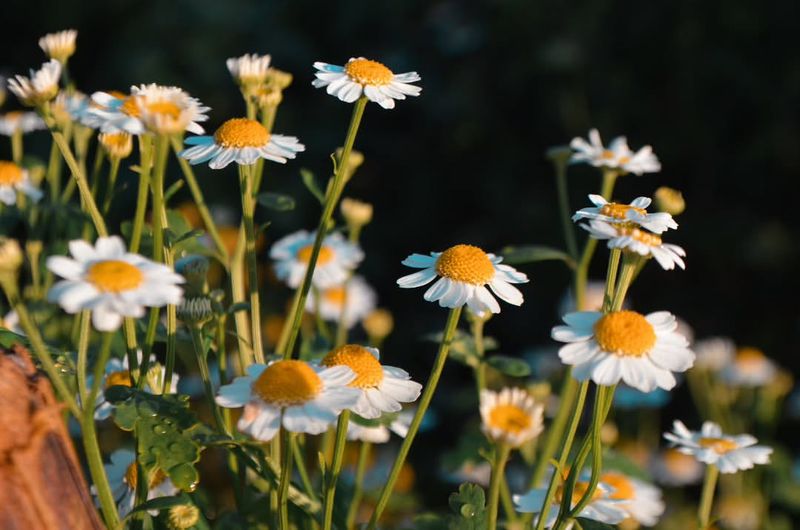
Most people know chamomile as a bedtime tea, but growing your own fresh chamomile in a California spring garden takes this plant to a whole new level. The tiny, daisy-like flowers have a sweet, apple-like scent and flavor that is gentle and soothing in the best possible way.
Brew a handful of fresh blooms into hot water and you get a gentle, soothing tea that many people enjoy.
German chamomile is the most commonly grown variety for culinary use, and it is wonderfully easy to grow from seed. Scatter seeds over loose, well-draining soil in a sunny spot and press them lightly into the surface without covering them, since they need light to germinate.
In California’s mild spring weather, seedlings usually appear within one to two weeks.
Beyond tea, chamomile flowers can be used to flavor baked goods, infuse honey, or even make a floral simple syrup that elevates homemade lemonade. The petals also pair surprisingly well with fresh strawberries and cream, giving a classic dessert a sophisticated, garden-fresh twist that feels very California.
Chamomile grows quickly and blooms abundantly, so you will have plenty to harvest throughout the season. Pick flowers in the morning when they are fully open for the best flavor and aroma.
Dry any extras by spreading them on a clean towel in a warm, airy spot, and store them in a sealed jar for up to a year. It is a simple, satisfying process that makes you feel genuinely connected to what you are growing.
6. Johnny Jump Up With Colorful Blooms
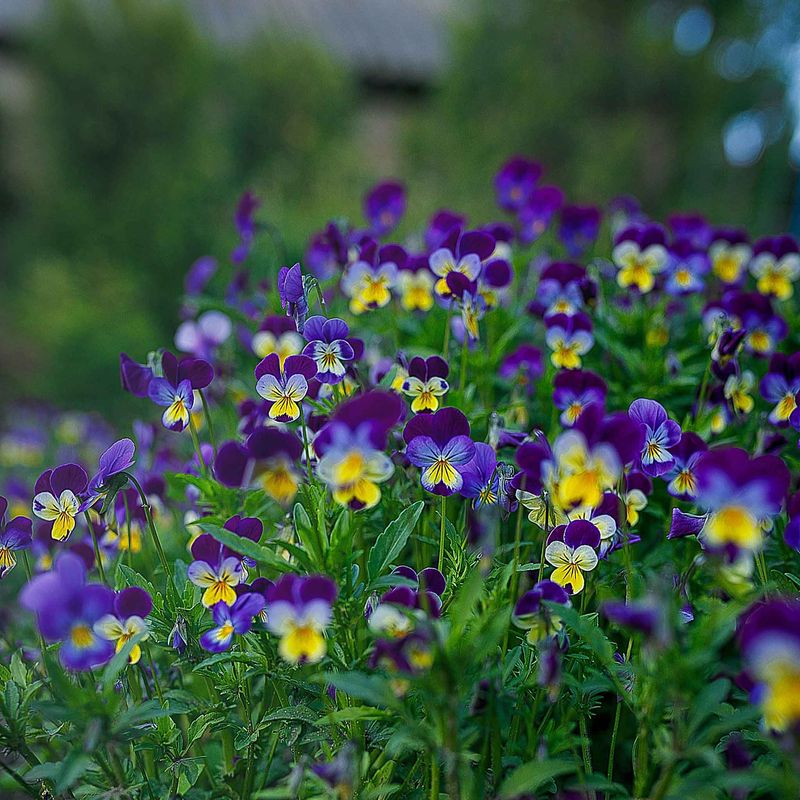
Meet the wildly cheerful Johnny Jump Up, the tiny cousin of the pansy that packs just as much personality into a much smaller package. These little flowers pop up in clusters of purple, yellow, and white, and they have a mild, slightly sweet flavor that works well as a topping for yogurt, ice cream, or mixed greens.
Their name comes from their habit of self-seeding and popping up in unexpected spots around the garden each year.
Johnny Jump Ups are cool-season lovers, which means California’s early spring is practically their playground. They handle light frost without a fuss and actually prefer the cooler temperatures of February and March over summer heat.
Plant them in borders, window boxes, or between stepping stones for a burst of color that feels effortlessly natural.
These flowers are incredibly low maintenance. Give them a spot with morning sun and afternoon shade, water them when the soil feels dry, and they will pretty much take care of themselves.
Their compact size makes them ideal for container gardening on patios and balconies in urban California neighborhoods.
Historically, Johnny Jump Ups were used in European folk medicine as a remedy for skin conditions and respiratory issues, though today they are mostly celebrated for their culinary and ornamental charm. Freeze a few blooms in ice cubes for a playful touch in sparkling drinks, or press and dry them to create handmade greeting cards and bookmarks.
Few plants offer so much fun for so little effort.
7. Dianthus With Light Spiced Petals
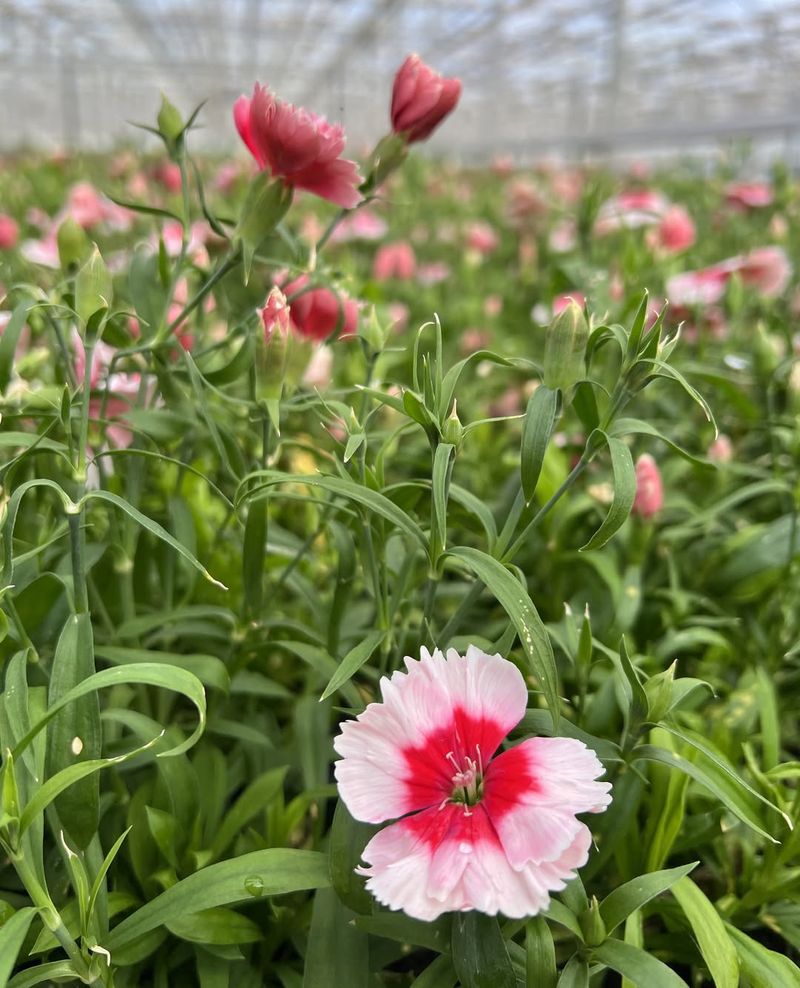
Sometimes called pinks or sweet Williams, dianthus has a clove-like flavor that can vary in intensity depending on the variety. The fringed, ruffled petals come in shades of hot pink, red, white, and bi-color combinations that look almost too pretty to eat.
Almost. Once you taste the subtle, spicy sweetness, you will be scattering these petals over everything from fruit salads to cocktails.
California’s spring climate suits dianthus very well. These plants love full sun and well-draining, slightly alkaline soil, which is common in many parts of the state.
They are moderately drought-tolerant once established, making them a smart choice for water-conscious gardeners who still want a big, showy display of color.
When using dianthus petals in cooking, trim away the white base of each petal before eating, as that part can taste slightly bitter. The colored portion of the petal is where all the flavor lives, and it pairs beautifully with light desserts, whipped cream, and sparkling beverages.
Dianthus-infused sugar is a creative pantry staple that takes about five minutes to make and impresses everyone who tries it.
Dianthus has been cultivated for over 2,000 years and was a favorite flower in ancient Greek and Roman gardens. Today, it remains one of the most beloved ornamental plants in California landscapes.
Start from transplants for the fastest results, deadhead regularly to extend the blooming season, and enjoy one of spring’s most fragrant and flavorful edible flowers all season long.
8. Pansy With Soft Edible Blooms
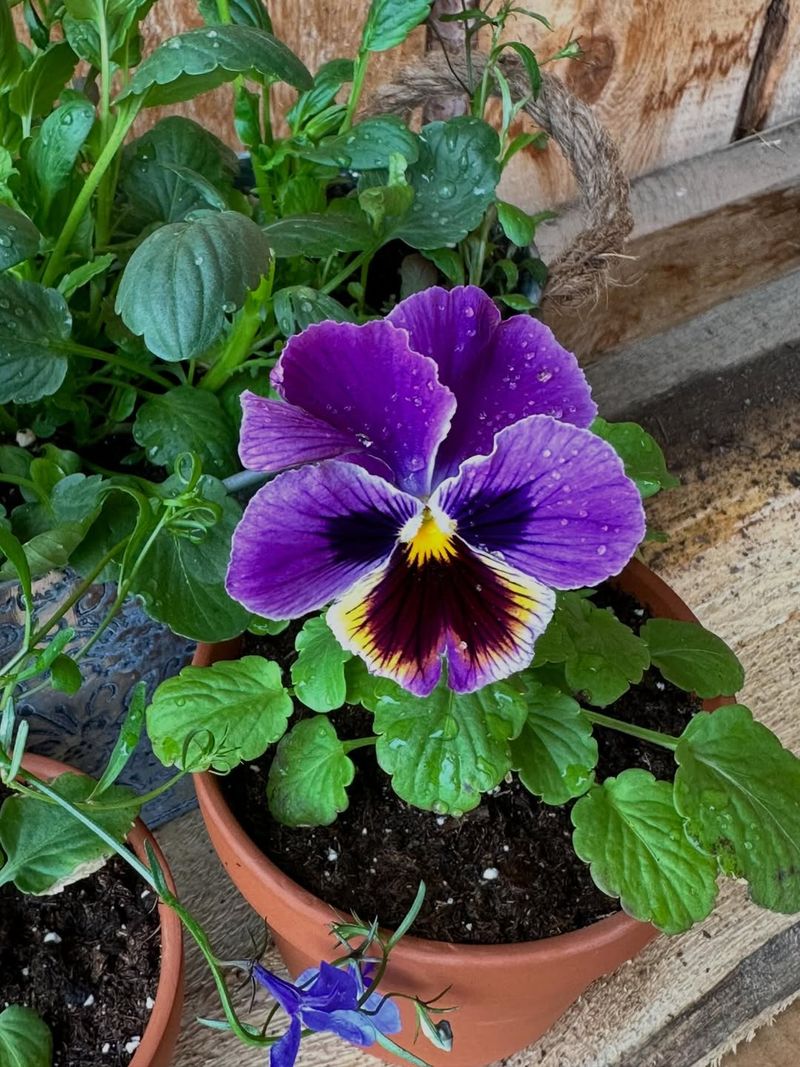
One of the most recognizable faces in the flower world belongs to pansies, and their petals are completely edible. Those velvety blooms have a mild, slightly sweet flavor, though taste can vary depending on the variety and growing conditions.
Crystallize them with egg white and sugar for a stunning cake decoration that looks like it came from a professional bakery.
As a cool-season flower, pansies are perfectly suited to California’s spring climate, especially in the months of February through April when temperatures are comfortable and not yet blazing hot. They grow well in both garden beds and containers, making them a great choice for apartment dwellers in cities like Los Angeles or San Francisco who only have a balcony to work with.
Pansies prefer full sun to partial shade and consistently moist, well-draining soil. Feeding them with a balanced fertilizer every few weeks keeps them blooming generously.
Remove faded flowers as soon as you notice them, because letting blooms go to seed too early will slow down the plant’s energy and reduce your overall flower count.
Fun fact: pansies are actually a hybrid flower developed from wild violas in early 19th-century England. They were bred specifically for their large, showy faces and wide range of colors.
Today, they are one of the most popular edible flowers used in fine dining restaurants across California, where chefs use them to add elegance and a delicate floral note to both savory and sweet dishes.