9 Easy Flowers That Add Instant Color To Your Georgia Garden
Color is often the first thing people notice in a Georgia garden, especially after a long stretch of muted growth. A few well-placed flowers can change how the entire space feels almost overnight.
That kind of impact brings up an important question, which flowers actually deliver fast color without adding more work? Georgia’s climate allows certain easy-care flowers to establish quickly and bloom without constant attention.
These plants take advantage of mild temperatures and reliable moisture, filling beds early and keeping them visually active. Instead of waiting for everything else to catch up, they create interest right away.
Adding instant color isn’t about planting more than necessary. It’s about choosing flowers that naturally perform well here.
When the right ones go in, the garden feels brighter, more complete, and far more intentional from the start of the season.
1. Zinnias
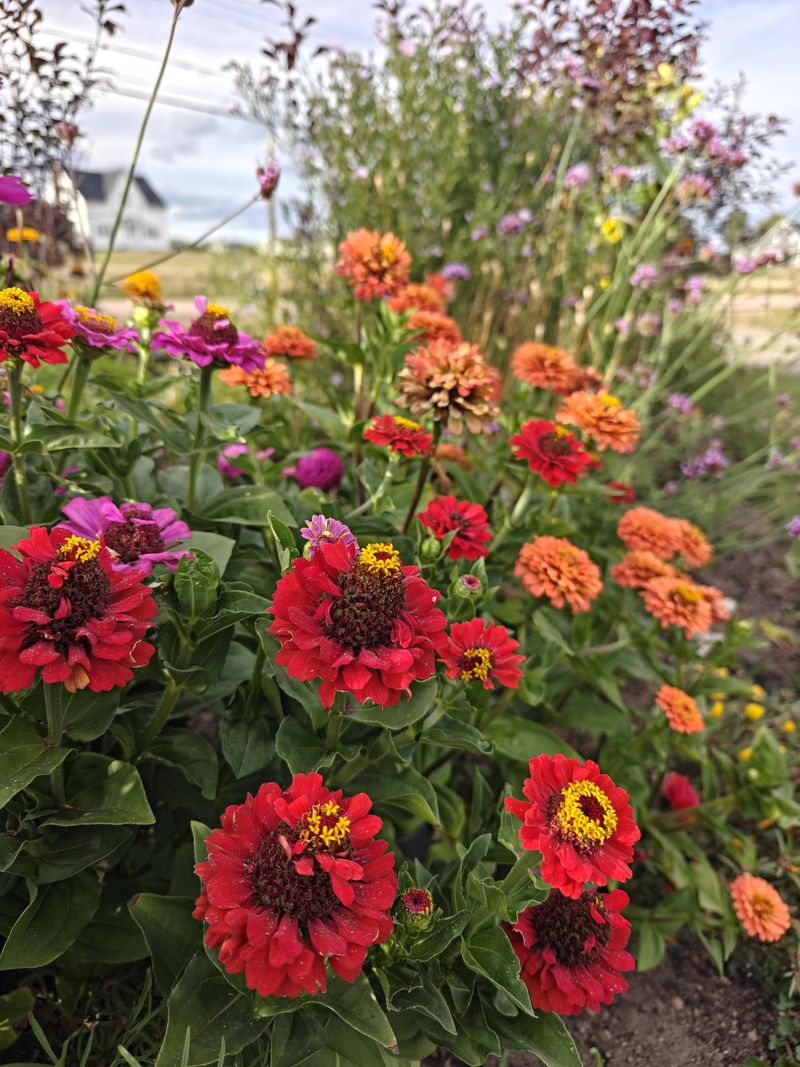
Bright and cheerful, zinnias stand tall in Georgia gardens when other flowers start to wilt under the summer sun. These Mexican natives actually love our hot, humid weather and reward minimal care with an explosion of color that lasts from late spring until the first frost.
Gardeners across Georgia appreciate how quickly zinnias grow from seed, often blooming just six to eight weeks after planting.
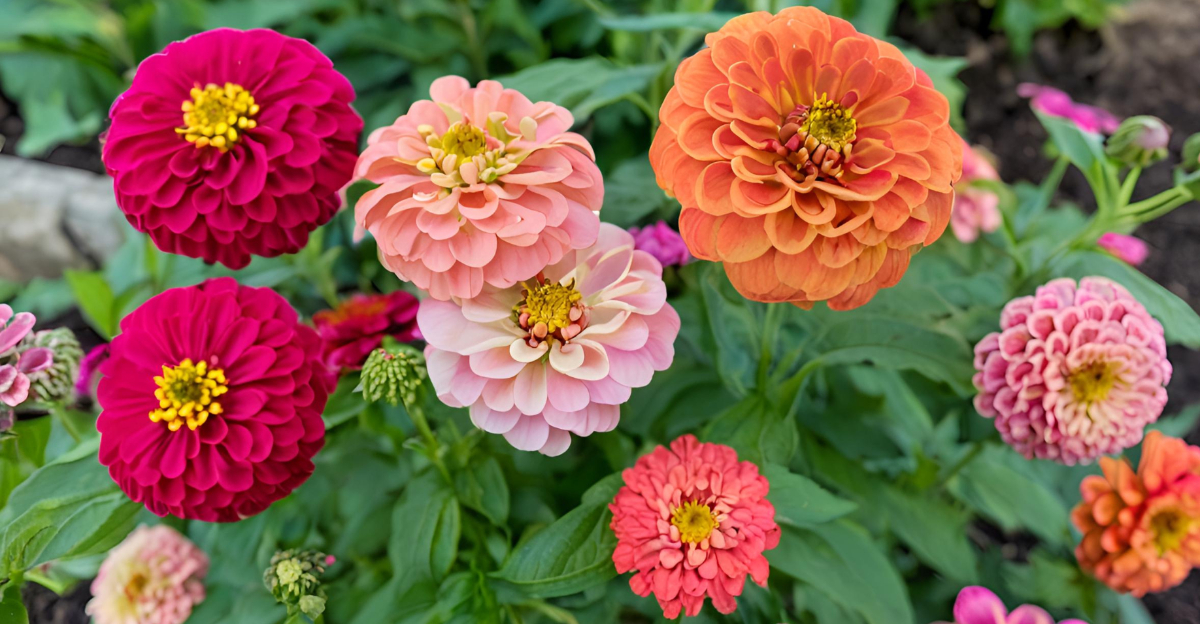
The color range is incredible, spanning from soft pastels to vibrant jewel tones in shades of pink, red, orange, yellow, purple, and white. Some varieties produce small button-like blooms while others create dinner-plate-sized flowers that make stunning cut arrangements.
Butterflies and hummingbirds can’t resist visiting zinnia patches, turning your garden into a wildlife haven.
Plant zinnias in full sun where they’ll receive at least six hours of direct light daily. They adapt well to Georgia’s clay soil as long as drainage is decent.
Space plants about 12 inches apart to allow good air circulation, which helps prevent powdery mildew during our humid summers.
Water at the base of plants rather than overhead to keep foliage dry. Deadheading spent blooms encourages continuous flowering and keeps plants looking tidy.
Zinnias handle drought surprisingly well once established, making them excellent choices for busy gardeners throughout Georgia who want maximum impact with minimum fuss.
2. Petunias
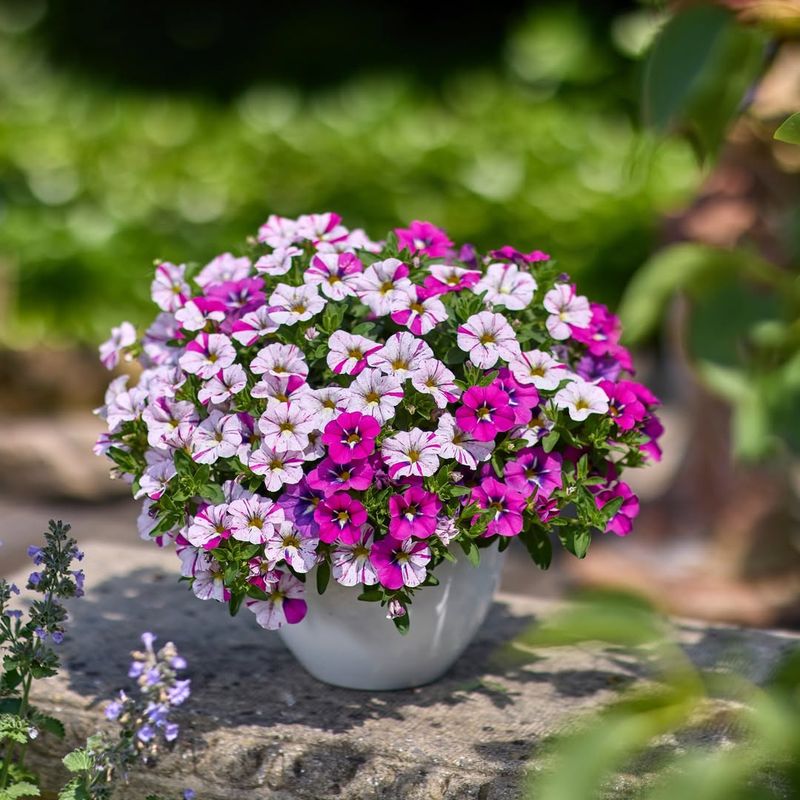
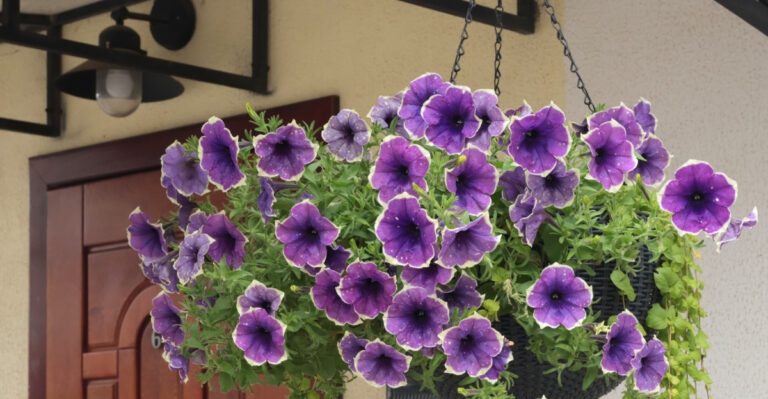
Few flowers deliver such reliable performance in Georgia landscapes as petunias do season after season. These versatile annuals come in two main types: traditional grandifloras with large, showy blooms and spreading types that cascade beautifully from containers and hanging baskets.
Modern breeding has created varieties that bounce back quickly from heavy rain, which is great news for Georgia gardeners dealing with afternoon thunderstorms.
Petunias bloom in nearly every color imaginable except true blue, with many featuring stripes, veins, or contrasting edges. Wave petunias have become especially popular across Georgia because they spread vigorously, creating living carpets of color that can cover large areas or spill dramatically over retaining walls.
They start blooming in spring and continue nonstop until cold weather arrives in late fall.
Give petunias full sun for best flowering, though they’ll tolerate light afternoon shade in the hottest parts of Georgia. They prefer well-draining soil enriched with compost or other organic matter.
Regular feeding every two weeks with a balanced fertilizer keeps blooms coming strong.
Pinch back leggy stems in midsummer to encourage bushier growth and fresh flowers. Container-grown petunias need consistent watering since they dry out faster than in-ground plantings.
Remove spent blooms from grandiflora types, though newer spreading varieties are self-cleaning and require no deadheading.
3. Geraniums
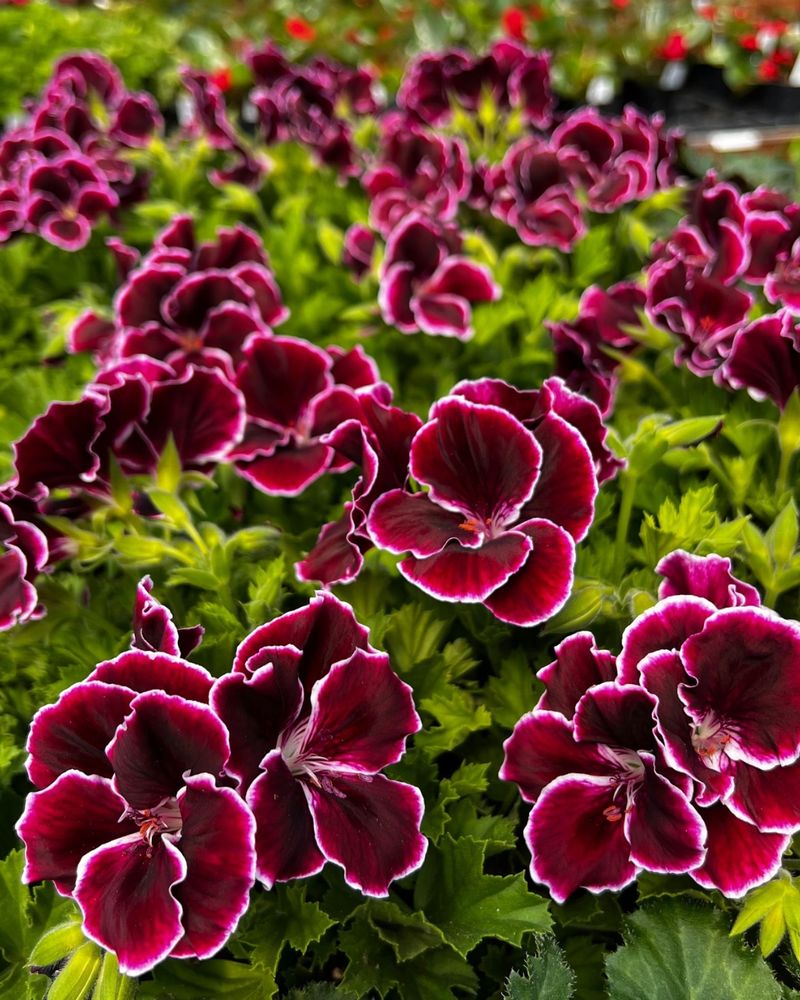
Southern porches and geraniums go together like sweet tea and summer afternoons. These classic favorites have graced Georgia gardens for generations, and their popularity shows no signs of fading.
The bright flower clusters sit atop sturdy stems with attractive rounded leaves that sometimes feature decorative zones or rings of darker color.
Most geraniums sold at garden centers are actually pelargoniums, which thrive in containers and beds throughout Georgia. They bloom in shades of red, pink, salmon, white, and lavender, with flowers appearing in tight, rounded clusters.
The foliage often releases a pleasant scent when brushed, adding another sensory dimension to your garden experience.
Plant geraniums where they’ll receive morning sun and afternoon shade, especially in southern Georgia where summer heat peaks. They tolerate full sun in northern parts of the state but appreciate some relief during the hottest hours.
Good drainage is essential since geraniums hate soggy roots that can lead to rot.
Allow soil to dry slightly between waterings rather than keeping it constantly moist. Feed monthly with a balanced fertilizer to support continuous blooming.
Remove faded flower clusters by snapping them off at the base to keep plants looking neat and to encourage new buds.
Many Georgia gardeners successfully overwinter geraniums indoors, taking cuttings in fall or bringing entire pots inside to enjoy year-round color.
4. Impatiens
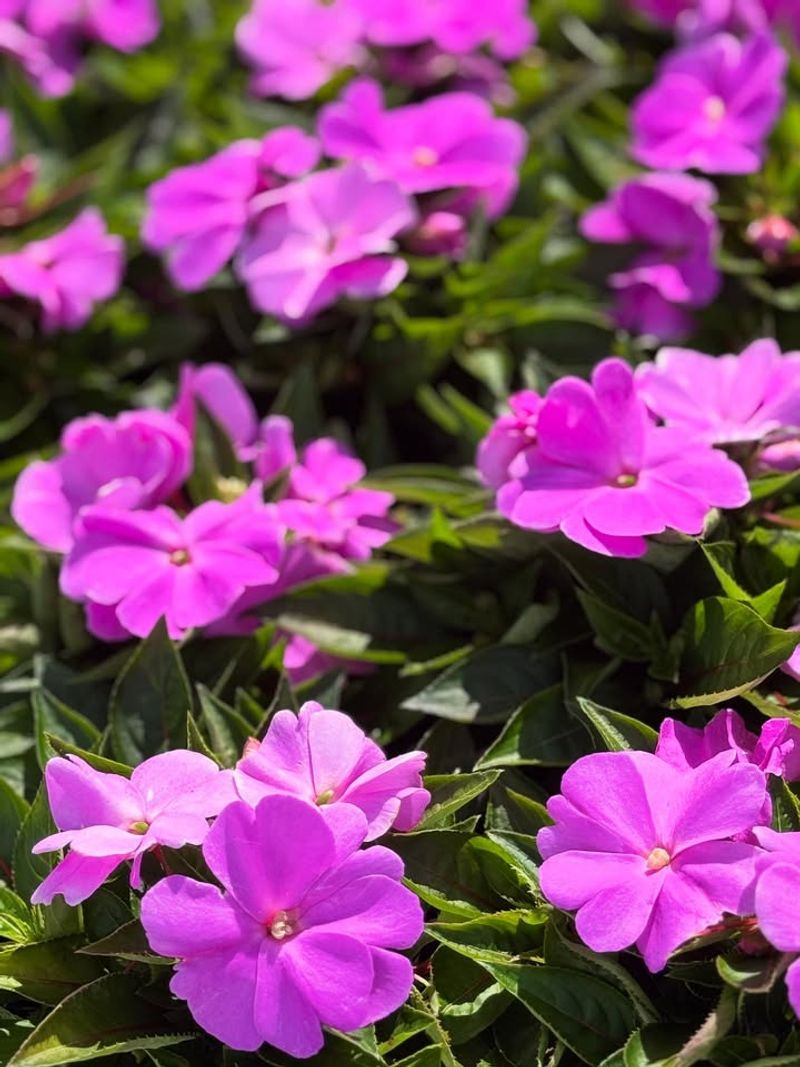
Shady spots in Georgia gardens come alive when planted with impatiens. These shade-loving annuals produce an abundance of flat-faced flowers in colors ranging from pure white to deep red, with plenty of pinks, corals, and oranges in between.
Some varieties feature bicolored blooms with contrasting centers or edges that create extra visual interest.
Impatiens earned their common name because their ripe seedpods burst open at the slightest touch, scattering seeds everywhere. This enthusiastic self-seeding means you might find volunteer plants popping up in unexpected places the following year.
The plants form neat mounds that work beautifully as edging along shaded walkways or massed under trees where grass struggles to grow.
Choose locations with partial to full shade, as impatiens can’t handle Georgia’s intense summer sun. They prefer consistently moist, well-draining soil enriched with organic matter.
These flowers are somewhat thirsty, especially during hot weather, so plan to water regularly.
Space plants about 10 inches apart to allow for their spreading habit. Apply a slow-release fertilizer at planting time, then supplement with liquid fertilizer every few weeks.
Impatiens are naturally compact and rarely need pruning or deadheading.
Watch for signs of downy mildew, which can affect traditional impatiens in humid conditions. New Guinea impatiens offer more disease resistance and can tolerate slightly more sun, making them good alternatives for Georgia gardens.
5. Vinca (Annual Periwinkle)
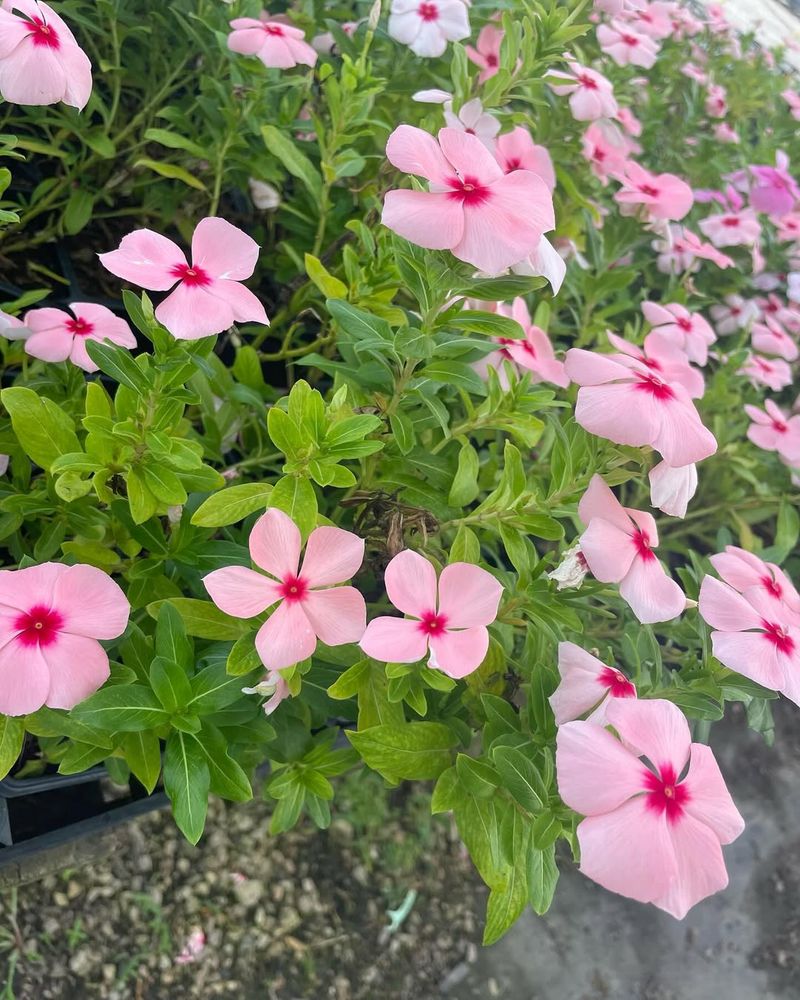
When temperatures soar and other flowers fade, vinca keeps right on blooming without complaint. Also called annual periwinkle or Madagascar periwinkle, this tough customer thrives in Georgia’s summer heat and humidity.
The five-petaled flowers appear continuously from late spring through fall, covering plants in shades of pink, red, white, or lavender, often with contrasting eye zones.
Glossy, dark green foliage provides an attractive backdrop for the cheerful blooms. Vinca grows as a low, spreading plant that works well as a groundcover, in containers, or mixed into flower beds.
Unlike many annuals, vinca actually prefers hot weather and performs better as summer progresses rather than declining.
Full sun brings out the best flowering in vinca, though plants tolerate light shade. They adapt to various soil types common in Georgia, from clay to sandy loam, as long as drainage is adequate.
Once established, vinca shows impressive drought tolerance, making it ideal for areas that don’t receive regular irrigation.
Space plants 12 to 15 inches apart and water regularly until roots establish. After that, vinca needs water only during extended dry spells.
These low-maintenance flowers rarely require deadheading since they naturally shed spent blooms.
Feed lightly once or twice during the growing season. Vinca resists most pests and diseases, though overwatering or poor drainage can cause problems.
This reliable performer deserves a place in every Georgia garden.
6. Begonias
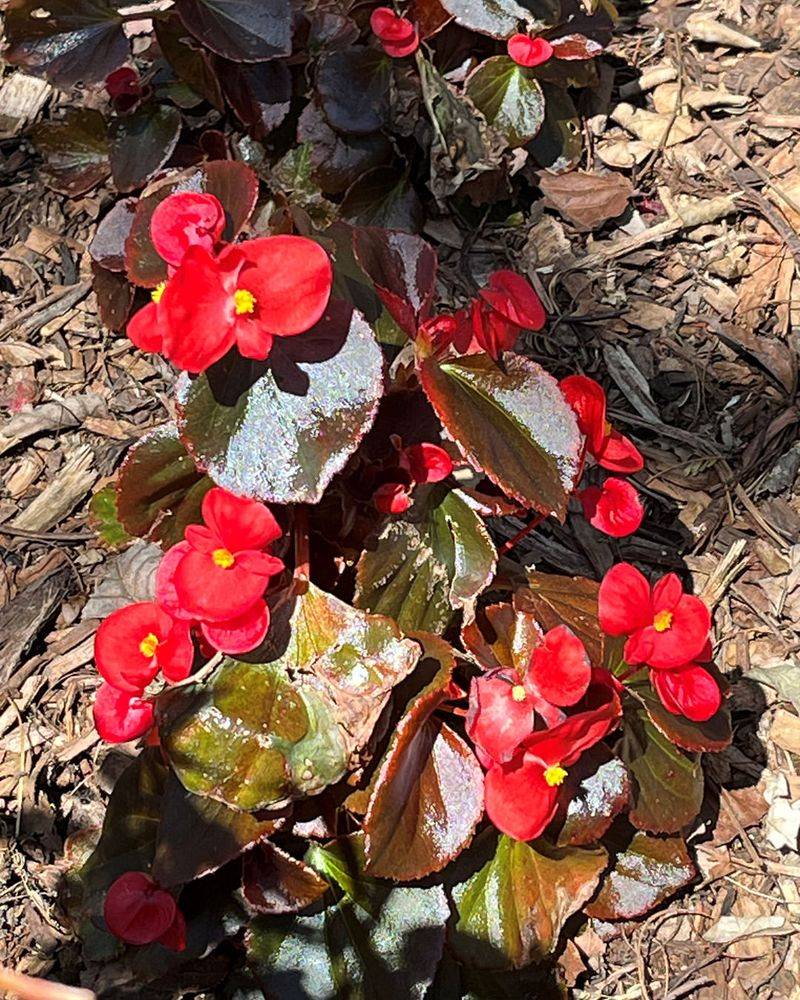
Versatile and dependable, begonias offer Georgia gardeners several excellent options for adding color to shady spots. Wax begonias feature glossy, rounded leaves in green or bronze tones topped with clusters of small flowers in white, pink, or red.
These compact plants create tidy borders and work wonderfully in containers where their neat habit shows to best advantage.
Tuberous begonias produce much larger, more elaborate blooms that resemble roses or camellias. Their flowers come in stunning color combinations and make dramatic statements in hanging baskets or window boxes.
Dragon wing begonias combine the best qualities of both types, offering large, wing-shaped leaves and abundant blooms on vigorous plants.
Most begonias prefer partial shade in Georgia, though wax begonias tolerate more sun than other types. Morning sun with afternoon shade works well throughout the state.
Plant in rich, well-draining soil amended with compost or peat moss. Begonias like consistent moisture but won’t tolerate waterlogged conditions.
Water when the top inch of soil feels dry, being careful not to wet the foliage. Feed every two to three weeks with a balanced liquid fertilizer diluted to half strength.
Remove faded flowers to keep plants looking fresh and to promote continued blooming.
Wax begonias are self-cleaning and rarely need deadheading. Watch for signs of powdery mildew during humid Georgia summers and provide adequate air circulation to prevent problems.
7. Marigolds
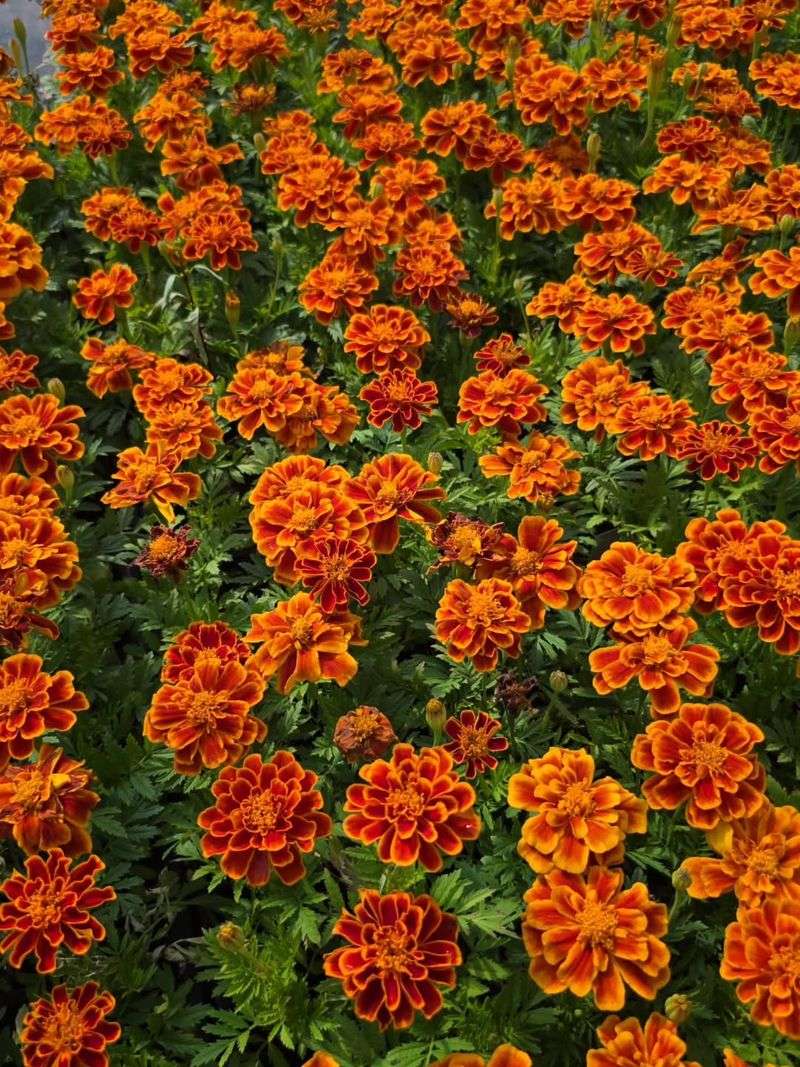
Marigolds bring sunshine to Georgia gardens with their warm golden, orange, and rust-colored blooms. These cheerful flowers have been garden staples for generations, valued for their easy-going nature and long blooming season.
French marigolds produce smaller flowers on compact plants perfect for edging, while African marigolds grow taller with large, pom-pom-like blooms that make excellent cut flowers.
The distinctive scent of marigold foliage is said to repel certain garden pests, making them popular companion plants in vegetable gardens across Georgia. Whether this works or not, marigolds certainly attract beneficial insects like ladybugs and hoverflies that help control aphids and other unwanted visitors.
Their bright colors also draw butterflies and bees.
Plant marigolds in full sun where they’ll receive at least six hours of direct light daily. They adapt to most soil types found in Georgia and actually prefer lean soil over heavily fertilized ground.
Rich soil produces more foliage at the expense of flowers. Space plants according to variety size, from 6 inches apart for French types to 18 inches for tall African varieties.
Water regularly but allow soil to dry slightly between waterings. Marigolds tolerate drought once established but bloom better with consistent moisture.
Deadhead spent flowers regularly to encourage continuous blooming and prevent self-seeding. These reliable annuals bloom from late spring until frost, providing months of color for Georgia landscapes.
8. Cosmos
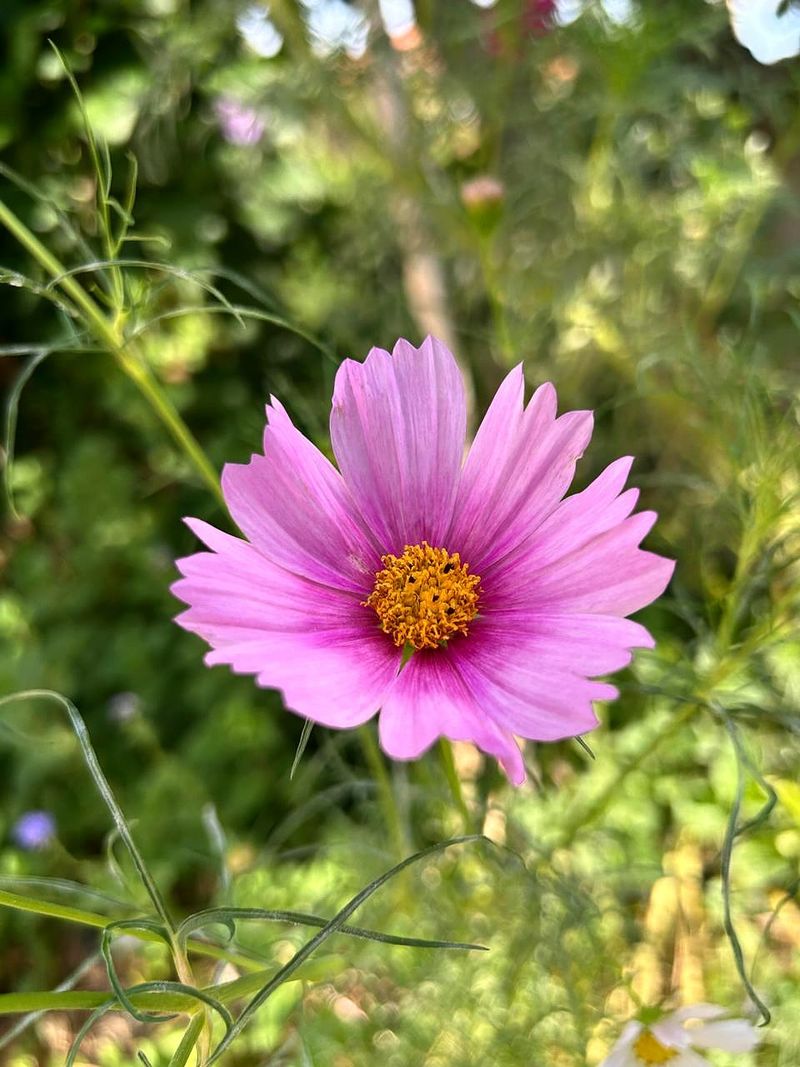
Graceful and airy, cosmos add a cottage garden charm to Georgia landscapes with their delicate appearance and carefree growth habit. These tall annuals produce daisy-like flowers on long stems that sway gently in summer breezes, creating movement and interest in the garden.
Despite their delicate looks, cosmos are tough plants that handle heat and drought with ease.
Common cosmos bloom in shades of pink, white, and crimson, bringing fast color to Georgia gardens with almost no effort. The feathery, fern-like foliage provides an attractive backdrop for the flowers and adds texture to plantings.
Cosmos grow quickly from seed and often self-sow, returning year after year in Georgia gardens.
Full sun produces the best flowering, though cosmos tolerate light shade. They actually prefer poor to average soil and struggle in overly rich ground that promotes excessive foliage growth.
Plant in well-draining soil and space seedlings 12 to 18 inches apart.
Water during establishment, then reduce frequency as plants mature. Cosmos show excellent drought tolerance once their roots develop.
Tall varieties may need staking in windy locations, though their flexible stems usually bend without breaking.
Deadhead regularly to prolong blooming and prevent excessive self-seeding. Cosmos make excellent cut flowers that last well in arrangements.
These low-maintenance beauties attract butterflies and beneficial insects while providing months of color from early summer through fall across Georgia.
9. Coleus
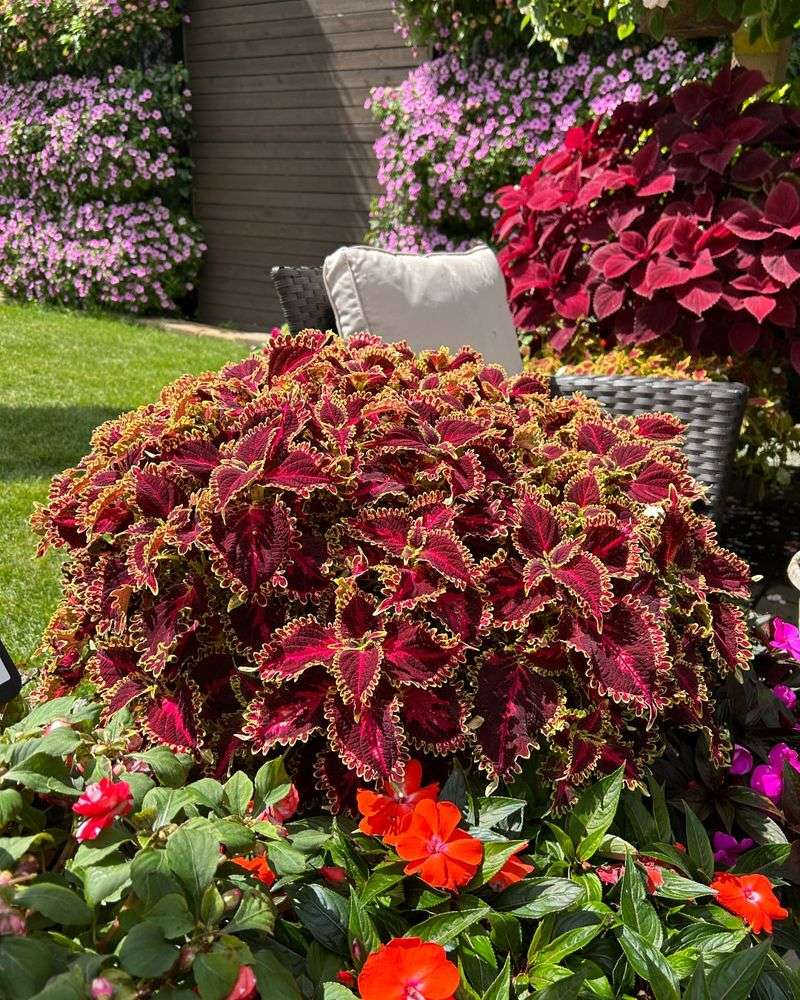
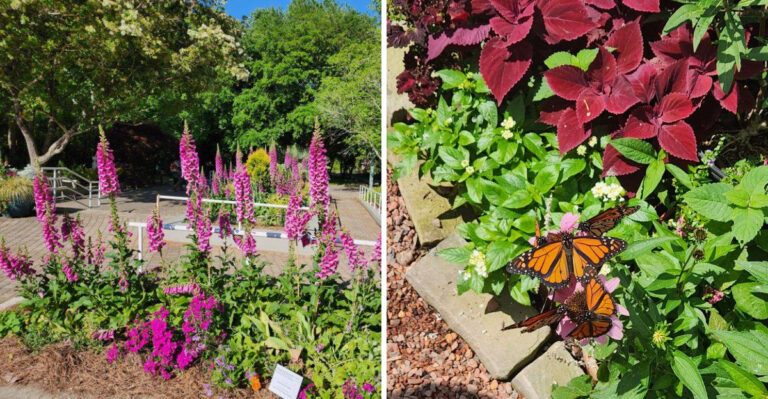
For pure foliage drama, nothing beats coleus in Georgia shade gardens. While technically grown for their spectacular leaves rather than flowers, coleus deserve a spot on any list of plants that add instant color.
The leaves come in an amazing array of patterns and color combinations including burgundy, lime green, pink, orange, yellow, and near-black, often with multiple colors swirled, edged, or splashed across each leaf.
Modern coleus varieties offer improved sun tolerance compared to older types, though most still prefer shade in Georgia’s climate. Plant sizes range from compact 8-inch varieties perfect for containers to towering 3-foot specimens that make bold statements in landscape beds.
The variety of leaf shapes, from ruffled and fringed to smooth and pointed, adds even more design possibilities.
Grow coleus in partial to full shade, though some newer varieties tolerate morning sun. They need consistently moist, well-draining soil enriched with organic matter.
Water regularly during hot Georgia summers since coleus wilt quickly when dry. The good news is they recover rapidly once watered.
Pinch back growing tips regularly to encourage bushy growth and remove flower spikes as they appear since flowering reduces leaf production. Feed monthly with balanced fertilizer to maintain vibrant foliage colors.
Coleus root easily from cuttings, allowing you to overwinter favorite varieties indoors or share plants with friends. These colorful foliage plants provide non-stop visual interest from spring through fall in Georgia gardens.