6 Easy Flowers You Can Start Indoors In Pennsylvania This Month
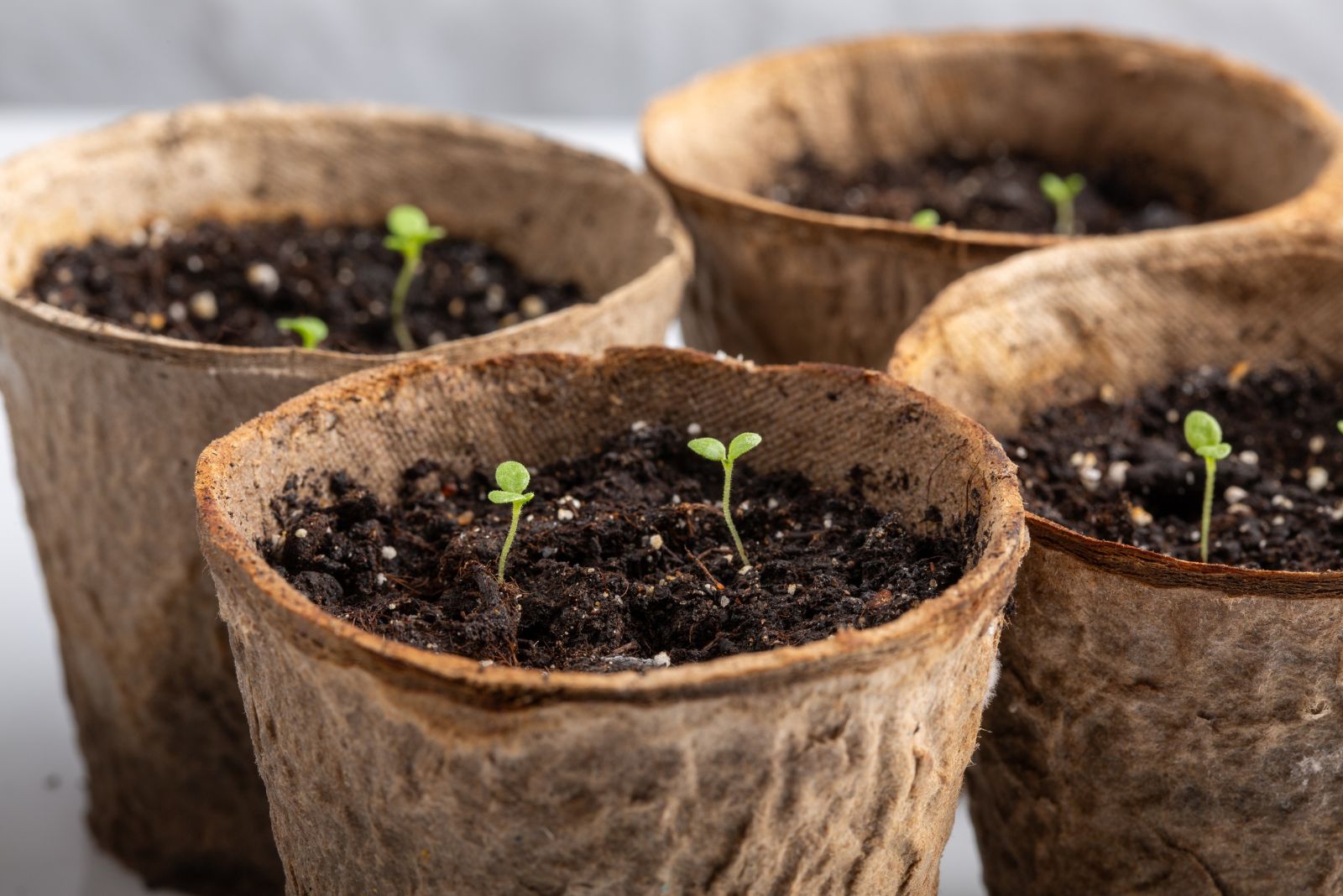
Dreaming of bright blooms but still stuck in winter? Good news – your garden doesn’t have to wait for warm weather to get started.
Right now is the perfect time for Pennsylvania gardeners to begin growing easy, colorful flowers indoors.
Starting flowers from seed not only gives you a jump on the growing season, but it also lets you enjoy the process of watching something come to life, right from your windowsill.
And don’t worry, this doesn’t require a greenhouse or complicated setup. With just a few supplies, a bit of light, and the right flower choices, you can enjoy healthy seedlings that are ready to thrive outdoors once spring arrives.
Whether you’re planting in pots, trays, or repurposed containers, these beginner-friendly flowers are a great way to bring life into your home during the final stretch of winter. Here are the best easy flowers to start indoors this month in Pennsylvania.
1. Marigolds Bring Cheerful Color With Minimal Fuss
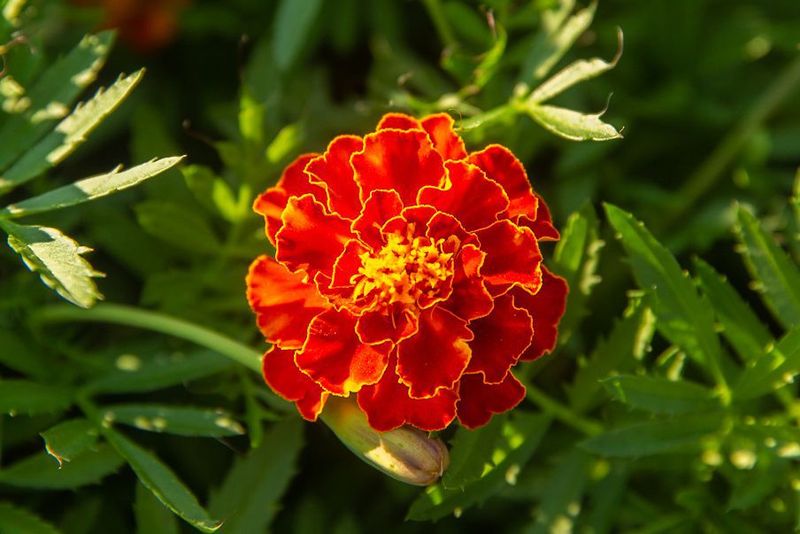
Marigolds rank among the most forgiving flowers for indoor starting because they germinate quickly and tolerate beginner mistakes.
These sunny blooms pop up within five to seven days when you plant seeds in moist potting mix and place them near a bright window.
Pennsylvania gardeners love marigolds because they thrive in our variable spring weather and keep blooming until the first hard freeze arrives in fall. You only need basic supplies to get started with these cheerful flowers.
Fill small containers with seed starting mix, press two or three seeds into each cell about a quarter inch deep, and water gently. Keep the soil consistently moist but never soggy, and watch for those first green shoots to appear.
Room temperature works perfectly fine, so you do not need special heating mats or fancy equipment.
Once your marigold seedlings develop their second set of true leaves, thin them by snipping off the weaker plants at soil level. This gives the strongest seedling room to grow sturdy stems and healthy roots.
Pennsylvania spring weather can be unpredictable, so plan to transplant your marigolds outdoors after the last expected frost date in your area, which typically falls between mid-April and mid-May depending on your location.
These flowers naturally repel certain garden pests, making them excellent companion plants for vegetable gardens throughout Pennsylvania. Their bold orange, yellow, and red blooms attract beneficial pollinators while their scent keeps some harmful insects away.
Starting them indoors this month means you will have robust plants ready to protect and beautify your outdoor spaces when warmer weather finally arrives.
2. Zinnias Reward You With Explosive Growth
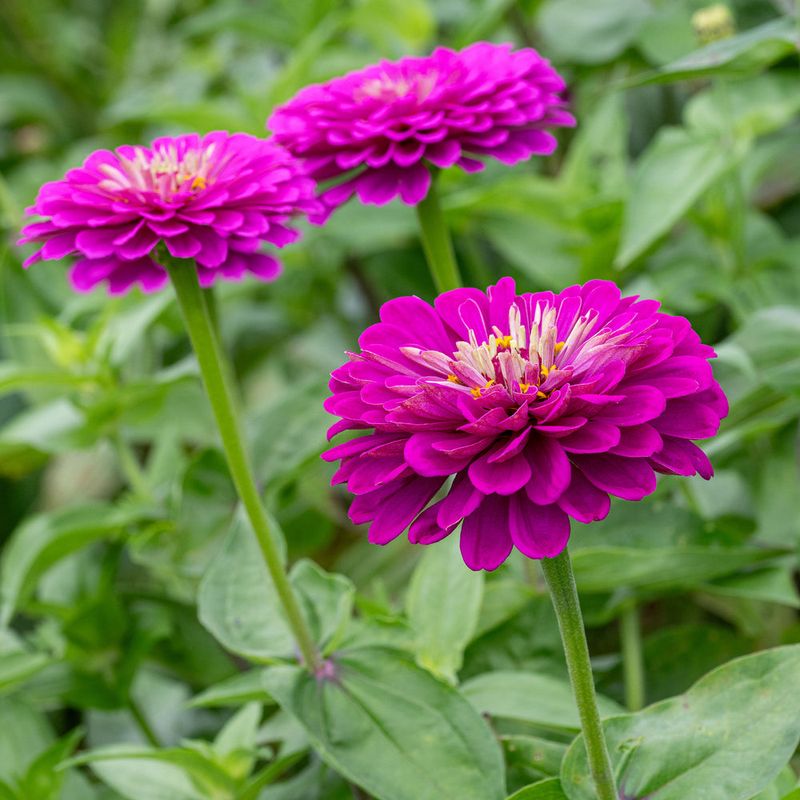
Few flowers match the enthusiasm zinnias show when growing from seed indoors. Plant these seeds now in Pennsylvania, and you will witness remarkable progress as they shoot up fast and develop sturdy stems within weeks.
Zinnias actually prefer being started indoors because it protects their tender early growth from our unpredictable late winter weather and gives them extra time to establish strong root systems. The process could not be simpler for busy gardeners.
Drop two seeds into each cell of your seed tray, cover them with about a quarter inch of soil, and give them a good drink of water. Place your trays where they will receive plenty of bright light, either near a south-facing window or under grow lights if you have them.
Within four to seven days, you will see those first leaves pushing through the soil. Temperature matters less than you might think with zinnias.
They grow happily at normal room temperature, making them ideal for Pennsylvania homes during late winter. Just make sure the soil stays evenly moist without becoming waterlogged.
Overwatering causes more problems than underwatering with these resilient flowers, so let the top layer dry slightly between waterings. Zinnias come in an incredible range of colors and sizes, from petite pompom varieties to dinner-plate sized blooms.
Starting multiple varieties indoors this month gives you a rainbow of options for your Pennsylvania garden come summer. These flowers love our warm summers and will bloom continuously if you deadhead spent flowers regularly.
They also make fantastic cut flowers that last over a week in vases, bringing your garden’s beauty indoors all season long.
3. Snapdragons Bring Vertical Interest And Cool-Season Charm
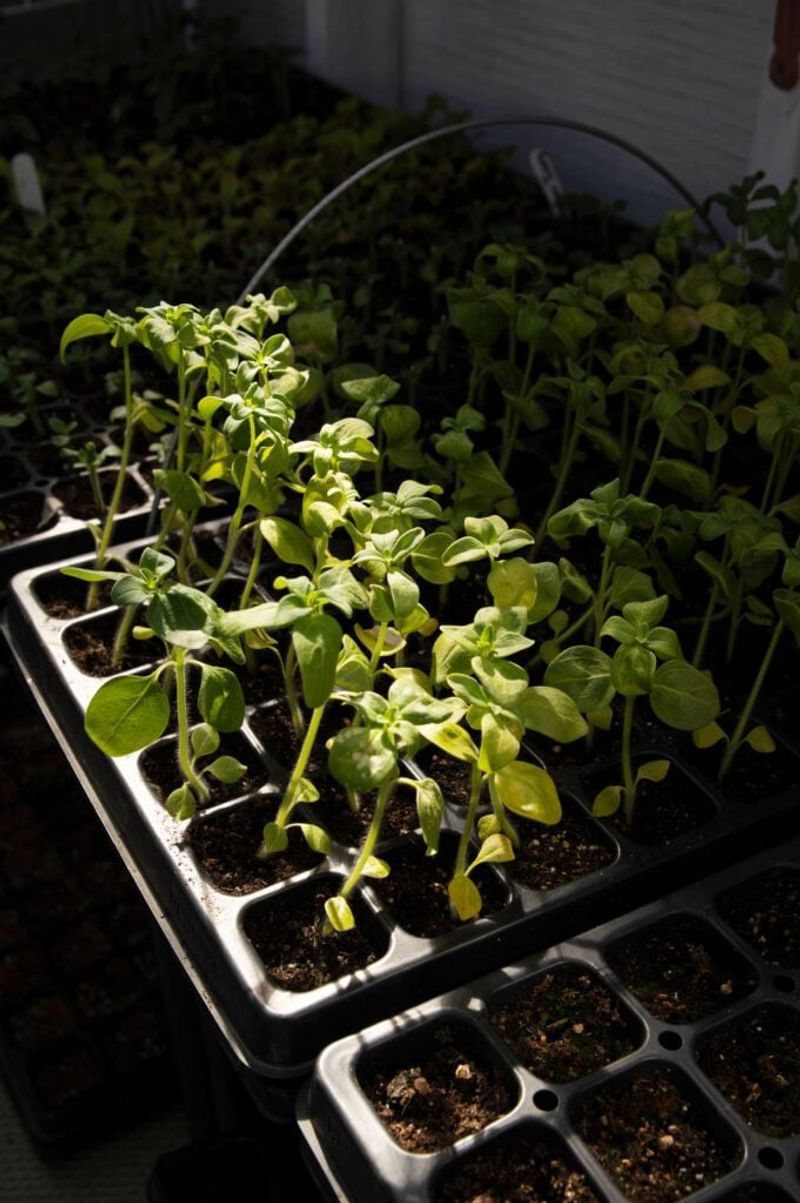
Snapdragons possess a wonderful secret that makes them perfect for Pennsylvania gardens. Unlike many flowers that wilt in cool weather, snapdragons actually prefer cooler temperatures and can tolerate light frosts.
Starting these charming flowers indoors this month means they will be strong enough to transplant outside earlier than most other flowers, giving you color when little else is blooming in Pennsylvania.
Getting snapdragons started requires attention to their preference for light during germination.
Scatter the small seeds across moist seed starting mix and press them gently into the surface without covering them. Place your containers in a bright location where temperatures stay between 65 and 75 degrees.
Pennsylvania homes naturally provide these conditions during late winter, making snapdragons an easy choice for indoor starting. Germination takes between ten and fourteen days, and the seedlings emerge looking delicate at first.
Do not let their fragile appearance fool you because snapdragons develop into tough plants as they mature. Water them carefully to keep soil moist but not soaked, and provide as much bright light as possible to prevent leggy growth.
If your seedlings start stretching toward the light, rotate containers daily or consider supplementing with a grow light. These flowers earned their name from blooms that look like tiny dragon faces that open and close when you squeeze them gently from the sides.
Kids love this interactive feature, making snapdragons fun family garden additions. They grow in heights ranging from dwarf six-inch varieties perfect for edging to tall three-foot types ideal for cutting gardens.
Pennsylvania gardeners can enjoy snapdragons from early spring through fall since they often survive our first light frosts and keep blooming.
4. Cosmos Create Delicate Beauty From Tiny Seeds
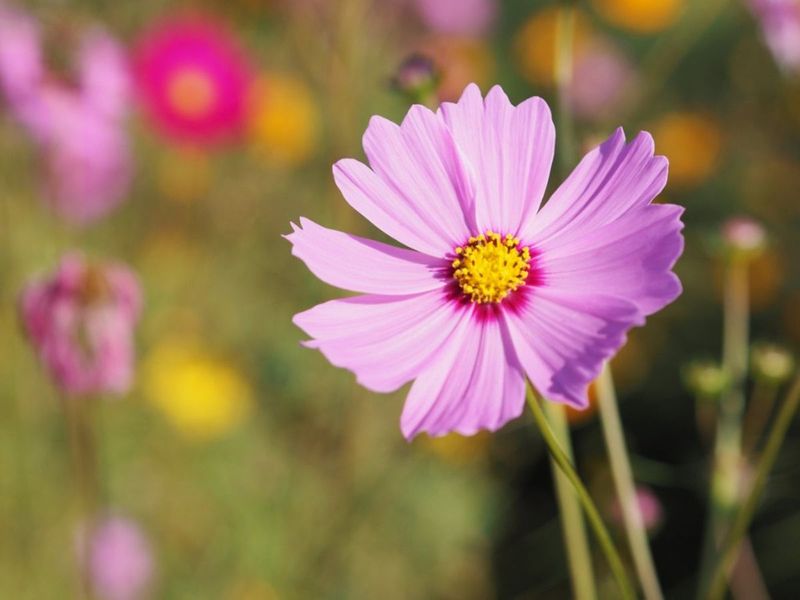
Something magical happens when you watch cosmos seeds transform into graceful seedlings on your Pennsylvania windowsill.
These flowers grow from seeds so small they look like tiny brown slivers, yet they develop into tall plants with feathery foliage and stunning daisy-like blooms.
Starting cosmos indoors this month gives them the jump they need to flower earlier and longer throughout our Pennsylvania growing season. Cosmos seeds germinate best when you barely cover them with soil since they need some light to sprout.
Sprinkle two or three seeds on top of moist seed starting mix, then dust them with just a whisper of soil. Mist gently with water and place your containers in a warm, bright spot.
You should see green shoots emerging within seven to ten days. These flowers actually grow better in less-than-perfect soil, which makes them incredibly low maintenance once transplanted outdoors.
While they are indoors in Pennsylvania, though, regular watering keeps seedlings healthy and growing steadily. Cosmos seedlings develop quickly, so you might need to transplant them into slightly larger containers if outdoor planting conditions are not ready yet.
Pennsylvania gardeners appreciate cosmos because they attract butterflies and beneficial insects while requiring almost no special care. The flowers come in shades of pink, white, orange, and burgundy, with both single and double petal forms available.
Tall varieties make excellent background plants in garden beds, while shorter types work beautifully in containers.
Starting them indoors now means you will have substantial plants ready to go outside after the frost danger passes, giving you months of effortless beauty in return for minimal effort.
5. Sunflowers Grow Into Towering Garden Giants
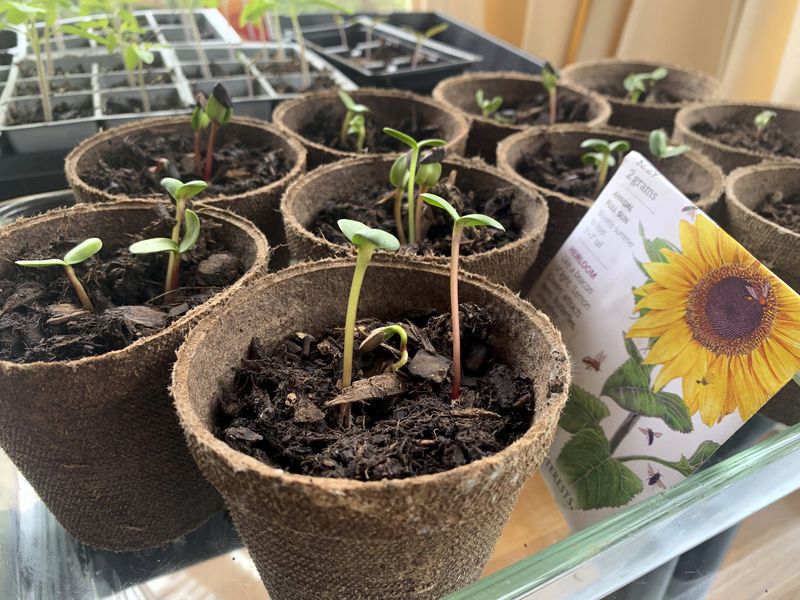
Sunflowers bring undeniable joy to Pennsylvania gardens with their huge, cheerful faces that follow the sun across the sky.
While many gardeners direct-sow sunflower seeds outdoors, starting them indoors this month gives you stronger plants with better root development.
This head start proves especially valuable in Pennsylvania where spring weather can be unpredictable and outdoor-sown seeds sometimes rot in cold, wet soil. Sunflower seeds are large and easy to handle, making them perfect for gardeners new to seed starting.
Plant one seed per container about an inch deep in quality potting mix. Use containers at least three inches deep since sunflowers develop substantial root systems quickly.
Water thoroughly after planting and keep the soil consistently moist but never waterlogged. These seeds germinate rapidly, often showing green shoots within five to seven days.
Once sprouted, sunflower seedlings grow vigorously and need plenty of bright light to stay compact and healthy. Pennsylvania’s late winter sun can be weak, so placing seedlings in your brightest window helps prevent them from becoming tall and spindly.
If seedlings lean heavily toward the light, rotate containers daily. Sunflowers range from petite two-foot varieties with multiple blooms to classic ten-foot giants with single massive flowers.
Shorter varieties work wonderfully in Pennsylvania container gardens, while tall types create dramatic backdrops for other plants. All sunflowers attract birds, especially goldfinches and chickadees that feast on the seeds in fall.
Starting sunflowers indoors now means you will have robust plants ready to transplant after the last frost, giving them maximum time to reach their full impressive height before summer ends.
6. Petunias Offer Endless Blooms All Summer Long
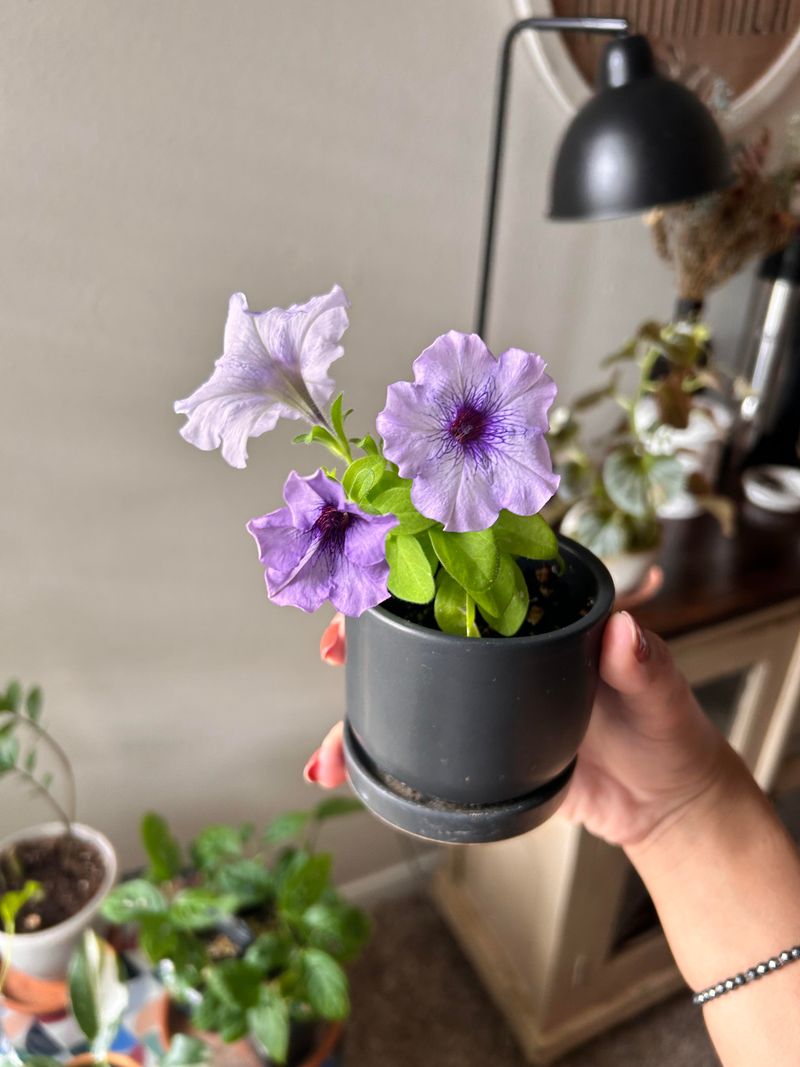
Petunias stand out as Pennsylvania favorites because they bloom nonstop from late spring through the first frost.
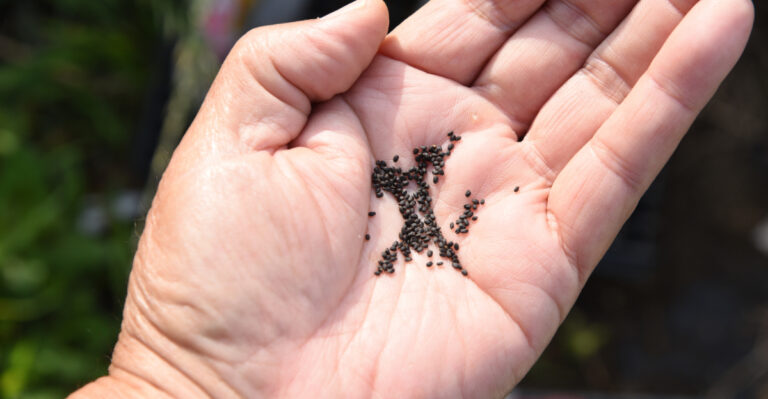
Starting these popular flowers from seed indoors takes patience since the seeds are incredibly tiny, but the payoff comes in the form of dozens of plants for the price of one seed packet.
This month provides the perfect timing to get petunias started so they will be ready to plant outdoors when Pennsylvania weather finally cooperates. The biggest challenge with petunias is their dust-like seed size.
Mix the seeds with a tiny bit of sand to help you see where you are planting them, then sprinkle this mixture on top of moist seed starting mix. Do not cover petunia seeds with soil because they need light to germinate.
Instead, gently press them into the surface and mist with water using a spray bottle to avoid washing them away. Keep your petunia seeds consistently moist and warm, ideally between 70 and 75 degrees.
Pennsylvania homes usually maintain comfortable temperatures that work well for germination. Expect to wait ten to twelve days before seeing those first tiny green specks appear.
Once they sprout, petunias grow steadily but not rapidly, so patience pays off. Modern petunias come in spectacular varieties that previous generations never enjoyed.
Wave petunias spread beautifully in hanging baskets, while grandiflora types produce huge, showy blooms perfect for containers. Multiflora petunias create masses of smaller flowers that cover plants completely.
All these varieties thrive in Pennsylvania’s summer weather, tolerating both heat and occasional heavy rains. Starting them indoors now gives you premium plants without premium prices from garden centers.