9 Easy Food Plants That Produce A Lot In Pennsylvania
Gardening in Pennsylvania can be incredibly rewarding, especially when you grow food plants that actually give you plenty to harvest. There’s nothing like stepping outside and picking fresh vegetables, herbs, or fruits straight from your own garden.
Choosing plants that are naturally productive makes the experience even better, giving you more food with less effort.
Some vegetables and herbs thrive in Pennsylvania’s soil and climate, producing consistently through the season. Tomatoes, zucchini, peppers, and leafy greens like spinach or kale are popular for their high yields and ease of care.
Fruiting plants such as strawberries and certain berries also offer impressive harvests for home gardeners.
By selecting high-producing, low-maintenance varieties, you can enjoy bountiful harvests without spending hours fussing over plants.
With a little planning and the right choices, Pennsylvania gardeners can fill their tables with fresh, homegrown produce while keeping gardening fun, satisfying, and surprisingly productive all season long.
1. Tomatoes (Cherry And Roma Types)

Ask any Pennsylvania gardener what they grow first, and nine times out of ten, the answer is tomatoes. It is easy to see why.
Cherry tomatoes, like Sun Gold and Sweet 100, produce hundreds of small fruits that keep coming all season long without slowing down. Roma tomatoes are meatier and perfect for sauces, pastes, and canning.
Pennsylvania summers give tomatoes exactly what they love: warm days, plenty of sunshine, and just enough rain.
Start seeds indoors about six to eight weeks before the last frost, which is usually around mid-May in most parts of the state. Transplant seedlings outside once nights stay above 50 degrees.
Plant them in a sunny spot with at least six to eight hours of direct sunlight. Add a sturdy stake or cage because these plants get tall and heavy with fruit fast.
Water consistently at the base to avoid leaf disease, and feed with a balanced fertilizer every two weeks. Pinch off suckers on indeterminate varieties to keep energy going into fruit production.
With basic care, one cherry tomato plant can produce over 200 fruits in a single season, making it one of the best high-yield crops for Pennsylvania home gardens.
2. Zucchini And Summer Squash

If you plant zucchini and then go on vacation for a week, do not be surprised to come home to squash the size of baseball bats. Zucchini is almost legendary for how much it produces.
One healthy plant can give you several pounds of squash every single week during peak summer months in Pennsylvania.
Summer squash grows fast, sometimes going from flower to harvest-ready in just four to five days. That speed makes it one of the most satisfying plants for beginners who want quick results.
Plant seeds directly in the garden after the last frost, or start transplants indoors three weeks early for a head start.
Give each plant plenty of space, at least three feet in every direction, because the leaves spread wide. Pennsylvania summers are warm enough to keep squash producing from late June all the way through early September.
Pick fruits when they are small to medium-sized because smaller squash taste better and picking frequently encourages the plant to keep producing more. Add a thick layer of mulch around the base to hold moisture and reduce weeding.
Zucchini is truly one of the easiest and most generous food plants you can grow anywhere in Pennsylvania.
3. Green Beans (Bush Or Pole)

Green beans are one of those classic garden crops that almost never let you down. They are reliable, productive, and incredibly easy to grow from seed, even if you have never gardened before.
Just push a seed into the soil, water it, and watch it grow. No transplanting, no complicated setup required.
Bush beans are a great choice if you want a fast harvest. They mature in about 50 to 55 days and produce all at once, which is perfect for canning or freezing a big batch.
Pole beans take a little longer but keep producing new pods for weeks, giving Pennsylvania gardeners a longer and more spread-out harvest through the summer.
Plant green beans after the last frost in Pennsylvania, usually mid-May, in a sunny spot with well-drained soil. They do not need much fertilizer since beans actually add nitrogen back into the soil naturally.
For pole beans, set up a simple trellis or tall stakes before planting so the vines have something to climb. Pick pods regularly before they get tough and stringy.
The more you pick, the more the plant produces. Green beans are a must-have for any Pennsylvania food garden that wants big harvests with minimal fuss.
4. Lettuce (Loose-Leaf Varieties)

Loose-leaf lettuce might be the fastest food you will ever grow. Some varieties are ready to harvest in as little as 30 days from seed.
That speed, combined with the ability to harvest leaves over and over again without pulling the whole plant, makes lettuce one of the most productive crops per square foot in any Pennsylvania garden.
Pennsylvania’s cool springs and mild falls are absolutely perfect for lettuce. It actually prefers cooler temperatures and tends to bolt, or go to seed, in intense summer heat.
The smart move is to plant lettuce in early April for a spring crop, then again in late August for a fall crop. This technique is called succession planting, and it keeps fresh greens coming for months.
Grow lettuce in containers, raised beds, or directly in the ground. It does not need deep soil, which makes it ideal for small spaces or even window boxes.
Keep the soil consistently moist and give plants partial shade during the hottest weeks of summer to slow bolting. Varieties like Black Seeded Simpson, Red Sails, and Buttercrunch all perform wonderfully in Pennsylvania.
Cut leaves from the outside of the plant and leave the center growing for a continuous, generous harvest all season long.
5. Kale

Kale is one of the toughest, most productive leafy greens you can plant in Pennsylvania. It laughs at cool weather and actually gets sweeter after a light frost.
That means you can start harvesting in late spring and keep going well into November, long after most other garden plants have finished for the year.
One kale plant can produce a continuous supply of leaves for six months or more with very little attention. Simply snap off the lower outer leaves as needed and leave the top growth intact so the plant keeps pushing out new foliage.
Varieties like Lacinato, also called Dinosaur kale, and Red Russian are especially productive and tender.
Plant kale seeds or transplants in early spring, about four to six weeks before the last frost in Pennsylvania. It tolerates cold down to around 20 degrees, which is impressive for a leafy vegetable.
Kale grows well in full sun but can handle partial shade, making it flexible for different garden setups. Water regularly and add compost to the soil for the best leaf production.
Kale is packed with vitamins and minerals, so every leaf you harvest is doing your body good. It is one of the smartest, most low-effort plants any Pennsylvania gardener can add to their plot.
6. Cucumbers

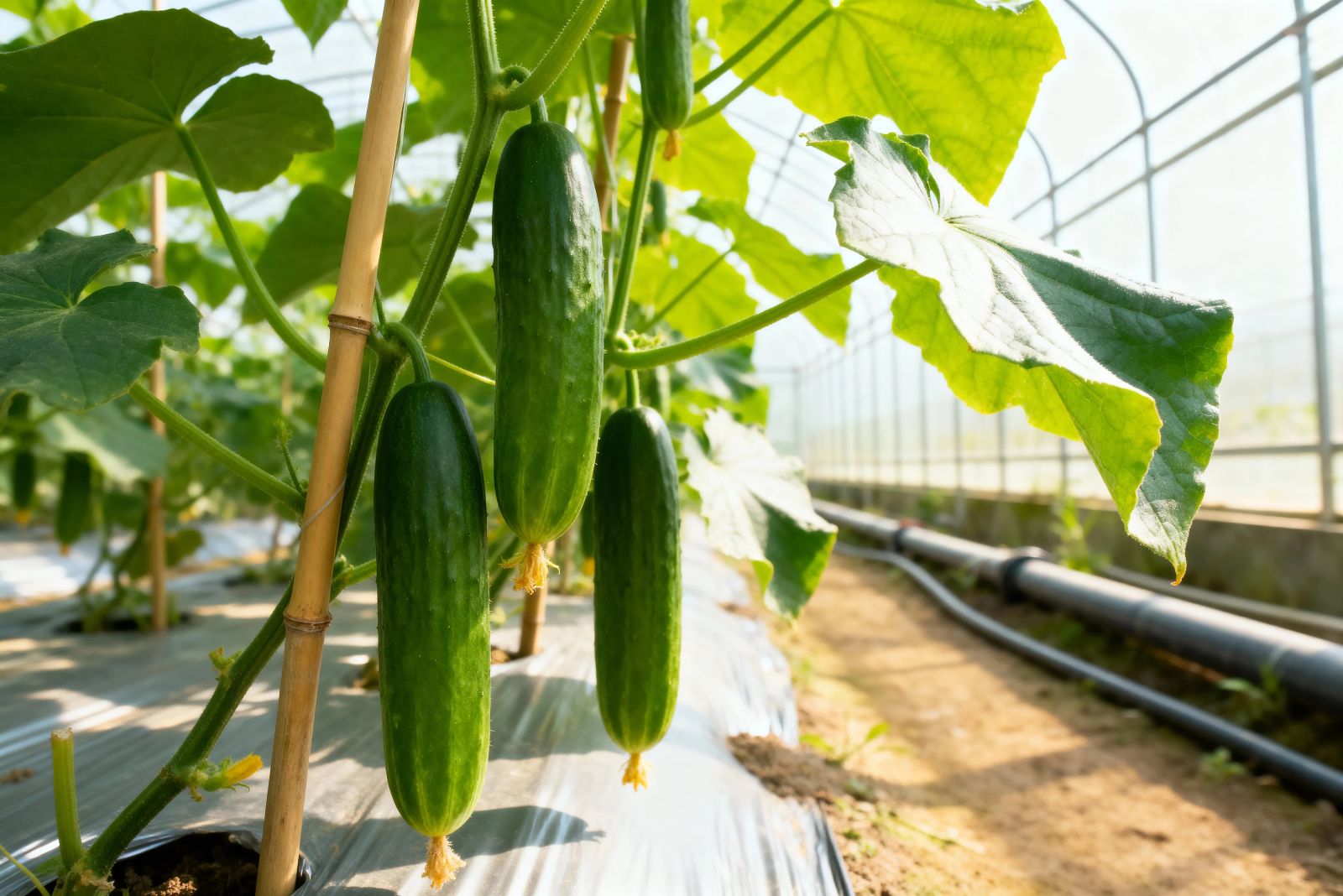
There is something almost magical about watching cucumber vines take off in warm summer weather. Once the heat of Pennsylvania’s July and August arrives, cucumbers grow at an incredible pace.
A single healthy vine can produce 10 to 20 cucumbers or more over the course of the season, especially when you keep picking regularly.
That last point is key. Cucumbers must be harvested frequently to keep the plant productive.
If you leave a cucumber on the vine too long, it signals the plant to slow down production. Check your plants every day or two during peak season and pick cucumbers while they are firm and bright green, usually around six to eight inches long for slicing types.
Growing cucumbers on a trellis is a smart move for Pennsylvania gardeners with limited space. Vertical growing keeps fruits clean, makes harvesting easier, and allows better airflow to prevent fungal issues.
Plant seeds or transplants after the last frost in a full-sun location with rich, well-drained soil. Water deeply and consistently because cucumbers are mostly water and need steady moisture to develop properly.
Mulch around the base to retain soil moisture during hot stretches. With the right setup, cucumbers are one of the most generous and satisfying crops you can grow in Pennsylvania all summer long.
7. Peppers (Bell And Hot)

Peppers are patient plants. They start slow in spring, but once Pennsylvania’s summer heat really kicks in around July, they explode with color and flavor.
A single pepper plant can hold 10 to 20 fruits at one time, and because they ripen at different rates, you get a long, steady harvest window that stretches from midsummer all the way to the first fall frost.
Bell peppers are great for stuffing, stir-fries, and snacking. Hot peppers like jalapeños, cayennes, and banana peppers are incredibly productive and add a kick to any meal.
Both types grow well in containers, which is a huge bonus for Pennsylvania gardeners who are short on garden space but have a sunny patio or balcony.
Start pepper seeds indoors eight to ten weeks before the last frost since they need a long head start. Transplant outside only after nighttime temperatures stay consistently above 55 degrees.
Peppers love full sun and warm soil, so consider laying black plastic mulch around the base to heat the ground faster in spring. Feed plants with a low-nitrogen fertilizer once they start flowering to encourage fruit set rather than leafy growth.
With patience and sunshine, peppers reward Pennsylvania gardeners with one of the most colorful and productive harvests of the entire growing season.
8. Swiss Chard

Swiss chard is the kind of plant that quietly impresses everyone who grows it. The stems come in brilliant shades of red, orange, yellow, and white, making it one of the most beautiful vegetables in any Pennsylvania garden.
But looks are just a bonus because this plant is also one of the most productive leafy greens you can grow.
Like kale, Swiss chard is a cut-and-come-again crop. Harvest the outer leaves and the plant keeps pushing out new growth from the center.
One plant can produce usable leaves for four to six months, from late spring through late fall. It handles both the cool temperatures of early spring and the warm stretches of Pennsylvania summers without complaint.
Plant Swiss chard seeds directly in the garden about four weeks before the last frost, or start transplants indoors for an even earlier harvest. It grows in full sun or partial shade, which makes it one of the most flexible vegetables for tricky garden spots.
Water regularly and add a layer of compost each month to keep plants vigorous. Chard tastes mild and slightly earthy, similar to spinach, and works well sauteed, in soups, or eaten raw in salads.
For any Pennsylvania gardener who wants a reliable, long-lasting, and beautiful food plant, Swiss chard belongs in every garden bed.
9. Herbs (Basil, Parsley, And Chives)

Pound for pound, fresh herbs might be the most valuable thing you can grow in a Pennsylvania garden.
A small pot of basil, parsley, and chives takes up almost no space but delivers fresh flavor to your cooking all season long. And the more you cut them, the more they grow. It is almost like they want to be harvested.
Basil is a warm-weather lover that thrives in Pennsylvania summers. Keep it in full sun and pinch off flower buds as soon as they appear to encourage bushy, leafy growth instead of going to seed.
Parsley is slower to start but extremely productive once established, and it can handle cool weather in both spring and fall. Chives are almost indestructible, coming back year after year as a perennial and producing fresh green shoots from early spring onward.
Grow herbs in containers, raised beds, or tucked between other vegetables in the garden. They do not need much fertilizer and prefer slightly dry conditions over soggy soil.
Snip herbs regularly with clean scissors or pruning shears and use them fresh, or dry and freeze extras for winter cooking.
For Pennsylvania beginners who want maximum reward for minimum effort, starting with a small herb garden is one of the smartest gardening decisions you can make this season.