9 Easy Food Plants That Produce Big Harvests In Michigan Gardens
Michigan gardens are capable of producing amazing harvests, even with minimal effort. The key is choosing the right food plants, those that can thrive in the state’s unique climate while offering a bountiful harvest.
Many gardeners are surprised by how much they can grow with little maintenance when they select easy-to-care-for crops.
These plants are hardy enough to handle Michigan’s changing seasons, from chilly springs to hot summers, and still produce big, delicious yields.
Whether you’re a first-time gardener or a seasoned pro, these plants will fill your garden with fresh, homegrown food and provide a rewarding experience.
If you’re looking to make the most of your garden space with minimal effort, these 9 food plants are perfect for Michigan’s growing conditions and will give you impressive results year after year.
1. Lettuce
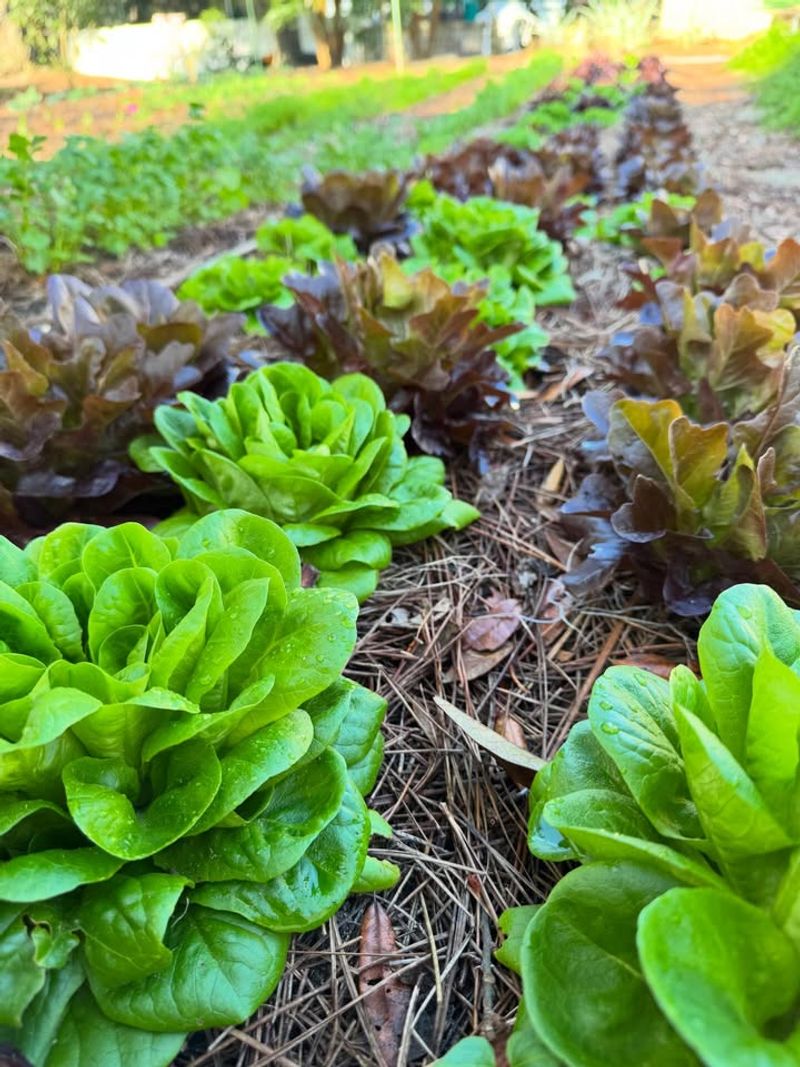
Lettuce might just be the most rewarding plant a Michigan gardener can grow. It sprouts fast, asks for very little, and fills your salad bowl before most other vegetables even get started.
Most varieties are ready to harvest in just 30 to 45 days, which means you can go from seed to salad in about a month.
Michigan’s cool spring temperatures are practically made for lettuce. Varieties like Buttercrunch, Red Sails, and Oak Leaf handle chilly mornings without complaint and stay crisp and flavorful through the season.
You can even plant again in late summer for a fall harvest when the heat backs off.
The trick to keeping lettuce going all season is called cut-and-come-again harvesting. Instead of pulling the whole plant, snip the outer leaves and let the center keep growing.
One small patch can feed your family for weeks this way. Planting a new row every two weeks also keeps a steady stream of greens coming in.
In Michigan, where spring and fall both offer ideal cool conditions, lettuce is a natural fit that beginners and experienced growers alike absolutely love.
2. Radishes
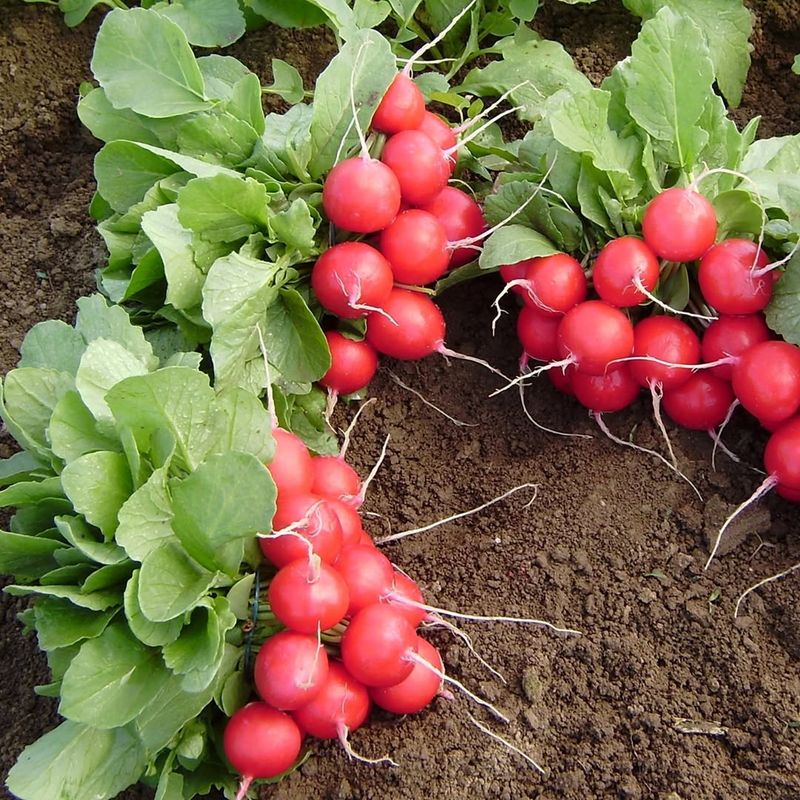
If you have never grown a radish before, you are in for a real treat. These little root vegetables are the sprinters of the garden world, going from seed to ready-to-eat in as little as 20 to 30 days.
That kind of speed is hard to beat, especially for new gardeners who want results fast.
Radishes love Michigan’s cool spring weather, and they are a perfect choice for planting as soon as the ground softens up in April. Varieties like Cherry Belle, French Breakfast, and the colorful Easter Egg mix are all excellent performers in Michigan soil.
They add a satisfying crunch and a peppery kick to salads, tacos, and snack boards.
Growing radishes is also a smart strategy for beginners because they help mark rows for slower-growing plants like carrots. You can tuck radish seeds between other vegetables to make the most of your garden space.
Since they mature so quickly, they are usually harvested before neighboring plants need the room. Plant a small batch every week or two, and you will have a rolling supply of fresh radishes from early spring straight into the cooler days of fall.
Michigan gardens are perfectly suited for this fast, fun, and surprisingly productive little vegetable.
3. Spinach
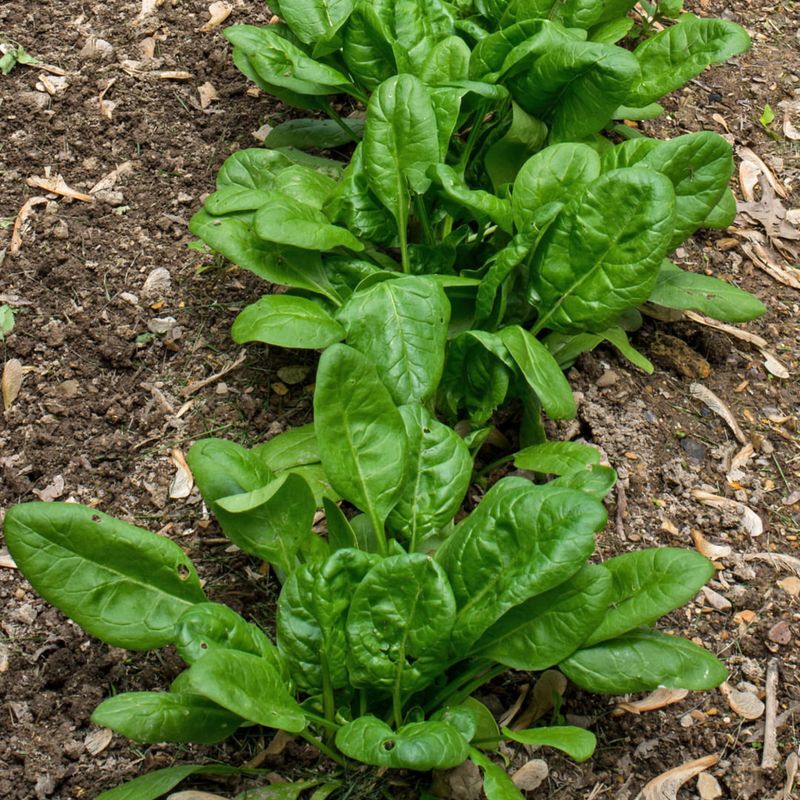
Spinach is one of those vegetables that earns its place in a Michigan garden every single year. It is packed with nutrition, grows quickly in cool weather, and can actually handle a light frost without missing a beat.
That frost tolerance makes it one of the earliest crops you can get into the ground each spring.
Most spinach varieties are ready to harvest in 35 to 45 days, and popular picks like Bloomsdale, Space, and Tyee all perform beautifully in Michigan’s climate.
Bloomsdale is especially loved for its crinkled, flavorful leaves that hold up well in both fresh salads and cooked dishes.
You can start seeds outdoors as early as late March to early April in many parts of Michigan.
Spinach also gives you a second season in late summer and early fall, which is a big bonus for Michigan gardeners looking to stretch their harvest window. Simply plant again in August and enjoy fresh greens well into October.
Like lettuce, spinach responds well to cut-and-come-again harvesting, so one planting can keep producing for weeks. It grows well in containers too, which is great news if your garden space is limited.
Few vegetables offer this much flexibility and reward for such little effort in a Michigan backyard.
4. Bush Beans
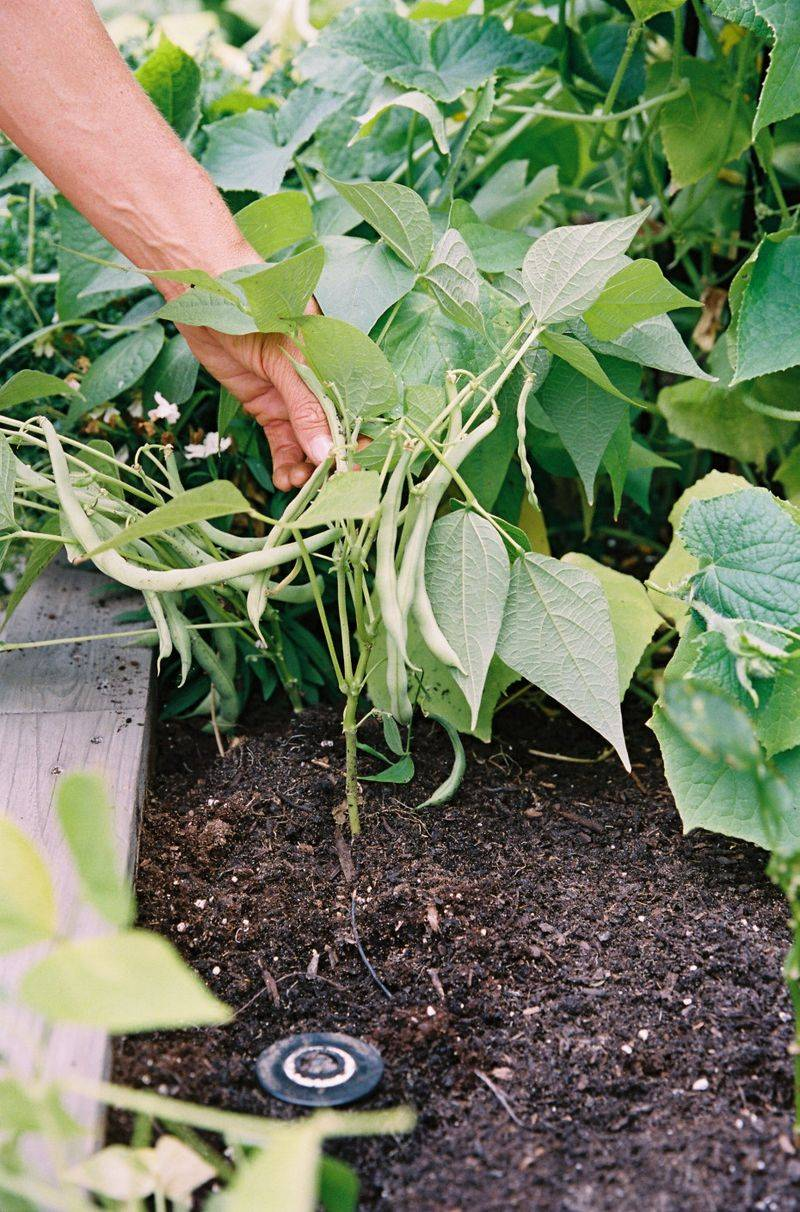
Bush beans are the kind of vegetable that makes gardening feel effortless. They do not need stakes or trellises, they grow in a tidy, compact shape, and they produce an impressive amount of food in a relatively short amount of time.
For Michigan gardeners working with smaller spaces, bush beans are a genuinely smart choice.
These beans mature in about 50 to 60 days, which fits perfectly into Michigan’s warm summer growing window. Varieties like Provider, Contender, and Blue Lake Bush are especially well-regarded for their heavy yields and great flavor.
Provider is a standout because it germinates well even in cooler soil, giving it a head start over other warm-season crops.
Plant bush beans after the last frost, which typically falls between mid-April and mid-May depending on where you are in Michigan. They love full sun and well-drained soil, and once they get going, they really take off.
Harvest the pods while they are still young and tender for the best flavor, and check plants every couple of days because they produce quickly. Succession planting every two to three weeks keeps fresh beans coming all summer long.
Bush beans are also good for the soil because they fix nitrogen naturally, which benefits whatever you plant next in that spot.
5. Zucchini
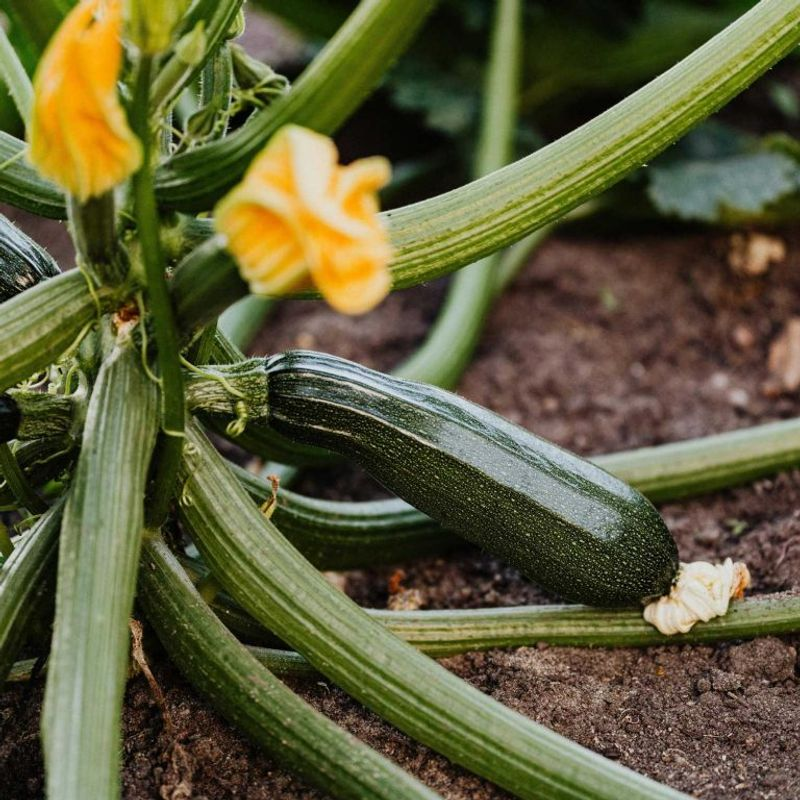
Zucchini has a reputation, and it is well earned. One or two plants can produce so much food that Michigan gardeners often find themselves looking for creative ways to use it all.
Neighbors, coworkers, and friends tend to benefit from a good zucchini season, and honestly, that is part of the fun.
This warm-weather vegetable thrives in Michigan’s sunny summer months and typically starts producing around 60 to 70 days after planting.
Full sun is a must, and zucchini plants reward you with better harvests when they get at least six to eight hours of direct sunlight each day.
The more warmth and light they receive, the more productive they become.
The key to keeping zucchini pumping out fruit all season is simple: harvest often. Picking zucchini when it is still young, around six to eight inches long, signals the plant to keep producing.
If you let one get too large, production slows down noticeably. Plant seeds or transplants after your last frost date, and give each plant plenty of room since they spread out quite a bit.
A small hill of rich, well-amended soil gives zucchini exactly what it needs to thrive. For any Michigan gardener who wants a big, reliable harvest without a lot of fuss, zucchini is one of the most satisfying vegetables you can possibly grow.
6. Cucumbers
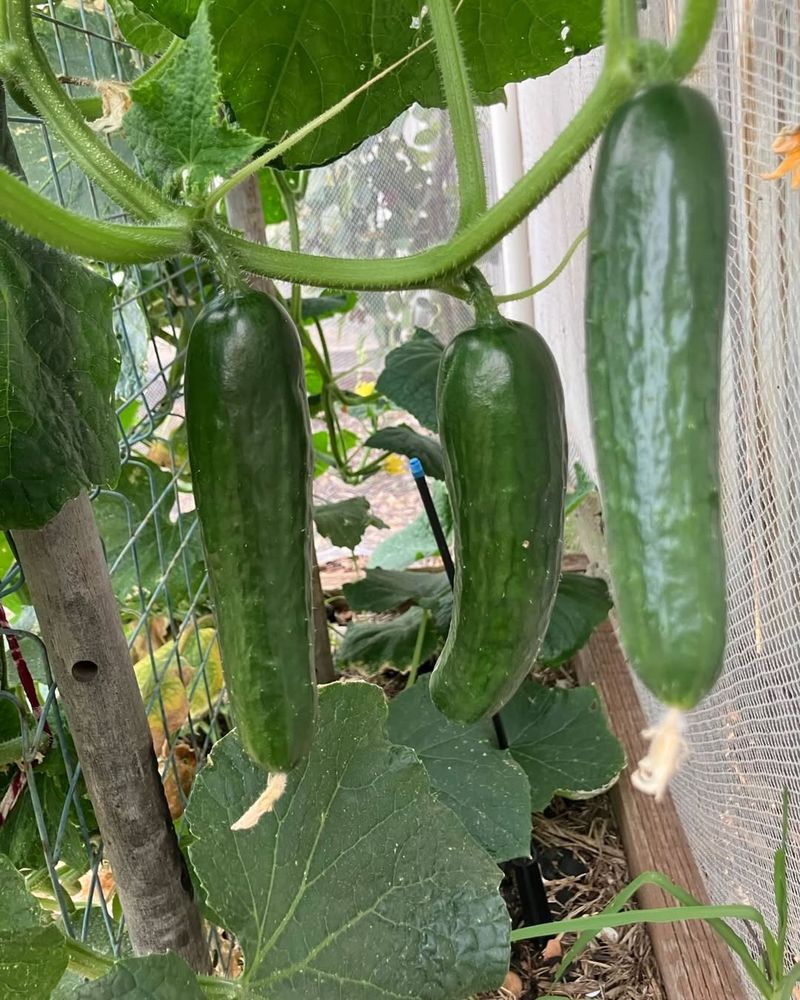
Few things taste as refreshing as a cucumber you grew yourself. Crisp, cool, and incredibly versatile, cucumbers are a summer staple in Michigan gardens, and they produce in big numbers once the weather warms up.
Most varieties are ready to harvest in 50 to 65 days, making them a reliable mid-summer crop.
Cucumbers love full sun and warm soil, so wait until after your last frost to plant them. In Michigan, that usually means late May in most regions.
Training cucumber vines up a trellis or simple wire frame saves space, keeps fruits cleaner, and makes harvesting much easier.
Varieties like Straight Eight and Marketmore are classic choices, while Spacemaster works well for gardeners with smaller beds or containers.
Consistent watering is the secret to plump, flavorful cucumbers. Uneven moisture can cause fruits to taste bitter or develop an irregular shape, so try to keep the soil evenly moist throughout the season.
Mulching around the base of plants helps hold moisture in and keeps roots cool during Michigan’s hottest weeks. Just like zucchini, cucumbers produce best when you harvest them regularly.
Leaving overripe fruits on the vine slows production, so check plants every other day during peak season. With a little attention, a few cucumber plants can supply your family with more than enough fresh cucumbers all summer long.
7. Carrots
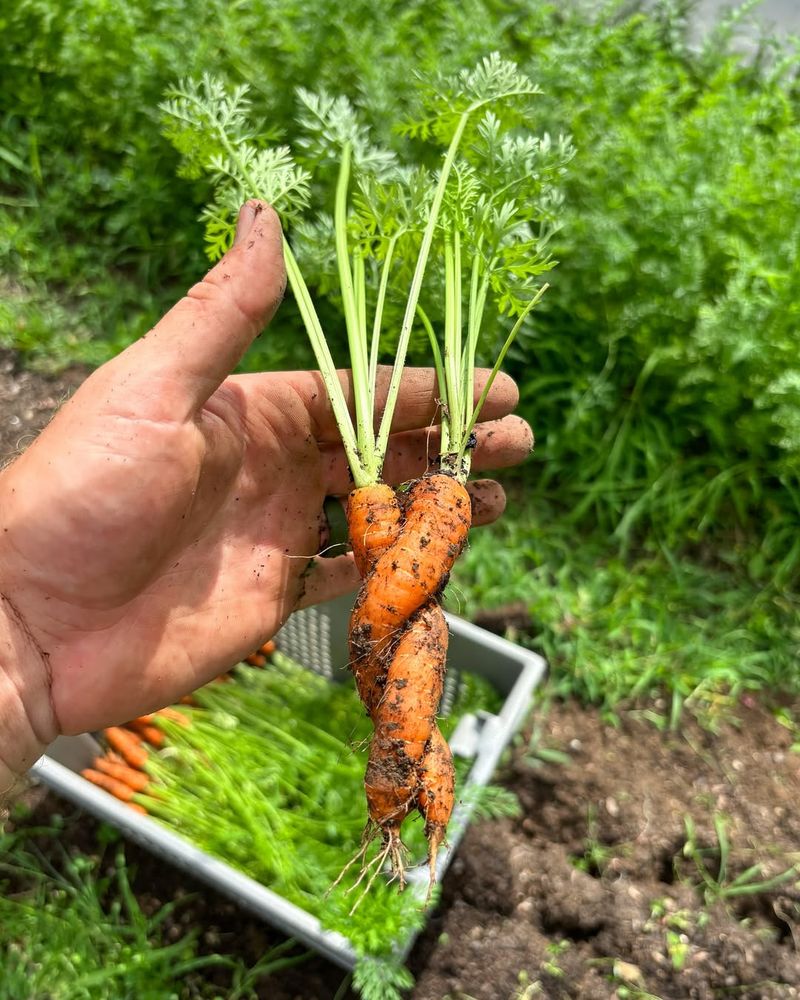
Carrots are a little more patient than some of the other vegetables on this list, but the payoff is absolutely worth the wait. Planted in early spring, Michigan-grown carrots are typically ready to pull in about 70 to 120 days depending on the variety.
That long, slow growth builds up sweet, complex flavor that store-bought carrots rarely match.
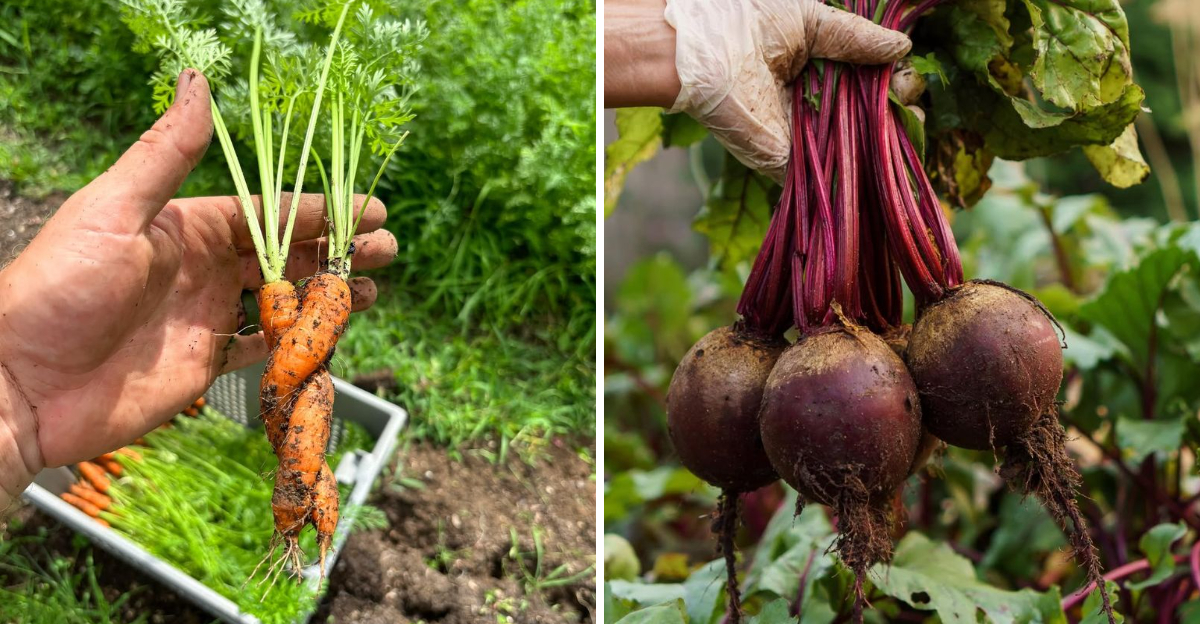
The most important thing carrots need is loose, well-draining soil that is free of rocks and hard clumps. Compacted or stony soil causes roots to fork, twist, or stay short.
Raised beds filled with light, sandy loam are ideal for growing long, straight carrots in Michigan. Nantes and Danvers varieties are popular choices because they handle heavier soils better than some other types.
Sow carrot seeds directly in the garden in early April, as they germinate well in cool spring soil. Thin seedlings to about two inches apart once they sprout so each root has enough room to develop fully.
Carrots actually get sweeter after a light frost, which is a fun bonus for fall harvests in Michigan. You can leave them in the ground past the first frost and pull them as needed, almost like a natural refrigerator.
Few vegetables feel as rewarding to harvest as a bunch of fat, homegrown carrots you pulled straight from Michigan soil yourself.
8. Beets
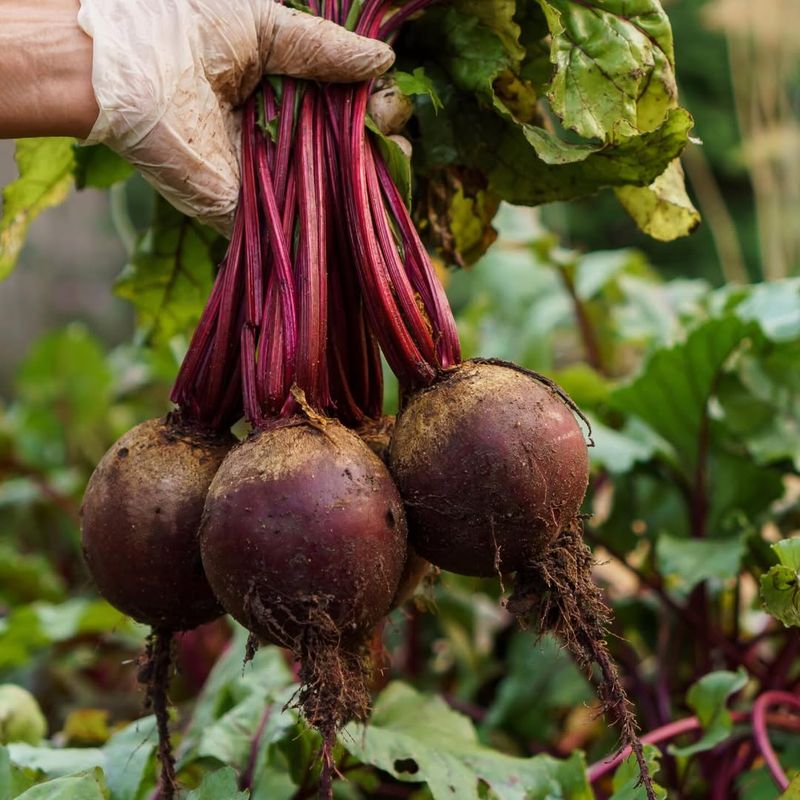
Beets are one of the most underrated vegetables in the Michigan garden. They are cold-hardy, easy to grow, and they give you two harvests in one plant.
The roots are sweet and earthy, and the leafy green tops taste similar to Swiss chard, which means nothing goes to waste when you grow beets.
Plant beet seeds directly in the garden as soon as the soil can be worked in spring, usually late March to early April in Michigan.
They handle cold temperatures well and are not bothered by light frosts, which makes them one of the earliest crops you can get started.
Most varieties are ready to harvest in 60 to 80 days, and popular choices like Detroit Dark Red, Chioggia, and Golden Beet all perform reliably in Michigan conditions.
Beets grow best in loose, well-amended soil with good drainage. Like carrots, they do not love compacted ground, so loosening the soil before planting makes a noticeable difference in root size.
Thin seedlings to about three inches apart after they sprout since beet seeds are actually clusters that produce multiple plants. Eating the thinned seedlings as microgreens is a bonus harvest most gardeners enjoy.
For a fall crop, sow beets again in late July. Michigan’s cool autumn temperatures bring out their natural sweetness and make fall-harvested beets especially delicious.
9. Kale
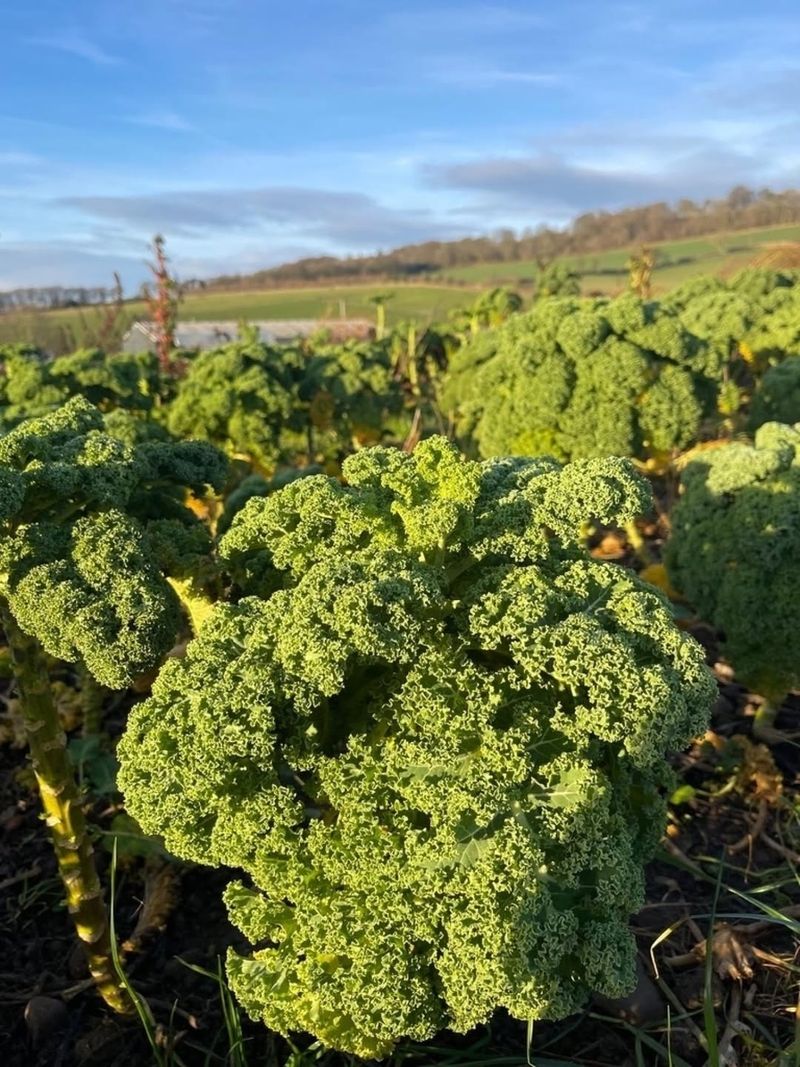
Kale might just be the toughest vegetable in the Michigan garden. It handles cold temperatures that would flatten most other crops, and it actually gets sweeter after a frost hits.
That combination of hardiness and flavor makes kale a favorite among Michigan gardeners who want to stretch their growing season as long as possible.
Most kale varieties are ready to harvest in 50 to 65 days, and standout choices for Michigan include Winterbor, Lacinato (also called Dinosaur Kale), and Red Russian.
Each one brings a slightly different texture and flavor to the table, so growing a mix is a fun way to keep things interesting.
Winterbor is especially popular in Michigan because of its ability to hold up through heavy frosts without losing quality.
Kale grows well in both spring and fall, and Michigan gardeners can often harvest it from May through November and sometimes into early winter with protection.
Start seeds indoors about six weeks before your last frost date, or direct sow in late summer for a fall crop.
Like spinach and lettuce, kale responds well to cut-and-come-again harvesting. Remove the lower outer leaves first and let the center keep growing.
A single plant can produce for months with this approach. For anyone looking to maximize their Michigan garden’s output, kale is a reliable, nutritious, and incredibly productive choice from season to season.