9 Easy Groundcovers That Keep Weeds Away In Nevada
If you have ever looked at your yard and felt defeated by weeds taking over every inch of soil, you are not alone.
Gardening comes with its own set of challenges, from scorching summer heat to dry, sandy soil that seems to invite weeds right in.
The good news is that the right groundcover plants can do the heavy lifting for you, spreading across bare ground and crowding out weeds before they even get a chance to grow.
If you’re working with a small backyard or a large open landscape, these easy groundcovers can handle Nevada’s climate while keeping your garden clean, full, and beautiful all year long.
1. Creeping Thyme
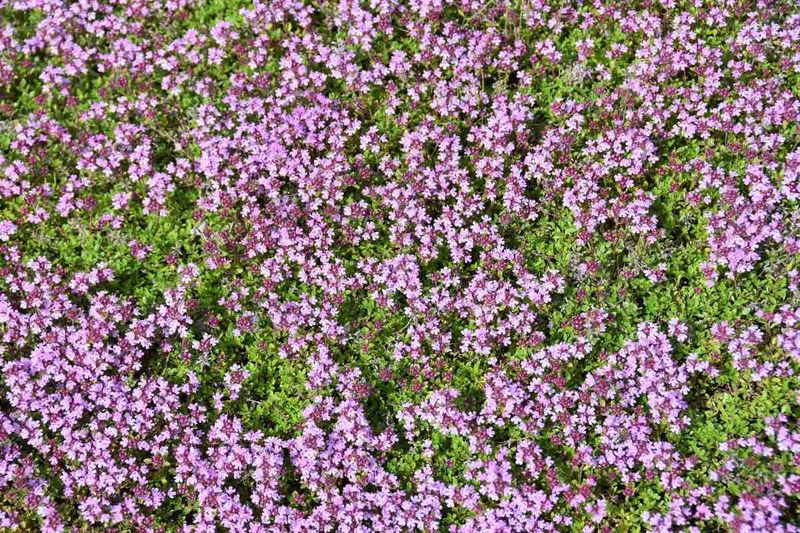
Tough, fragrant, and almost impossible to ignore when it blooms, creeping thyme is one of the best groundcovers you can plant. This low-growing plant hugs the ground tightly, forming a dense mat that leaves almost no room for weeds to sneak through.
It thrives in full sun and well-drained soil, which makes it a perfect match for dry, sunny climate.
Creeping thyme only grows about two to four inches tall, so it stays neat without much trimming. In late spring and early summer, it bursts into tiny pink or purple flowers that attract bees and butterflies.
Even after the blooms fade, the thick green or gray-green foliage keeps doing its job of blocking sunlight from reaching weed seeds below.
One of the best things about this plant is how little water it needs once established. You can plant it between stepping stones, along borders, or across slopes where other plants struggle.
It handles foot traffic surprisingly well, making it both practical and pretty. Give it a sunny spot, some decent drainage, and a little patience during the first growing season, and creeping thyme will reward you with years of low-maintenance, weed-suppressing beauty in your garden.
2. Ice Plant
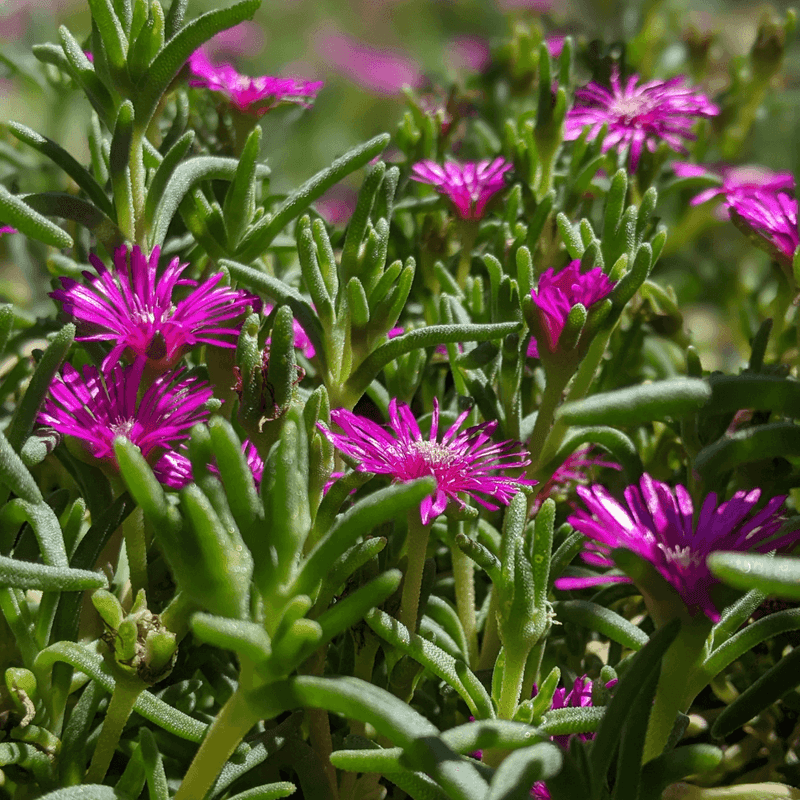
Nothing lights up a dry hillside quite like ice plant in full bloom. With its neon-bright flowers in shades of pink, purple, orange, and yellow, this succulent groundcover looks almost too cheerful to be real.
But behind that flashy appearance is a seriously tough plant that thrives in heat, drought, and poor soil conditions.
Ice plant spreads quickly across the ground, forming a thick, fleshy carpet that smothers weeds underneath. The leaves store water like little sponges, which means this plant can go long stretches without irrigation once it is established.
That water-storing ability also makes it one of the most drought-tolerant groundcovers available for landscapes.
It works especially well on slopes and hillsides where erosion can be a problem, since its roots grip the soil and hold everything in place. Ice plant prefers full sun and fast-draining soil, so avoid planting it anywhere that tends to stay wet.
It blooms most heavily in spring but often keeps producing scattered flowers through the warmer months. Gardeners who want a groundcover that looks stunning, fights weeds, and practically takes care of itself will find ice plant to be a fantastic choice for yards of all shapes and sizes.
3. Lantana
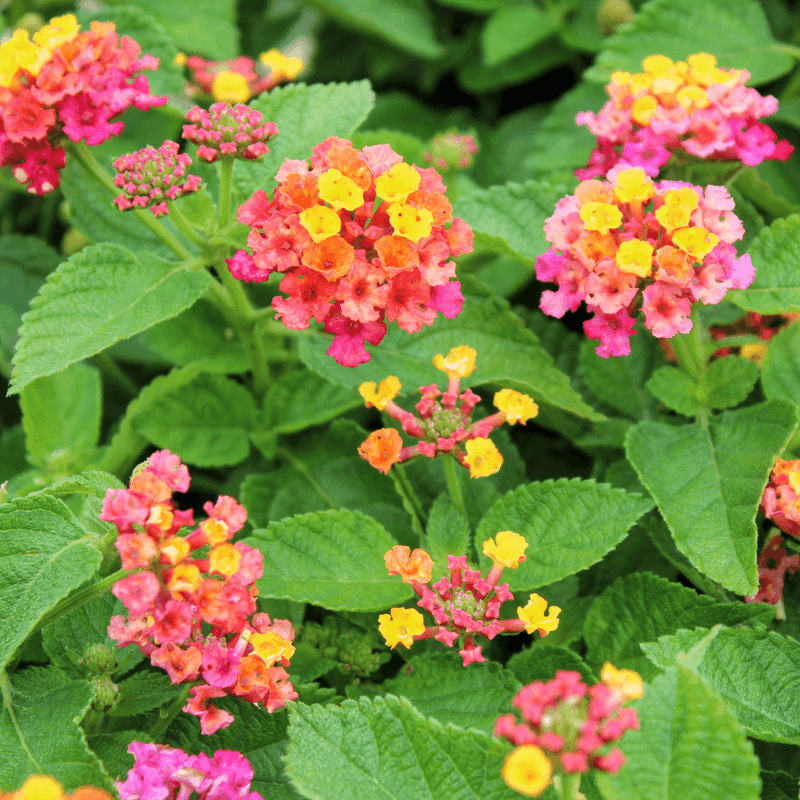
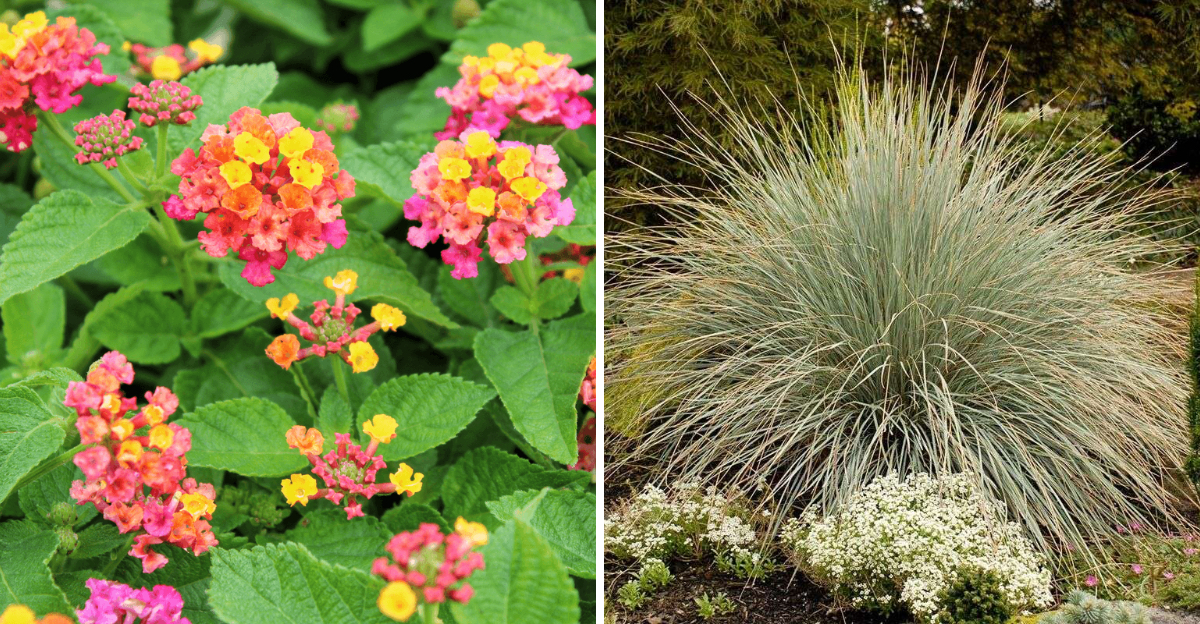
Lantana is one of those plants that makes you wonder why you ever planted anything else. It spreads fast, blooms in vivid clusters of orange, yellow, pink, and red, and handles intense summer heat without even flinching.
Bees, butterflies, and hummingbirds absolutely love it, turning your yard into a little wildlife hotspot. In colder parts of the state, lantana may not survive winter and is often grown as an annual.
As a groundcover, lantana grows wide and dense, covering bare soil quickly and leaving weeds nowhere to grow. Spreading varieties stay low to the ground and can cover several feet of space in a single growing season.
That aggressive spread is exactly what you want when your goal is to block out unwanted plants.
Lantana thrives in full sun and tolerates dry conditions well, making it a natural fit for warm, arid landscape. It does best with occasional deep watering rather than frequent shallow sprinklings, which encourages the roots to grow deep and strong.
Deadheading spent blooms is optional since the plant tends to bloom continuously on its own throughout the warm season.
If you want a groundcover that brings color, attracts pollinators, and keeps your garden beds looking full and weed-free with minimal effort, lantana is one of the smartest choices you can make for a yard.
4. Blue Oat Grass
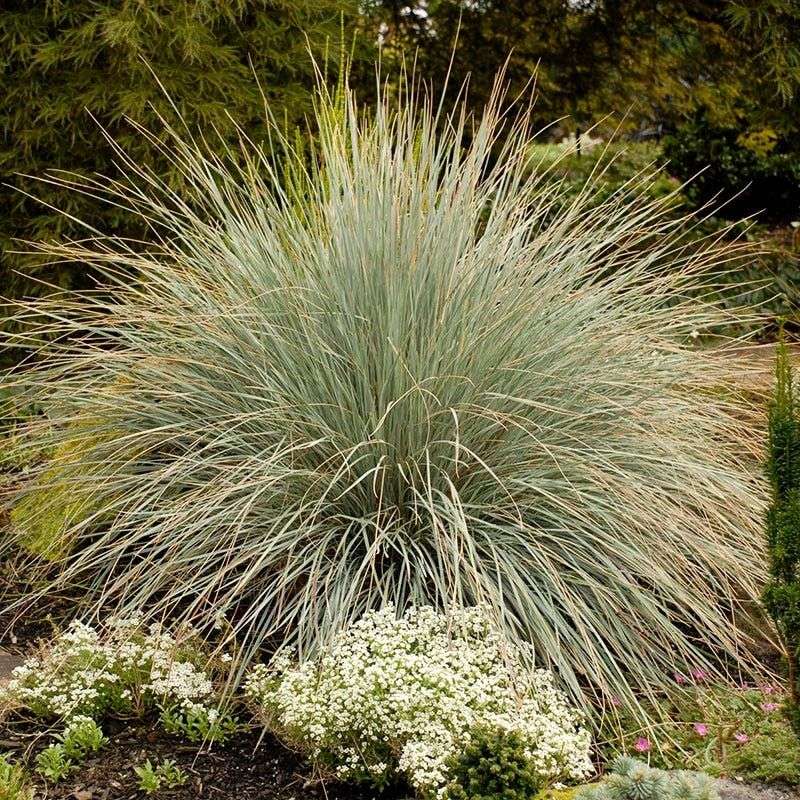
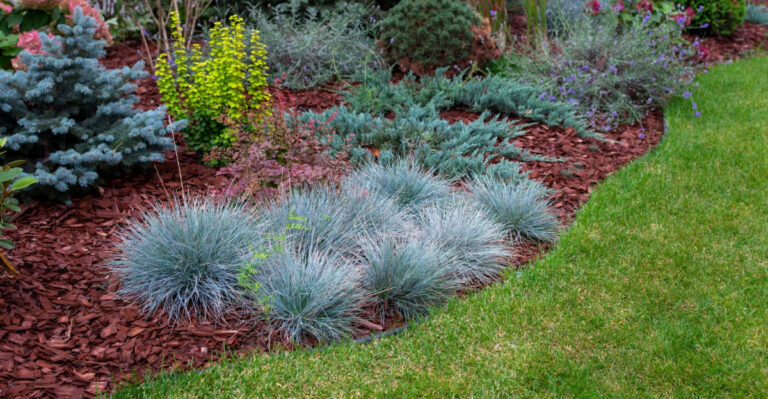
Cool-toned and architectural, blue oat grass brings a completely different kind of beauty to gardens. Unlike flowering groundcovers, this ornamental grass earns its place through its striking silvery-blue foliage that catches sunlight and adds texture to any landscape.
It forms neat, rounded clumps that stay attractive through most of the year.
When planted in groups or rows, blue oat grass creates a thick, unified mass that shades the soil and crowds out weeds effectively. The clumps grow about two to three feet tall and wide, giving each plant enough presence to fill space without becoming overwhelming.
Between the clumps, adding mulch or low-growing plants helps create a more complete weed barrier.
Blue oat grass loves full sun and well-drained soil, both of which are easy to find in most yards. It is drought-tolerant once established and needs very little fertilizing or fussing over.
In late spring, it sends up tall golden seed heads that sway gently in the breeze and add another layer of visual interest. Cutting it back in late winter keeps it looking fresh and encourages new growth each spring.
For gardeners who want something a little different from traditional flowering groundcovers, blue oat grass is a stylish, low-maintenance option that works beautifully in Nevada’s dry climate.
5. Prostrate Rosemary
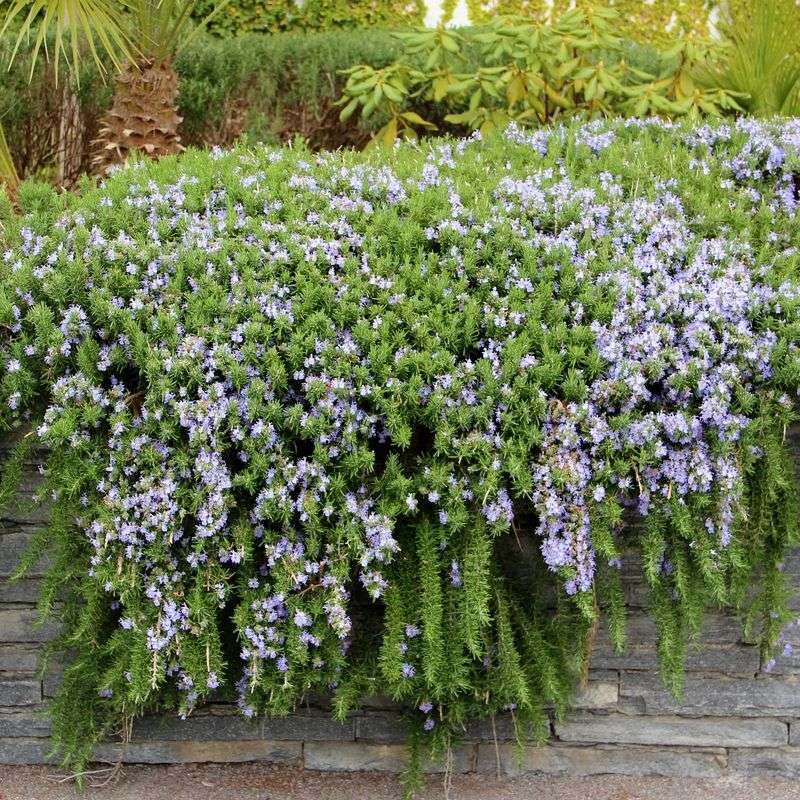
Imagine a groundcover that smells incredible, looks beautiful, and practically takes care of itself. That is exactly what prostrate rosemary brings to a garden.
Unlike the upright rosemary you might grow in a kitchen herb garden, this low-growing variety cascades along the ground, spreading outward in a fragrant, evergreen mat.
It thrives in full sun and dry conditions, which makes it one of the most natural fits for Nevada’s climate. Once established, prostrate rosemary is remarkably drought-tolerant and rarely needs extra watering beyond what nature provides.
Its dense, needle-like foliage covers soil thoroughly, blocking light from reaching weed seeds and preventing new growth.
In late winter and early spring, it produces tiny blue or purple flowers that attract early pollinators when most other plants are still dormant. The aromatic oils in the leaves also tend to discourage certain pests, giving you an extra layer of garden protection.
Prostrate rosemary looks especially stunning spilling over retaining walls, along pathways, or covering slopes where erosion control matters. It grows slowly at first but becomes more vigorous after the first year.
In colder or higher elevation areas, plant it in a protected spot to avoid winter damage.
For gardeners who want a groundcover that combines practical weed suppression with sensory beauty, prostrate rosemary is a truly satisfying long-term investment for any outdoor space.
6. Gazania
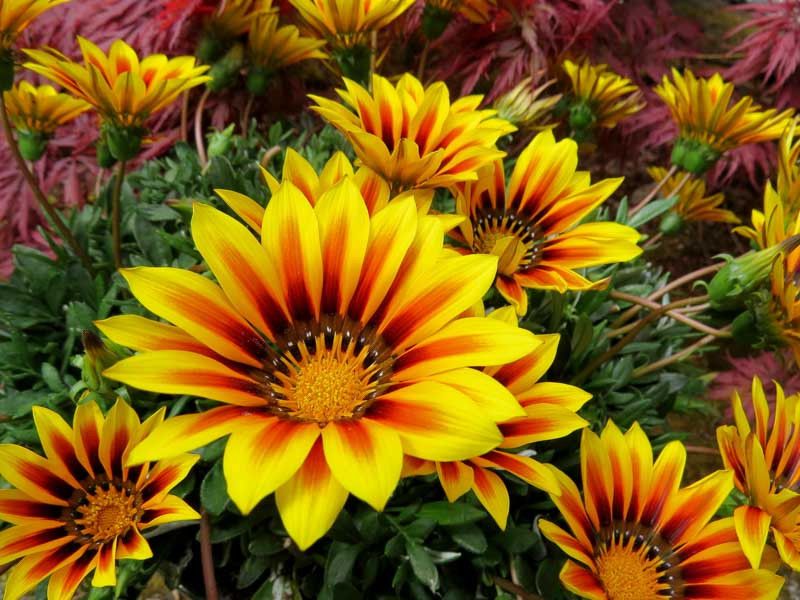
Gazania is the kind of plant that stops people in their tracks. Its bold, daisy-like flowers come in blazing shades of orange, yellow, red, and pink, often with striking dark centers or contrasting stripes on the petals.
Few groundcovers can match the sheer visual impact that gazania delivers during its peak blooming season.
Beyond the good looks, gazania is a genuinely tough plant that handles Nevada’s intense heat and low rainfall with ease. It grows low and spreading, forming a dense layer of foliage that shades the soil and prevents weed seeds from germinating.
The more sun it gets, the better it performs, so open, south-facing garden beds are ideal spots.
Gazania is drought-tolerant once established and works well in sandy or rocky soils that would challenge less rugged plants. It blooms most heavily from spring through early summer, then slows down a bit during the hottest weeks before picking back up in early fall.
Removing spent flowers encourages new blooms and keeps the planting looking tidy. It pairs beautifully with other drought-adapted plants commonly used in Nevada landscapes, such as lavender, ornamental grasses, and succulents.
If you want a groundcover that genuinely earns attention while quietly doing the hard work of keeping weeds at bay, gazania is a brilliant choice. It can be short-lived in some gardens, so occasional replanting may be needed to keep displays looking full.
7. Woolly Thyme
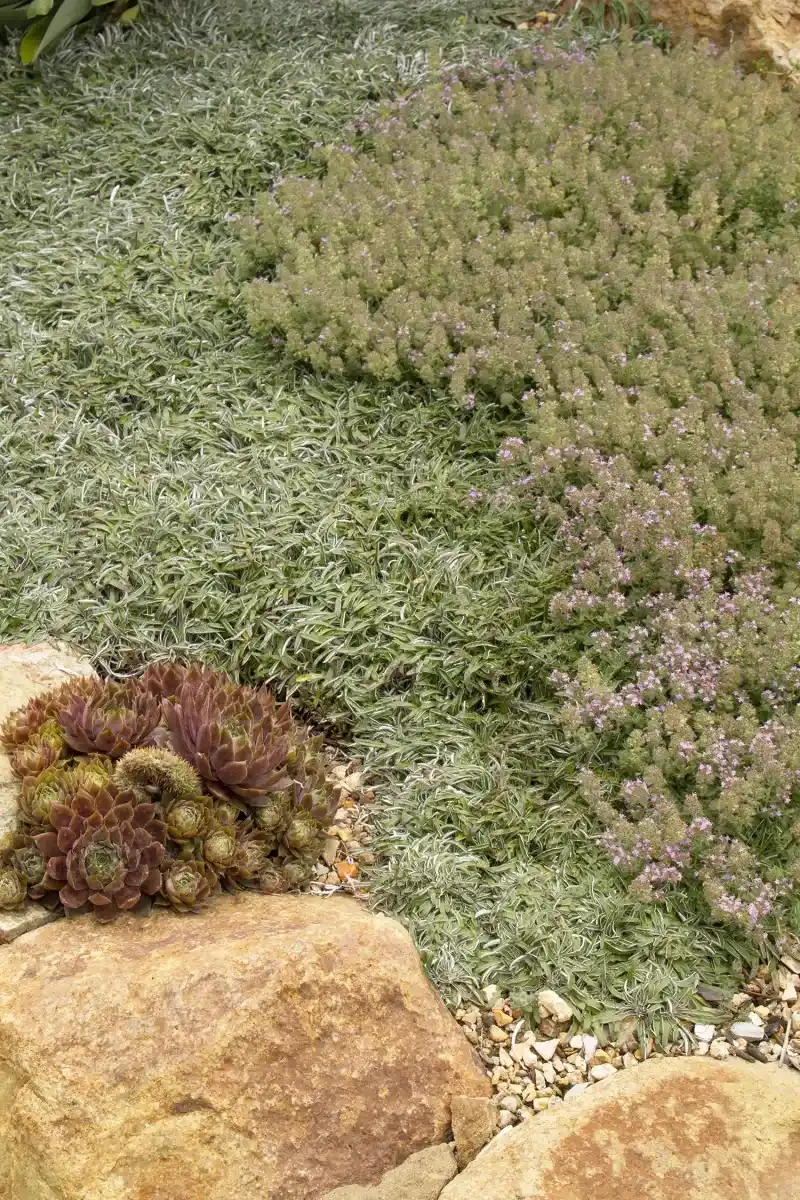
Soft to the touch and surprisingly resilient, woolly thyme is one of those plants that gardeners fall in love with the moment they feel it.
The fuzzy, silver-green foliage feels almost velvety underfoot, and when it spreads between stepping stones or across a sunny slope, the effect is absolutely charming.
It is one of the most visually distinctive groundcovers you can grow in Nevada.
Like its cousin creeping thyme, woolly thyme forms a tight, low mat that blocks sunlight from reaching the soil below. This makes it an effective natural barrier against weeds without the need for chemical treatments or heavy mulching.
It grows only about one inch tall, staying impressively flat and carpet-like throughout the season.
Woolly thyme thrives in full sun and fast-draining soil, tolerating heat and drought conditions that would stress many other groundcovers. It handles light foot traffic well, which makes it especially popular for filling gaps in pathways and garden steps.
In late spring, tiny pale pink flowers emerge across the mat, adding a delicate bloom display that lasts for several weeks. Minimal watering and almost no fertilizing are needed once the plant is established.
For Nevada gardeners looking for something that is both functional and genuinely beautiful up close, woolly thyme delivers on every level.
8. Sedum
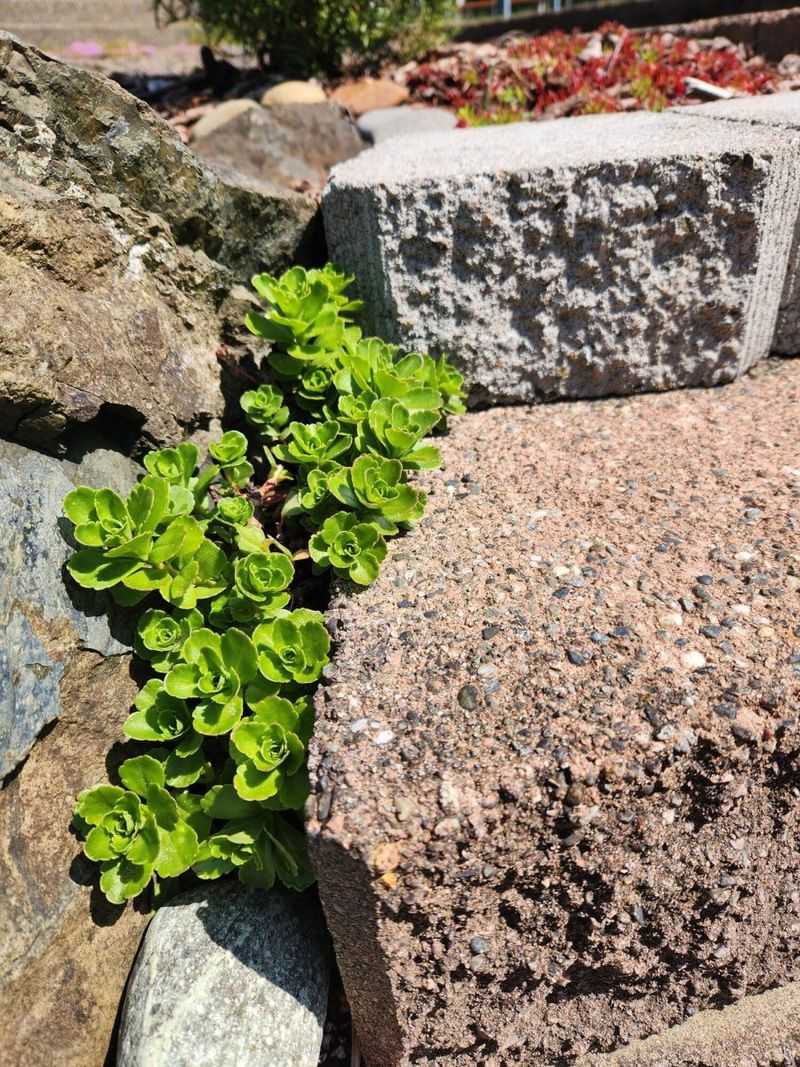
Few plants are as endlessly versatile as sedum, and gardeners have good reason to love it. With hundreds of varieties available, ranging from tiny creeping types to larger clumping forms, there is almost certainly a sedum that fits every corner of your yard.
The succulent leaves store water efficiently, making sedum one of the most drought-resistant groundcovers on the planet.
Low-growing sedum varieties spread steadily across the ground, filling in gaps and covering bare soil with colorful rosettes and fleshy foliage in shades of green, burgundy, bronze, and silver.
That dense coverage is exactly what keeps weeds from establishing themselves, since weed seeds need light and open soil to sprout.
Sedum thrives in full sun and poor, well-drained soil, which describes many Nevada garden beds perfectly. It rarely needs fertilizing and actually tends to look better when left a little lean.
In late summer and fall, many varieties produce clusters of small star-shaped flowers in pink, yellow, or white that attract butterflies and bees. Sedum is also frost-hardy, so it keeps providing ground coverage through cooler winter months when other plants go dormant.
Whether you use it in rock gardens, along borders, or across open slopes, sedum is a dependable, attractive, and genuinely low-maintenance groundcover that earns its place in any landscape.
9. Catmint
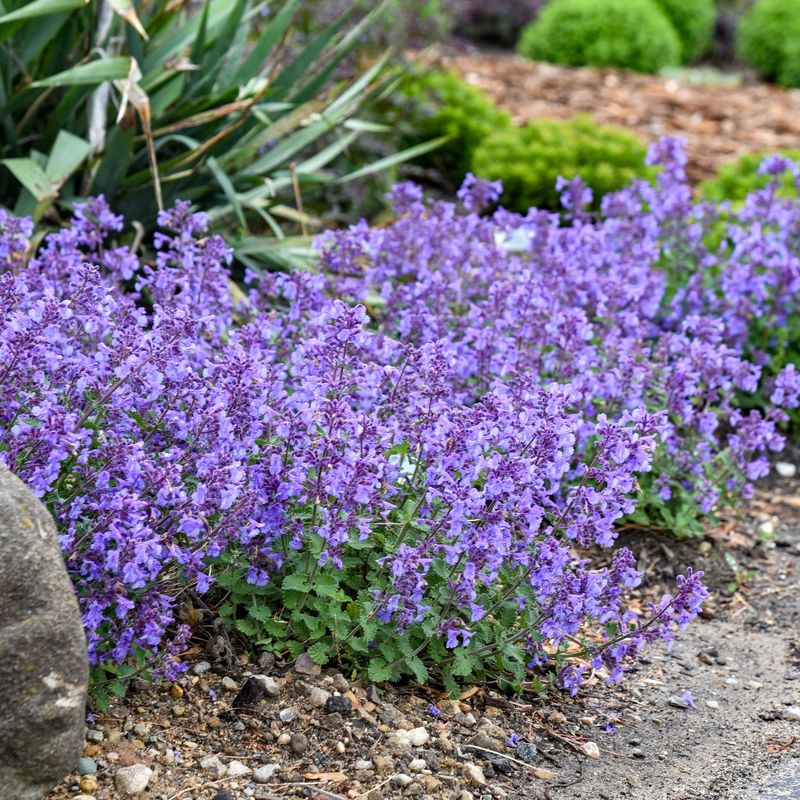
There is something almost magical about the way catmint looks when it is in full bloom. Waves of soft lavender-blue flowers spill over garden borders in late spring and early summer, creating a hazy, dreamy effect that looks straight out of a gardening magazine.
And yet, for all its beauty, catmint is one of the toughest, most low-maintenance groundcovers you can grow.
It spreads into a mounding, spreading clump that covers ground quickly and densely, shading out weeds before they have a chance to take hold. The aromatic gray-green foliage stays attractive even when the plant is not in bloom, giving you year-round coverage and texture in your garden beds.
Catmint is also known for its strong fragrance, which tends to repel aphids and other common garden pests.
Full sun and well-drained soil are all catmint really asks for, both of which are easy to provide in most Nevada gardens. It is highly drought-tolerant once established and handles heat remarkably well.
Cutting it back by about half after the first flush of blooms often triggers a second round of flowering in late summer. Pollinators, especially bees and butterflies, are drawn to it in large numbers.
For anyone wanting a groundcover that is gorgeous, fragrant, tough, and genuinely effective at keeping weeds away, catmint is an outstanding choice for landscapes. Plant it closely to create a fuller groundcover effect and better weed suppression.