6 Easy Herbs Every Arizona Beginner Can Grow
Growing your own herbs in Arizona might sound tricky, but it’s easier than you think. With the right choices, even beginners can enjoy fresh, homegrown flavor straight from their backyard or patio.
The desert climate can be tough, but some herbs actually love the heat and sunshine. Imagine stepping outside and snipping fresh herbs for dinner whenever you want. Picture your garden thriving, even during hot Arizona summers.
What if your first garden success was just weeks away? Yes, you really can grow herbs here, without stress or fancy tools.
From fast-growing favorites to hardy herbs that forgive beginner mistakes, Arizona offers more possibilities than most people realize.
Whether you’re gardening in the ground, raised beds, or containers, these easy herbs are perfect for getting started and building confidence. Once you try them, you’ll wonder why you didn’t start sooner.
1. Basil
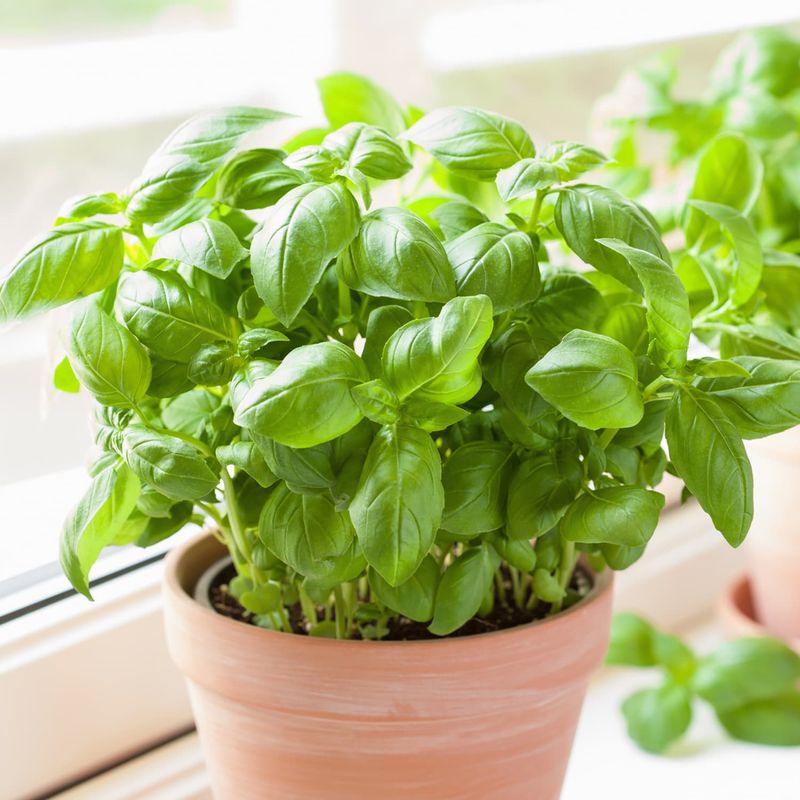
Basil absolutely loves the Arizona sun and warm temperatures, making it one of the easiest herbs you can grow in this state. This fragrant herb thrives in the heat that would stress out many other plants, and it grows quickly once established.
You can plant basil in the ground, in containers on your patio, or even in a sunny kitchen window, and it will reward you with fresh leaves all season long.
Planting basil in Arizona works best in spring after the last frost or in early fall when temperatures start to cool slightly. The herb needs at least six hours of direct sunlight daily, though it can tolerate some afternoon shade during the hottest summer months.
Make sure to water basil regularly, keeping the soil moist but not soggy, as it doesn’t like to dry out completely.
Basil grows fast and produces lots of leaves, especially if you pinch off the tops regularly to encourage bushier growth. This also prevents the plant from flowering too soon, which can make the leaves taste bitter.
Arizona gardeners often find that basil grows so well here that they have plenty to share with neighbors or preserve for later use.
Fresh basil adds incredible flavor to pasta dishes, salads, sandwiches, and homemade pesto. You can also dry the leaves or freeze them in olive oil to enjoy that fresh taste year-round.
With minimal effort and just basic care, basil becomes a garden superstar that keeps giving throughout the growing season in Arizona’s sunny climate.
2. Rosemary
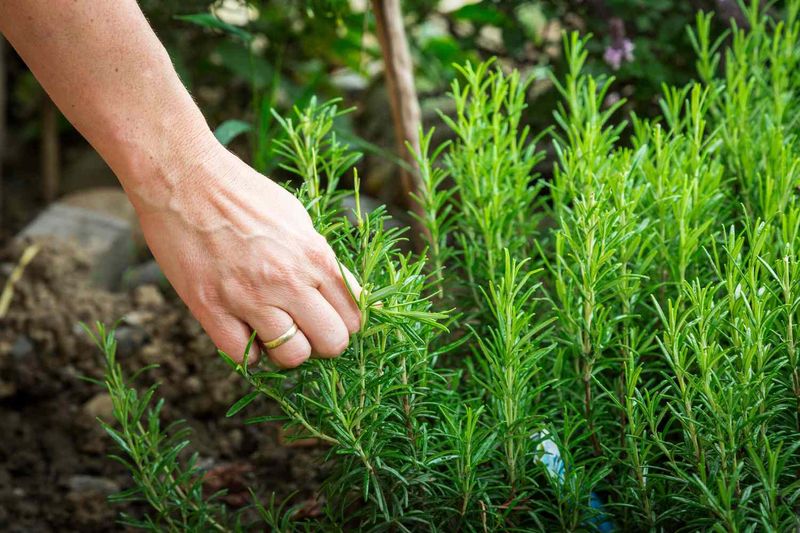
Few herbs handle Arizona’s dry heat quite like rosemary, which practically thrives on neglect once it gets established. Originally from Mediterranean regions with similar climates, rosemary feels right at home in the desert Southwest.
This woody, evergreen herb grows into a beautiful shrub that can last for years, providing fresh sprigs whenever you need them.
Rosemary prefers well-draining soil and full sun, making it perfect for Arizona’s sandy soils and abundant sunshine. Once your rosemary plant settles in, it becomes incredibly drought-tolerant and needs very little water compared to other herbs.
Overwatering is actually the biggest mistake people make with rosemary, so let the soil dry out between waterings.
This herb grows slowly at first but eventually develops into a sturdy plant that can reach several feet tall and wide.
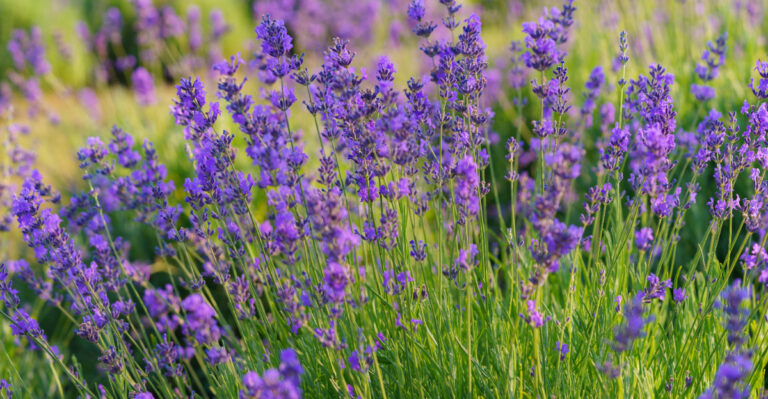
In Arizona, rosemary often blooms with small blue or purple flowers in late winter or early spring, adding extra beauty to your garden. The needle-like leaves stay green year-round, giving you a reliable harvest no matter the season.
Rosemary’s strong, piney flavor works wonderfully with roasted meats, potatoes, bread, and Mediterranean dishes. You can also use fresh rosemary sprigs to make fragrant herbal teas or infused oils.
Many Arizona gardeners plant rosemary along walkways or near patios where brushing against the plant releases its delightful scent. With almost no maintenance required, rosemary proves itself as one of the most reliable and rewarding herbs for beginners in the Arizona landscape.
3. Mint
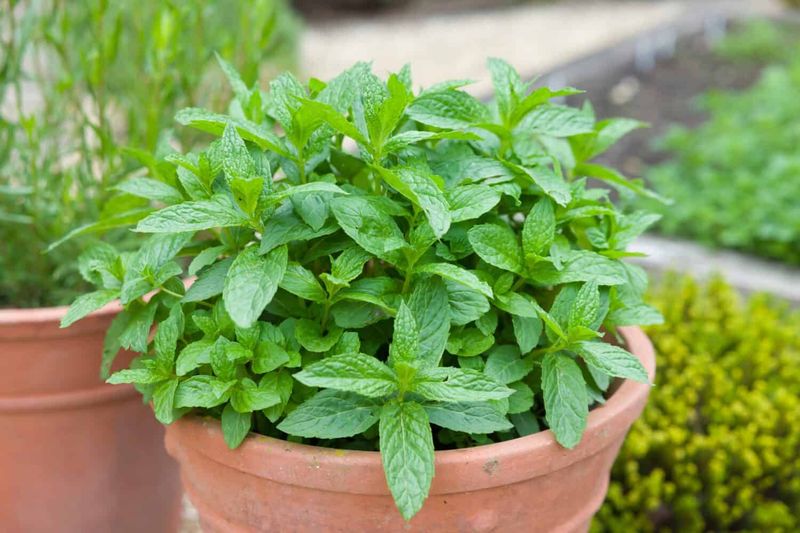
Mint grows with such enthusiasm in Arizona that your biggest challenge will be keeping it under control rather than getting it to grow. This vigorous herb spreads rapidly through underground runners and can quickly take over a garden bed if not contained.
However, that aggressive growth habit also makes mint incredibly forgiving for beginners who worry about keeping plants alive.
Growing mint in containers is the smartest approach for Arizona gardeners, as pots naturally limit the plant’s spread while still allowing it to flourish.
Mint prefers partial shade, especially during the intense Arizona summer afternoons, making it perfect for spots that get morning sun and afternoon shade.
Keep the soil consistently moist, as mint likes more water than many other herbs and will wilt quickly if it dries out too much.
Arizona’s warm climate allows mint to grow almost year-round, though it may slow down slightly during the hottest summer months. Regular harvesting actually encourages more growth, so don’t be shy about cutting stems whenever you need fresh leaves.
You can grow several varieties, including spearmint, peppermint, and chocolate mint, each offering slightly different flavors.
Fresh mint leaves are perfect for making refreshing iced tea, mojitos, and other cold drinks that help beat the Arizona heat. You can also add mint to fruit salads, yogurt, desserts, or Middle Eastern dishes like tabbouleh.
The plant’s cooling properties make it especially valuable in hot climates. With minimal care and plenty of water, mint becomes a reliable herb that produces abundantly throughout the year in Arizona gardens.
4. Oregano
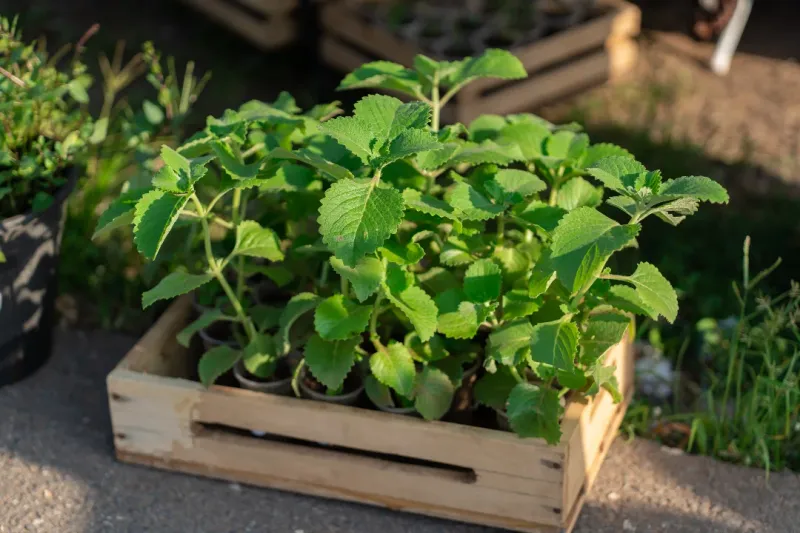
Oregano ranks among the toughest herbs you can grow in Arizona, tolerating heat, drought, and poor soil with remarkable resilience. This low-maintenance herb develops into a spreading mat of fragrant leaves that release their spicy aroma when touched.
Once established, oregano asks for almost nothing from you while providing fresh flavor for your kitchen all year long.
Plant oregano in full sun with well-draining soil, and it will happily grow without much fuss. Arizona’s dry climate actually helps prevent the fungal diseases that sometimes plague oregano in humid regions.
Water your oregano sparingly, allowing the soil to dry between waterings, as this herb prefers drier conditions similar to its native Mediterranean habitat.
Oregano grows as a low, bushy plant that spreads outward rather than upward, making it an excellent ground cover or border plant.
n Arizona, oregano often produces small white or pink flowers in summer, which attract beneficial insects to your garden. The leaves taste best before flowering, but you can harvest oregano anytime throughout the growing season.
Fresh oregano leaves have a stronger, more complex flavor than dried oregano, making them perfect for Italian dishes, pizza, grilled meats, and tomato sauces. You can also dry oregano easily by hanging cut stems in a warm, dry location, which works particularly well in Arizona’s low humidity.
Many gardeners in the state grow both Greek oregano and Italian oregano, each offering slightly different flavor profiles. With virtually no special care needed, oregano proves itself as a reliable, flavorful herb that thrives in Arizona’s challenging climate.
5. Thyme
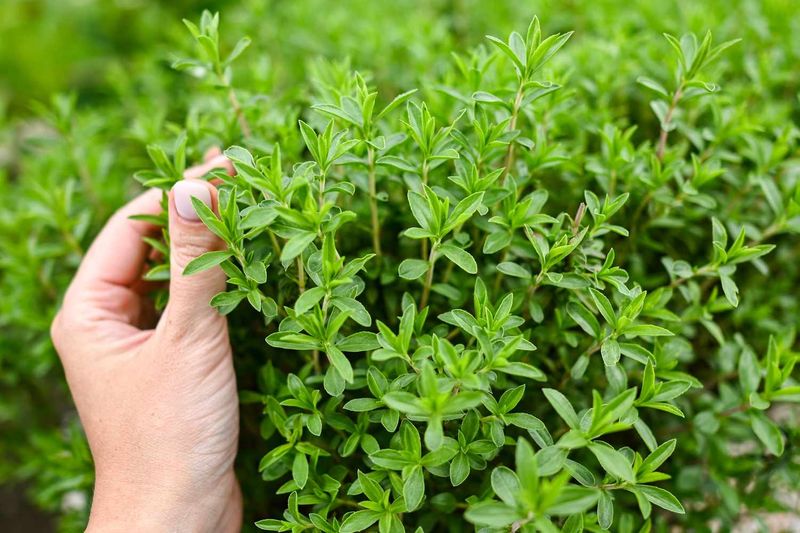
Thyme handles Arizona’s harsh conditions beautifully, making it an ideal choice for gardeners who want maximum flavor with minimal effort. This compact, low-growing herb forms dense mats of tiny leaves that pack a powerful aromatic punch.
Thyme’s drought tolerance and heat resistance make it perfectly suited to the Arizona climate, where it thrives with very little attention.
Growing thyme in Arizona requires well-draining soil and full sun exposure, conditions that naturally exist in many desert gardens. This herb actually prefers lean, rocky soil over rich, fertilized ground, so you don’t need to amend your soil much before planting.
Water thyme sparingly, as it tolerates dry conditions much better than wet feet, which can lead to root problems.
Thyme grows slowly but steadily, eventually forming a low cushion of foliage that stays evergreen throughout Arizona’s mild winters. The plant produces tiny flowers in late spring or early summer, usually in shades of pink, purple, or white, which attract bees and other pollinators.
You can grow several varieties, including common thyme, lemon thyme, and creeping thyme, each offering unique flavors and growth habits.
Fresh thyme leaves add depth to roasted vegetables, soups, stews, and meat dishes, while lemon thyme brings a citrusy brightness to fish and chicken. The herb’s small leaves stay on the stem well, making it easy to add whole sprigs to dishes and remove them before serving.
Many Arizona gardeners plant thyme between stepping stones or along pathways where foot traffic releases its wonderful fragrance. With almost no maintenance required, thyme delivers consistent harvests year after year in Arizona’s sunny, dry environment.
6. Cilantro
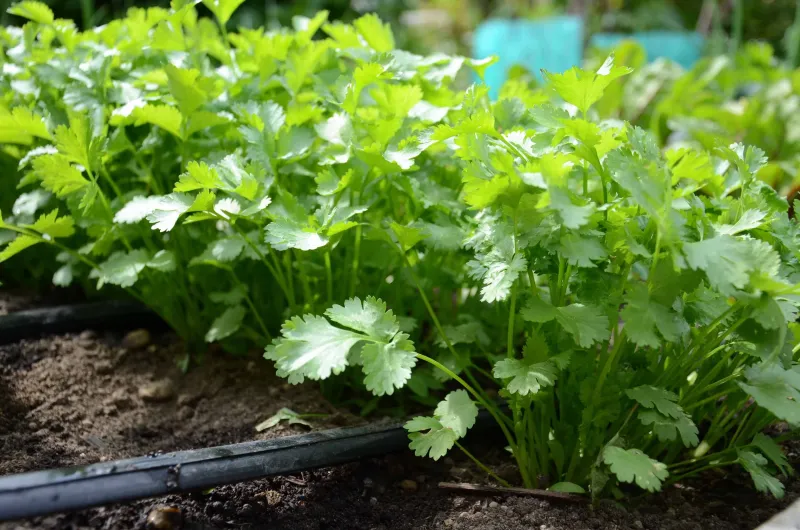
Cilantro presents a slightly different challenge in Arizona compared to other herbs, but understanding its preferences makes success easy even for beginners. This fast-growing herb prefers cooler weather, which means timing your planting correctly is the key to abundant harvests.
Arizona gardeners who plant cilantro in fall or early spring enjoy the best results, as the herb bolts quickly when temperatures rise above 85 degrees.
Plant cilantro seeds directly in the garden or in containers during October through February in most Arizona locations. The herb needs full sun during cooler months but appreciates some afternoon shade as spring temperatures climb.
Keep the soil consistently moist, as cilantro develops a better flavor and grows more leaves when it doesn’t experience drought stress.
Cilantro grows quickly from seed, often producing harvestable leaves within just three to four weeks. Plant new seeds every two to three weeks for a continuous supply of fresh leaves throughout the cooler season.
When temperatures warm up, cilantro will eventually bolt and produce seeds called coriander, which you can harvest and use as a spice or save for replanting next season.
Fresh cilantro leaves are essential for Mexican, Asian, and Middle Eastern cuisines, adding bright, citrusy flavor to salsas, tacos, curries, and salads. Arizona’s large Hispanic population means cilantro is especially popular here, and many gardeners grow it specifically for homemade salsa and guacamole.
The herb’s relatively short growing window in Arizona makes each harvest feel special. By working with cilantro’s natural preferences and planting at the right time, even beginners can enjoy abundant fresh cilantro throughout the cooler months in Arizona.