6 Easy Herbs New York Beginner Gardeners Can Grow With Confidence
Starting a garden in New York can feel a little overwhelming, especially if you’re new to growing plants. But herbs are one of the easiest ways to build confidence fast.
With the right choices, you can enjoy fresh flavor without stress or complicated care. Everyone can grow something green.
Imagine stepping outside or into your kitchen to grab fresh herbs whenever you need them. No fancy tools. No expert skills. Just simple plants that grow well in New York’s changing seasons.
Your first gardening success might be closer than you think. Beginner-friendly herbs are forgiving, fast-growing, and perfect for small spaces, containers, or backyard beds.
From sunny windowsills to outdoor gardens, these herbs thrive with basic care and a little sunlight.
Once you start growing them, you’ll feel proud of what you’ve created and excited to plant even more. Before long, gardening won’t feel hard, it will feel fun and rewarding.
1. Basil
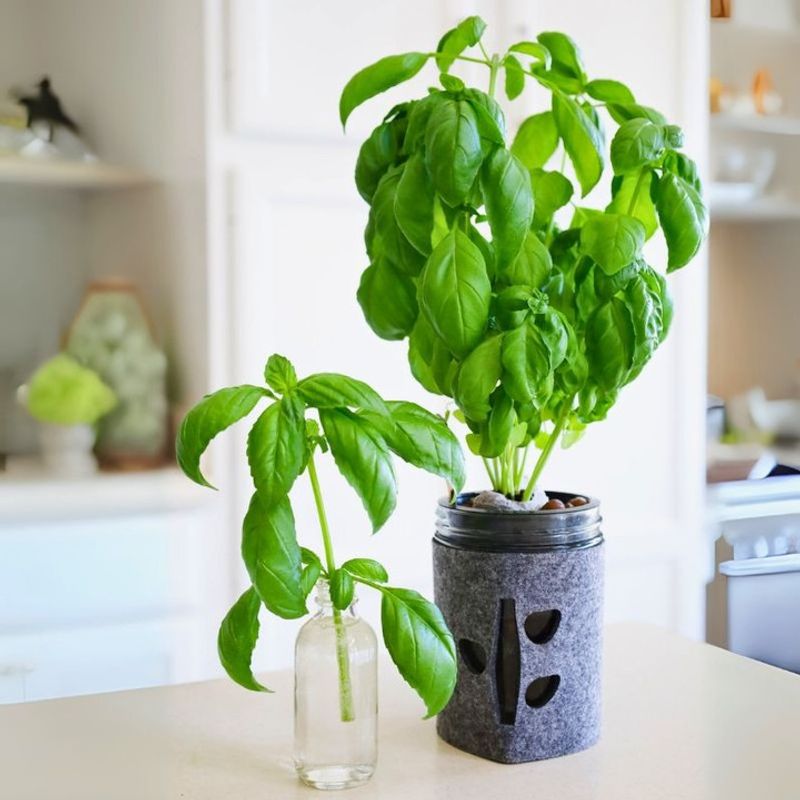
Few herbs bring as much joy to a kitchen as basil, and luckily for New York gardeners, it’s incredibly simple to grow once the weather warms up. Basil loves sunshine and heat, so planting it after the last frost in late May gives it the best start.
You can grow basil in a pot on your apartment balcony or directly in your garden bed, and either way, it will reward you with fragrant green leaves all summer long.
Watering basil regularly keeps the soil moist but not soggy, which is key to preventing root problems. Pinching off the top leaves encourages the plant to grow bushier instead of tall and leggy, giving you even more leaves to harvest.
Basil thrives in New York’s warm summer months, and with consistent care, you’ll have plenty for pesto, caprese salads, and Italian dishes.
One of basil’s best features is how quickly it grows, so you’ll see progress within just a few weeks of planting. If you notice flower buds forming, pinch them off right away because flowering makes the leaves taste bitter.
Keeping your basil trimmed and harvested actually helps it produce more foliage, so don’t be shy about using it in your cooking.
Basil is sensitive to cold, so bring potted plants indoors before the first fall frost or plan to replant each spring. With its vibrant flavor and easy-going nature, basil is a must-have for any beginner gardener in New York looking to add fresh herbs to their meals.
2. Mint
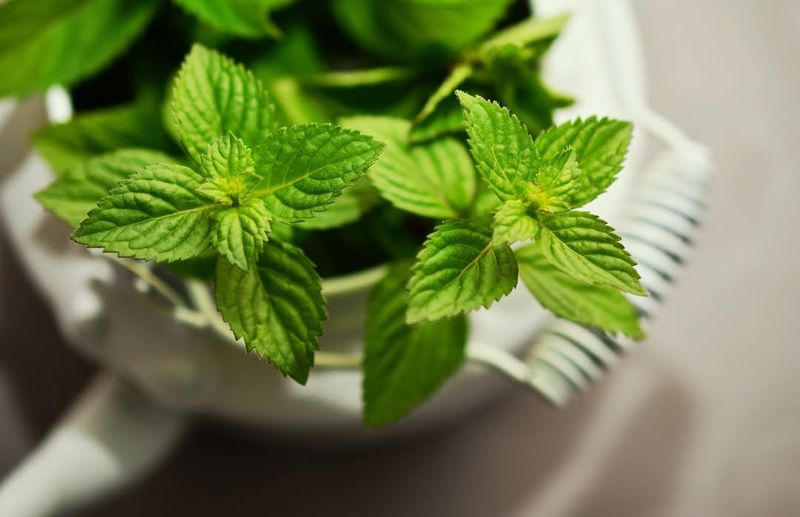
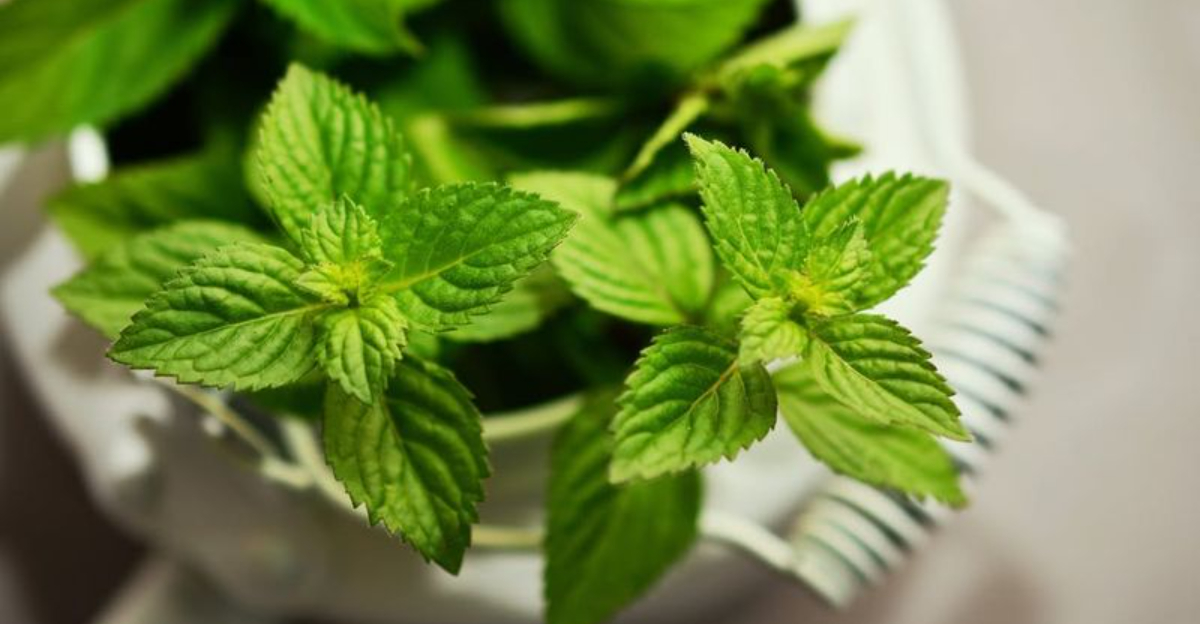
Mint is practically unstoppable once it gets going, making it perfect for gardeners who worry about keeping plants alive.
This herb grows so enthusiastically that many experienced gardeners actually recommend planting it in containers to keep it from taking over your entire garden.
In New York, mint thrives in both sunny and partially shaded spots, so you have flexibility with where to place it.
Watering mint regularly keeps it happy, and it tolerates New York’s occasional rainy weeks without complaint. The plant spreads through underground runners, which means it can quickly fill a pot or garden bed if left unchecked.
For beginners, this vigorous growth is actually a benefit because it means you’re almost guaranteed success.
Mint leaves are perfect for brewing refreshing teas, adding to summer cocktails, or garnishing desserts. Harvest mint by snipping stems just above a set of leaves, which encourages the plant to branch out and produce even more foliage.
You can harvest mint throughout the growing season without harming the plant, making it a generous herb for continuous use.
Different varieties like peppermint, spearmint, and chocolate mint offer unique flavors, so you can experiment to find your favorite. Mint is a perennial in New York, meaning it will come back year after year if planted in the ground or protected during winter.
With minimal effort and maximum reward, mint gives beginner gardeners plenty of confidence and fresh leaves to enjoy all season long.
3. Parsley
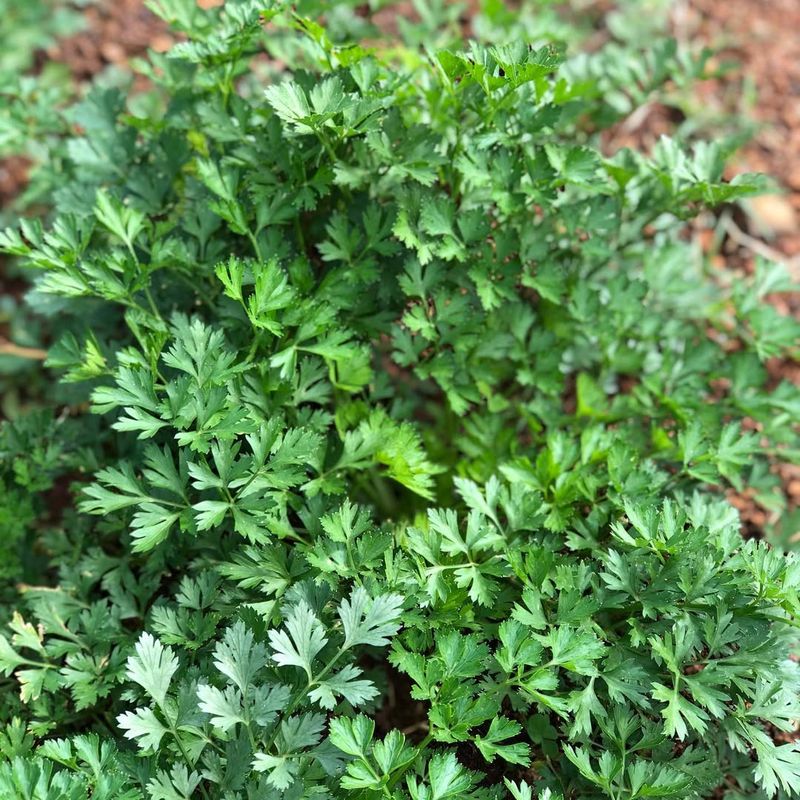
Parsley might seem ordinary, but this humble herb packs a nutritional punch and grows reliably in New York gardens from spring through fall.
Both curly and flat-leaf varieties thrive in the region, though flat-leaf parsley tends to have a stronger flavor that chefs prefer.
Parsley seeds can be slow to germinate, sometimes taking up to three weeks, so patience is important when starting from seed.
For quicker results, many New York beginners choose to buy small parsley plants from local nurseries and transplant them into their gardens or pots. Parsley prefers moist soil and can handle partial shade, making it versatile for different garden locations.
Regular watering keeps the leaves tender and flavorful, especially during New York’s hot July and August days.
Harvesting parsley is simple: just cut the outer stems near the base, and the plant will continue producing new growth from the center. This herb is biennial, meaning it grows leaves the first year and flowers the second year, but most gardeners treat it as an annual and replant each spring.
Parsley’s fresh, bright flavor enhances soups, salads, sauces, and practically any savory dish you can imagine.
Parsley also attracts beneficial insects like butterflies to your New York garden, adding beauty along with function. The plant tolerates light frosts, so you can often harvest parsley well into autumn before the first hard freeze.
With its reliable growth and culinary versatility, parsley gives beginner gardeners a steady supply of fresh herbs without demanding too much attention.
4. Chives
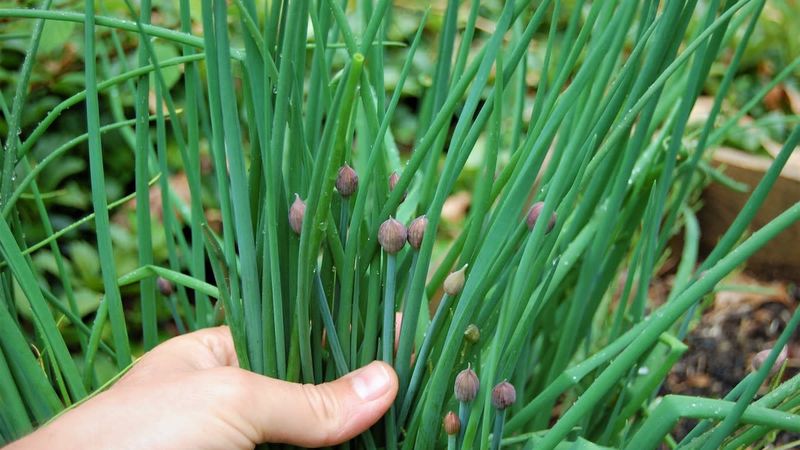
Chives are one of the first herbs to pop up in New York gardens each spring, bringing cheerful green shoots and pretty purple flowers that signal warmer days ahead.
This perennial herb returns year after year without replanting, making it an excellent choice for beginners who want a low-maintenance addition to their garden.
Chives grow in clumps that gradually expand, and they tolerate New York’s cold winters remarkably well.
Planting chives in a sunny spot with well-draining soil sets them up for success, though they’ll also grow in partial shade if needed. Watering them during dry spells keeps the leaves tender, but chives are quite drought-tolerant once established.
Harvesting chives is as easy as snipping the leaves with scissors, and cutting them regularly actually encourages more growth.
The mild onion flavor of chives adds a delicious touch to baked potatoes, omelets, salads, and cream cheese spreads. In late spring, chives produce beautiful purple flowers that are not only edible but also attract pollinators like bees to your New York garden.
You can use both the leaves and flowers in cooking, giving you multiple ways to enjoy this versatile herb.
Dividing chive clumps every few years keeps them vigorous and prevents overcrowding, and you can share the divisions with friends or plant them elsewhere in your garden.
Chives require almost no special care, making them perfect for busy beginners who want fresh herbs without constant attention.
With their reliable return each spring and continuous harvest potential, chives build confidence in new gardeners across New York.
5. Thyme
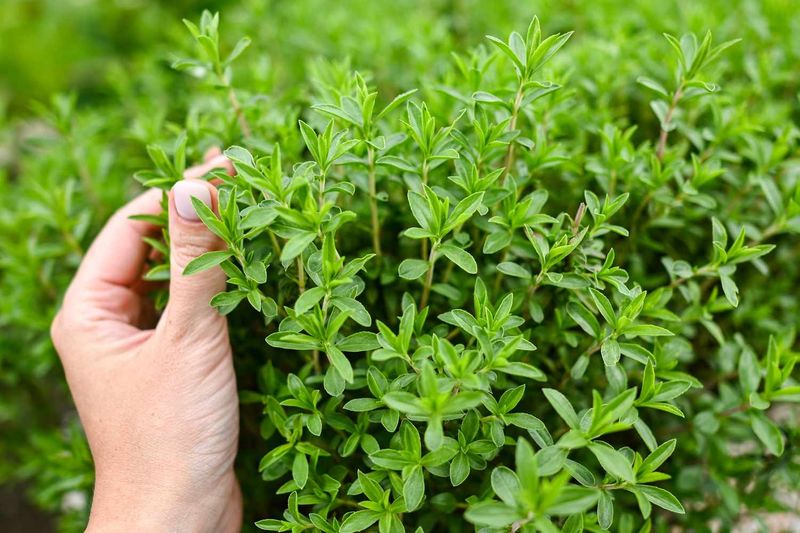
Thyme is a tough little herb that thrives on neglect, making it ideal for New York beginners who might forget to water occasionally. This low-growing perennial forms attractive mats of tiny leaves that release a wonderful aroma when brushed against.
Thyme loves sunny spots and well-draining soil, and it actually prefers drier conditions over constantly moist earth.
Planting thyme in containers, rock gardens, or along pathways works beautifully in New York landscapes, and the herb tolerates the region’s winters when established.
Overwatering is one of the few ways to harm thyme, so letting the soil dry out between waterings keeps it healthiest.
The plant grows slowly but steadily, gradually spreading to fill its space with fragrant foliage.
Harvesting thyme involves snipping small sprigs as needed, and the leaves retain their flavor even when dried for winter use.
Common thyme, lemon thyme, and creeping thyme all grow well in New York, each offering slightly different flavors and growth habits.
Thyme’s earthy, slightly minty taste enhances roasted vegetables, chicken dishes, soups, and Mediterranean recipes.
This herb requires minimal fertilizing and rarely suffers from pest problems, making it wonderfully low-maintenance for busy gardeners. Thyme’s small flowers attract beneficial insects during summer, adding ecological value to your New York garden beyond just culinary use.
Trimming thyme lightly after flowering keeps the plant compact and encourages fresh new growth for continued harvesting.
With its drought tolerance and forgiving nature, thyme gives beginner gardeners reliable results without demanding constant care or attention.
6. Oregano
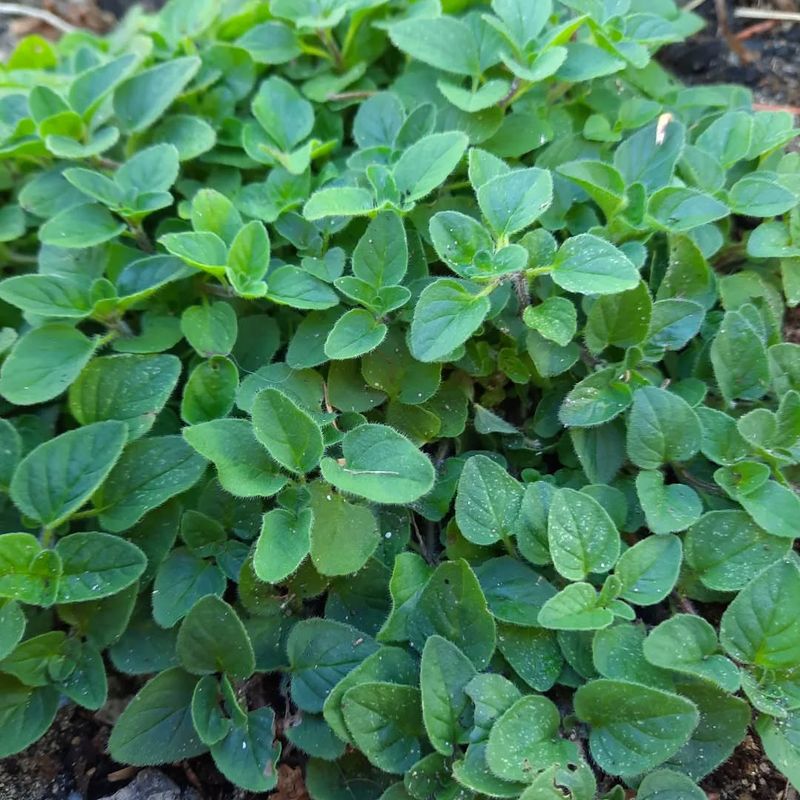
Oregano brings bold Mediterranean flavor to New York gardens while asking for very little in return, making it a fantastic choice for novice herb growers.
This hardy perennial spreads enthusiastically once established, forming a dense carpet of aromatic leaves that smell amazing on warm summer days.
Oregano tolerates New York’s winter cold and bounces back vigorously each spring, rewarding you with years of harvests from a single planting.
Planting oregano in full sun with well-draining soil gives it the best start, though it adapts to less-than-perfect conditions better than many herbs.
Like thyme, oregano prefers drier soil and can suffer if overwatered, so err on the side of underwatering rather than drowning it. The plant grows steadily throughout the summer, and regular harvesting keeps it bushy and productive.
Harvesting oregano is simple: just cut stems as needed, leaving enough foliage for the plant to continue growing. Fresh oregano has a stronger, more complex flavor than dried, though drying oregano for winter use is easy and preserves much of its taste.
This herb is essential for Italian cooking, pizza sauces, Greek salads, and countless other dishes that benefit from its pungent, peppery notes.
Oregano produces small flowers in summer that bees and butterflies love, adding pollinator support to your New York garden ecosystem.
The plant requires almost no fertilizing and rarely experiences pest problems, making it wonderfully carefree for beginners.
With its robust flavor, spreading growth habit, and minimal care requirements, oregano gives new gardeners confidence and plenty of delicious leaves for cooking throughout the growing season.