8 Easy Herbs To Grow By Your Front Door In Tennessee
Your front door is the perfect spot to grow something fresh, useful, and beautiful at the same time. In Tennessee’s warm seasons and mild climate, herbs can thrive right by your entryway with very little effort.
Imagine stepping outside and grabbing fresh herbs in seconds. Not only do they add color and fragrance, but they also make everyday cooking easier and more fun.
Small space, big flavor, that’s the power of front-door herbs. From sunny porches to shaded walkways, there are plenty of easy herbs that fit almost any home setup.
Your entrance can smell amazing and look welcoming year-round. Best of all, you don’t need fancy tools or gardening skills to get started.
Fresh, homegrown herbs are closer than you think. Let’s explore the easiest herbs to grow by your front door in Tennessee.
1. Basil
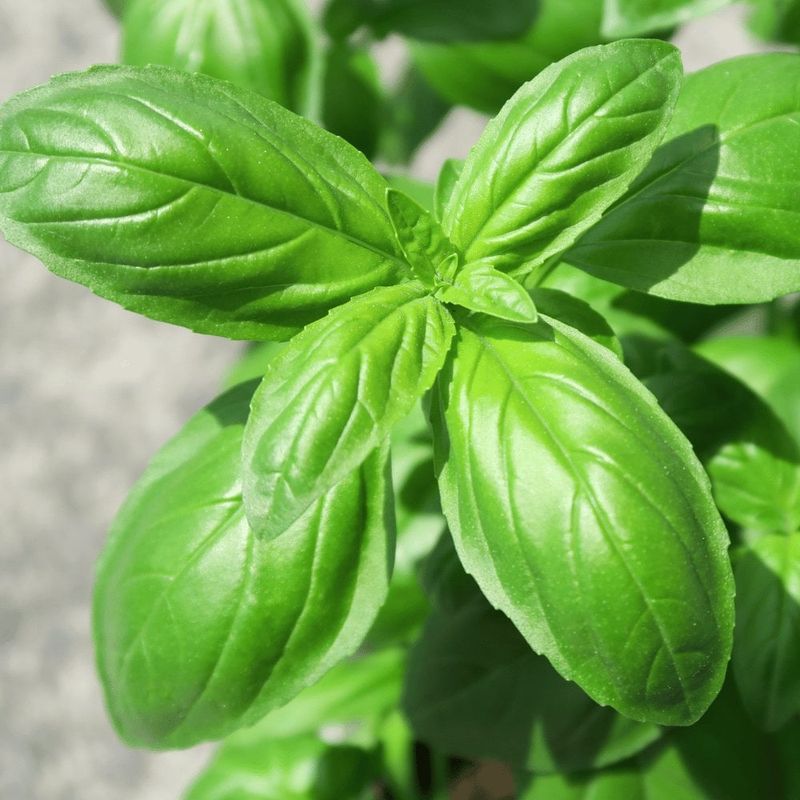
Nothing says summer cooking quite like fresh basil, and Tennessee’s warm climate creates ideal conditions for this aromatic herb.
Basil loves heat and sunshine, thriving in temperatures between 70 and 90 degrees Fahrenheit, which perfectly matches Tennessee summers from May through September.
Place your basil pot where it receives at least six hours of direct sunlight daily, and you’ll watch it grow into a bushy, productive plant that keeps giving all season long.
Watering basil requires attention but not obsession. The soil should stay consistently moist but never waterlogged, so check it daily during hot Tennessee afternoons.
When the top inch feels dry to your touch, give it a thorough watering until water drains from the bottom of the container. Pinching off the top leaves regularly encourages bushier growth and prevents the plant from flowering too early, which can make leaves taste bitter.
Tennessee gardeners can grow several basil varieties successfully, including sweet basil for Italian dishes, Thai basil for Asian cuisine, and purple basil for visual interest.
Starting from seedlings purchased at local nurseries gives you a head start, though growing from seed indoors six weeks before the last frost works wonderfully too.
By your front door, basil also helps repel flies and mosquitoes, adding another benefit beyond culinary uses.
Harvest leaves frequently to encourage new growth, and you’ll enjoy pesto, caprese salads, and fresh garnishes throughout the entire growing season in Tennessee.
2. Rosemary
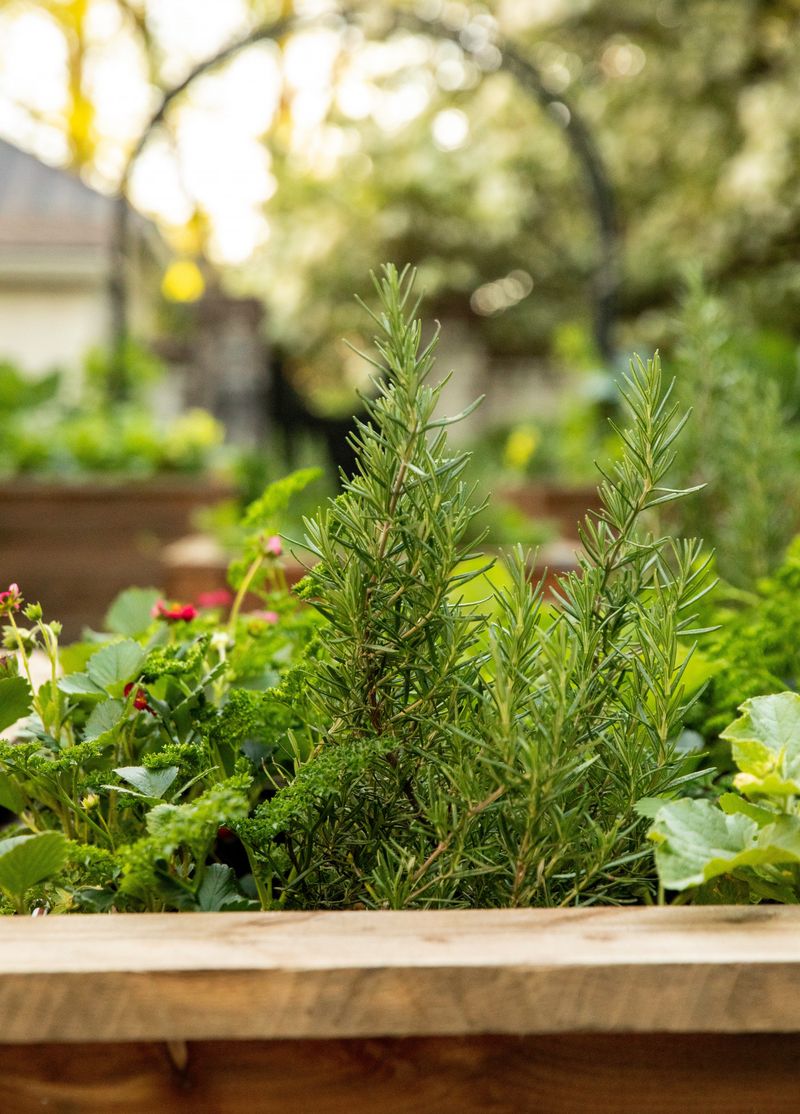
Picture a woody, fragrant herb that survives Tennessee winters and fills your entryway with pine-like scent year-round. Rosemary delivers exactly that, making it one of the most reliable herbs for Tennessee front door gardens.
This Mediterranean native adapts beautifully to containers and tolerates both heat and occasional cold snaps that Middle Tennessee experiences during winter months. Once established, rosemary needs minimal attention, making it perfect for busy households.
The secret to successful rosemary growing lies in avoiding overwatering, which causes root rot faster than anything else. Allow the soil to dry out between waterings, checking by sticking your finger about two inches deep into the potting mix.
Rosemary prefers slightly alkaline soil, so adding a bit of lime to your potting mix helps replicate its native Mediterranean conditions. Choose a container with excellent drainage holes, and consider mixing perlite or sand into your soil for extra drainage capacity.
In Tennessee, rosemary often survives mild winters outdoors, especially in zones 7 and warmer areas around Memphis and western regions. However, bringing it inside during harsh cold snaps protects your investment and ensures continuous harvests.
Rosemary grows slowly but steadily, eventually forming a small shrub that can be shaped into topiaries or left natural. Use fresh rosemary sprigs for roasted potatoes, grilled meats, homemade bread, and infused oils that capture summer flavors for winter cooking throughout Tennessee’s changing seasons.
3. Mint
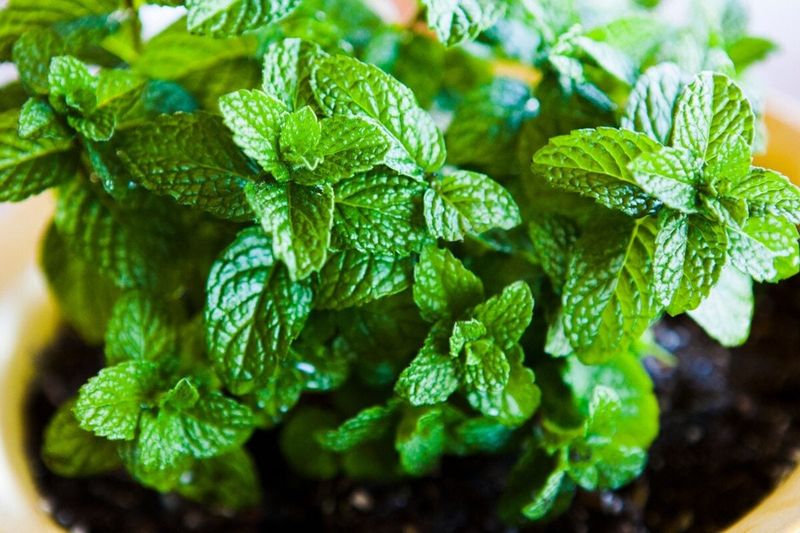
Refreshing, vigorous, and nearly impossible to mess up, mint ranks among the easiest herbs Tennessee gardeners can grow.
This enthusiastic grower spreads rapidly, which makes container gardening absolutely essential unless you want mint taking over your entire yard.
Keeping mint in a pot by your front door contains its aggressive roots while providing easy access for sweet tea, mojitos, desserts, and fresh garnishes that Tennessee cooks love adding to summer recipes.
Mint tolerates partial shade better than most herbs, making it ideal for north-facing entryways or spots that only receive four to five hours of sunlight daily.
Water regularly to keep soil consistently moist, as mint appreciates more moisture than drought-tolerant herbs like rosemary or thyme.
The plant signals thirst by wilting dramatically, but bounces back quickly once watered, showing remarkable resilience that forgives occasional neglect.
Tennessee gardeners can choose from numerous mint varieties including spearmint, peppermint, chocolate mint, and apple mint, each offering distinct flavors and uses.
Pinch back flowering stems to encourage leaf production and maintain the best flavor throughout the season.
Mint grows so vigorously that you’ll likely need to divide plants annually, sharing extras with neighbors or starting new pots.
During Tennessee’s hot summers, mint provides cooling flavors for beverages and salads, while its strong scent naturally deters ants and mice from your doorway, offering practical pest control alongside culinary benefits for homes across the state.
4. Thyme
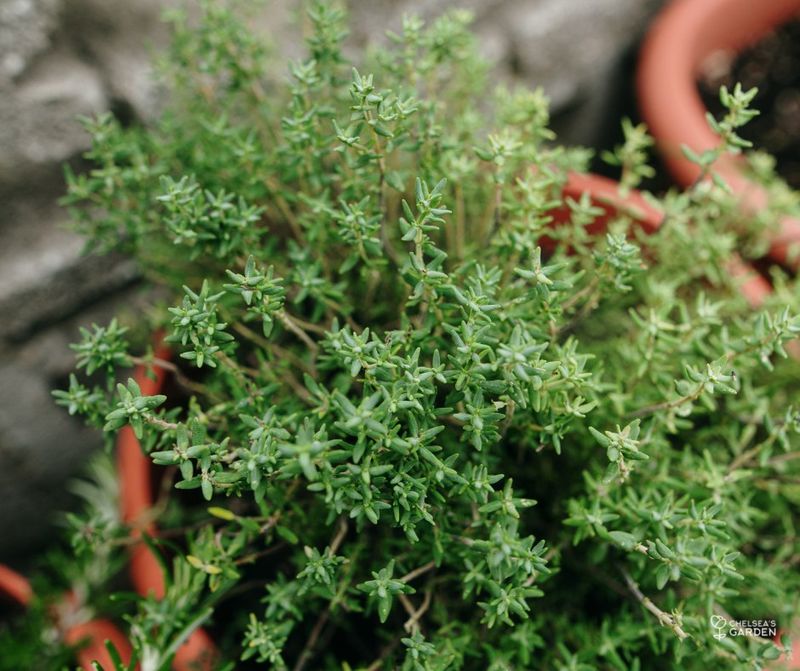
Low-growing and wonderfully aromatic, thyme brings both beauty and flavor to Tennessee front door gardens. This hardy herb forms attractive mounds of tiny leaves on woody stems, creating visual interest even when you’re not harvesting for cooking.
Thyme handles Tennessee’s temperature fluctuations gracefully, tolerating summer heat and surviving winter cold in most parts of the state without protection. Its drought tolerance makes it forgiving for gardeners who occasionally forget watering schedules.
Thyme absolutely demands excellent drainage, so use containers with multiple drainage holes and add extra perlite or coarse sand to your potting mix. Overwatering causes more problems than underwatering, so err on the dry side and let soil dry completely between waterings.
Position your thyme where it receives full sun for at least six hours daily, though it tolerates light afternoon shade during Tennessee’s hottest summer months. The herb grows slowly but steadily, eventually trailing attractively over container edges.
Common thyme works perfectly for general cooking, while lemon thyme adds citrus notes to fish and chicken dishes popular in Tennessee kitchens. Creeping thyme varieties spread wider, creating living carpets in larger containers that release fragrance when brushed.
Harvest by snipping stems rather than individual leaves, cutting back up to one-third of the plant at once to encourage fresh growth.
Thyme dries beautifully, preserving Tennessee summer harvests for winter soups, stews, and roasted vegetables when fresh herbs become scarce during colder months across the state.
5. Parsley
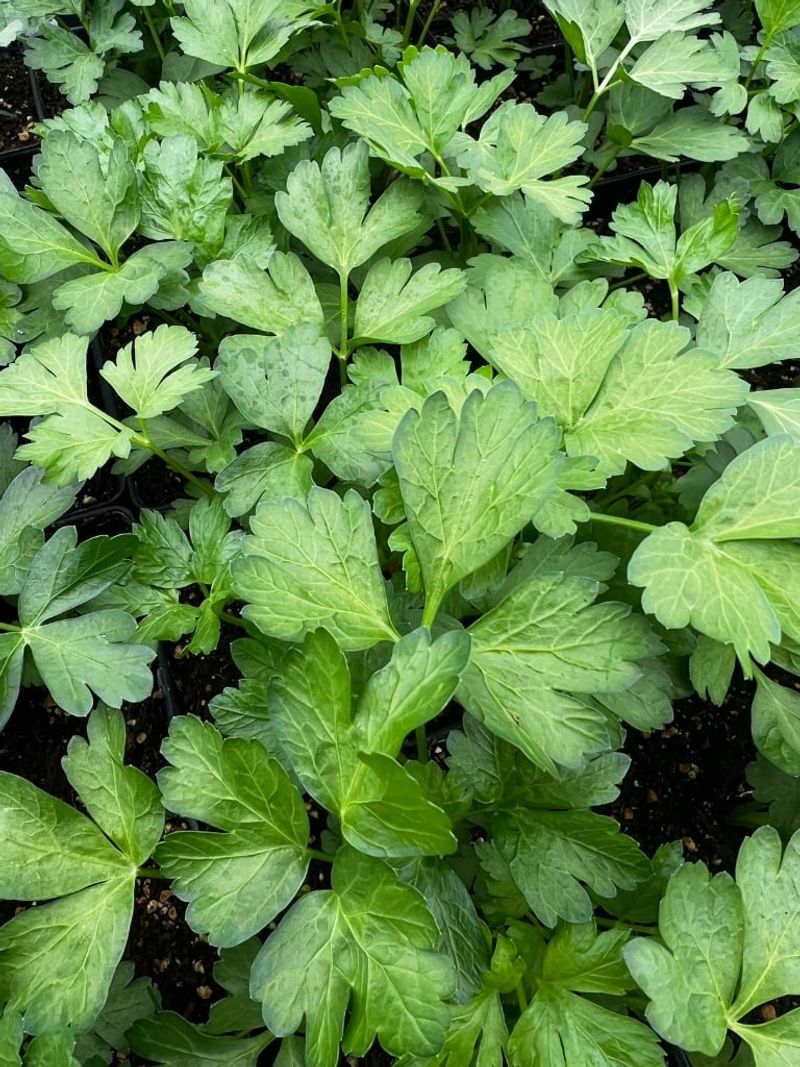
Versatile and packed with nutrients, parsley deserves a spot in every Tennessee front door herb garden. This biennial herb grows as a leafy annual in most Tennessee gardens, producing abundant harvests from spring through fall before cold weather arrives.
Parsley’s deep green, either curly or flat-leafed varieties, adds visual appeal to container arrangements while providing endless garnishing and cooking possibilities. Unlike many herbs, parsley tolerates partial shade, making it suitable for entryways that don’t receive full sun all day long.
Starting parsley from seed requires patience, as germination takes two to three weeks under ideal conditions. Soaking seeds overnight before planting speeds things up slightly, though most Tennessee gardeners find purchasing starter plants from nurseries more convenient and reliable.
Keep soil consistently moist but not soggy, watering whenever the top inch feels dry to your fingertips. Parsley appreciates regular feeding with diluted liquid fertilizer every three to four weeks, supporting its vigorous leaf production throughout the growing season.
Harvest parsley by cutting outer stems first, allowing the center to continue producing new growth for months of continuous harvests.
Flat-leaf Italian parsley offers stronger flavor preferred for cooking, while curly parsley makes prettier garnishes and contains the same nutritional benefits.
Tennessee’s moderate climate allows parsley to sometimes survive mild winters, though most plants decline after their first year.
Fresh parsley brightens everything from soups to salads, and growing it by your door means you’ll actually use this nutritious herb instead of buying bunches that wilt in your refrigerator across Tennessee homes.
6. Oregano
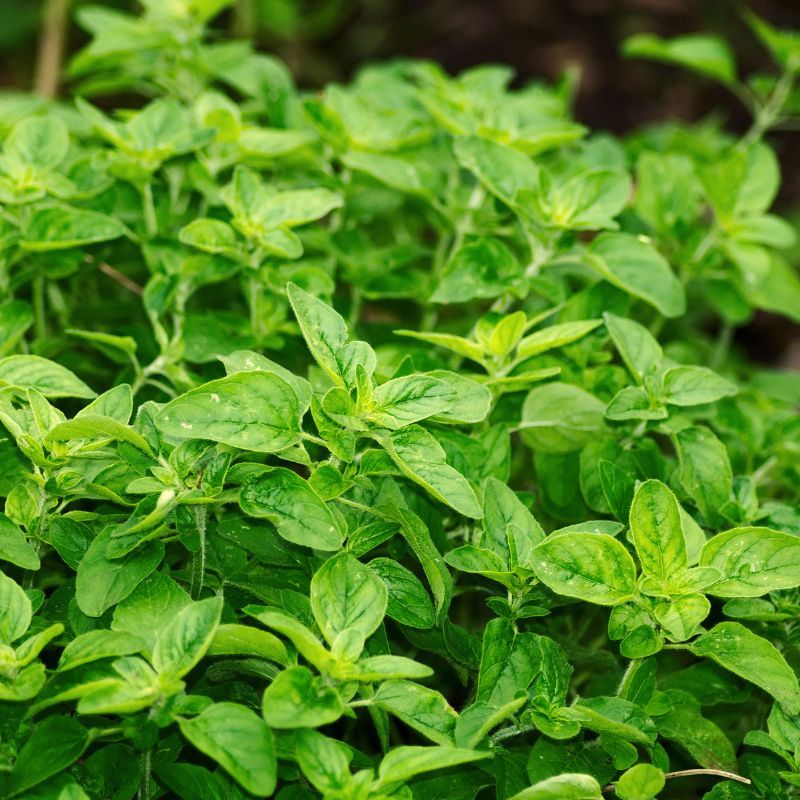
Bold-flavored and practically indestructible, oregano thrives with minimal care in Tennessee’s variable climate. This perennial herb returns year after year in most parts of Tennessee, growing stronger and more productive with each passing season.
Oregano spreads enthusiastically, forming dense mats of aromatic leaves that release their distinctive scent when touched or brushed.
Container growing keeps oregano manageable while positioning it conveniently by your front door for quick harvests whenever Italian or Greek recipes call for this essential herb.
Oregano prefers slightly dry conditions over wet soil, making it perfect for gardeners who sometimes forget watering duties. Let the soil dry out between waterings, and your oregano will actually develop stronger, more concentrated flavors than pampered, overwatered plants.
Full sun produces the most flavorful leaves, though oregano tolerates light shade better than many Mediterranean herbs.
In Tennessee, oregano sometimes stays green through mild winters, providing fresh harvests even during cooler months in southern and western regions of the state.
Greek oregano offers the most intense flavor for cooking, while Italian oregano provides milder taste and Syrian oregano adds interesting variety to your herb collection. Trim plants back by half in midsummer to encourage fresh, tender growth and prevent legginess that makes plants look unkempt.
Oregano dries exceptionally well, maintaining flavor for months when stored properly after Tennessee summer harvests.
Fresh or dried, oregano elevates pizza, pasta sauces, marinades, and roasted vegetables, making it one of the most useful herbs Tennessee home cooks can grow right outside their front doors.
7. Chives
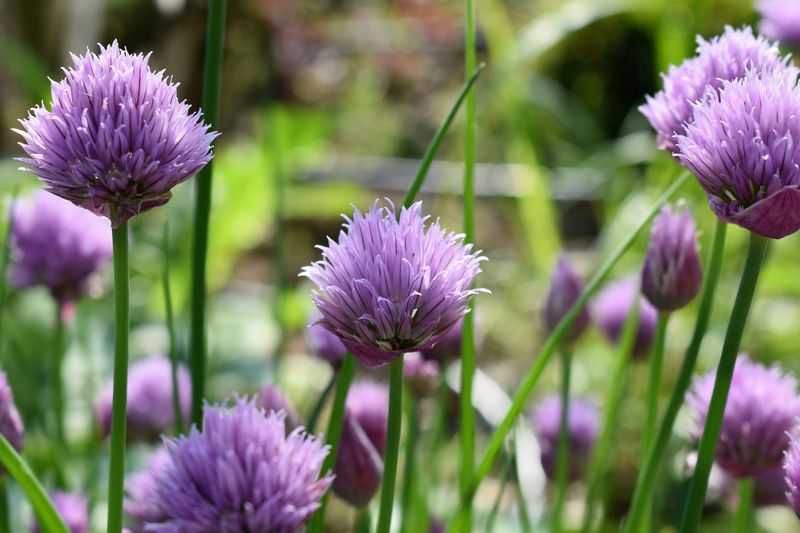
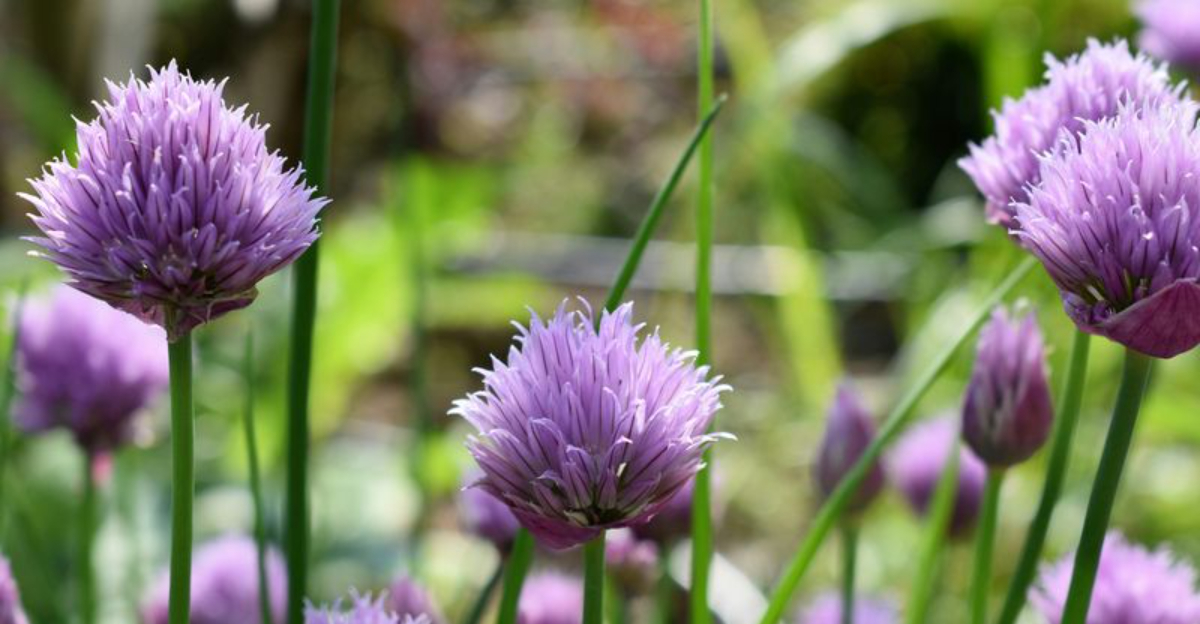
Slender, grass-like, and surprisingly beautiful when flowering, chives bring both culinary value and ornamental charm to Tennessee doorway gardens. These perennial herbs produce hollow, tubular leaves with mild onion flavor perfect for baked potatoes, omelets, salads, and cream cheese spreads.
In spring, chives send up gorgeous purple pompom flowers that attract beneficial pollinators while remaining completely edible themselves, adding color and mild onion taste to salads and garnishes.
Tennessee’s climate suits chives perfectly, as they tolerate both summer heat and winter cold throughout the state.
Chives appreciate consistent moisture, so water regularly during Tennessee’s dry summer periods to keep soil evenly moist but never waterlogged. They tolerate partial shade better than most herbs, making them ideal for east-facing entryways that receive morning sun and afternoon shade.
Fertilize monthly with balanced liquid fertilizer to support continuous leaf production and robust flowering displays. Chives grow in dense clumps that expand yearly, eventually filling containers and requiring division every two to three years.
Harvest chives by cutting leaves about two inches above soil level with sharp scissors, taking only what you need for immediate use while leaving plenty for continued growth.
The plant responds to regular cutting by producing fresh new leaves, essentially rewarding harvesting with increased productivity.
Chive flowers appear in late spring across Tennessee, and removing them extends leaf production, though leaving some blooms attracts bees and butterflies to your entrance.
Both leaves and flowers freeze well, preserving Tennessee harvests for winter use when fresh chives become dormant or less productive during colder months statewide.
8. Sage
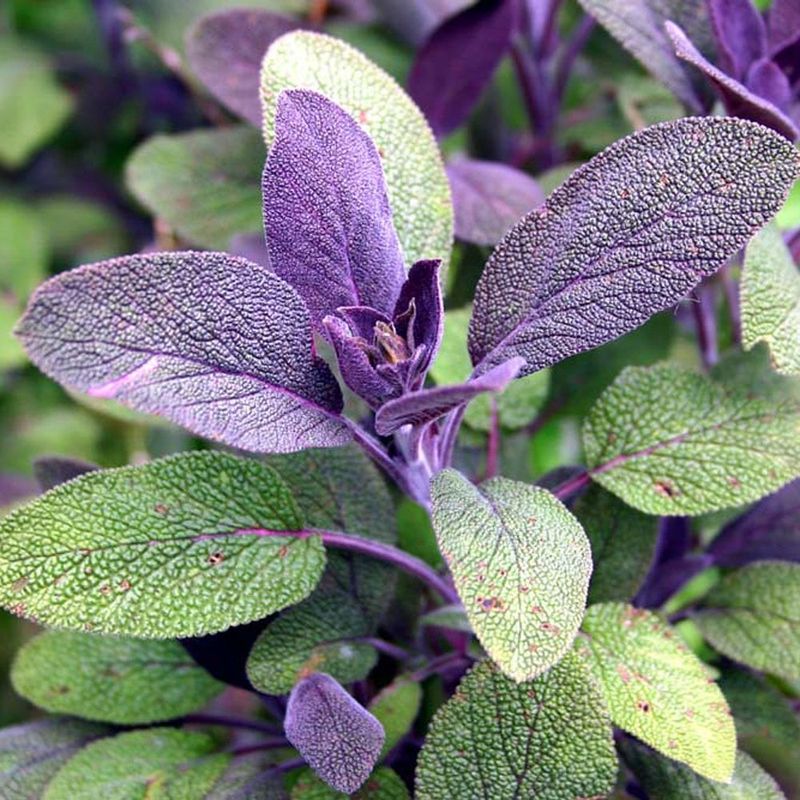
Soft, silvery leaves and earthy aroma make sage a standout addition to Tennessee front door herb collections.
This woody perennial develops into a substantial plant over time, creating an attractive focal point in container arrangements while providing harvests for stuffing, sausage, butter sauces, and tea.
Sage tolerates Tennessee’s climate beautifully, handling summer heat and surviving winter cold in most regions without protection. The fuzzy, gray-green foliage adds textural interest that complements other herbs and flowering plants near your entrance.
Sage demands excellent drainage and dislikes wet feet, so use containers with multiple drainage holes and add extra perlite to potting mix for improved air circulation around roots.
Water only when the top two inches of soil feel completely dry, as overwatering causes root rot and fungal problems faster than any other issue.
Position sage in full sun for best growth and flavor development, though it tolerates light afternoon shade during Tennessee’s hottest summer days. Prune lightly after flowering to maintain compact shape and encourage fresh growth throughout the season.
Common garden sage works perfectly for cooking, while purple sage, golden sage, and tricolor sage add colorful variety to container gardens around Tennessee homes.
Harvest individual leaves or cut entire stems, using fresh sage immediately or drying it for long-term storage.
Sage flavor intensifies when dried, so use dried leaves sparingly compared to fresh in recipes. In Tennessee, sage sometimes flowers in late spring with pretty purple or blue blooms that attract hummingbirds and bees.
This reliable herb continues producing for years, becoming more valuable and productive as it matures in your front door garden across the state.