8 Easy Houseplant Cuttings To Root In January In Washington
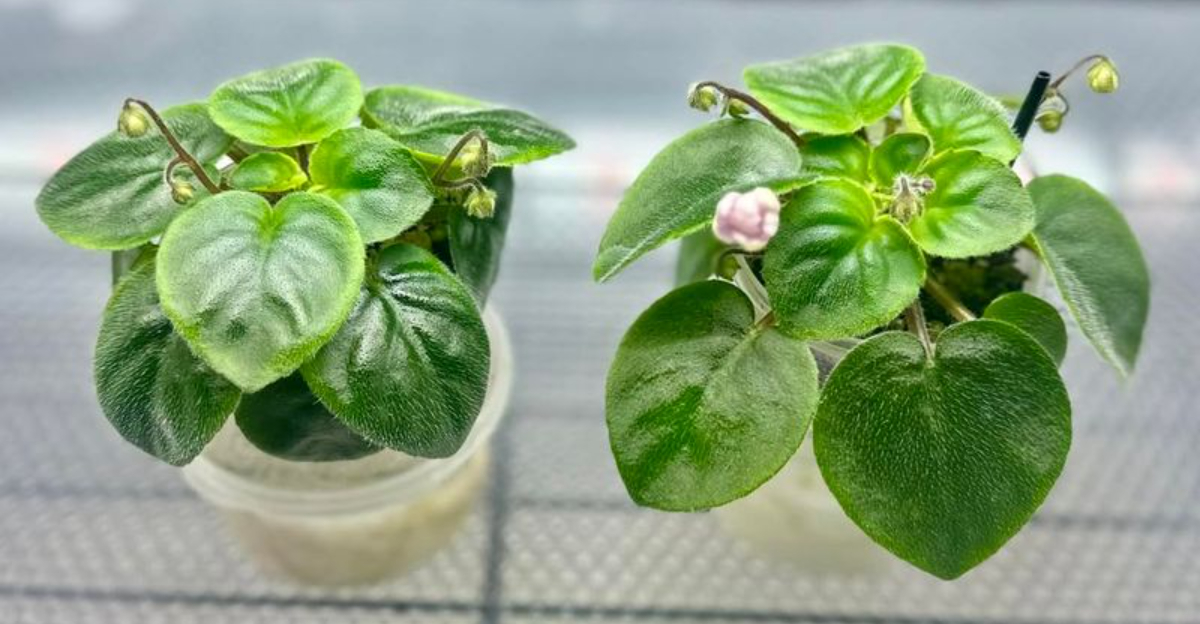
January in Washington offers the perfect opportunity to propagate houseplants indoors, keeping greenery alive and thriving while outdoor gardens sleep.
Even in the grayest winter days, cuttings can root successfully on sunny windowsills or under gentle grow lights, giving gardeners a head start on spring growth.
Choosing easy-to-root varieties increases the chances of success, while proper technique—healthy stems, clean cuts, and consistent moisture—ensures cuttings develop strong roots.
Propagation allows homeowners to expand plant collections, replace older plants, or share greenery with friends without buying new specimens.
From leafy favorites to flowering varieties, the right cuttings can transform a home into a lively, vibrant space even in the coldest month.
1. Pothos
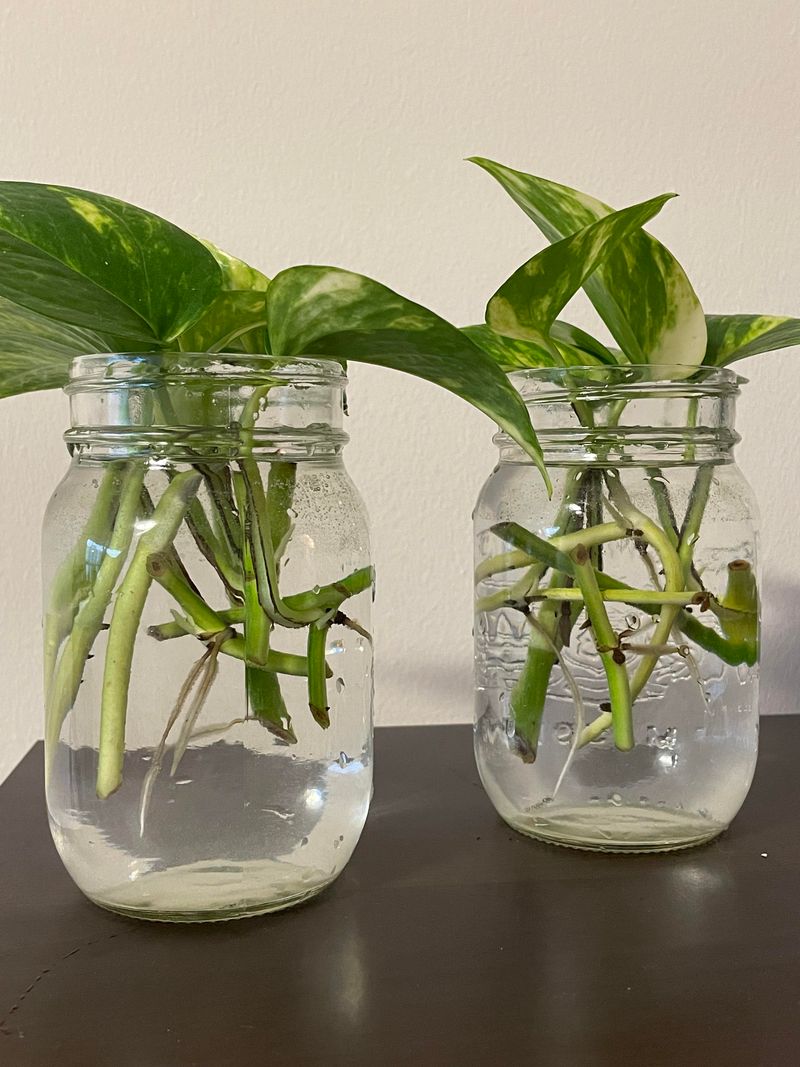
Almost impossible to mess up, pothos stands as the champion of beginner-friendly propagation.
Snip a stem section with at least three leaves, making your cut just below a node where roots naturally emerge.
Pop the cutting into a glass of room-temperature water, and position it near a window with bright but indirect sunlight.
Change the water every few days to keep it fresh and oxygen-rich.
Within two weeks, you should notice tiny white roots sprouting from the nodes.
Once roots reach about two inches long, you can transfer your new pothos into soil.
This vining plant tolerates low light conditions better than most houseplants, making it ideal for Washington homes during dark winter months.
Pothos also purifies indoor air by removing toxins like formaldehyde.
The variegated varieties with yellow or white patterns add visual interest to any room.
Each cutting develops into an independent plant that grows quickly once established.
You can create multiple plants from one parent vine, filling your home with greenery or sharing with friends.
2. Spider Plant
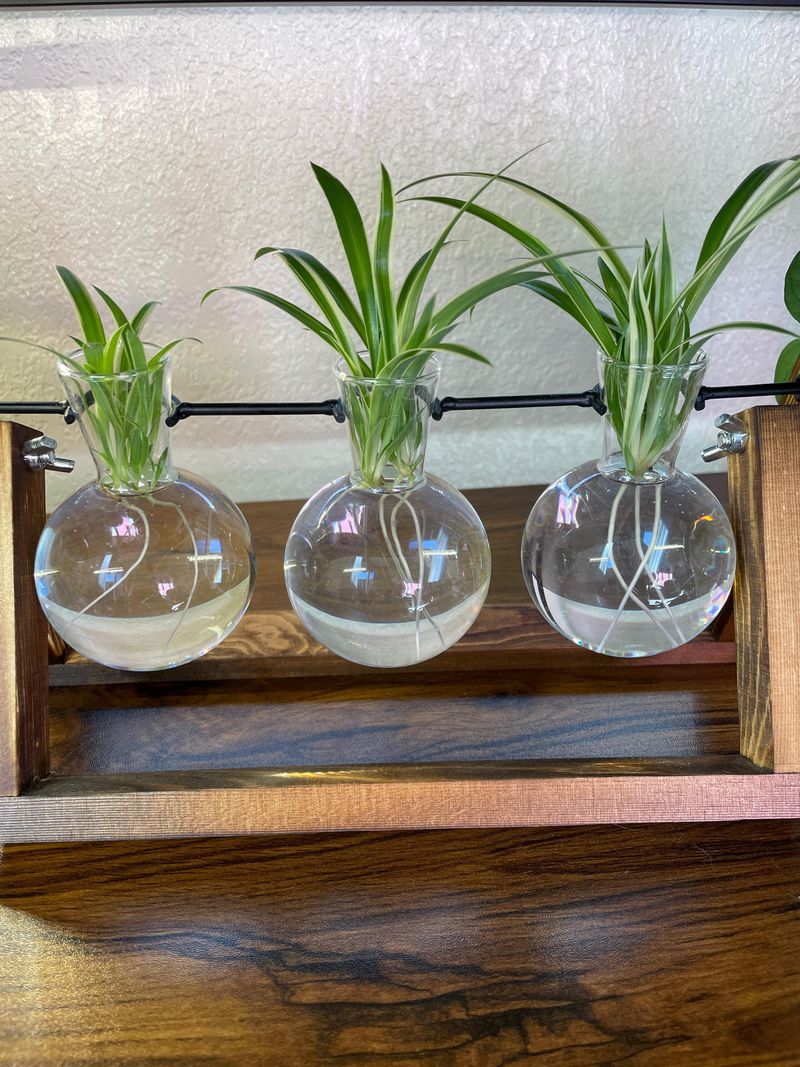
Nature does most of the work with spider plants since they produce ready-made baby plants called spiderettes.
These miniature versions dangle from the mother plant on long stems, already equipped with tiny root nubs.
Simply snip off a spiderette and place it in water or directly into moist potting soil.
If you choose water propagation, roots develop within a week or two.
Spider plants thrive in temperatures between 65-75 degrees Fahrenheit, which matches typical indoor heating in Washington homes.
They prefer bright indirect light but adapt well to various lighting conditions.
The striped foliage adds architectural interest with its fountain-like growth habit.
One parent plant can produce dozens of babies throughout the year.
These plantlets already have leaf structures and growth points, giving them a significant head start compared to stem cuttings.
Spider plants also rank high on NASA’s list of air-purifying plants.
Their tolerance for occasional neglect makes them perfect for busy households.
Once rooted, they grow rapidly and soon produce their own babies, continuing the cycle.
3. Philodendron
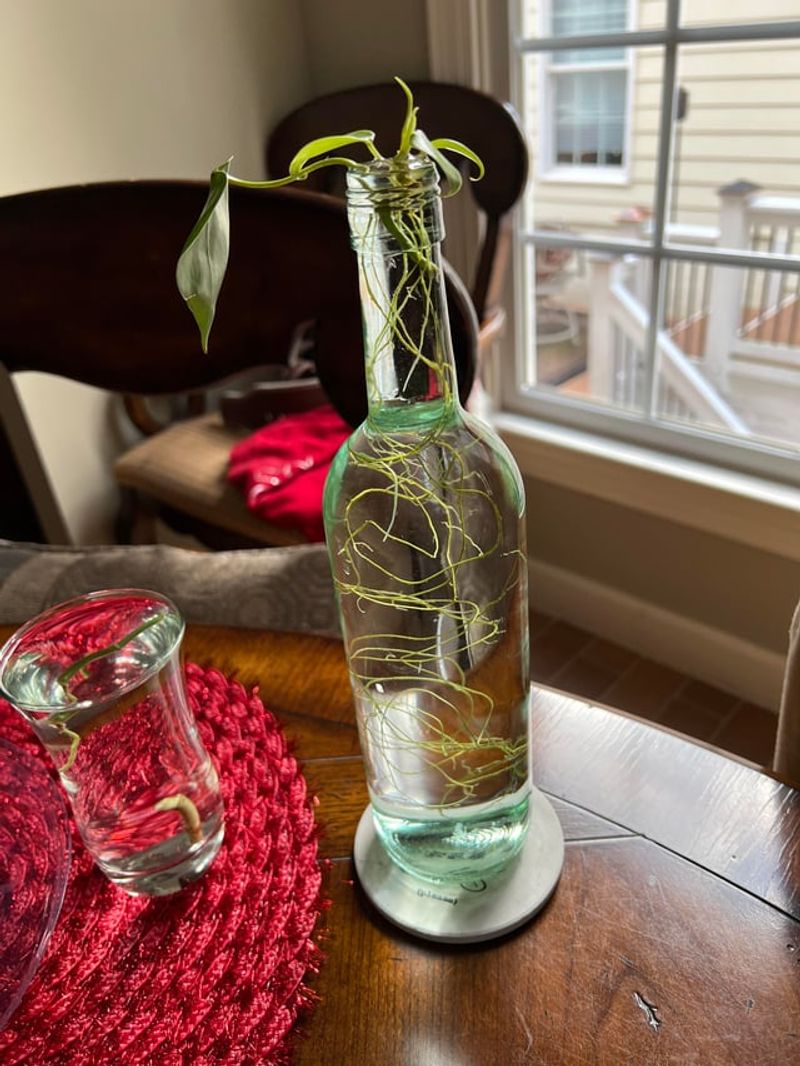
With heart-shaped leaves and trailing vines, philodendrons bring tropical vibes to rainy Washington winters.
Take cuttings from healthy stems, ensuring each piece includes at least one node and two leaves.
The node appears as a small bump on the stem where leaves and roots emerge.
Submerge the node in clean water while keeping the leaves above the surface.
Philodendrons root remarkably fast, often showing root development within seven to ten days.
They tolerate lower humidity levels than many tropical plants, adapting well to heated indoor environments.
Place your cuttings in a spot with filtered sunlight, avoiding direct rays that might scorch the leaves.
The heartleaf variety is especially vigorous and forgiving of minor mistakes.
Some philodendron varieties feature stunning burgundy undersides on their leaves.
These plants grow quickly once established, creating lush cascading displays from shelves or hanging baskets.
Their resilience makes them excellent choices for first-time propagators.
Each cutting becomes an independent plant that continues growing throughout the year with minimal care requirements.
4. Snake Plant
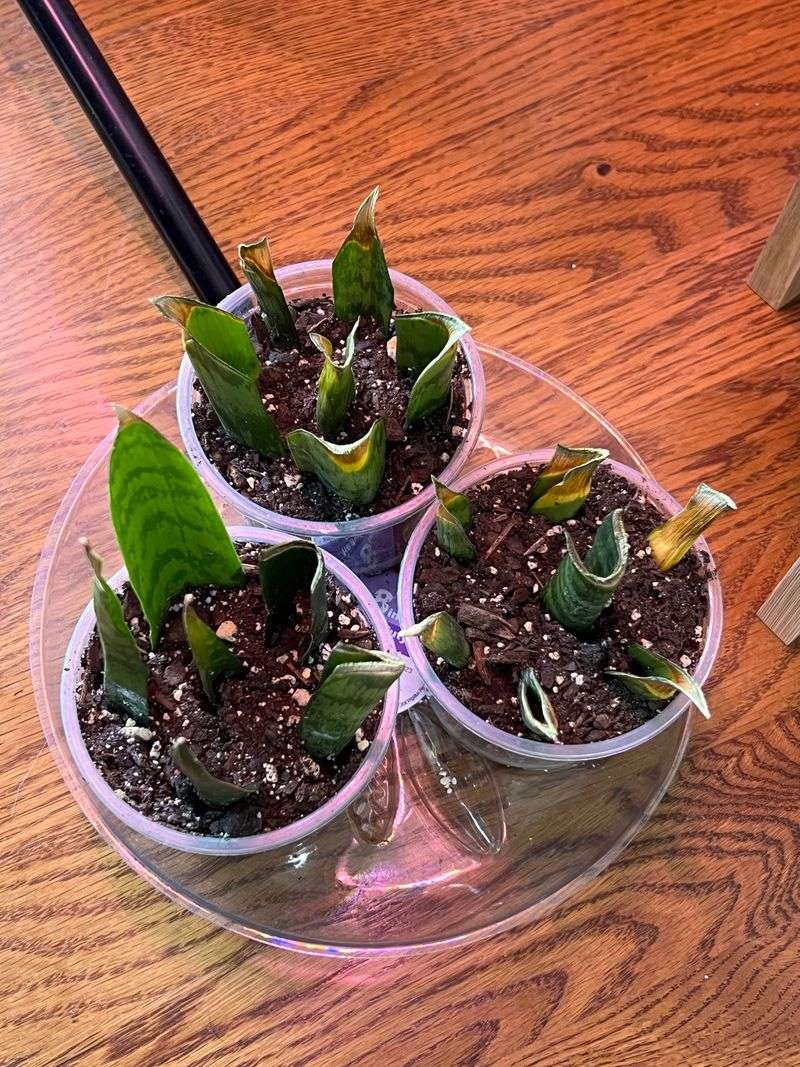
Tough as nails, snake plants survive conditions that would stress other houseplants.
Unlike vine cuttings, snake plants propagate from individual leaf sections.
Cut a healthy leaf into three or four-inch segments using clean, sharp scissors.
Remember which end was pointing up because you must plant them in the same direction.
Allow the cut edges to dry for a day or two, forming a callus that prevents rot.
Insert the bottom inch of each cutting into well-draining cactus or succulent soil mix.
Water sparingly, only when the soil becomes completely dry.
Snake plants root slowly compared to other houseplants, sometimes taking several weeks or even months.
Patience pays off because these plants tolerate neglect better than almost any other species.
They thrive in low light conditions, perfect for north-facing windows in Washington.
Their upright, architectural form adds modern style to any space.
Snake plants also release oxygen at night, unlike most plants, improving bedroom air quality while you sleep.
5. Christmas Cactus
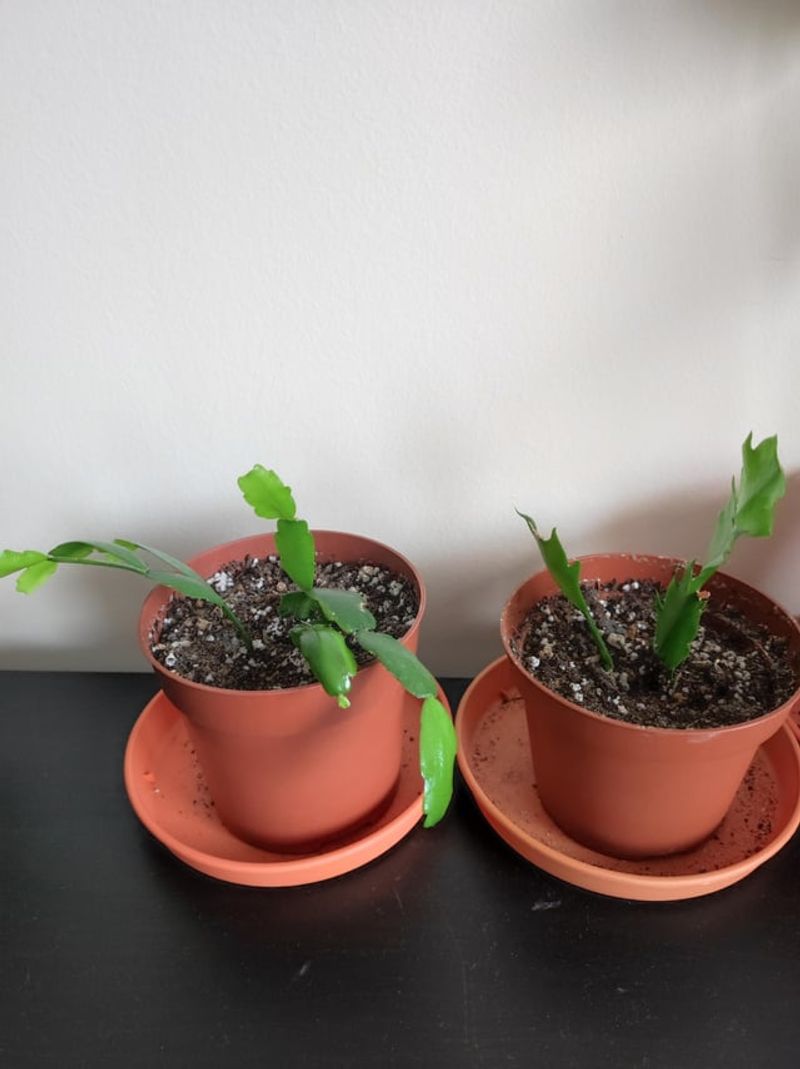
January timing works perfectly for Christmas cactus propagation since these plants just finished their blooming cycle.
Gently twist off a segment consisting of two or three connected leaf sections.
These segments detach easily at their natural joints without requiring cutting tools.
Allow the segments to rest on a plate for about 24 hours so the broken end can form a protective callus.
Plant the callused end about half an inch deep in moist potting mix formulated for cacti or succulents.
Keep the soil barely moist but never soggy, as too much water causes rot.
Roots typically develop within three to four weeks under proper conditions.
Christmas cacti prefer cooler temperatures during winter, making unheated Washington sunrooms ideal locations.
These tropical cacti actually originate from Brazilian rainforests rather than deserts, so they appreciate moderate humidity.
Once established, your new plants will bloom annually, often producing vibrant pink, red, or white flowers.
They can become family heirlooms, passed down through generations with proper care.
Their segmented foliage creates interesting texture even when not flowering.
6. Jade Plant
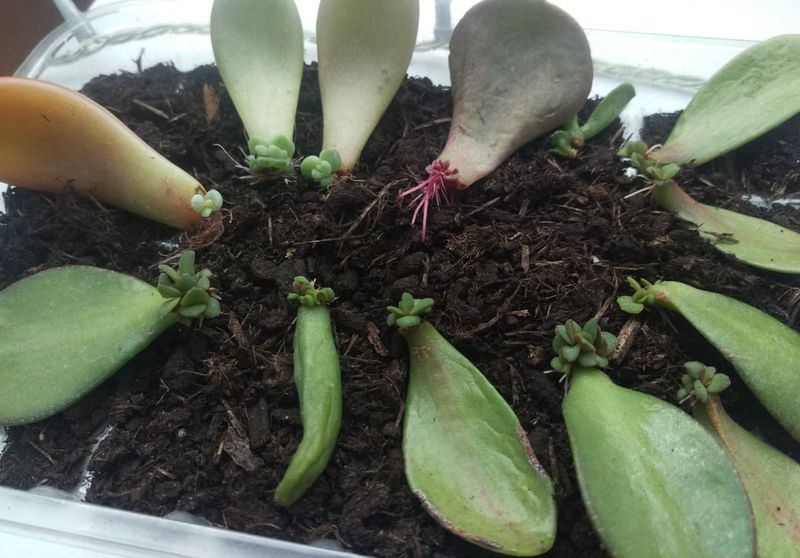
Resembling miniature trees with their thick trunks and rounded leaves, jade plants bring good fortune according to feng shui tradition.
Select a healthy stem with several pairs of leaves for your cutting.
Make a clean cut using sterilized pruning shears or scissors.
The most critical step involves letting the cutting dry for several days until the cut end becomes completely dry and callused.
This prevents bacterial infection and rot when you plant it.
Once callused, insert the stem about an inch deep into cactus potting mix.
Water very sparingly, perhaps once every two weeks, because jade plants store moisture in their thick leaves.
Overwatering is the most common mistake people make with succulent propagation.
Place your cutting in bright indirect light near a south or west-facing window.
Roots develop slowly but surely over four to six weeks.
Jade plants can eventually grow quite large and develop tree-like proportions.
Their glossy leaves sometimes develop red edges when exposed to bright light, adding extra visual appeal to your indoor garden.
7. Tradescantia (Wandering Jew)
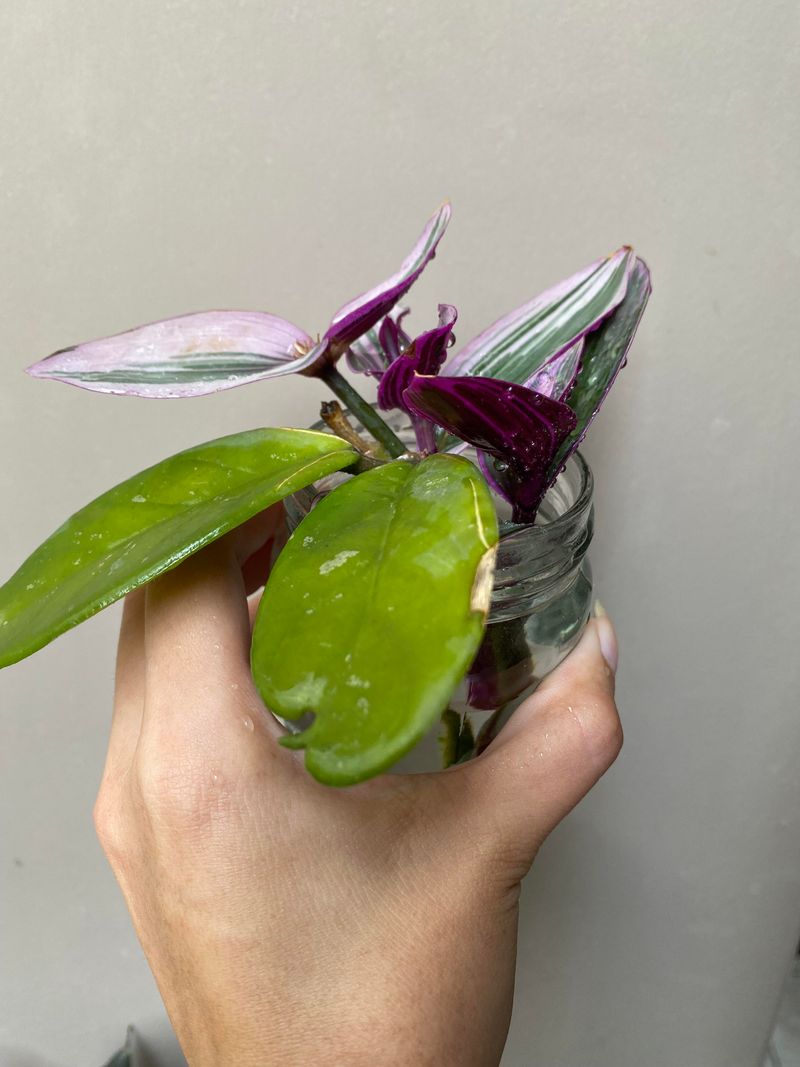
Bold purple, silver, and green stripes make tradescantia one of the most eye-catching houseplants you can grow.
This fast-growing trailer produces roots so readily that you might see growth within just a few days.
Cut stems about four to six inches long, removing the bottom leaves to prevent them from rotting in water.
Place multiple cuttings together in one container for a fuller look once you transplant them.
Tradescantia roots appear quickly, sometimes within 48 to 72 hours under ideal conditions.
The plant grows vigorously, creating cascading displays perfect for hanging baskets or high shelves.
Its colorful foliage brightens up dreary January days in Washington.
Bright indirect light intensifies the purple coloration in the leaves.
Too little light causes the plant to lose its vibrant colors and become mostly green.
Once rooted, tradescantia grows rapidly and may need occasional trimming to maintain shape.
Those trimmings become more cuttings, creating an endless supply of plants.
The plant tolerates average household humidity and temperatures, making care straightforward for beginners.
8. African Violet Leaves
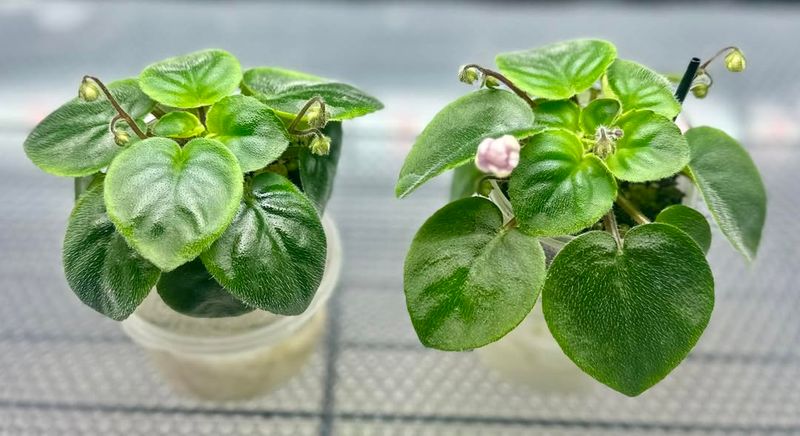
Few plants match the charm of African violets with their fuzzy leaves and cheerful blooms.
Propagation from a single leaf seems almost magical as an entire new plant develops.
Select a healthy, mature leaf from the middle row of the parent plant.
Cut the leaf with about an inch of stem attached using a clean, sharp blade.
You can root the leaf in water or directly in soil, though water allows you to watch the fascinating process.
If using water, suspend the leaf so only the stem touches the water, not the fuzzy leaf surface.
Tiny plantlets emerge from the base of the leaf stem after several weeks.
African violets appreciate consistent temperatures around 70 degrees Fahrenheit, typical of Washington homes in winter.
They bloom best with bright indirect light, making east-facing windows ideal.
Once the baby plants develop several leaves, you can separate and pot them individually.
These compact plants fit perfectly on windowsills and countertops.
With proper care, they bloom repeatedly throughout the year, providing continuous color during gray winter months.