9 Easy Indoor Plants For Beginner Bonsai In New York Apartments
Starting bonsai in a New York apartment can feel like biting off more than you can chew.
Small spaces, changing light, and busy schedules make many people think bonsai is only for experts with sunrooms and endless free time.
Still, that idea does not hold water.
With the right plants, bonsai can fit neatly into apartment life and even thrive.
Beginner friendly bonsai plants know how to pull their weight.
They handle indoor conditions well, bounce back from simple mistakes, and grow at a pace that does not demand constant attention.
In tight city spaces, that kind of flexibility is key.
A single small tree on a windowsill or shelf can add calm, character, and a sense of nature without crowding the room.
Bonsai is not about perfection.
It is about patience, balance, and learning as you go.
For New Yorkers, easy indoor bonsai plants open the door without turning the process into a full time job.
When you start with forgiving plants that suit apartment living, the whole experience feels less intimidating and far more rewarding.
1. Ficus Retusa (Chinese Banyan)
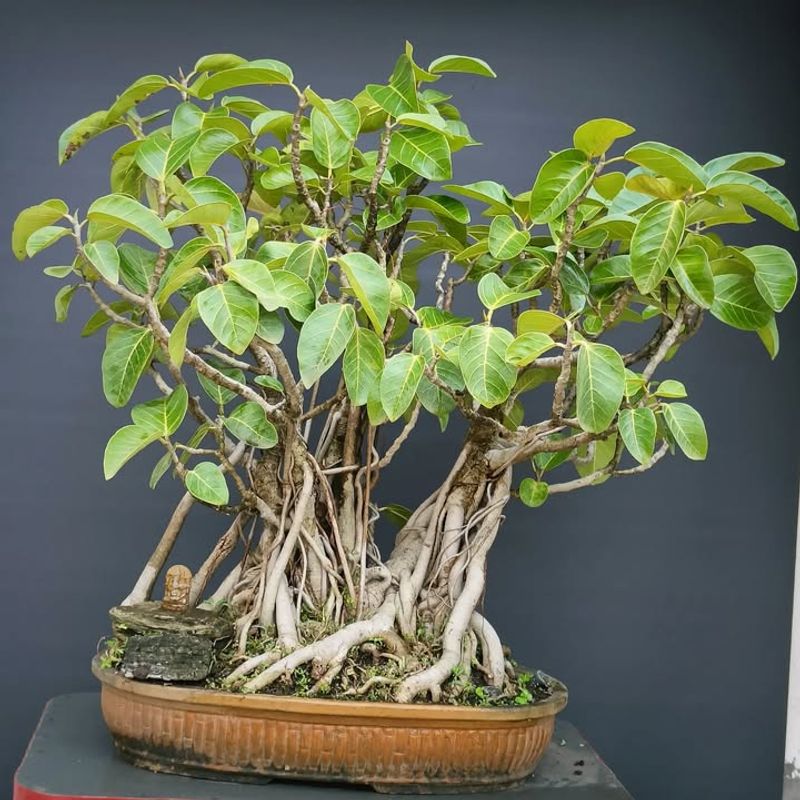
Ficus retusa stands as one of the most forgiving bonsai trees for apartment dwellers who are just starting their journey into miniature tree cultivation.
This tropical beauty features glossy, oval-shaped leaves and develops interesting aerial roots that add character as the tree matures.
New York apartment conditions suit this plant wonderfully because it tolerates the lower humidity levels that indoor heating creates during winter months.
The Chinese banyan doesn’t throw tantrums when you forget to water it for a day or two, making it ideal for busy city professionals.
It adapts to various light conditions, though it definitely prefers a bright spot near a window.
You’ll notice the leaves might drop if you move it around too much, but don’t worry because new growth appears quickly once it settles into its new location.
Pruning this bonsai is straightforward and actually encourages bushier growth patterns.
The branches respond well to wiring, allowing you to create interesting shapes without much experience.
Room temperature suits it perfectly, so you won’t need to create special climate conditions in your apartment.
Many New York bonsai enthusiasts recommend this species because it recovers quickly from beginner mistakes and continues growing strong year after year in indoor environments.
2. Jade Plant (Crassula Ovata)
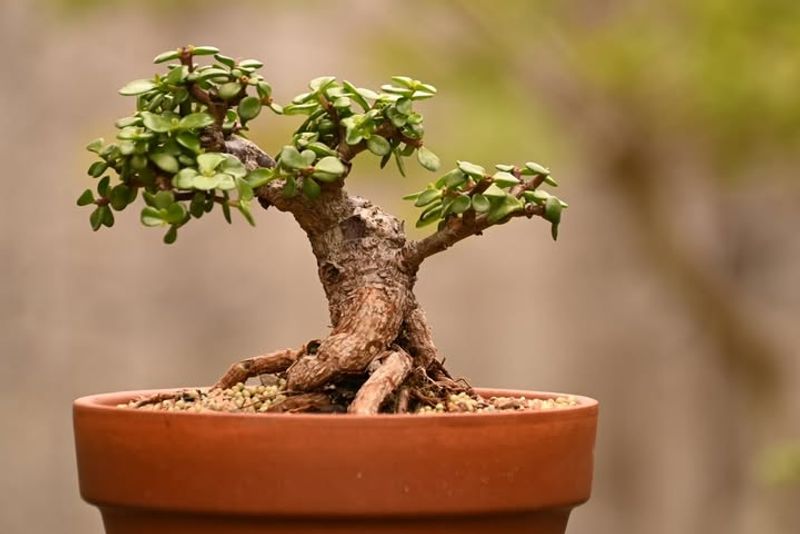
Thick, fleshy leaves store water like tiny reservoirs, making jade plants incredibly resilient to the irregular watering schedules that busy New Yorkers sometimes struggle with.
This succulent bonsai develops a tree-like appearance naturally, with a thick trunk that gives it an aged look even when relatively young.
The plump, jade-green leaves catch light beautifully on sunny windowsills throughout Manhattan and Brooklyn apartments.
Apartment heating systems create dry air that would stress many plants, but jade plants actually thrive in these conditions.
They need surprisingly little attention compared to traditional bonsai species.
Overwatering causes more problems than underwatering, so forgetting to water for a week won’t cause any harm.
The plant simply draws from its internal water reserves until you remember.
Shaping jade bonsai happens through pruning rather than wiring since the branches can snap under wire pressure.
New growth appears readily after trimming, and the plant naturally develops interesting branching patterns.
Bright light encourages compact growth and sometimes triggers small white or pink flowers.
Many New York apartment gardeners appreciate how jade plants handle the temperature fluctuations near windows during different seasons.
This bonsai practically takes care of itself while still providing that miniature tree aesthetic everyone loves.
3. Chinese Elm (Ulmus Parvifolia)
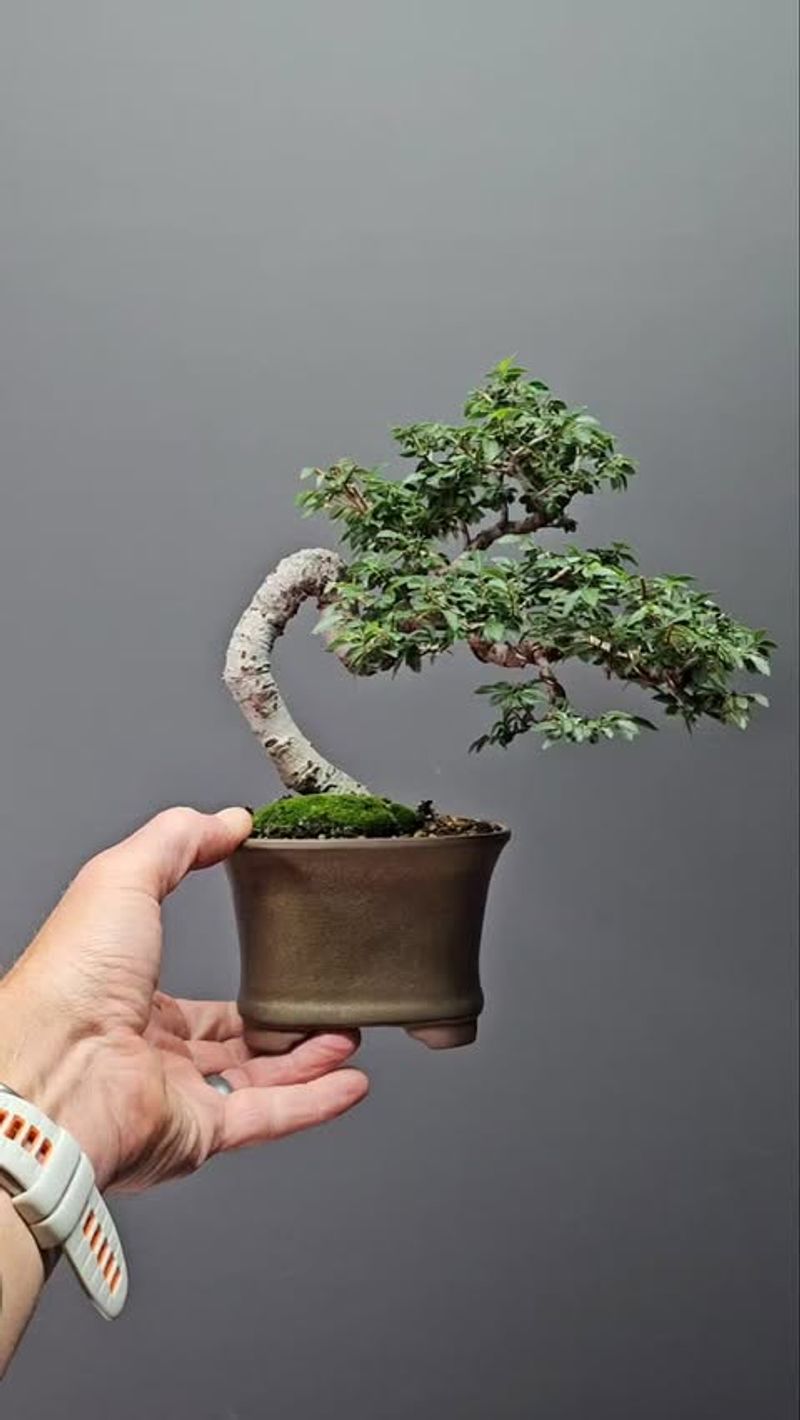
Graceful branching and tiny serrated leaves give Chinese elm the classic bonsai appearance that most people picture when they imagine these miniature trees.
This species has earned its reputation as the ultimate beginner bonsai because it forgives almost every common mistake while still looking absolutely stunning.
New York’s indoor conditions don’t intimidate this tough little tree one bit.
Temperature flexibility makes Chinese elm perfect for apartments where climate control varies between rooms and seasons.
It handles cooler spots near windows during winter and warmer areas during summer without complaint.
The bark develops attractive mottled patterns as the tree ages, adding visual interest beyond just the foliage.
Small leaves naturally create proper scale, so you won’t struggle to make the tree look proportional.
Pruning encourages dense growth, and the tree responds by producing more branches exactly where you want them.
Wiring works beautifully on younger branches, allowing you to create elegant curves and shapes.
Some New York growers keep their Chinese elm outdoors during warm months and bring it inside for winter, while others maintain it as a full-time indoor plant.
Either approach works well.
The tree grows relatively quickly compared to other bonsai species, giving you faster results and more opportunities to practice your styling techniques.
4. Hawaiian Umbrella Tree (Schefflera Arboricola)
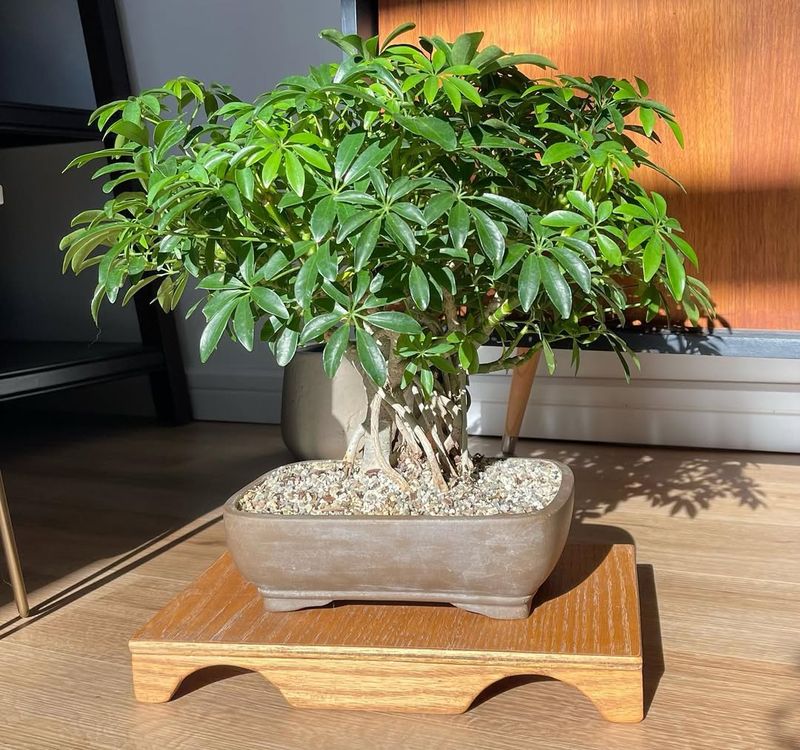
Clusters of glossy leaves radiate outward like tiny green umbrellas, creating an instantly recognizable silhouette that adds tropical flair to any New York apartment.
This plant brings a piece of paradise to urban spaces while asking very little in return.
Beginners love how clearly this bonsai communicates its needs through its leaves, which droop slightly when thirsty and perk up after watering.
Low light tolerance sets this species apart from many other bonsai options.
North-facing windows or spots away from direct sunlight work perfectly fine, making it ideal for apartments with limited bright exposure.
The tree maintains its vibrant green color even in dimmer conditions.
New York apartment dwellers with darker spaces finally have a bonsai option that won’t struggle.
Aerial roots develop over time, adding character and an aged appearance to the trunk.
The tree responds well to pruning and quickly produces new growth to fill in gaps.
Room temperature suits it perfectly, and it handles the dry air from heating systems better than many tropical plants.
Occasional misting helps but isn’t absolutely necessary.
The Hawaiian umbrella tree grows at a moderate pace, giving you time to learn shaping techniques without the tree outgrowing your design plans.
Many New York bonsai clubs recommend this species specifically for apartment cultivation.
5. Fukien Tea (Carmona Retusa)
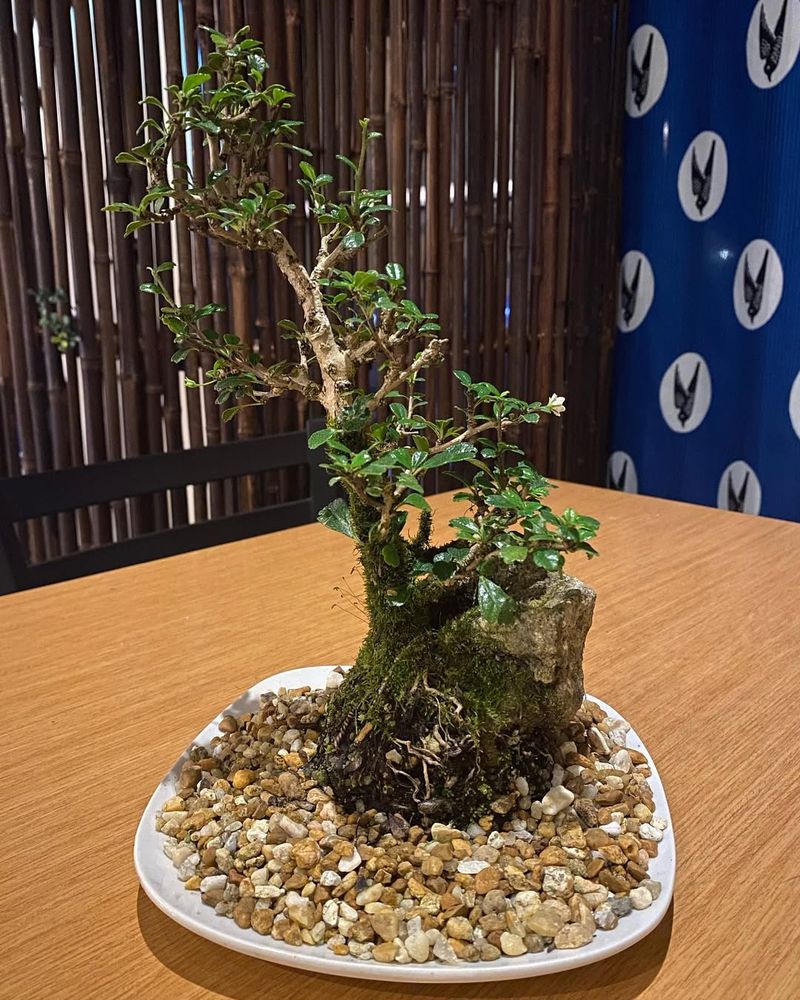
Tiny white flowers appear throughout the year on this charming bonsai, followed by miniature red berries that add unexpected pops of color to your indoor garden.
Dark green leaves with tiny white dots create a distinctive texture that catches the eye from across the room.
This tropical species has adapted remarkably well to New York apartment life despite its exotic origins.
Bright indirect light keeps this bonsai happy and encourages consistent flowering.
East or west-facing windows provide ideal conditions in most New York apartments.
The plant appreciates humidity but adapts to typical indoor levels with occasional misting.
Consistent watering matters more than perfect humidity, so focus on keeping the soil slightly moist without letting it become waterlogged.
The bark develops a beautiful gray color with age, contrasting nicely with the dark foliage.
Pruning maintains the compact shape and encourages branching, though the tree naturally grows in an attractive pattern.
Some growers find the flowers and berries distracting from the traditional bonsai aesthetic, but most beginners enjoy these bonus features.
The tree prefers stable temperatures, so avoid placing it near drafty windows or heating vents.
Many New York bonsai enthusiasts display Fukien tea as a centerpiece because the flowers create conversation starters.
This species rewards consistent care with year-round beauty and surprising resilience.
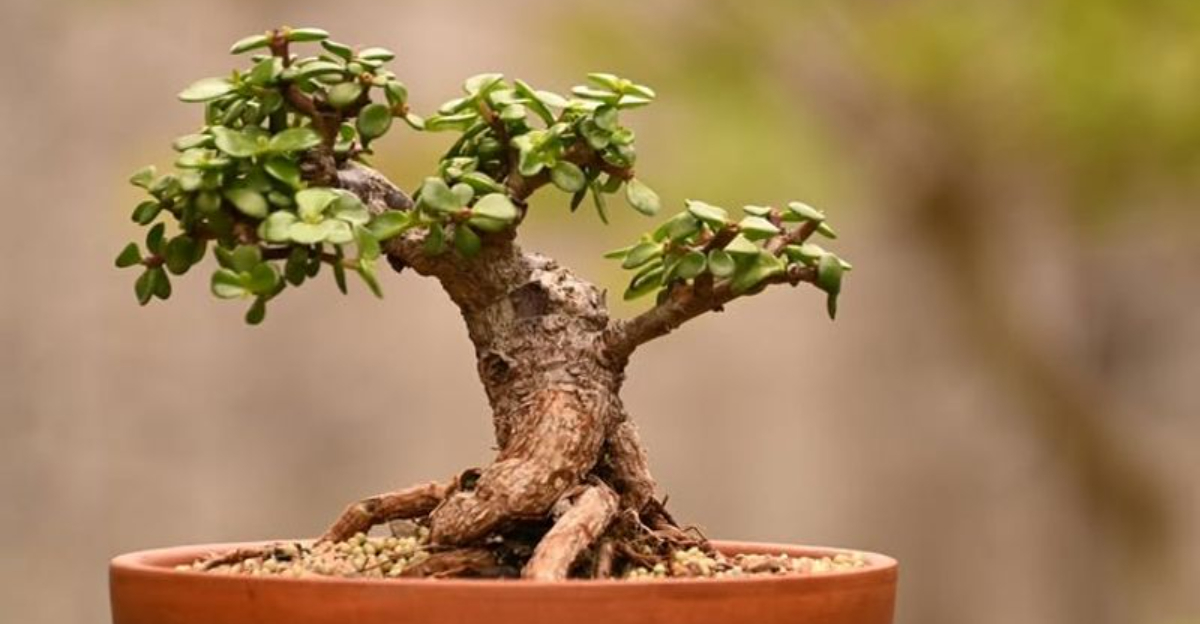
6. Dwarf Jade (Portulacaria Afra)
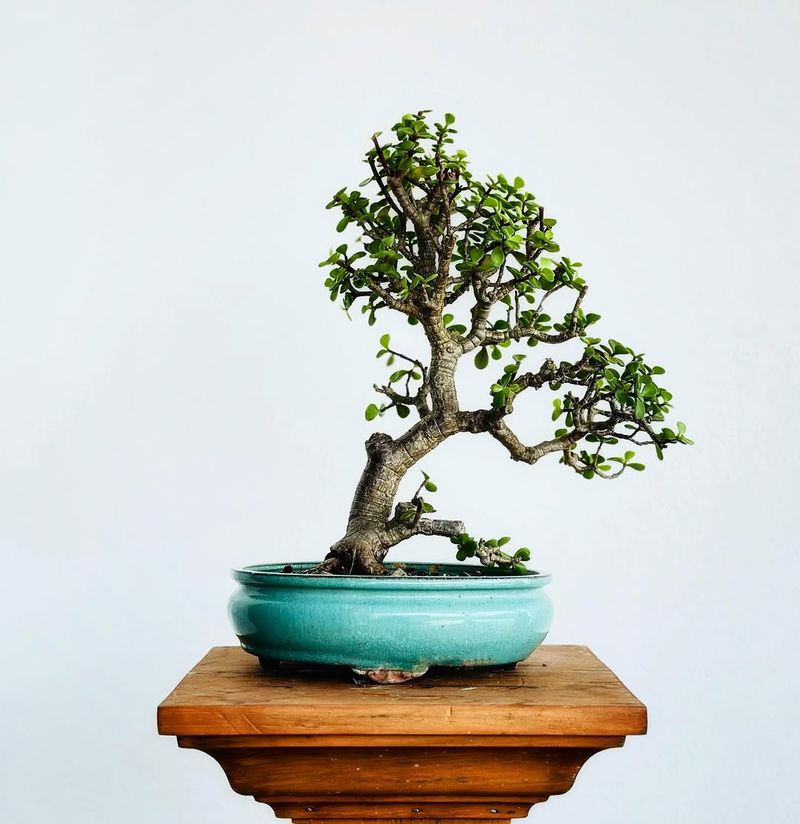
Reddish-brown stems contrast beautifully with tiny, round succulent leaves, creating a delicate appearance that belies this plant’s tough nature.
Often called elephant bush, this South African native handles neglect better than almost any other bonsai option.
New York apartment conditions that would stress other plants barely register with this hardy succulent.
Extreme drought tolerance means you can travel for a week or two without worrying about returning to a struggling plant.
The leaves store moisture efficiently, allowing the plant to survive extended dry periods.
Bright light encourages compact growth and brings out the reddish tones in the stems.
South-facing windows work wonderfully, though the plant adapts to less intense light as well.
Fast growth compared to traditional bonsai species means you’ll see results from your pruning and shaping efforts within weeks rather than months.
The plant responds to trimming by producing multiple new shoots, creating dense foliage quickly.
Branches remain flexible longer than regular jade, making wiring easier.
The lightweight nature of the plant suits small pots perfectly.
Many New York growers appreciate how dwarf jade maintains its appearance through winter when other plants might struggle with reduced light.
This bonsai practically thrives on benign neglect while still responding beautifully to attentive care when you have time to provide it.
7. Serissa Foetida (Snow Rose)
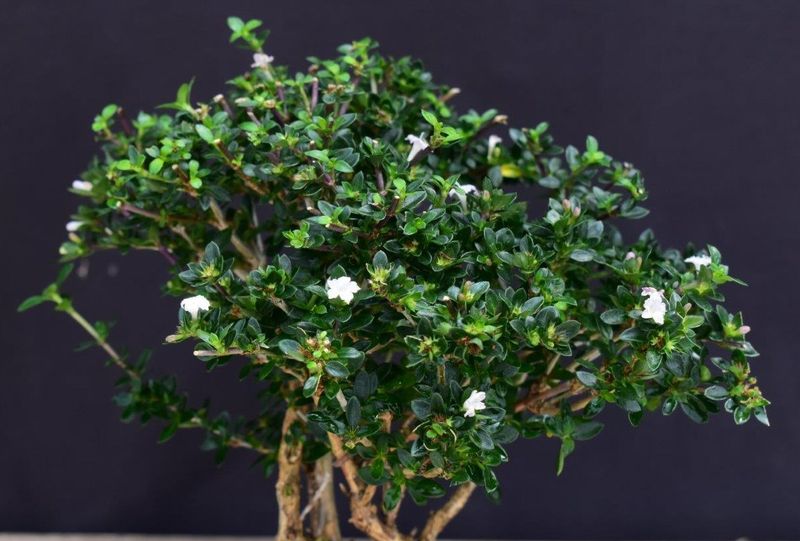
Delicate white or pink flowers bloom prolifically on this petite bonsai, earning it the charming nickname snow rose.
Tiny leaves create fine-textured foliage that looks proportional even on very small trees.
Despite its delicate appearance, this plant handles New York apartment conditions surprisingly well once you understand its preferences.
Consistent moisture matters more for serissa than for other beginner bonsai options.
The roots don’t appreciate drying out completely between waterings.
Setting up a routine helps ensure the soil stays evenly moist.
Bright indirect light suits this species perfectly, making east-facing windows in New York apartments ideal placement spots.
The plant tolerates lower light but won’t flower as abundantly.
Leaf drop happens occasionally when conditions change suddenly, but new growth appears quickly once the plant adjusts.
Don’t panic if you see leaves falling after moving the plant or changing your watering schedule.
The serissa communicates clearly about its needs through these responses.
Pruning and wiring work well on this species, allowing you to create refined shapes.
The flowers appear on new growth, so regular trimming actually encourages more blooms.
Room temperature suits it fine, though it prefers slightly cooler conditions than some tropical species.
Many New York bonsai growers consider serissa a step up from the easiest species, perfect for beginners ready for a small challenge.
8. Ginseng Ficus (Ficus Microcarpa)
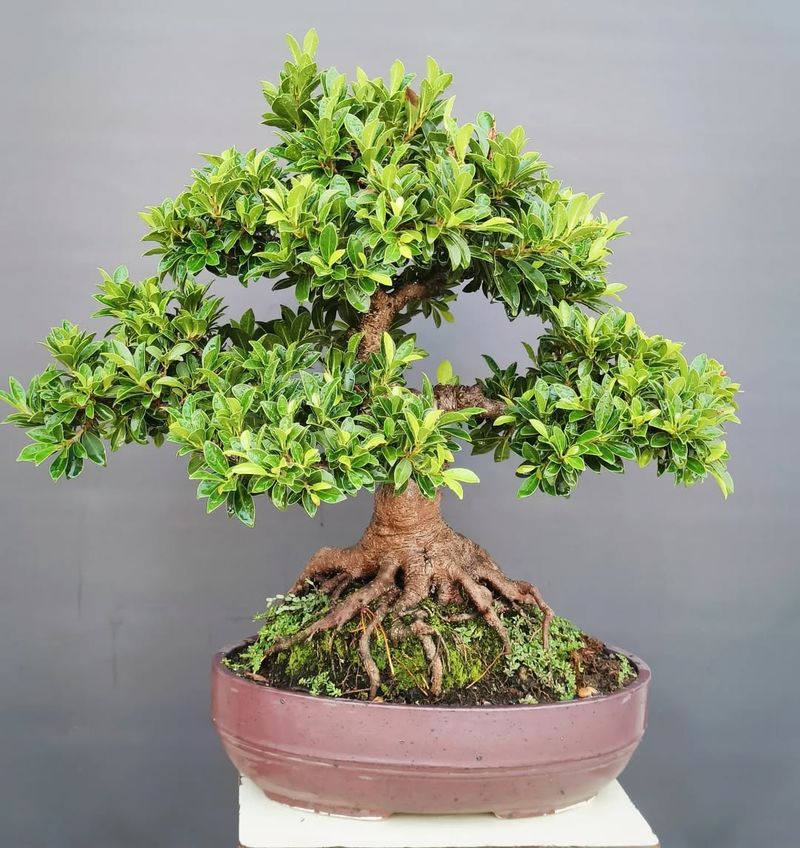
Thick, bulbous roots emerge from the soil like sculptural elements, giving even young plants an ancient, established appearance that usually takes decades to develop naturally.
This unique characteristic makes ginseng ficus instantly recognizable and incredibly popular among New York apartment dwellers who want impressive bonsai without the wait.
The dramatic root structure provides built-in visual interest that compensates for beginner styling mistakes.
Care requirements closely match the regular ficus retusa, meaning this plant tolerates typical apartment conditions beautifully.
Bright indirect light keeps the glossy leaves healthy and encourages compact growth.
The plant handles lower humidity levels that plague New York apartments during winter heating season.
Occasional misting helps but isn’t critical for survival.
The exposed root system needs protection from extreme temperature changes, so keep the plant away from cold drafts near windows during winter.
Watering requires attention because the roots dry out faster when exposed to air.
Check soil moisture regularly until you develop a feel for the plant’s needs.
Pruning the canopy maintains proportion with the dramatic root base.
Many growers in New York apartments display ginseng ficus as living sculptures, appreciating the artistic root formations.
This bonsai offers instant gratification for beginners who want mature-looking trees without years of cultivation.
9. Money Tree (Pachira Aquatica)

Braided trunks create an eye-catching focal point that sets money tree bonsai apart from traditional single-trunk specimens.
Large, palmate leaves spread like fingers, creating a tropical canopy that brings lush greenery to New York apartments.
This species combines the symbolic good fortune associated with its name with genuinely easy care requirements.
Moderate light requirements make money trees adaptable to various locations throughout your apartment.
They handle spots that receive indirect light for most of the day without complaint.
The plant tolerates occasional underwatering better than constant overwatering, making it forgiving of busy schedules.
New York apartment temperatures suit this tropical native perfectly year-round.
The braided trunk configuration typically comes pre-formed when you purchase the plant, eliminating complex training techniques for beginners.
Maintaining the existing shape requires only occasional pruning to control canopy size and encourage branching.
The large leaves mean fewer of them create full coverage, simplifying the overall appearance.
Some growers in New York apartments appreciate how money trees grow relatively quickly, providing satisfying progress.
The plant occasionally produces unusual flowers and edible nuts when grown indoors, though this happens rarely.
Rotating the plant periodically ensures even growth on all sides.
This bonsai works beautifully as a statement piece in living rooms or bedrooms, bringing both aesthetic appeal and reputedly positive energy to your space.