8 Easy Indoor Plants That Can Become Bonsai In Washington Homes
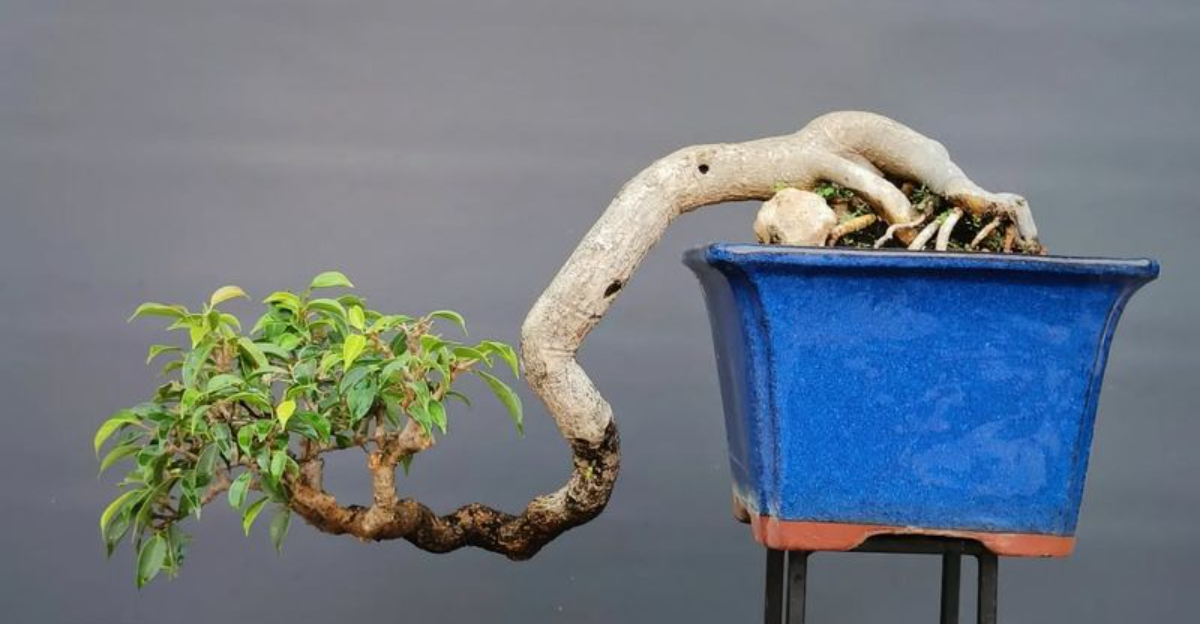
Bonsai doesn’t have to start outdoors or require years of specialized training to feel rewarding inside Washington homes.
Many easy indoor plants naturally respond well to shaping, pruning, and patience, making them perfect for beginners.
With steady light and simple care, these plants slowly develop character and form right on a windowsill or table.
Over time, each one becomes a living piece of art that grows alongside the person tending it.
1. Jade Plant
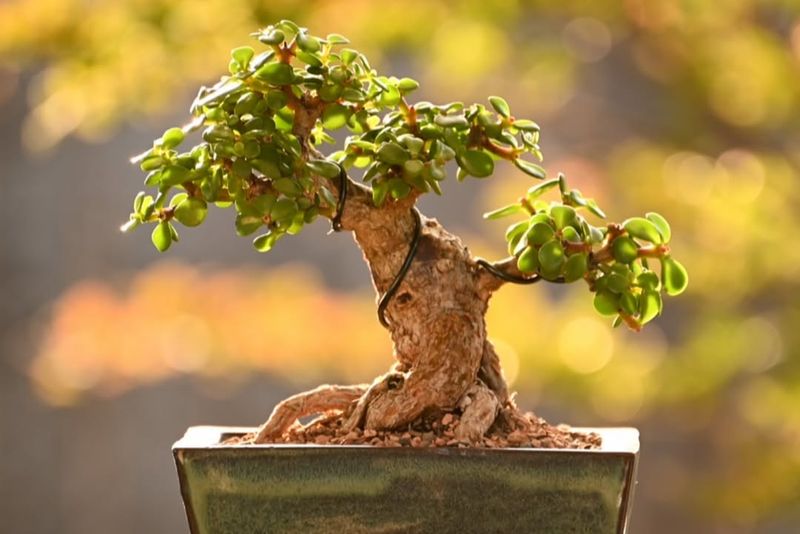
Jade plants make exceptional bonsai specimens because their naturally thick trunks and fleshy leaves create an instant miniature tree appearance without years of waiting.
Washington homes provide ideal temperature ranges for these succulents, which thrive in typical indoor conditions with minimal fuss or complicated care routines.
Beginners appreciate how forgiving jade plants are when it comes to occasional watering mistakes, as their leaves store moisture for extended periods between drinks.
Pruning encourages branching and creates the classic bonsai shape, while the plant responds quickly to training with wire and careful trimming throughout the year.
Bright windowsills work perfectly for jade bonsai, though they tolerate lower light better than many other succulent varieties available at local garden centers.
Repotting every two or three years keeps roots healthy and encourages continued growth, making maintenance simple even for those new to bonsai cultivation practices.
Older jade plants develop beautiful gnarled trunks that mimic ancient trees, creating stunning focal points for living rooms, offices, or sunny kitchen counters.
Propagation from cuttings means you can start multiple bonsai projects from one parent plant, sharing your hobby with friends and family members easily.
2. Ficus Benjamina
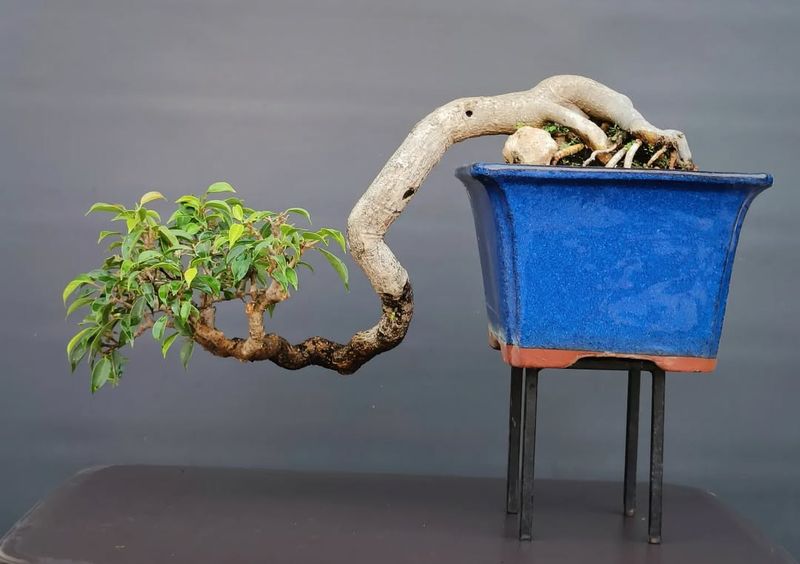
Ficus benjamina, commonly called weeping fig, ranks among the most popular choices for indoor bonsai because it tolerates pruning exceptionally well and grows vigorously.
Local garden centers throughout Washington stock these adaptable trees, making them accessible and affordable for anyone interested in starting their first bonsai training project.
Glossy leaves respond beautifully to leaf pruning techniques, which encourage smaller foliage that maintains proper scale with the miniature tree form you create over time.
Aerial roots develop naturally on mature specimens, adding dramatic visual interest and authentic aged appearance that bonsai enthusiasts particularly value in their indoor collections.
Consistent watering keeps ficus happy, though they signal thirst by slight leaf drooping, making it easy to learn their needs without complicated moisture meters or schedules.
Placement near bright windows without direct harsh sunlight works perfectly, as these trees prefer steady light conditions rather than dramatic changes throughout the growing season.
Wiring branches into graceful curves creates elegant shapes, and the flexible wood accepts training easily compared to many other species suitable for indoor bonsai cultivation.
Leaf drop sometimes occurs when conditions change suddenly, but healthy ficus trees recover quickly and produce fresh growth once they adjust to their environment.
3. Chinese Elm
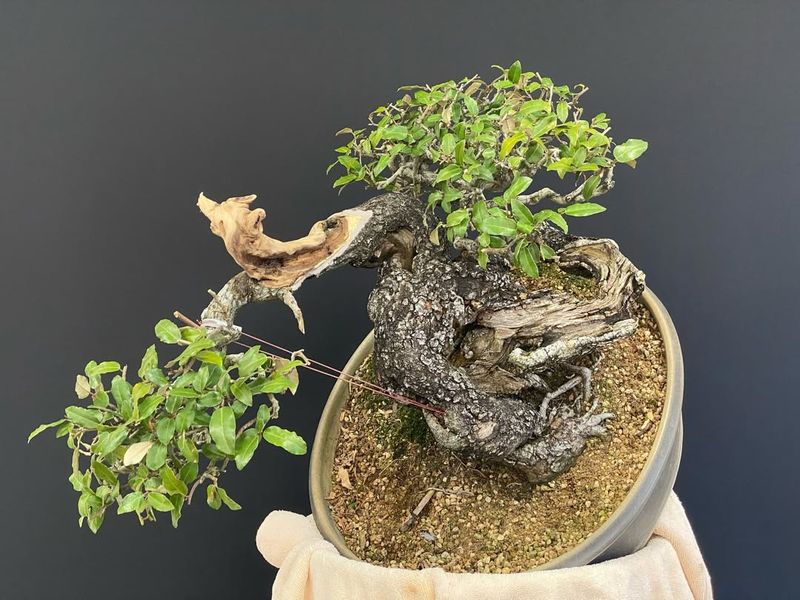
Chinese elm trees offer beginner-friendly bonsai experiences with their rapid growth, forgiving nature, and beautiful fine-textured foliage that scales perfectly to miniature tree forms.
Many Washington bonsai clubs recommend starting with Chinese elm because it tolerates beginner mistakes while still producing impressive results that inspire continued learning and experimentation.
Small serrated leaves create delicate canopies that look remarkably realistic, especially when proper pruning techniques maintain the natural branching patterns these trees develop over seasons.
Indoor cultivation works wonderfully during winter months when Washington temperatures drop, though some growers move their Chinese elm outdoors during warmer weather for extra growth.
Bark develops attractive mottled patterns as trees mature, adding another layer of visual appeal that makes older specimens particularly prized among bonsai collectors everywhere.
Frequent pinching of new growth keeps branches compact and encourages ramification, which creates the dense twiggy appearance characteristic of well-developed bonsai tree specimens.
Root pruning during repotting stimulates fresh feeder root development, maintaining tree health while keeping the root ball appropriately sized for shallow decorative bonsai containers.
Pest resistance makes Chinese elm relatively trouble-free compared to more delicate species, allowing you to focus on artistic development rather than constant problem-solving efforts.
4. Hawaiian Umbrella Tree

Hawaiian umbrella trees bring tropical beauty to Washington homes with their distinctive compound leaves arranged like tiny umbrellas, creating instant visual interest in any room.
Schefflera arboricola tolerates lower light conditions better than many bonsai candidates, making it perfect for apartments or homes without abundant south-facing window space available.
Thick trunks develop relatively quickly on these fast-growing plants, giving beginners the satisfaction of seeing substantial progress within just a few years of consistent care.
Pruning back to inner nodes encourages compact growth and prevents the leggy appearance that sometimes develops when umbrella trees receive insufficient light throughout darker months.
Glossy foliage adds a healthy shine to indoor spaces, and the leaves naturally stay small enough for bonsai proportions without requiring constant defoliation techniques or interventions.
Watering needs remain moderate, and umbrella trees signal when thirsty by slight leaf softening, helping you develop intuitive understanding of plant requirements over time naturally.
Washington humidity levels suit these plants well, though occasional misting during dry winter heating seasons keeps foliage looking its absolute best and most vibrant green.
Cuttings root easily in water or soil, allowing you to experiment with different styles and create multiple bonsai specimens from one healthy parent plant.
5. Dwarf Pomegranate
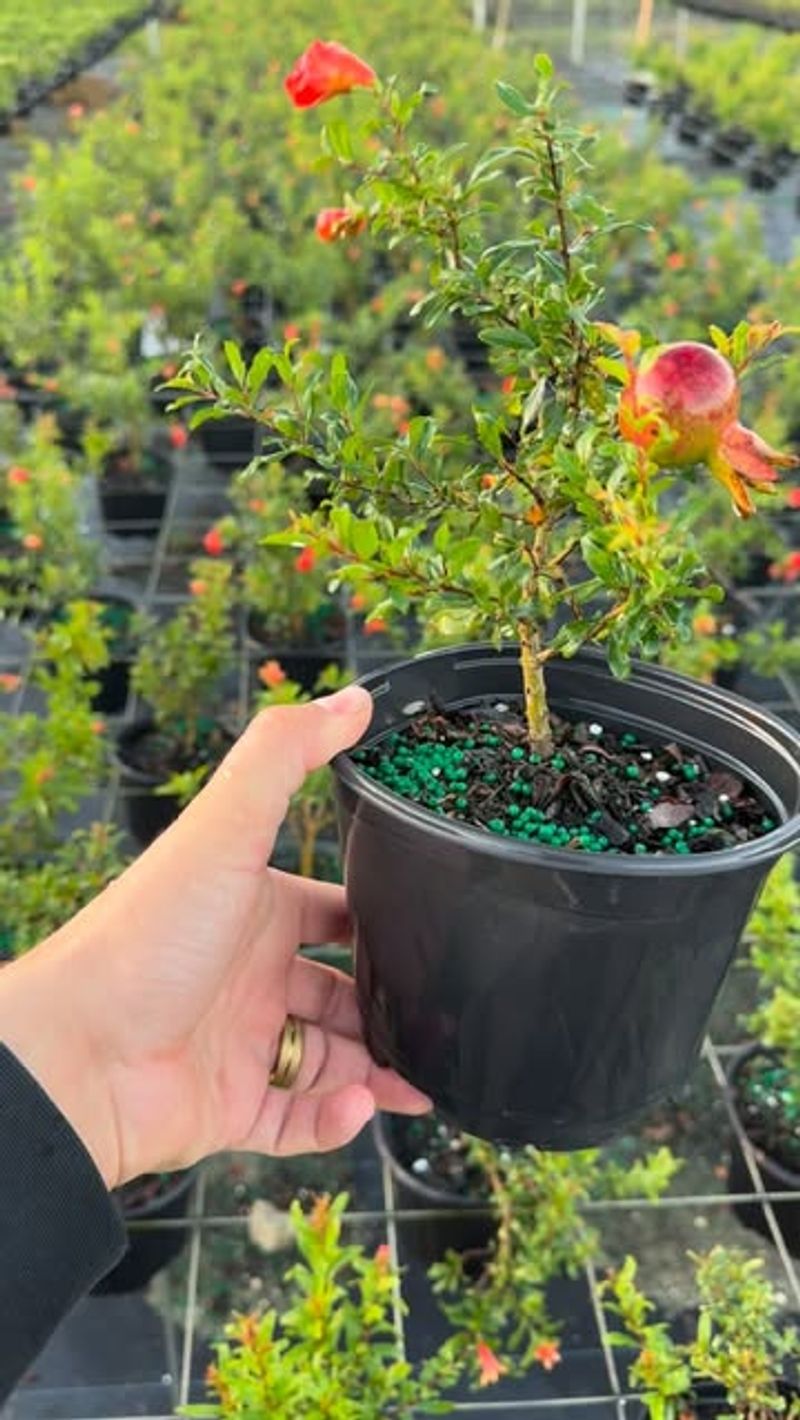
Dwarf pomegranate trees produce adorable miniature flowers and fruits that make them particularly rewarding bonsai subjects, offering seasonal interest beyond just attractive foliage and form.
Bright orange-red blooms appear throughout growing seasons when plants receive adequate sunlight, bringing cheerful color to Washington homes during spring and summer months when conditions align.
Tiny pomegranates actually develop on well-established trees, though they remain decorative rather than edible, adding whimsical charm that delights visitors and family members alike consistently.
Deciduous nature means leaves drop in fall, revealing the elegant branch structure you have carefully developed through pruning and wiring efforts throughout previous growing seasons.
Winter dormancy requires cooler temperatures, so placing your dwarf pomegranate in an unheated room or garage helps it rest properly before vigorous spring growth resumes naturally.
Fine branching develops naturally with regular pinching during active growth periods, creating the dense twiggy appearance that characterizes mature bonsai specimens across all species and styles.
Sunny windowsills in Washington homes provide sufficient light for healthy growth, though supplemental grow lights help during darker winter months when natural daylight becomes limited and weak.
Bark peels attractively on older specimens, revealing lighter wood underneath and adding textural interest that makes aged dwarf pomegranate bonsai particularly beautiful and valuable to collectors.
6. Fukien Tea Tree

Fukien tea trees captivate bonsai enthusiasts with their tiny dark green leaves, delicate white flowers, and occasional red berries that provide year-round visual interest indoors.
Washington collectors prize these elegant trees for their refined appearance and the challenge they present, making them rewarding projects for those ready to advance beyond beginner species.
Consistent moisture proves essential, as Fukien tea dislikes drying out completely between waterings, requiring more attentive care than some drought-tolerant alternatives available for indoor cultivation.
Small white blooms appear sporadically throughout the year when conditions suit the plant, offering sweet fragrance and delicate beauty that enhances any room where you display it.
Tiny leaves naturally suit bonsai proportions perfectly without requiring reduction techniques, allowing you to focus on branch development and overall tree structure during training sessions instead.
Warm temperatures year-round keep Fukien tea happy, making typical Washington home heating during winter months ideal for maintaining healthy growth and preventing stress-related problems from developing.
Wiring should be done carefully since branches can be somewhat brittle, though the wood accepts shaping well when you work slowly and check frequently for wire marks.
Repotting every two years with well-draining soil keeps roots healthy and vigorous, supporting the continued growth and flowering that makes this species so appealing to indoor growers.
7. Serissa Foetida
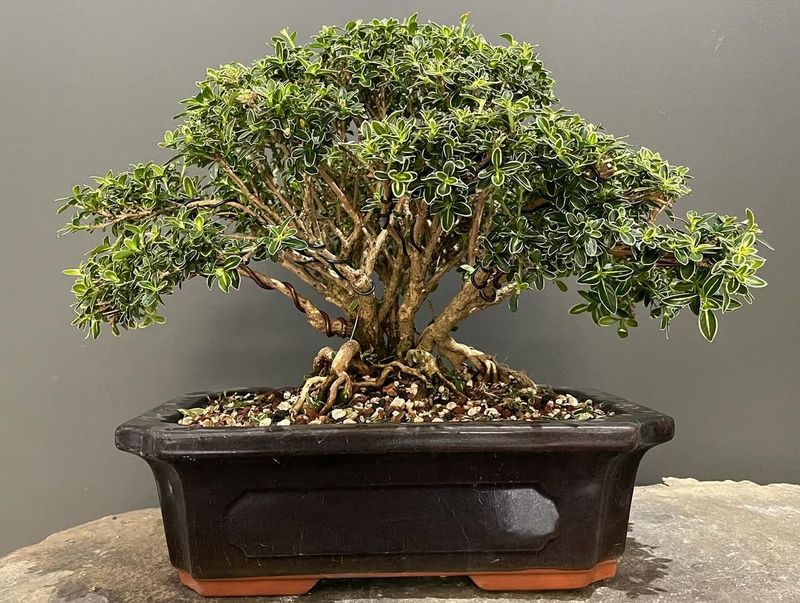
Serissa foetida earns its nickname tree of a thousand stars from the profusion of tiny white flowers that cover branches during blooming periods throughout the year.
Variegated leaf varieties add extra visual appeal with cream-edged foliage that brightens indoor spaces, making serissa an attractive choice even when flowers temporarily fade between blooming cycles naturally.
Washington growers find serissa slightly demanding regarding consistent watering and stable conditions, but the stunning floral displays reward the extra attention required for successful long-term cultivation indoors.
Fine branching develops naturally as trees mature, creating delicate tracery that looks especially beautiful when highlighted by the masses of star-shaped flowers covering every available surface.
Pruning after flowering encourages bushier growth and more bloom sites for future displays, making regular maintenance both necessary and directly rewarding through improved plant performance over time.
Bright indirect light suits serissa perfectly, and Washington homes with east or west-facing windows provide ideal conditions without the harsh intensity of direct midday summer sun exposure.
Root sensitivity means gentle handling during repotting prevents unnecessary stress, and using well-draining soil mixtures helps avoid the waterlogged conditions that sometimes cause root problems with this species.
Older specimens develop attractive gnarled trunks and peeling bark that add character, transforming young plants into convincing miniature ancient trees within just several years of dedicated care.
8. Rosemary
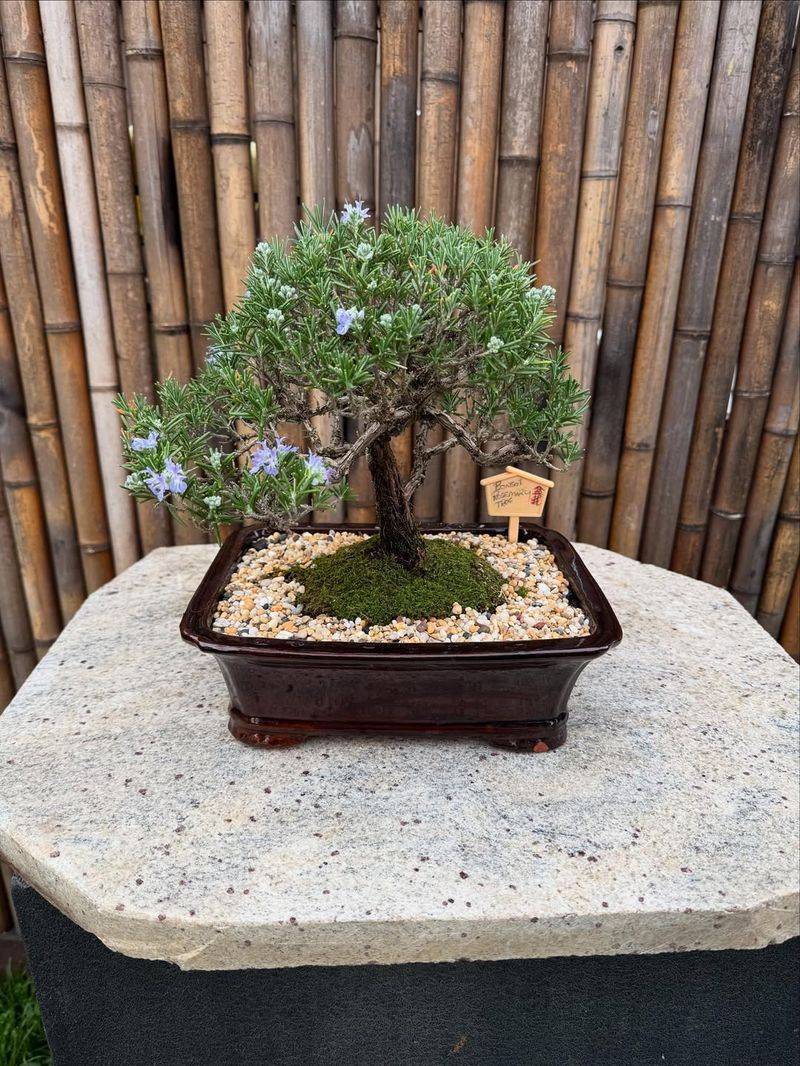
Rosemary offers a unique bonsai option that combines artistic beauty with practical culinary use, allowing you to harvest fragrant leaves while maintaining your miniature tree form.
Naturally woody stems develop quickly on rosemary plants, giving them an aged appearance much faster than many traditional bonsai species require to achieve similar trunk character.
Needle-like leaves and upright growth habit create a distinctive silhouette that stands out among typical bonsai collections, offering something different from the broadleaf trees most commonly seen.
Washington kitchens provide perfect homes for rosemary bonsai, where bright light from windows and occasional harvesting for cooking naturally encourage the compact growth desired in miniature trees.
Excellent drainage proves essential since rosemary originates from Mediterranean climates and dislikes wet feet, making well-draining bonsai soil absolutely critical for long-term plant health and survival.
Pinching growing tips regularly keeps plants bushy and prevents the sparse leggy growth that develops when rosemary receives insufficient light or infrequent pruning throughout growing seasons.
Blue flowers occasionally appear on healthy specimens, adding unexpected color and charm to what many people consider purely a culinary herb rather than an ornamental plant worth displaying.
Aromatic foliage releases wonderful scent when you work on your bonsai, making pruning and wiring sessions particularly pleasant sensory experiences that engage more than just visual appreciation.