7 Easy Michigan Plants That Fill Fall Gardens With Color And Thrive On Neglect
Fall gardens often feel like an afterthought, with most attention already shifting toward yard cleanup rather than adding anything new to look at. But a handful of easy going plants actually deliver reliable color this time of year while asking for almost nothing in return.
Understanding which options fall into this category could turn a neglected fall garden into a surprisingly vibrant space with very little added effort.
Many gardeners are shocked by how much color these particular plants provide despite minimal care or attention. This list could completely change how you think about fall gardening as a whole.
Once you add a few of these to your beds, low effort and real color stop feeling like opposite goals. Sometimes the best fall display comes from the plants you worry about the least.
1. Autumn Joy Sedum Gets Better As Fall Arrives
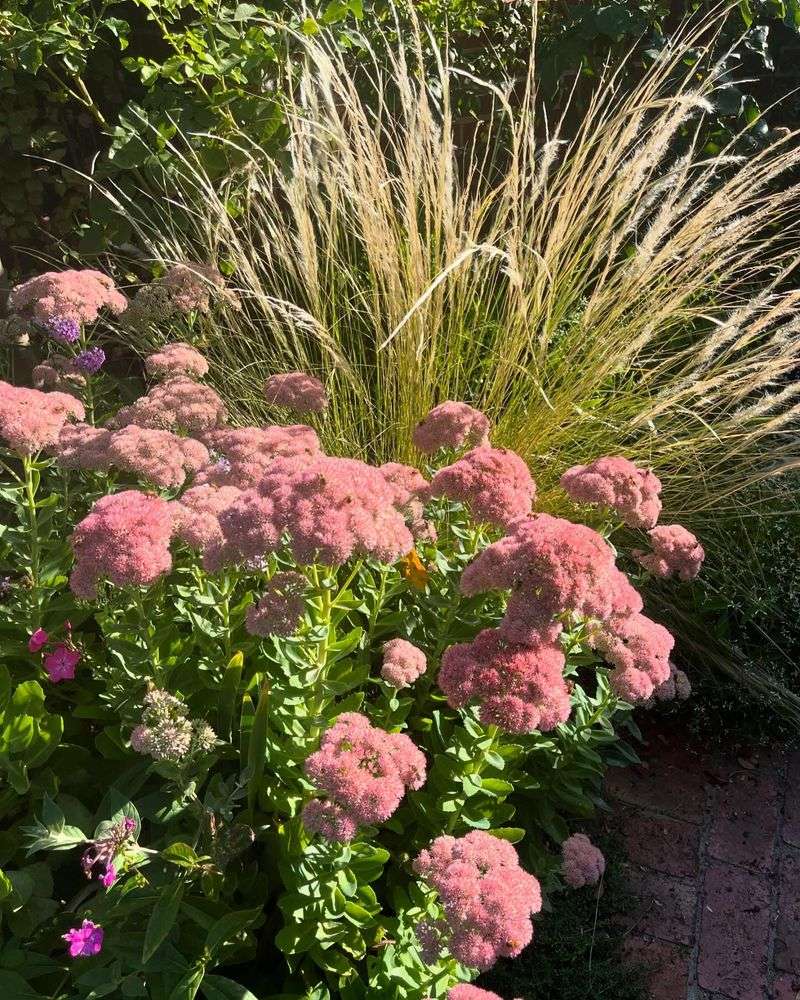
Some plants peak in June, but Autumn Joy sedum saves its best look for later. Through summer, its flat flower clusters start out a soft pink color, almost like cotton candy sitting on top of thick stems.
As the weather cools, those blooms shift into a deeper rose and finally a rich, coppery red. The change happens slowly, so you get weeks of shifting color instead of one quick moment.
Bees and butterflies love landing on the wide flower heads during warm afternoons. What makes this sedum so easy is its thick, juicy leaves that store water.
That means it barely notices when rain skips a week or two, which happens plenty in Michigan summers. You can plant it in a sunny spot with average soil and mostly leave it alone.
Too much water or rich soil actually makes the stems flop over, so a little neglect works in your favor here. It stands up well against cold Michigan winters and comes back stronger each spring.
Even after the blooms fade, the dried flower heads hold their shape and catch frost beautifully. Many gardeners leave the stems standing all winter for extra interest against the snow.
Cut them back in early spring, and the plant fills in quickly once more. If you want one perennial that rewards you for doing less, this one belongs at the front of your list.
It fits borders, rock gardens, and containers with equal ease and charm.
2. New England Aster Saves Its Show For Fall
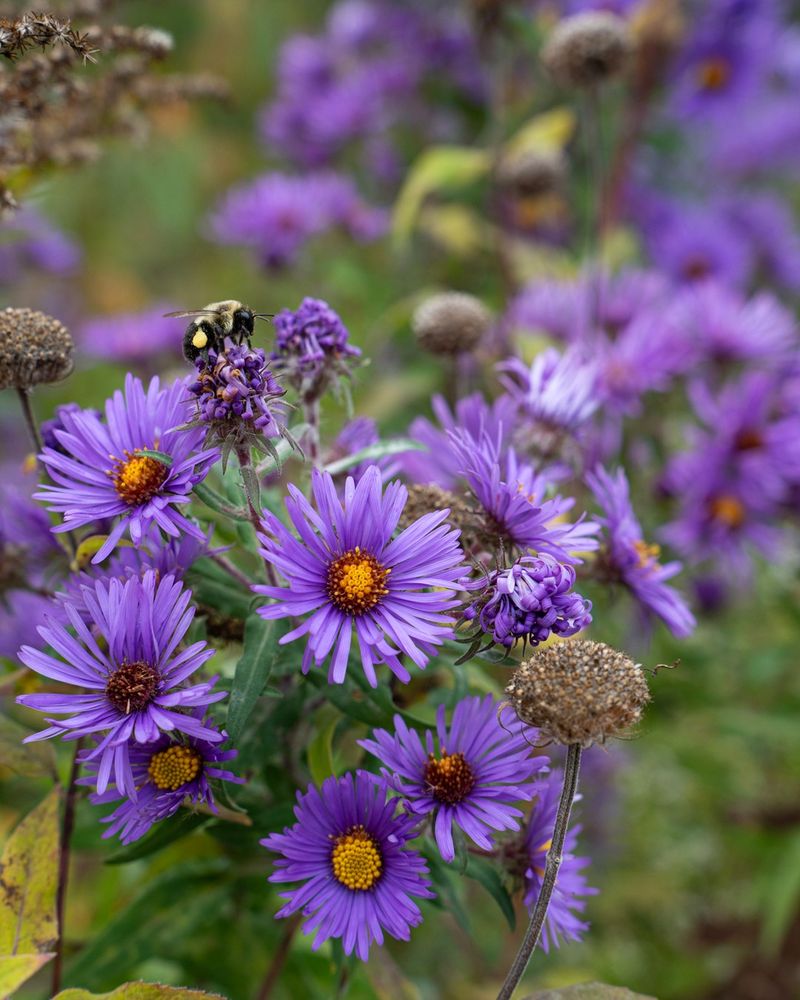
Picture a plant that quietly grows all summer, then suddenly bursts into a cloud of purple and pink flowers just as other blooms fade. That is exactly what New England aster does, and it never fails to turn heads.
From late summer into October, the tall stems fill with dozens of small daisy shaped flowers. Colors range from deep purple and blue to soft pink, depending on the variety you choose.
Butterflies flock to these blooms because they offer food late in the season when few other flowers remain.
One reason gardeners love this native plant is how easily it settles into almost any Michigan spot. It handles clay soil, sandy soil, dry ground, and even slightly damp areas without complaint.
Your Michigan Garden Changes Every Week. Your Plan Should Too.
Gardening in Michigan changes quickly throughout the season. Every Friday you’ll receive a simple weekly plan showing exactly what to plant, prune, fertilize, harvest, and protect so you never miss the right timing.
Full sun brings the most flowers, though it tolerates a bit of shade too.
Once the roots take hold, you can mostly forget about it and still enjoy a strong display each fall. If the stems get too tall, a light trim in early summer keeps the plant bushy and full.
These asters return year after year and even spread a little, giving you more color over time. They pair perfectly with goldenrod and ornamental grasses for a wild, meadow style look.
Cold winters do not bother them at all, so they are a dependable Michigan choice. Plant a few this season, and you will have a fall garden that feels alive with movement, color, and buzzing visitors right up until frost arrives.
3. Showy Goldenrod Lights Up September
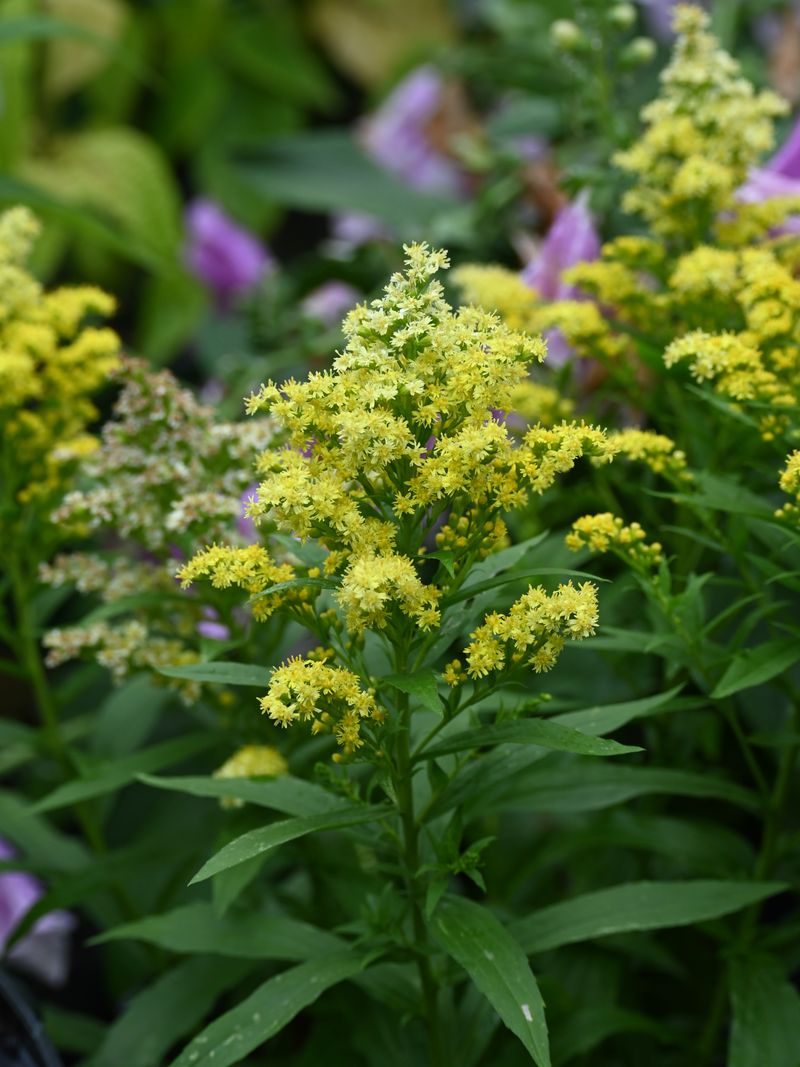
Bright as sunshine and tough as nails, showy goldenrod brings glowing yellow color right when gardens start to look tired. Its tall flower spikes rise up in September and light up any sunny corner.
Unlike the messy wild goldenrod along roadsides, this garden friendly type grows in neat, upright clumps. The flowers form dense plumes packed with tiny golden blooms that seem to glow in afternoon light.
Pollinators treat these plants like a busy restaurant during the fall season. Here is a fun fact many people get wrong: goldenrod does not cause fall allergies. Ragweed, which blooms at the same time, is the real troublemaker.
So you can enjoy this plant without any worry. Caring for showy goldenrod is almost too simple. Once it settles into a sunny spot with average or dry soil, it needs very little from you.
Extra water and rich soil are not required, and skipping care actually keeps the plant sturdy.
Michigan winters pose no problem for this hardy native, and it returns reliably each year. It spreads slowly, so it fills in space without taking over your whole bed.
The strong yellow color pairs beautifully with purple asters for a classic fall combo. Together they create a display that feels straight out of a countryside meadow.
Leave the seed heads standing after blooming, and birds will visit to snack through the cooler months. For gardeners who want big color with almost no effort, goldenrod is a bright and cheerful winner.
4. Black Eyed Susan Keeps The Border Bright
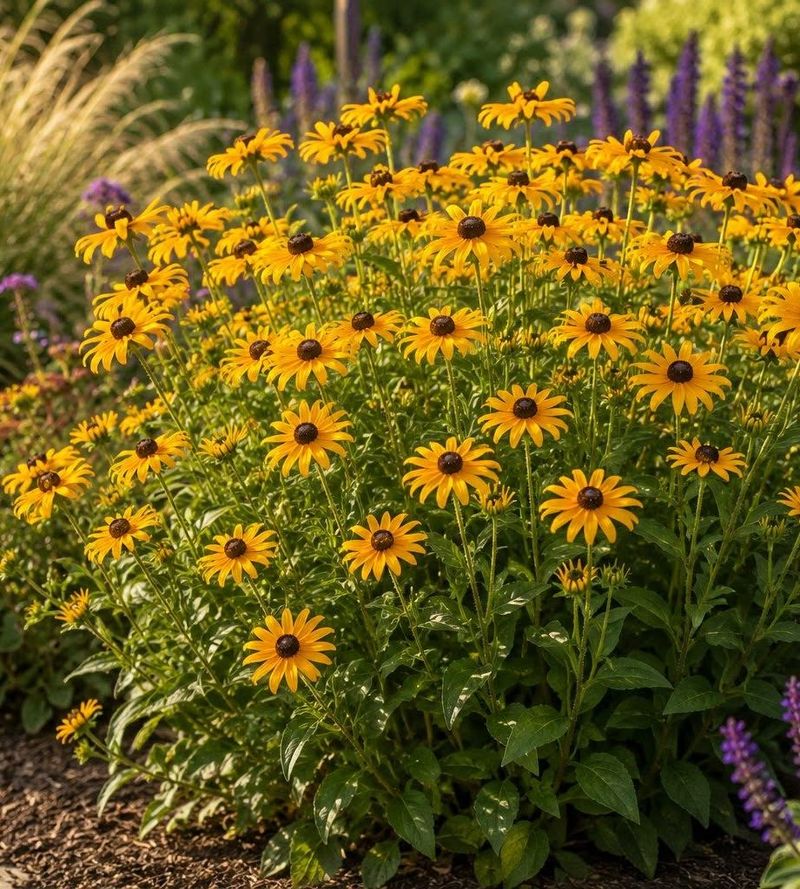
Cheerful, golden, and impossible to ignore, black eyed Susan is the friendly face of the late summer garden. The Goldsturm variety in particular puts on a long lasting show that stretches from summer into September.
Each flower has bright yellow petals circling a dark brown center, almost like a tiny sunflower. The plants form full, rounded clumps covered in dozens of blooms at once.
From a distance, a patch looks like a wave of gold rolling across the border. This perennial earned its popularity by being both beautiful and incredibly reliable. It shrugs off heat, handles dry spells, and keeps flowering even when you forget to fuss over it.
Full sun brings the biggest display, though it manages fine with average garden soil. Michigan cold does not slow it down, and it faithfully returns bigger each spring. Once established, watering becomes almost optional except during long dry stretches.
Butterflies and bees adore the open blooms, making your garden feel busy and full of life. When the flowers finish, the dark seed heads attract hungry songbirds like goldfinches.
You can leave those seed heads up through fall and winter for extra texture and wildlife value. A simple trim in spring gets the plant ready to shine all over again.
Because it spreads gently, you will slowly get more plants to share or move around. For anyone wanting dependable, sunny color with barely any work, Goldsturm black eyed Susan is a classic that never lets you down.
5. Perennial Salvia Keeps Going Into September
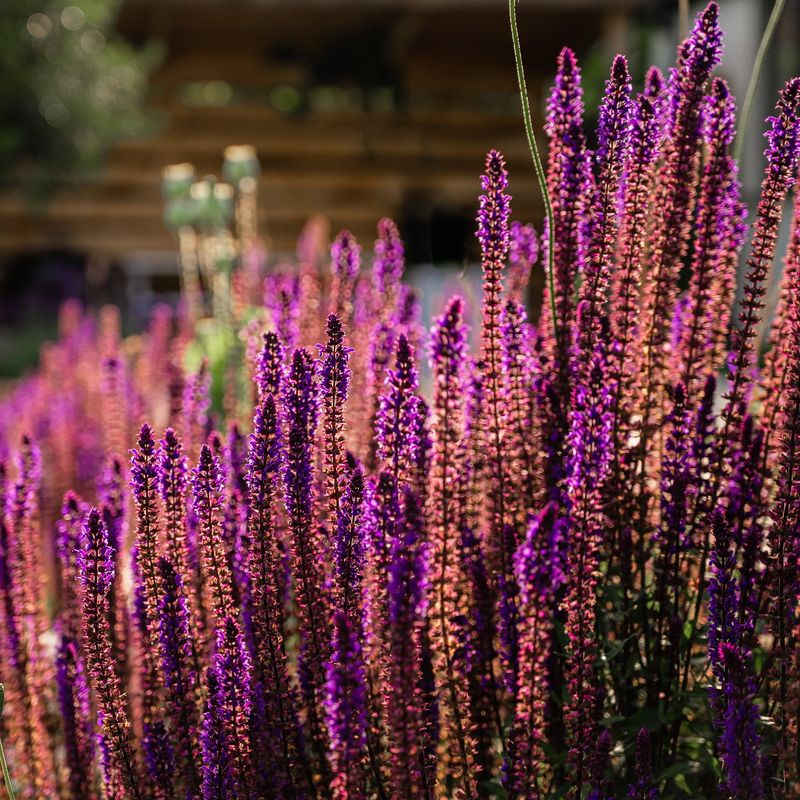
Tall spikes of purple and blue rising above tidy green leaves make perennial salvia a standout in any sunny bed. It starts flowering in early summer and, with a little help, keeps color coming into September.
The flower spikes come in shades of purple, blue, and sometimes white, adding a cool splash to warm season gardens. Bees and hummingbirds visit constantly, drawn to the tube shaped blooms.
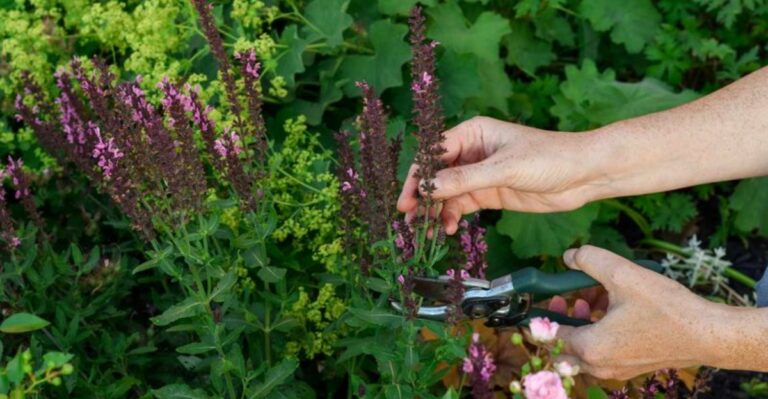
The plants stay compact and neat, so they never look messy or overgrown. A secret to long flowering is a simple trick called deadheading. After the first round of blooms fades, cut the spent spikes back, and fresh flowers push out again.
Doing this a couple of times keeps the show running well into fall. What makes salvia so easy is its love of tough conditions. It thrives in full sun and prefers soil on the drier side, which means overwatering can actually cause trouble.
Once its roots take hold, this perennial handles dry spells like a champ and asks for almost nothing. Michigan winters are no match for its hardy nature, and it returns each spring ready to perform.
The scented leaves also help keep hungry deer and rabbits away, which is a nice bonus. That makes it a smart choice for gardens where wildlife likes to nibble.
Pair salvia with black eyed Susan or sedum for a colorful, low care combination. For sunny, dry spots that need lasting color, this dependable perennial delivers again and again.
6. Rozanne Geranium Blooms Until Cold Weather Wins
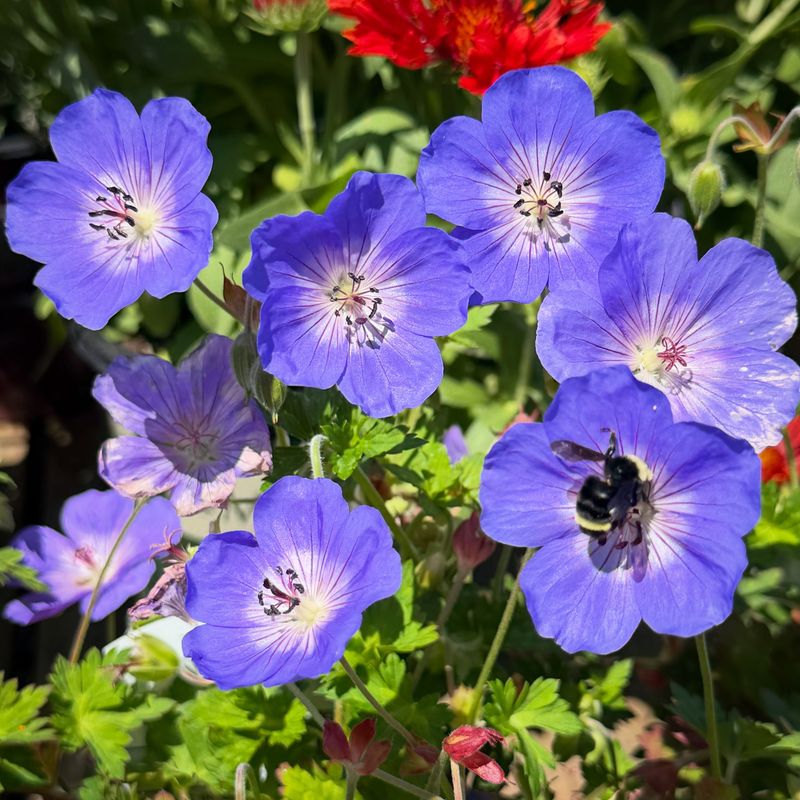
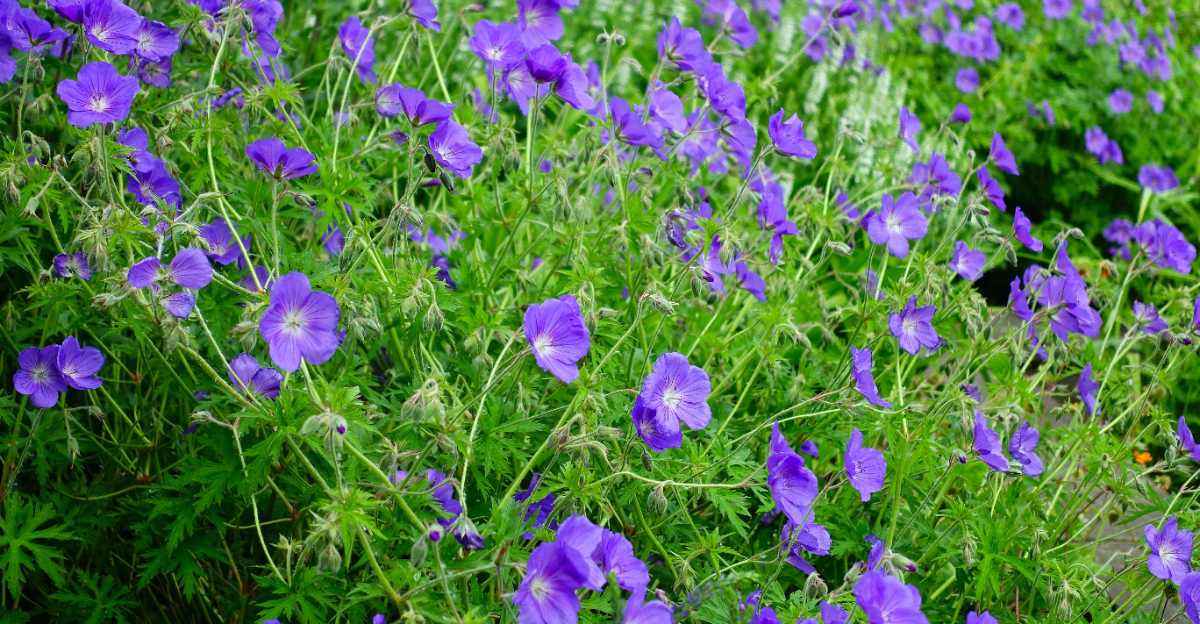
Few plants keep flowering as stubbornly as Rozanne geranium, which just refuses to quit. From early summer straight into the cold months, it covers itself in cheerful blue violet blooms.
The flowers are wide and open, each one showing a soft white center that makes the blue pop. This plant grows low and spreads outward, weaving between other flowers like a living carpet.
It fills empty gaps beautifully and never looks stiff or boring.
Rozanne earned worldwide fame for blooming longer than almost any other hardy geranium. While many flowers slow down by late summer, this one keeps pumping out color week after week.
As fall settles in, the leaves take on lovely reddish and orange tones for a bonus display. Caring for it is refreshingly simple. It likes sun to part shade and average soil, and it forgives you when watering slips your mind.
A light trim in midsummer keeps it tidy and encourages even more flowers. One thing to keep in mind is its hardiness. Rozanne is rated for Zone 5, so it does best in the milder parts of Michigan.
In colder northern areas, a layer of mulch helps protect the roots through winter. Where it is happy, it returns year after year and slowly grows into a fuller clump. It looks wonderful spilling over the edge of a path, wall, or container.
For long lasting color with hardly any effort, Rozanne is a true garden workhorse worth planting.
7. Little Bluestem Turns Fiery In Fall
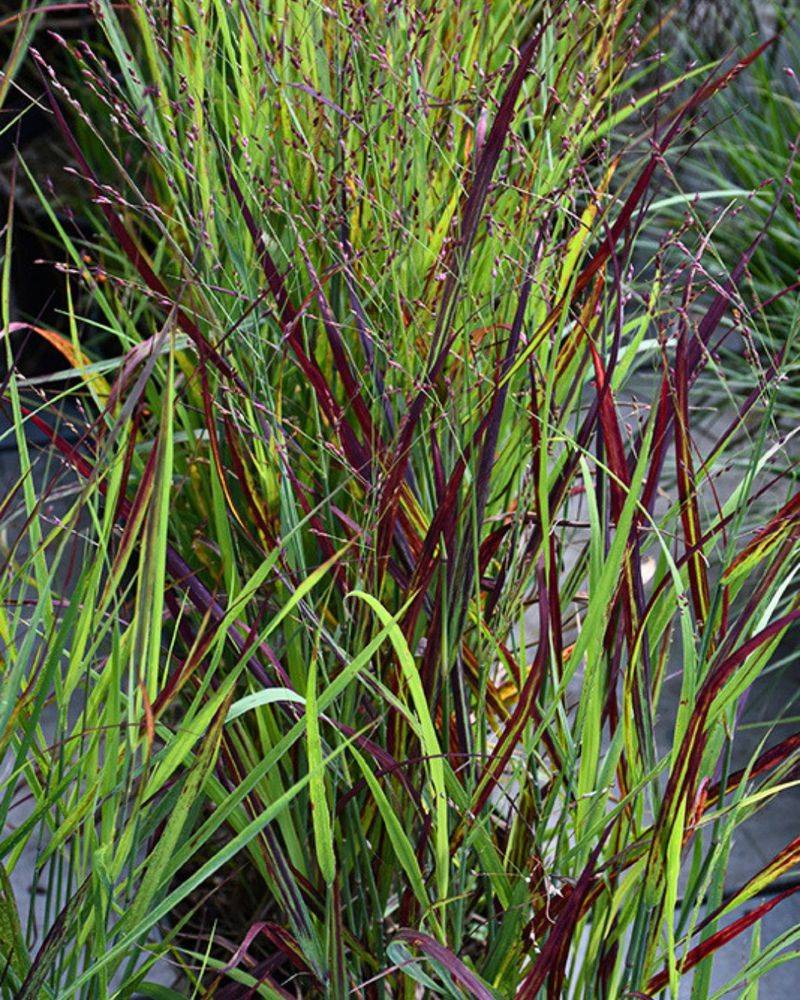
When autumn rolls in, little bluestem puts on a fiery show that most flowers cannot match. This native grass shifts from cool blue green in summer to glowing shades of bronze, orange, and red.
The slender blades stand upright in neat clumps, catching every breeze with a soft, gentle sway. As the light hits them in the evening, the whole plant seems to glow like warm embers.
Fluffy silver seed heads add sparkle and feed birds through the colder months. Grasses like this bring something flowers cannot, and that is movement and texture. Little bluestem adds a wild, prairie feel that pairs perfectly with asters and goldenrod.
The best news is how little care it needs to look amazing. It loves full sun and dry soil, so once its deep roots settle in, watering becomes almost unnecessary. Rich soil and too much moisture actually make it flop, so lean, dry ground keeps it standing tall.
Michigan winters do not trouble this tough native at all, and it returns faithfully each spring. Leave the clumps standing through winter for color and shelter for wildlife, then cut them back in early spring.
Because it stays in tidy bunches, it will not spread out of control across your garden. That makes it easy to place in borders, slopes, or sunny open areas.
For gardeners who want big fall drama without lifting a finger, little bluestem is a fireworks show that comes back year after year.