7 Easy Nasturtium Growing Tips Every Oregon Gardener Should Know
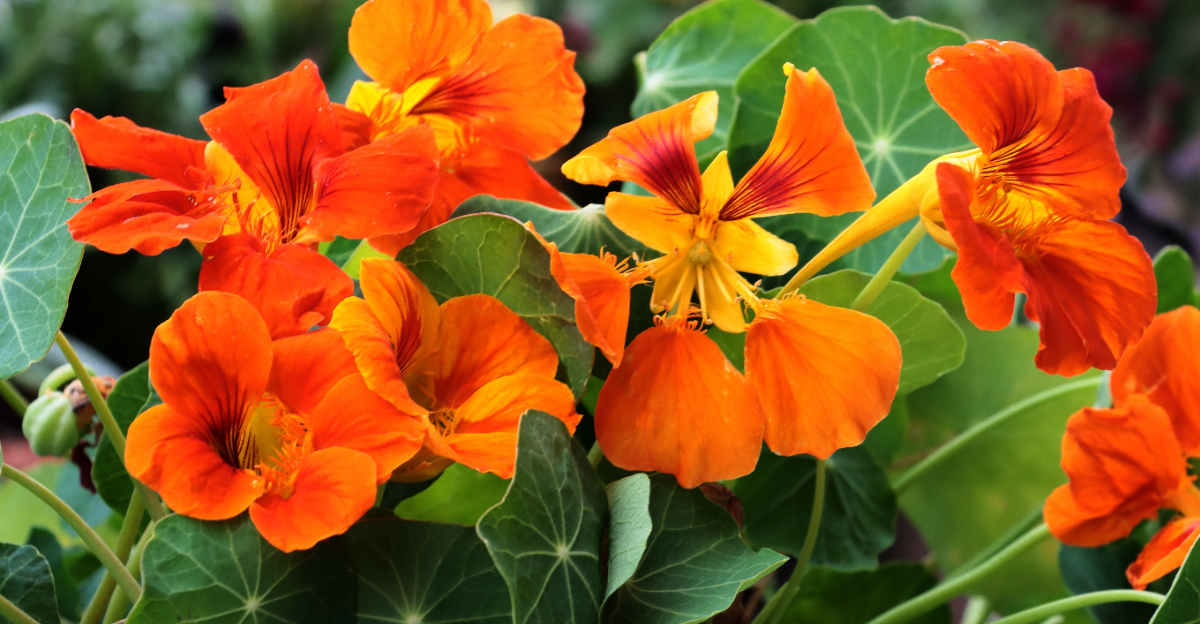
Nasturtiums are one of the most fun plants you can grow in an Oregon garden. They sprout fast, spread cheerfully, and explode with bright blooms that look almost too good to be real.
Even better, they thrive in cooler spring weather and don’t demand constant care. Many gardeners make them harder than they need to be, using rich soil, overwatering, or planting in the wrong spots.
The truth is nasturtiums love simple conditions and reward you with nonstop color when you let them do their thing. These plants bring instant charm wherever they grow!
With a few easy tips, you can grow stronger plants, bigger flowers, and longer-lasting blooms without extra work.
1. Plant After Frost Danger Passes
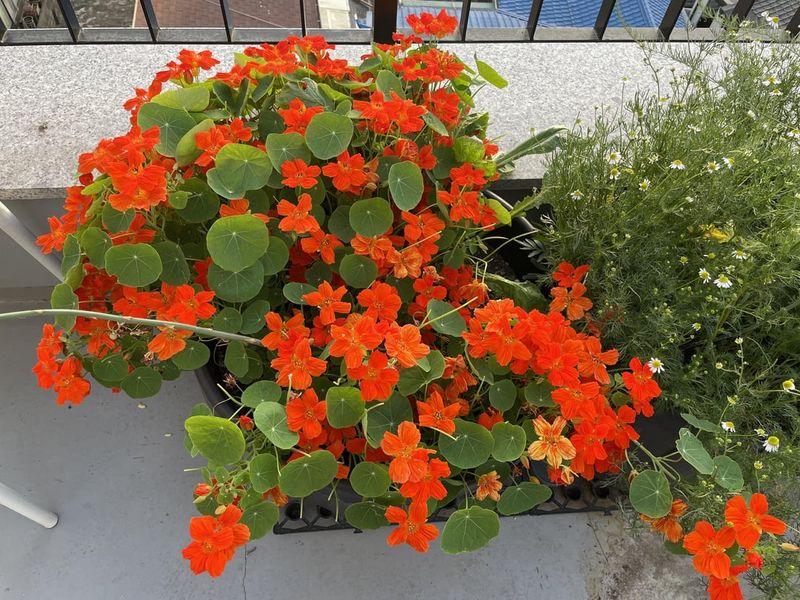
Oregon gardeners should wait until mid-April or early May before planting nasturtium seeds outdoors. Frost can damage these tender plants quickly, so patience pays off when growing them in our state.
Check your local frost dates because coastal areas warm up faster than mountain valleys.
Nasturtiums germinate best when soil temperatures reach at least 55 degrees. Cold, wet ground causes seeds to rot before they sprout.
Many Oregon gardeners start seeds indoors three weeks before the last frost date, then transplant seedlings when conditions improve outside.
Direct seeding works well once the weather stabilizes in late spring. Plant seeds one inch deep and six inches apart in garden beds or containers.
Nasturtiums grow quickly in Oregon’s mild summers, often blooming within six to eight weeks of planting.
Cover young plants with row covers if unexpected cold snaps threaten your garden. Spring weather in Oregon changes rapidly, and protection helps seedlings survive temperature drops.
Once established, nasturtiums handle our cool nights better than many annual flowers.
Timing your planting correctly means stronger plants and more blooms throughout the growing season. Oregon’s climate suits nasturtiums perfectly once frost danger ends.
2. Use Well-Draining Soil
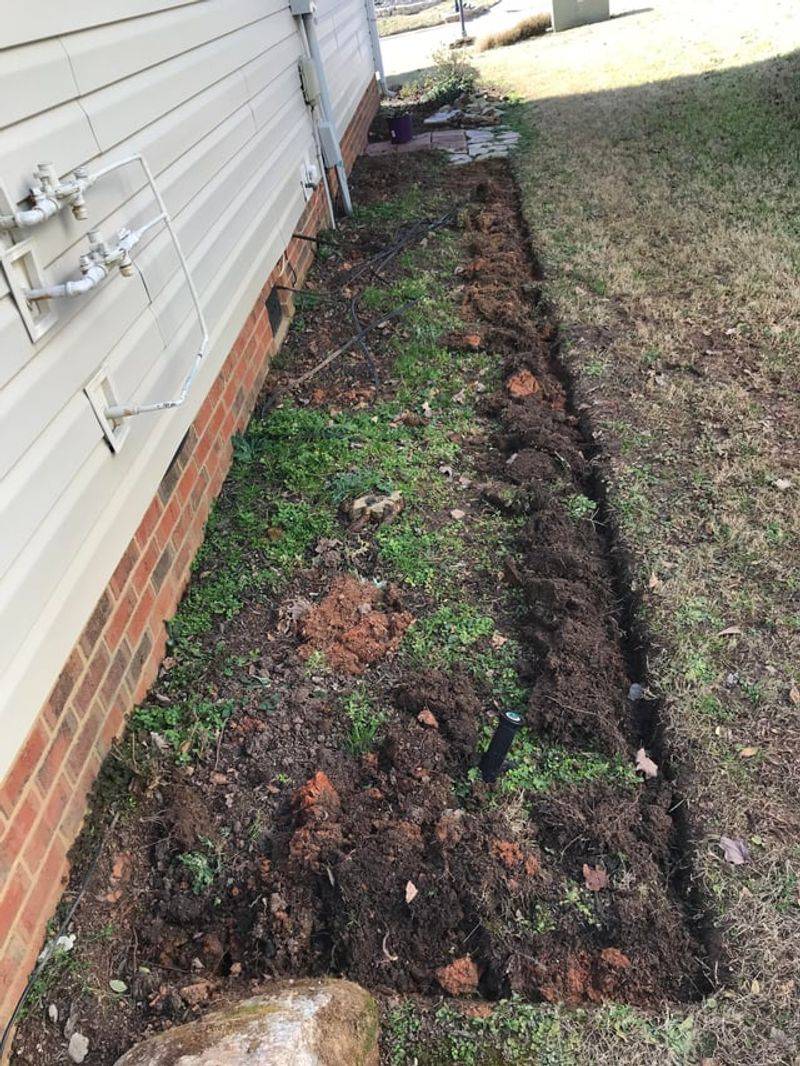
Heavy clay soil causes problems for nasturtiums because their roots need oxygen to grow properly. Oregon gardeners often deal with dense soil that holds too much water during our rainy seasons.
Nasturtiums prefer loose, sandy soil that drains quickly after watering or rainfall.
Amending clay soil with compost improves drainage and creates better growing conditions. Mix three inches of organic matter into the top six inches of soil before planting.
Perlite or coarse sand also helps break up heavy ground in garden beds.
Container gardening offers an easy solution for Oregon gardeners with poor soil. Fill pots with quality potting mix that drains well but retains some moisture.
Nasturtiums thrive in containers on decks, patios, and balconies throughout the state.
Raised beds work wonderfully for nasturtiums in areas with drainage issues. Build frames and fill them with a mixture of topsoil, compost, and peat moss.
This approach gives you complete control over soil quality and drainage.
Test drainage by digging a hole and filling it with water. If water sits for more than an hour, your soil needs improvement.
Nasturtiums growing in well-draining soil develop stronger root systems and produce more flowers across Oregon gardens.
3. Avoid Heavy Fertilizing
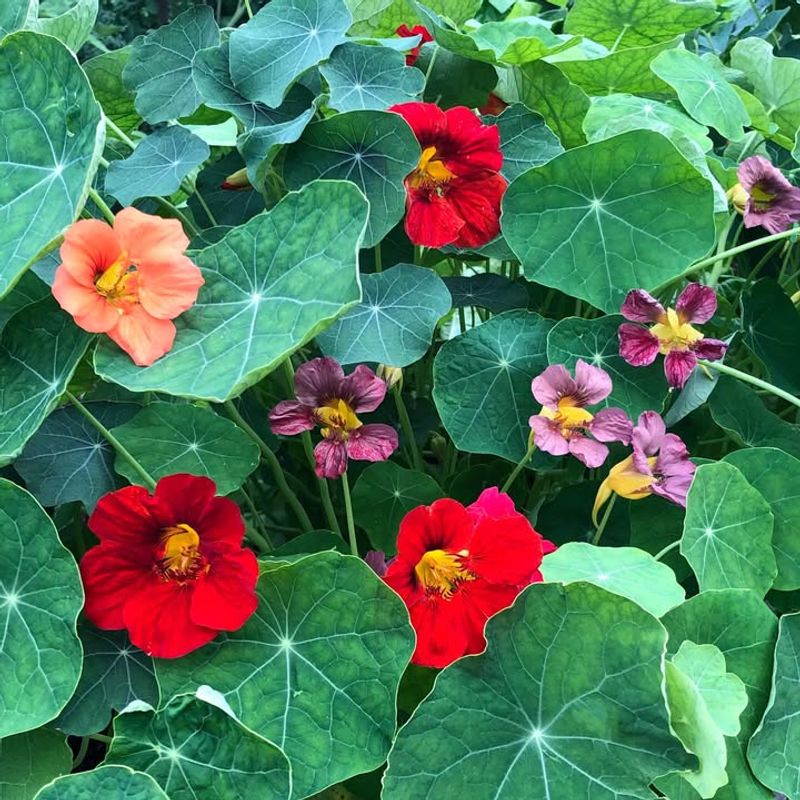
Too much fertilizer creates lush green leaves but few flowers on nasturtium plants. These plants actually prefer lean soil conditions, making them perfect for Oregon gardeners who want low-maintenance flowers.
Rich soil causes nasturtiums to focus energy on foliage growth instead of blooming.
Skip fertilizer entirely when planting nasturtiums in average garden soil. They find enough nutrients naturally without extra feeding.
Oregon’s soil often contains sufficient nutrition for these undemanding plants to flourish all summer long.
Nitrogen-heavy fertilizers cause the most problems for nasturtiums. High nitrogen levels promote leaf growth at the expense of flowers.
Many gardeners across Oregon learn this lesson after seeing beautiful green plants with hardly any blooms.
Poor soil actually encourages better flowering in nasturtiums. Sandy or rocky areas produce plants covered in bright blooms from June through October.
This unusual preference makes nasturtiums ideal for difficult spots where other flowers struggle.
If you must fertilize, choose a low-nitrogen formula and apply it sparingly. Organic options like compost tea work well when diluted to half strength.
Oregon gardeners get the best results by leaving nasturtiums alone to grow in naturally lean conditions without regular feeding.
4. Give Full Sun To Partial Shade
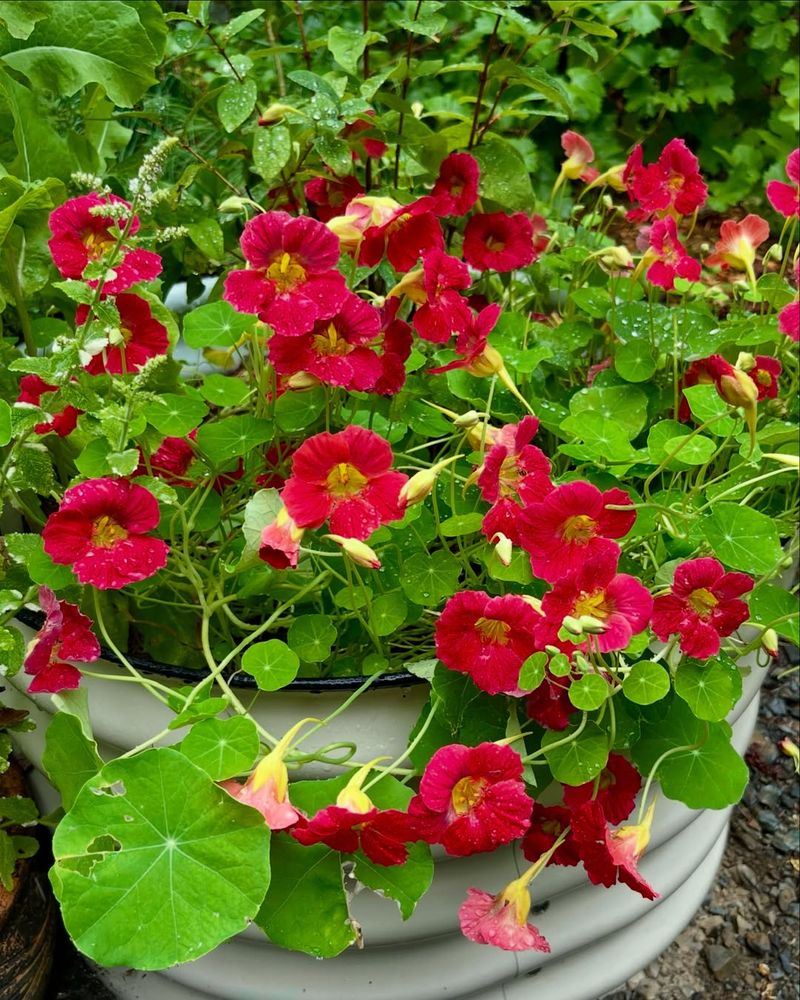
Nasturtiums bloom most heavily when they receive at least six hours of direct sunlight daily. Oregon’s summer sun provides ideal conditions for these cheerful flowers across most of the state.
Full sun locations produce compact plants covered in bright orange, yellow, and red blooms.
Partial shade works well in hotter areas of Oregon, especially during July and August. Plants growing in afternoon shade stay cooler and bloom longer into fall.
Coastal gardeners often grow nasturtiums in full sun, while inland areas benefit from some protection during peak heat.
Morning sun combined with afternoon shade creates perfect growing conditions. This light pattern keeps plants happy without stressing them during the hottest part of the day.
Many Oregon gardeners plant nasturtiums on the east side of buildings or fences for this exact reason.
Too much shade causes leggy growth and fewer flowers. Nasturtiums stretch toward available light, creating long vines with sparse blooms.
Aim for bright locations even if full sun isn’t possible in your Oregon garden.
Watch your plants and adjust as needed throughout the growing season. Oregon weather changes from spring through fall, affecting how much sun different garden spots receive.
Nasturtiums adapt well to various light conditions as long as they get several hours of brightness each day.
5. Water Moderately, Not Daily
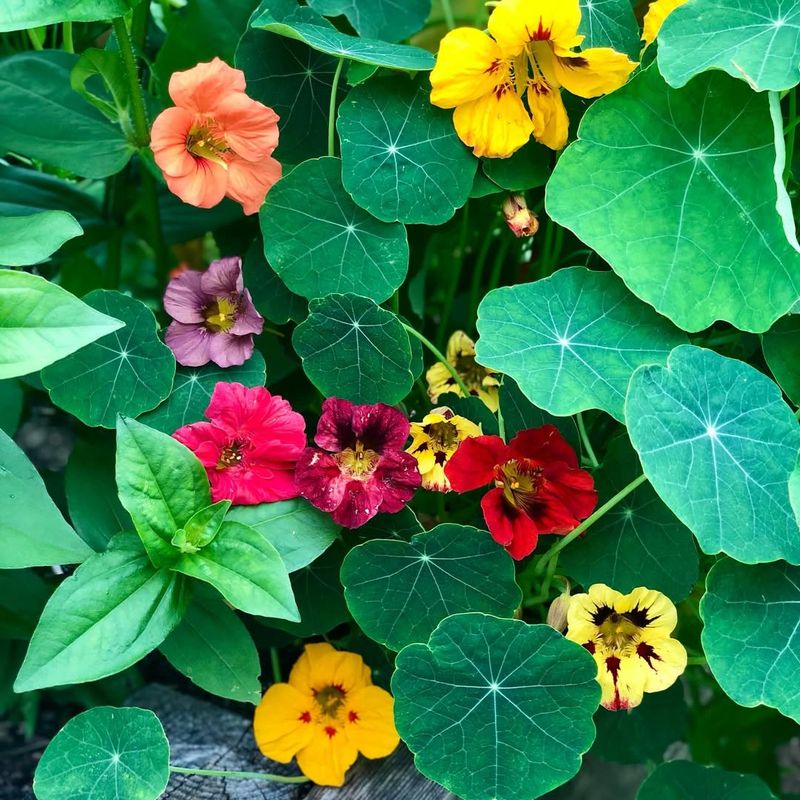
Oregon gardeners sometimes overwater these plants, especially during our wet spring months. Allow soil to dry slightly between waterings for healthier, more vigorous growth and better blooms.
Established nasturtiums need water only once or twice weekly during summer. Check soil moisture by poking your finger two inches deep into the ground.
Water when the soil feels dry at this depth, not before.
Container-grown nasturtiums dry out faster than garden beds. Pots may need watering every two to three days during hot weather in Oregon.
Always check moisture levels rather than following a strict schedule.
Overwatering causes yellow leaves and weak stems on nasturtium plants. Soggy soil also encourages root rot and fungal problems.
Oregon’s rainy climate means garden beds rarely need extra water in spring and fall.
Deep watering once weekly beats frequent shallow watering every time. This approach encourages roots to grow deeper into the soil.
Morning watering gives foliage time to dry before evening, reducing disease problems common in Oregon’s humid conditions.
Drought-tolerant once established, nasturtiums survive dry spells without much help. This makes them perfect for busy Oregon gardeners who can’t water daily.
6. Pinch Back Long Vines
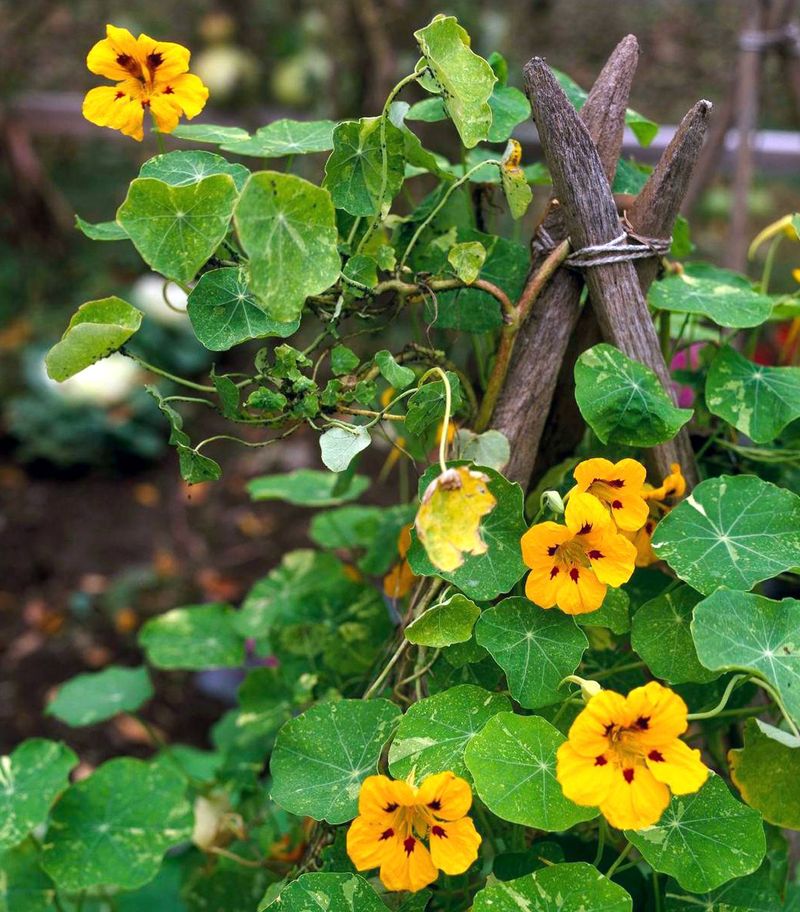
The vines can grow several feet long without regular trimming. Pinching back stems encourages bushier growth and more flowering side shoots.
Oregon gardeners who prune their nasturtiums enjoy fuller plants with better bloom production throughout the season.
Remove the growing tip of each vine when it reaches 12 to 18 inches long. Use your fingers to pinch just above a leaf node where new growth emerges.
This simple action causes the plant to send out multiple branches instead of one long stem.
Regular pinching keeps nasturtiums compact and tidy in garden beds and containers. Trim plants every two weeks during active growth periods.
Oregon’s growing season allows nasturtiums to produce lots of new growth that benefits from consistent pruning.
Trailing varieties need less aggressive pinching than climbing types. Let vining nasturtiums cascade over walls or containers while still removing occasional long shoots.
Balance between controlled growth and the natural flowing habit these plants display.
Harvest flowers and leaves regularly to accomplish similar results. Picking blooms for salads or bouquets naturally prunes plants and stimulates new growth.
Oregon gardeners find this dual-purpose approach rewarding because it provides food while maintaining attractive plants all summer long.
7. Harvest Flowers And Leaves Often
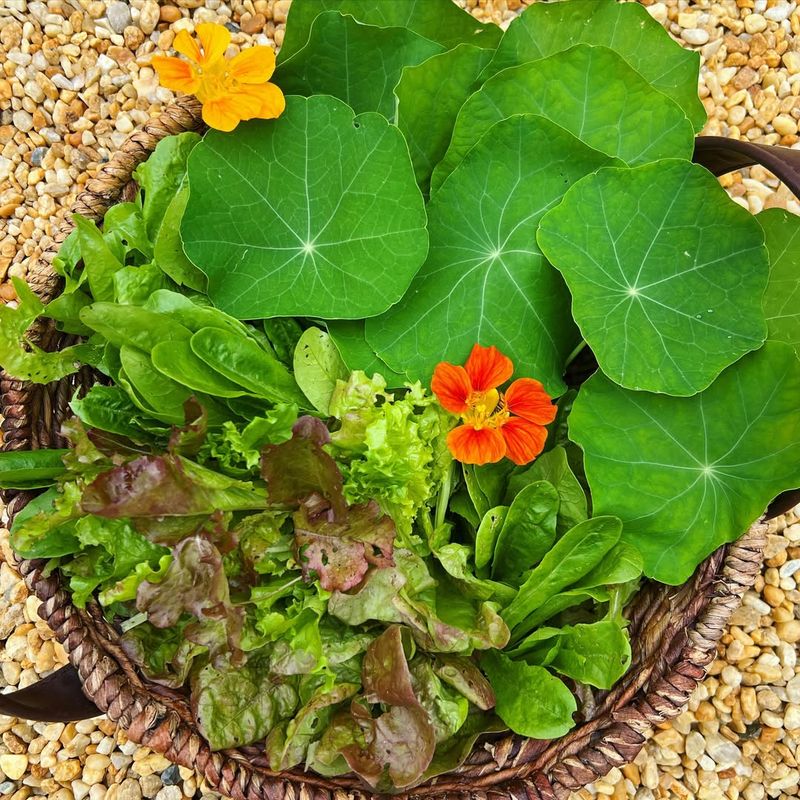
Both flowers and leaves of nasturtiums are edible with a peppery flavor similar to watercress. Regular harvesting encourages plants to produce more blooms and fresh foliage.
Oregon gardeners enjoy adding these colorful, spicy additions to salads, sandwiches, and garnishes throughout the growing season.
Pick flowers in the morning after dew dries but before afternoon heat wilts them. Choose blooms that just opened fully for the best flavor and appearance.
Nasturtiums produce new flowers continuously when you harvest regularly, keeping plants looking fresh all summer.
Young leaves taste better than older ones, which can become quite spicy. Gather tender leaves from growing tips and side shoots.
Oregon’s cool climate produces mild-flavored nasturtium leaves compared to plants grown in hotter regions.
Wash harvested flowers and leaves gently in cool water before eating. Pat them dry carefully because the delicate petals bruise easily.
Store unwashed nasturtiums in the refrigerator for up to three days in a container lined with damp paper towels.
Frequent harvesting keeps plants productive and prevents them from setting seed too early. Once nasturtiums focus energy on seed production, flowering slows dramatically.
Oregon gardeners who pick regularly enjoy blooms from June until the first frost arrives in fall.