8 Easy Native Plants Perfect For First-Time Pennsylvania Gardeners
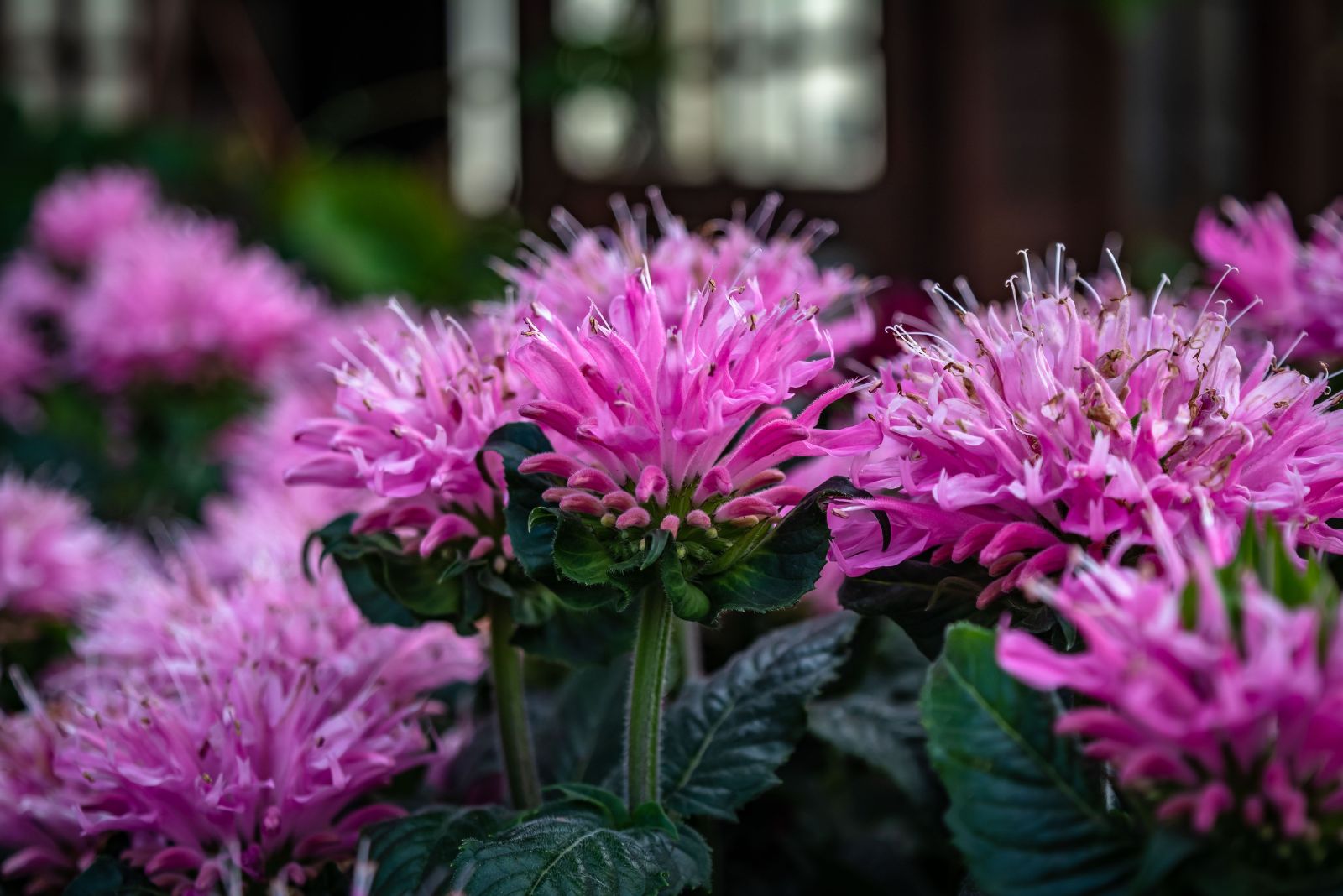
Starting your first garden in Pennsylvania can feel exciting and a little overwhelming at the same time. You picture bright blooms, healthy greenery, and a space that feels alive.
Then come the questions about soil, sunlight, and what will actually survive the changing seasons. The good news is you do not have to make it complicated.
Native plants make the process much easier for beginners. They are already adapted to Pennsylvania’s weather, soil, and rainfall.
That means less guessing and fewer surprises. Many of them require minimal watering once established and naturally resist common pests. They also support local birds, bees, and butterflies, adding even more life to your yard.
Choosing easy native plants gives you a strong start and builds confidence along the way. With the right selections, your first garden can grow steadily, look beautiful, and feel rewarding from the very first season.
1. Purple Coneflower
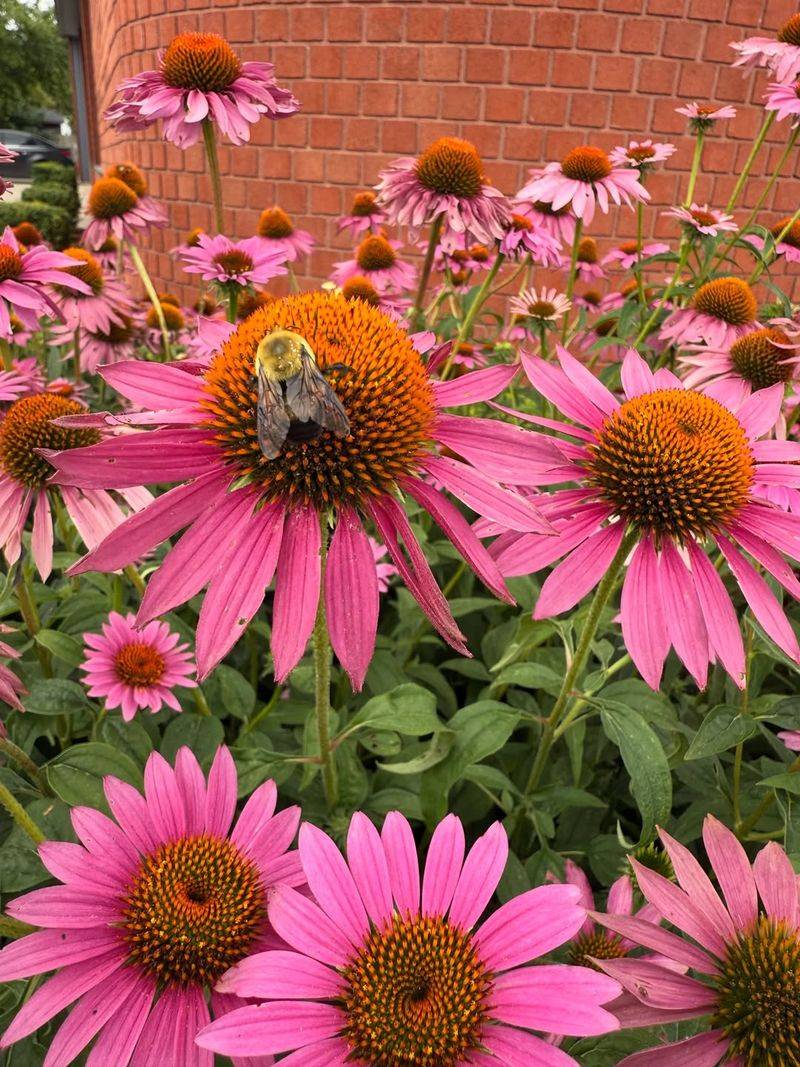
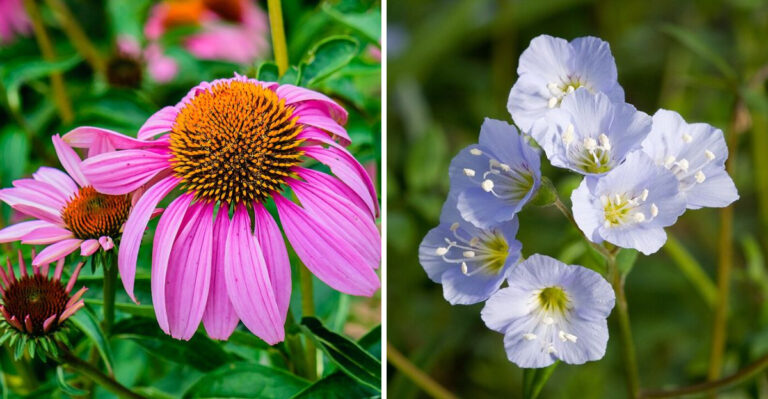
Purple coneflower stands as one of the most reliable plants you can add to your Pennsylvania garden. Once established in your soil, it handles dry spells without wilting or complaining.
The plant sends up sturdy stems topped with gorgeous purple petals that surround raised orange centers. Butterflies and bees visit these flowers constantly throughout the summer months.
Growing this native perennial requires almost no special skills or knowledge. It adapts to average garden soil without amendments or fertilizers.
You can plant it in full sun and watch it thrive for years. The flowers keep blooming from June through September, giving you months of color. Birds also love the seed heads that form after the petals fade in fall.
Pennsylvania gardeners appreciate how tough this plant proves to be season after season. It survives cold winters and bounces back each spring with fresh growth.
You won’t need to water it constantly or spray it with chemicals. The plant naturally resists most pests and diseases that bother other garden favorites.
Even if you forget about it for weeks, purple coneflower keeps performing beautifully. This makes it an excellent choice for busy people who want a stunning garden without spending every weekend maintaining it.
2. Black-Eyed Susan
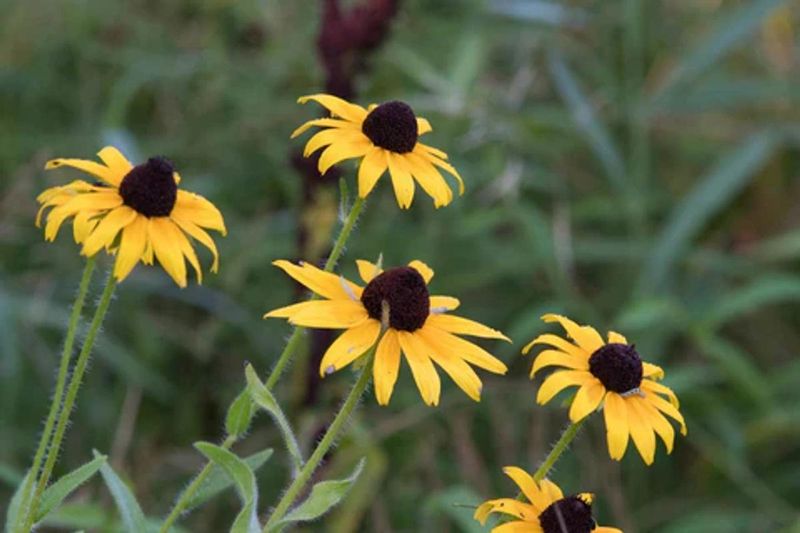
Bright golden petals radiating around chocolate-brown centers make black-eyed Susan instantly recognizable. This cheerful wildflower lights up Pennsylvania gardens from midsummer through early fall.
The plant tolerates conditions that would stress out fussier flowers. Poor soil doesn’t bother it.
Hot weather doesn’t slow it down. It just keeps producing those sunny yellow blooms week after week.
Getting started with black-eyed Susan couldn’t be simpler for first-time gardeners. Drop seeds or small plants into the ground, give them some water to settle in, and step back.
They grow quickly and fill in spaces with bright color. Many Pennsylvania gardeners notice that these plants drop seeds and come back on their own the following year.
This self-seeding habit means your initial purchase keeps giving you more plants without extra work or money.
The flowers attract pollinators all summer long, creating movement and life in your yard. Butterflies especially love landing on the sturdy petals to sip nectar.
You can cut stems for indoor bouquets without hurting the plant’s performance. Black-eyed Susan also provides seeds that goldfinches and other birds enjoy eating in late summer and fall.
This native plant thrives throughout Pennsylvania in nearly any sunny spot you choose to plant it.
3. Bee Balm
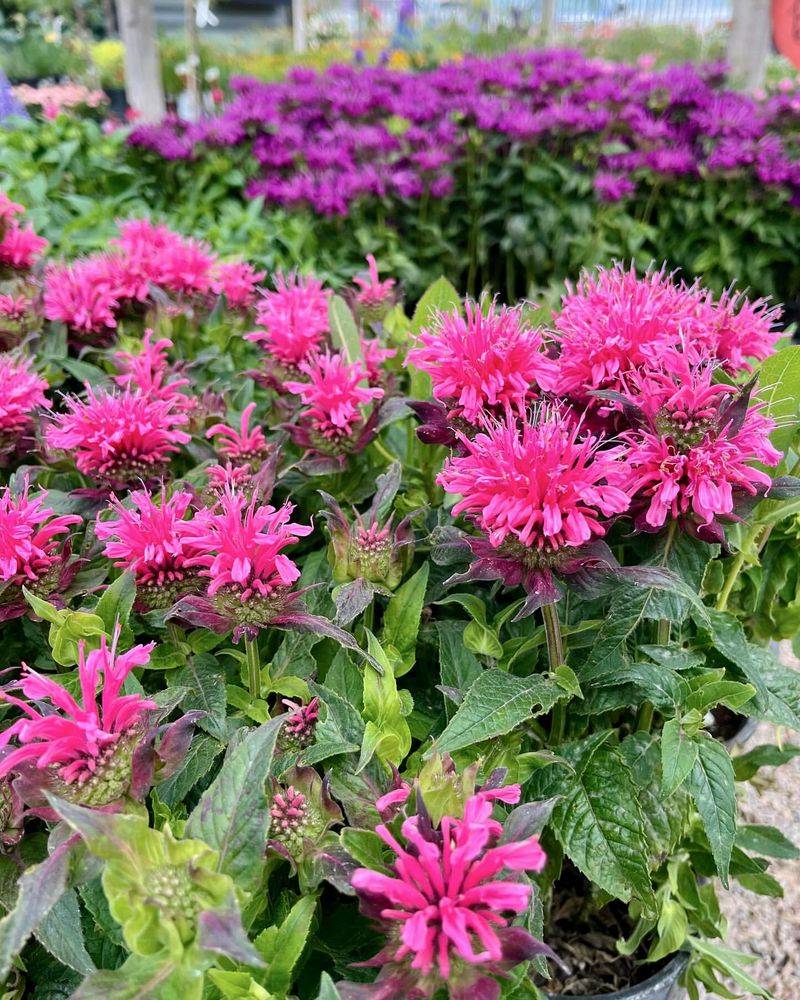
Hummingbirds zoom straight to bee balm like it sends out a special signal just for them. The tubular red or pink flowers provide exactly what these tiny birds need for energy.
Watching hummingbirds hover and feed at your bee balm creates magical garden moments throughout the summer. Bees and butterflies also crowd around the unusual spiky blooms that smell faintly minty when you brush against the leaves.
Pennsylvania gardeners find bee balm extremely forgiving about where it grows. Full sun works great, but so does a spot with some afternoon shade.
The plant spreads through underground runners to fill available space. This spreading habit means you get more plants each year without buying extras.
Some people use this quality to cover larger areas quickly. Just remember to give it room or be ready to divide clumps every few years.
The bold colors of bee balm create focal points that draw your eye across the garden. Pink varieties offer softer tones while red types make dramatic statements.
Either choice delivers months of continuous blooms from early summer into fall. Native Americans used this plant for tea and medicine, which shows how long it has grown in this region.
Modern Pennsylvania gardeners love it for the wildlife it attracts and the splash of color it provides with almost zero maintenance requirements.
4. Eastern Columbine
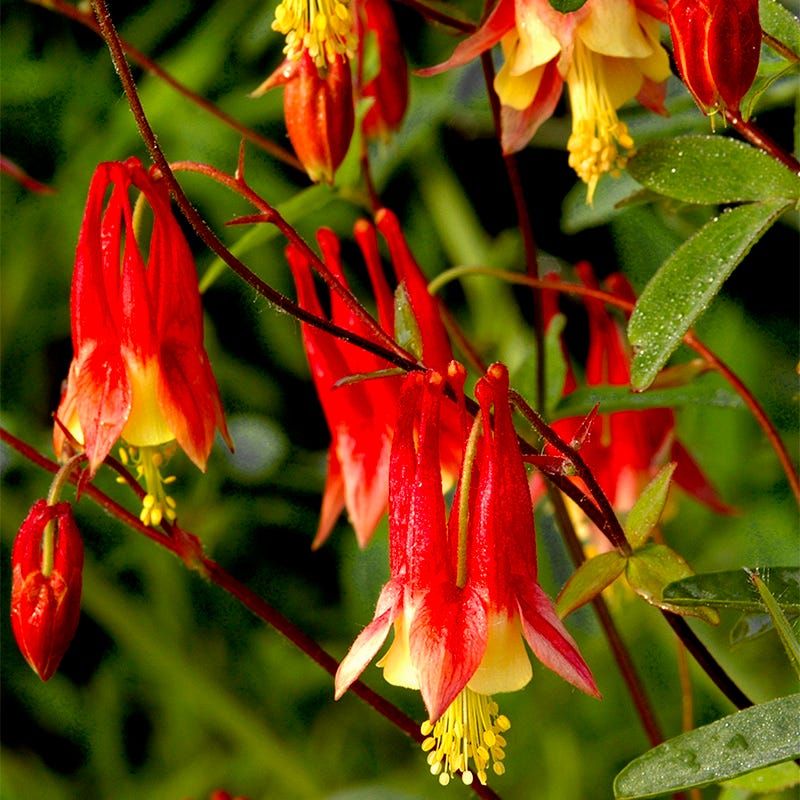
Graceful nodding flowers in red and yellow make eastern columbine look like something from a fairy tale. Each bloom features backward-pointing spurs that give it an elegant, delicate appearance.
This native woodland plant brings spring beauty to shady Pennsylvania gardens where many other flowers refuse to bloom. The ferny foliage stays attractive even after the flowers fade in late spring.
Shady spots under trees often frustrate beginning gardeners who struggle to find suitable plants. Eastern columbine solves this problem beautifully.
It naturally grows in Pennsylvania forests, so it already knows how to handle dappled shade and competition from tree roots.
You can tuck it under deciduous trees or along the north side of your house. The plant doesn’t demand rich soil or constant attention to look its best.
Hummingbirds seek out the tubular flowers as soon as they arrive in Pennsylvania each spring. The red and yellow colors act like neon signs directing these birds to a reliable nectar source.
Eastern columbine also self-seeds gently, giving you new plants in unexpected spots without becoming weedy or invasive. The plants stay compact and well-behaved, making them perfect for smaller gardens.
Once established, they return faithfully each spring with minimal care. This low-maintenance native adds charm and color to challenging shady areas that often remain bare and boring in typical gardens.
5. New England Aster
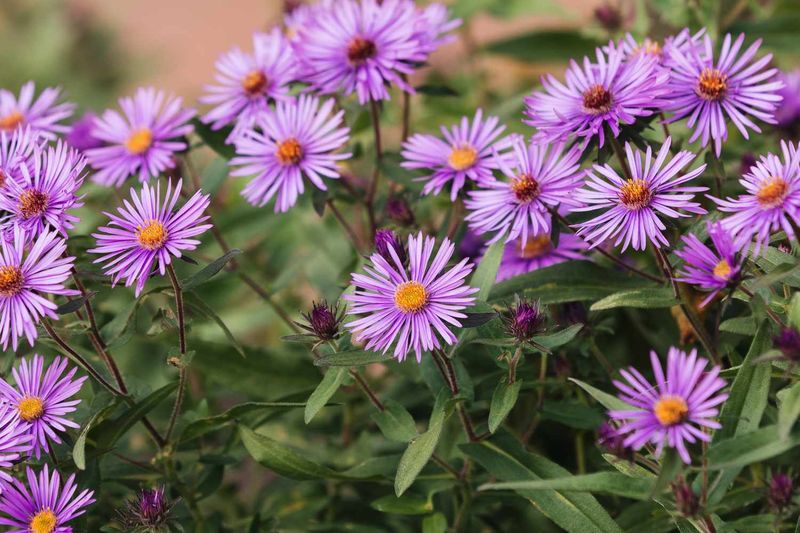
When most garden flowers start fading in late summer, New England aster bursts into bloom. Masses of purple daisy-like flowers cover these plants from August through October.
This timing makes them incredibly valuable for Pennsylvania gardeners who want color extending into fall.
The flowers also provide critical food for butterflies and bees preparing for winter. Monarchs especially appreciate the late-season nectar during their southern migration.
Cold Pennsylvania winters don’t faze this tough native perennial one bit. It survives freezing temperatures and heavy snow without any protection or special treatment.
Come spring, fresh shoots emerge from the roots and grow quickly into bushy plants. The stems reach three to four feet tall by bloom time, creating substantial presence in the garden.
You can plant New England aster in full sun with average soil and forget about it until the purple flowers appear.
Many gardeners use this plant to fill gaps in their late-season color palette. While other perennials finish blooming and turn brown, New England aster keeps the show going strong.
The purple flowers look stunning against fall foliage and ornamental grasses. Goldfinches visit the fading flowers to eat seeds as autumn progresses.
This native plant requires no fertilizer, rarely needs watering once established, and comes back bigger each year without any help from you.
6. Wild Bergamot
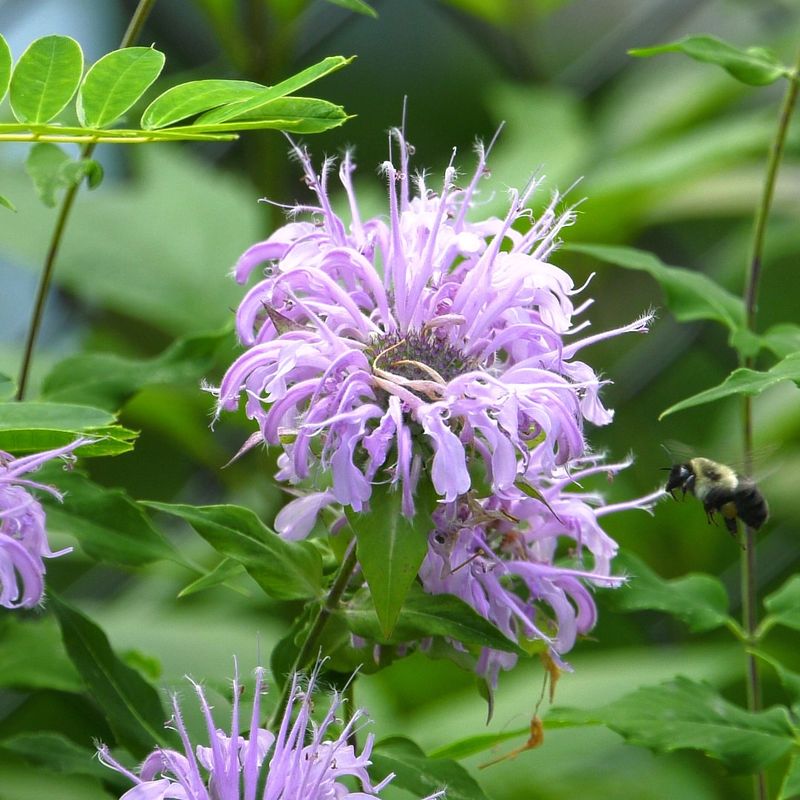
Lavender-pink pom-pom flowers give wild bergamot a whimsical look that stands out in summer gardens. Each rounded flower head contains dozens of small tubular blooms that bees find irresistible.
The entire plant releases a pleasant minty fragrance when you touch the leaves or brush past it on garden paths. This aromatic quality makes it a favorite among Pennsylvania gardeners who enjoy sensory experiences in their yards.
Drought tolerance ranks as one of wild bergamot’s best features for beginning gardeners. Once the roots establish themselves in your soil, the plant handles dry spells without drooping or complaining.
This makes it perfect for sunny spots that dry out quickly in summer heat. You won’t need to drag hoses around or worry during vacation weeks. The plant just keeps growing and blooming through typical Pennsylvania summer weather.
Butterflies join bees in visiting wild bergamot flowers throughout the blooming season. The constant insect activity creates movement and interest that makes your garden feel alive and vibrant.
Wild bergamot spreads moderately to form nice clumps but doesn’t become invasive or take over your entire yard. The plants grow two to three feet tall, providing good mid-border height in garden designs.
Pennsylvania’s native Americans used this plant medicinally, and it still grows wild in meadows and prairies across the state today.
7. Little Bluestem
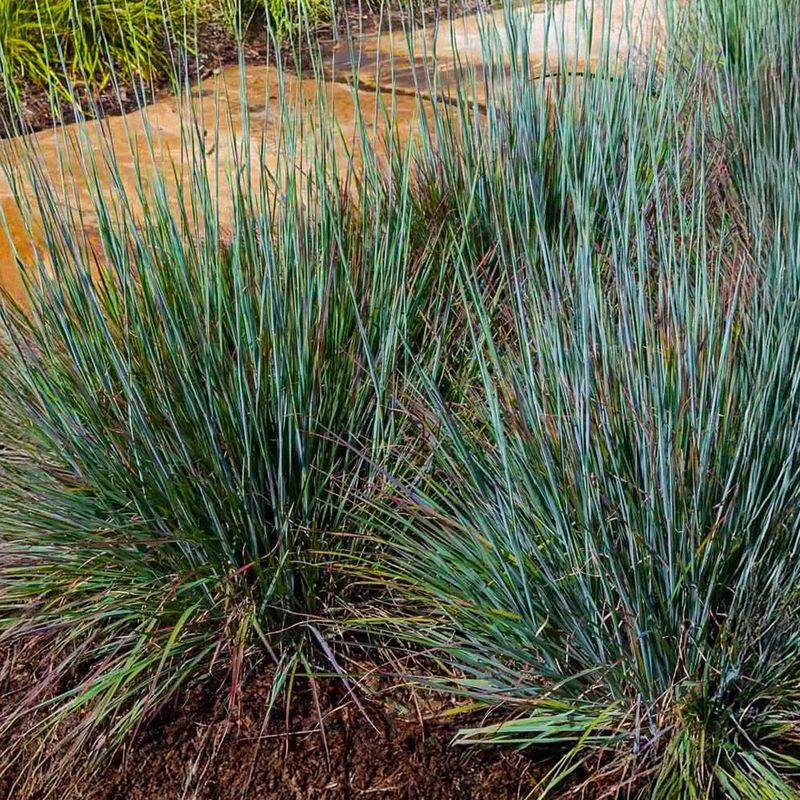
Blue-green blades transform into brilliant copper and orange tones as fall arrives in Pennsylvania. Little bluestem provides this amazing seasonal color change while requiring almost no care from gardeners.
The grass grows in upright clumps that add texture and movement to gardens. Fluffy seed heads appear in late summer and catch the light beautifully. The entire plant sways gracefully in breezes, creating living sculpture in your yard.
Water requirements for this native grass stay remarkably low once it establishes roots. It evolved on Pennsylvania prairies where rain comes irregularly and droughts happen frequently.
Modern gardens benefit from this natural toughness. You can plant little bluestem in sunny spots with average or even poor soil.
It doesn’t need fertilizer or amendments to look fantastic. The grass stays compact at two to three feet tall, making it suitable for small yards and tight spaces.
Winter interest extends the beauty of little bluestem well beyond the growing season. The bronze foliage and seed heads remain attractive through snow and cold weather.
Many Pennsylvania gardeners leave the plants standing all winter instead of cutting them down. Birds appreciate the seeds and use the clumps for shelter during harsh weather.
Come spring, you simply trim away old growth to make room for fresh blades. This native grass combines beauty, wildlife value, and extreme low maintenance in one perfect package for first-time gardeners.
8. Serviceberry
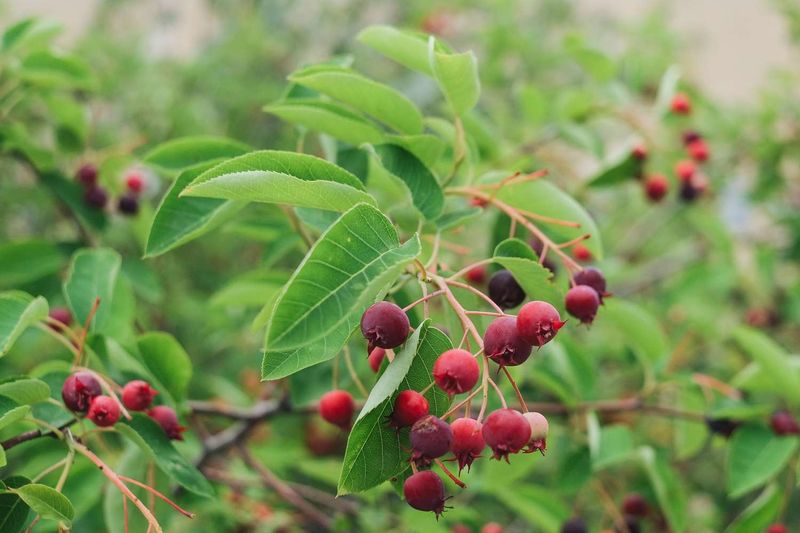
White clouds of flowers cover serviceberry branches each spring before most other trees wake up. This early bloom time provides crucial nectar for bees and other pollinators emerging from winter.
The small native tree reaches only fifteen to twenty feet tall, making it perfect for Pennsylvania yards where space is limited. You won’t worry about it outgrowing your property or threatening power lines overhead.
Edible purple berries ripen in early summer and taste similar to blueberries with a hint of almond. Birds absolutely love these fruits and often eat them before you can harvest many.
Watching cedar waxwings and robins feast on serviceberry creates wonderful wildlife viewing opportunities right outside your window.
Any berries you manage to pick make excellent jams, pies, or fresh eating. The fruits contain more antioxidants than blueberries, making them a healthy treat.
Fall foliage in shades of yellow, orange, and red gives serviceberry three-season interest. Spring flowers, summer berries, and autumn color mean this tree never looks boring or dull.
It adapts to various soil types and handles both sun and partial shade throughout Pennsylvania. The tree naturally resists most pests and diseases, so you won’t need to spray chemicals or worry about problems.
Serviceberry works beautifully as a small specimen tree, privacy screen, or large shrub depending on how you prune it. This versatile native deserves a spot in every beginner’s Pennsylvania garden.