9 Easy Ohio Perennials That Come Back Without Effort
Tired of planting flowers every spring only to watch them fade away by summer? Ohio gardeners face long winters, hot summers, and unpredictable weather that can make keeping a garden full of blooms feel like a full-time job.
The good news is some perennials come back year after year with almost no work. These plants handle Ohio’s climate, survive tough conditions, and keep your flower beds looking full and colorful without constant attention.
You won’t need to replant, water obsessively, or worry about whether your flowers will make it through the season. With the right picks, your garden can stay vibrant and welcoming from spring through fall.
Spending less time on maintenance doesn’t mean sacrificing beauty. Instead, you get a yard that’s reliable, colorful, and easy to enjoy.
Even busy gardeners can create a garden that feels alive year after year.
1. Coneflowers Bring Summer Color Without Fuss
Few plants earn their spot in an Ohio garden quite like coneflowers. Native to the Midwest, these tough beauties were practically made for Ohio soil and weather.
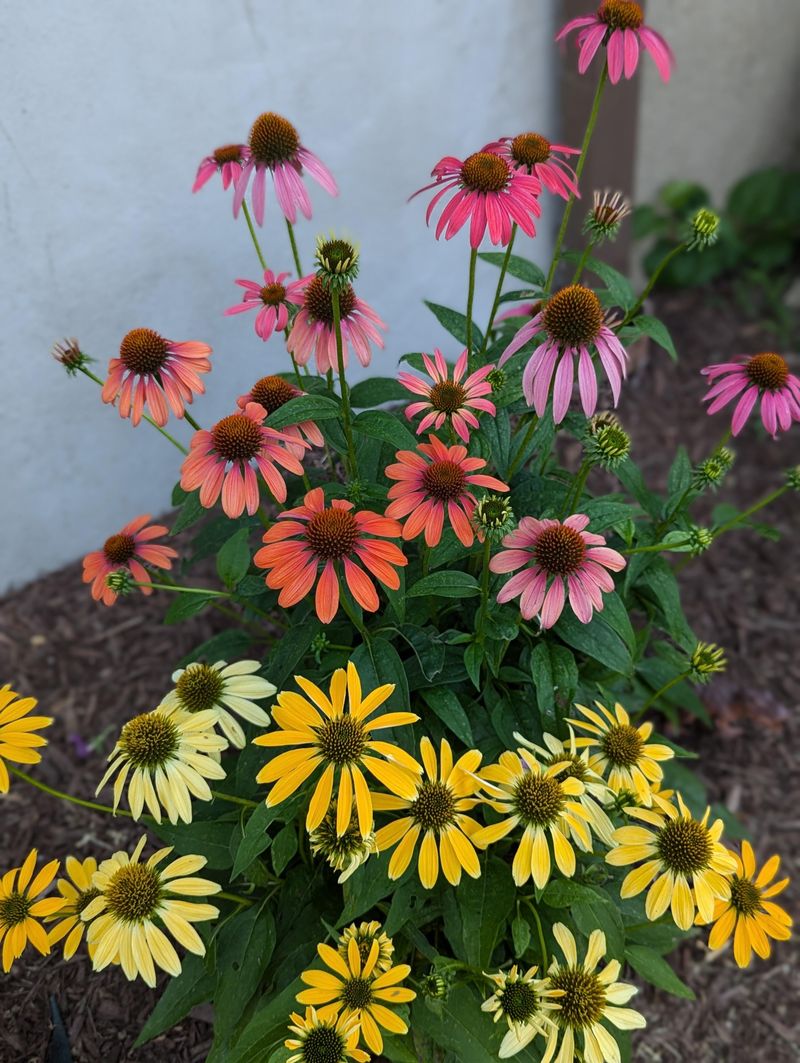
Their spiky orange-brown centers surrounded by rosy-purple petals are instantly recognizable, and they start showing off from early July all the way through September.
One of the best things about coneflowers is their ability to handle drought once they settle in. Ohio summers can get surprisingly dry, and coneflowers just keep on blooming without needing extra watering.
They prefer full sun and well-drained soil, but they are forgiving if conditions are not perfect.
Pollinators absolutely love them. Bees, butterflies, and goldfinches flock to coneflowers all season long, making your yard feel alive and buzzing.
Leaving the seed heads standing through winter gives birds a food source during cold Ohio months.
For maintenance, a little deadheading early in the season can encourage more blooms, but it is completely optional. By late summer, let the seed heads develop naturally.
Over time, coneflowers self-seed and spread gently, filling in gaps without any effort from you. Varieties like Magnus and PowWow Wild Berry are especially reliable performers across Ohio gardens.
2. Black-Eyed Susans Keep Your Beds Bright All Season
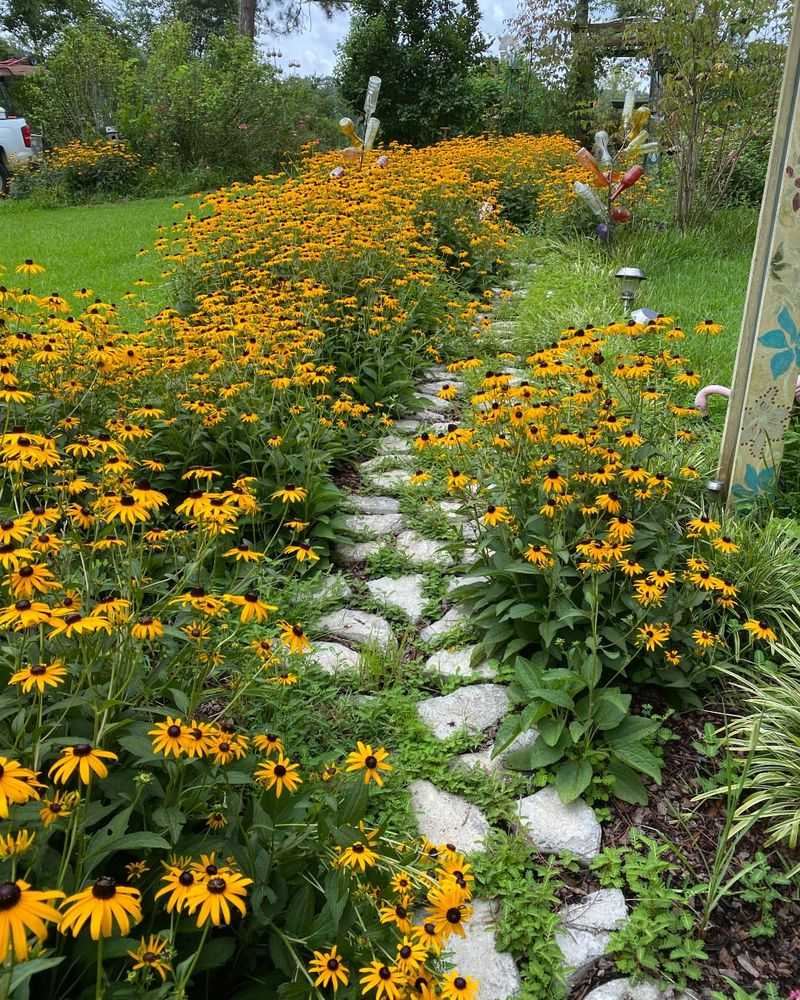
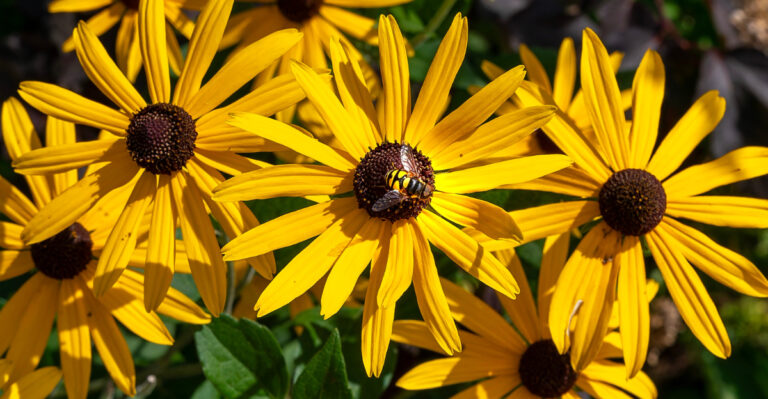
There is something wonderfully cheerful about a yard full of Black-Eyed Susans. Their golden-yellow petals and deep brown centers look like tiny suns scattered across your garden beds, and they bloom generously from June all the way into September.
In Ohio, they are practically a garden staple.
These flowers are not picky about soil. They grow well in average, well-drained ground and thrive in full sun, though they can handle a bit of afternoon shade without complaining.
Once established, they rarely need supplemental watering, which is a huge bonus during Ohio’s drier stretches.
Black-Eyed Susans pair beautifully with other perennials. Try planting them alongside purple coneflowers or ornamental grasses for a natural, meadow-style look that is both eye-catching and easy to maintain.
They also attract bees and butterflies consistently throughout their long blooming season.
Deadheading spent blooms can push more flowers out through late summer, but skipping it entirely is fine too. The plants will self-seed modestly, meaning new plants fill in nearby spots over time.
Rudbeckia fulgida Goldsturm is a top-performing variety for Ohio gardens, offering compact growth and exceptionally long-lasting blooms without any special treatment required from you.
3. Hostas Thrive In Shade With Minimal Care
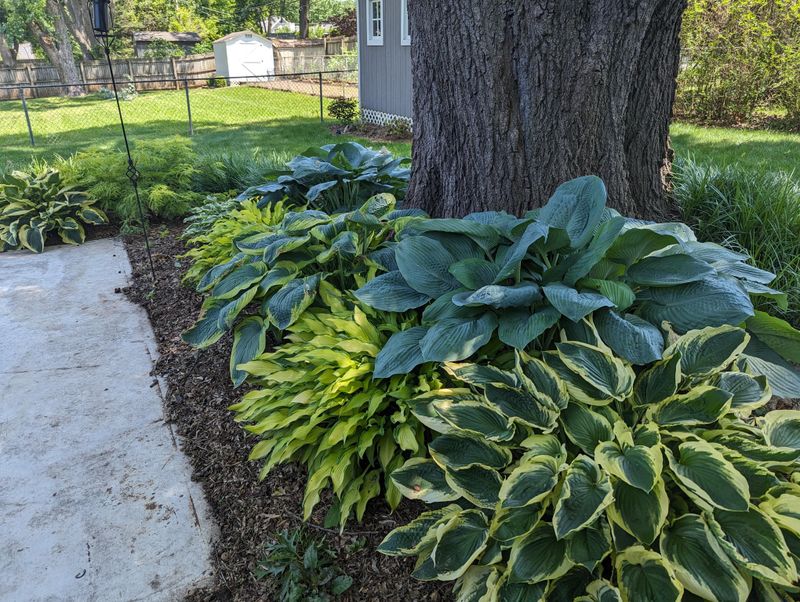
Walk into any shaded Ohio backyard and chances are good you will spot hostas. These leafy perennials have built a loyal following among Ohio gardeners for one simple reason: they grow beautifully in spots where most other plants struggle.
Under trees, along north-facing walls, or in deep shade, hostas just thrive.
The foliage is where hostas truly shine. Leaves range from tiny and narrow to enormous and heart-shaped, in shades of deep green, blue-green, chartreuse, and creamy white variegated patterns.
Planting a mix of varieties creates a layered, textured look that stays interesting from spring through fall without a single bloom needed.
Ohio winters can be brutal, but hostas handle them without any special protection. They go fully dormant in late fall and push back up reliably each spring, often spreading slightly wider each year.
That natural spreading means you eventually get more plants to divide and share or use elsewhere in your yard.
Moist, well-drained soil is ideal, but hostas adapt to a range of conditions. Slugs can occasionally be a nuisance, so a light layer of mulch helps keep the soil cool and moist while discouraging pests.
Popular varieties for Ohio include Sum and Substance, Halcyon, and Patriot for reliable, low-fuss performance.
4. Daylilies Bloom Again And Again Effortlessly
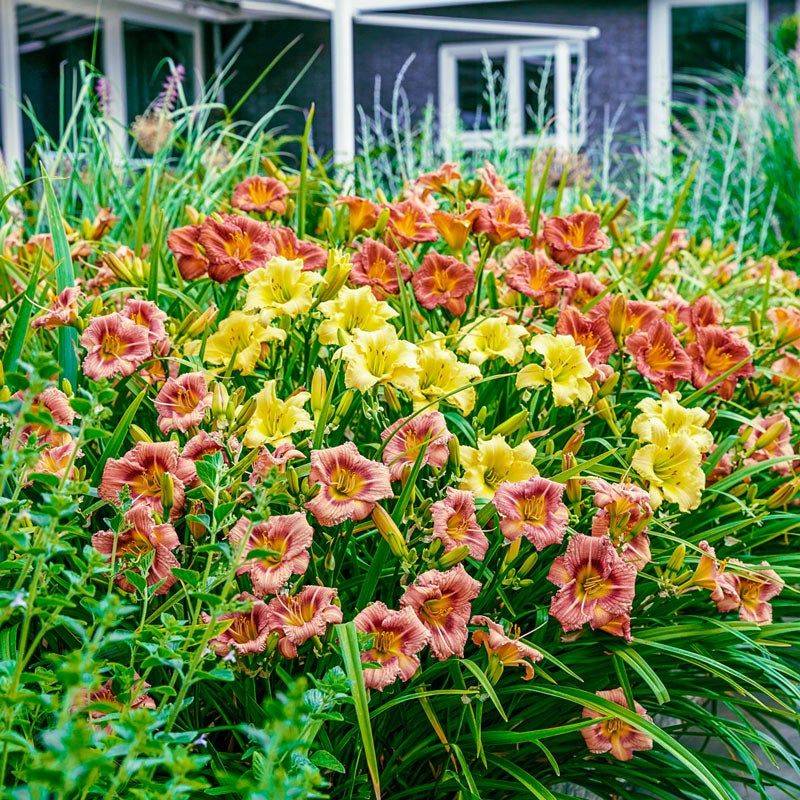
Daylilies are the definition of a plant that does the work for you. Drop them in the ground, give them a good drink to get started, and then step back and watch them perform.
These tough perennials adapt to a wide range of soil types, from clay-heavy Ohio ground to sandier mixes, without missing a beat.
The name daylily comes from the fact that each individual flower lasts only one day. But do not let that fool you.
Each stem carries multiple buds that open in succession, meaning a single plant can look like it is continuously blooming for weeks. Reblooming varieties like Stella de Oro and Happy Returns push out multiple flushes of flowers from late spring into early fall.
Full sun brings out the best performance, though daylilies can manage in partial shade. They are drought-tolerant once established, which makes them perfect for Ohio summers when rain gets unpredictable.
They rarely need fertilizing and almost never require pest control.
Dividing clumps every three to four years keeps plants vigorous and blooming heavily. It is a simple task that takes about twenty minutes and gives you extra plants for free.
For Ohio gardeners who want maximum color with minimum fuss, daylilies belong in every single bed and border.
5. Sedum Adds Texture And Late-Summer Interest
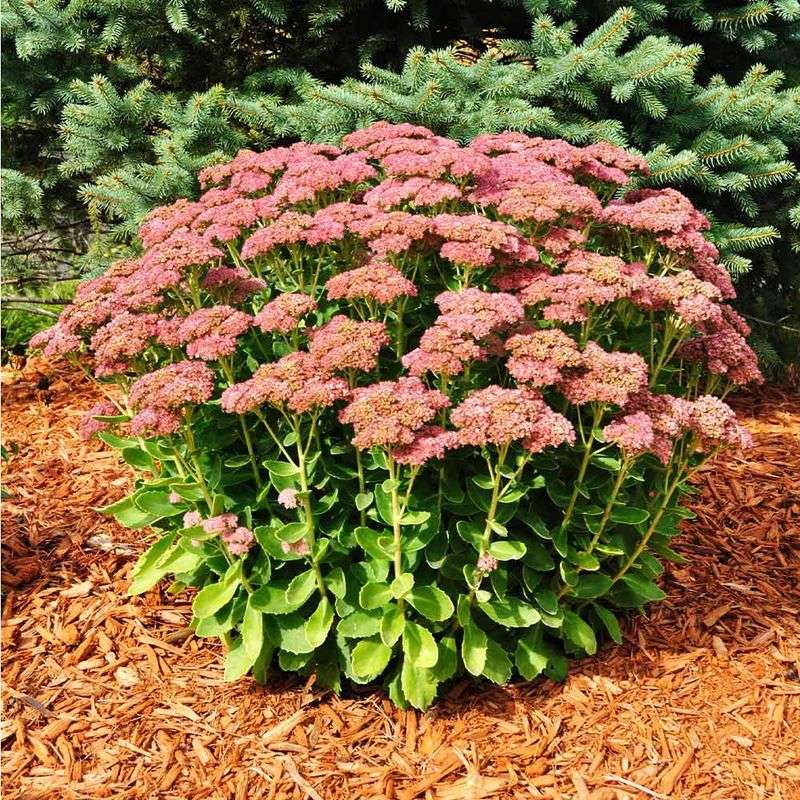
When most perennials are winding down in late summer, sedum is just hitting its stride. Also called stonecrop, this succulent perennial stores water right in its thick, fleshy leaves, making it one of the most drought-resistant plants you can grow in an Ohio garden.
It shrugs off dry spells that would stress other plants.
Upright varieties like Autumn Joy are the most popular for Ohio landscapes. They grow into tidy, rounded clumps that look attractive even before they bloom, with their blue-green foliage adding texture to borders from spring onward.
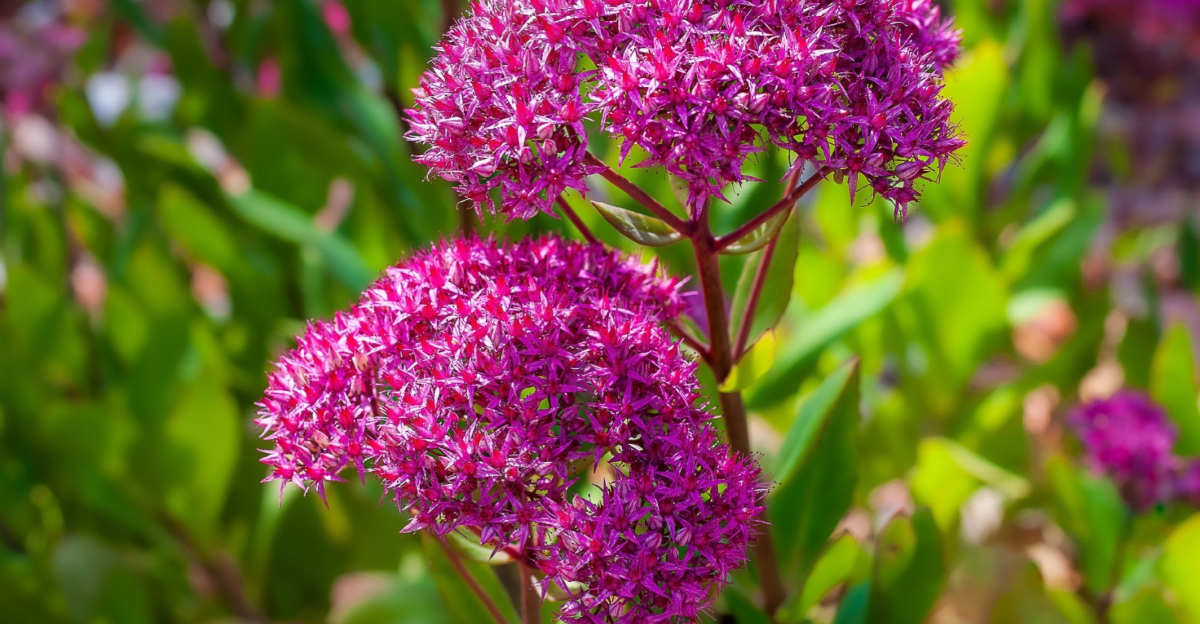
By late August, flat-topped flower clusters emerge in shades of pink, rose, and copper-red.
Those flower heads are genuinely stunning in fall and remain attractive even after frost. Many Ohio gardeners leave the dried seed heads standing through winter because they catch snow beautifully and provide some structure to an otherwise bare garden.
Bees and butterflies flock to the blooms right up until the first hard freeze.
Sedum thrives in full sun and poor-to-average, well-drained soil. Rich, overly moist soil can cause the stems to flop, so avoid heavy clay spots or over-amended beds.
Ohio’s winter cold is not a problem at all since most upright sedums are hardy well into zone 3, making them virtually indestructible in all parts of the state.
6. Bee Balm Attracts Pollinators With Little Work
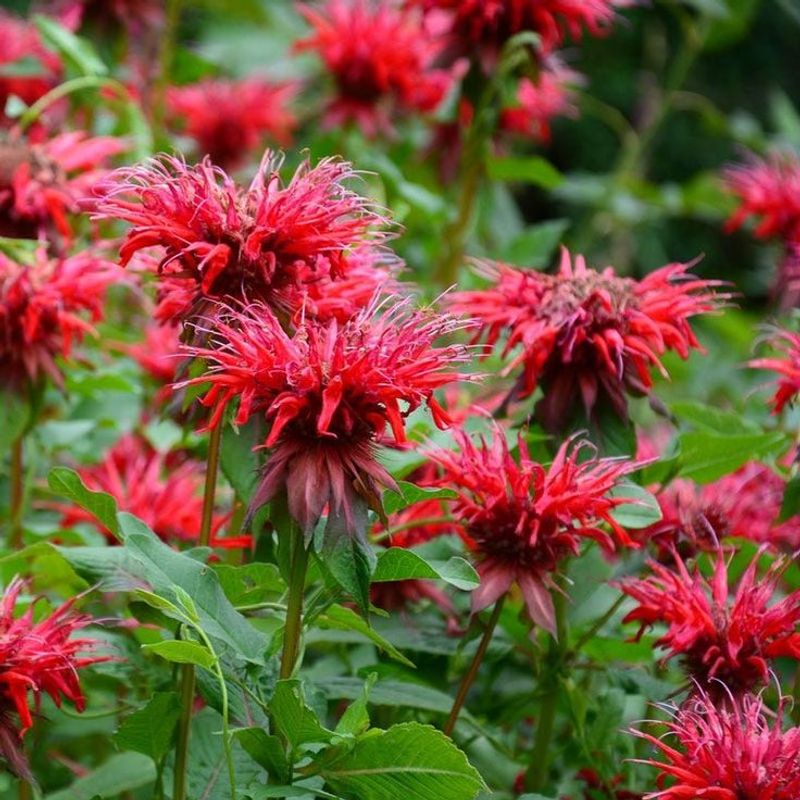
Bee balm is one of those plants that makes your garden feel like a wildlife sanctuary. When it blooms in midsummer, the shaggy, crown-like flowers in red, pink, purple, and white attract an impressive parade of visitors including bumblebees, hummingbirds, and butterflies.
Watching the activity around a single plant on a warm Ohio afternoon is genuinely entertaining.
Native to eastern North America, bee balm has been growing in Ohio’s wild spaces for centuries. It prefers full sun and consistently moist soil, so planting it near a rain garden or in a spot that holds moisture a little longer than average works well.
It can tolerate partial shade but blooms most freely in direct sun.
One thing to know upfront is that bee balm spreads by underground runners. This spreading habit means it fills in a space quickly and creates bold drifts of color, which is great for larger beds.
In smaller spaces, simply pull back the outer edges each spring to keep it contained without much effort.
Choosing mildew-resistant varieties is a smart move for Ohio gardeners since humidity can encourage powdery mildew on older types. Look for Raspberry Wine, Jacob Cline, or Fireball for strong disease resistance.
Cutting plants back after the first bloom flush can trigger a second wave of flowers in late summer, extending the show well into August.
7. Coral Bells Offer Stunning Foliage Year After Year
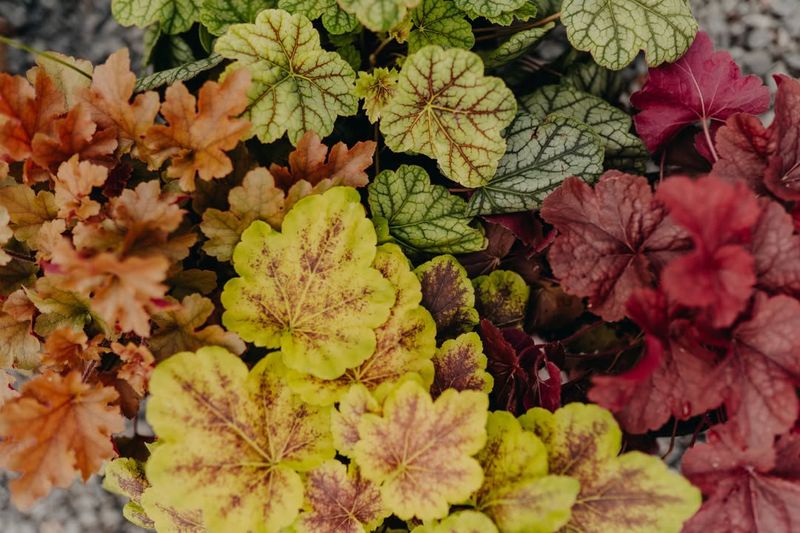
Coral bells have quietly become one of the most exciting perennials available to Ohio gardeners over the past two decades. Modern breeding has produced an incredible range of foliage colors, from deep purple and burgundy to bright lime green, peachy caramel, and silvery gray.
The leaves are the main event, and they look good from the moment they emerge in spring until hard frost arrives.
Originally a shade plant, newer coral bell varieties handle a wider range of light conditions. In Ohio, a spot with morning sun and afternoon shade tends to bring out the richest foliage color while preventing leaf scorch during hot July and August days.
They grow in average, well-drained soil and rarely need fertilizing once established.
Slender, wiry stems rise above the foliage in late spring and early summer, carrying tiny bell-shaped flowers in pink, red, or white. Hummingbirds visit these blooms regularly, adding another layer of garden activity.
Even after the flowers fade, the foliage keeps the plant looking polished and purposeful through the entire growing season.
Coral bells are long-lived perennials when given reasonable care. Mulching around the base helps in Ohio winters since freeze-thaw cycles can occasionally heave the shallow roots.
Every three to four years, dividing the clumps and replanting the outer sections keeps them growing vigorously. Palace Purple and Caramel are two outstanding performers for Ohio gardens.
8. Shasta Daisies Deliver Classic Blooms With Ease
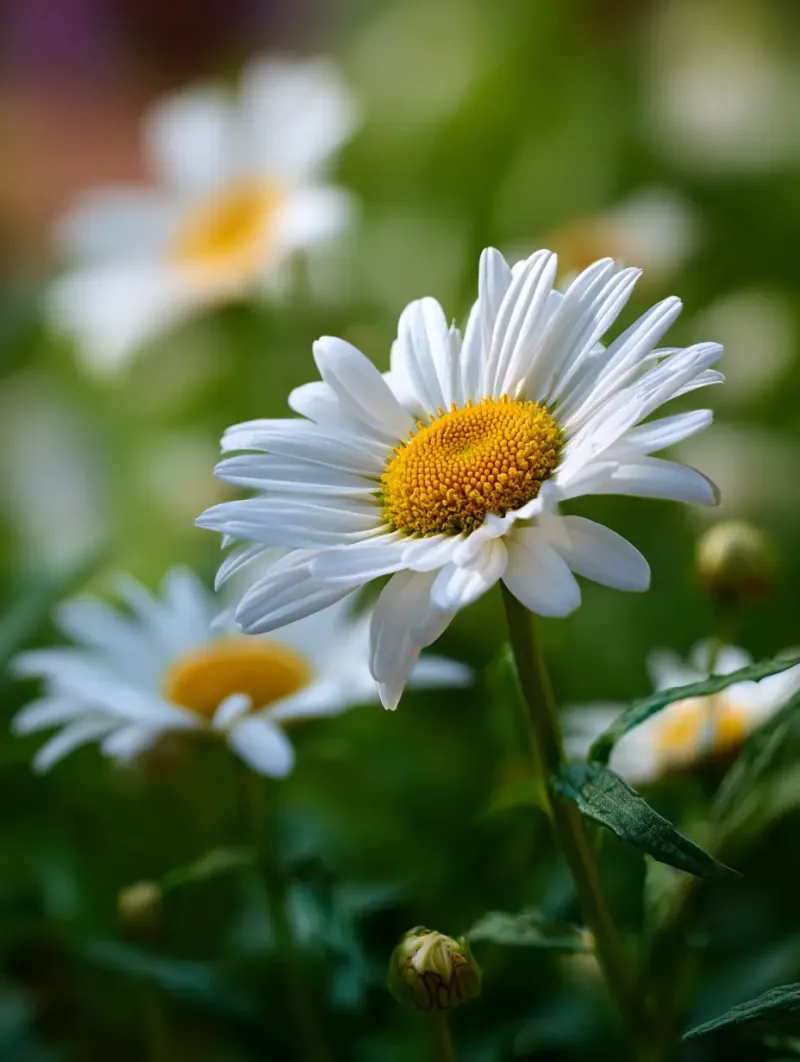
Some flowers never go out of style, and Shasta daisies are a perfect example. Those crisp white petals surrounding a golden-yellow center are timeless, and they look just as fresh in a modern garden as they do in a traditional cottage-style border.
Ohio gardeners have been growing them for generations for good reason.
Shasta daisies bloom from early June through August, with deadheading able to extend the show even further. They prefer full sun and well-drained soil, which means they are ideally suited to the raised beds and sunny borders that are common in Ohio front yards.
They are not fans of soggy soil, so avoid low spots where water tends to pool after heavy rain.
Plant them about eighteen inches apart to give each clump room to breathe and spread naturally. Good air circulation also helps prevent the occasional fungal issue that can come with Ohio’s humid summer weather.
Dividing clumps every two to three years keeps the plants blooming at their best and prevents the center from becoming woody and sparse.
Alaska and Becky are two Shasta daisy varieties that perform especially well in Ohio. Becky in particular is known for its tall, sturdy stems that hold up to summer storms without flopping.
Cut a few stems for indoor bouquets throughout the season since they last well in a vase and bring that fresh garden feeling right into your home.
9. Phlox Fills Ohio Gardens With Vibrant Summer Color
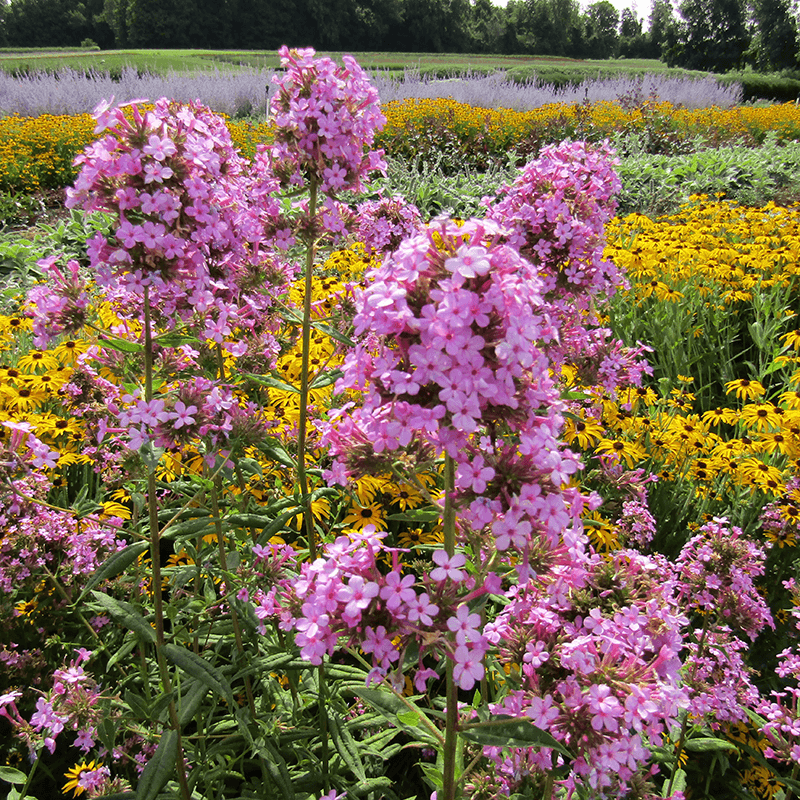
Few perennials match the visual punch of tall garden phlox in full bloom. From mid-July through August, the large, rounded flower clusters in shades of pink, lavender, white, and deep magenta absolutely command attention in Ohio garden borders.
Add in a sweet, spicy fragrance that carries on warm evenings, and phlox becomes genuinely hard to walk past without stopping to appreciate it.
Ohio’s warm, humid summers suit phlox well in terms of growth, though that same humidity can encourage powdery mildew on older varieties. Selecting disease-resistant types like David, Robert Poore, or Jeana makes a real difference.
These modern varieties maintain clean, healthy foliage throughout the season even when conditions are steamy.
Phlox grows best in full sun with consistent moisture. Unlike some other perennials on this list, it appreciates regular watering during dry Ohio summers, especially in its first year or two while roots are establishing.
Mulching the base helps retain soil moisture and keeps roots cool during heat waves.
Companion planting phlox alongside ornamental grasses, black-eyed Susans, or coneflowers creates a layered, naturalistic planting that looks professionally designed. Butterflies are drawn to phlox blooms reliably, and hummingbirds visit regularly too.
Cutting the plants back by one-third in early June encourages bushier growth and can produce a modest second flush of blooms in early fall.