11 Easy Pennsylvania Flowers To Start This March In Your Garden
I don’t know about you, but there’s something about early March in Pennsylvania that makes my heart leap – the first hints of spring, the smell of thawing soil, and the promise of flowers pushing through the cold ground.
Even with chilly mornings and the occasional lingering frost, the garden starts calling, and we can’t wait to answer.
This month, you don’t have to wait for sunny April to get your hands dirty. There are flowers that can be started now, right in March, giving your yard a jumpstart on color and fragrance before the warmer days fully arrive.
With the right seeds and a little care, those first blooms will be ready to greet spring in style.
Grab your gloves and roll up your sleeves – this list is packed with flowers that are ready to grow, and your garden is about to come alive.
1. Daffodils Bursting With Sunshine
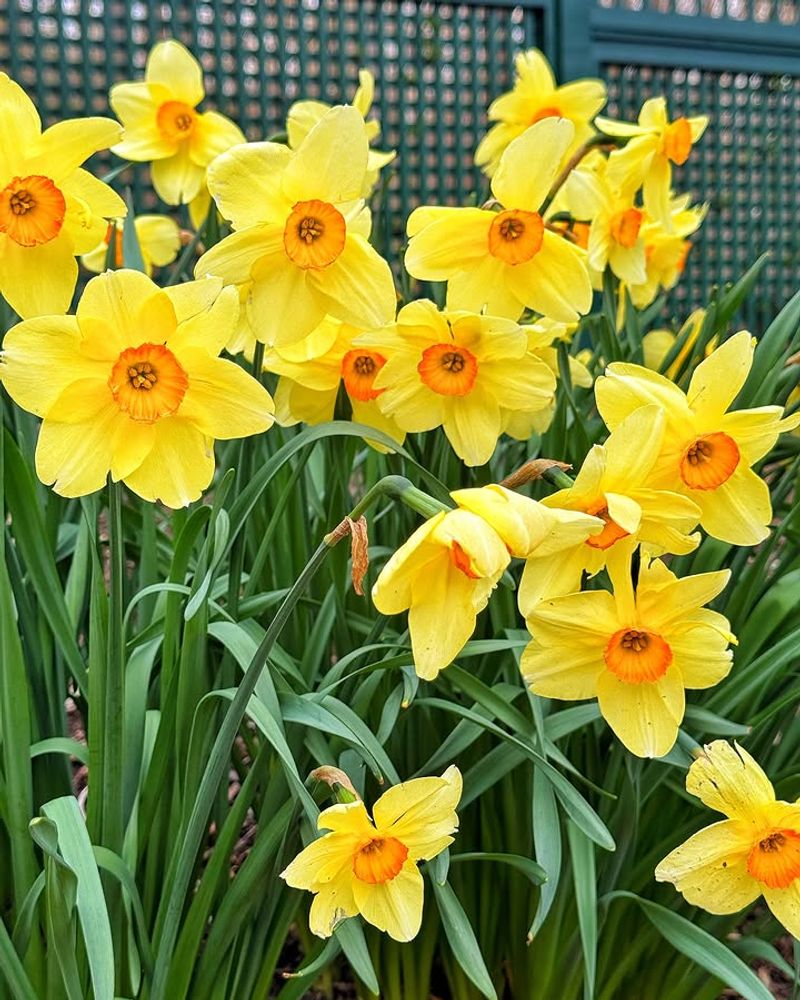
Few flowers announce spring’s arrival quite like daffodils with their cheerful yellow trumpets nodding in the breeze. These bulbs are incredibly forgiving for Pennsylvania gardeners because they tolerate cold snaps and even light snow after planting.
Once established, they come back year after year without much fuss, making them perfect for busy gardeners who want reliable color.
Planting daffodils in March gives them time to develop strong roots before the soil warms up completely. Choose a spot with good drainage and at least partial sun, and plant the bulbs about six inches deep with the pointy end facing up.
You can cluster them in groups of five or more for a dramatic display that looks natural rather than stiff.
Pennsylvania’s climate suits daffodils perfectly since they need a cold period to bloom properly. Water them after planting if the ground is dry, but don’t overdo it because soggy soil can cause problems.
These flowers are also deer-resistant, which is a huge bonus in areas where wildlife likes to snack on garden plants.
After blooming, let the foliage turn yellow naturally before cutting it back. This allows the bulb to store energy for next year’s show.
With dozens of varieties available, from classic yellows to white and peach combinations, you can create a daffodil display that keeps your garden interesting.
2. Tulips Dancing In The Breeze
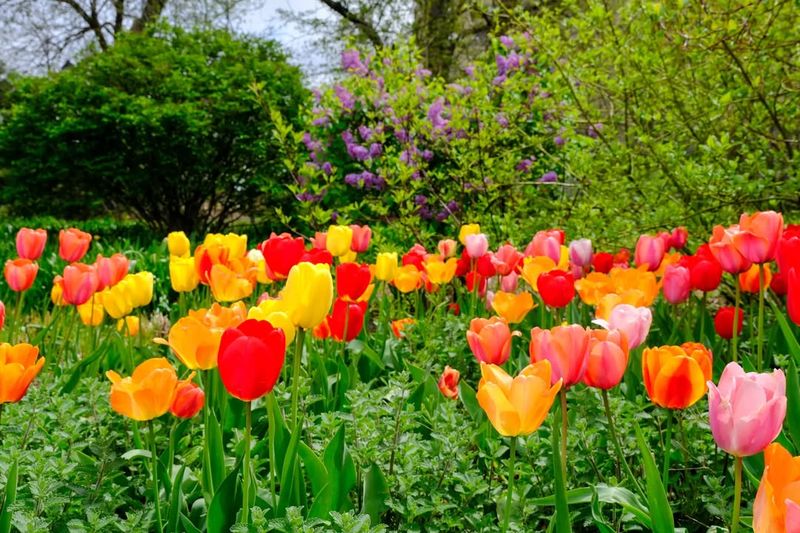
March planting works well for these bulbs because they need cool soil to establish roots before warm weather triggers their growth. From deep purples to soft pastels, tulips offer endless color possibilities that brighten any landscape.
When selecting tulips for your Pennsylvania garden, consider both early and mid-season varieties to extend your bloom time. Plant bulbs about eight inches deep in well-draining soil with plenty of organic matter mixed in.
Space them about four to six inches apart, and arrange them in clusters rather than straight lines for a more natural appearance.
Pennsylvania’s spring weather can be unpredictable, but tulips handle temperature swings better than you might think. They actually benefit from cool March temperatures that help prevent premature sprouting.
Choose a location that gets full sun to partial shade, and make sure the area doesn’t collect standing water after rain or snowmelt.
One challenge with tulips is that squirrels and other critters find them tasty, so consider protecting your planting area with wire mesh or choosing varieties that animals tend to avoid. After blooming, remove spent flowers but leave the foliage until it yellows completely.
This helps the bulb recharge for the following year, though many gardeners treat tulips as annuals and plant fresh bulbs each season for the most spectacular display.
3. Crocuses Popping Up Early
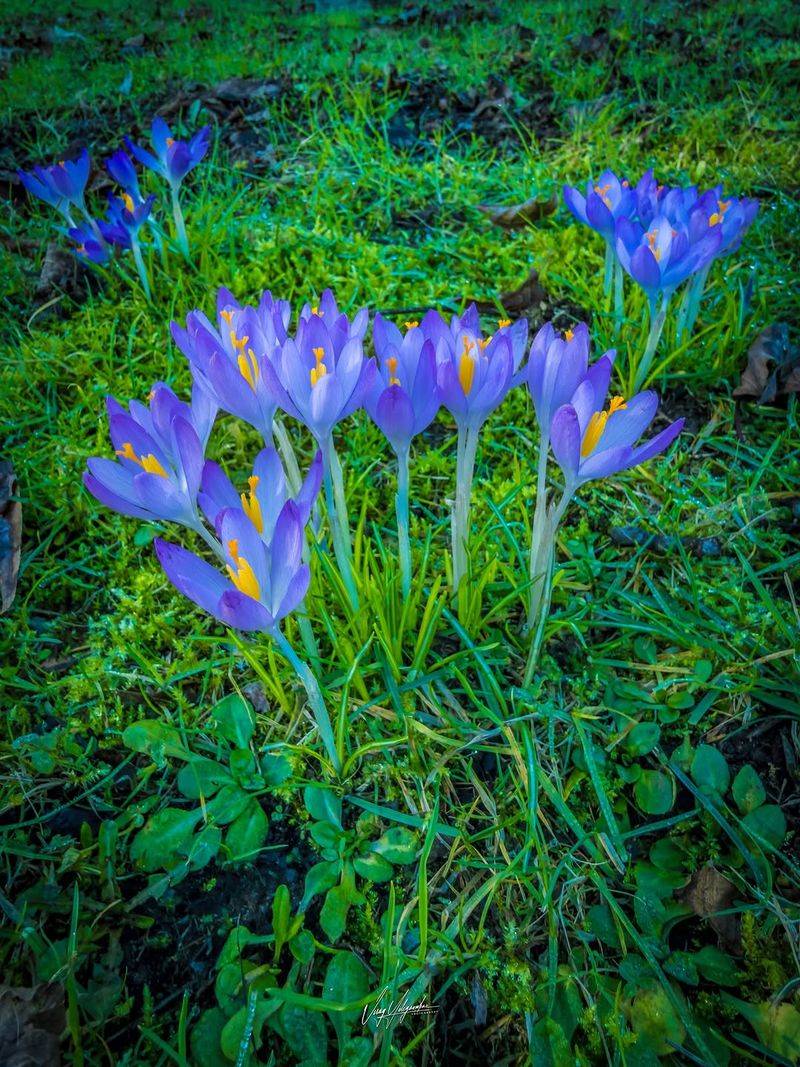
These tiny but mighty flowers are perfect for Pennsylvania gardens because they’re incredibly cold-hardy and can handle the temperature rollercoaster that March often brings. Their low-growing habit makes them ideal for edging walkways or naturalizing in lawn areas.
Planting crocus corms in March requires just a few simple steps that even beginners can master. Dig small holes about three inches deep and drop in the corms with the pointed end facing upward.
Space them two to three inches apart, and plant them in groups of at least ten for visual impact since individual blooms are quite small.
What makes crocuses special for Pennsylvania gardeners is their ability to multiply over time, creating larger patches each year. They prefer well-drained soil and full sun but will tolerate partial shade, especially under deciduous trees that haven’t leafed out yet.
The flowers open wide on sunny days and close at night or during cloudy weather, creating an interesting dynamic display.
Crocuses come in purple, yellow, white, and striped varieties that can be mixed for a cheerful carpet of color. They’re also among the first food sources for bees emerging from winter, making them an important addition for pollinator-friendly gardens.
After blooming, the foliage disappears quickly, so you won’t have to deal with unsightly dying leaves for long.
4. Sweet Peas Climbing With Charm
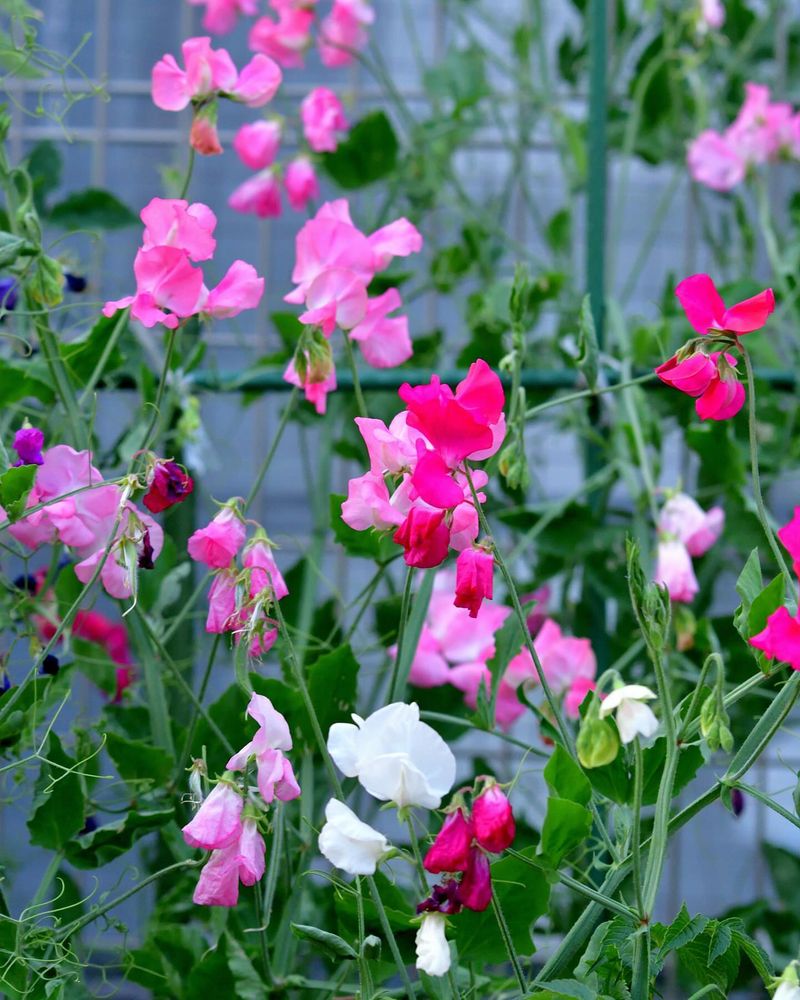
Pennsylvania’s cool March temperatures are ideal for starting sweet peas since they prefer cooler conditions and can struggle once summer heat arrives. Sweet peas offer something most spring flowers can’t match: an intoxicating fragrance that fills your garden with perfume.
These climbing vines produce ruffled blooms in soft shades that look like they belong in a cottage garden painting.
Starting sweet peas requires a bit more attention than bulbs, but the reward is worth it. Soak seeds overnight before planting to soften their hard coats, then plant about an inch deep in soil enriched with compost.
They’ll need support for climbing, so set up a trellis, fence, or netting before the vines get too long and tangled.
Choose a spot that receives morning sun but has some afternoon shade to prevent overheating. Mulching around the base helps retain moisture and keeps roots cool as temperatures rise.
Cutting flowers regularly encourages more blooms, so don’t hesitate to bring armfuls indoors. Sweet peas make excellent cut flowers that last about a week in water.
Plant as early in March as soil can be worked to allow establishment before warm weather sets in.
5. Phlox Painting Your Garden Bright
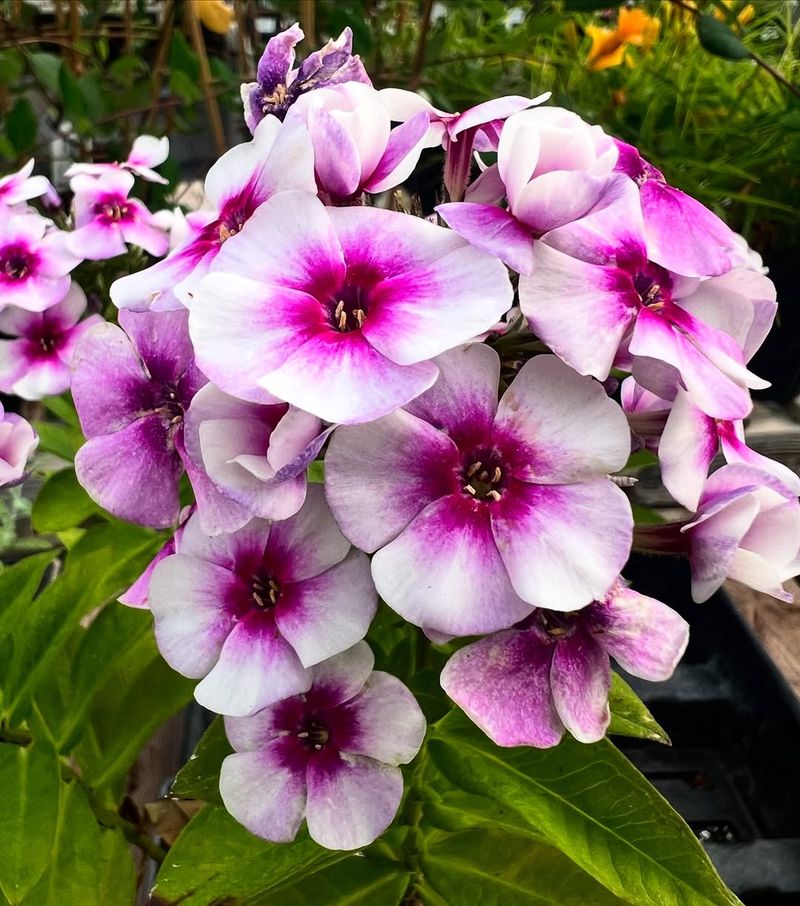
Bright clouds of colorful blooms bring life to the garden, attracting butterflies and hummingbirds throughout the season. March is perfect for planting phlox in Pennsylvania because these hardy perennials establish quickly in cool soil and reward you with flowers from late spring through summer.
Their sweet fragrance and long bloom time make them a valuable addition to any garden design.
Choose varieties suited to Pennsylvania’s growing zone and a location with good air circulation to prevent powdery mildew. Space plants about 18 inches apart in well-draining soil that retains some moisture.
Phlox tolerates partial shade but blooms best in full sun. Different varieties flower at different times, so planting early, mid-season, and late types creates a succession of color.
Creeping phlox works as a ground cover over rocks or walls, while tall garden phlox makes an impressive backdrop in borders. Both types thrive in Pennsylvania’s climate and return reliably each year.
Water newly planted phlox regularly to establish strong roots. Once established, they’re fairly drought-tolerant, though consistent moisture encourages blooms.
Removing spent flowers promotes additional flowering and prevents energy going into seeds. Pennsylvania gardeners love phlox for its reliability, low maintenance, and ability to fill the garden with color from spring into summer.
6. Black‑Eyed Susans Smiling All Day
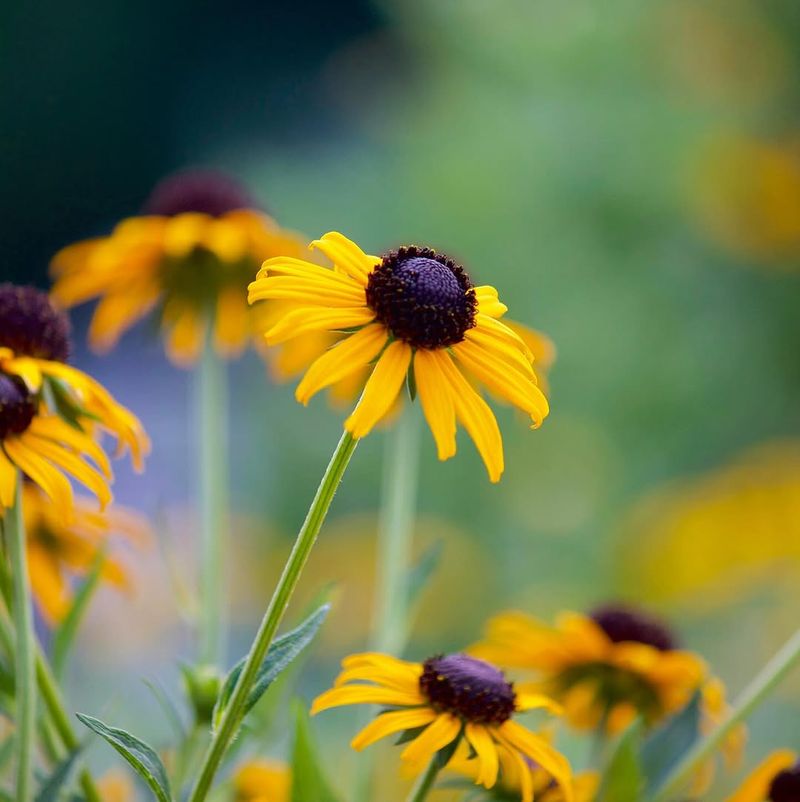
These native wildflowers are incredibly tough and adaptable, making them perfect for gardeners who want beautiful blooms without constant maintenance. March planting gives them a head start on the growing season, and they’ll reward you with flowers from midsummer through fall.
Starting black-eyed Susans from seed in March works well in Pennsylvania because these plants don’t mind cool soil temperatures. Scatter seeds over prepared soil and barely cover them since they need some light to germinate.
You can also plant nursery-grown transplants if you want faster results, spacing them about 12 to 18 inches apart.
What makes black-eyed Susans special is their ability to thrive in conditions that challenge other flowers. They tolerate heat, drought, poor soil, and even some shade, though they perform best in full sun.
Once established in your Pennsylvania garden, they’ll self-seed and naturalize, creating larger patches over time without becoming invasive or problematic.
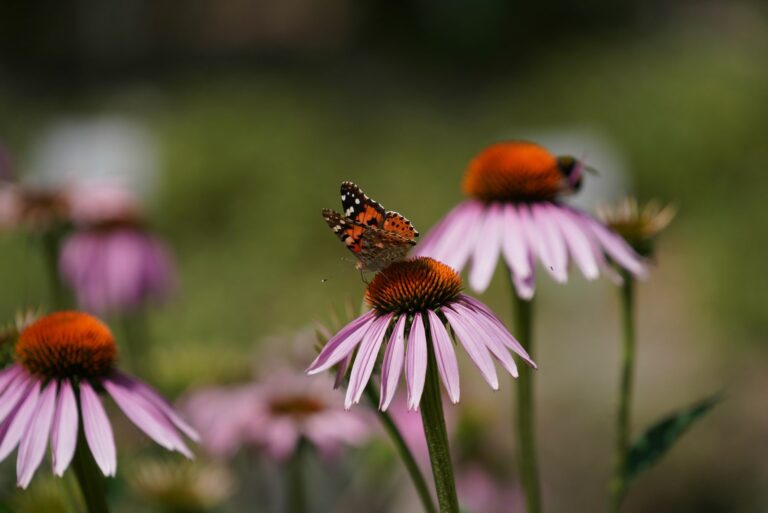
These flowers are magnets for butterflies, bees, and other beneficial insects, making them excellent choices for pollinator gardens. Birds also appreciate the seed heads in fall and winter, adding wildlife interest beyond the blooming season.
Black-eyed Susans combine beautifully with ornamental grasses, purple coneflowers, and other prairie-style plants for a low-maintenance landscape that looks natural and abundant throughout Pennsylvania’s growing season.
7. Calendula Bringing Golden Cheer
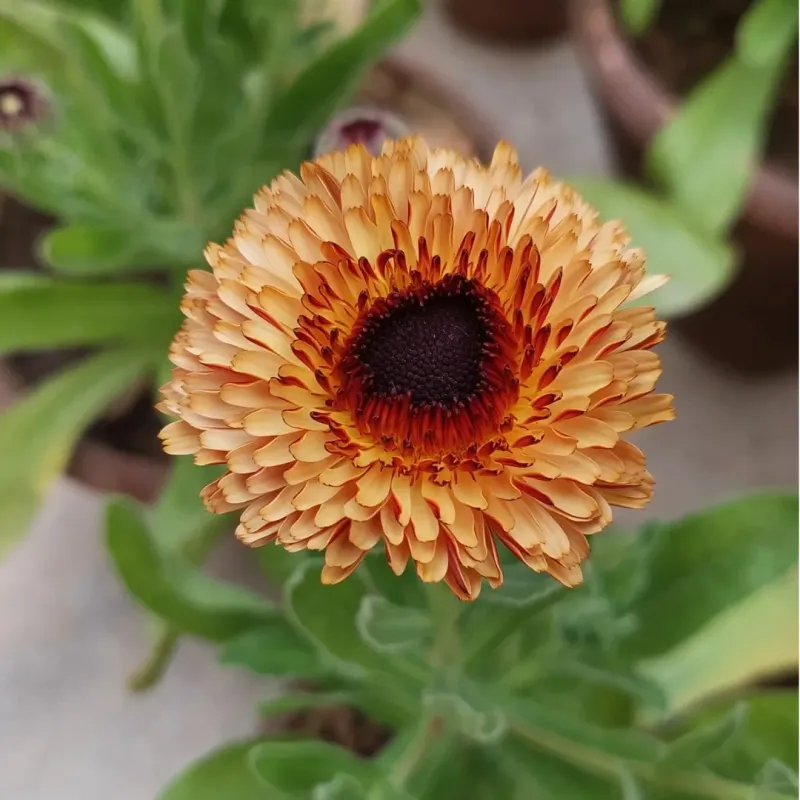
Cheerful orange and yellow blooms that offer practical benefits make calendula a favorite for Pennsylvania gardens, especially in early spring. This easy-going annual tolerates cool weather, making March the perfect time to sow seeds once the soil can be worked.
Plant seeds about half an inch deep and thin seedlings to six inches apart as they emerge to give each plant room to grow.
The plant thrives in cool spring conditions and grows quickly, often blooming within eight weeks of planting. Continuous harvesting encourages more flowers, creating vibrant bouquets for indoors or dried arrangements.
These blooms also attract beneficial insects, which help control garden pests naturally, supporting a healthier garden ecosystem.
While calendula can tolerate light frost, its flowering longevity depends on local temperatures. In harsher freezes, blooms may decline, so Pennsylvania gardeners should monitor weather and provide light protection during unexpected cold snaps.
Deer-resistant and versatile, calendula can be planted in borders, vegetable gardens, or containers for portable color.
With proper spacing, consistent moisture, and routine harvesting, these cheerful annuals provide long-lasting color and useful benefits in Pennsylvania landscapes. Careful attention ensures blooms thrive through March and April, giving gardeners a head start on a bright, vibrant spring display before warmer summer conditions gradually slow flowering.
8. Asters Twinkling Into Spring
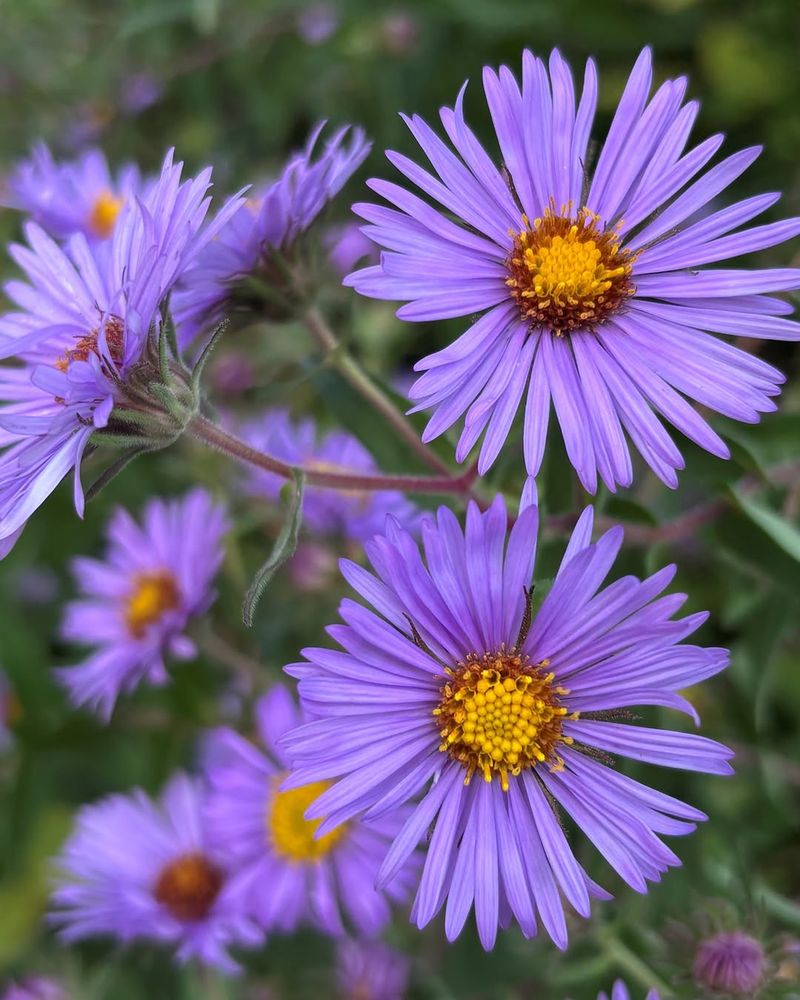
Asters provide spectacular late-season color when many other flowers have finished blooming, but March is the perfect time to plant them in Pennsylvania. These daisy-like perennials come in shades of purple, pink, blue, and white, creating a grand finale for the growing season.
Native varieties are especially well-suited to Pennsylvania’s climate and support local pollinator populations.
When planting asters in March, choose a location with full sun and well-draining soil. Space plants according to their mature size, which varies by variety from compact eight-inch mounds to tall three-foot specimens.
Asters appreciate soil enriched with compost, and they’ll establish better if planted while weather is still cool rather than waiting until late spring.
Pennsylvania gardeners can select from many aster varieties, including New England asters that grow tall and bushy, and smooth asters that stay more compact. All types attract butterflies and bees, especially during fall when nectar sources become scarce.
The flowers also make excellent additions to cut flower arrangements, lasting up to two weeks in water.
Asters benefit from pinching back in early summer to encourage bushier growth and more flower production. This simple maintenance step prevents plants from getting leggy and improves their overall appearance.
Once established, asters are quite drought-tolerant and require minimal care beyond occasional watering during extended dry periods.
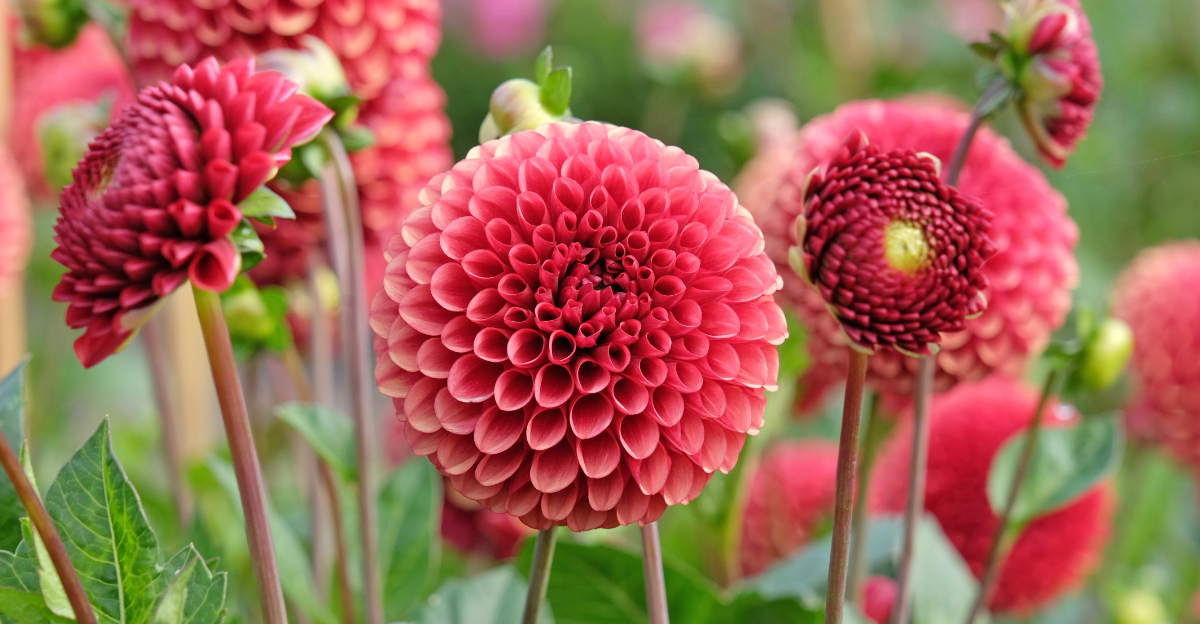
9. Dahlias Making A Bold Statement
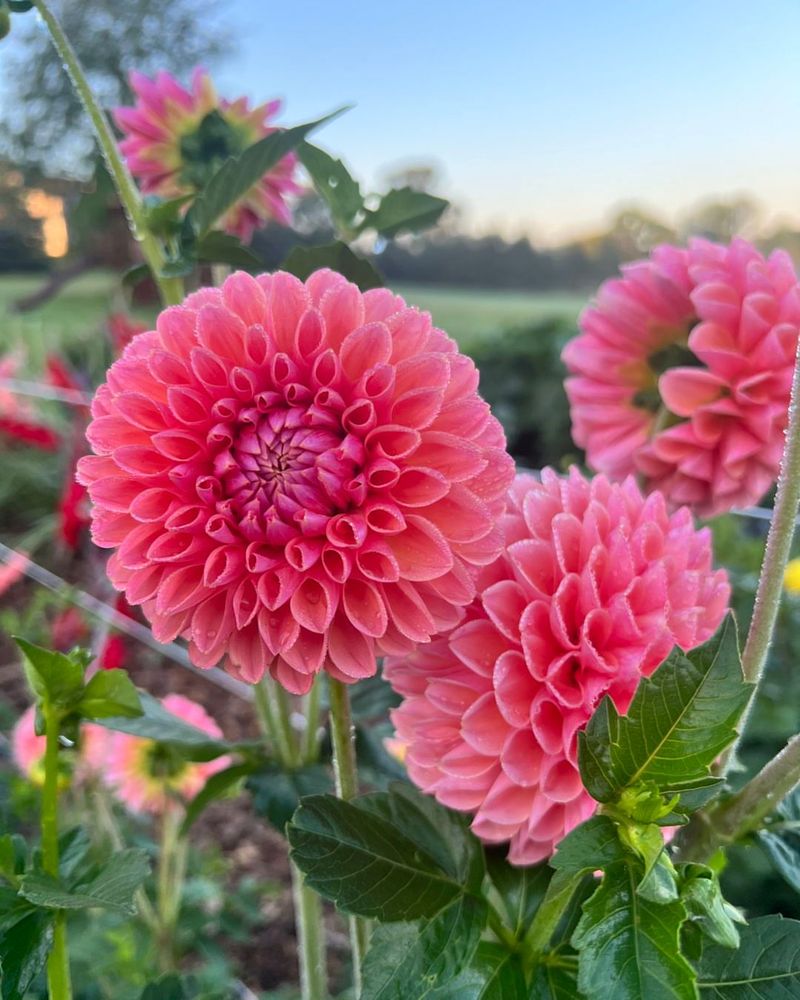
Show-stopping blooms with dramatic colors are what make dahlias a favorite in Pennsylvania gardens, though true blue varieties do not exist naturally. While they cannot go directly into the ground until the danger of frost has passed, March is the perfect time to start dahlia tubers indoors.
Giving them an early start allows blooms to appear sooner and supports continuous flowering from midsummer until the first freeze.
Plant tubers in containers filled with potting mix, covering them with about two inches of soil. Keep the containers in a warm spot and water sparingly until shoots appear, then gradually increase watering as the plants grow.
By the time the last frost arrives in late April or May, the dahlias are ready to transplant outdoors.
These plants thrive in full sun and rich, well-draining soil. Smaller varieties need about 12 inches of space, while larger ones require up to three feet.
Most benefit from staking, especially when heavy blooms bend stems. Regularly cutting flowers encourages continued blooming and abundant summer bouquets.
Pennsylvania gardeners should dig up tubers before hard frost, clean them, and store indoors over winter for replanting in spring. With proper attention to space, light, and watering, starting tubers indoors ensures dahlias perform reliably and provide early, vibrant focal points each season.
10. Cornflowers Showing Off Their Blue
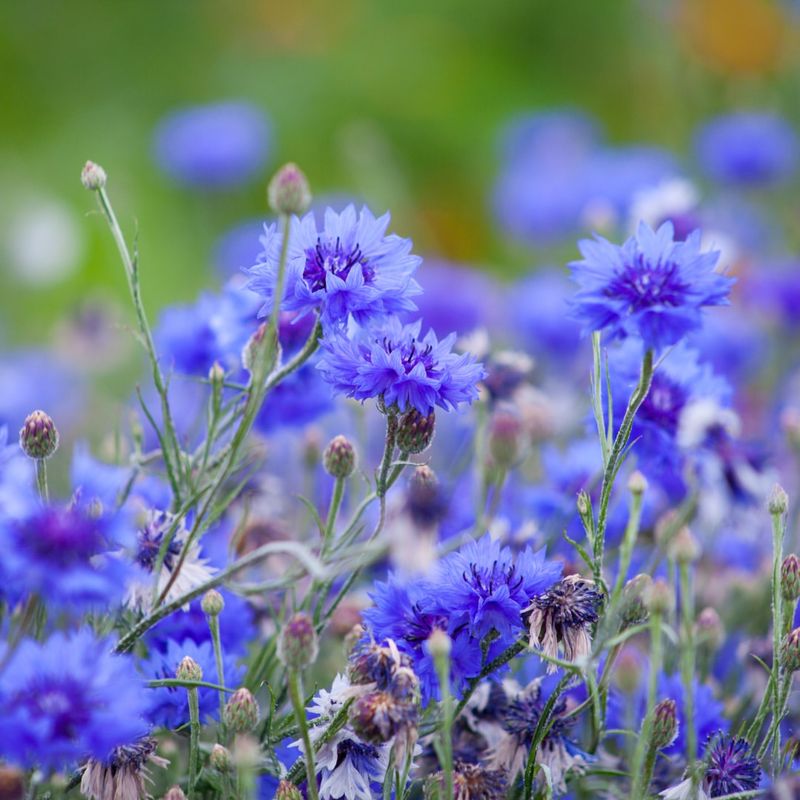
A splash of true blue is a rare treat in Pennsylvania gardens, and these hardy annuals deliver it beautifully. They are easy to grow from seeds sown directly in March, taking full advantage of the state’s cool spring soil.
Scatter seeds lightly over prepared beds and keep the soil moist until seedlings appear, usually in about two weeks. Once seedlings reach a few inches tall, thin them to six inches apart so each plant has room to flourish.
Their casual, cottage-garden blooms complement nearly any other flower and can be cut for fresh arrangements or left to add natural charm to the garden. Successive sowing every few weeks helps extend color well into late spring and summer.
Once established, they tolerate both drought and less-than-perfect soil, making them a reliable, low-maintenance option for gardeners.
These flowers also provide a small benefit to local wildlife. Some songbirds, particularly goldfinches, enjoy the seeds, so leaving a few flower heads to mature can attract birds to the garden.
With their easy growth, self-sowing nature, and enduring color, these annuals are a dependable choice for adding vibrant blue and a touch of whimsy to Pennsylvania gardens throughout the season.
11. Baby’s Breath Whispering Delicate Beauty
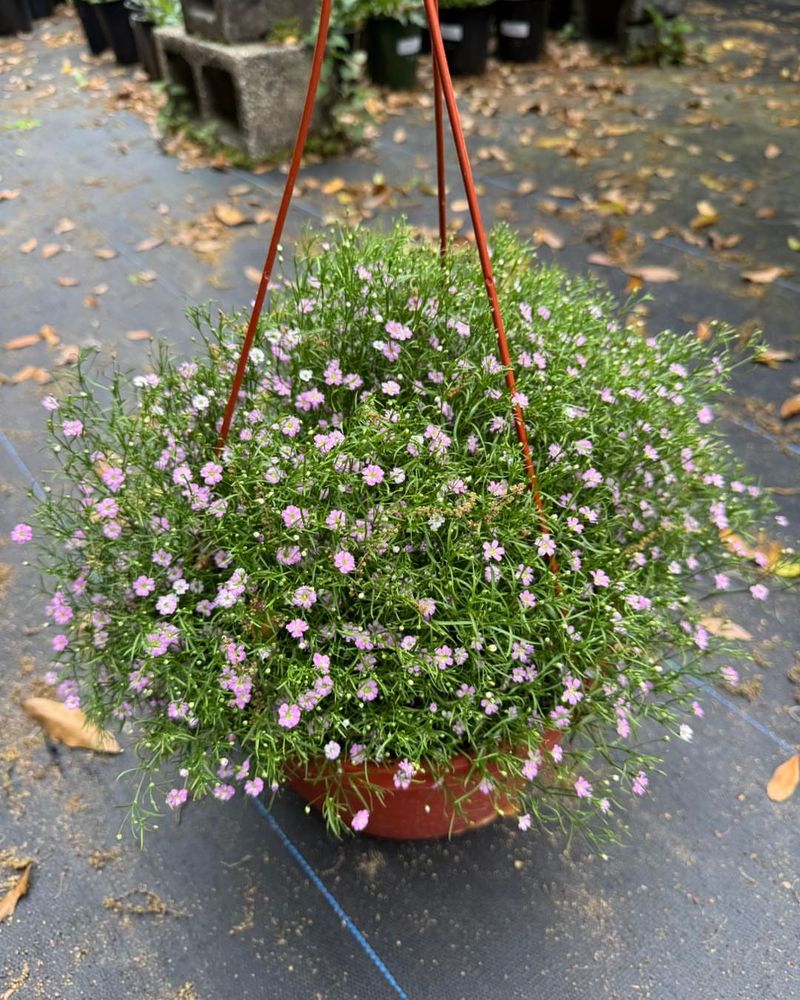
While often seen as a filler flower in bouquets, this plant deserves a spot in Pennsylvania gardens for its own merits. March planting allows baby’s breath to establish before warm weather, resulting in fuller plants that bloom prolifically throughout summer.
Growing baby’s breath from seed requires patience since germination can be slow and uneven. Start seeds indoors in March or direct sow them in the garden once soil can be worked.
These plants prefer slightly alkaline soil, so Pennsylvania gardeners may need to add lime if their soil is naturally acidic. Choose a location with excellent drainage and full sun for best results.
Annual baby’s breath varieties bloom quickly and produce masses of flowers perfect for cutting, while perennial types take longer to establish but return year after year. Space plants about 12 inches apart and provide support if you’re growing taller varieties that can reach three feet high.
The fine, branching stems create a misty effect that softens the appearance of bolder flowers in mixed plantings.
For cut flowers, harvest baby’s breath when about half the flowers on a stem are open. The stems dry beautifully and retain their shape, making them popular for dried arrangements and crafts.
In Pennsylvania gardens, baby’s breath tolerates heat and drought once established, requiring little maintenance beyond occasional watering during extended dry periods.